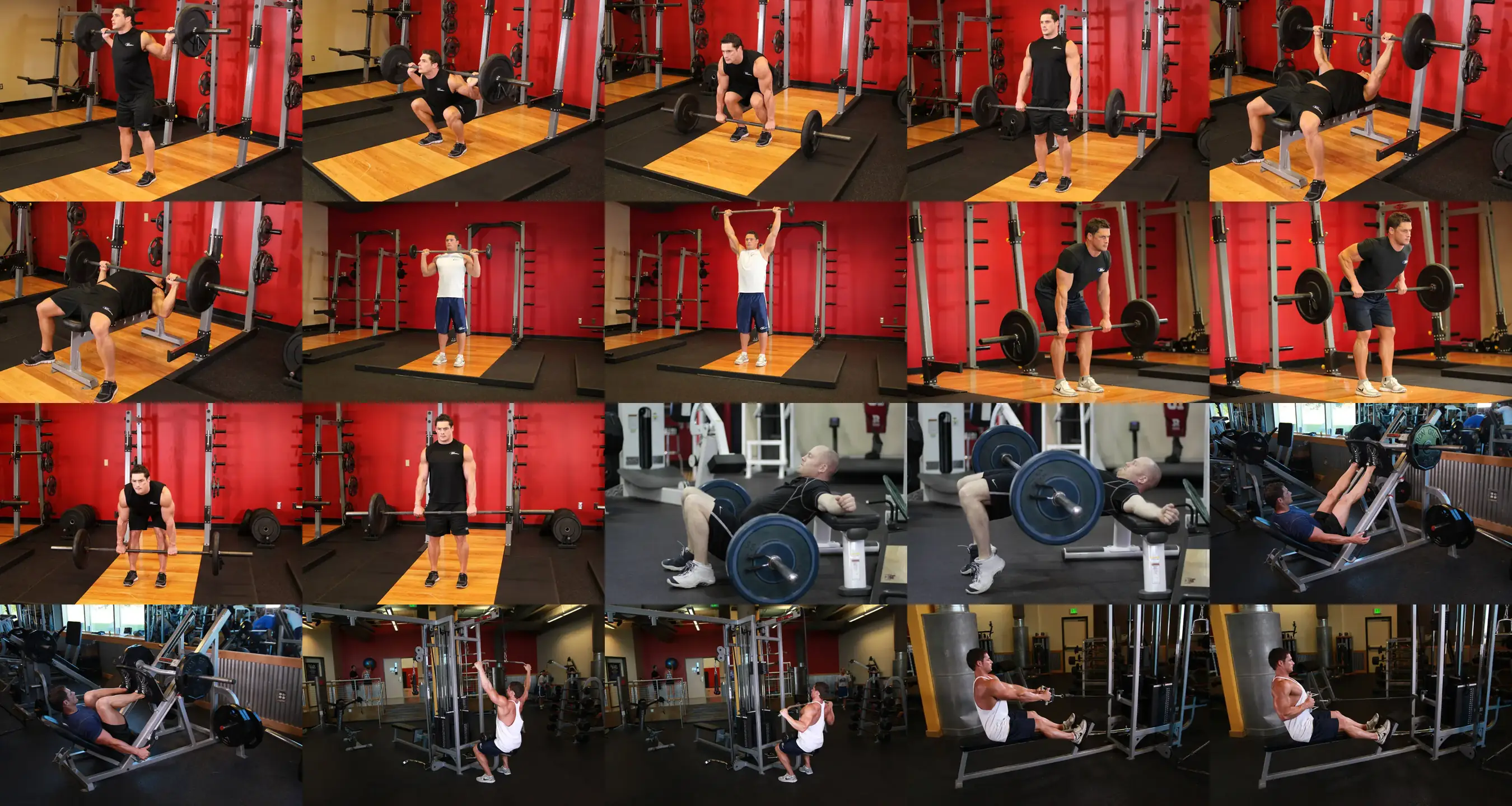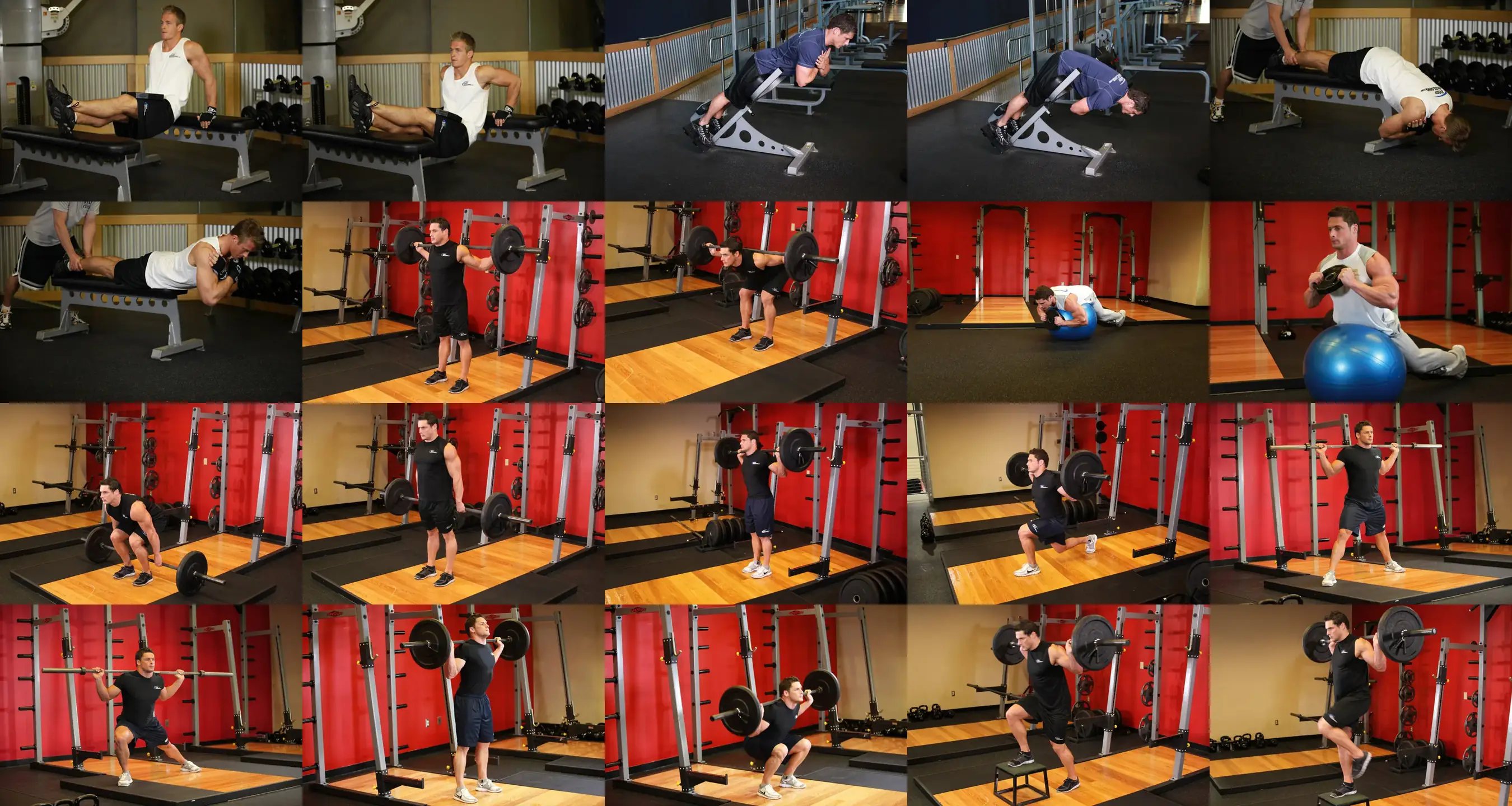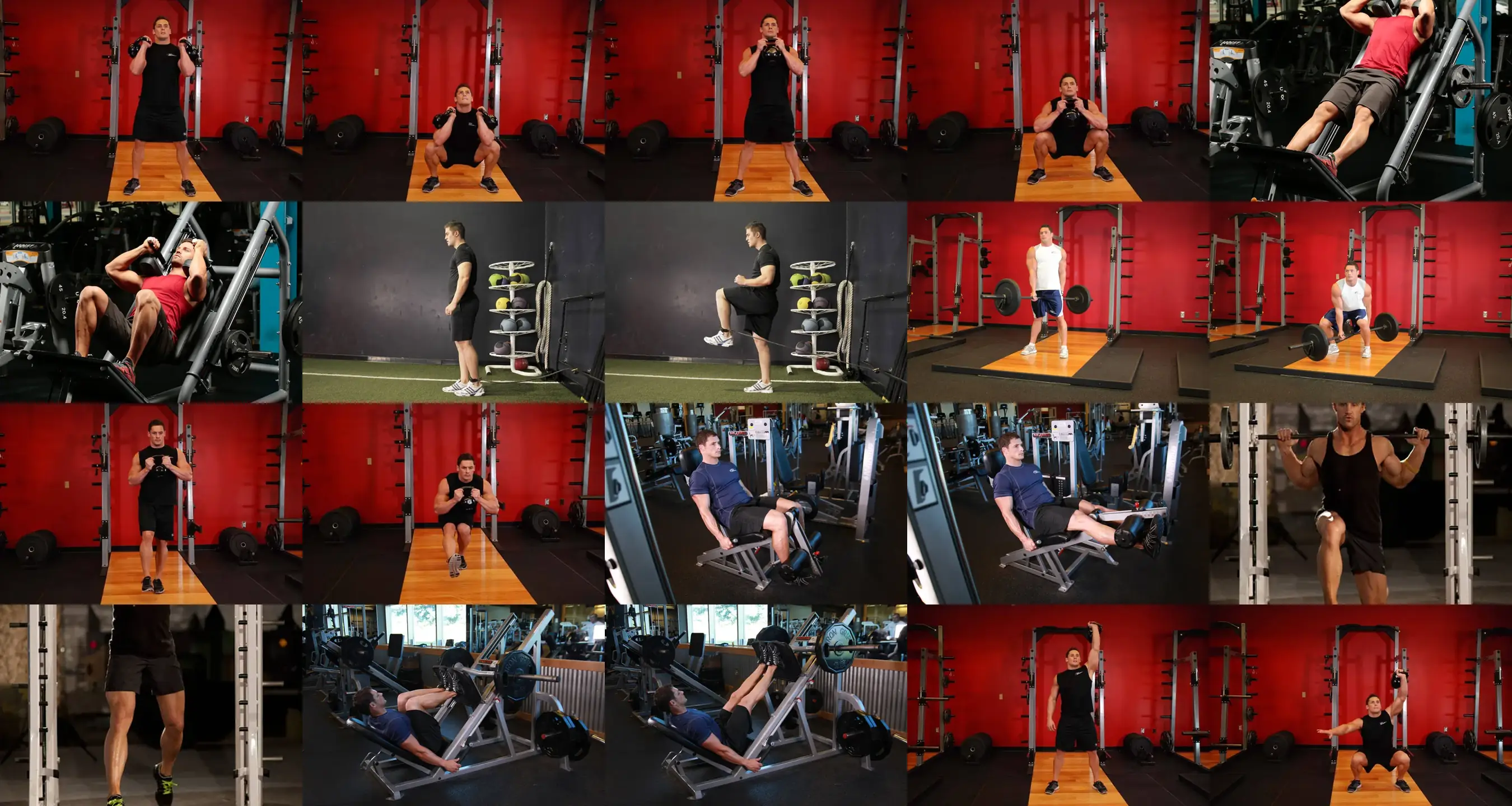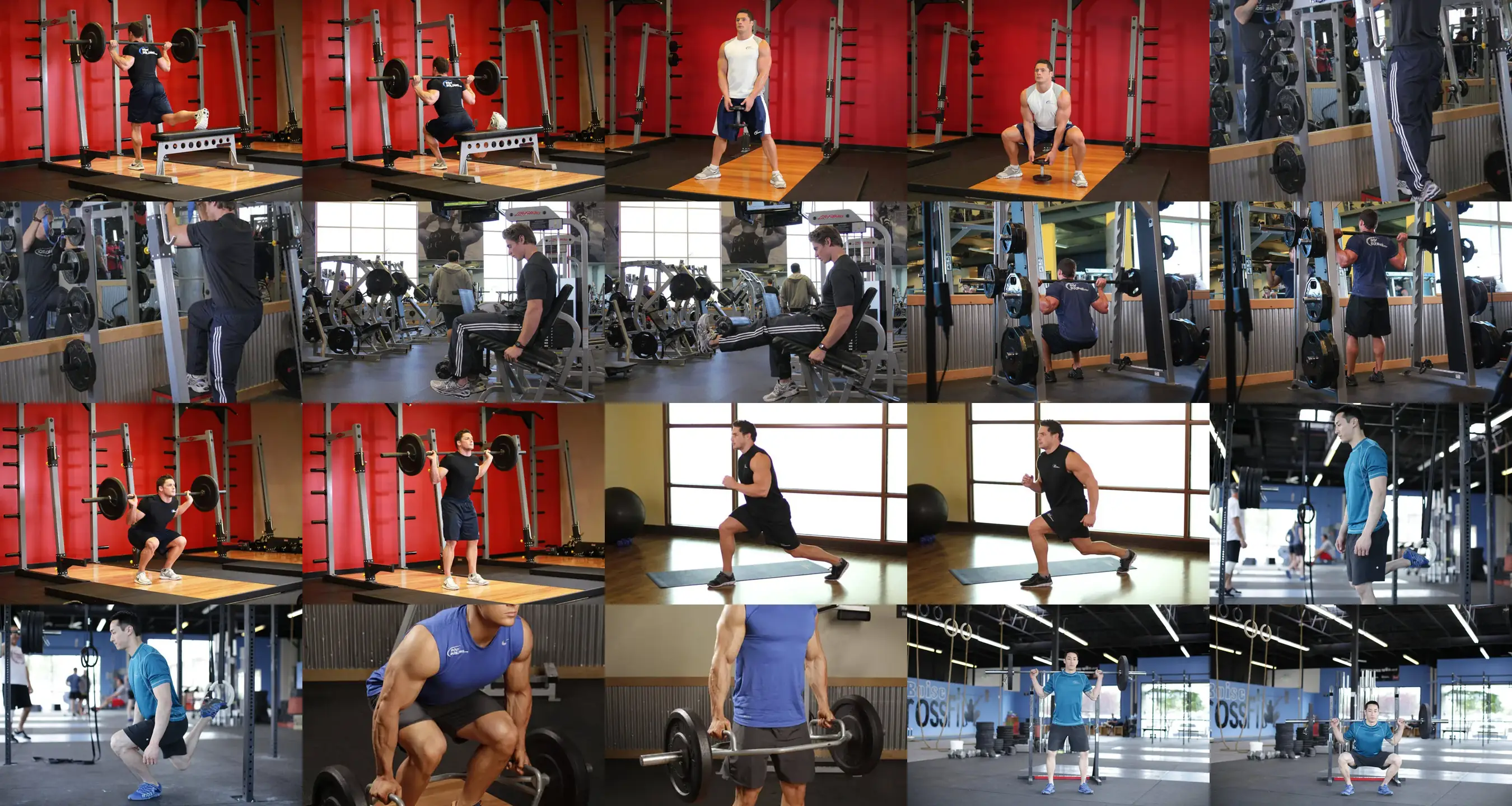
Setup and loading
Set the box behind you at a height that puts your hip crease at or just below knee level, and set the rack hooks around mid chest. Start with 50 to 70 percent of your regular squat and only add weight if the pause stays controlled.
How to do the box squat step by step
- Unrack the bar across your upper traps, take two or three steps back, and stand with your heels about a hand's width from the box.
- Set your feet a little wider than your normal squat with toes slightly out, then take a big breath into your belly and brace.
- Push your hips back and spread your knees, lowering under control while keeping your shins close to vertical.
- Sit onto the box without crashing, letting your hips relax slightly while your torso, back and abs stay tight.
- After a one second pause, drive through your whole foot and bring your chest and hips up together.
- Exhale as you pass the hardest part of the ascent, then reset your breath at the top before the next rep.
Form cues
- Hips back first, then knees out
- Sit on the box, do not drop onto it
- Keep your torso locked during the pause
- Spread the floor apart as you stand
Common mistakes
- Crashing onto the box: it compresses the spine; lower under control and touch the box softly.
- Rocking back for momentum: it defeats the purpose of the pause; stand up from a still position.
- Fully relaxing on the box: your back loses its stiffness; keep the breath and brace locked in.
- Using a box that is too low: your lower back rounds; choose a height where your spine stays neutral.
How to make it easier or harder
If you are still learning to squat, start with a goblet box squat holding a dumbbell or kettlebell. To progress, lower the box gradually, add bands or chains to the bar, or train speed box squats with submaximal loads.
Sets and reps for your goal
Max Strength
4-5 x 3-6 · rest 2-3 min3-6 sets of 1-6 reps at 80-90% of your max (1RM). Rest 2 to 5 minutes.
Leave 1-3 reps in reserve. If your technique breaks down, lower the weight: strength is built with good reps.
A guide for healthy adults. Adjust the load to your level and see a professional if you have an injury.
Check your form
Film yourself from the side or ask someone to watch, then tick what you get right.
Frequently asked questions
Is the box squat better than a regular squat?
It is not better, just different. It works as an accessory to build strength out of the bottom, groove your hip mechanics and control depth. Pair it with free squats, which train the bounce and coordination you need for competition and everyday lifting.
How high should the box be for box squats?
Most lifters use a box that puts the hips at parallel, with the hip crease level with or slightly below the knee. A higher box lets you handle more weight and train the top range, while a lower one demands more mobility and control.
Sports it suits
Gear for this exercise
- Olympic barbell and platesTo keep progressing on the big lifts with heavy loads.
As an Amazon Associate, Muscle Atlas earns from qualifying purchases.