6 weeks · 2 sessions/wk
Jump and power for basketball
A higher vertical, a quicker first step and knees and ankles that handle stops and landings all season.
€19.99See program
Buy · €19.99Muscle
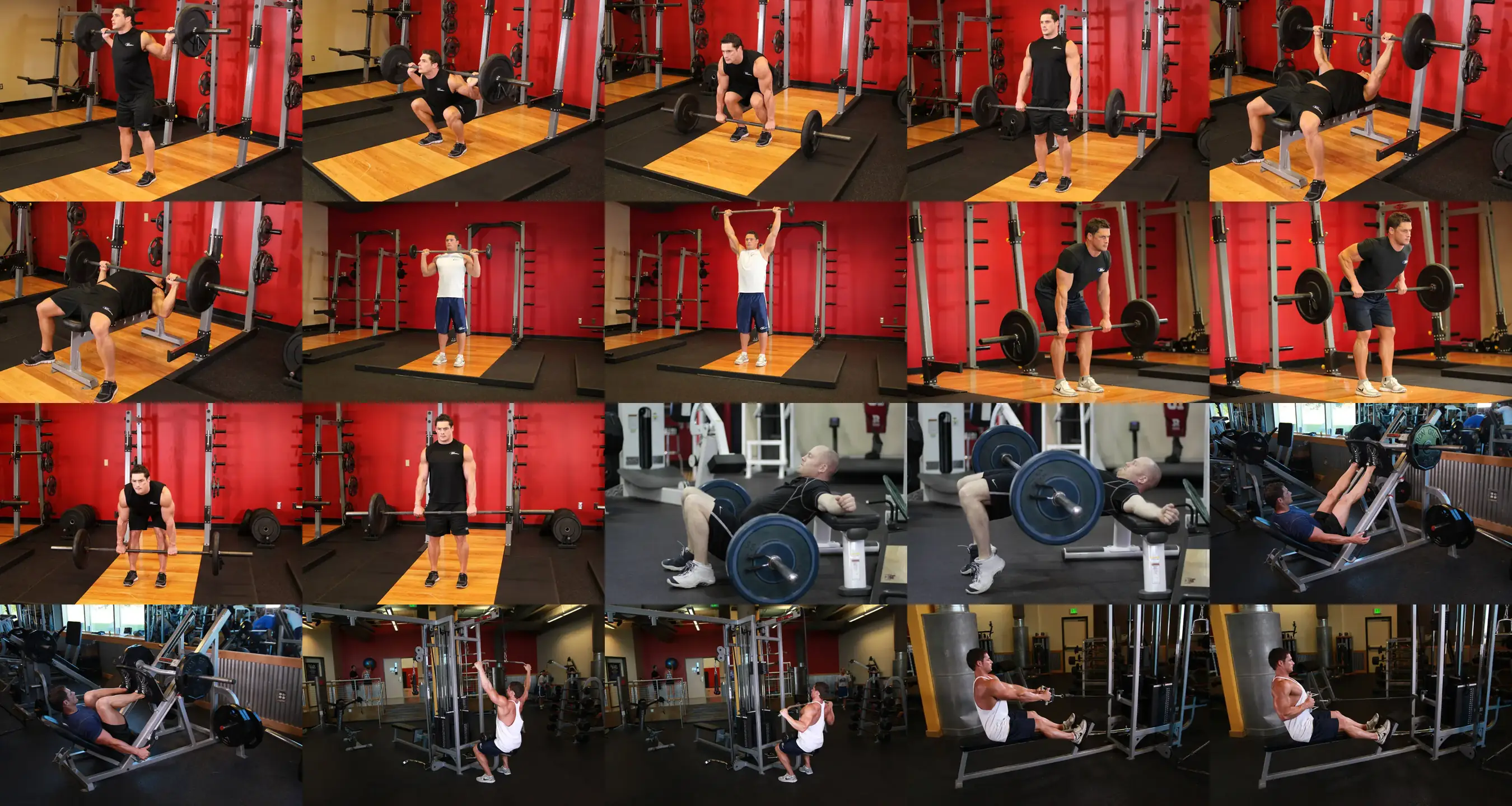
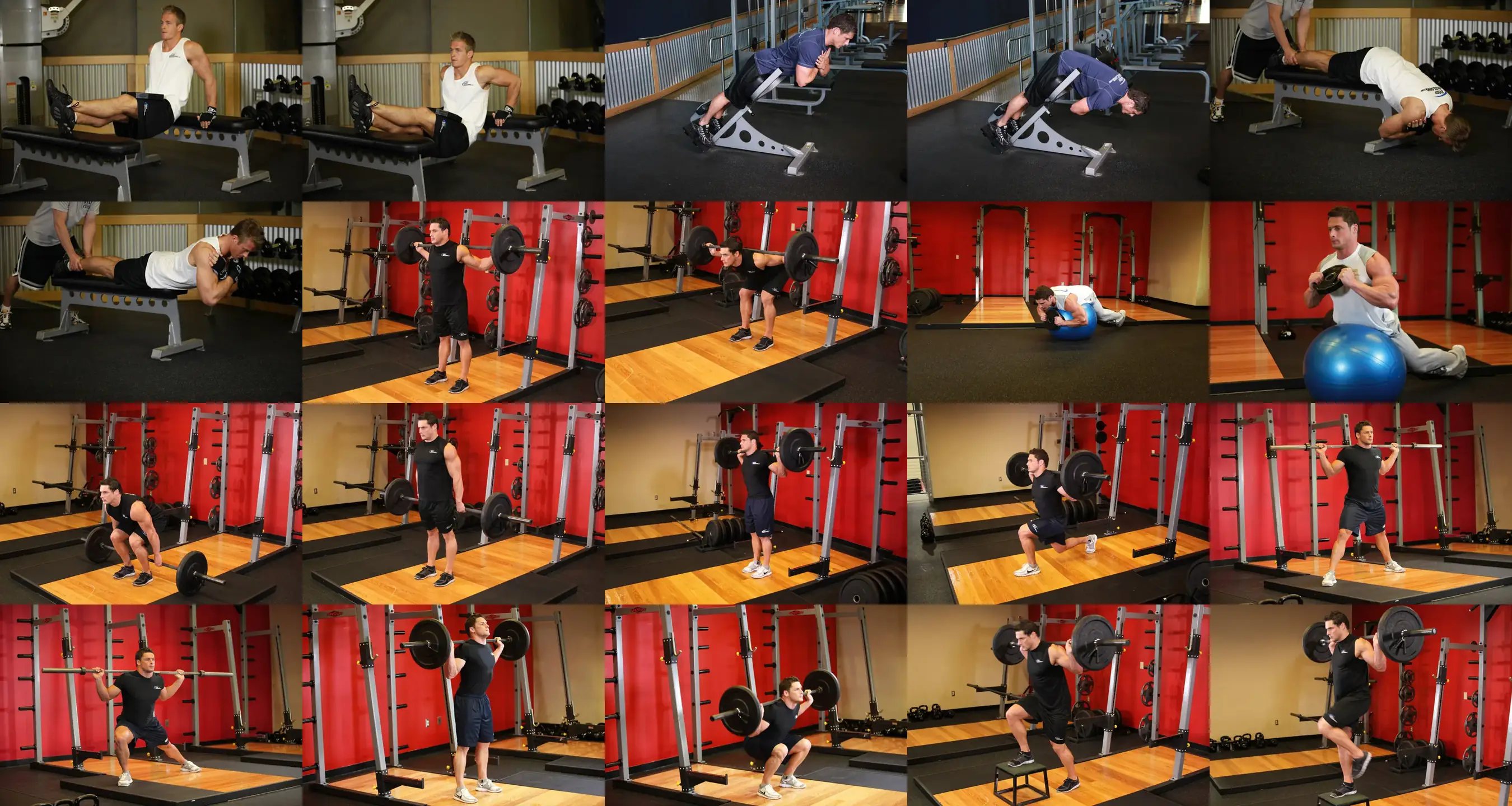
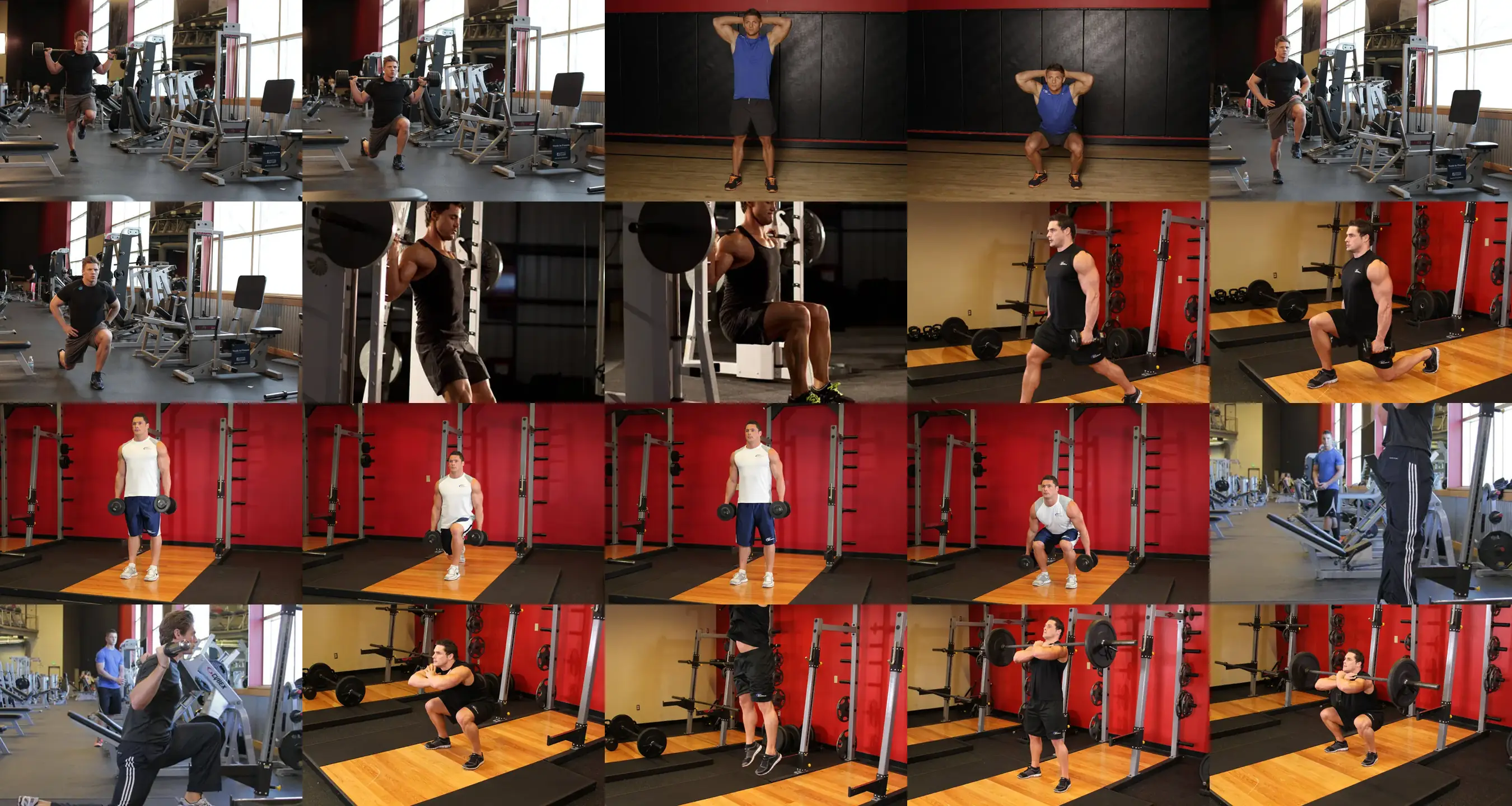
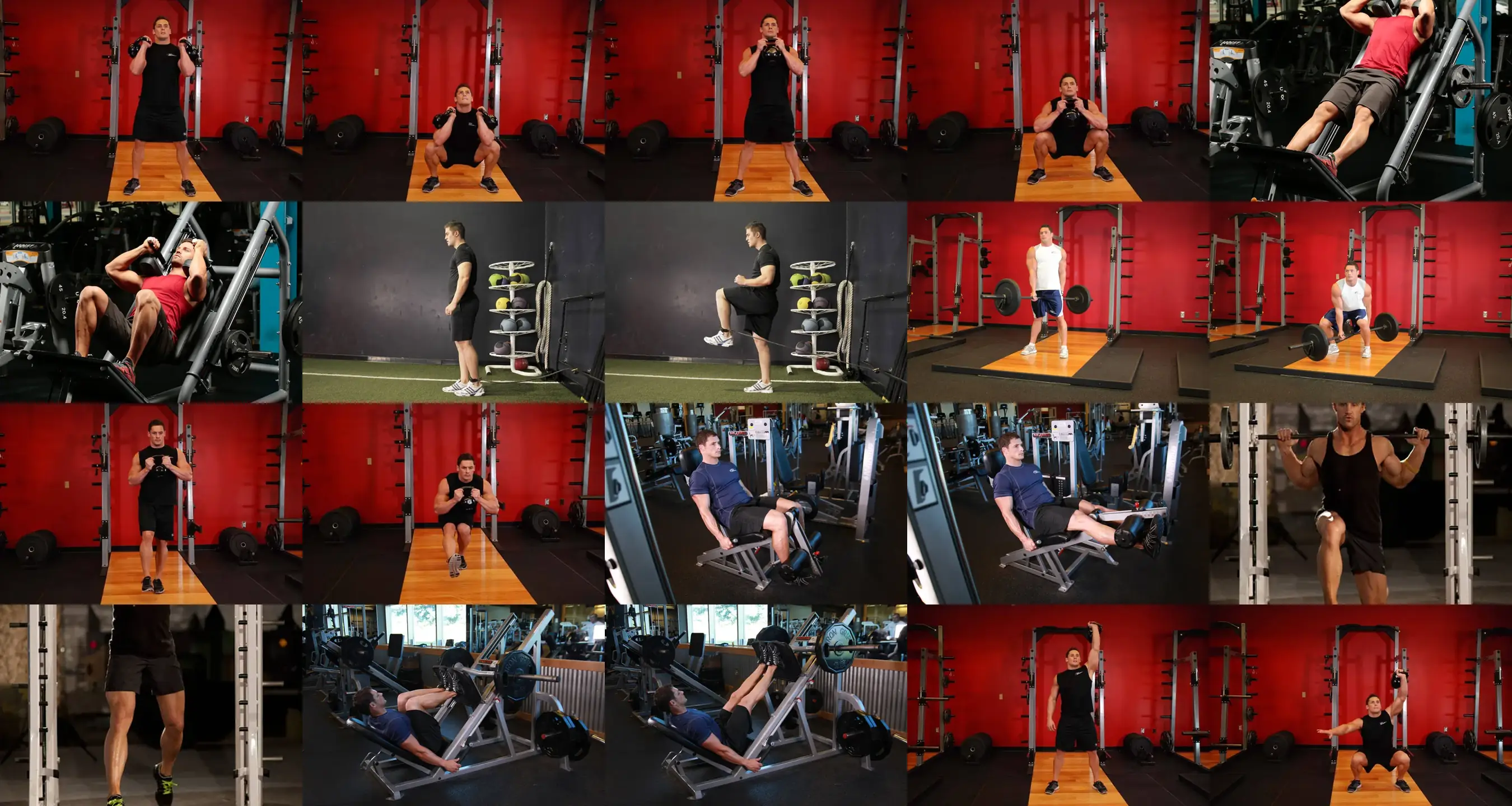
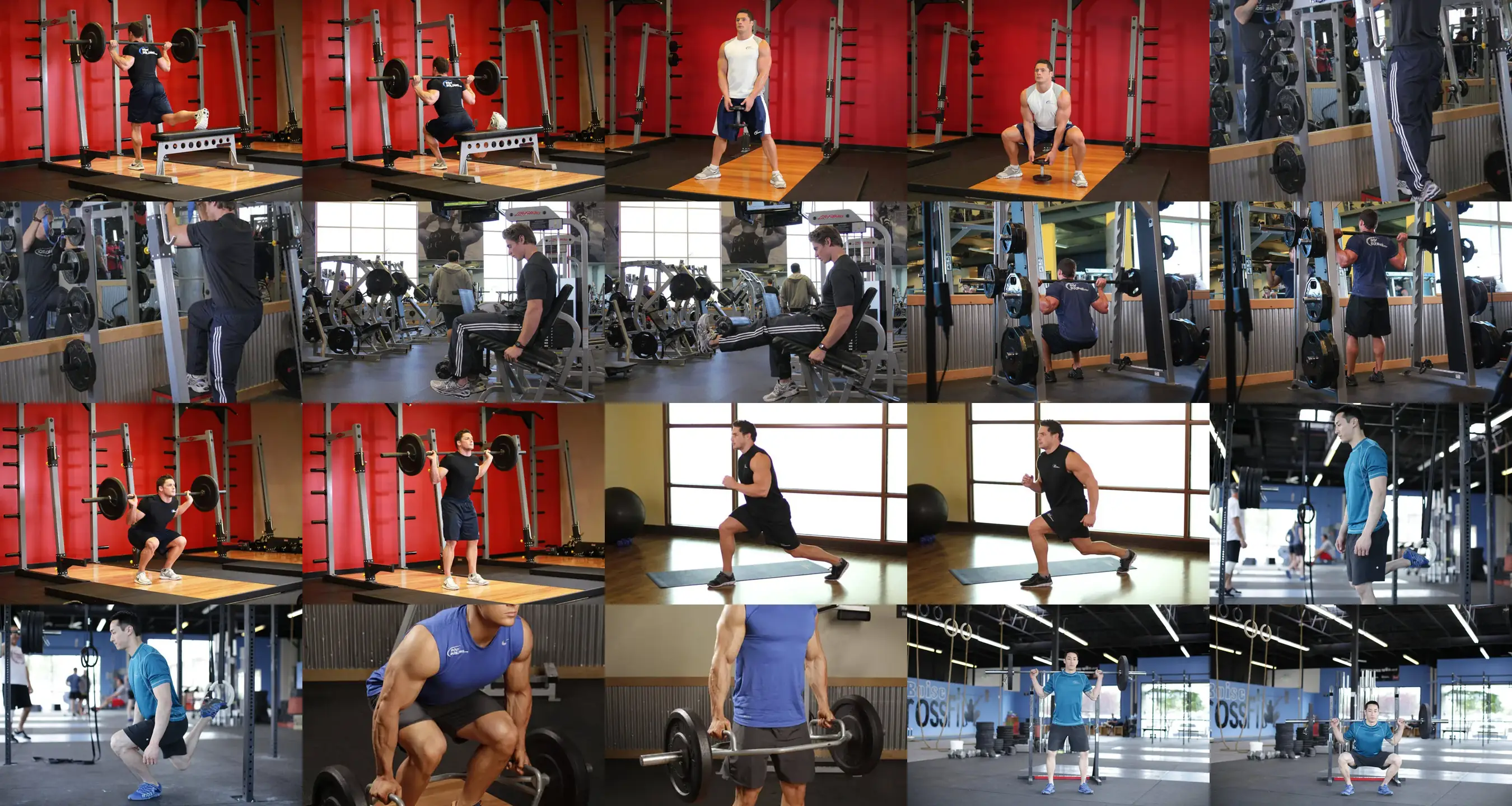
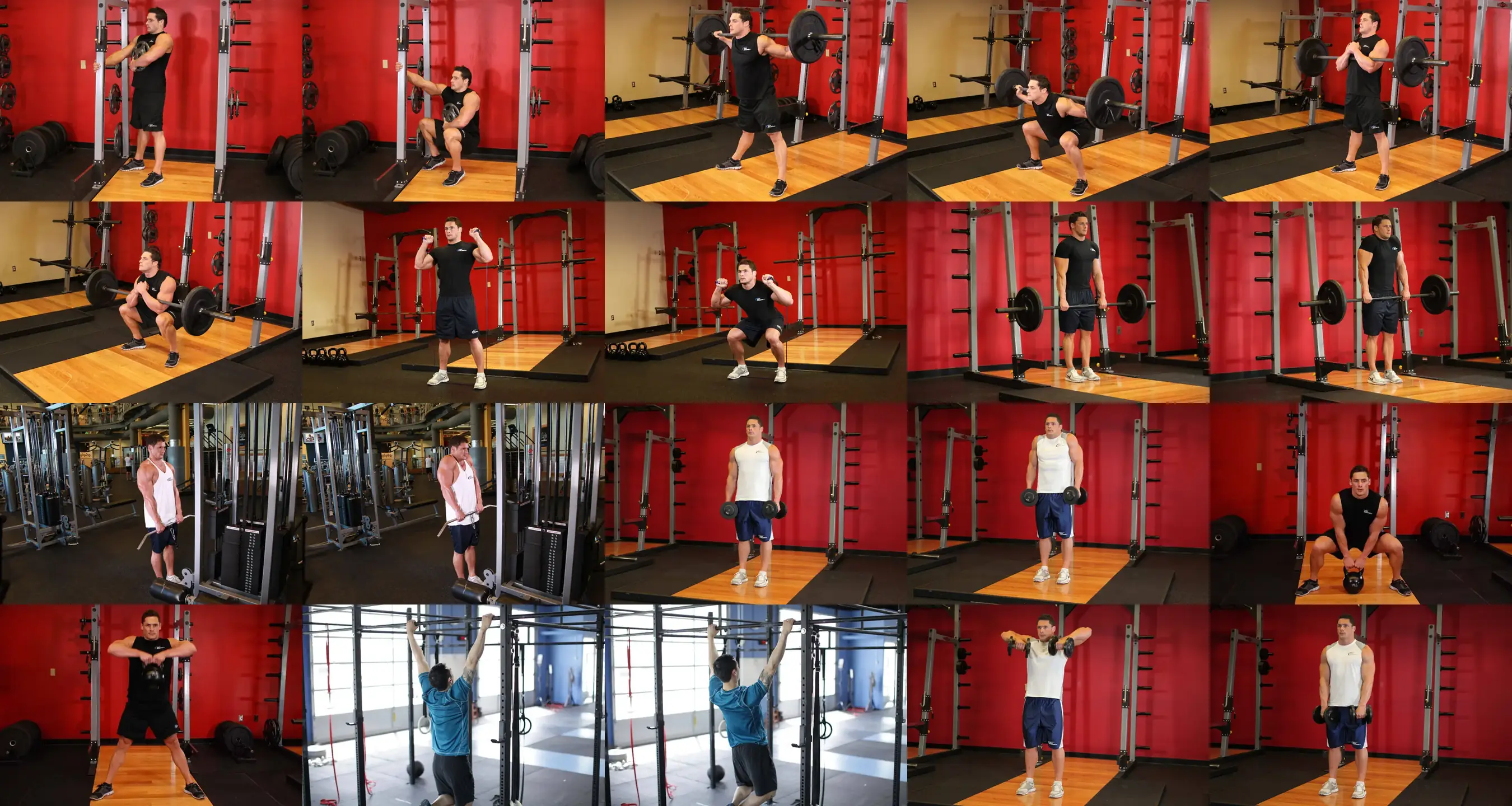
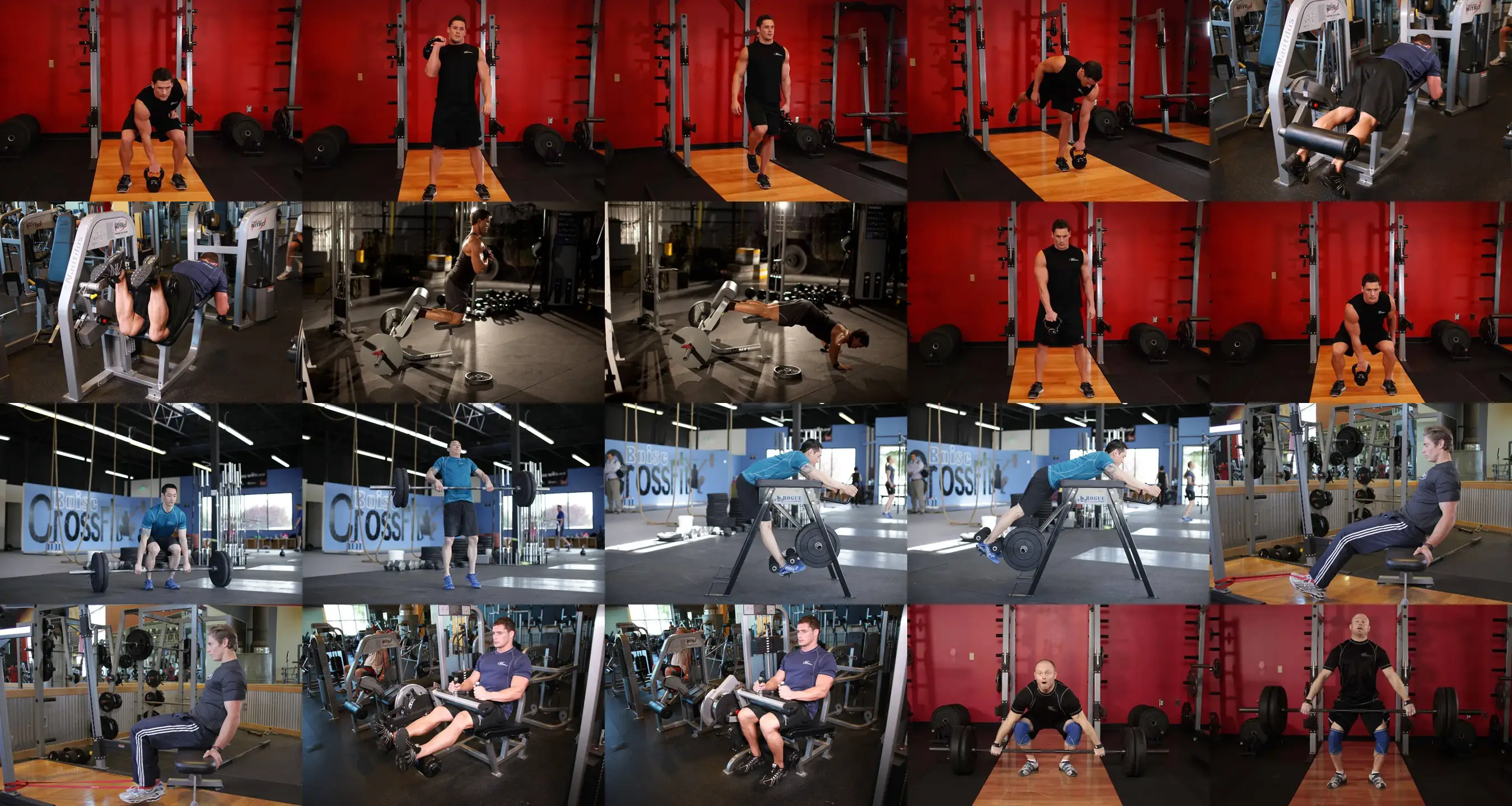
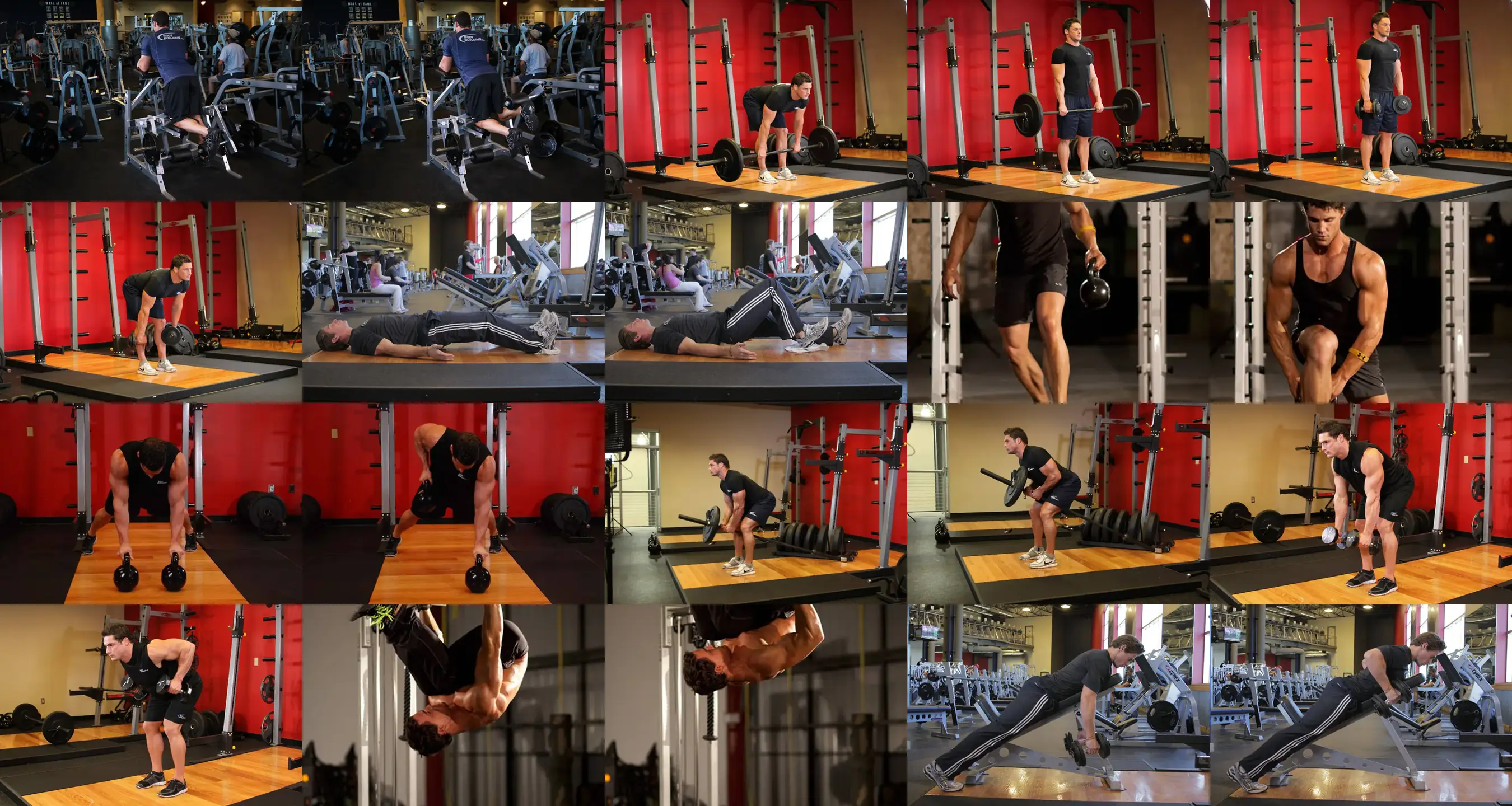
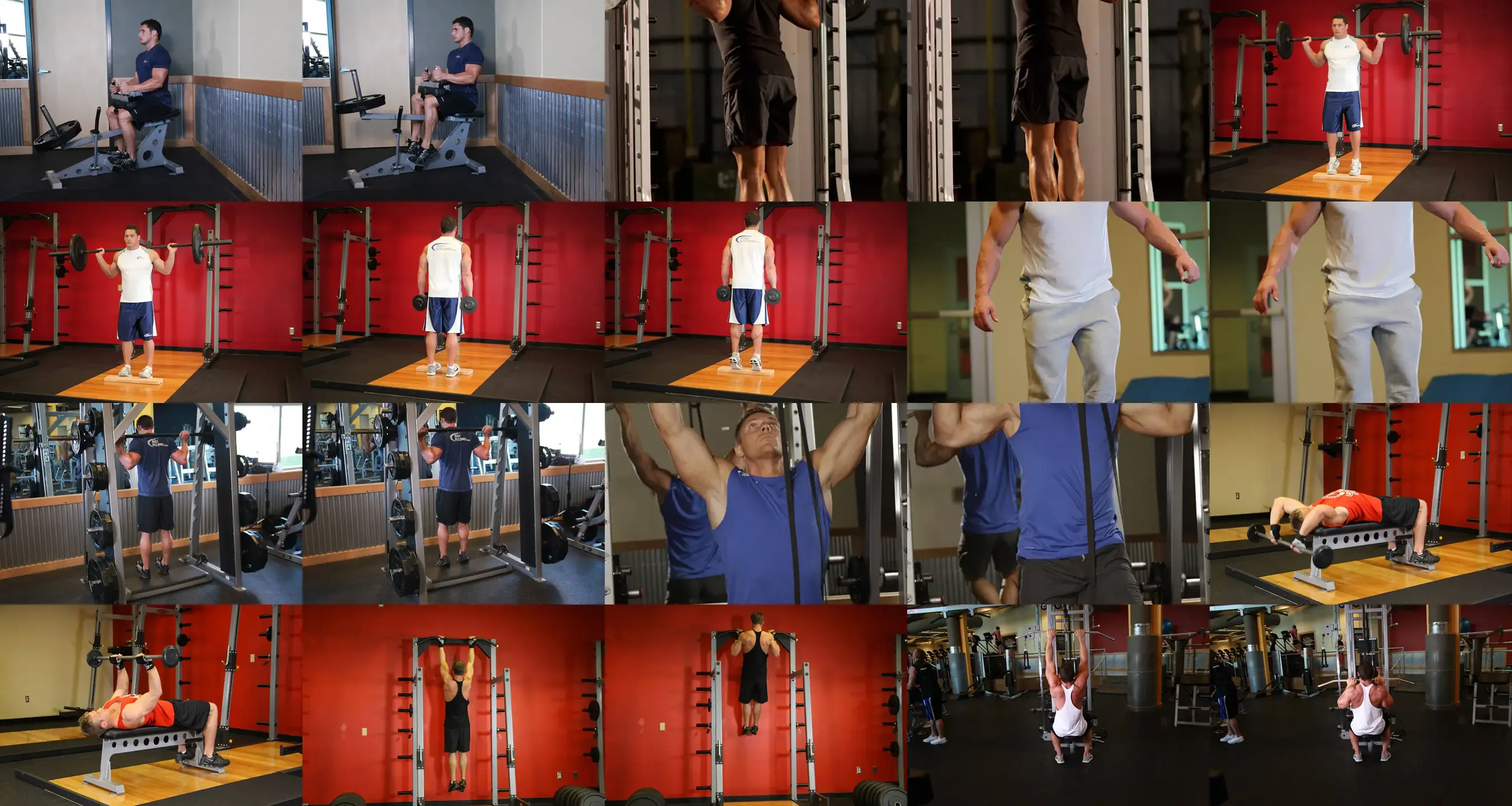
104 exercises that target the quads as the main muscle and 46 where they help as a secondary muscle. Open any of them to see the form, common mistakes and how many sets to do for your goal.
The quads are the largest muscle group on the front of your thigh and the engine behind squats, sprints, and jumps. Strong quads protect your knees, lift your athletic performance, and keep you independent and capable as you age.
The group has four muscles: the rectus femoris, which also flexes the hip, and three vasti, lateral, medial, and intermediate. All of them meet at the patellar tendon and straighten the knee. They also brake your body when you walk downstairs, land a jump, or cut. You use them standing up from a chair or hiking uphill. In soccer, cycling, skiing, and basketball they are crucial for both accelerating and absorbing impact.
Aim for 10 to 20 weekly sets over two sessions. Start with a squat pattern, barbell, hack, or machine, for 5 to 10 reps, then add leg press, lunges, or Bulgarian split squats for 8 to 12. Leg extensions for 10 to 15 reps are the one exercise that trains the rectus femoris well in its shortened position. Letting your knees travel past your toes and squatting deep increases the stimulus, as long as it feels good.
Cutting squats short limits growth, and letting your knees cave inward under heavy load adds stress to the joint. Push your knees out in line with your feet. Another mistake is jumping volume too quickly, which can irritate the patellar tendon, so add sets gradually. If you feel pain just below the kneecap, try isometrics like wall sits and cut back on jumping for a few days before loading again.
No. It is a natural position and necessary to squat deep with an upright torso. Restricting it shifts load to the hips and lower back. Only adjust it if it causes you specific pain.
Not with sensible loading. They are a useful exercise and very common in rehab. Knee stress is moderate and easy to manage with reasonable weight and smooth, controlled reps.
Between 10 and 20 weekly sets works for most people. If you also run or play a sport with lots of running, start at the low end of that range and adjust based on recovery.
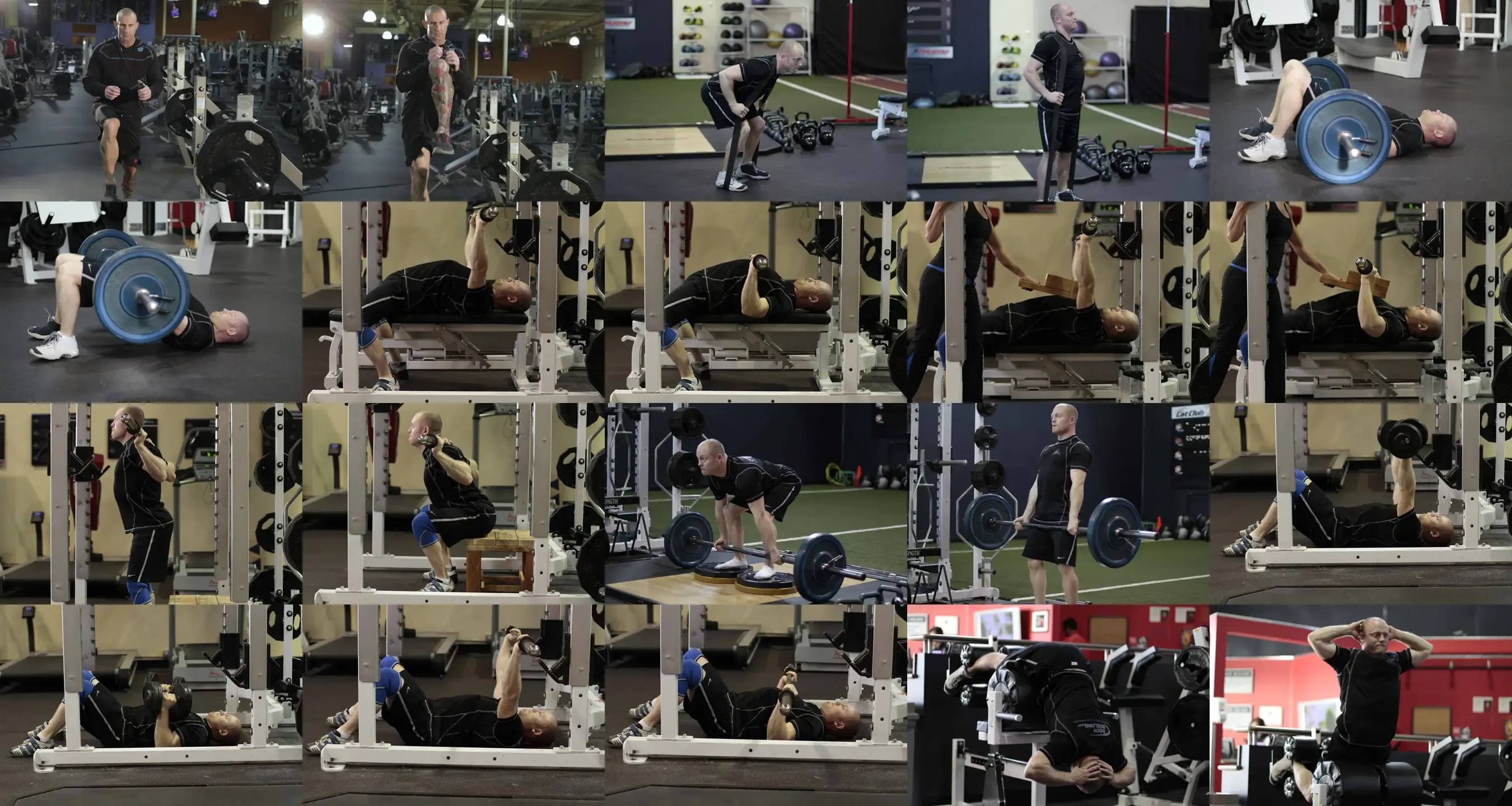
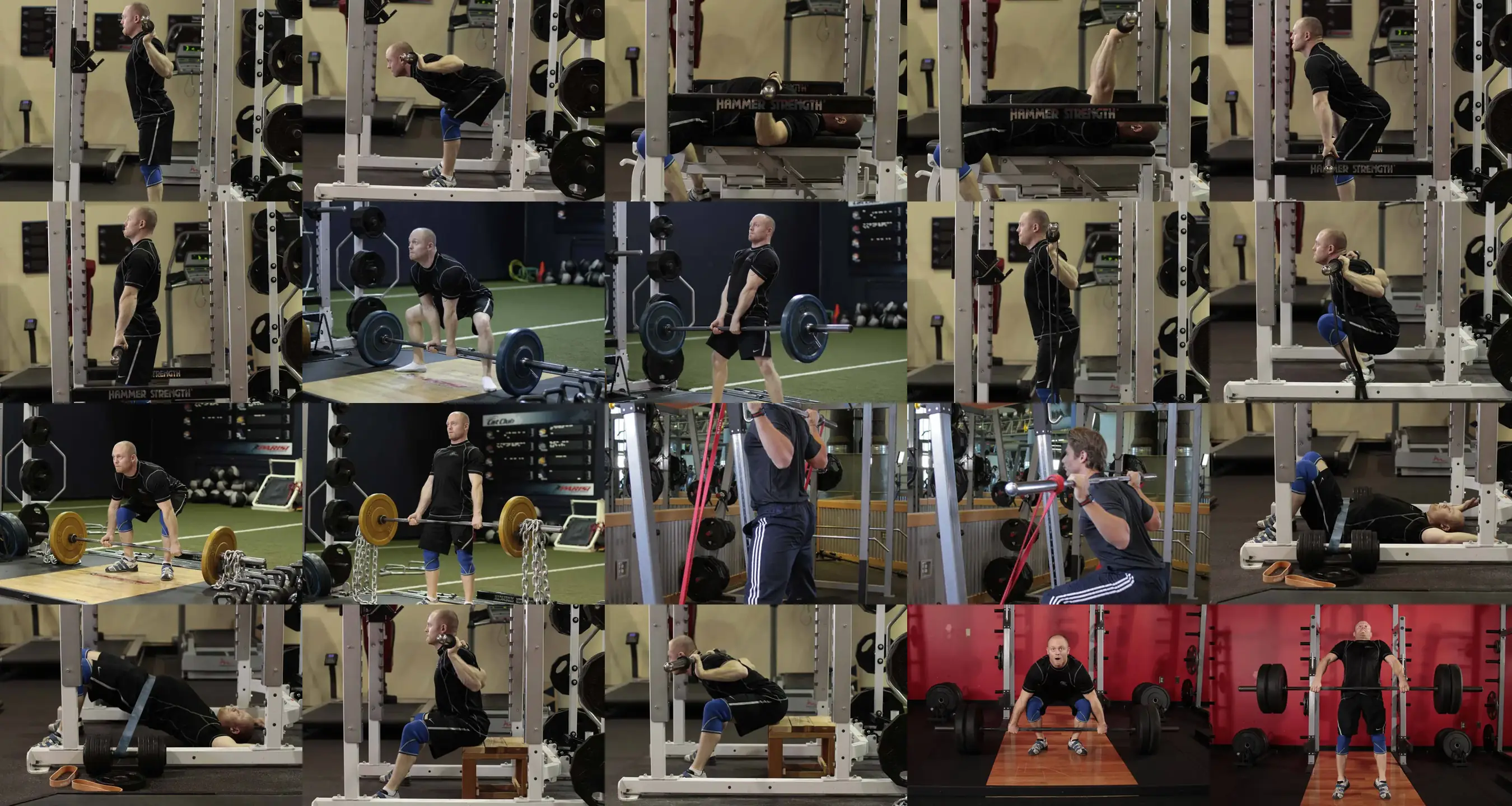
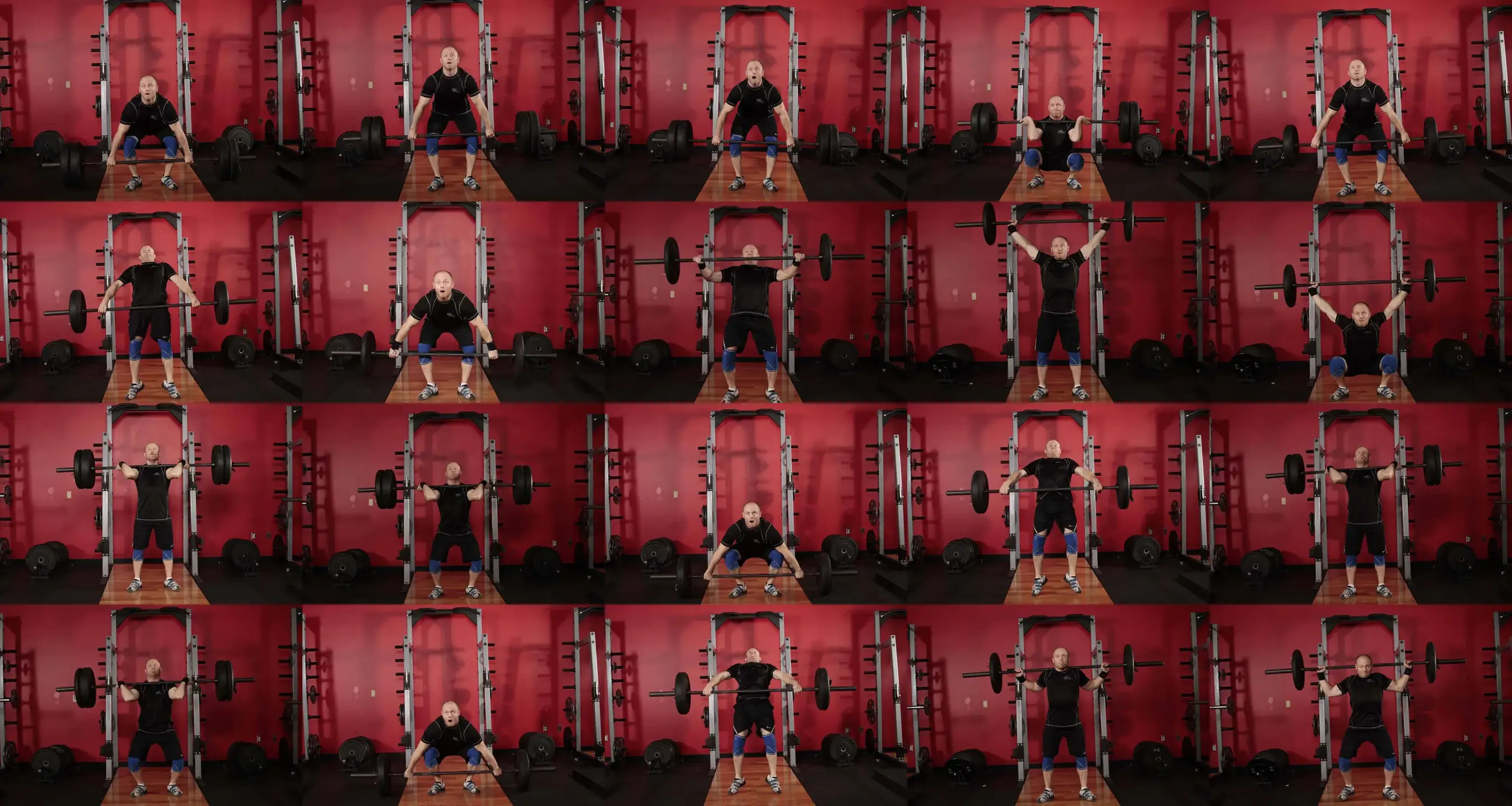
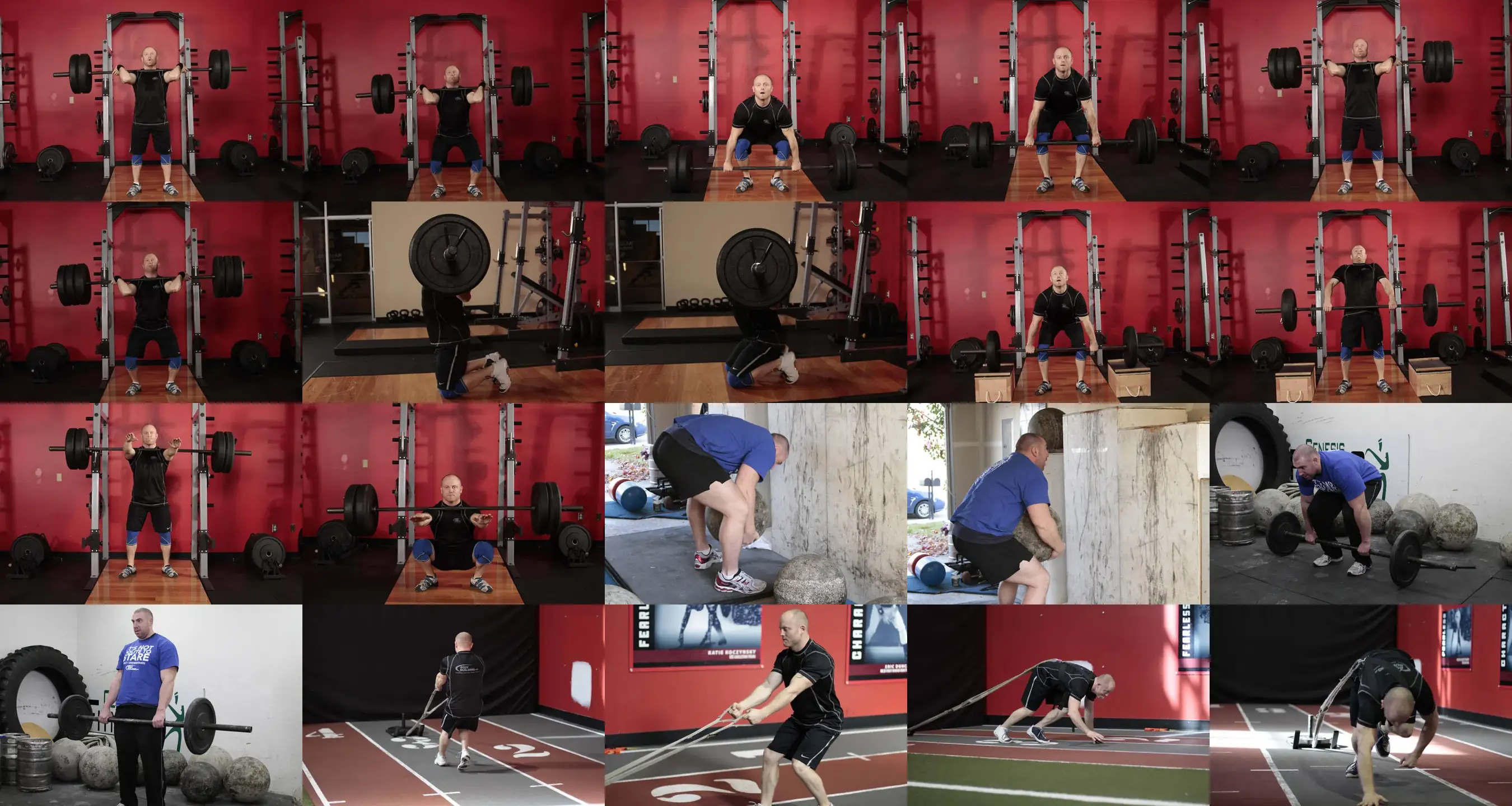
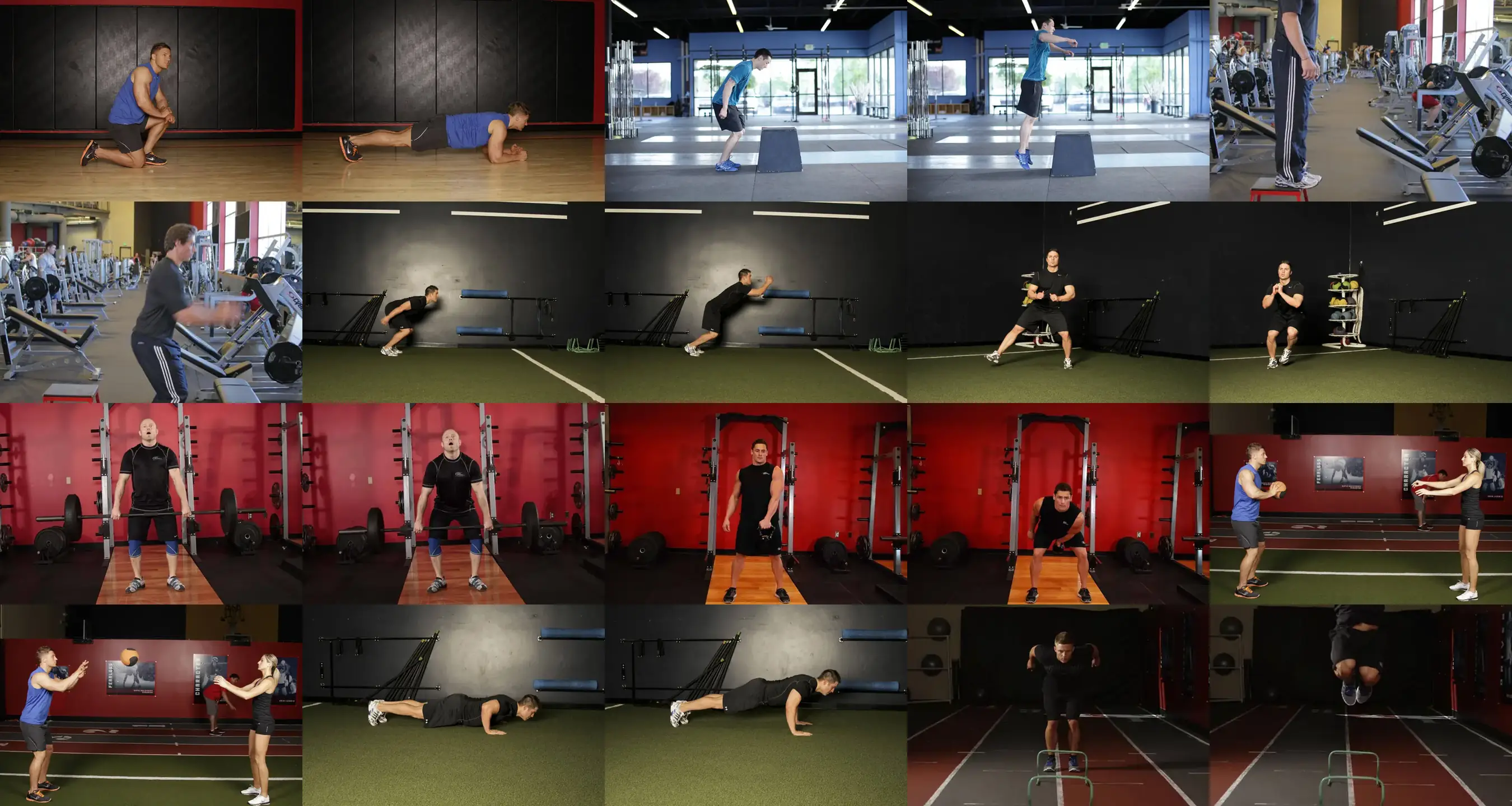
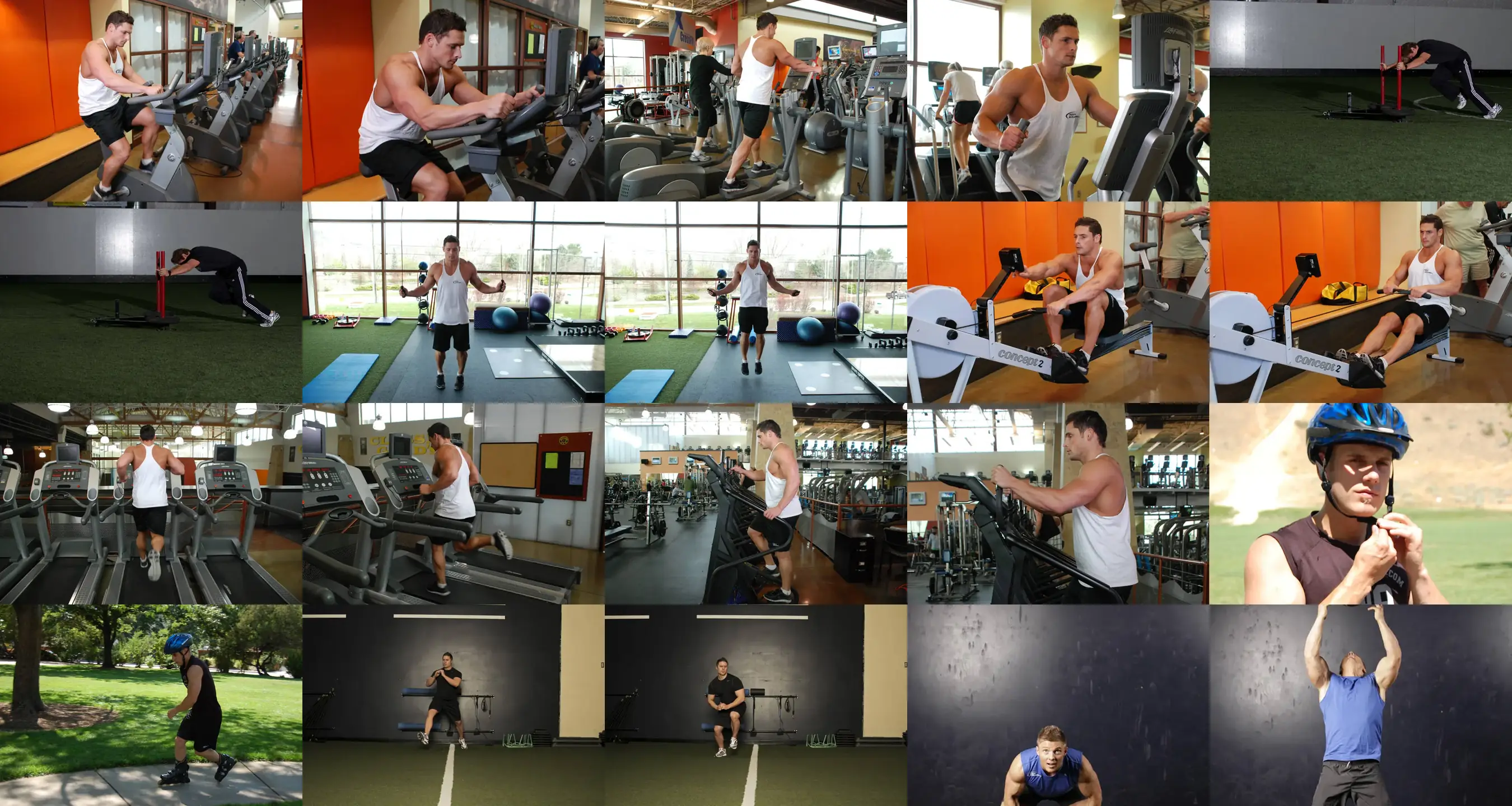
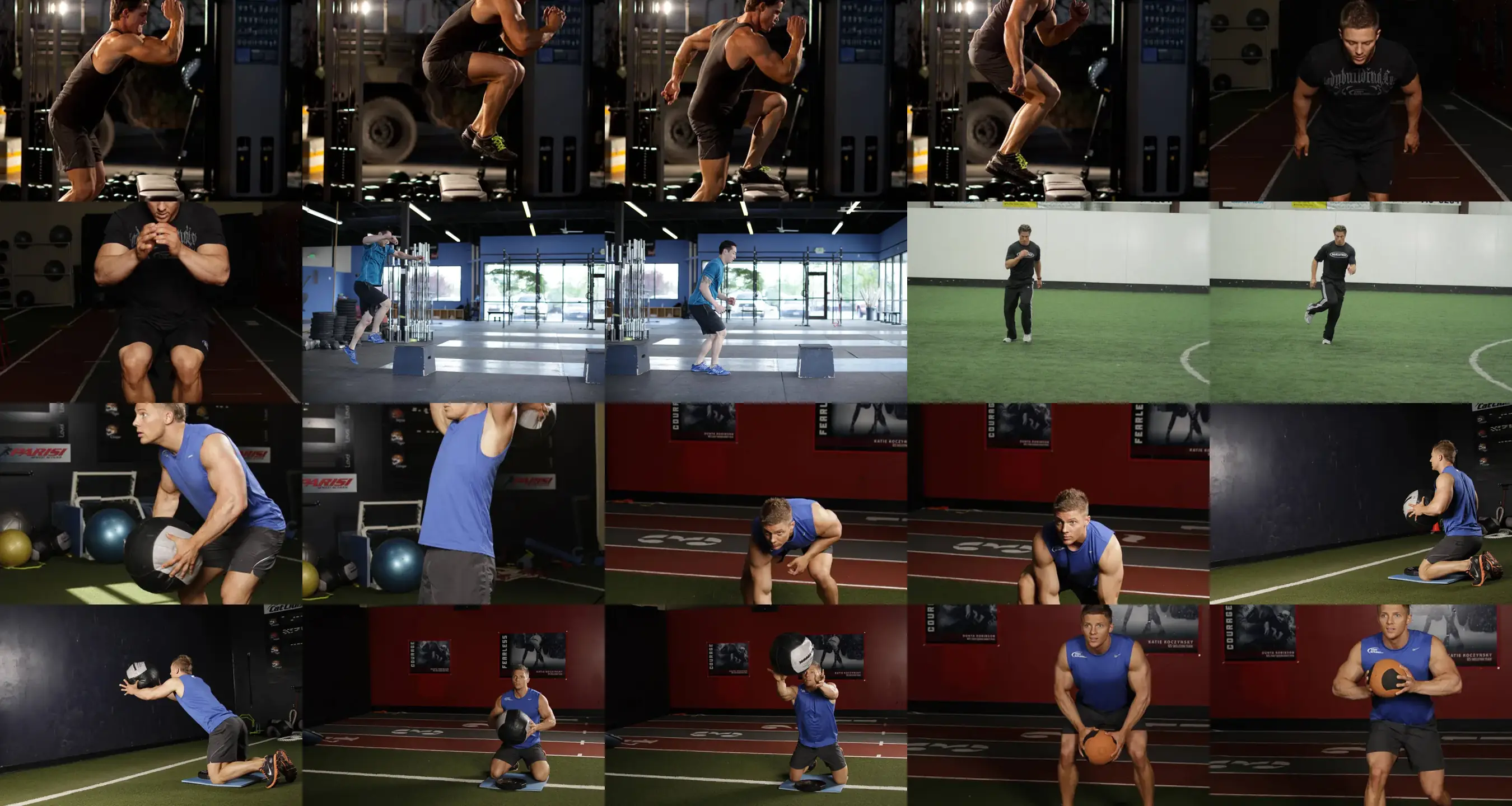
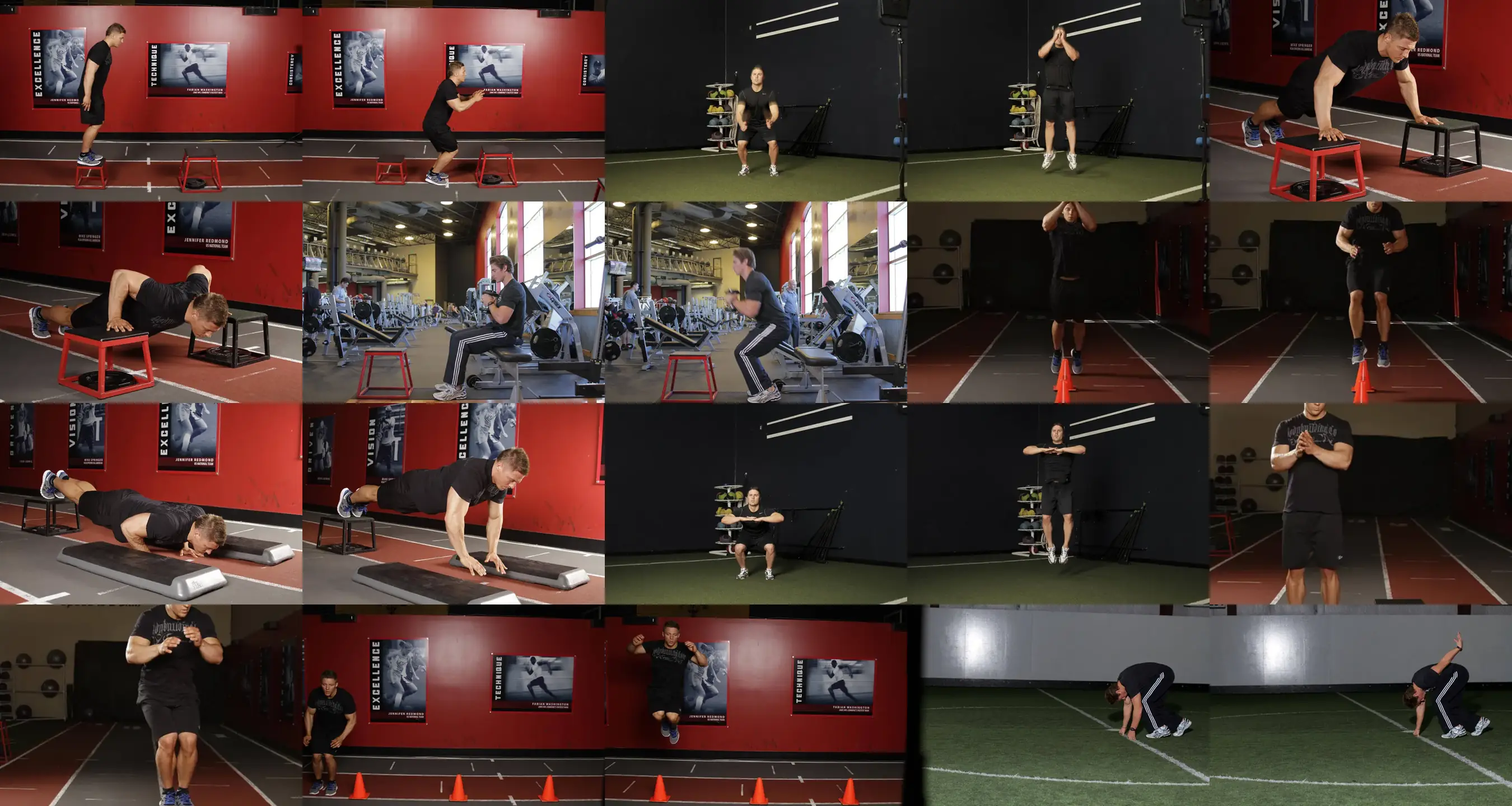
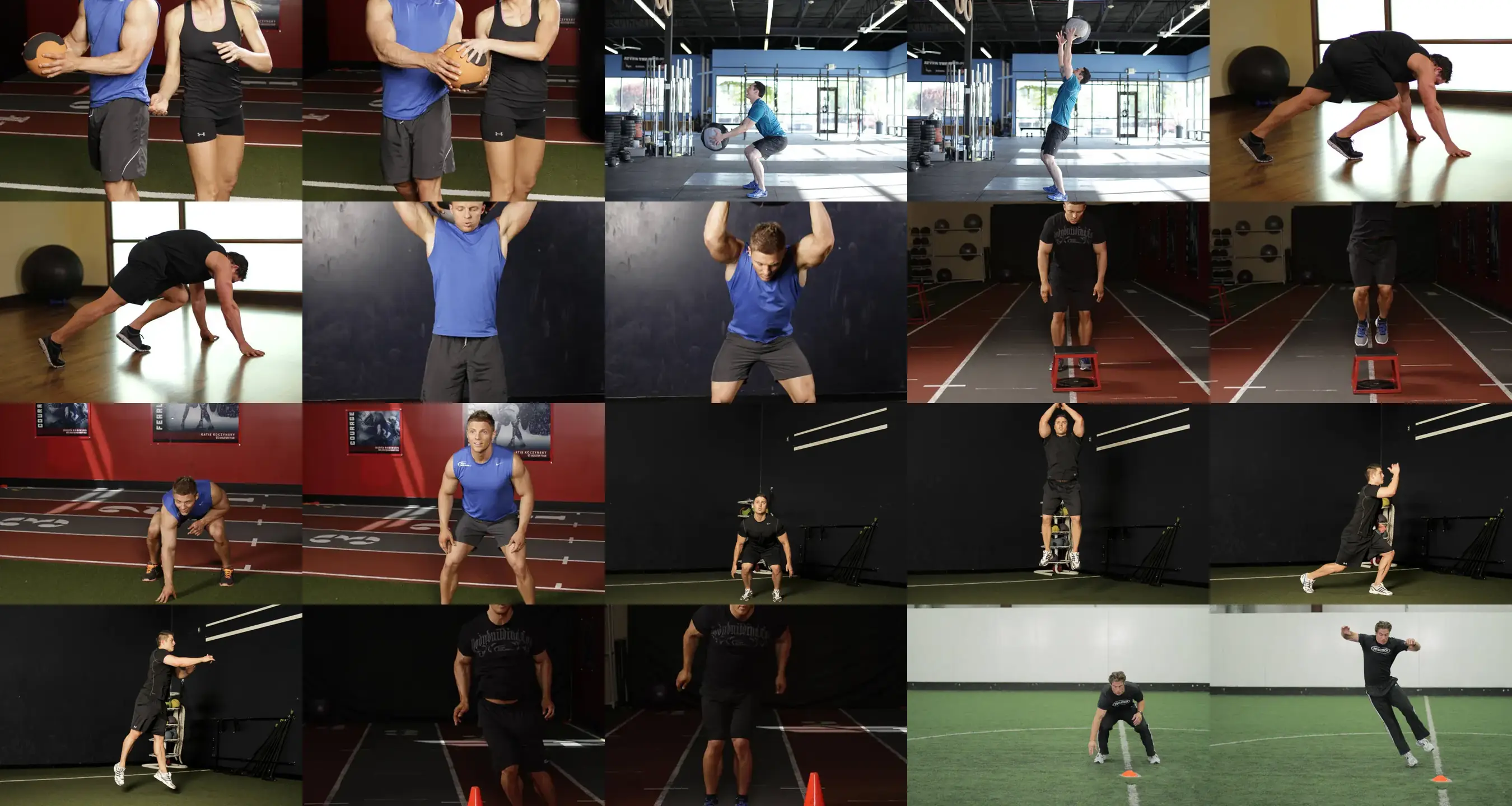
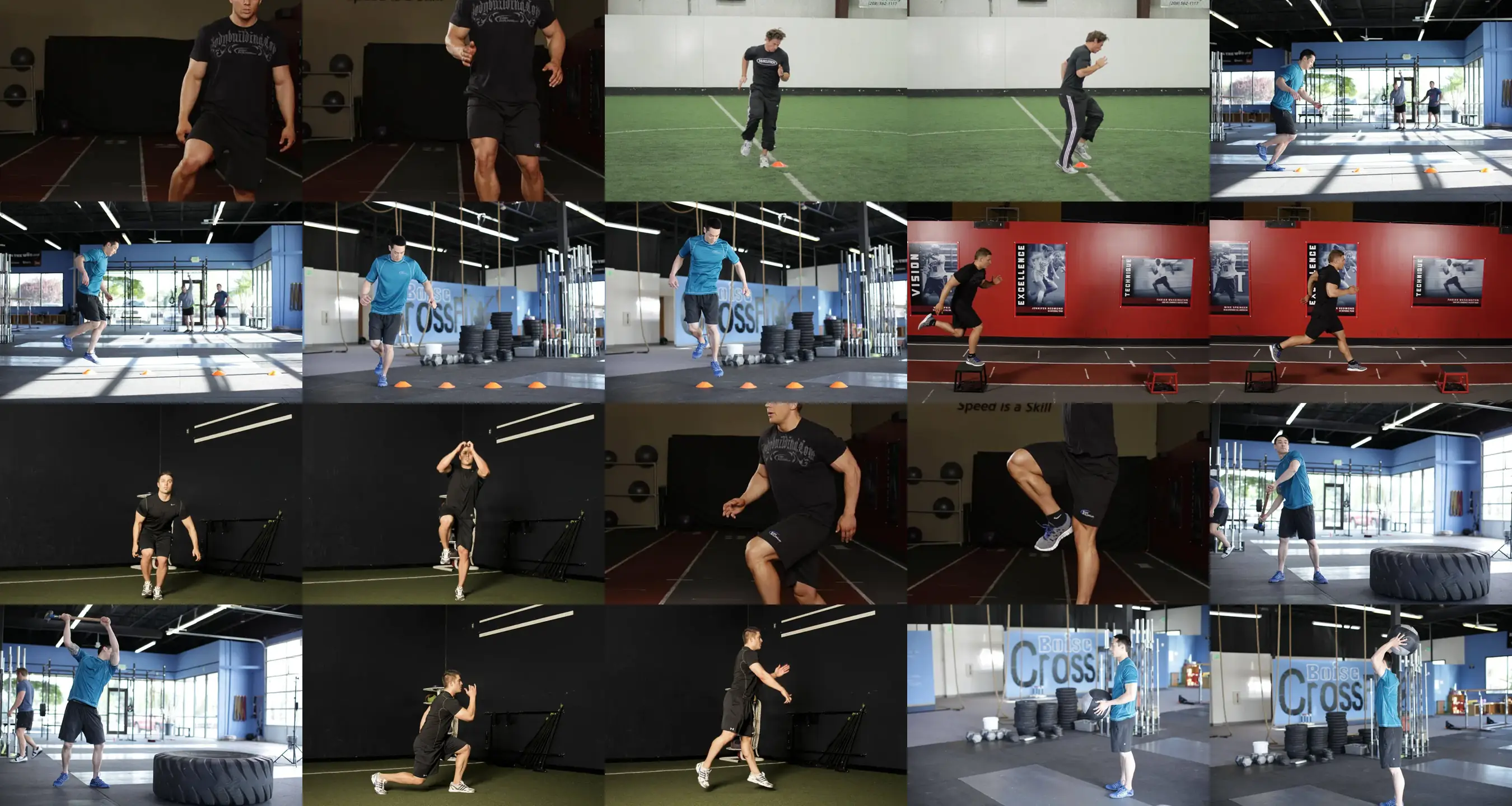
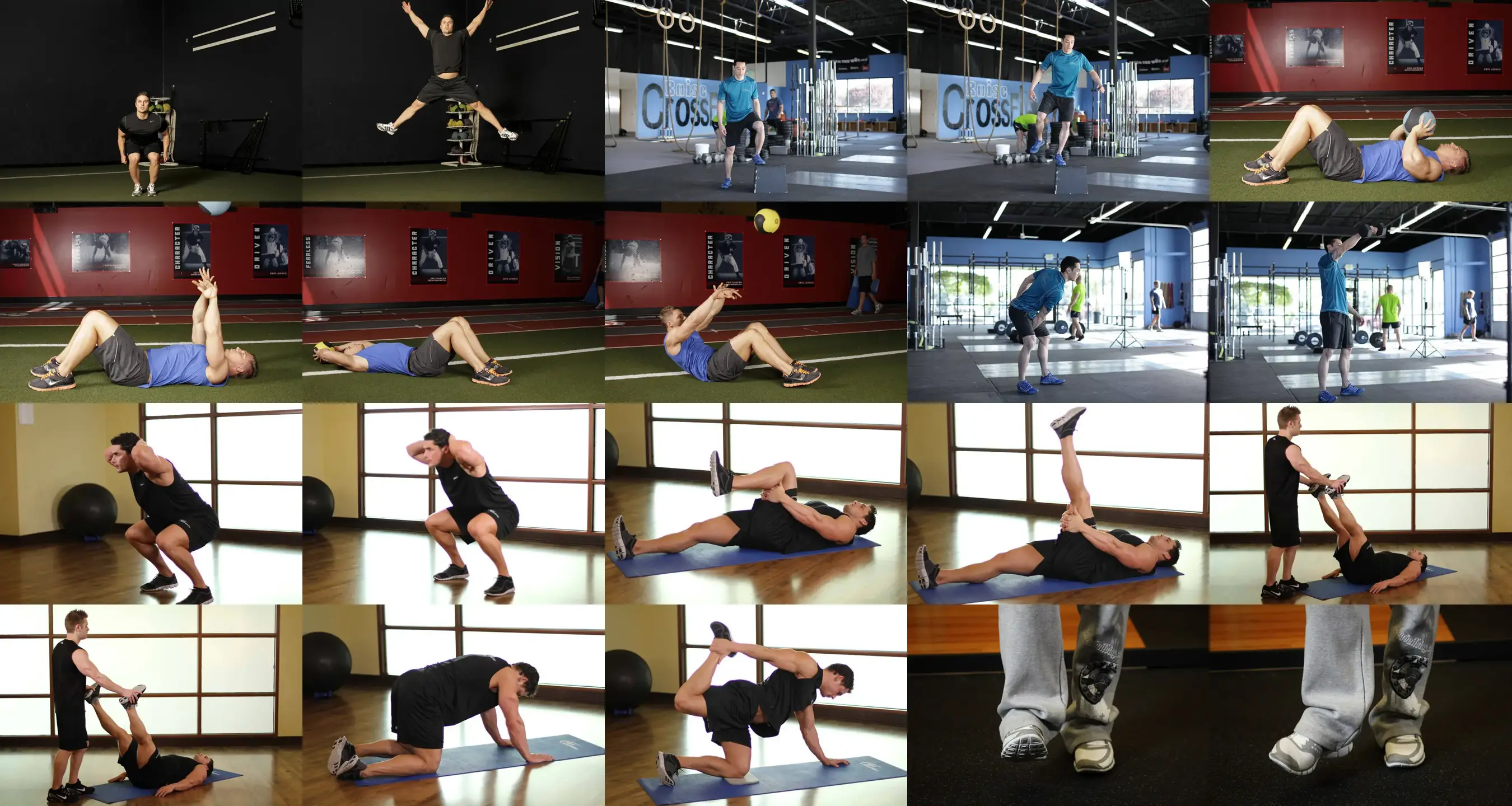
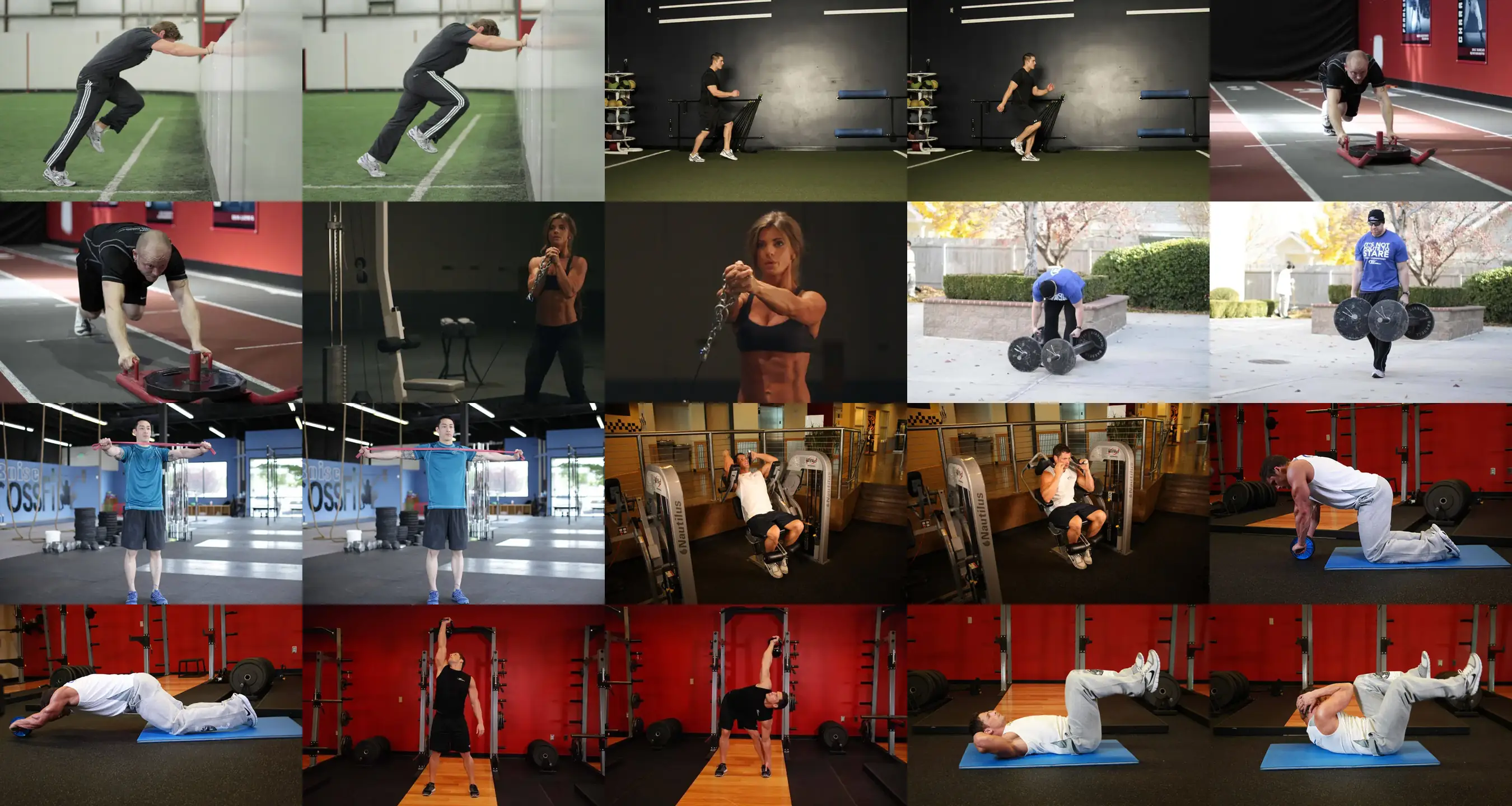
6-week plans with sets, reps and progression, built for your sport. Includes a downloadable PDF.
A higher vertical, a quicker first step and knees and ankles that handle stops and landings all season.
More acceleration, faster changes of direction and injury-proof legs, compatible with 2-3 team practices.
Legs that last the whole run, protected knees and better balance to enjoy an injury-free season.