6 weeks · 2 sessions/wk
Strength and speed for soccer players
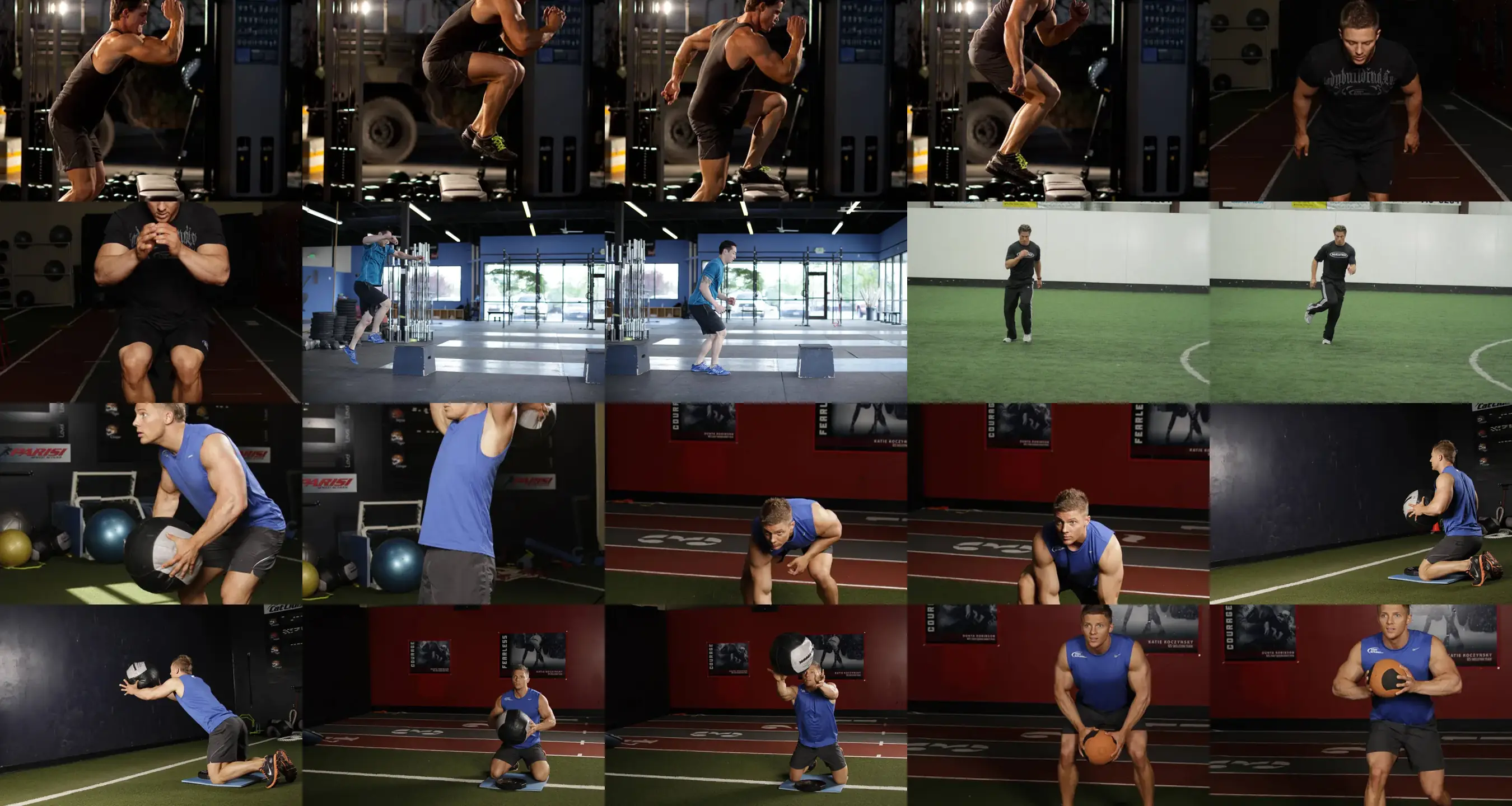
More acceleration, faster changes of direction and injury-proof legs, compatible with 2-3 team practices.
€19.99See program
Buy · €19.99Muscle
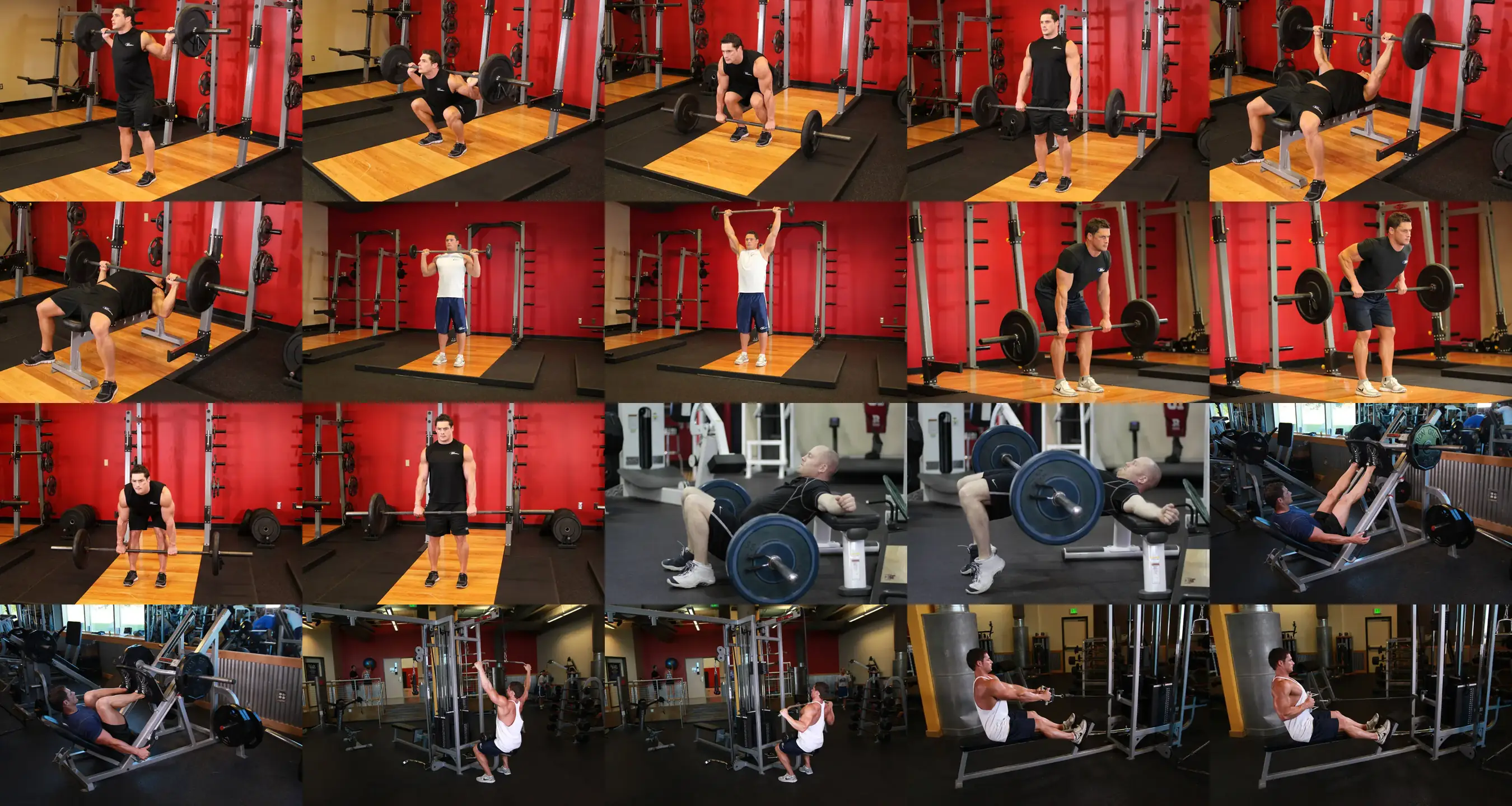
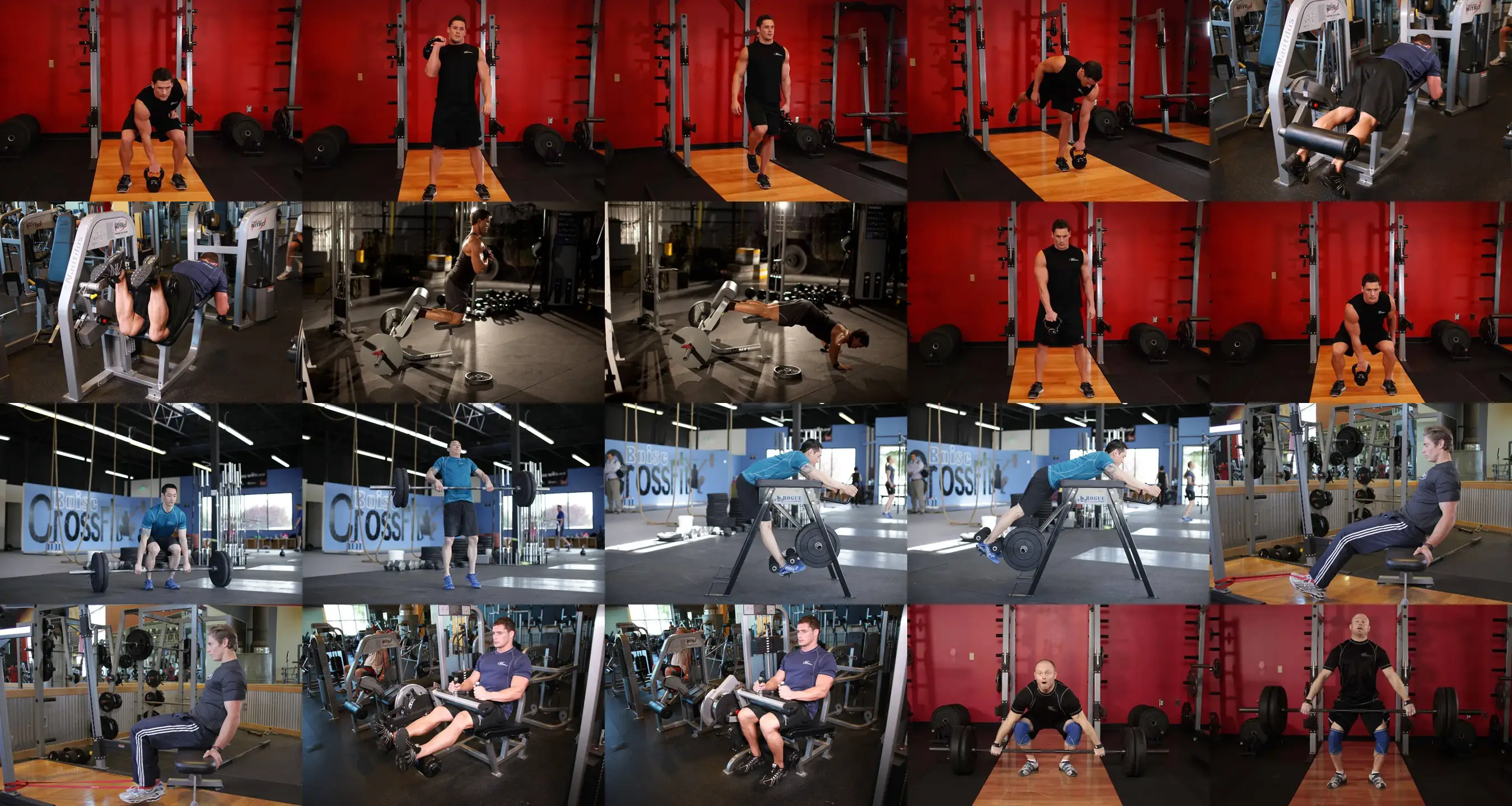
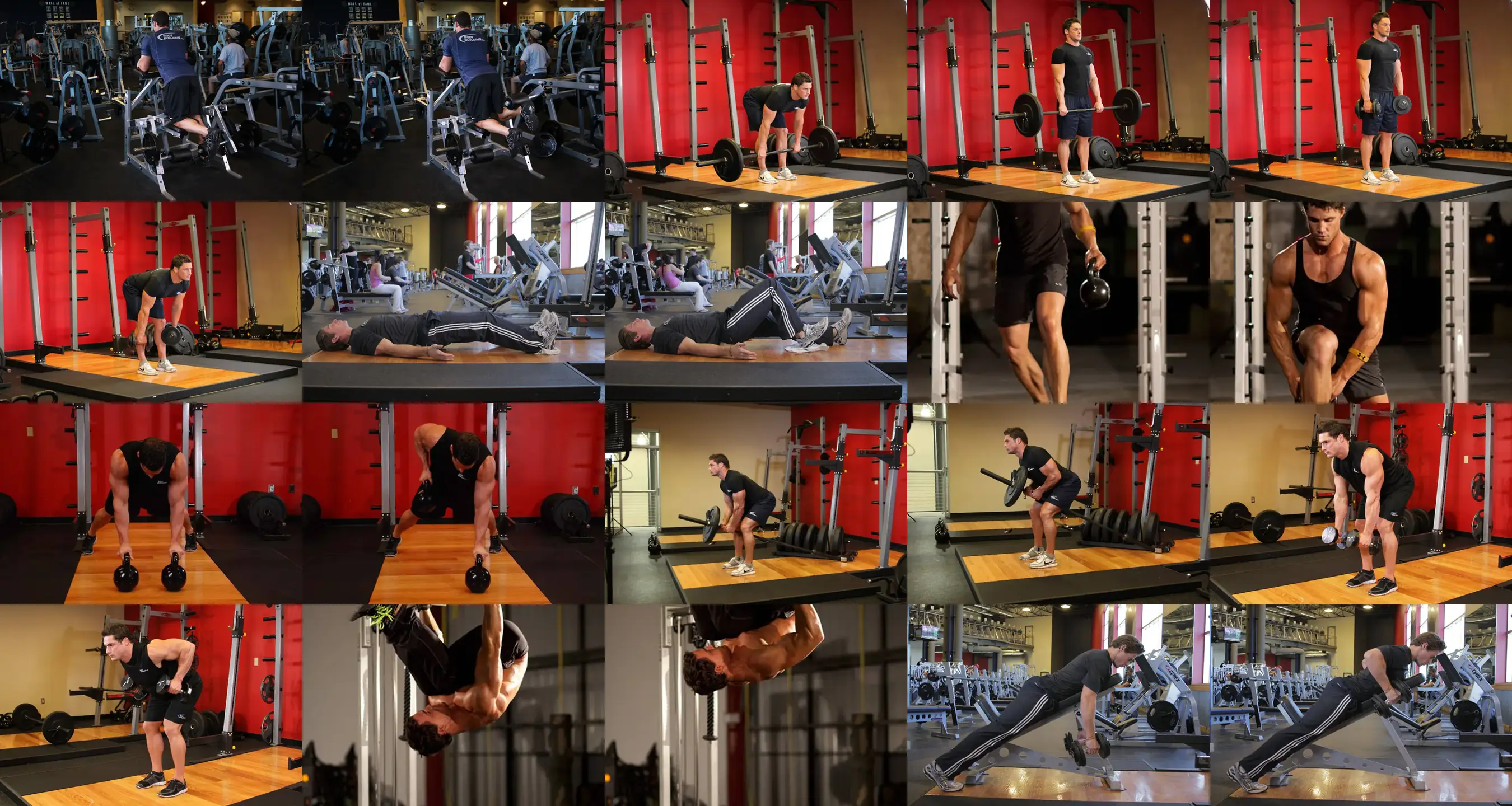
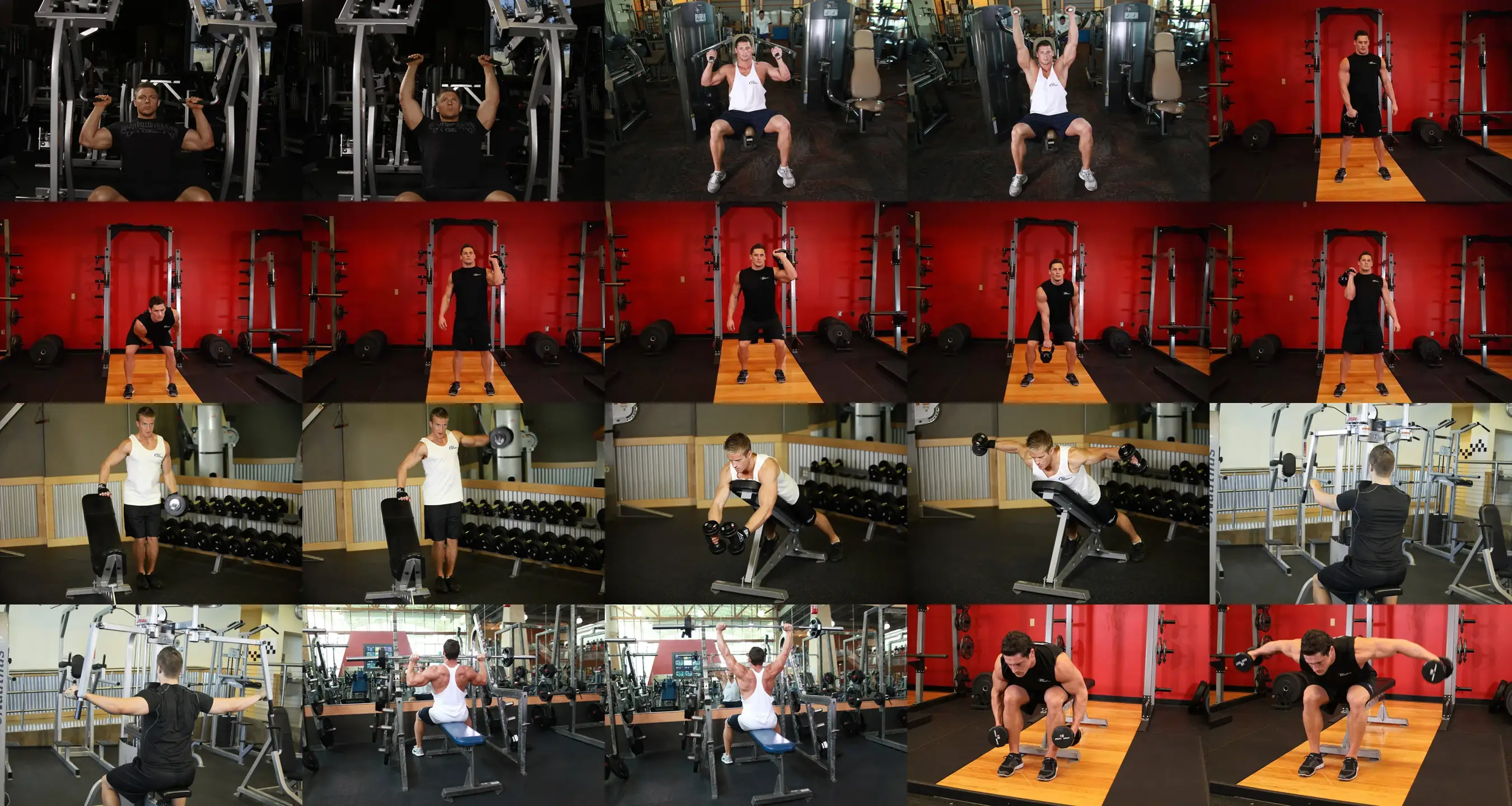
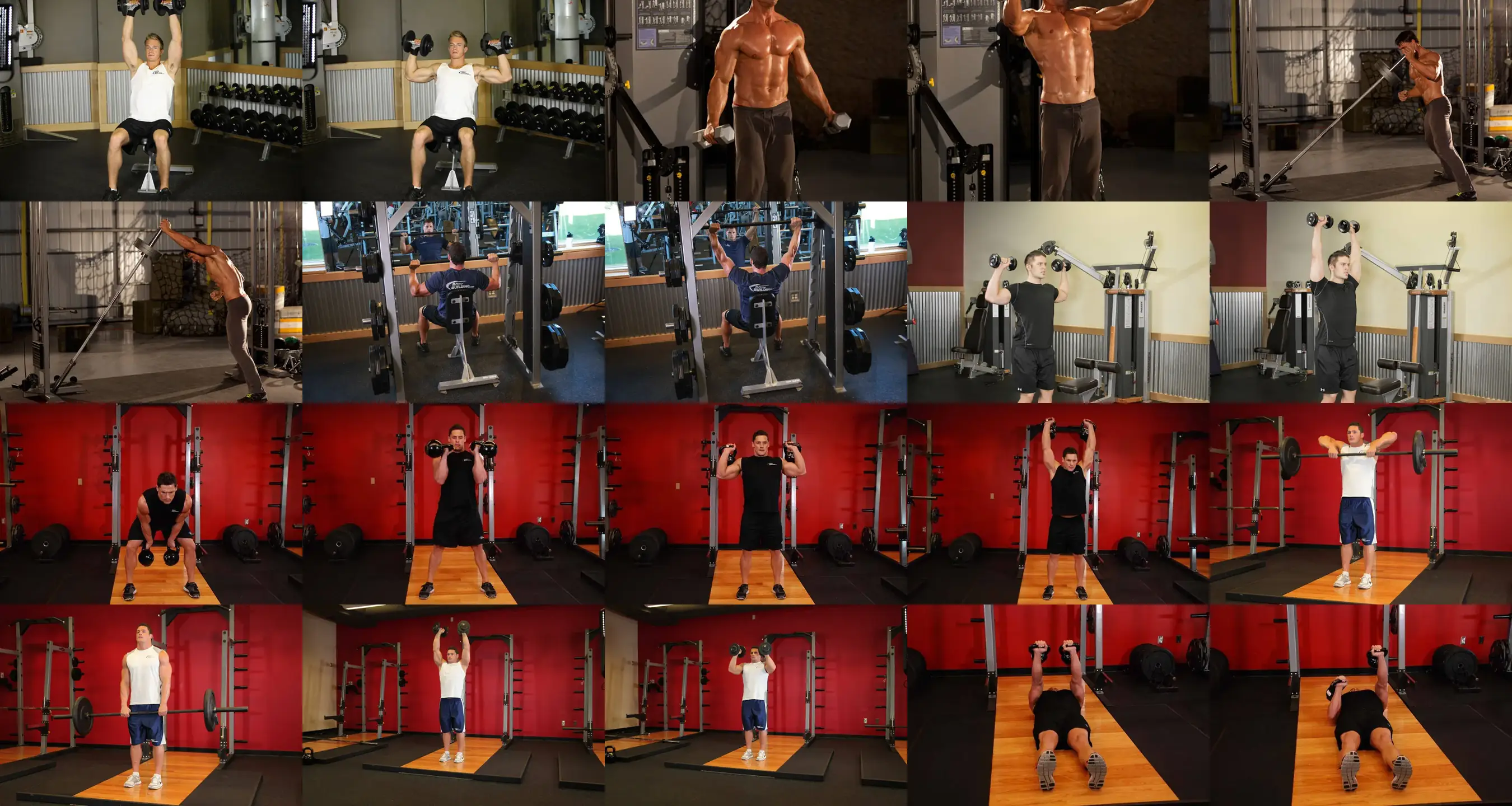
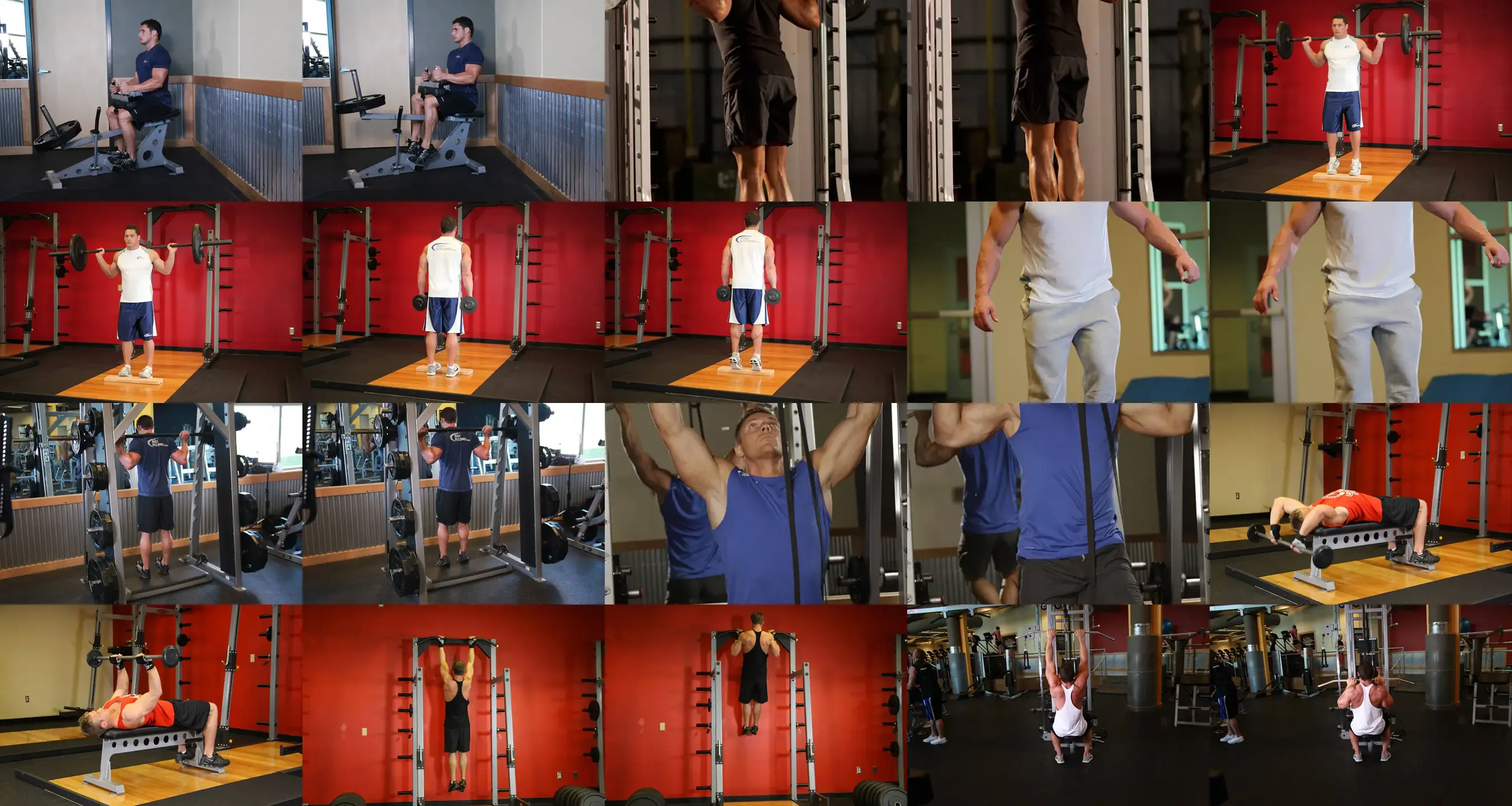
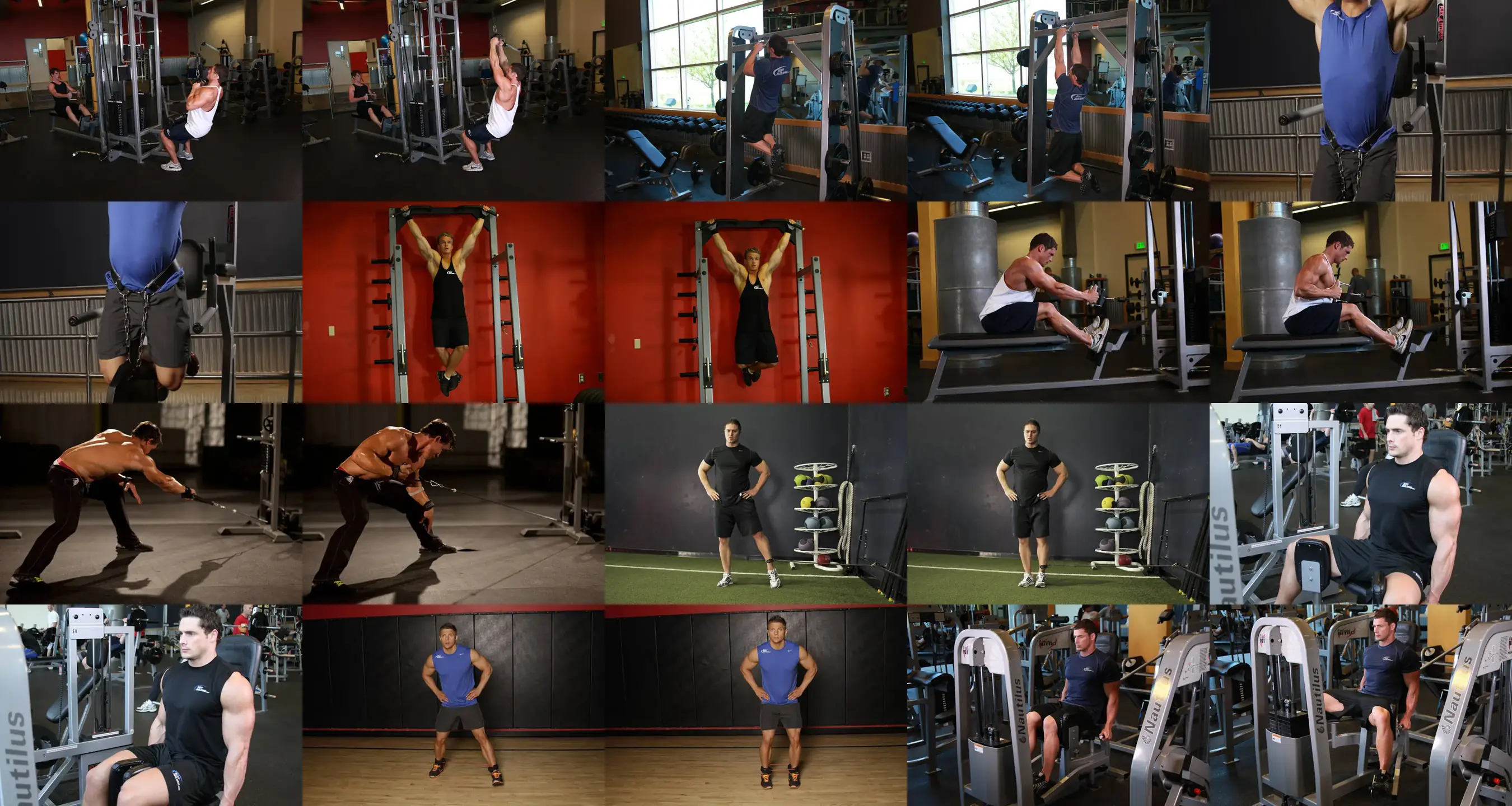
45 exercises that target the hamstrings as the main muscle and 138 where they help as a secondary muscle. Open any of them to see the form, common mistakes and how many sets to do for your goal.
Your hamstrings run down the back of the thigh and are the site of the most common muscle injury in speed sports. Training them hard and in a lengthened position is one of the best investments you can make to perform better and stay on the field.
There are three muscles: the biceps femoris, semitendinosus, and semimembranosus. They cross both the hip and the knee, so they extend the hip and bend the knee. When you sprint, their toughest job is braking the leg just before your foot strikes the ground, which is when many strains happen. You use them bending over to pick something up or walking uphill. In soccer, track, and football they are essential for top speed.
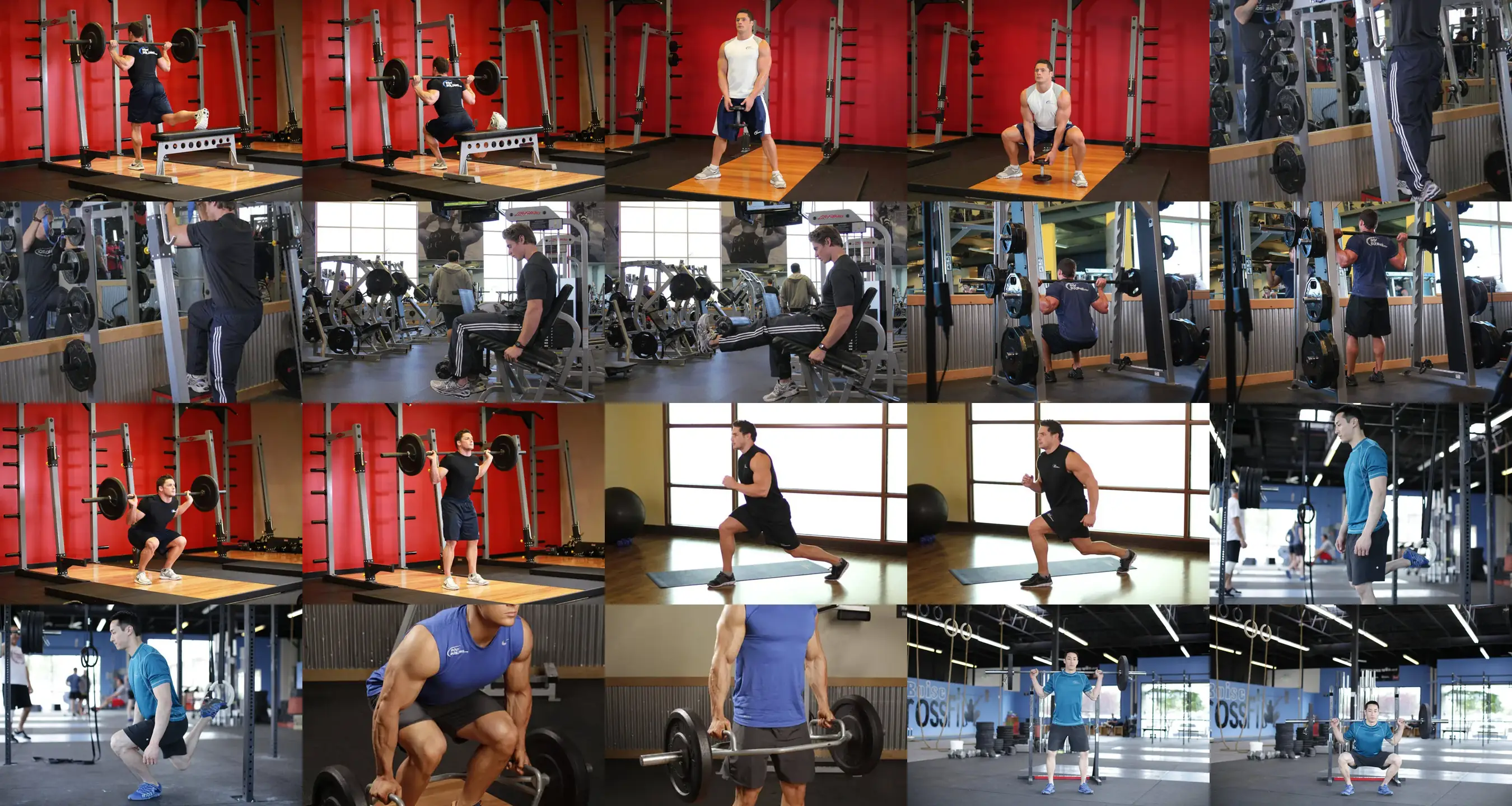
You need to cover both functions. For hip extension, use Romanian deadlifts or good mornings for 6 to 10 reps. For knee flexion, use seated or lying leg curls for 8 to 15; the seated version seems to build more muscle because it works the hamstrings stretched. Aim for 8 to 16 weekly sets over two sessions. Nordic curls, 2 or 3 sets of 4 to 8 reps, are the best supported prevention tool.
Rounding your back on Romanian deadlifts reduces the hamstring stretch and loads your lower back, so keep a neutral spine and lower until you feel tension. Relying on squats alone is another mistake, since hamstring length barely changes during a squat. Ease into Nordic curls, because they cause serious soreness at first. In sprint sports, keep some true top speed running in season so the muscle stays ready.
Several studies with soccer players show they substantially reduce hamstring strains when done consistently. One or two short sessions a week with just a few sets is enough to maintain the effect during the season.
Both work, but the seated curl puts your hip in flexion and stretches the hamstrings more, which research has linked to greater growth. A good approach is seated as your main curl and lying as a variation.
Tightness does not always mean poor flexibility; it often signals weak or fatigued muscles. Strengthening them through a full range tends to help more than stretching alone. If you feel sharp pain while running, stop and get it checked.
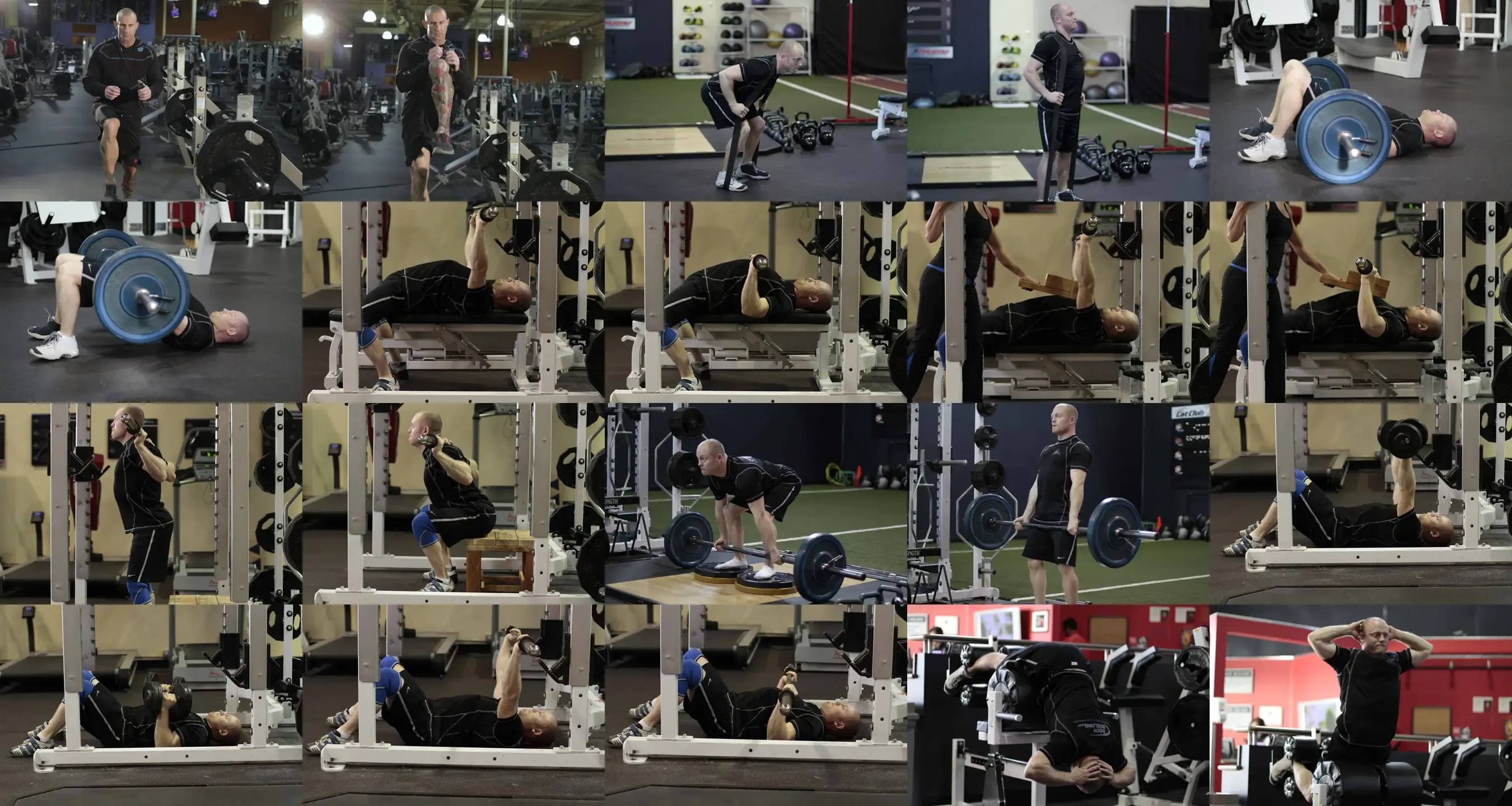
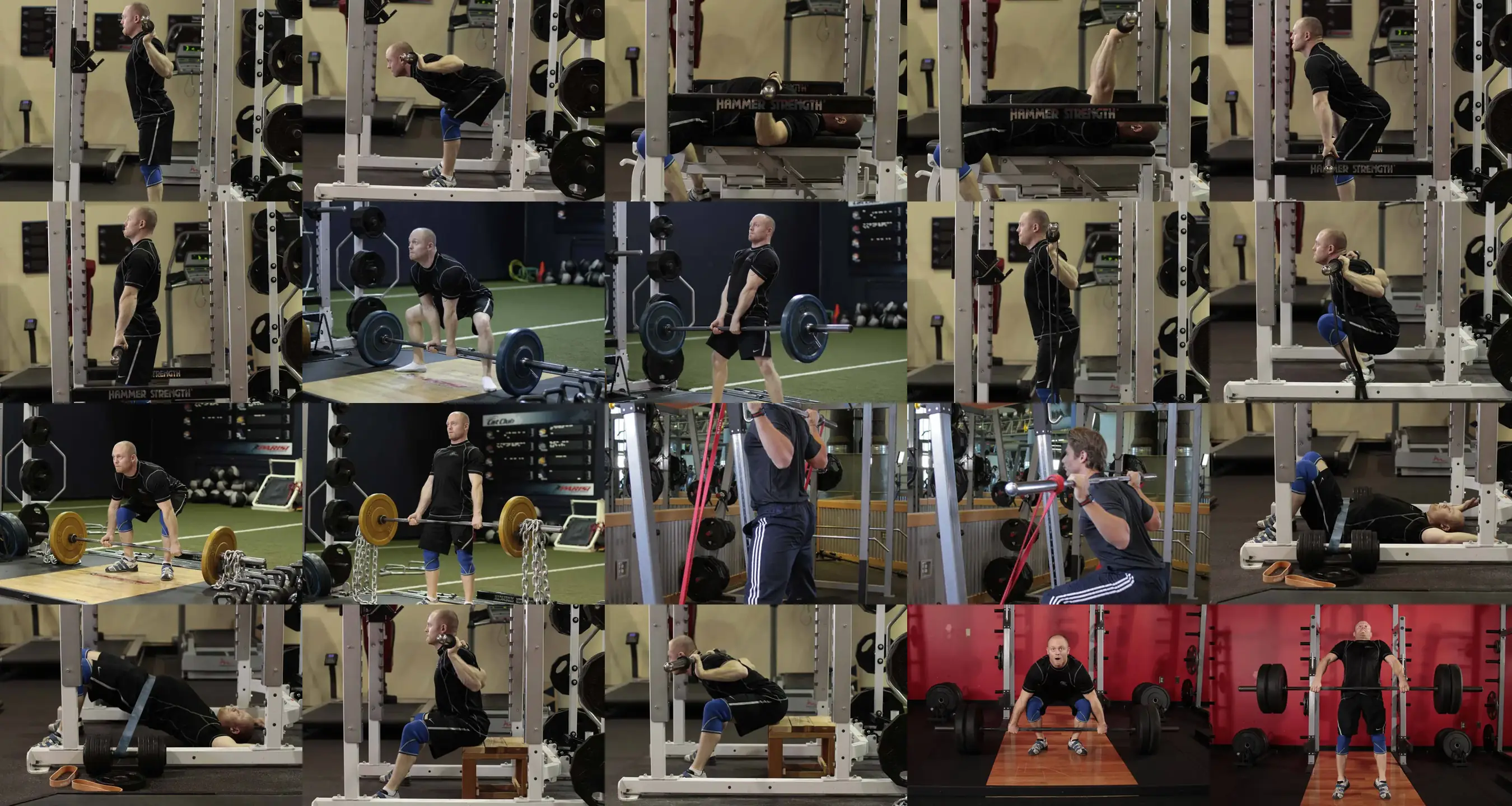
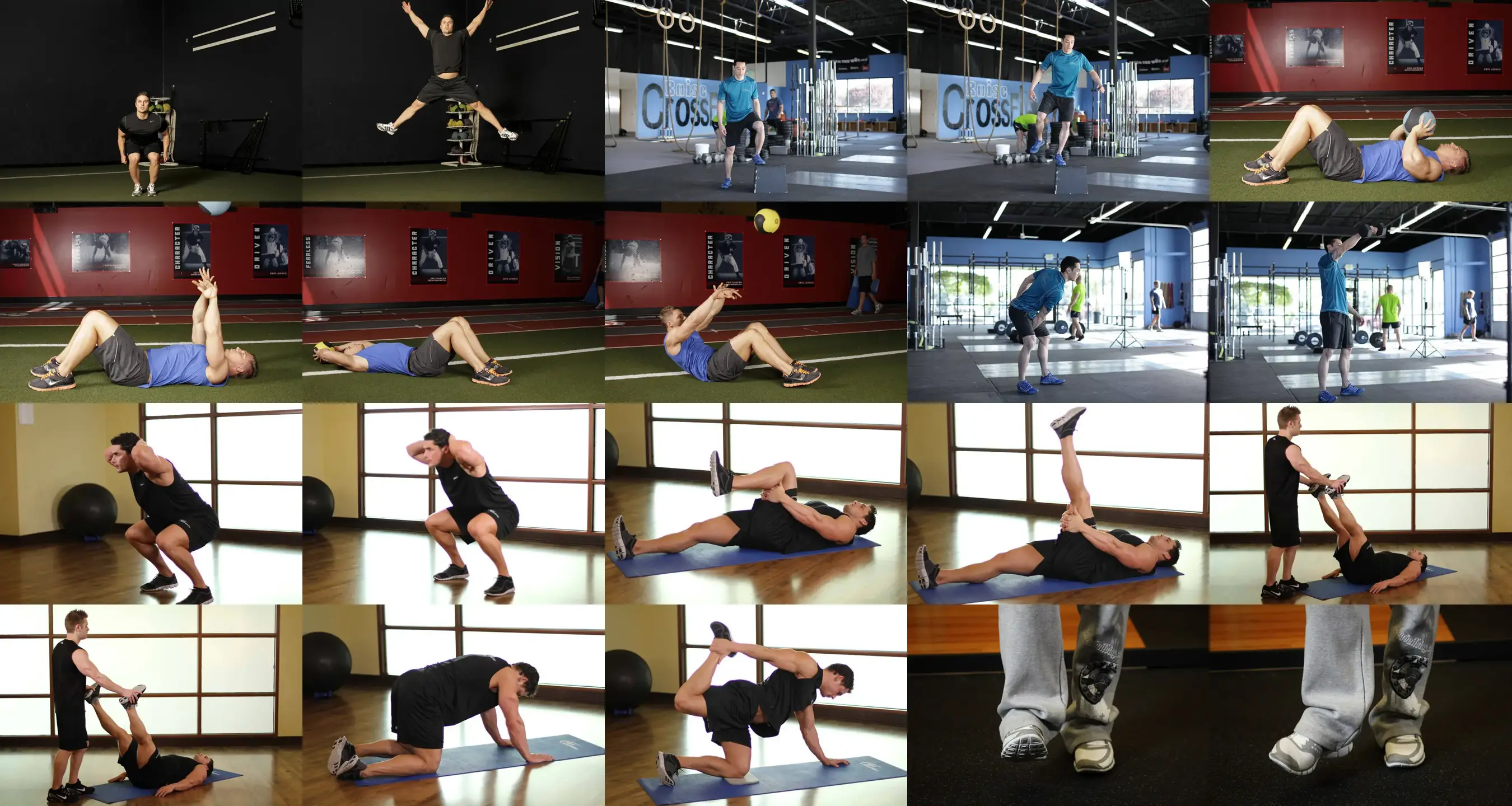
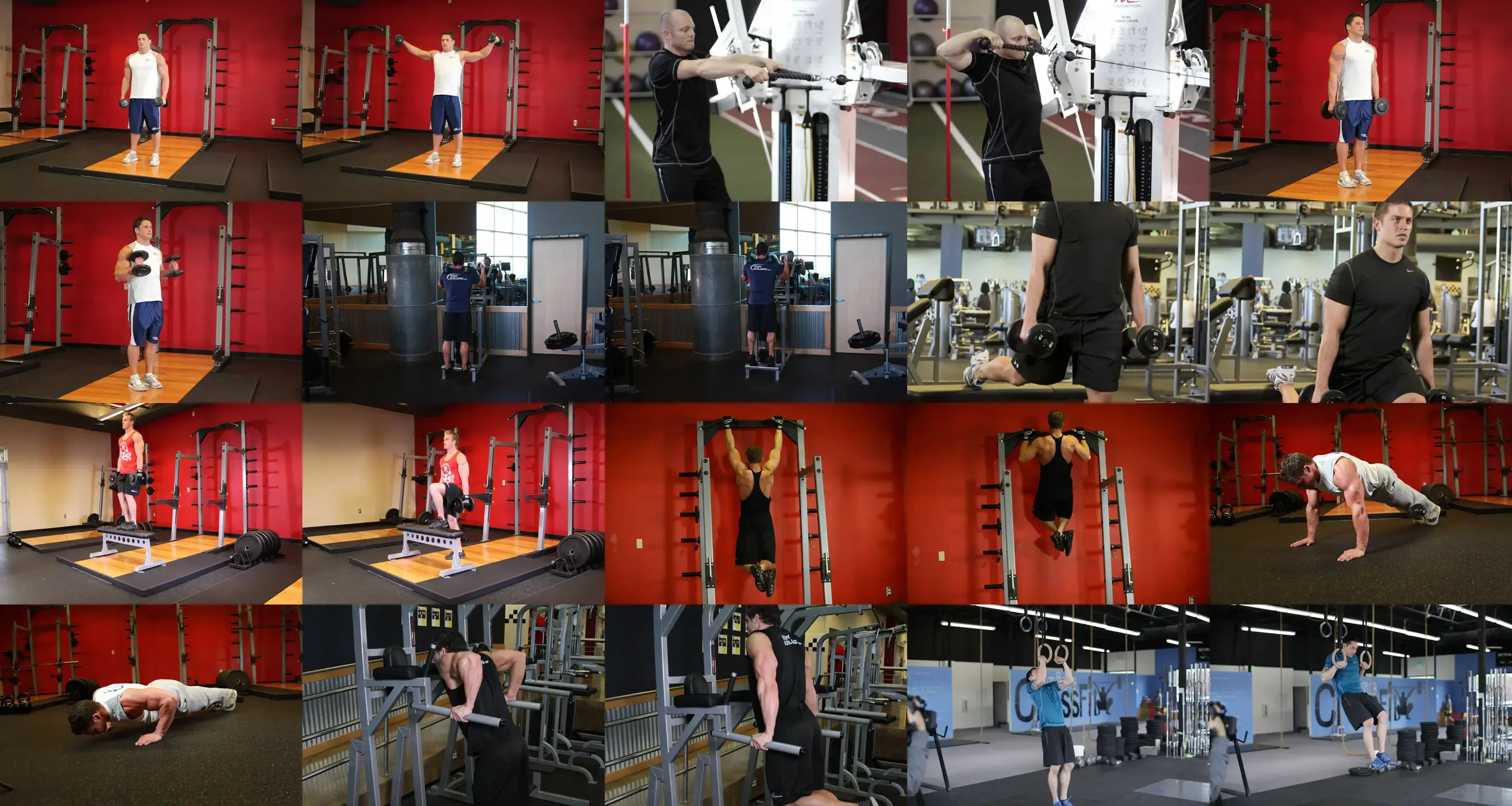
6-8-week plans with sets, reps and progression, built for your sport. Includes a downloadable PDF.
More acceleration, faster changes of direction and injury-proof legs, compatible with 2-3 team practices.
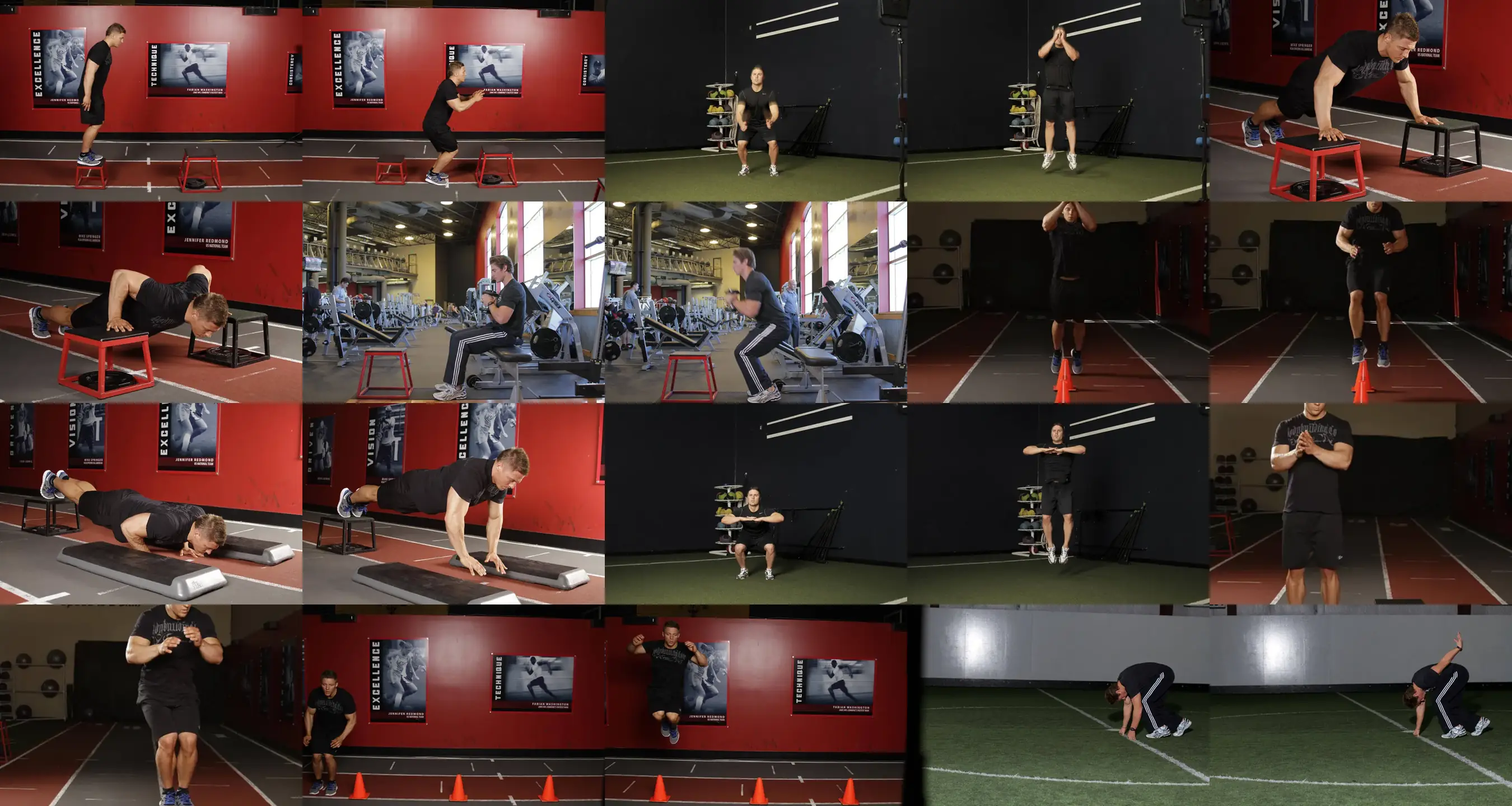
A higher vertical, a quicker first step and knees and ankles that handle stops and landings all season.
A more efficient stride, tougher calves and tendons and fewer injuries, without cutting miles.