8 weeks · 2 sessions/wk
Rotation and quick feet for tennis
More powerful shots from the hips, faster lateral movement and a protected shoulder and elbow.
€19.99See program
Buy · €19.99Sport
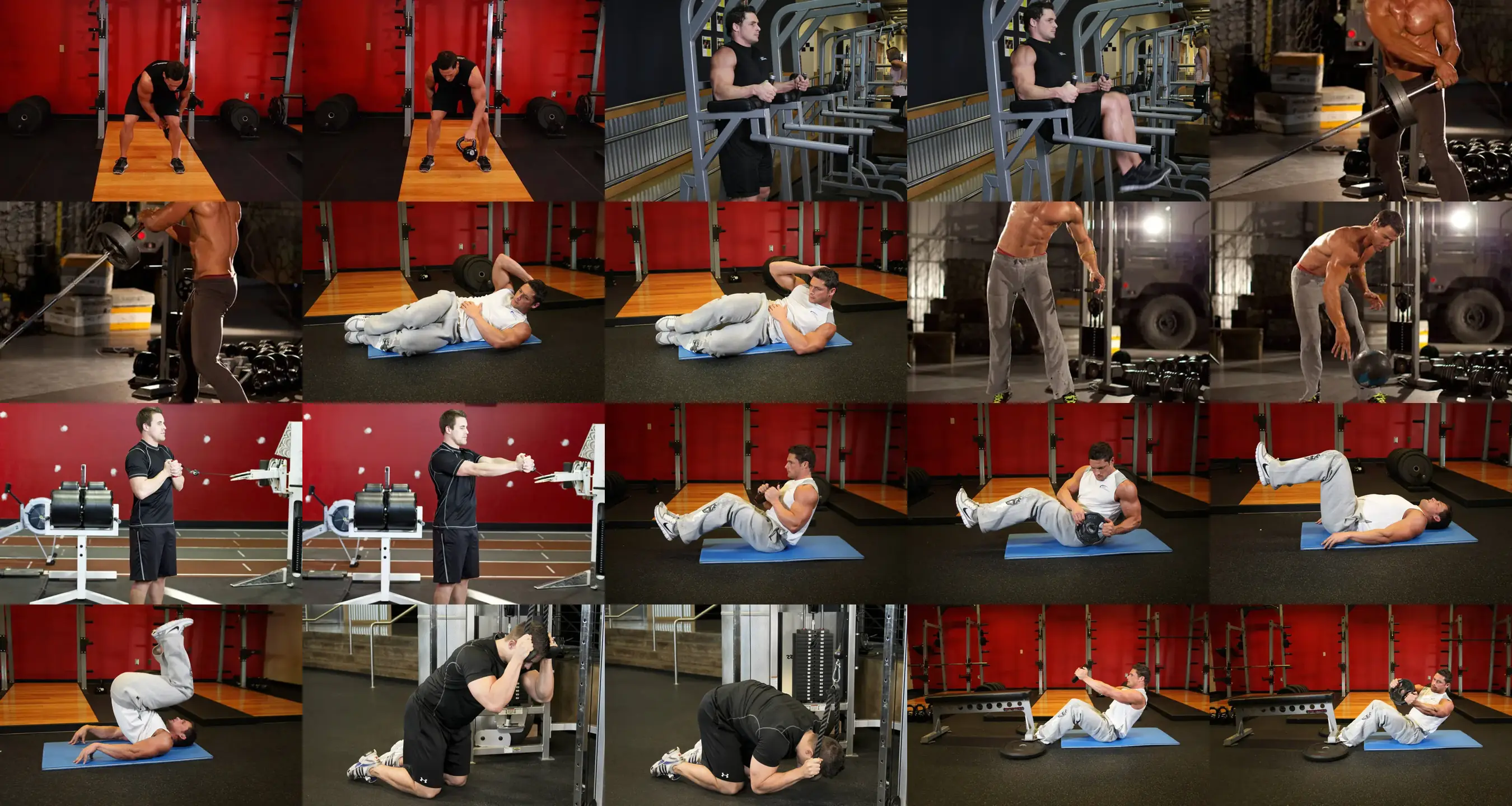
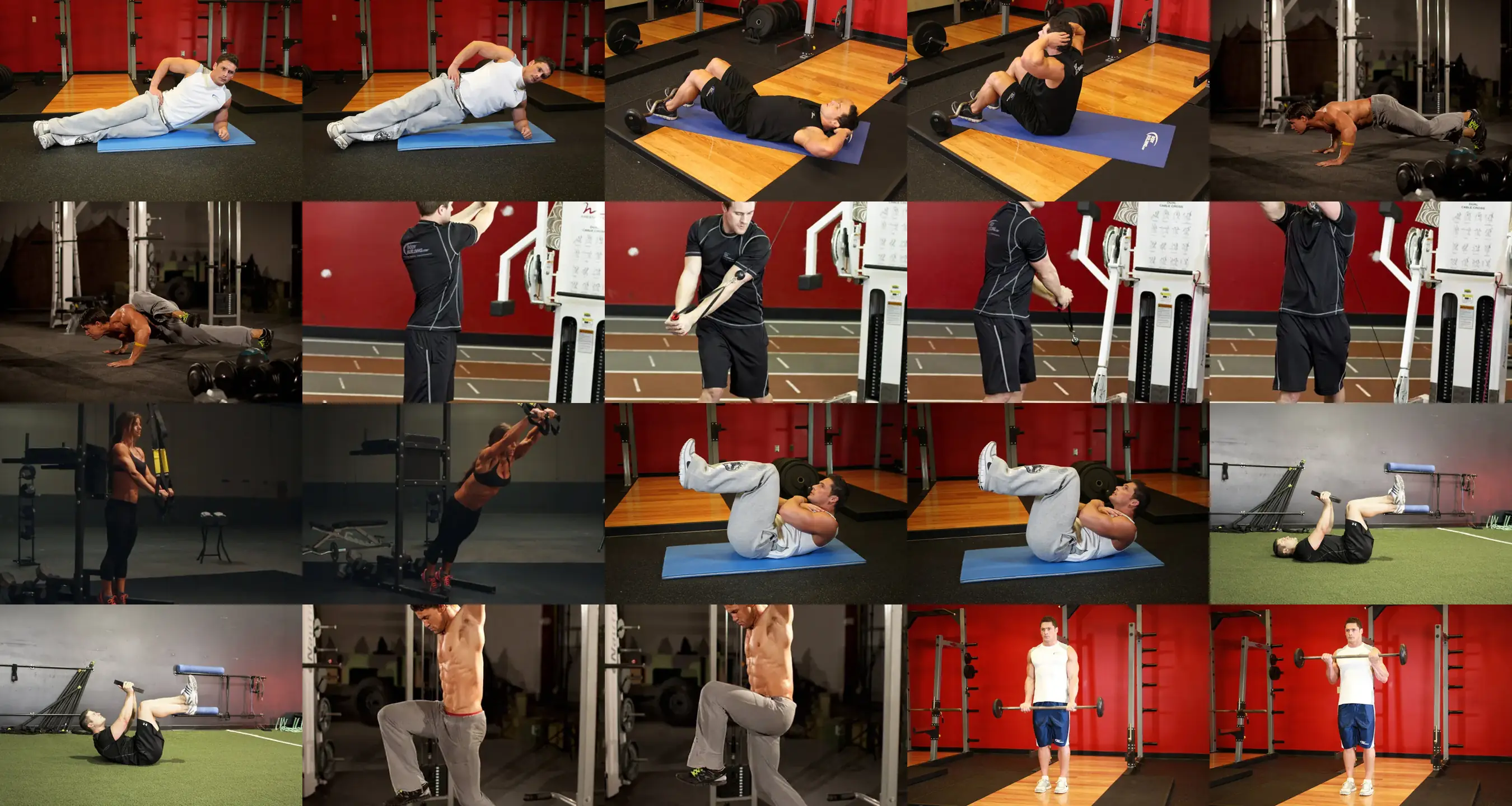
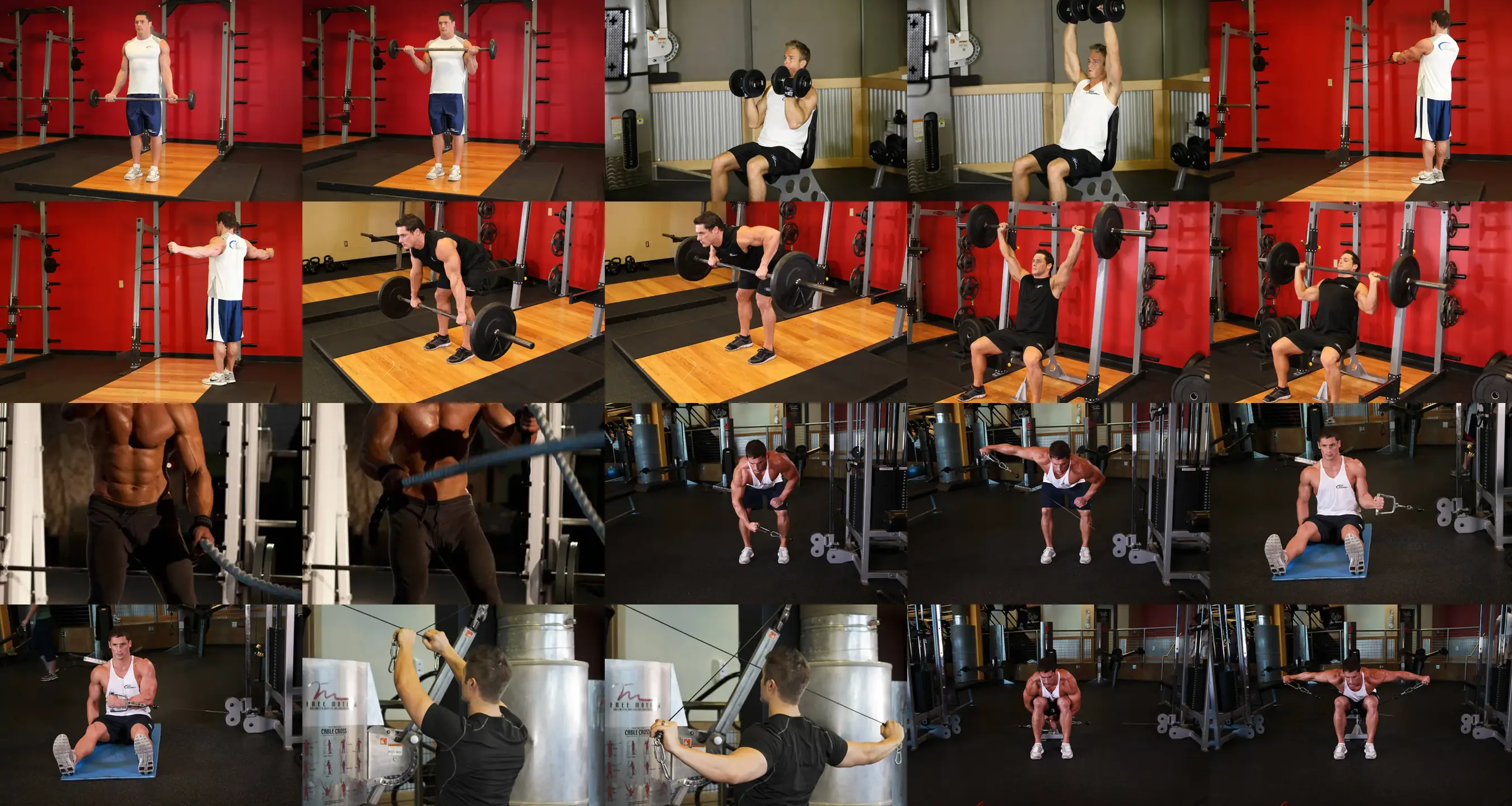
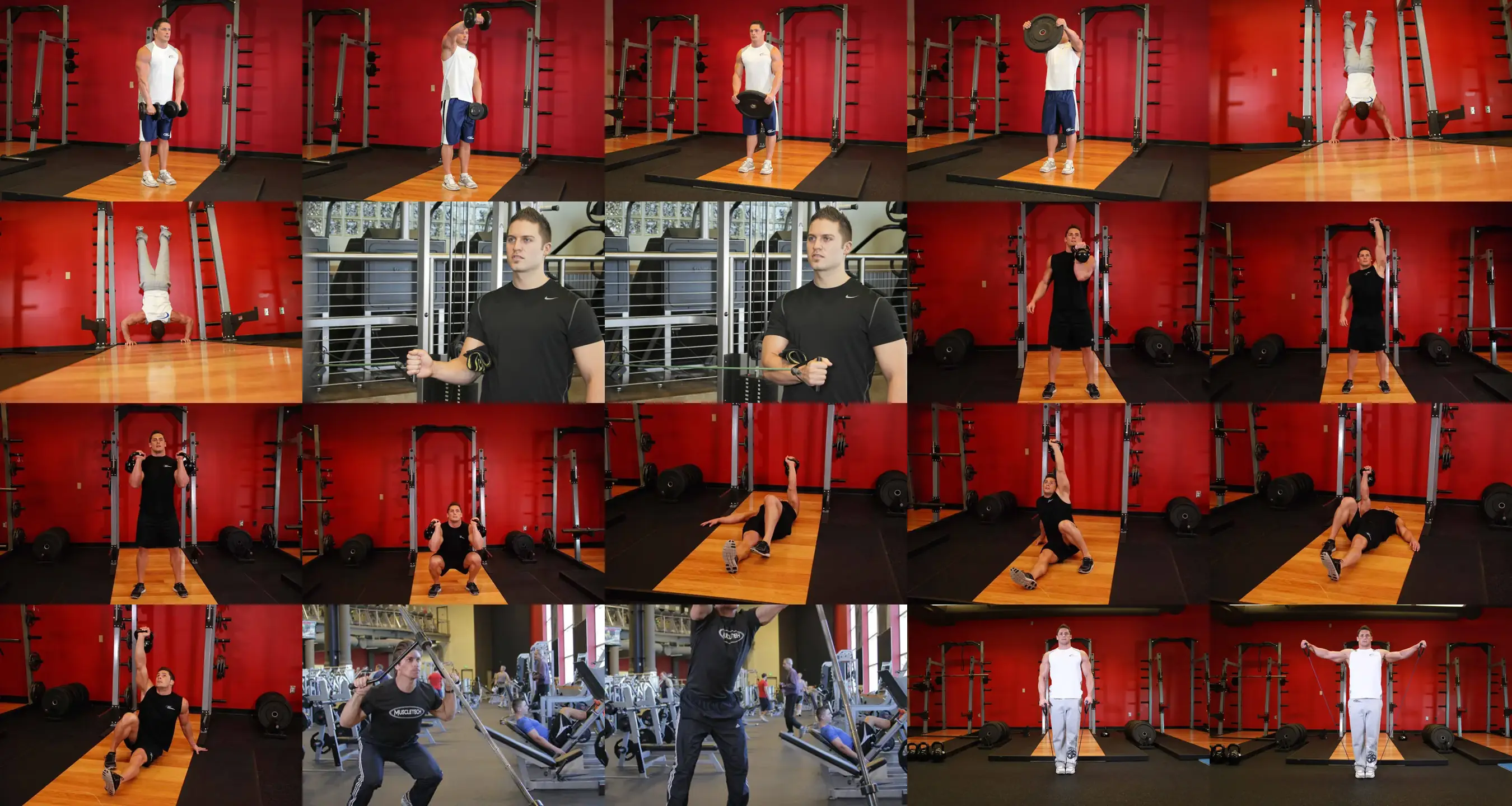
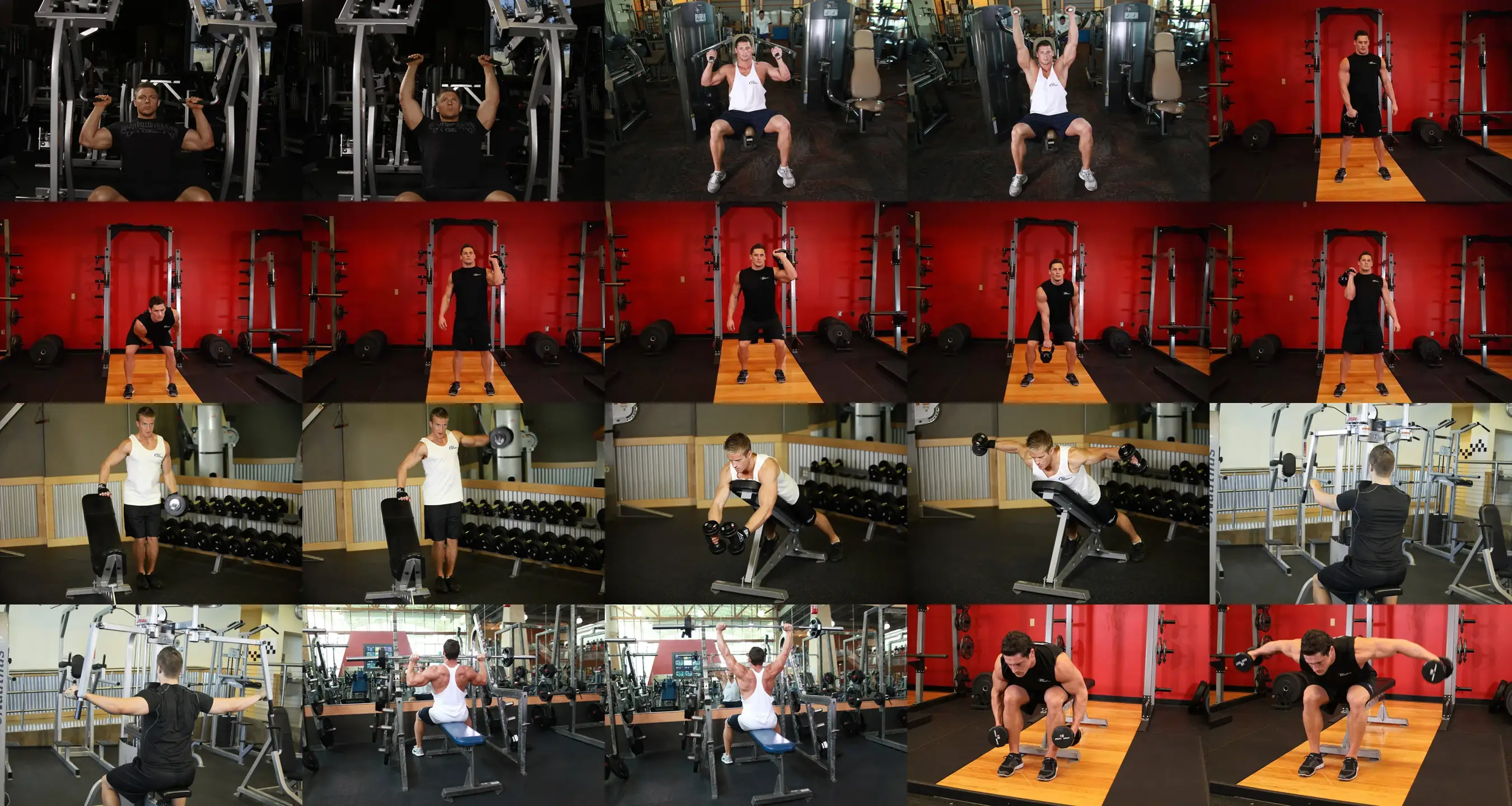
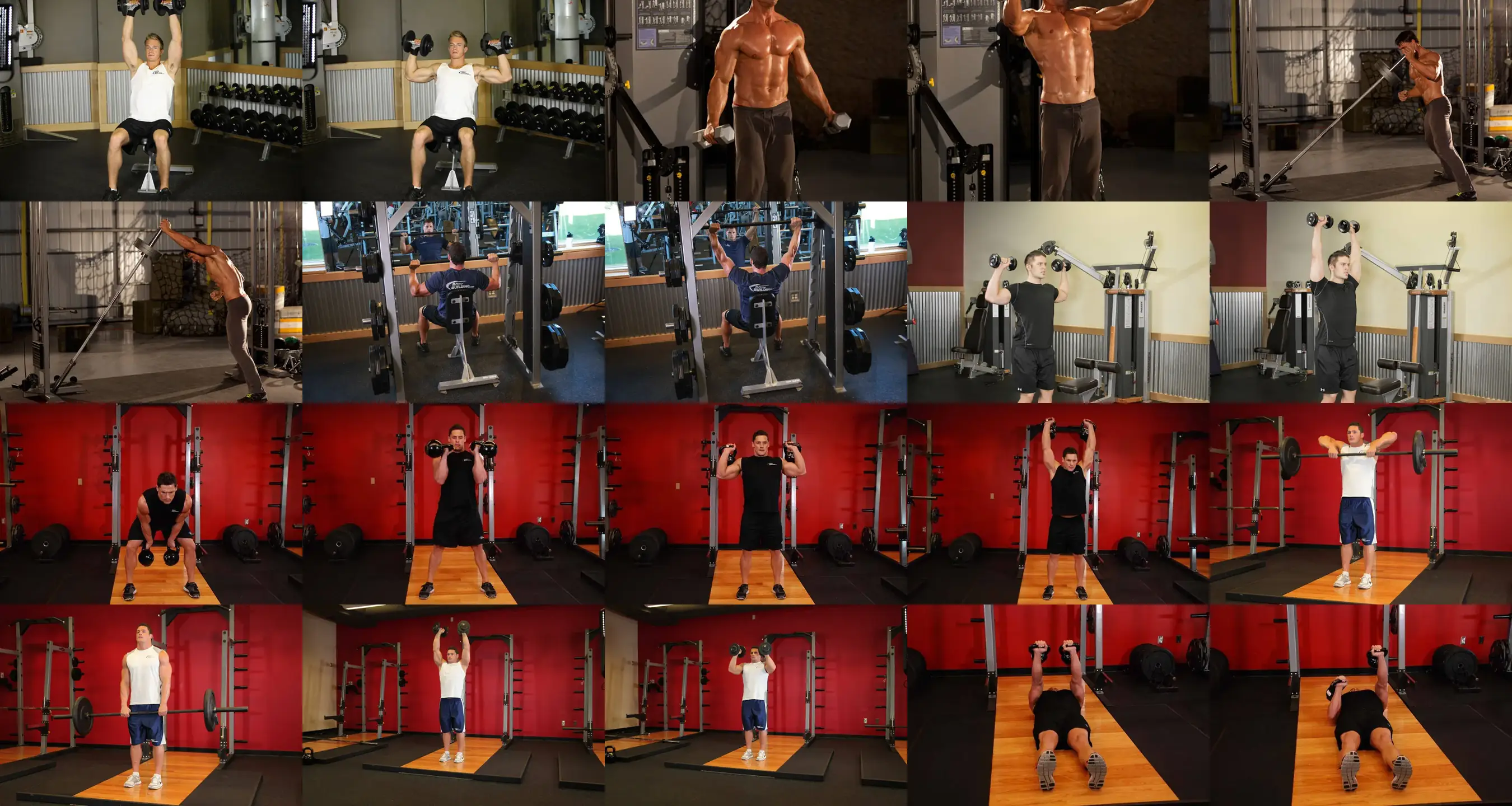
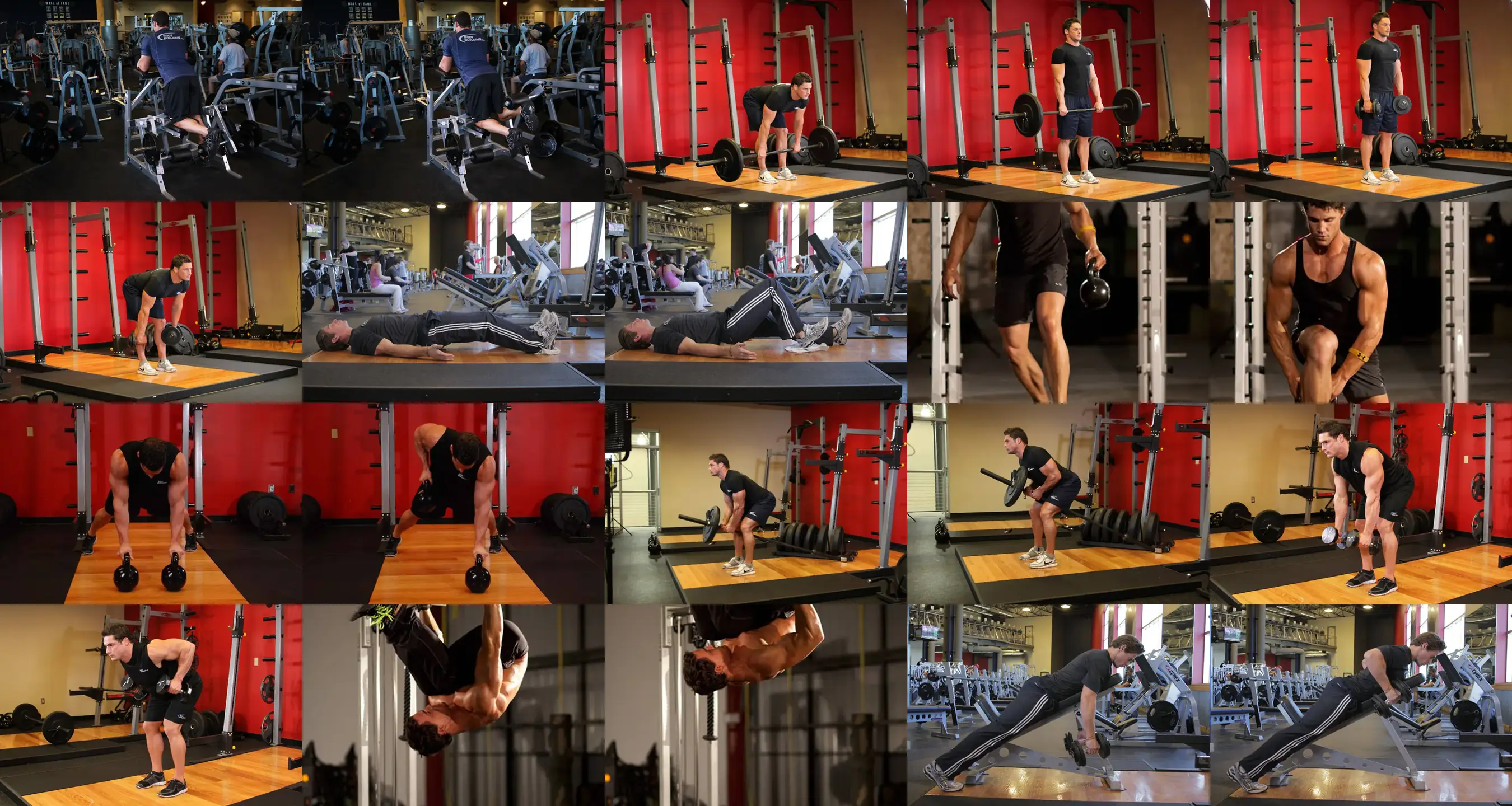
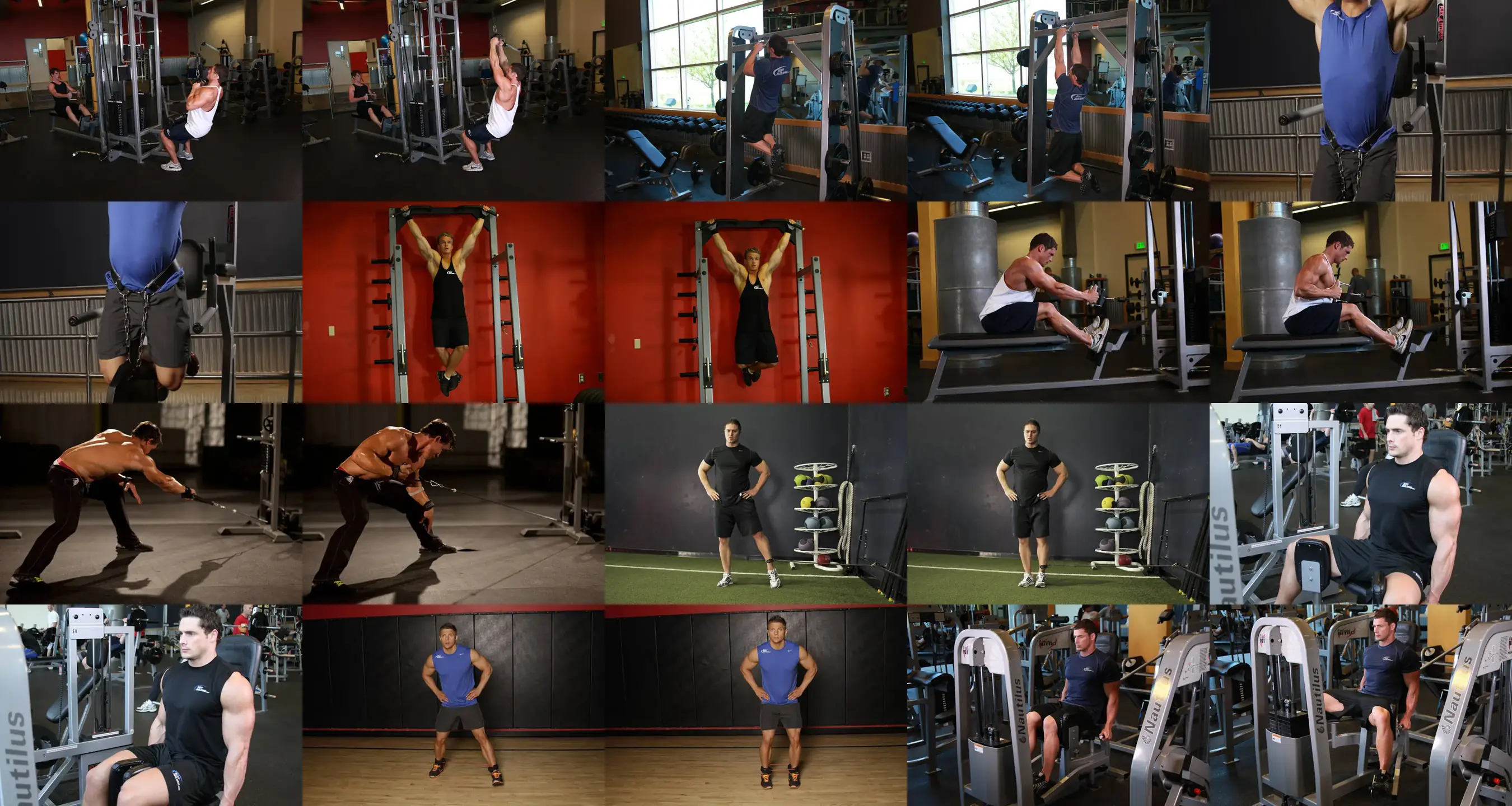
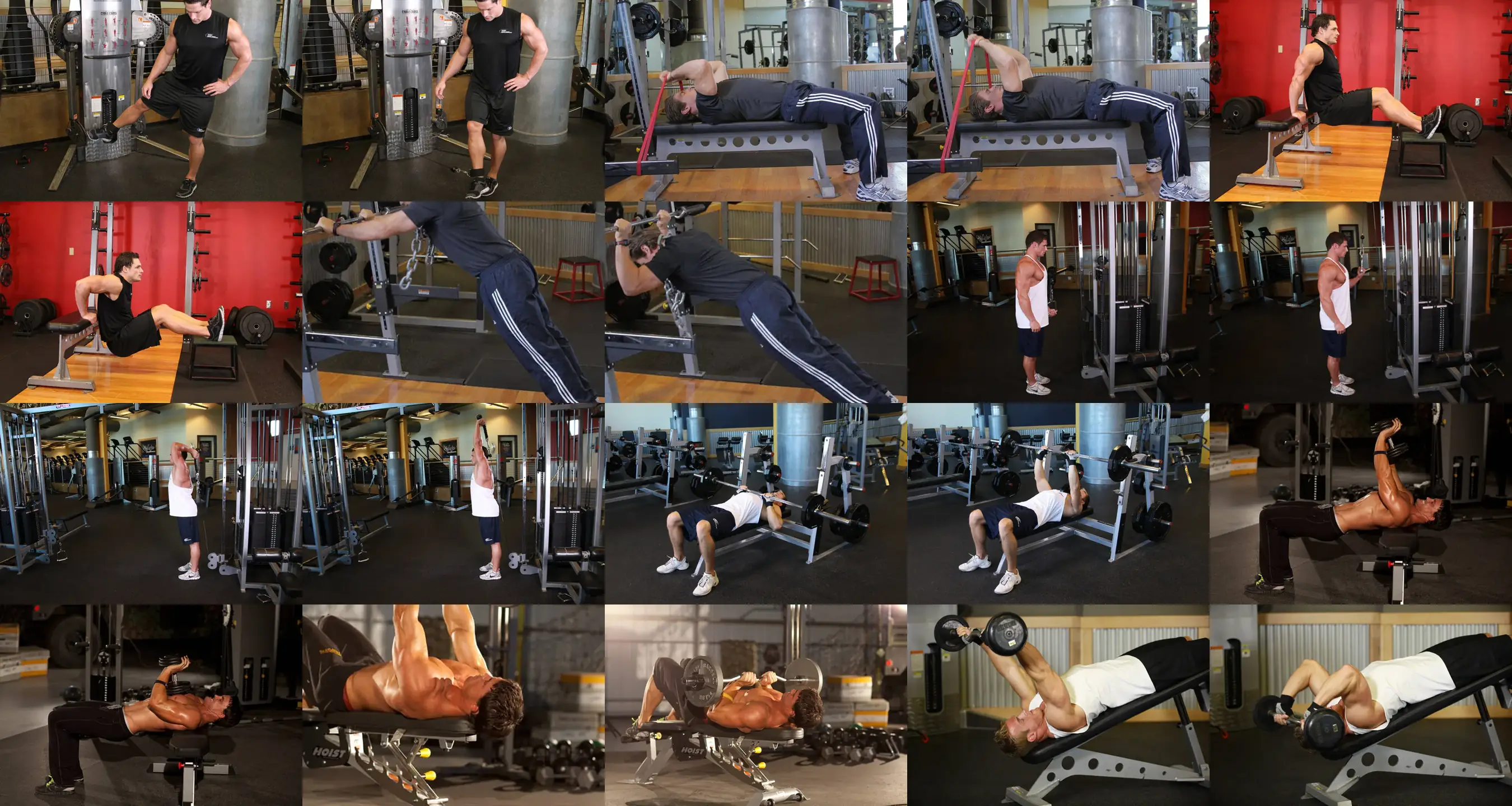
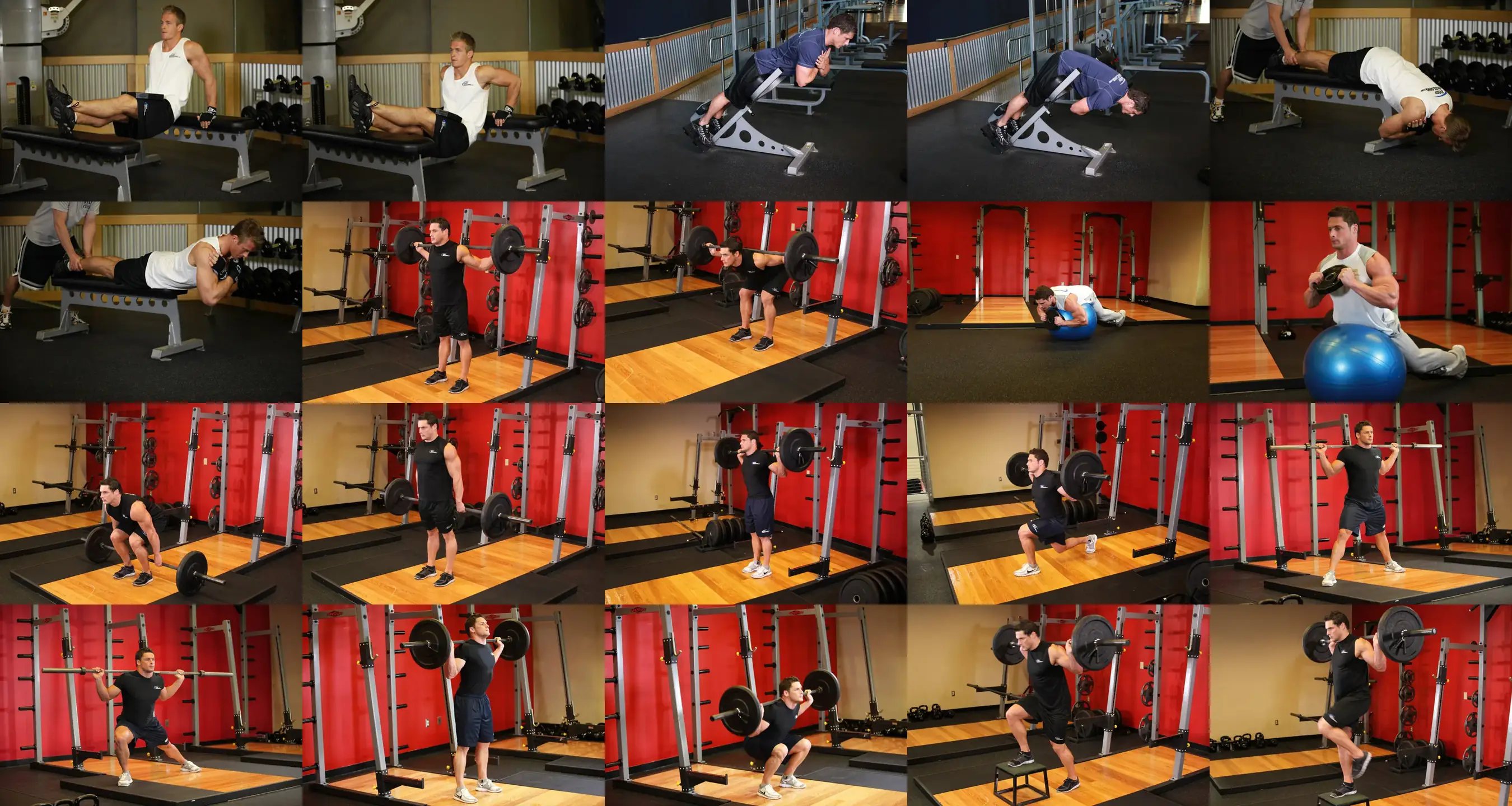
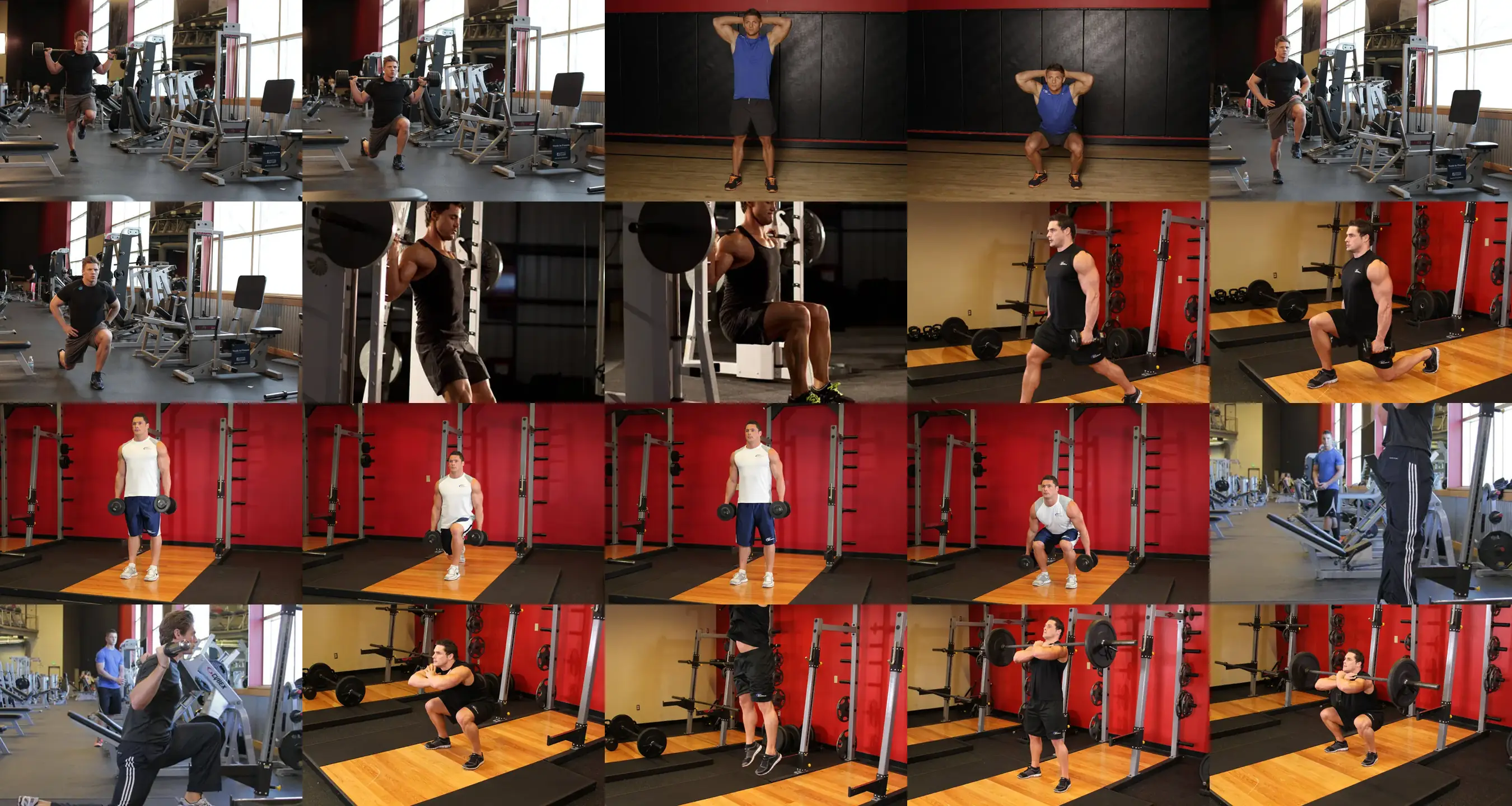
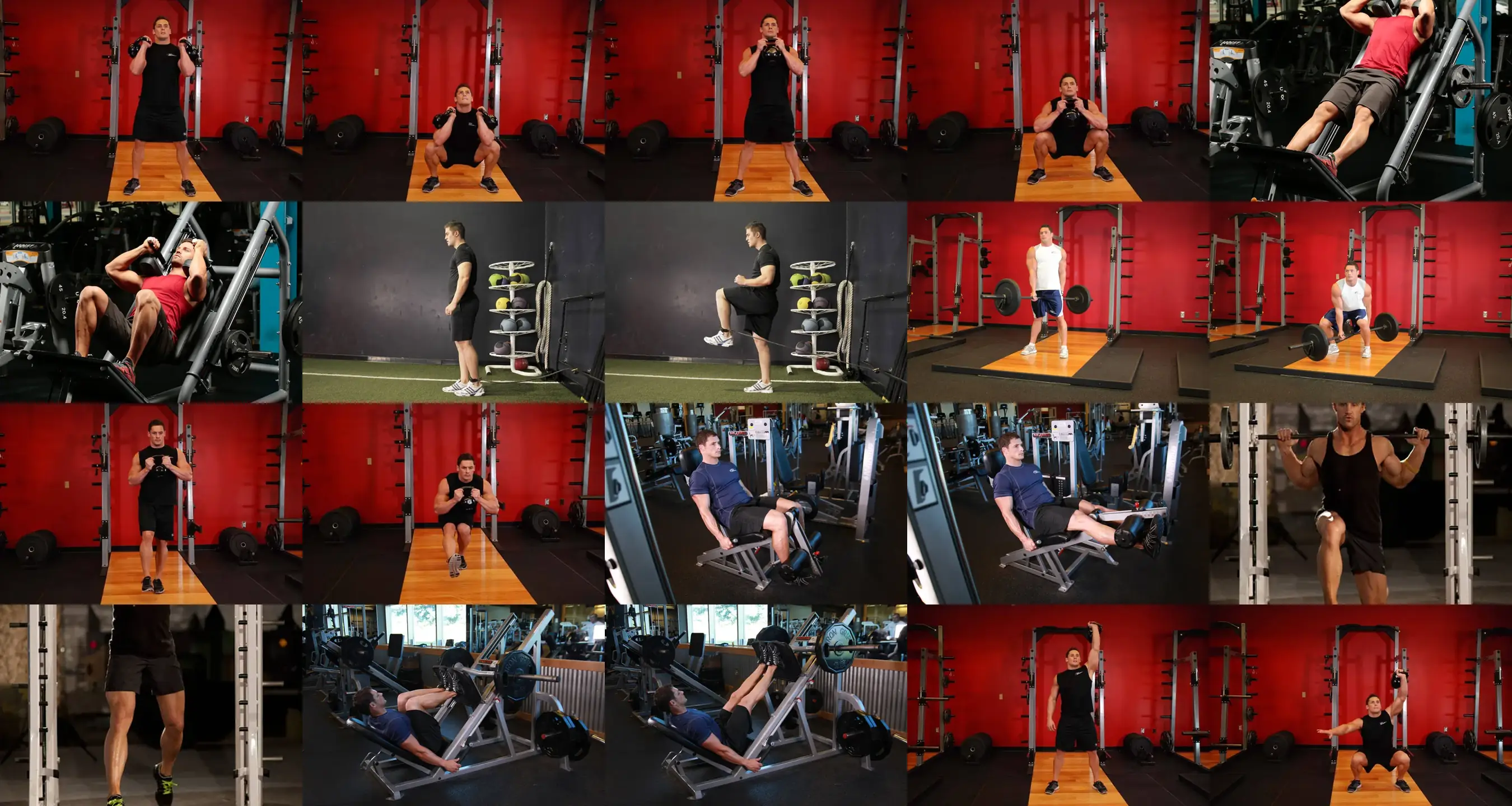
Powerful rotation, lateral movement and healthy shoulders and elbows. Here are the 83 exercises that help you most, sorted by goal.
Tennis combines explosive footwork, powerful rotational strokes, and matches that can last for hours. Strength training boosts your serve speed and court movement, and helps protect your shoulder, elbow, wrist, and lower back from the wear and tear of the sport.
Paid program · 8 weeks
More powerful shots from the hips, faster lateral movement and a protected shoulder and elbow.
Tennis demands short accelerations, hard stops, and constant lateral movement, with points lasting a few seconds repeated for hours. The power behind each stroke starts at the ground and travels through the legs, hips, and trunk to the racket, so rotational strength is key. Serving and overheads require a powerful shoulder and the ability to decelerate the arm. You also need aerobic endurance to keep your quality high in the third set.
In preseason, two or three sessions a week build strength with squats, lateral lunges, Romanian deadlifts, rows, and presses, plus rotational medicine ball throws. During tournament periods, one or two short sessions maintain strength with a focus on power and prevention. Always include eccentric external rotator work to help brake the arm after serving. Avoid heavy leg sessions right before a match.
Typical injuries include tennis elbow, shoulder pain from serving, lower back pain from trunk rotation and extension, wrist problems, and calf strains. Strengthen your forearm extensors and shoulder external rotators, train anti-rotation core work, and improve hip mobility. Check your string tension and grip size, and build court hours back gradually after time off. Mixing in some play on clay or other slower surfaces can also reduce joint stress during heavy weeks.
Legs, glutes, and calves for movement, core and obliques for rotation, and shoulders, forearms, and upper back for hitting. Your dominant arm works much harder, so it is worth training the opposite side in the gym.
Improve your technique, shoulder and thoracic mobility, leg strength, and rotational power with medicine ball throws. Stronger external rotators help you decelerate your arm safely, which lets you swing harder with confidence.
Strengthen your core with anti-rotation exercises, improve hip and upper back mobility so your lower back does not compensate, and manage serve volume. If pain persists, get a professional assessment.
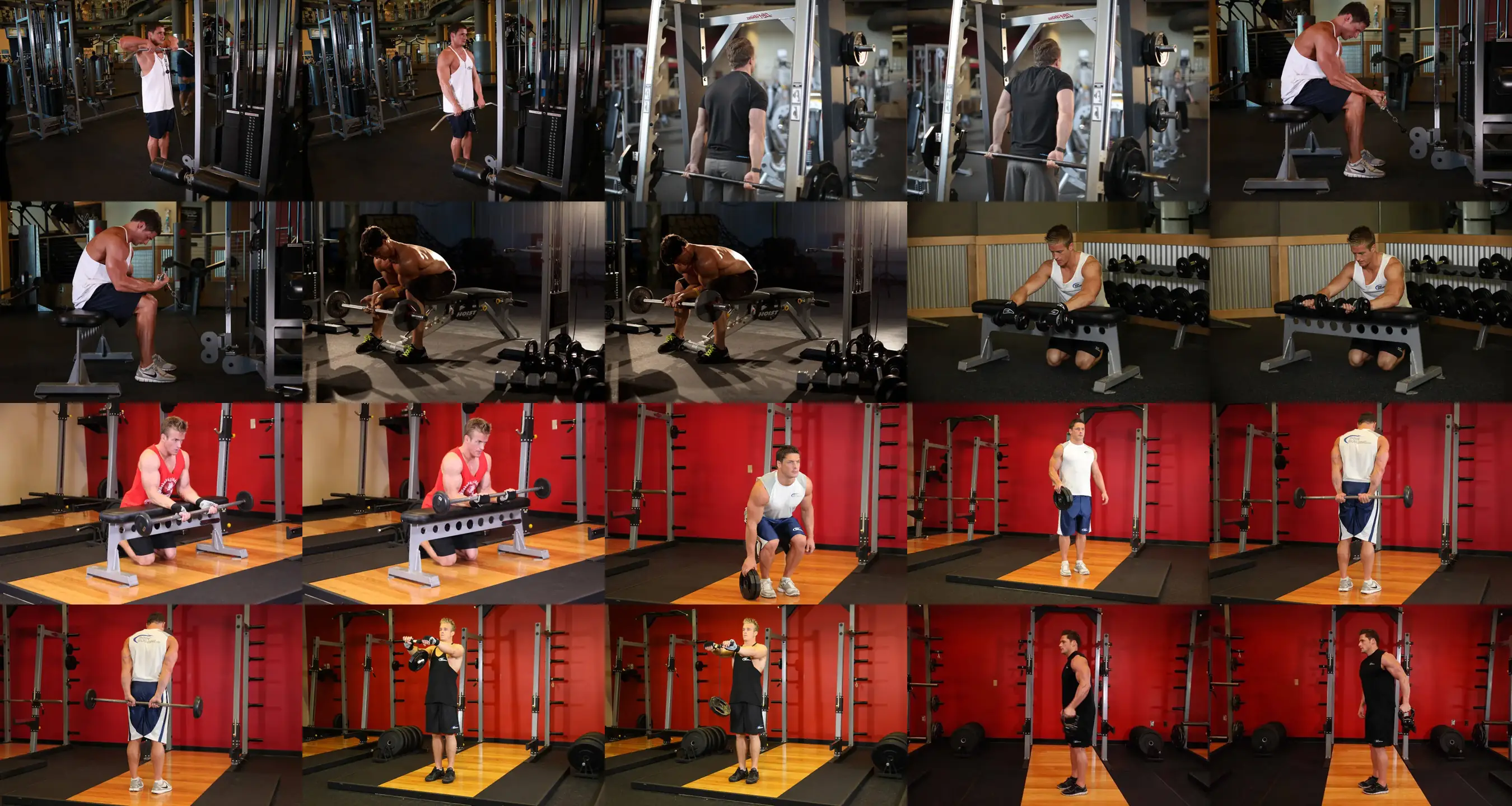
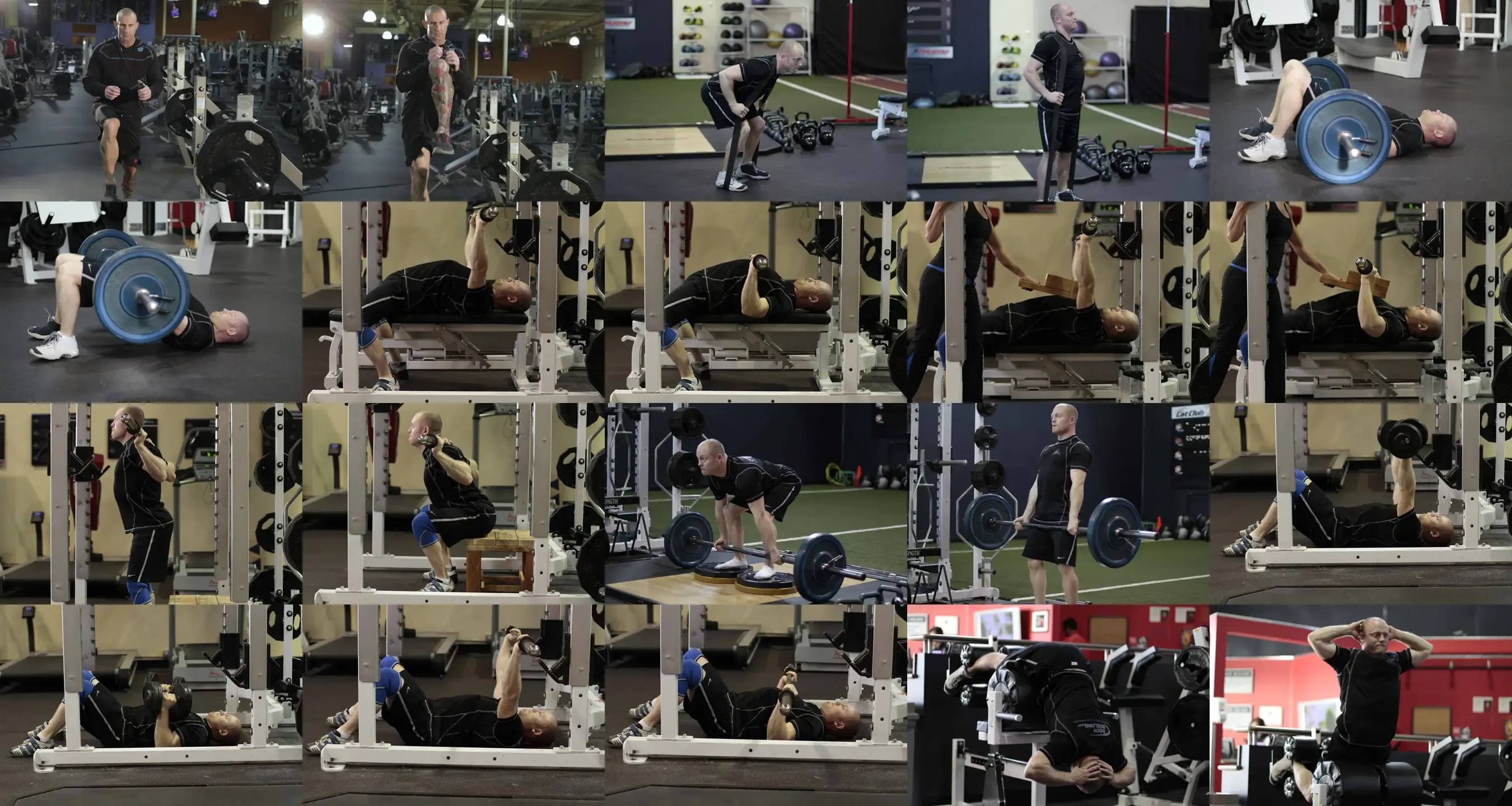
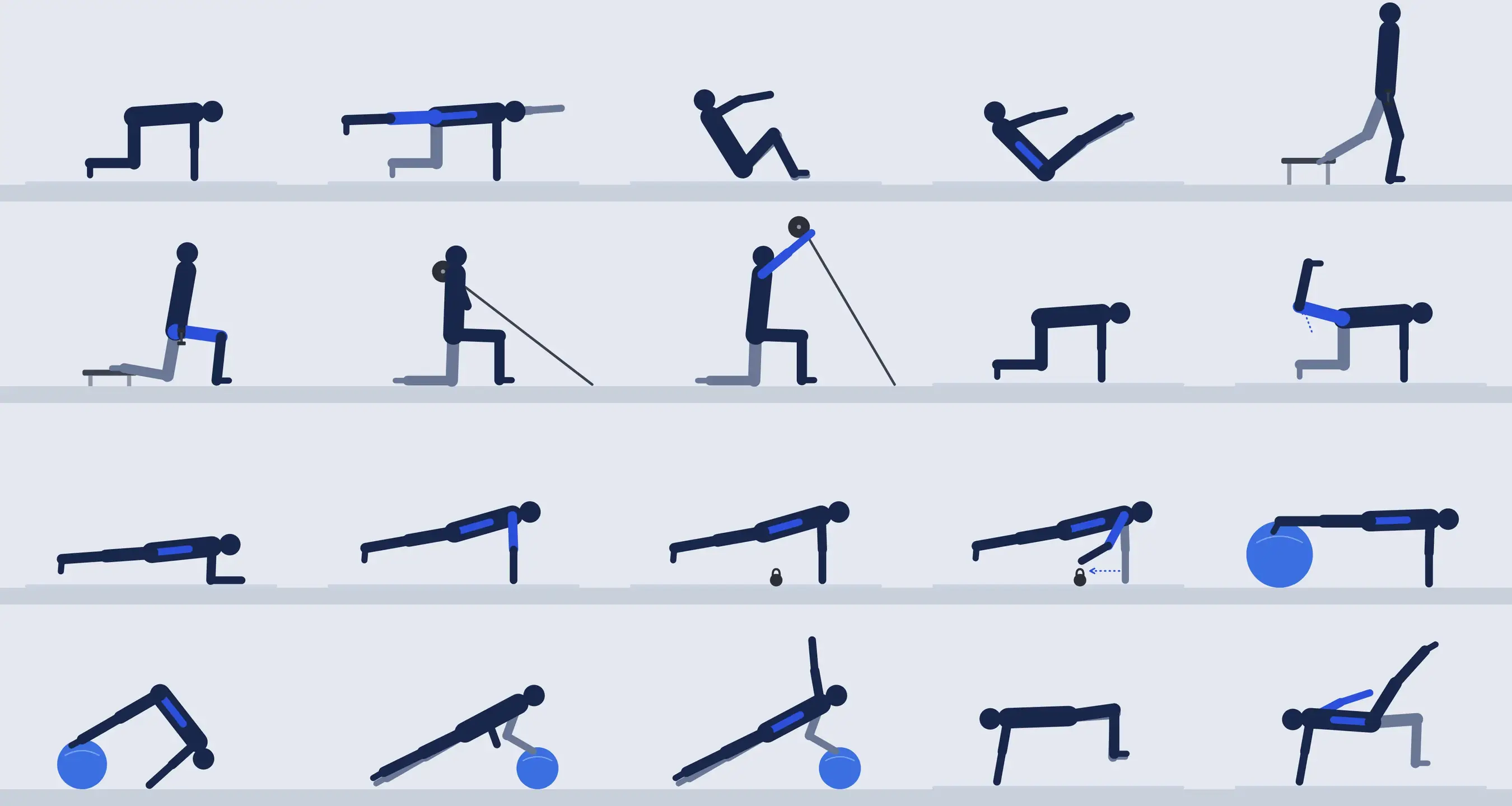
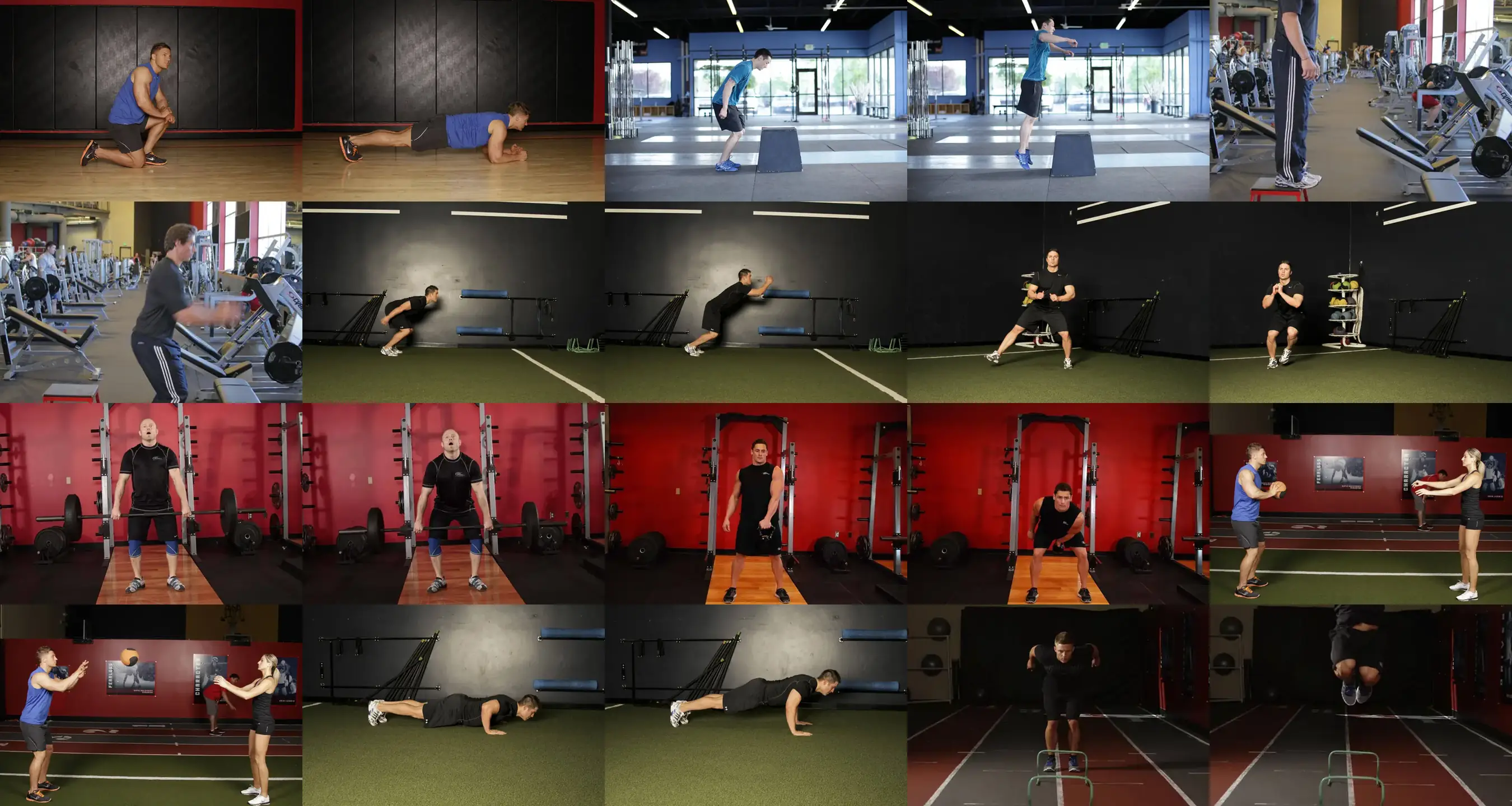
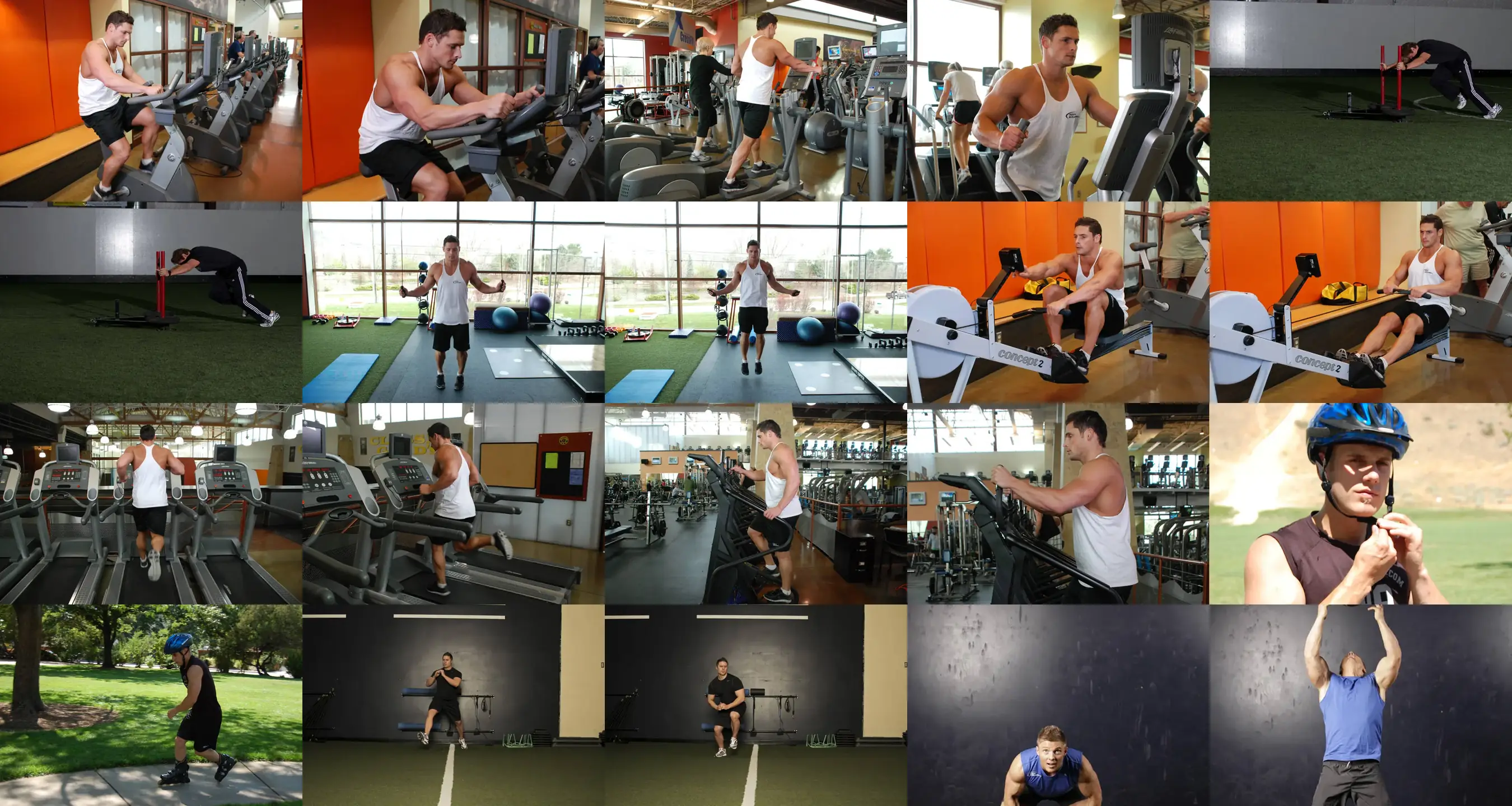
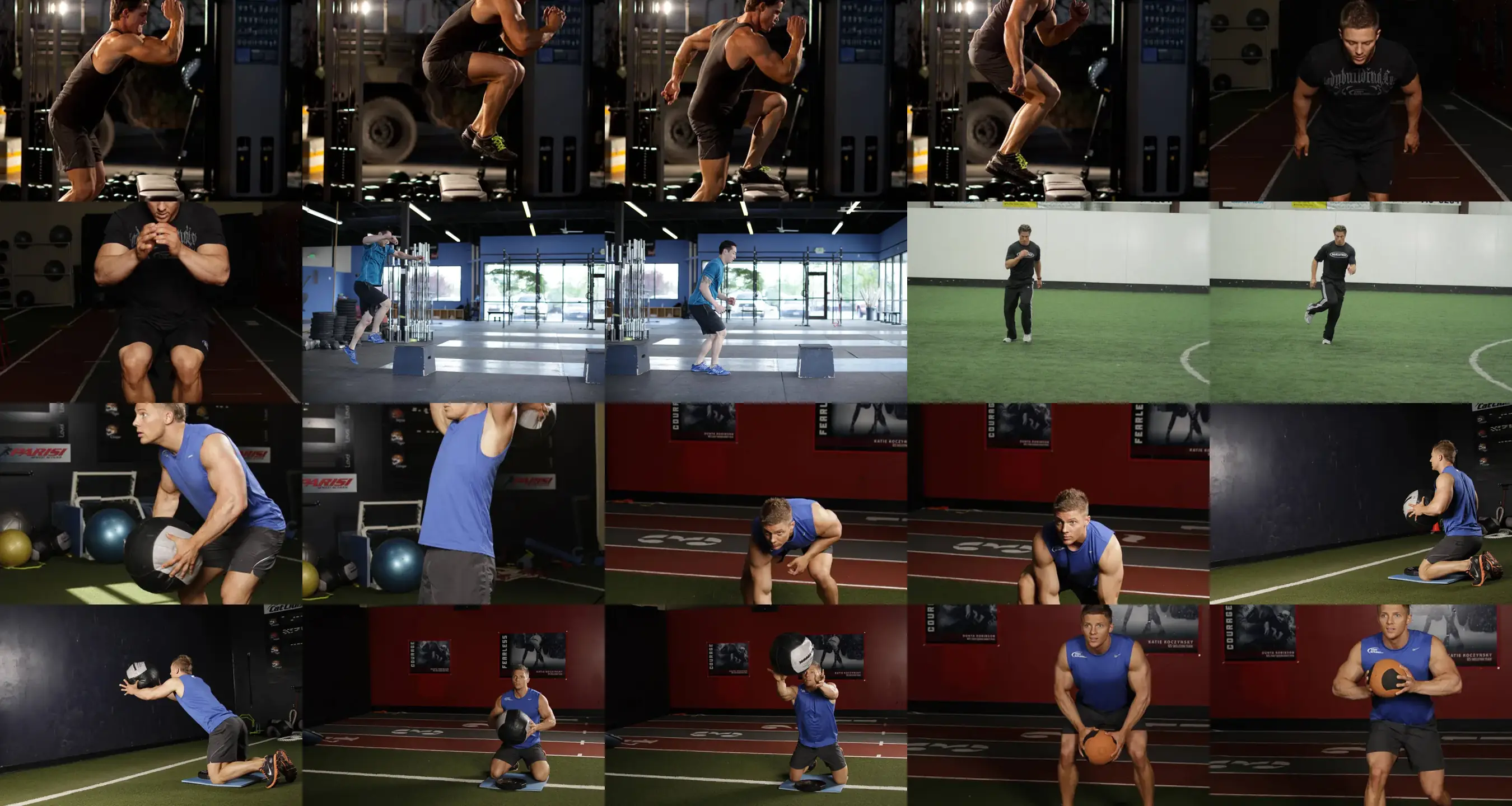
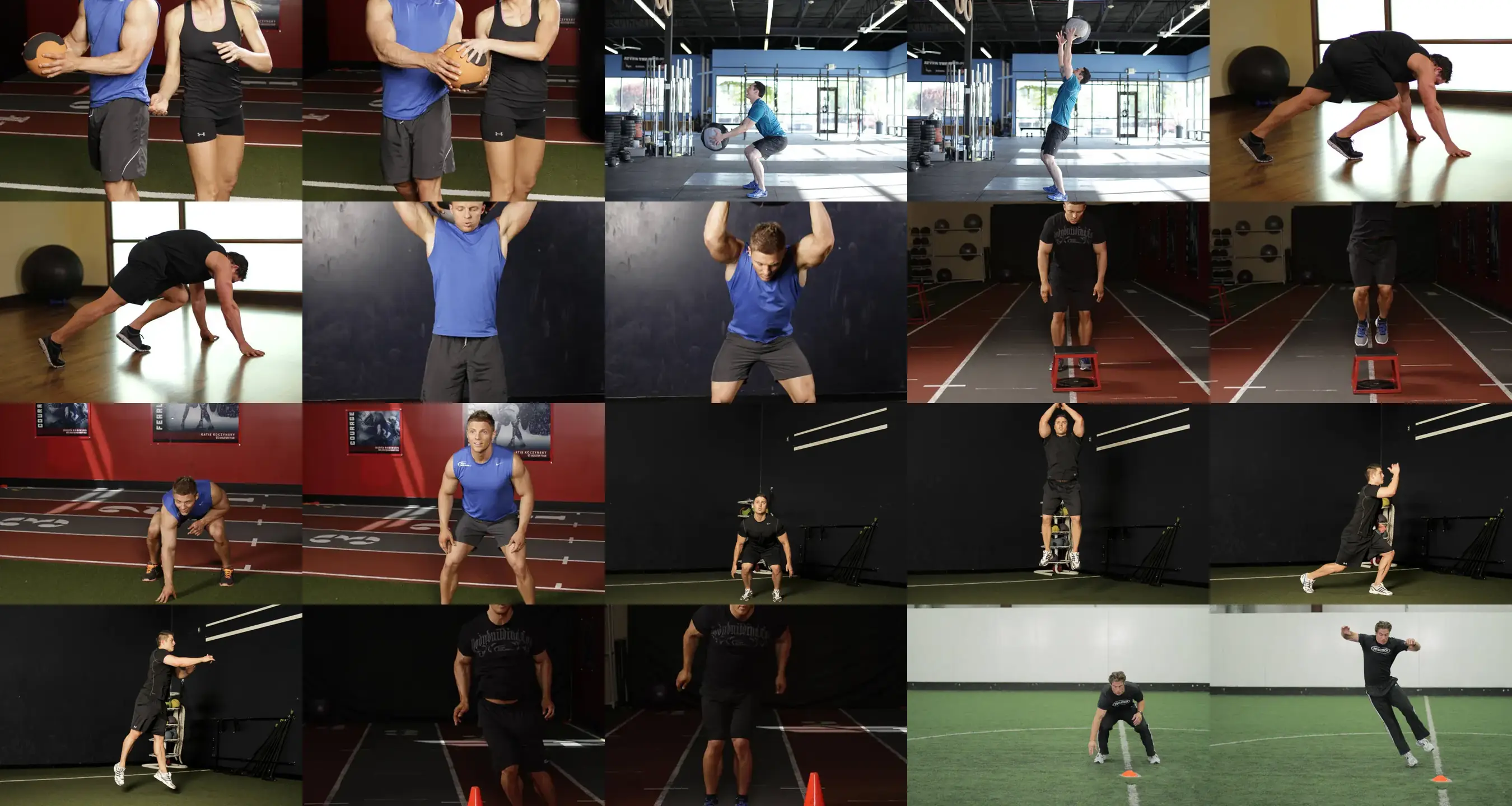
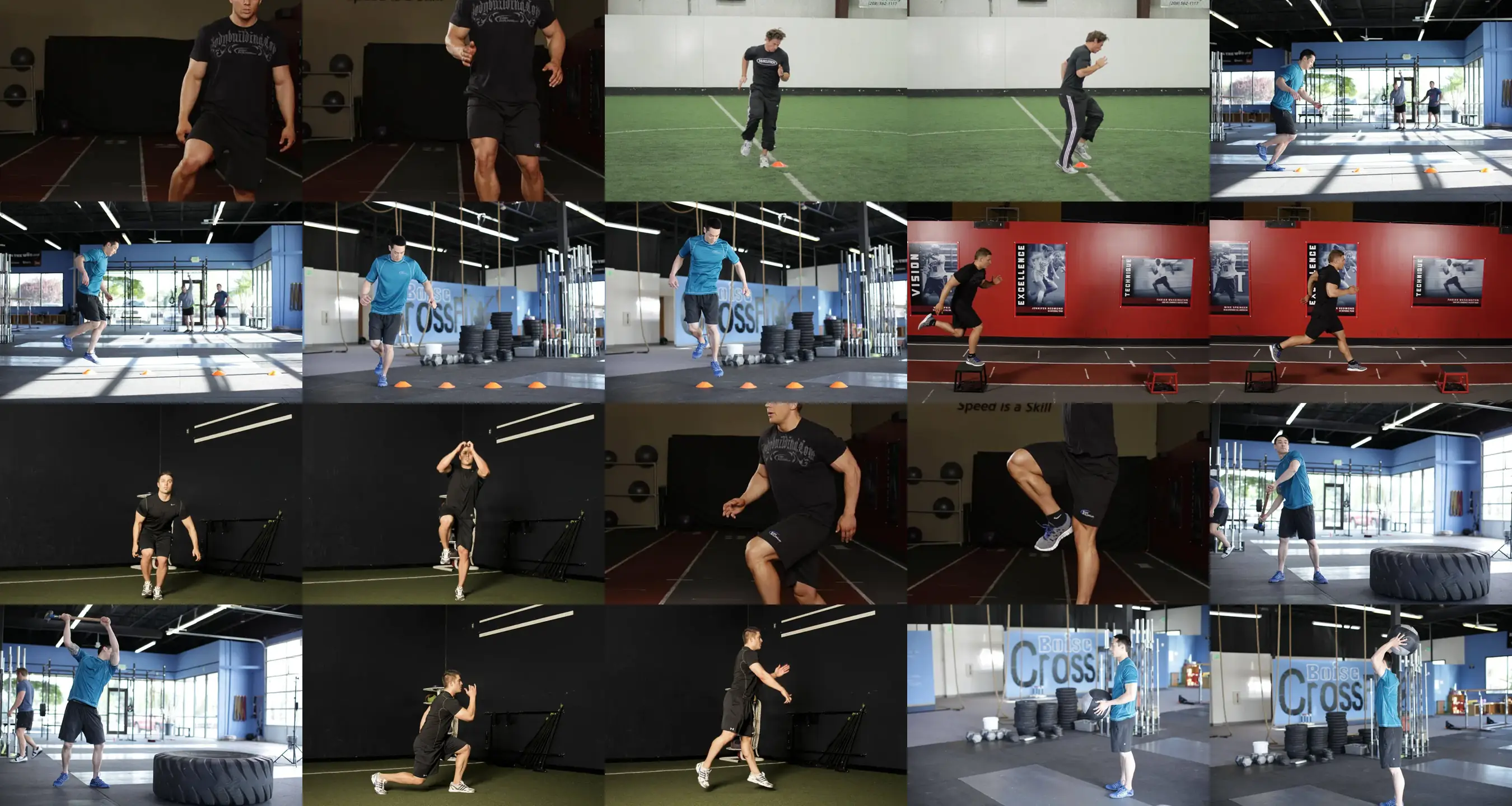
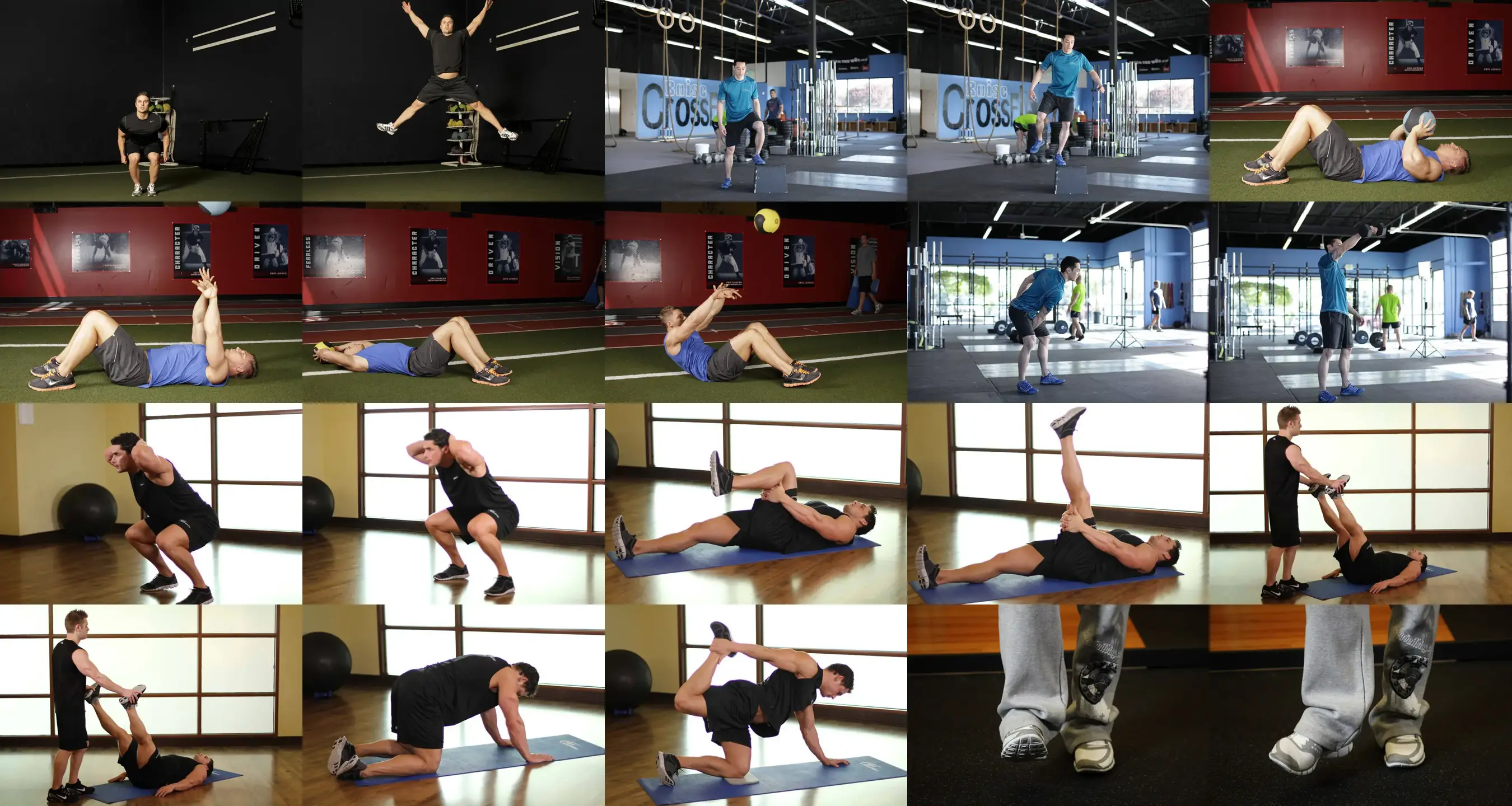
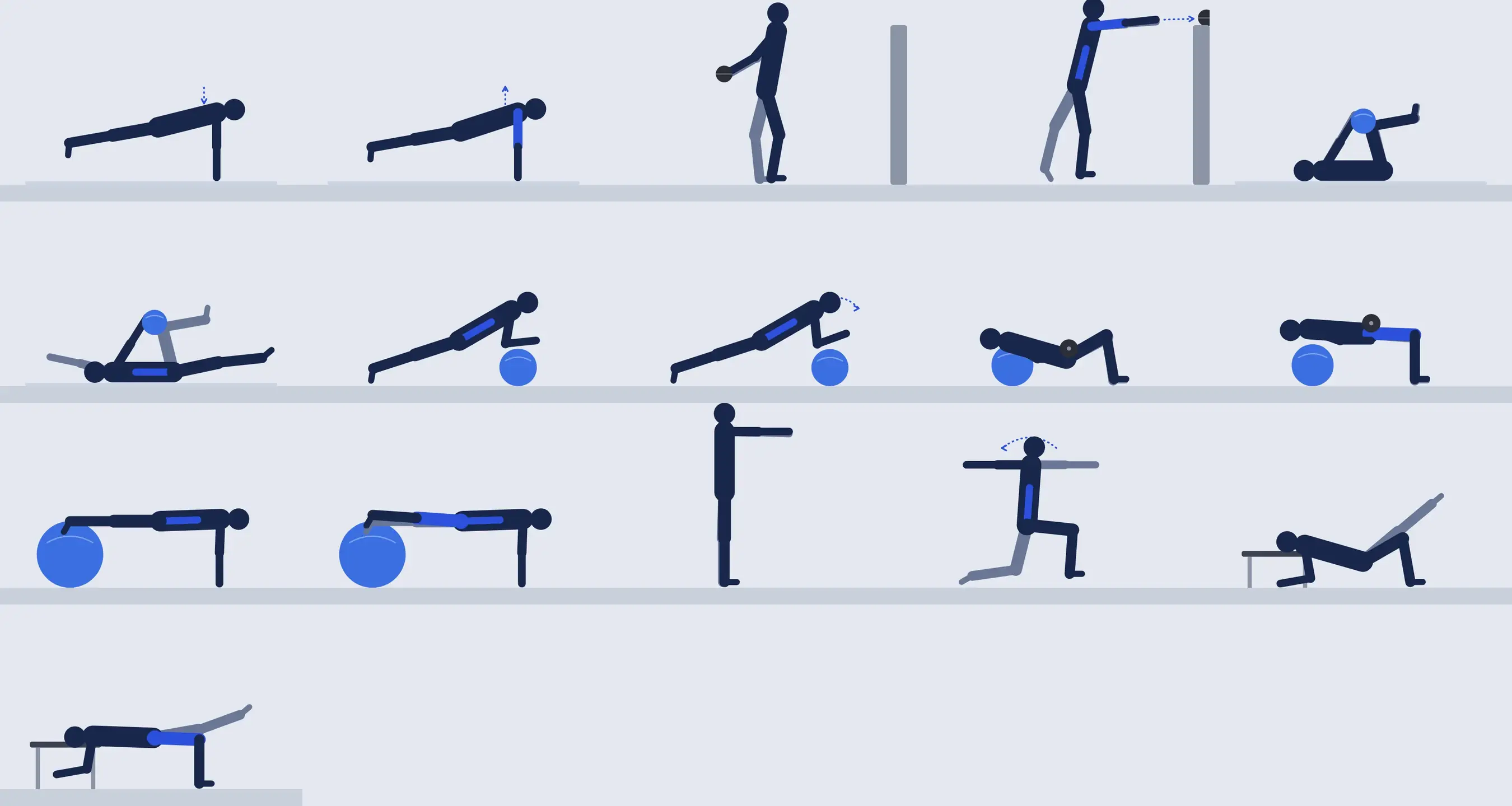
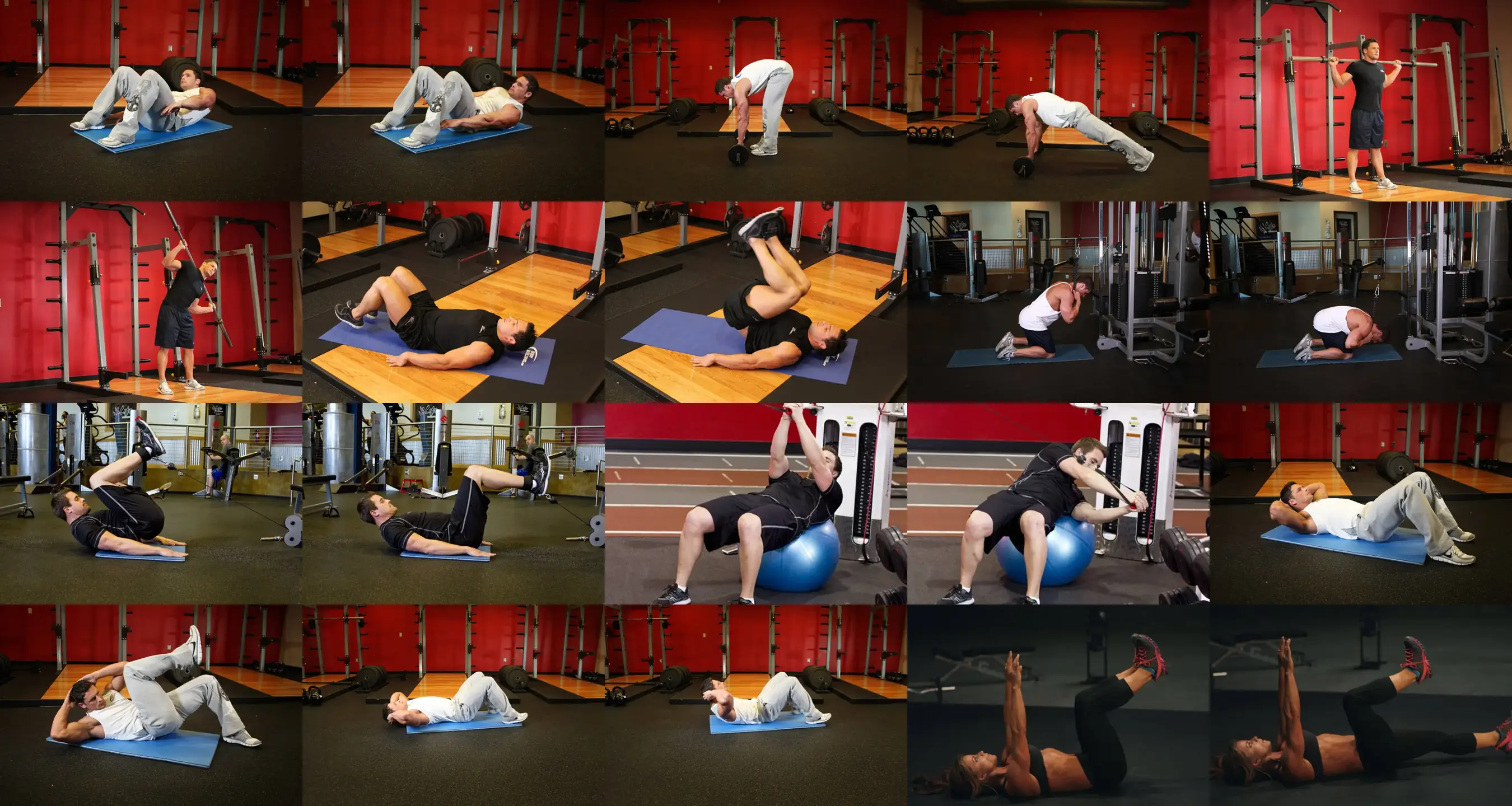
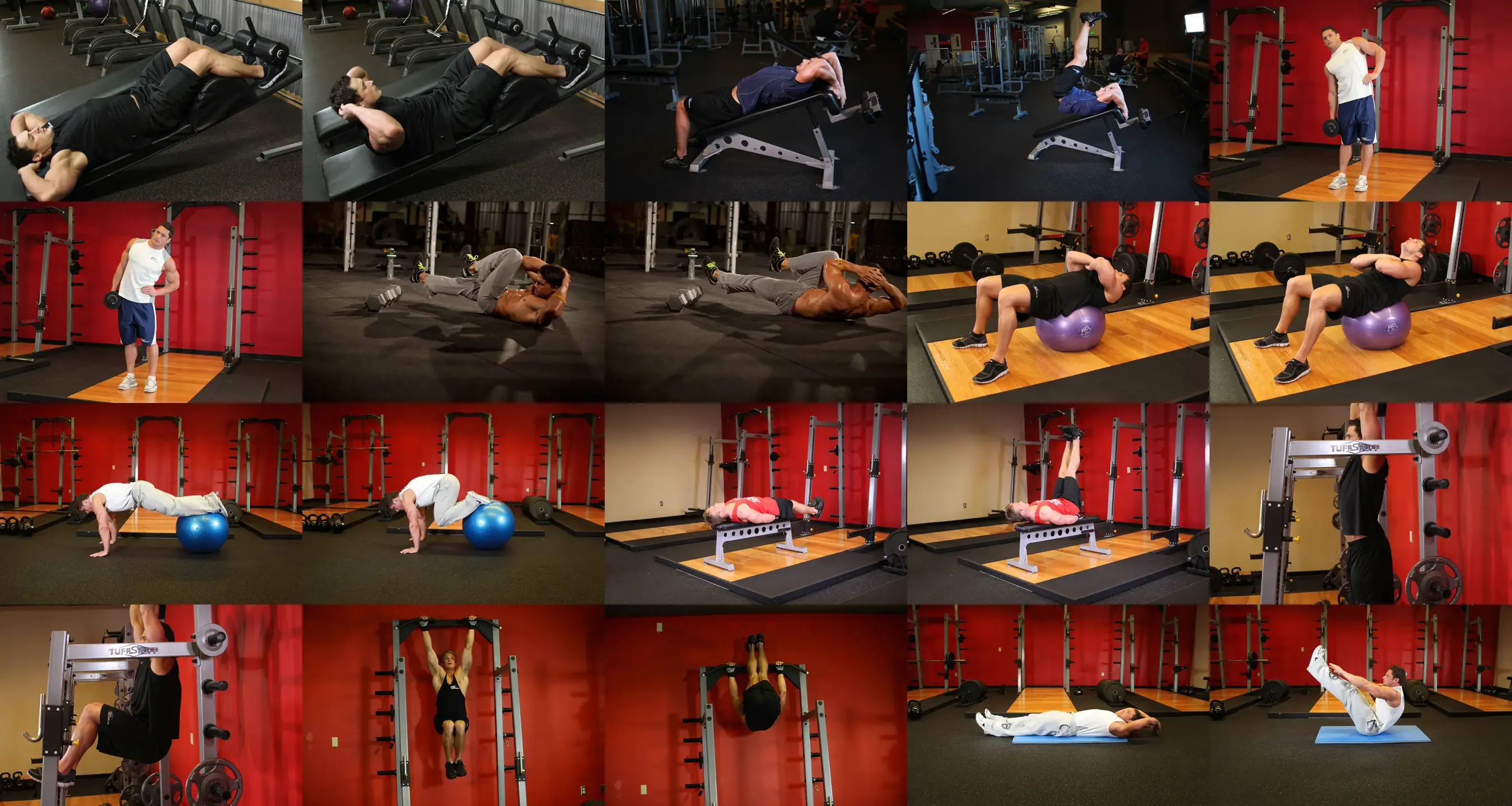
8-week plans with sets, reps and progression, built for your sport. Includes a downloadable PDF.
More powerful shots from the hips, faster lateral movement and a protected shoulder and elbow.
Build muscle with 3 full-body sessions, progressive loading and just enough volume to recover.
Raise your squat, bench press and deadlift numbers with linear progression and a test at the end.