8 weeks · 2 sessions/wk
Pulling and grip for climbing
More pulling and finger strength, stable shoulders on lock-offs and a core that keeps your feet on the wall.
€19.99See program
Buy · €19.99Sport
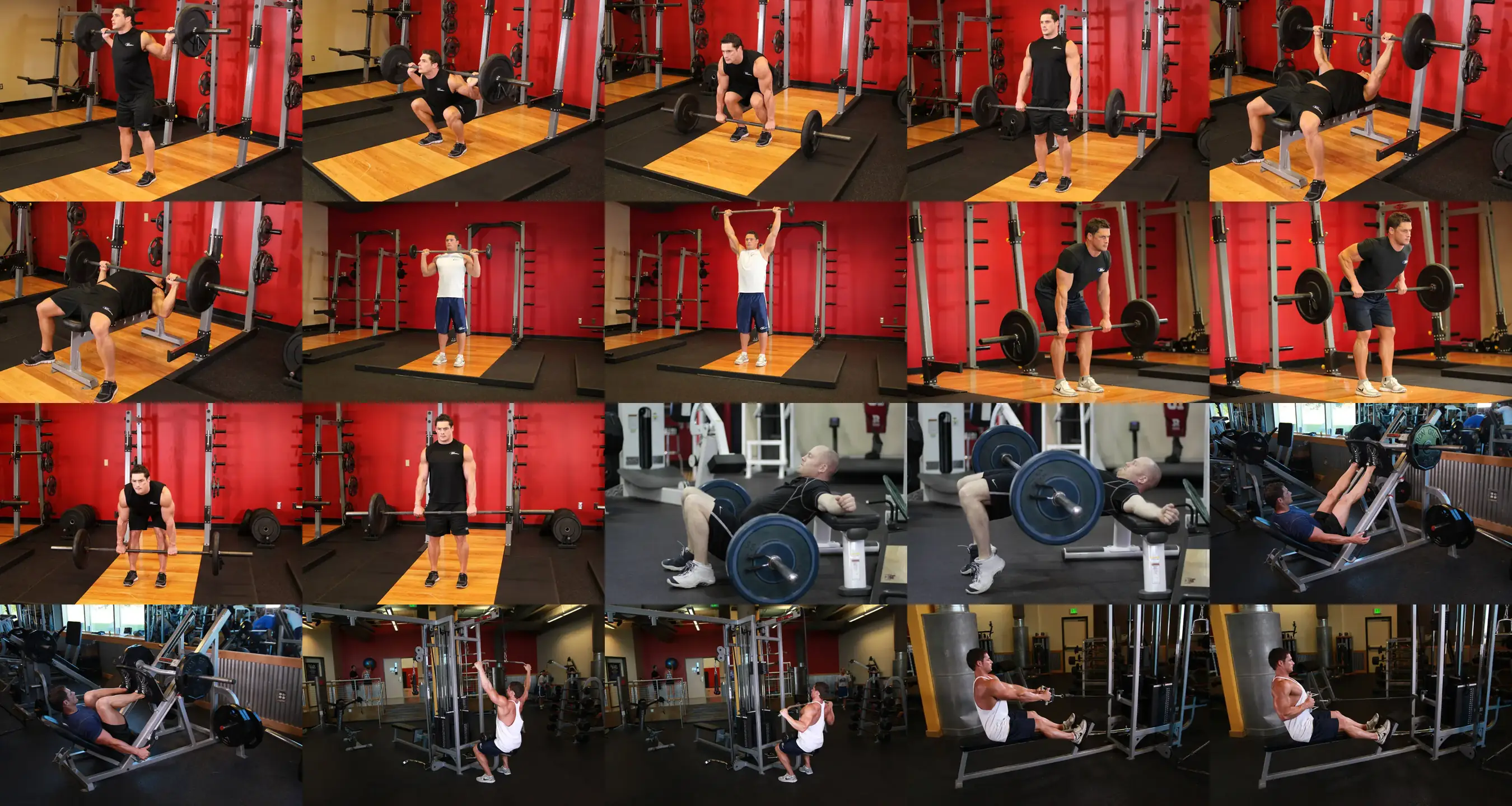
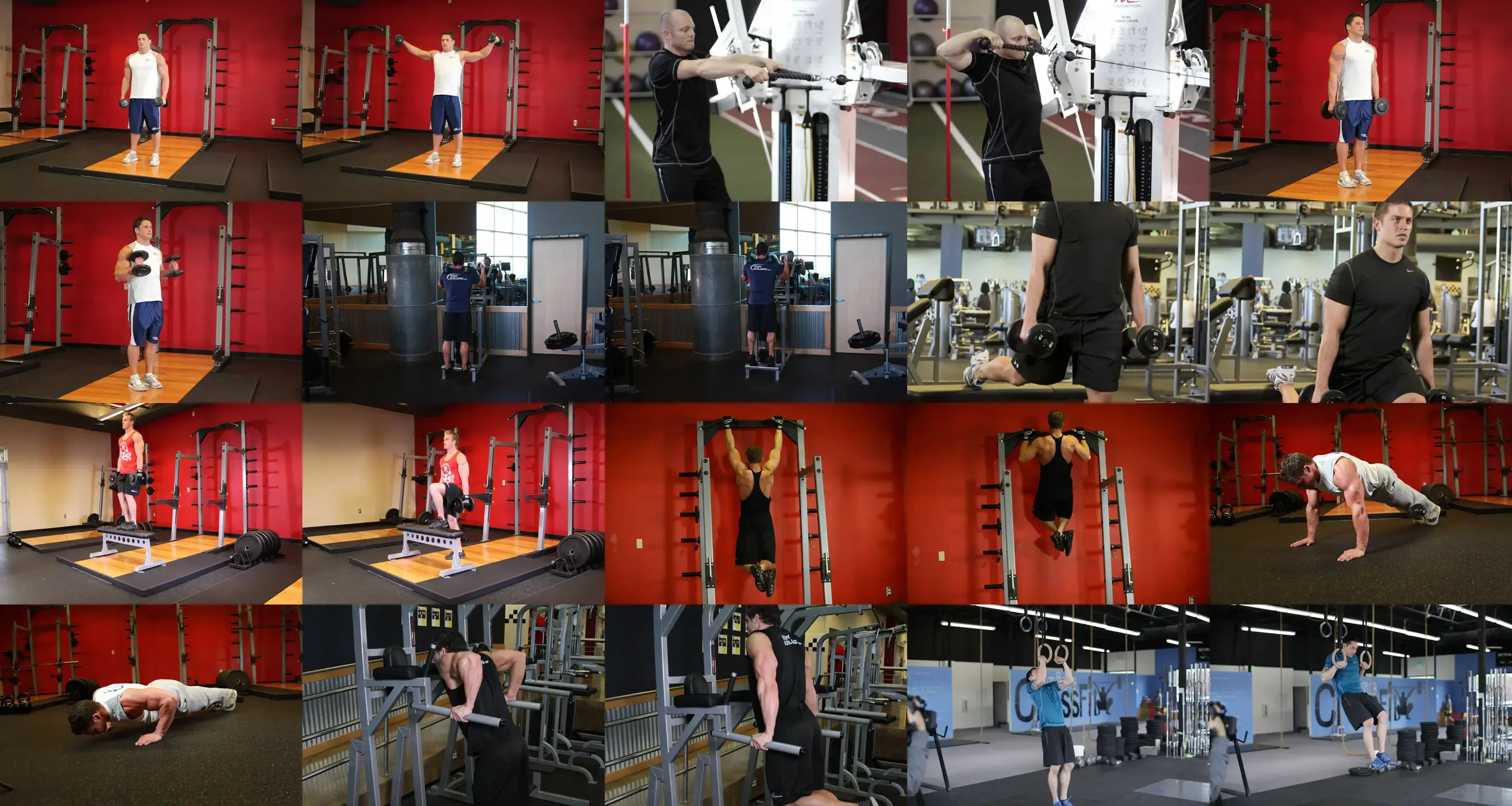
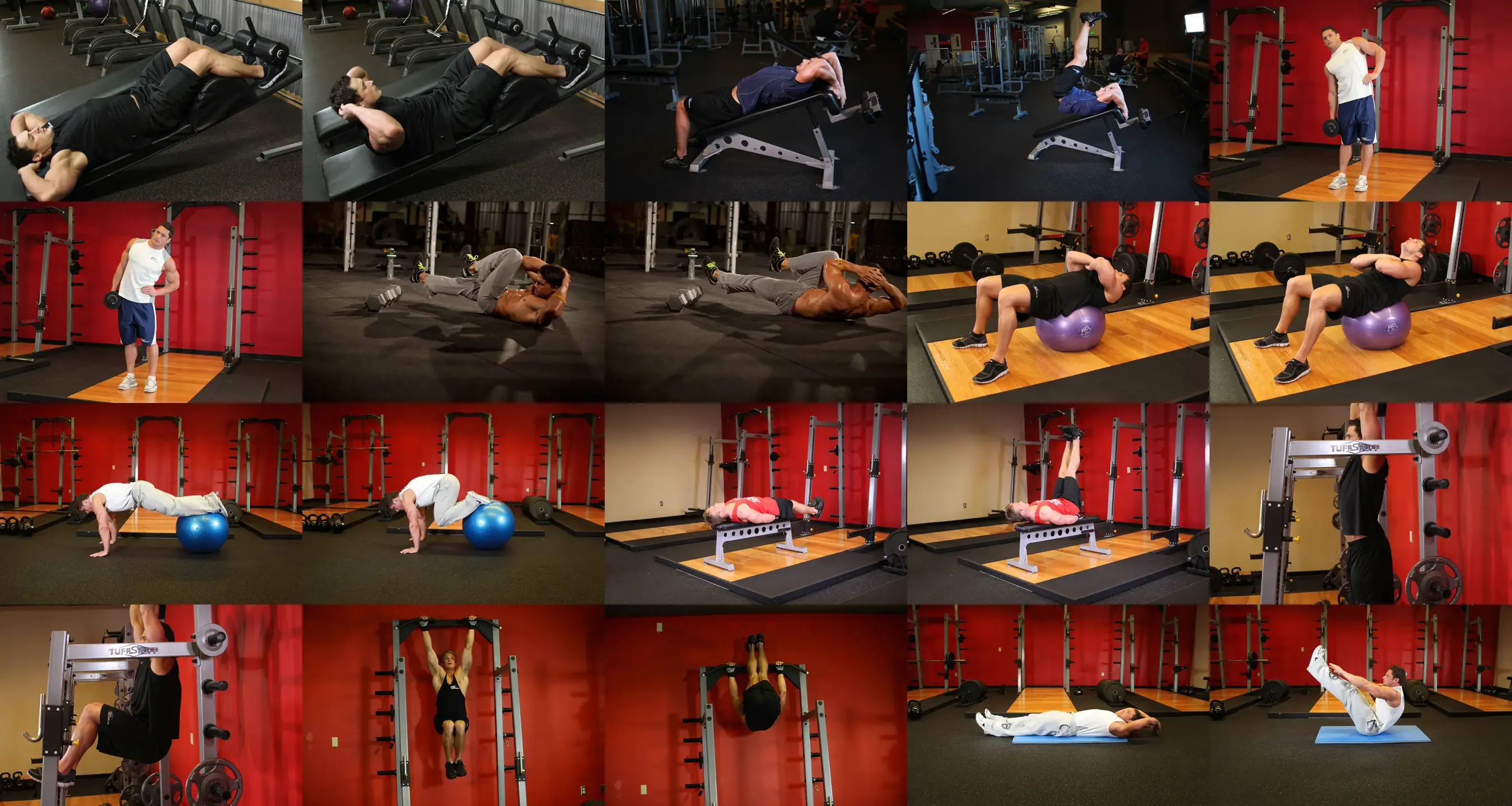
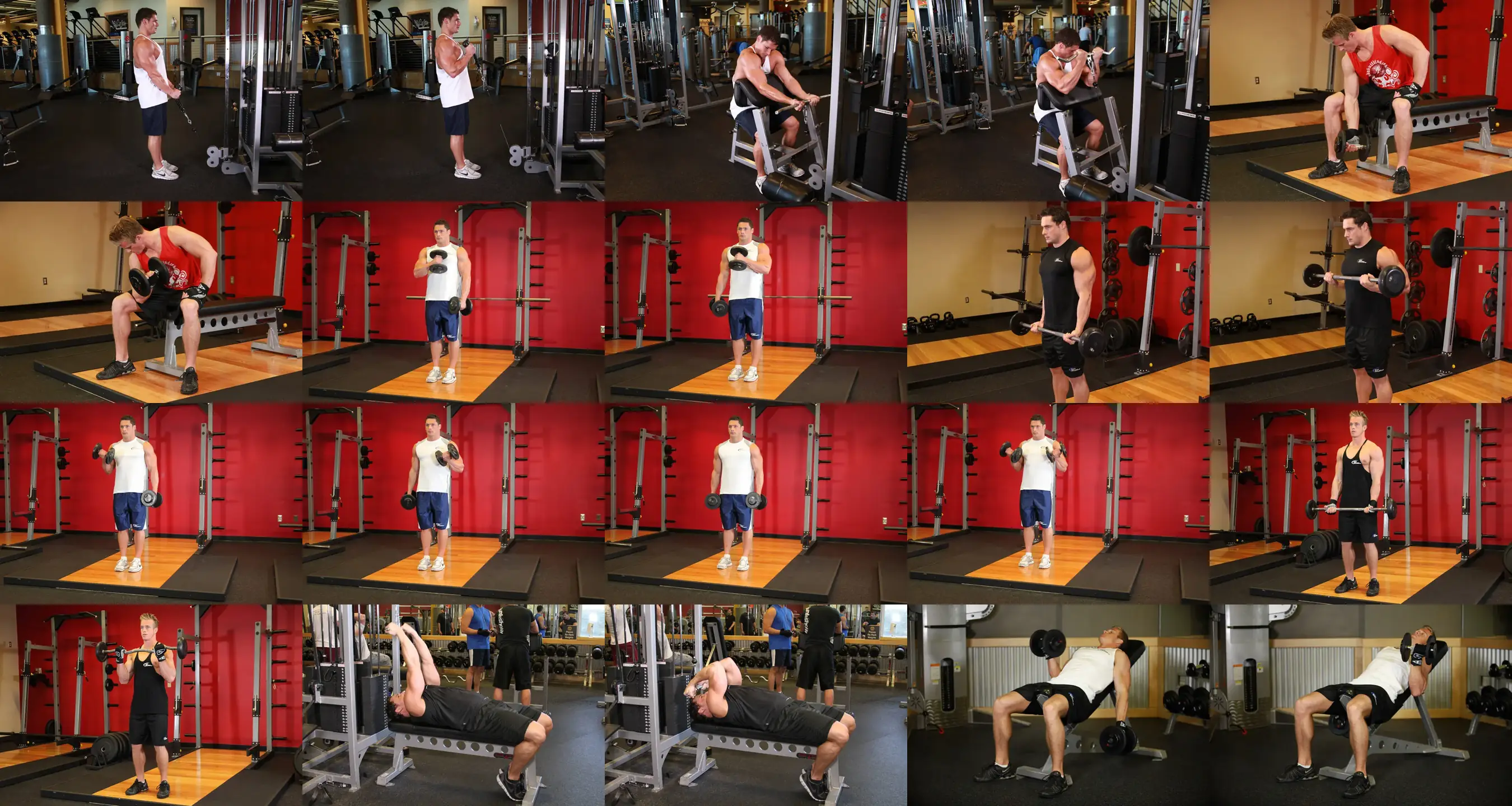
Pulling, grip, a stable shoulder and a core that keeps you glued to the wall. Here are the 73 exercises that help you most, sorted by goal.
Climbing asks you to pull your body up with your fingers, arms, and back, often from awkward positions. Finger and pulling strength drive performance, but so does looking after tendons and shoulders that face very specific and demanding loads.
Paid program · 8 weeks
More pulling and finger strength, stable shoulders on lock-offs and a core that keeps your feet on the wall.
The biggest limiting factor in climbing is usually finger strength, which depends on the forearm flexors and the pulleys that hold the finger tendons in place. You also need powerful pulling from the lats, biceps, and brachialis, shoulders that stay stable in extreme positions, and a core that keeps your feet on the wall in overhangs. Relative strength is key, since every extra kilo counts. On longer routes, forearm endurance matters too.
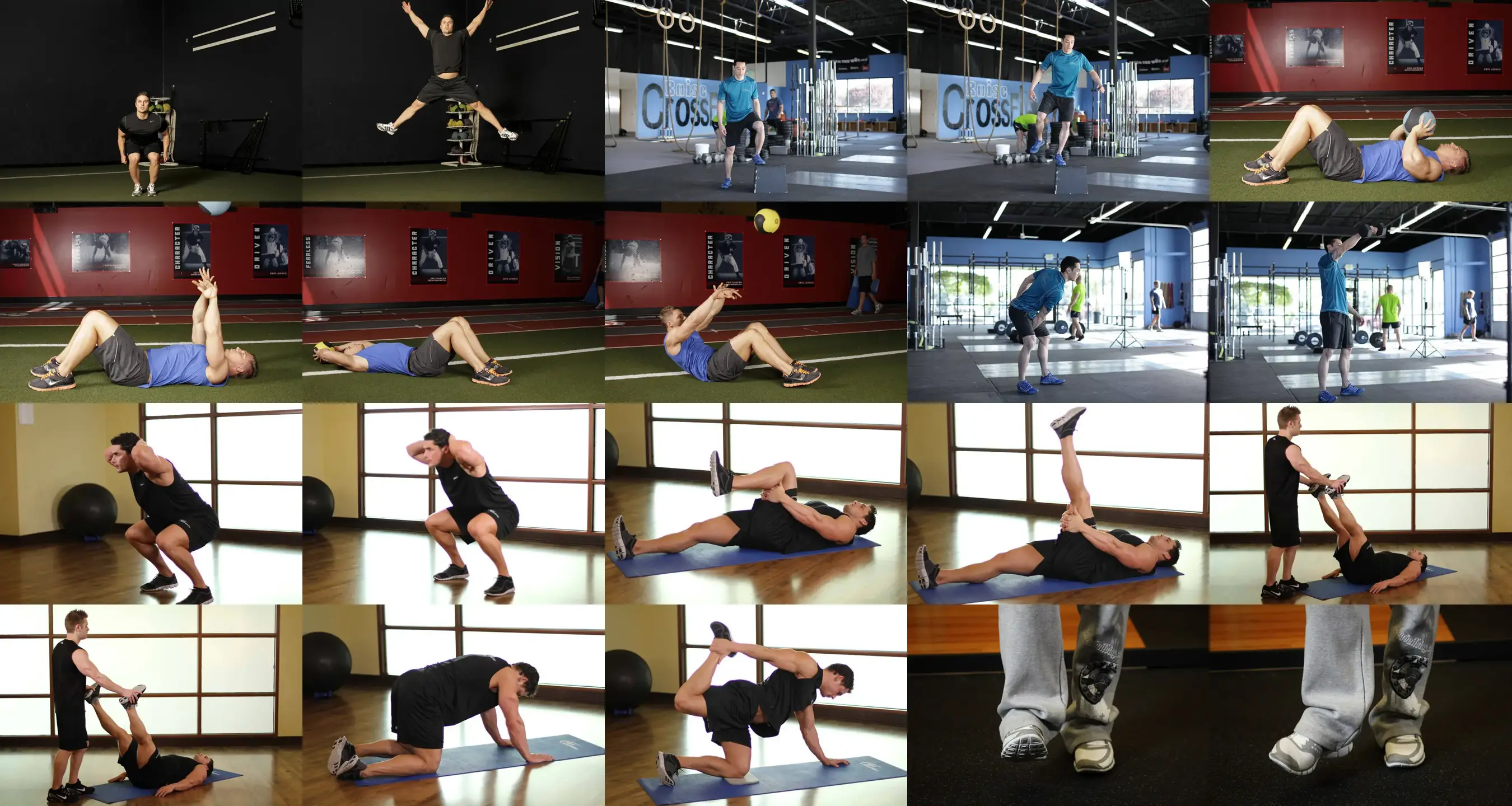
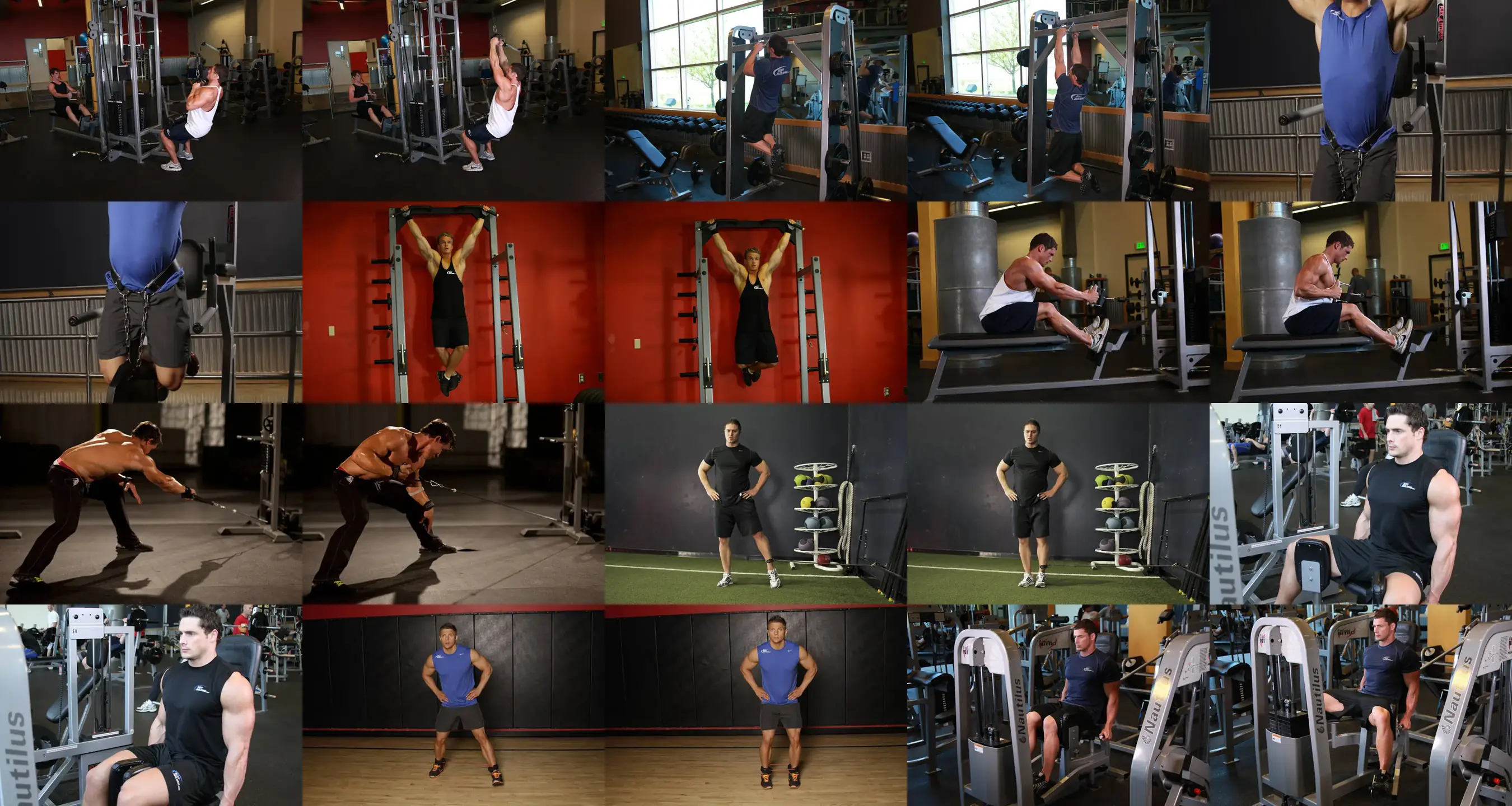
Two strength sessions a week on top of climbing works well. Include hangboard hangs with 5 to 10 seconds of loading and long rests, weighted pull-ups for 3 to 6 reps, and core work like hanging leg raises. Add pushing such as push-ups or presses to balance your shoulders. During project season, reduce gym volume and prioritize being fresh for the rock.
The most common injuries are finger pulley tears, overuse elbow pain, and shoulder injuries, especially during dynamic moves and fully extended positions. Hangboard training should start only after at least one or two years of regular climbing. Use a half crimp instead of full crimping all the time, warm up your fingers gradually, and avoid combining hangboard work and limit climbing on the same day.
Generally after one or two years of consistent climbing, once your tendons and pulleys have adapted. Start with moderate loads and few sets, and always after a thorough finger warm up.
Warm up gradually, avoid overusing the full crimp, increase intensity slowly, and leave rest days between hard sessions. If you feel a pop or sharp pain at the base of a finger, stop and get it assessed.
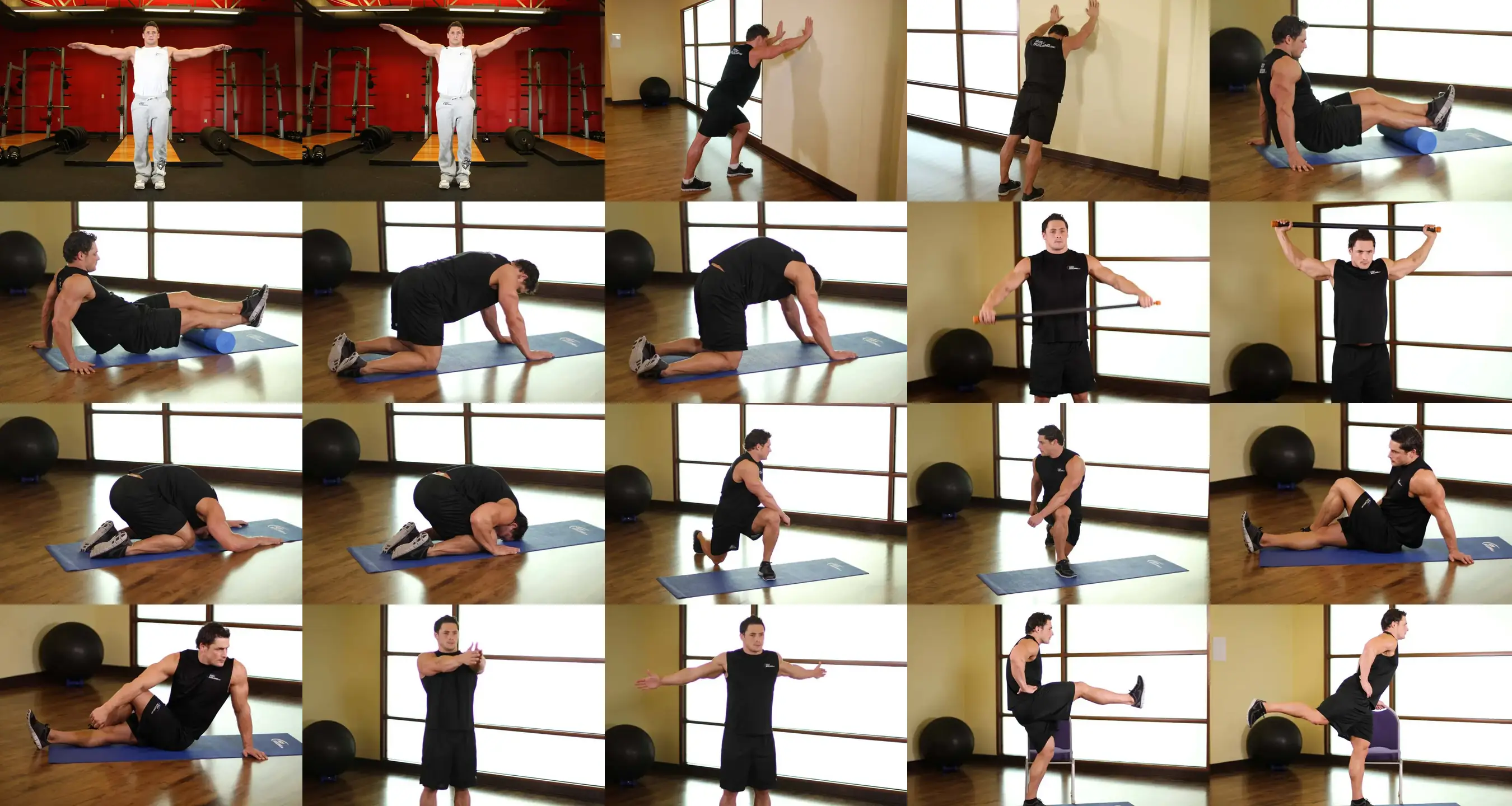
Yes. Climbing builds a lot of pulling strength and internal rotation, which can unbalance the shoulder. Push-ups, dips, presses, and external rotations help keep the joint healthier over time.
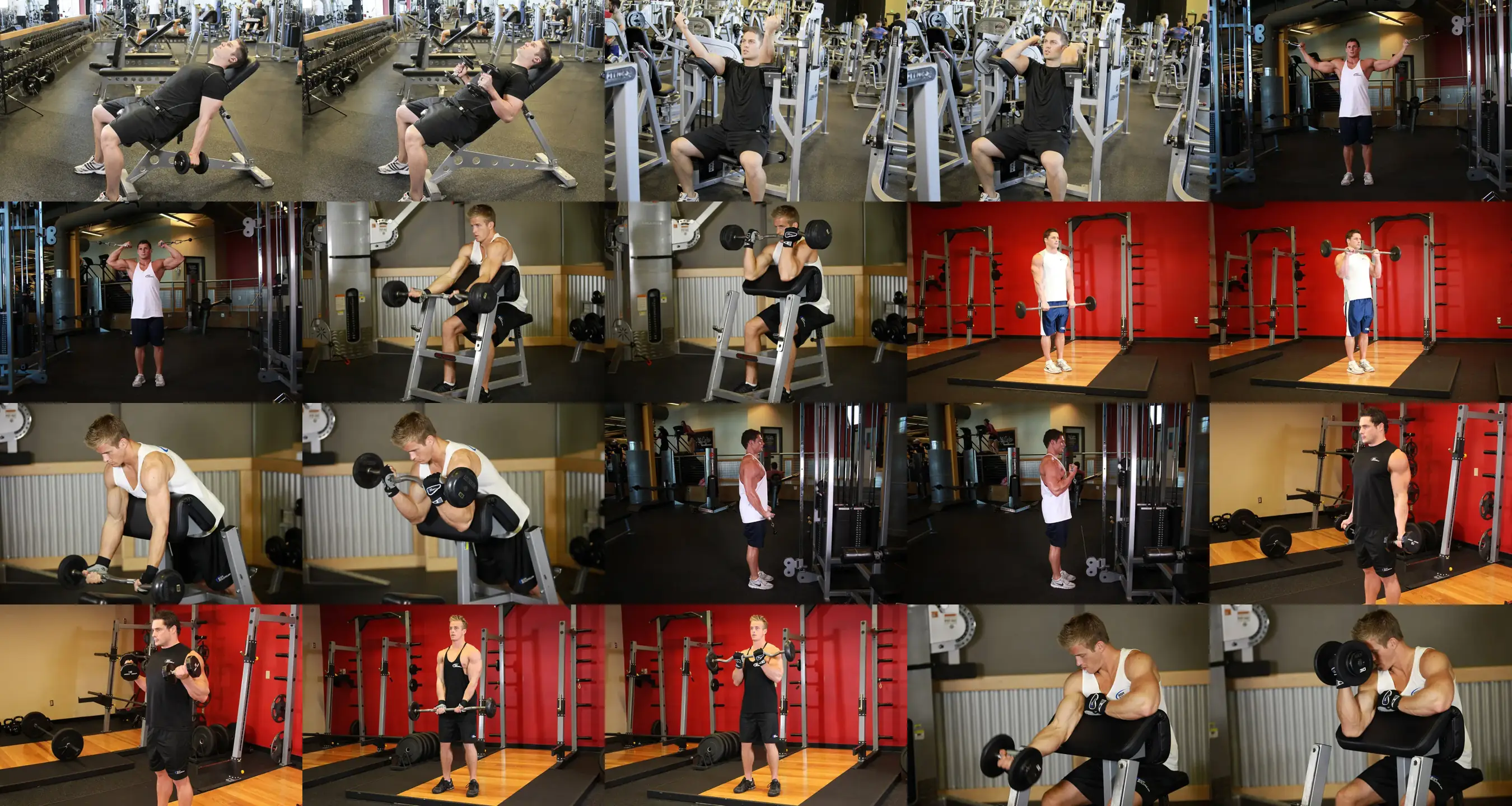
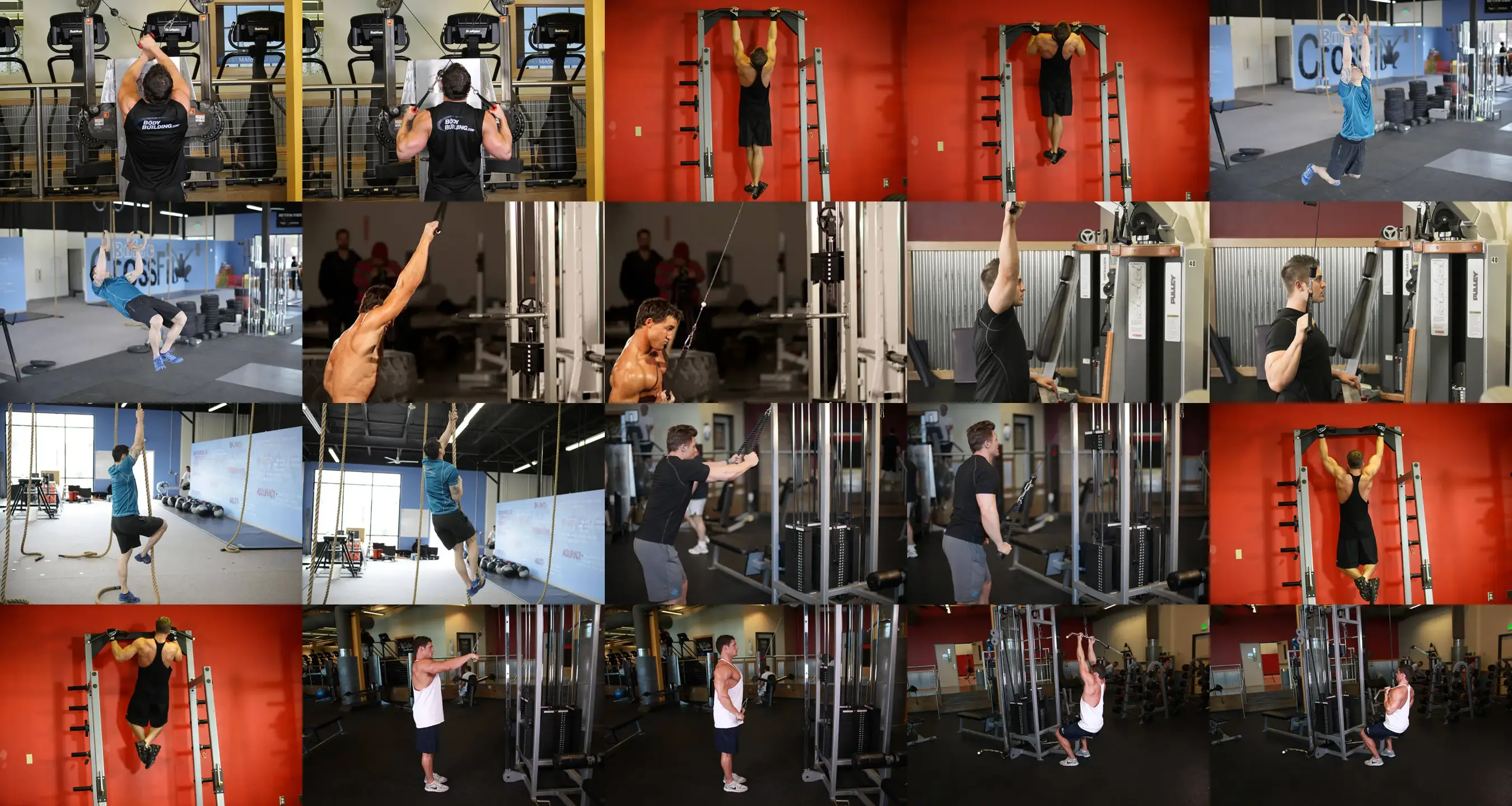
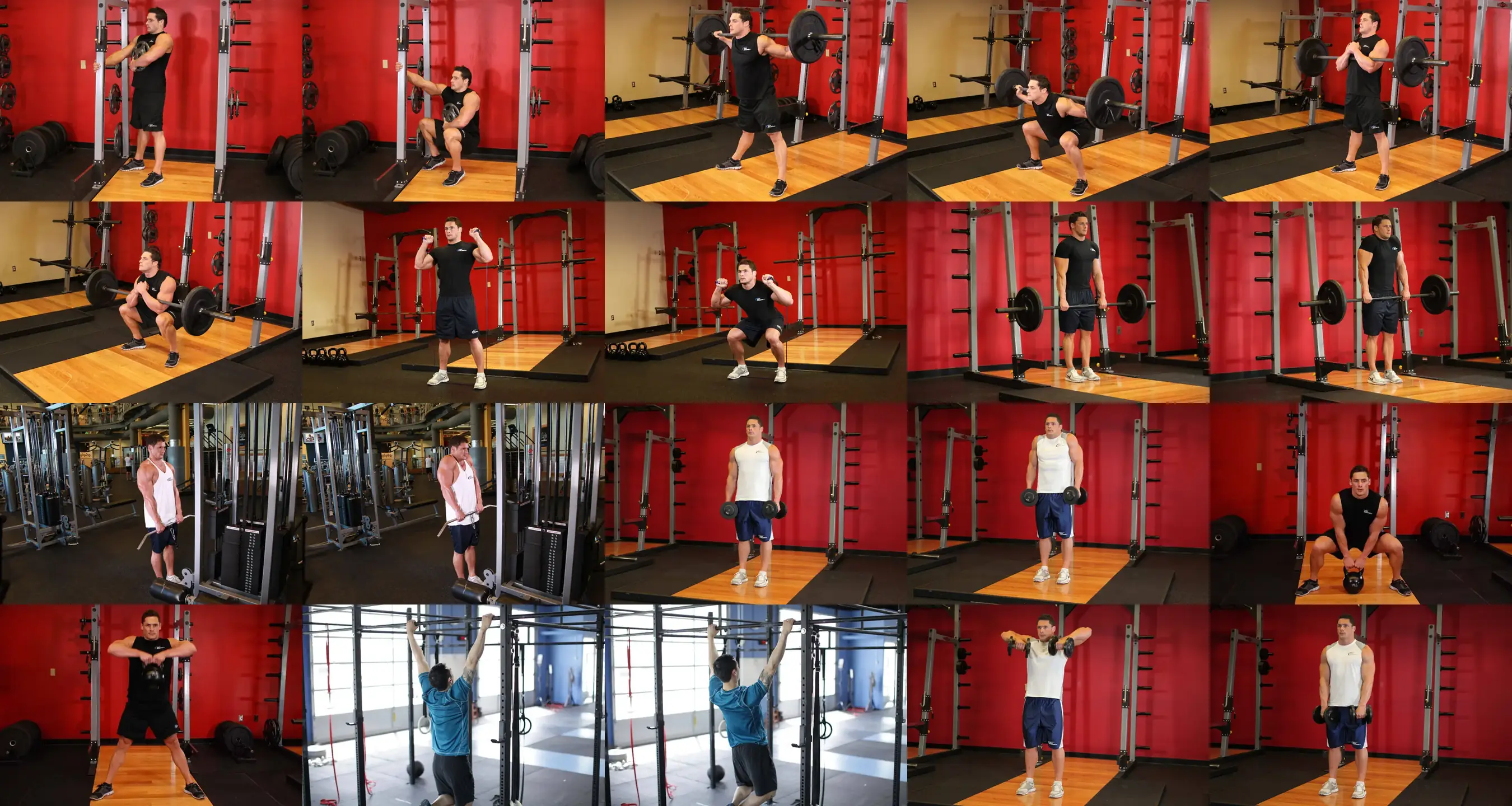
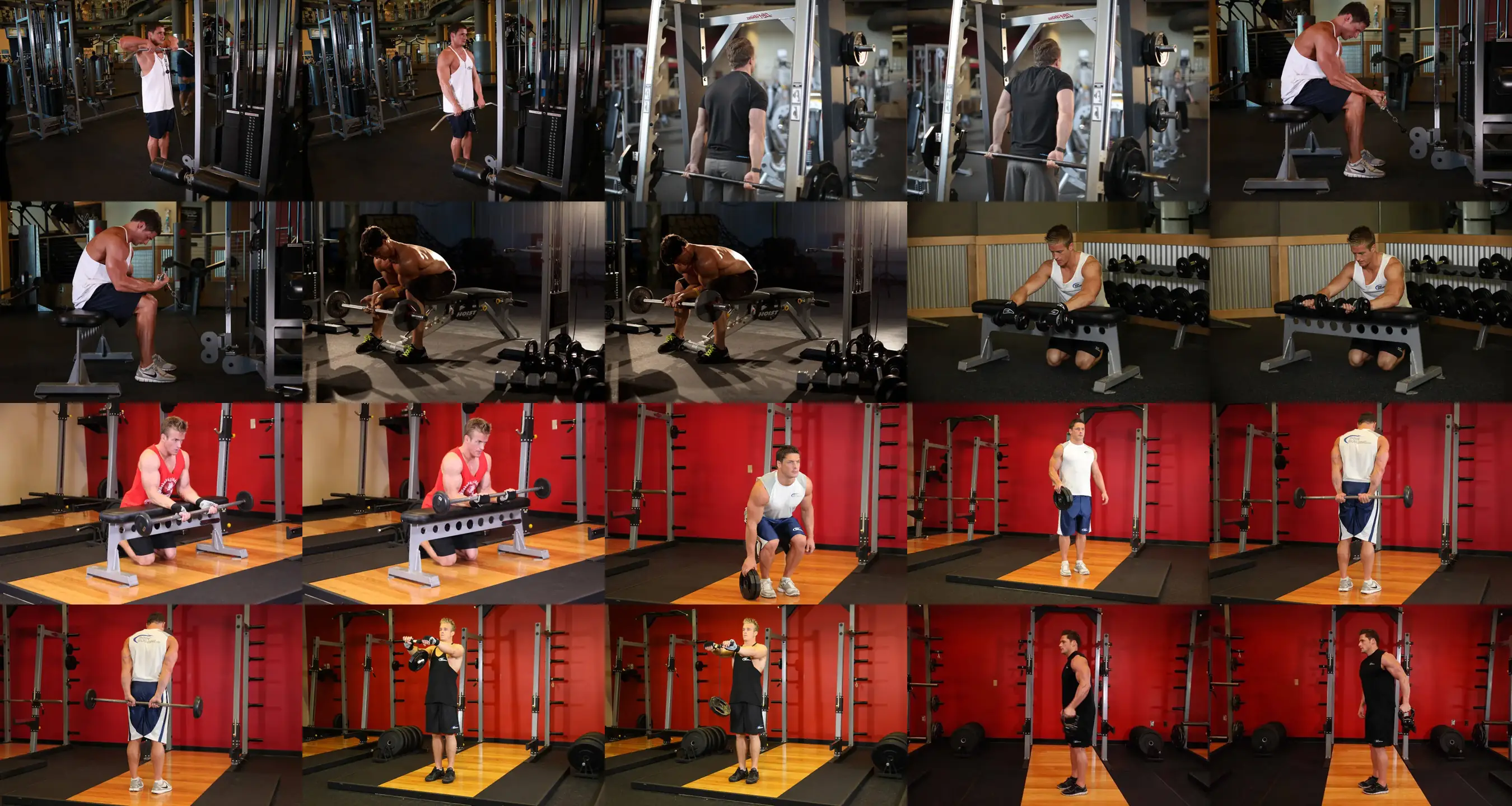
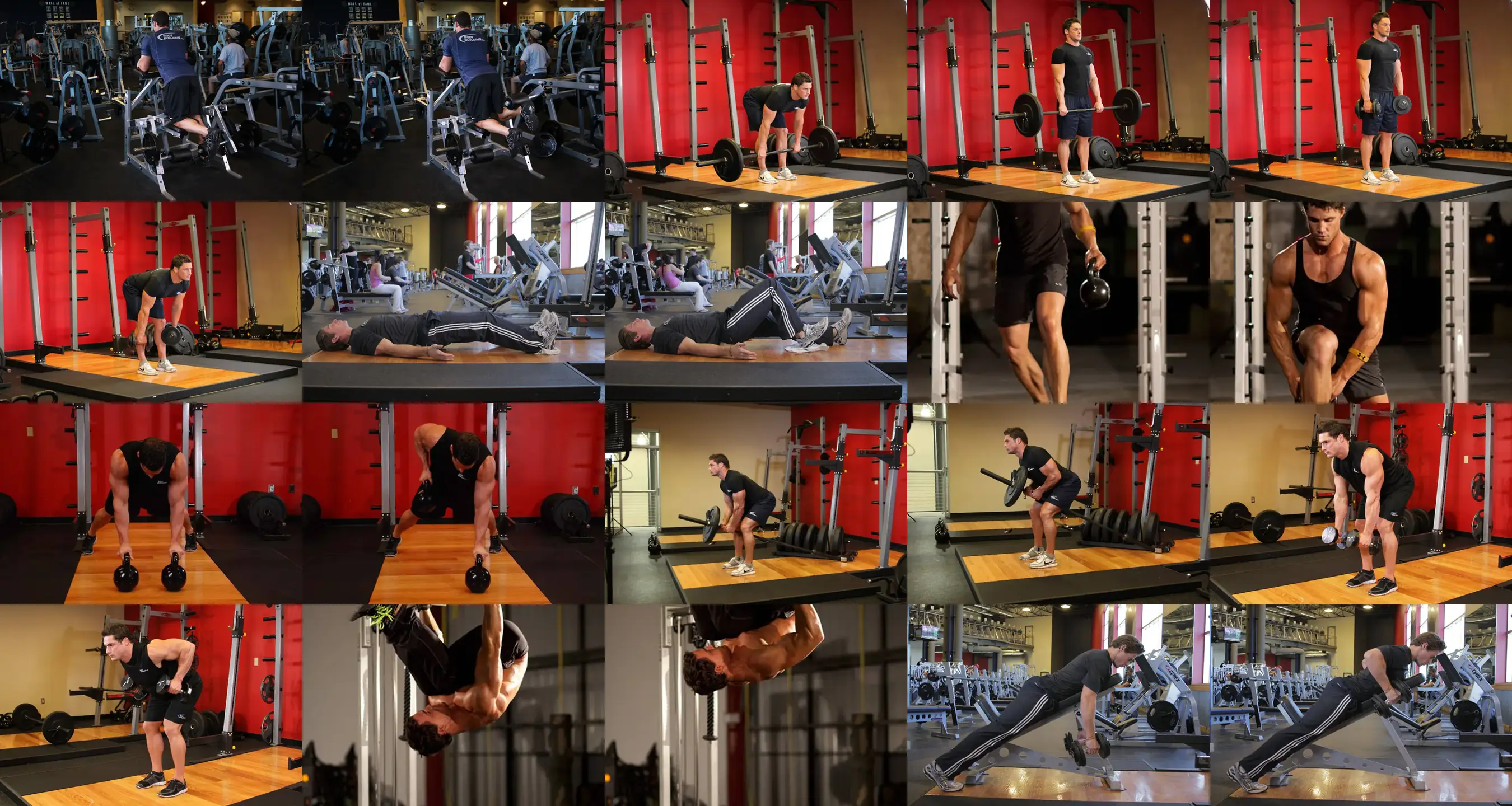
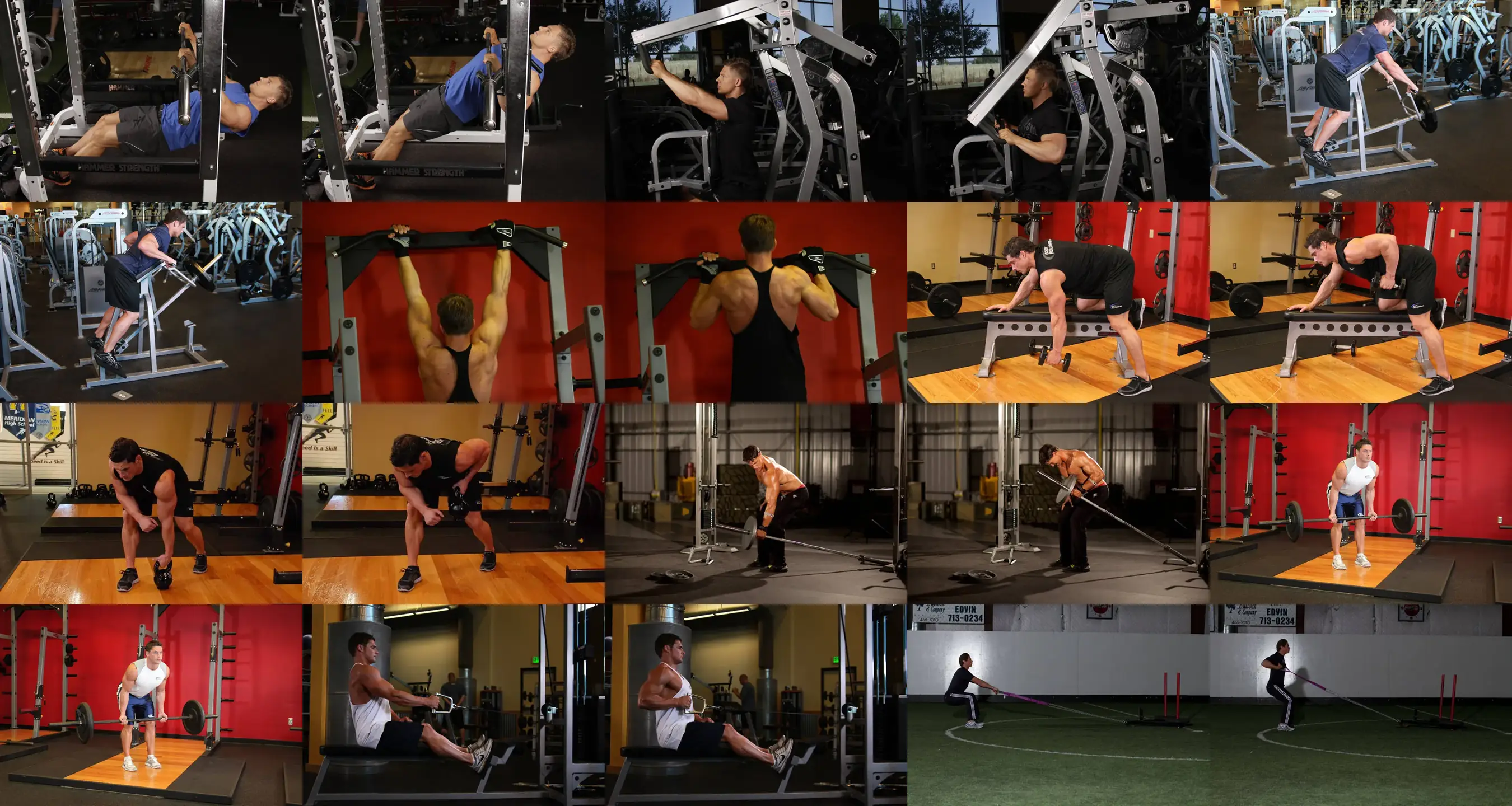
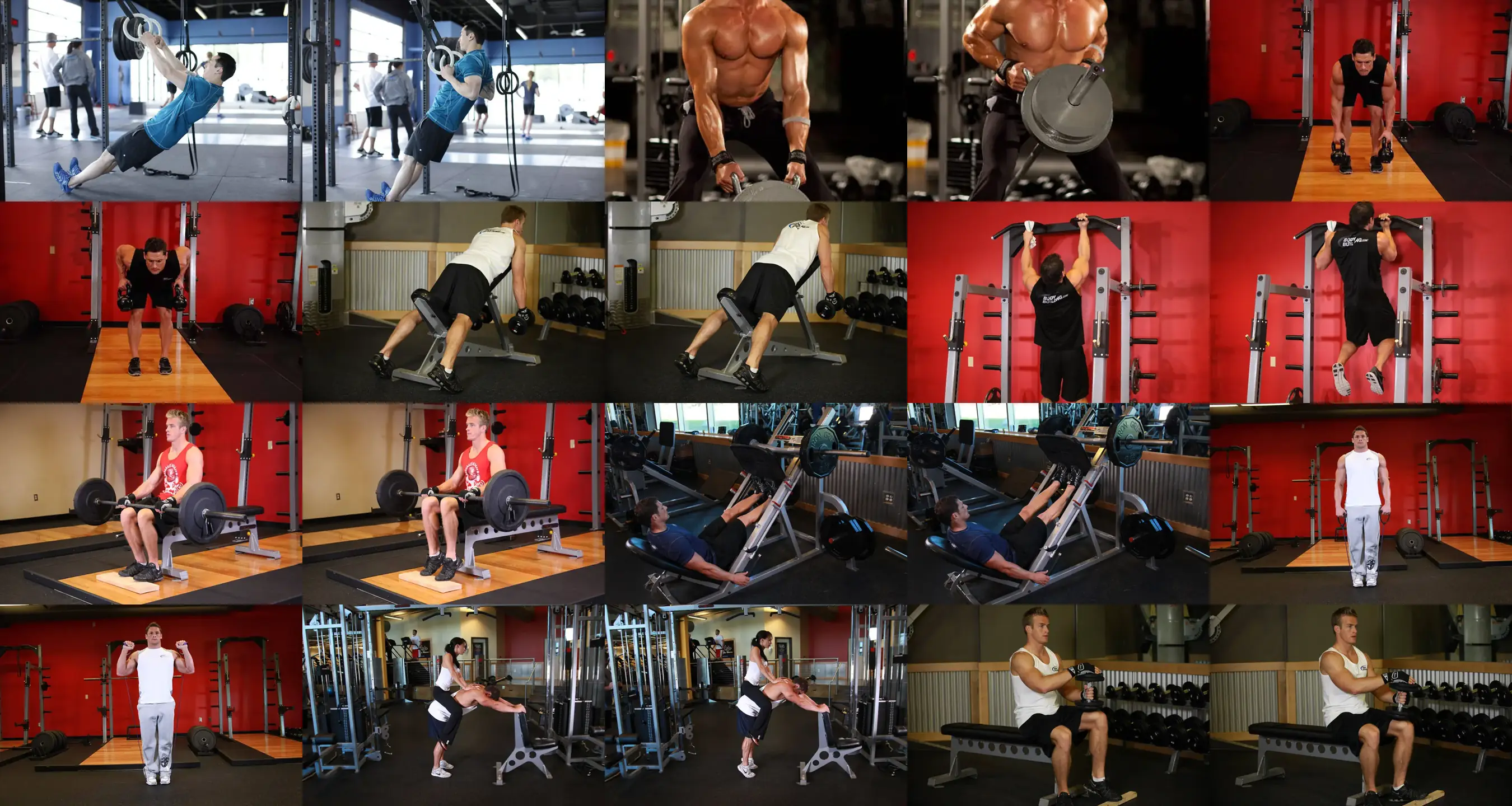
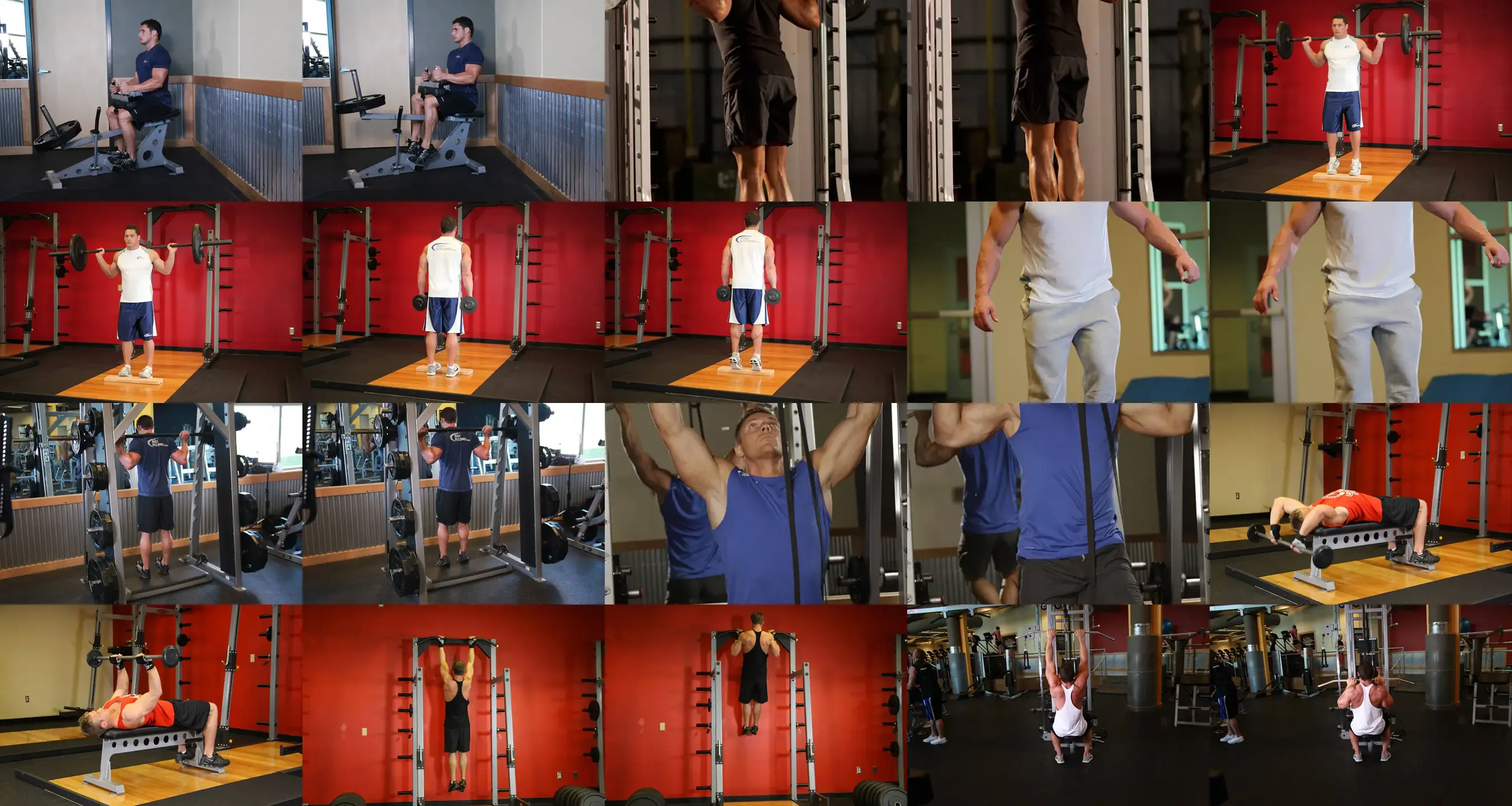
8-week plans with sets, reps and progression, built for your sport. Includes a downloadable PDF.
More pulling and finger strength, stable shoulders on lock-offs and a core that keeps your feet on the wall.
Build muscle with 3 full-body sessions, progressive loading and just enough volume to recover.
Raise your squat, bench press and deadlift numbers with linear progression and a test at the end.