8 weeks · 2 sessions/wk
Strength for runners
A more efficient stride, tougher calves and tendons and fewer injuries, without cutting miles.
€19.99See program
Buy · €19.99Sport
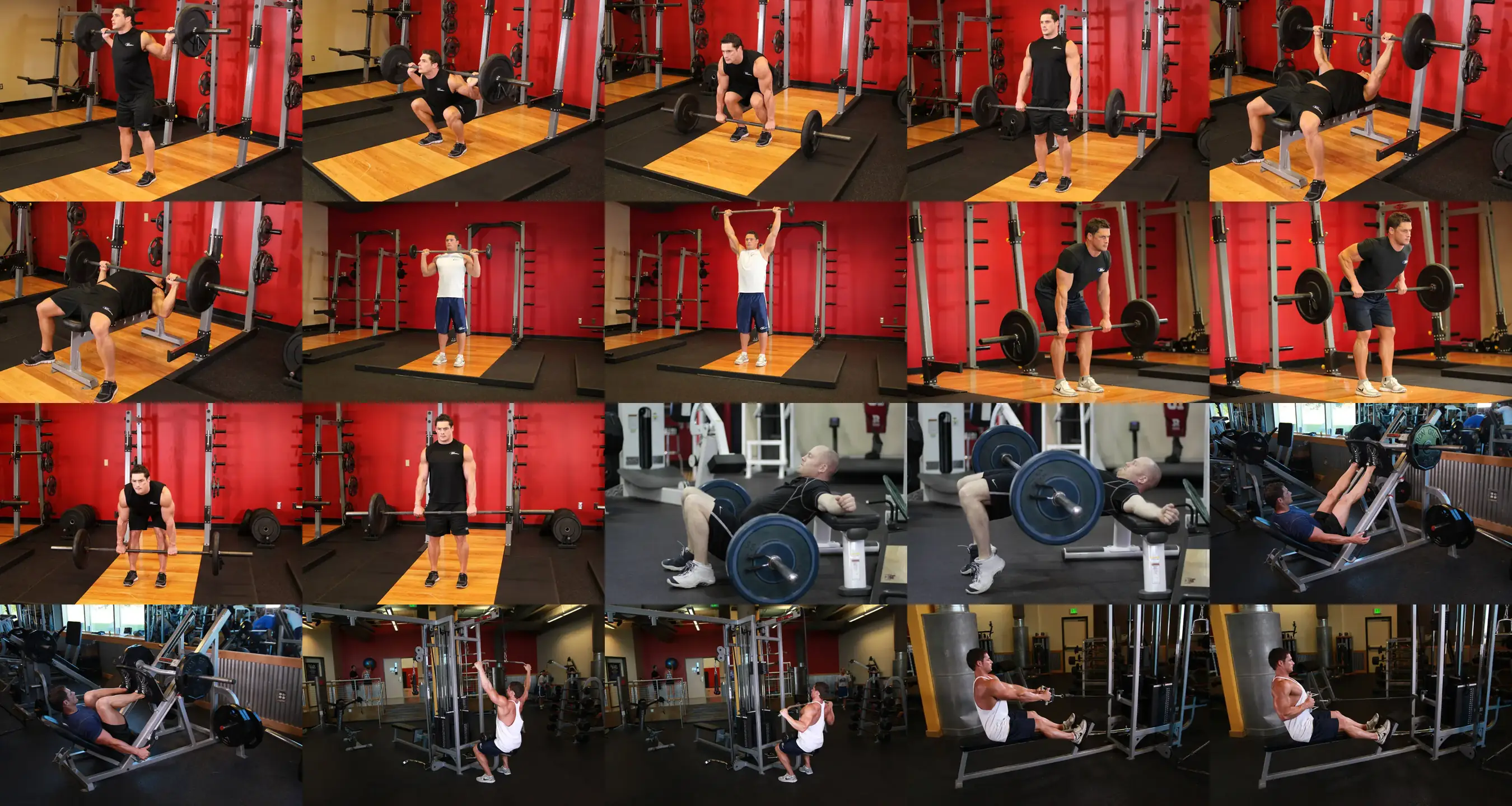
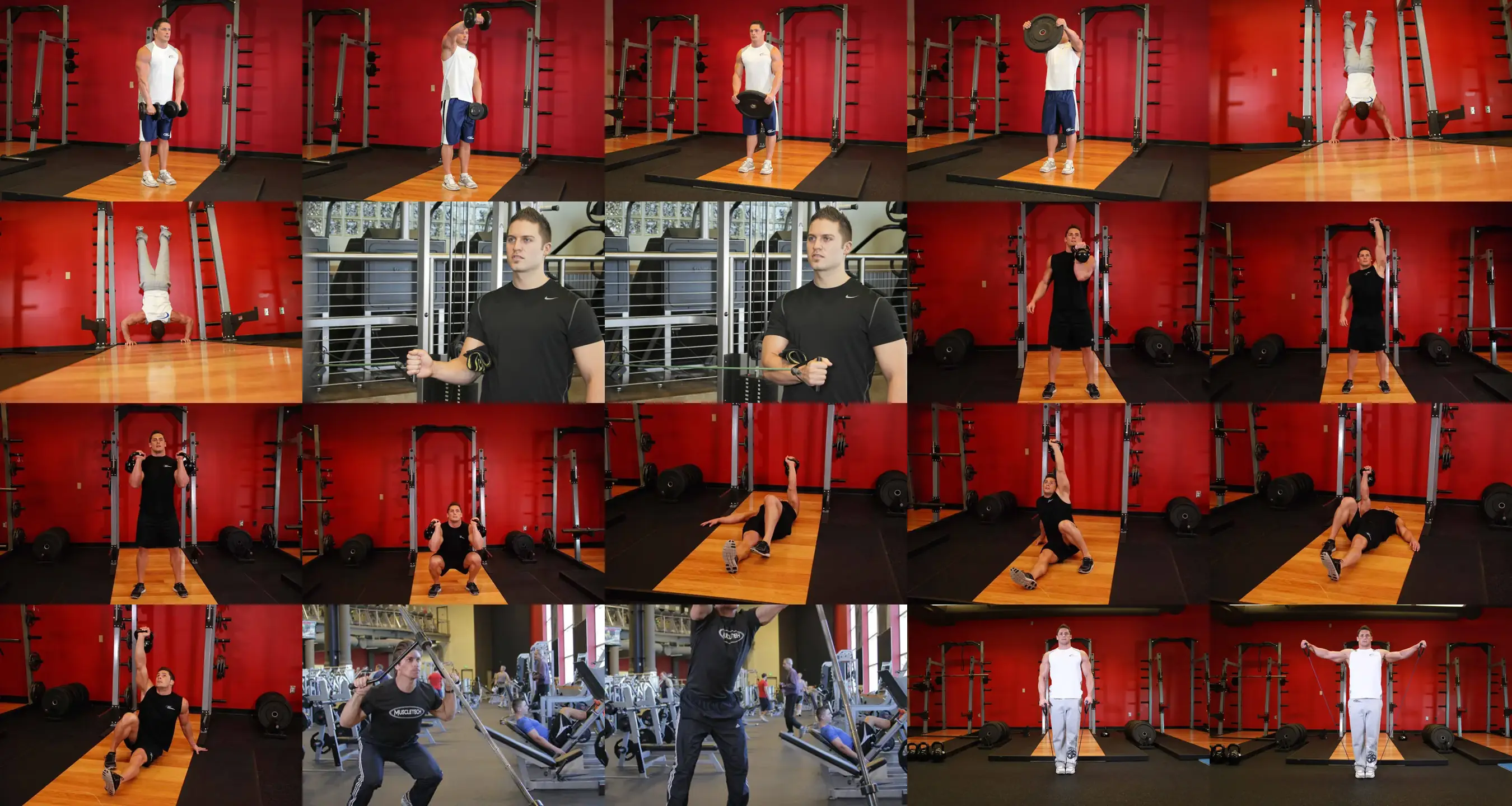
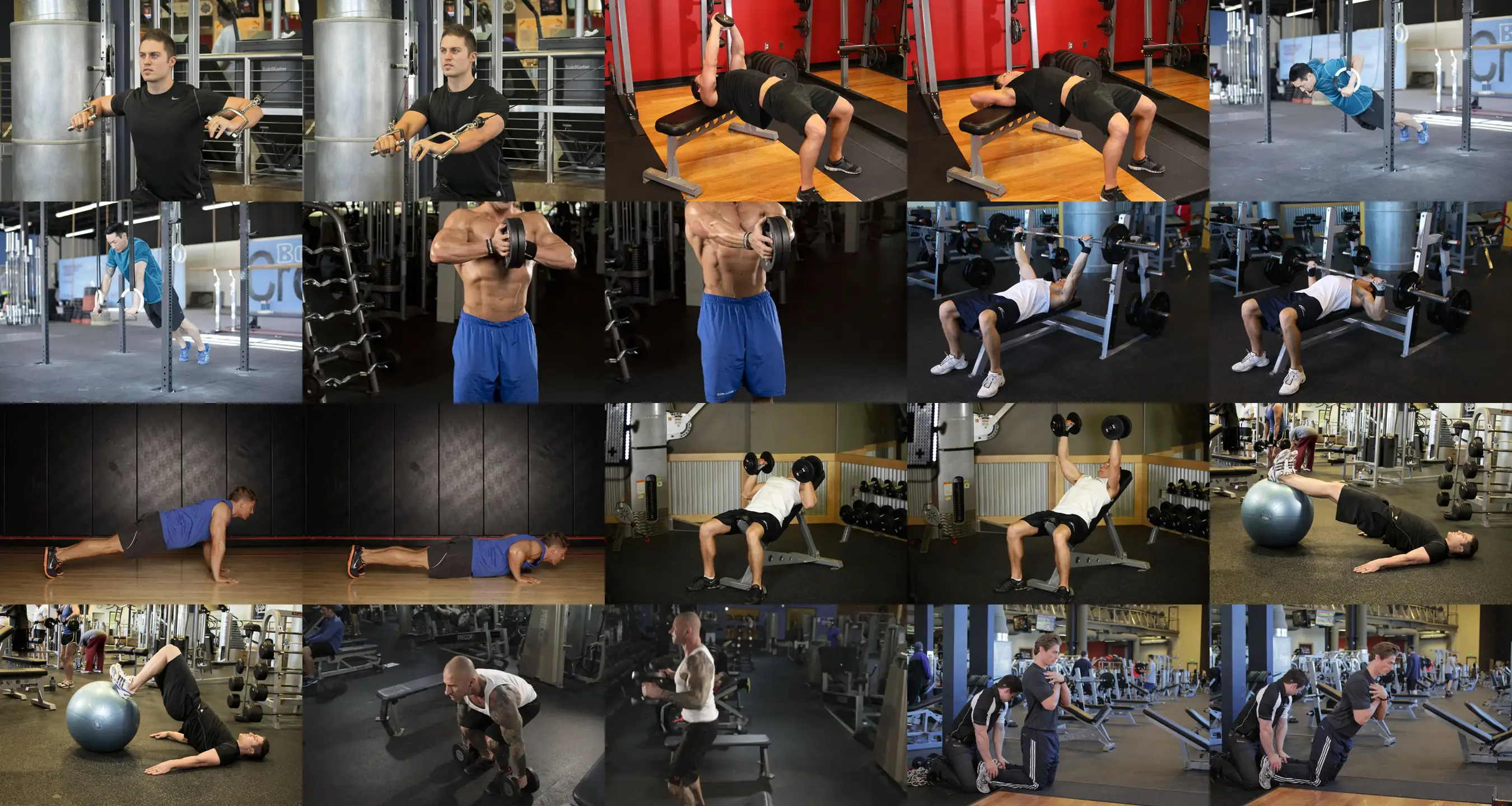
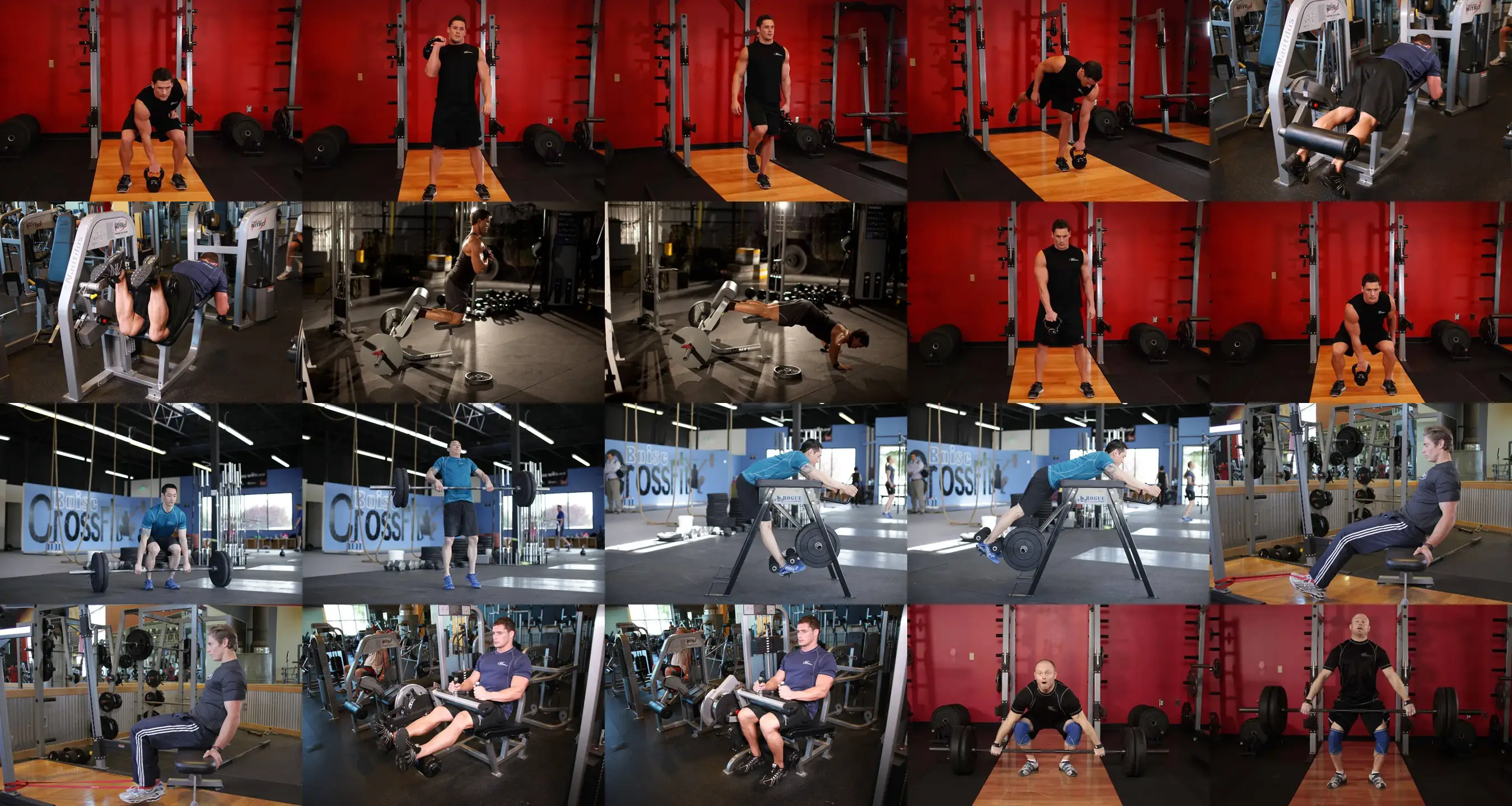
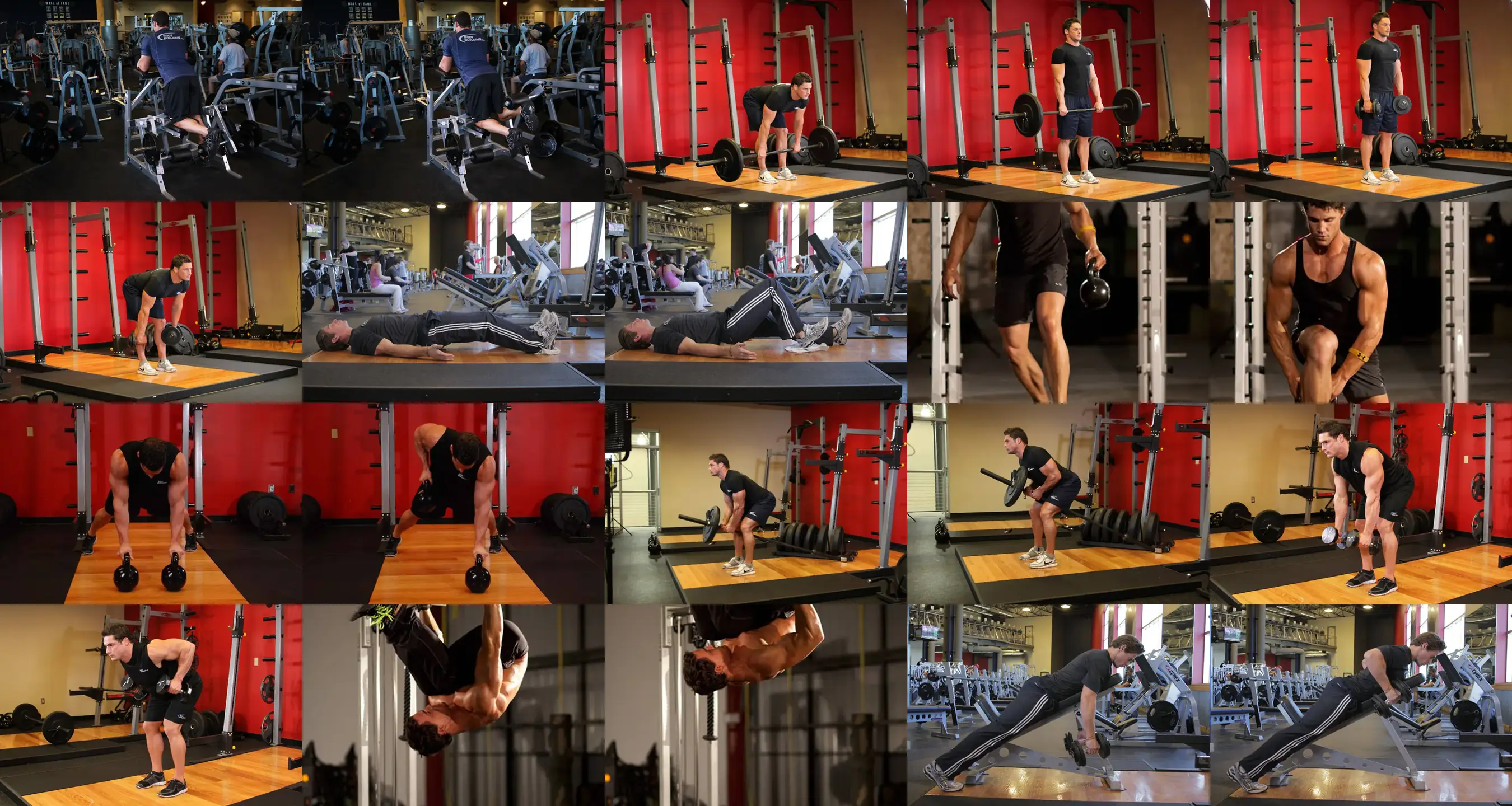
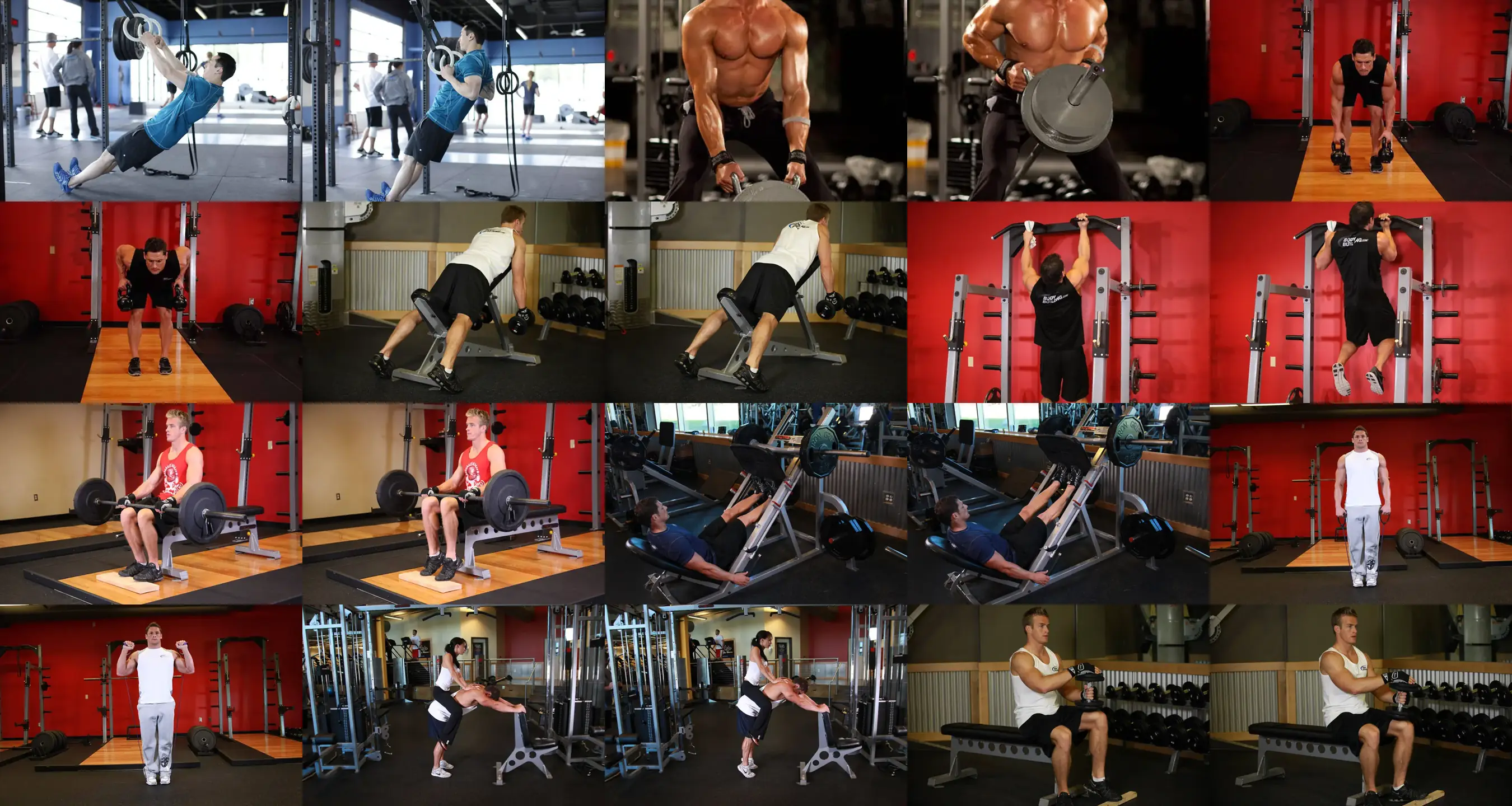
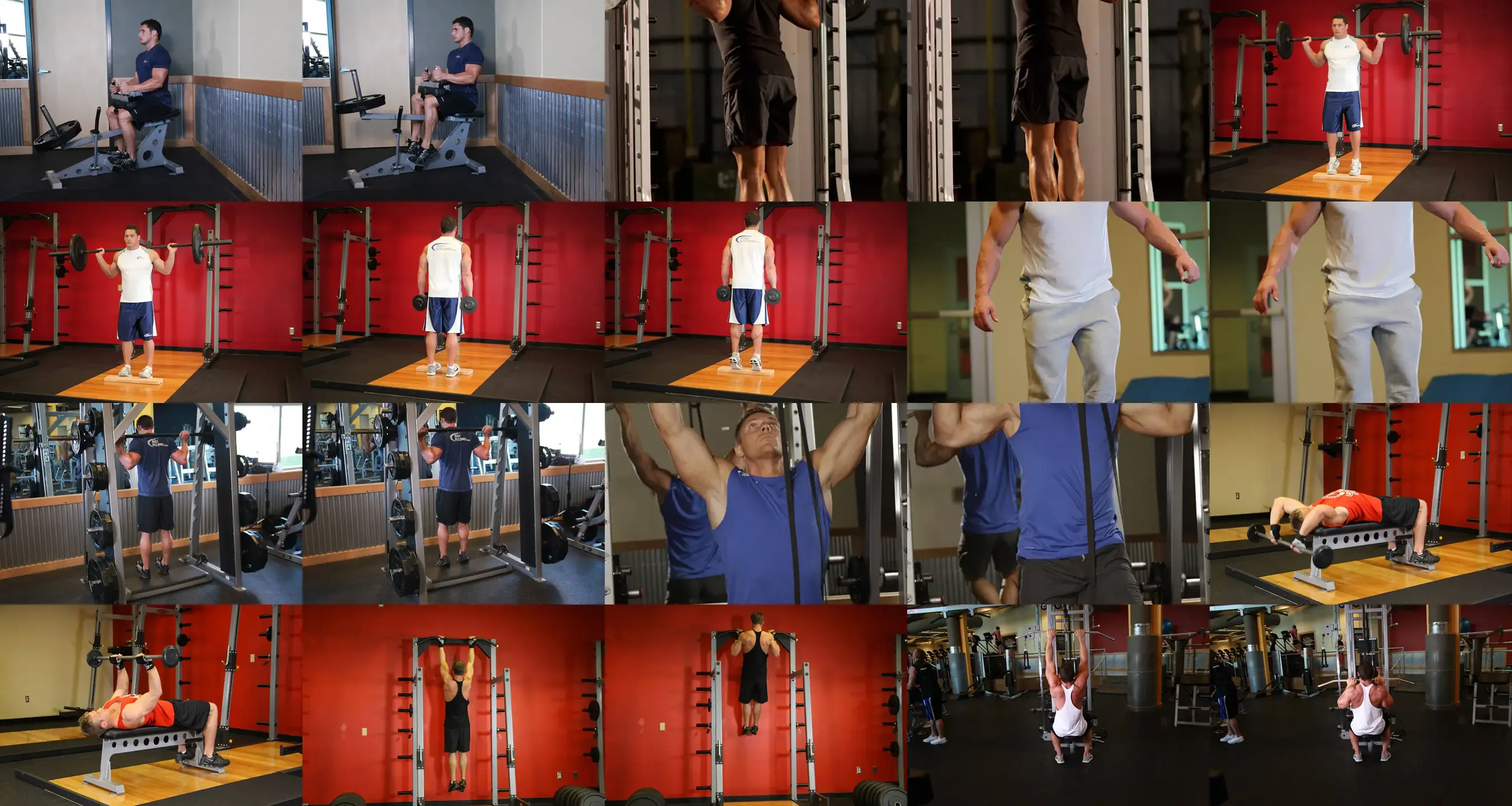
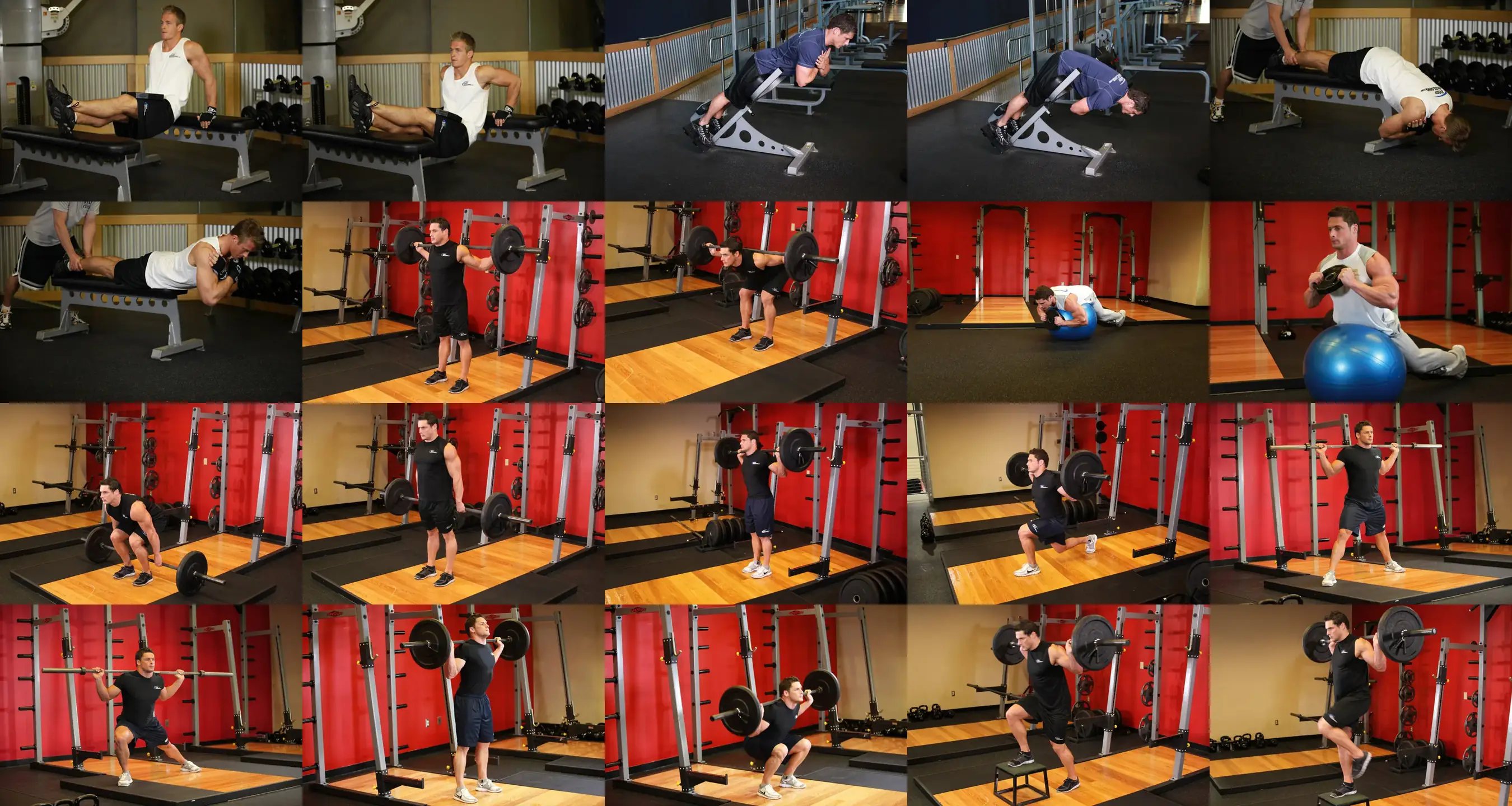
Ankle stiffness, strong glutes and an efficient stride. Here are the 117 exercises that help you most, sorted by goal.
Running looks like it is all legs and miles, but strength training is one of the most effective tools for improving running economy and cutting injury risk. Here is what runners actually need and how to fit gym work in without hurting the quality of your runs.
Paid program · 8 weeks
A more efficient stride, tougher calves and tendons and fewer injuries, without cutting miles.
Running is a series of small hops where each foot strike carries two to three times your body weight. You need aerobic endurance, but also a stiff ankle and Achilles tendon to return energy, strong calves, glutes that keep your pelvis level, and quads that absorb impact, especially on downhills. The better your body handles those forces, the less energy you burn at any given pace.
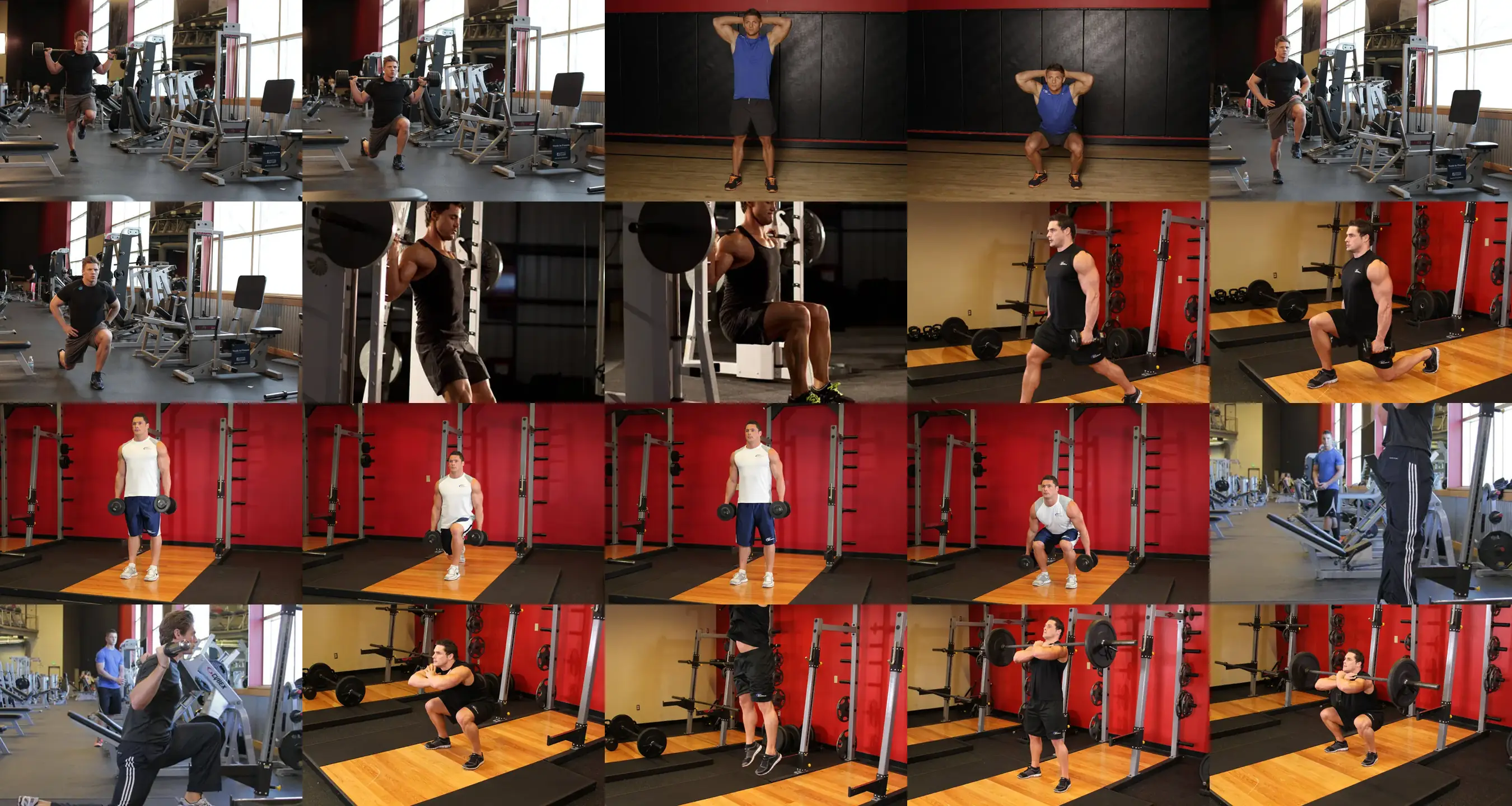
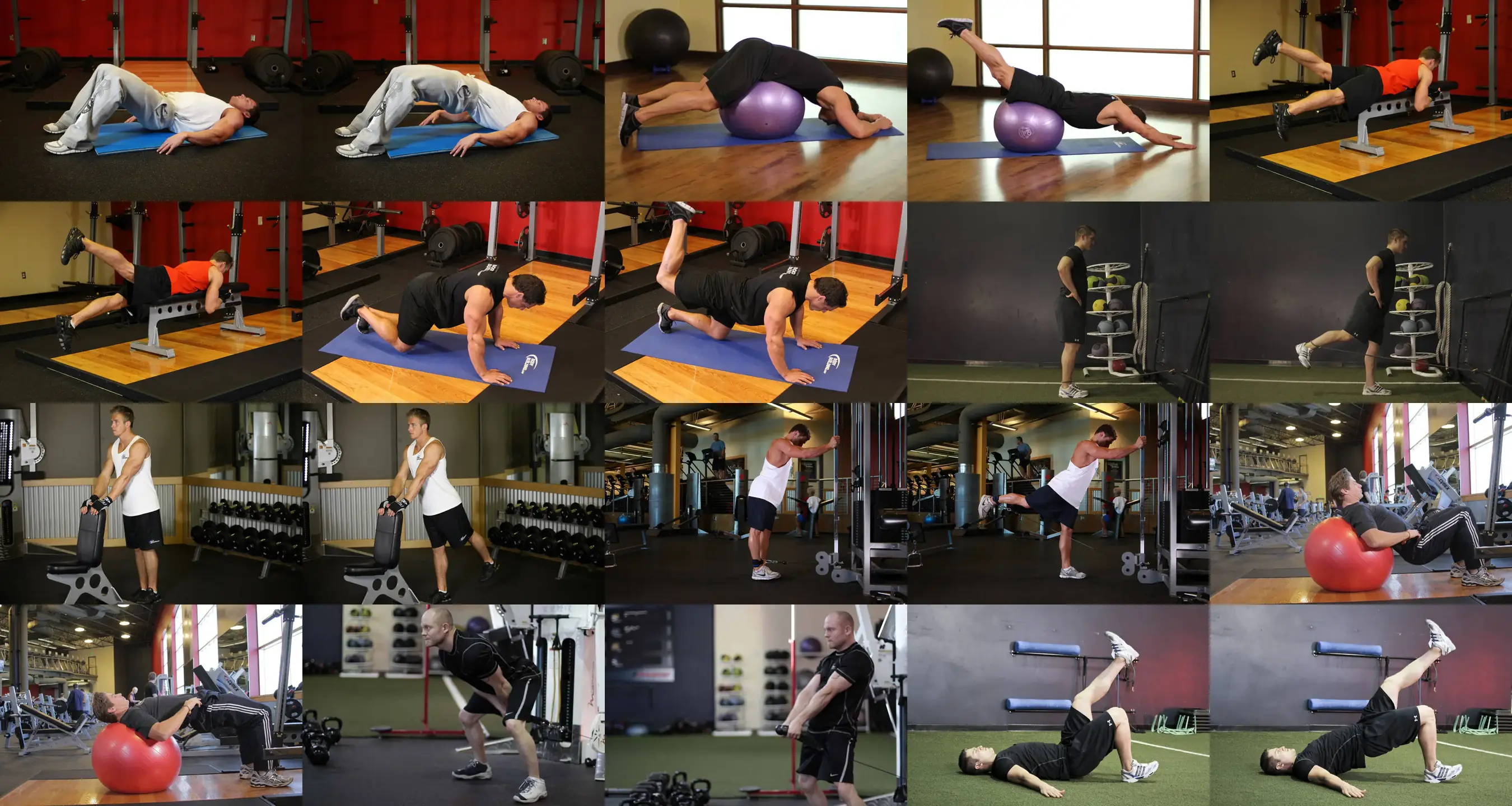
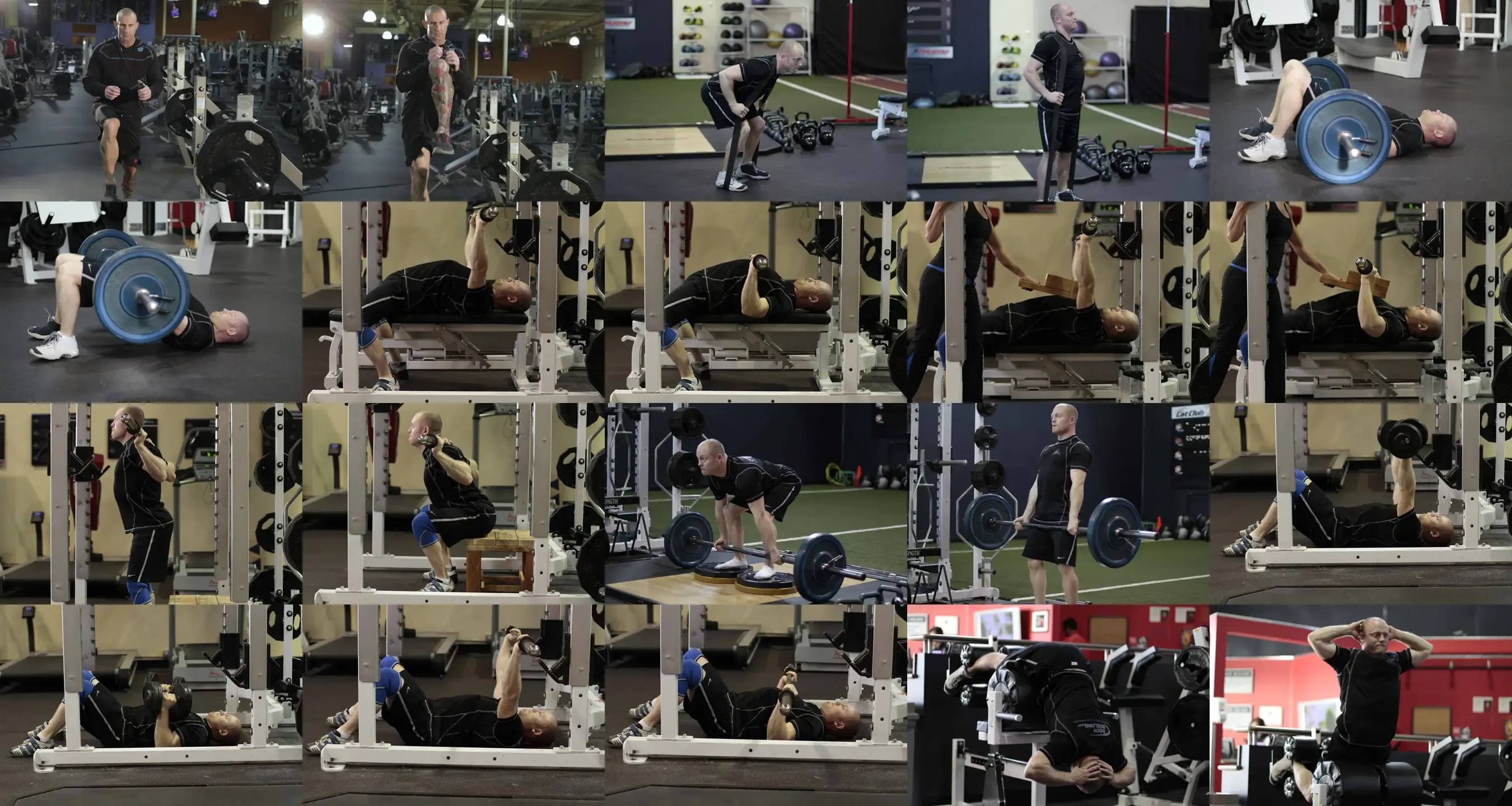
Two strength sessions of 30 to 45 minutes a week are enough. Prioritize squats or Bulgarian split squats, Romanian deadlifts, heavy calf raises, and some plyometrics like jump rope or box jumps. Use heavy loads and low reps, around 4 to 8, to build strength without piling up fatigue. During base building keep both sessions; in the weeks before a race, drop to one lighter session and skip it in the final week.
The most common injuries are runner's knee, IT band syndrome, Achilles tendinopathy, plantar fasciitis, and stress fractures. The main cause is usually ramping up mileage or intensity too fast. Increase volume gradually and include recovery weeks. Strengthen your calves with slow heel raises, your glute medius with single leg work, and your quads with squats. Sleep well and eat enough to support your training load.
No. With the right program, strength work improves running economy, meaning you use less energy at the same pace. Heavy, low rep training adds very little body weight and makes your stride more efficient.
Ideally lift on the same day as a hard run, a few hours later, or on an easy run day. That keeps your easy days truly easy. Avoid heavy lifting right before intervals or long runs.
Start with run walk intervals, build weekly time gradually, and leave at least one rest day between runs. Add two short strength sessions for your legs and calves from the very beginning.
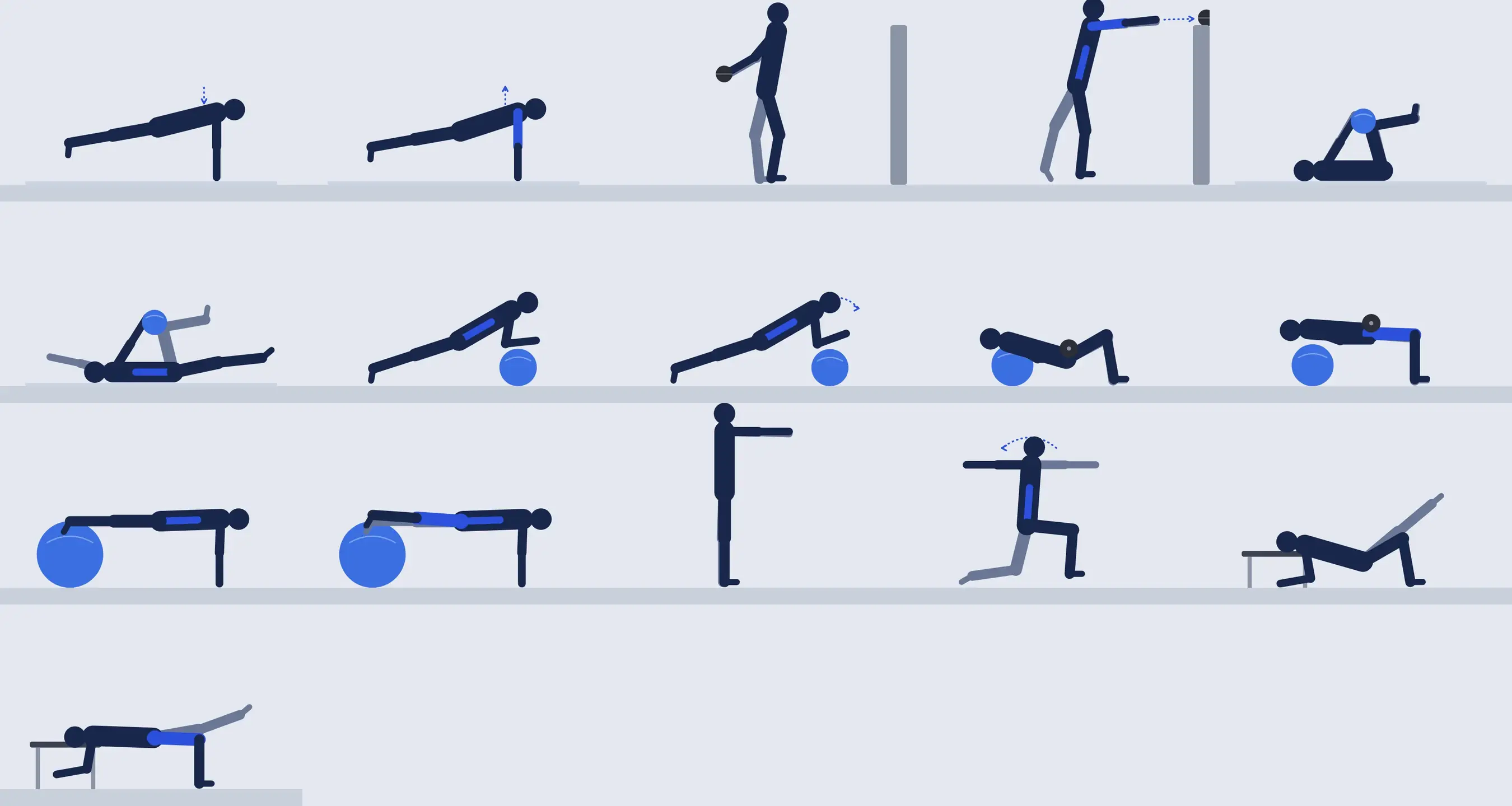
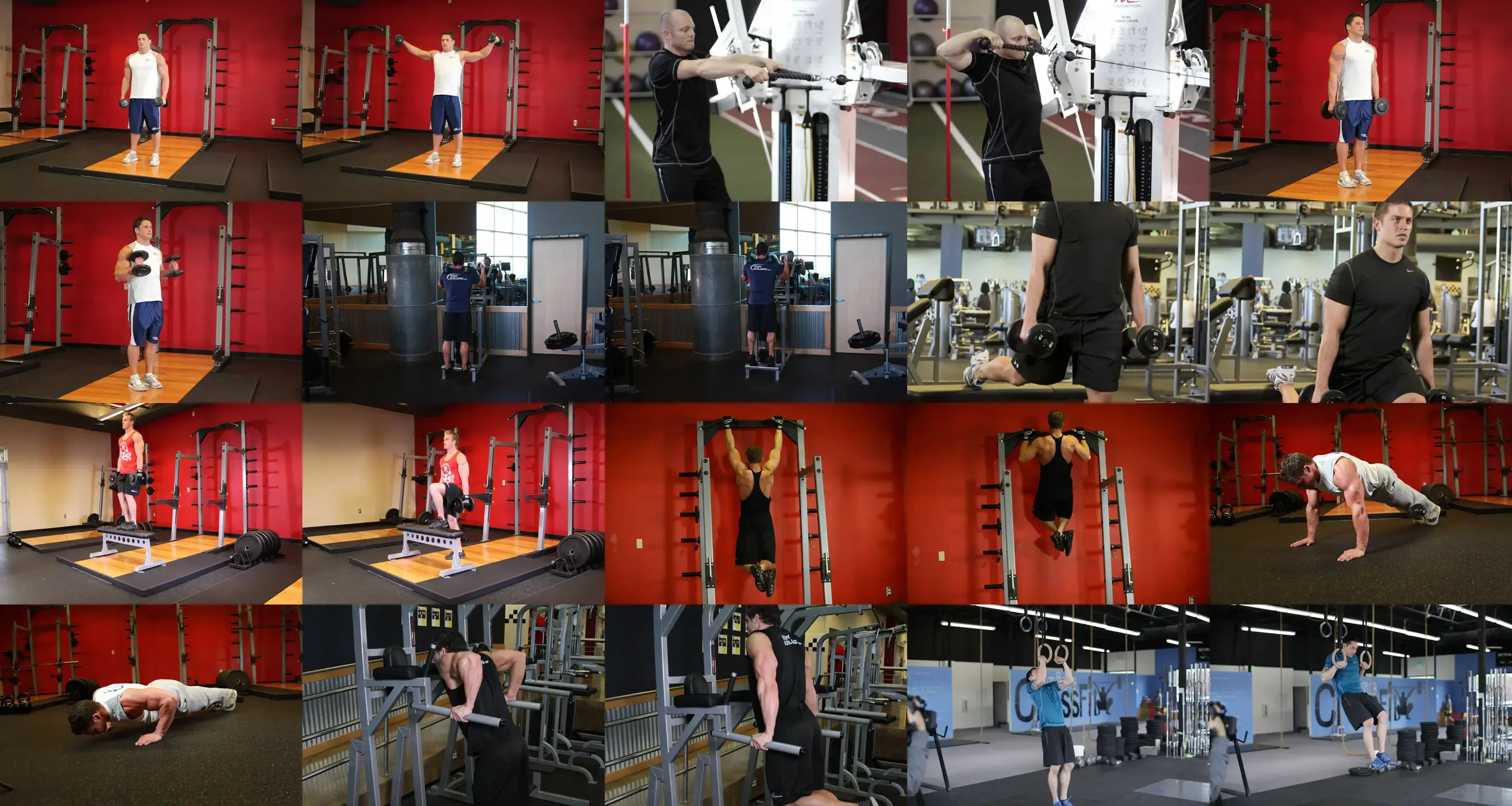
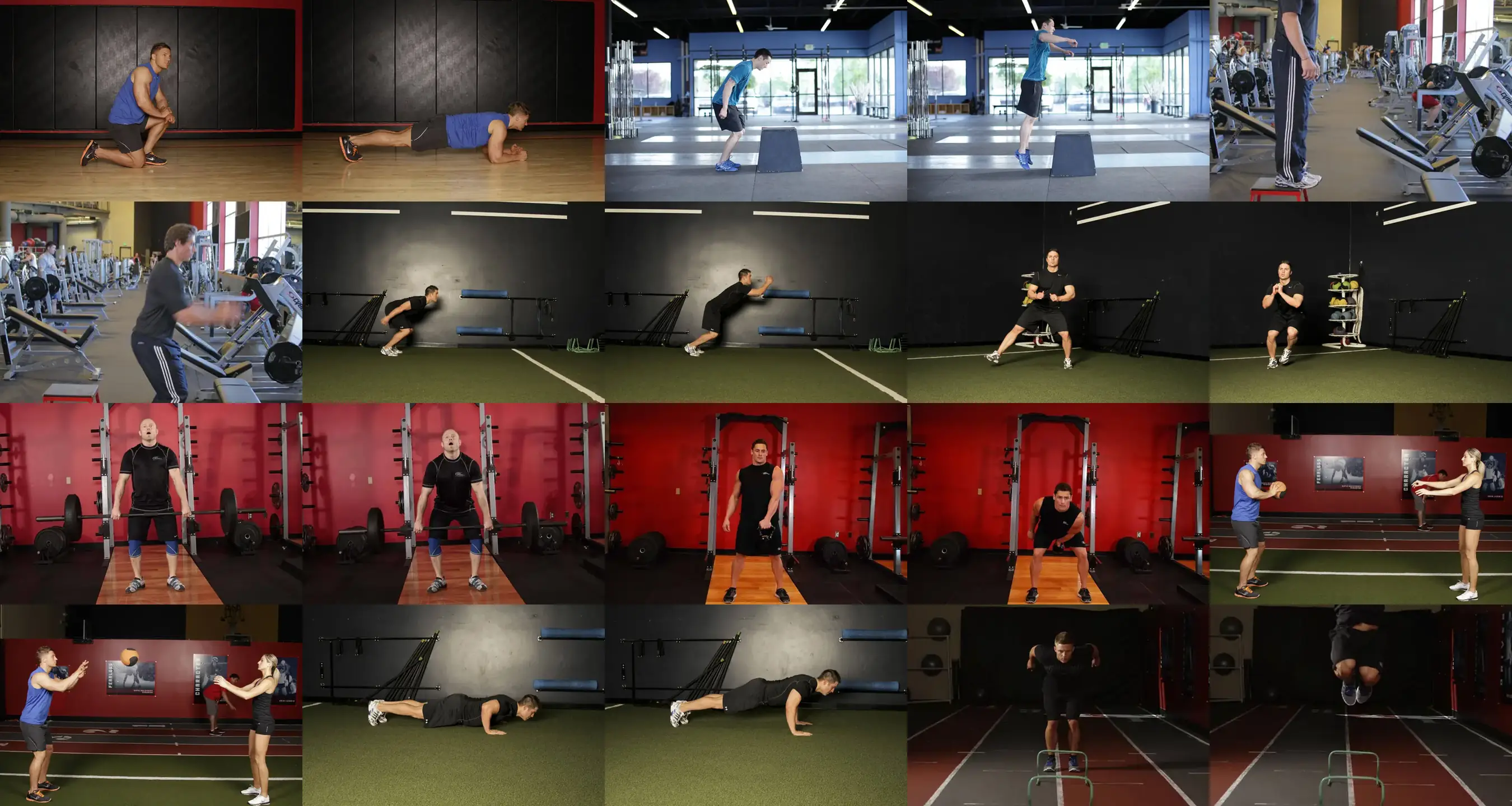
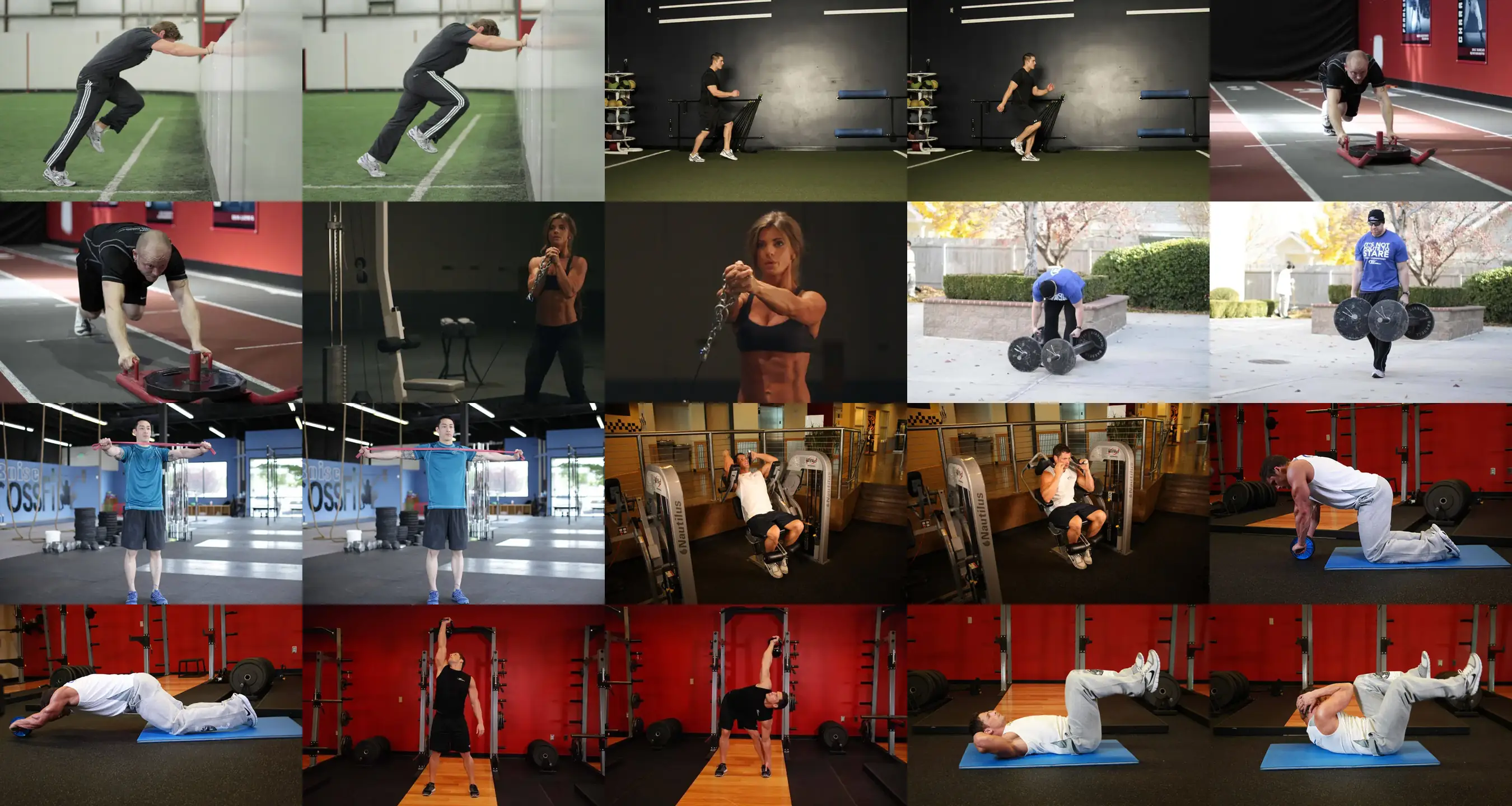
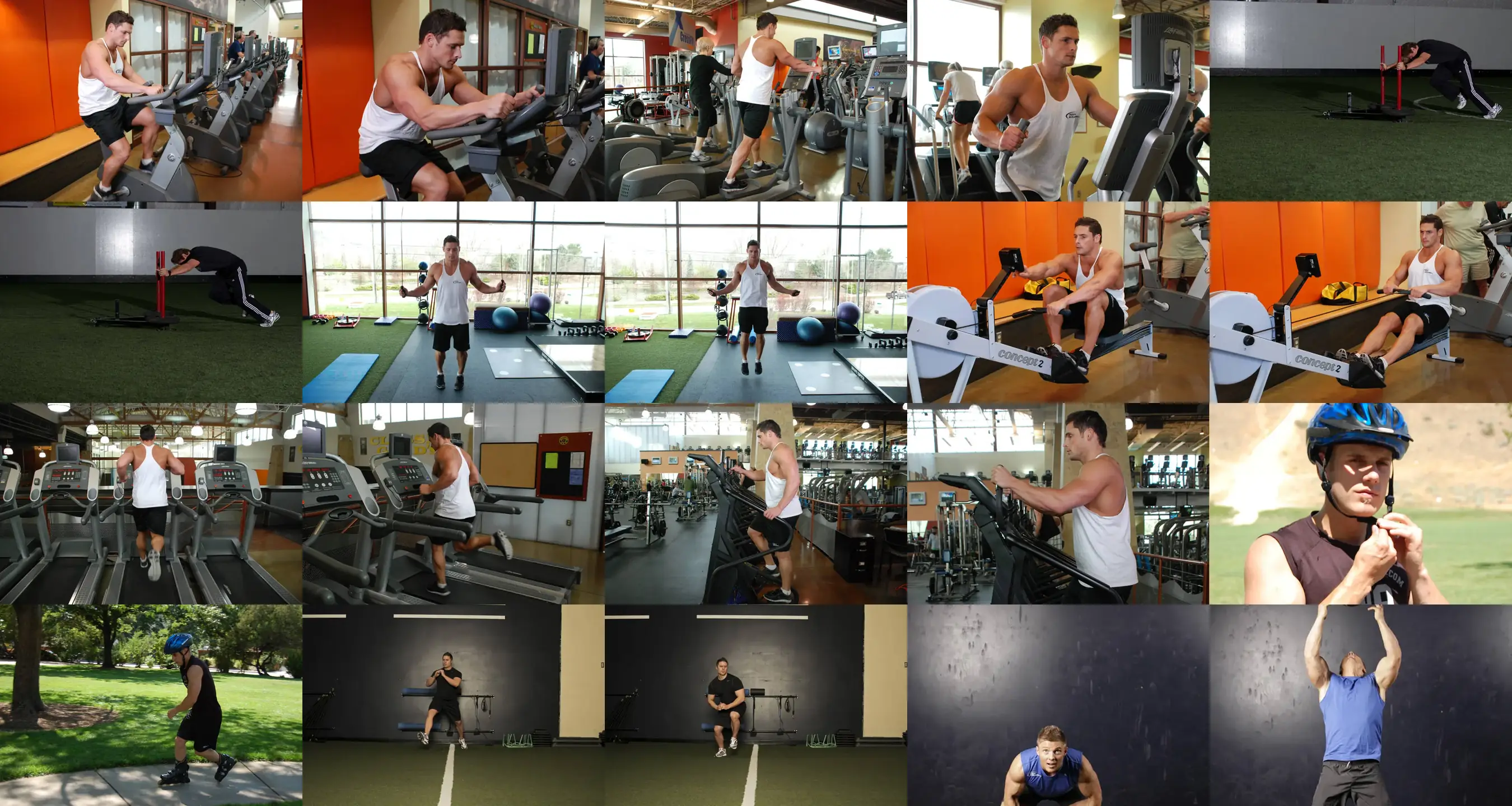
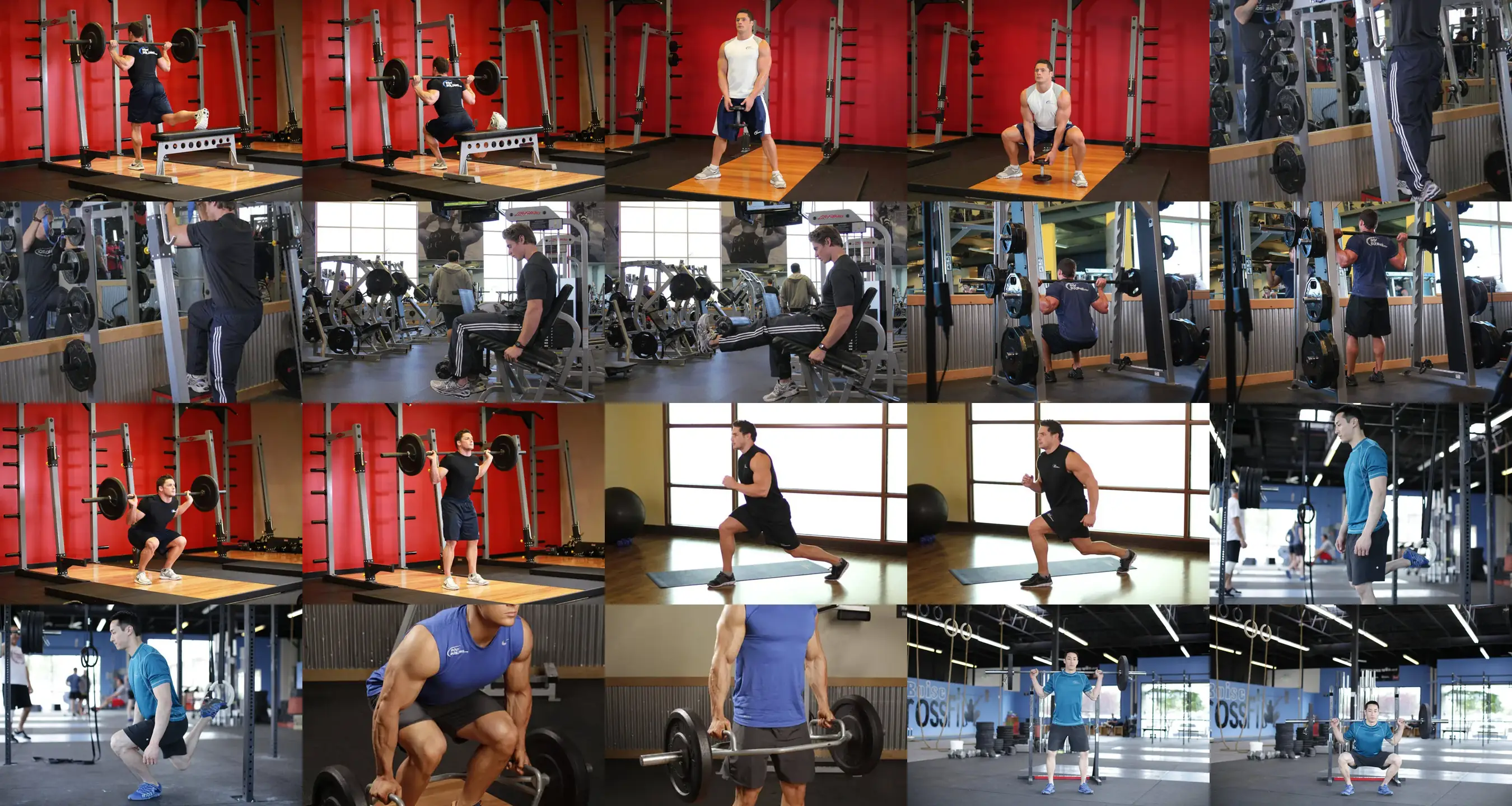
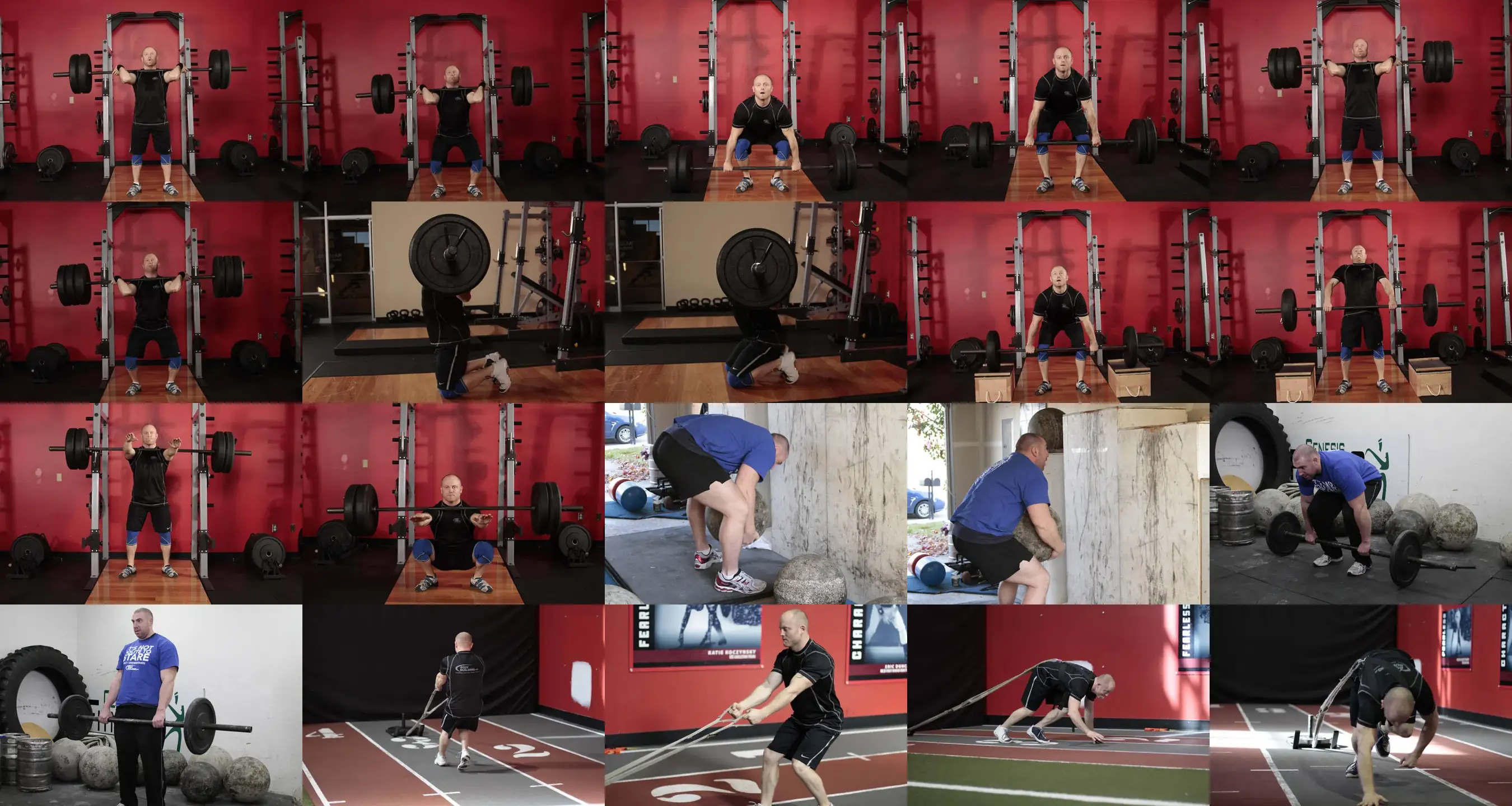
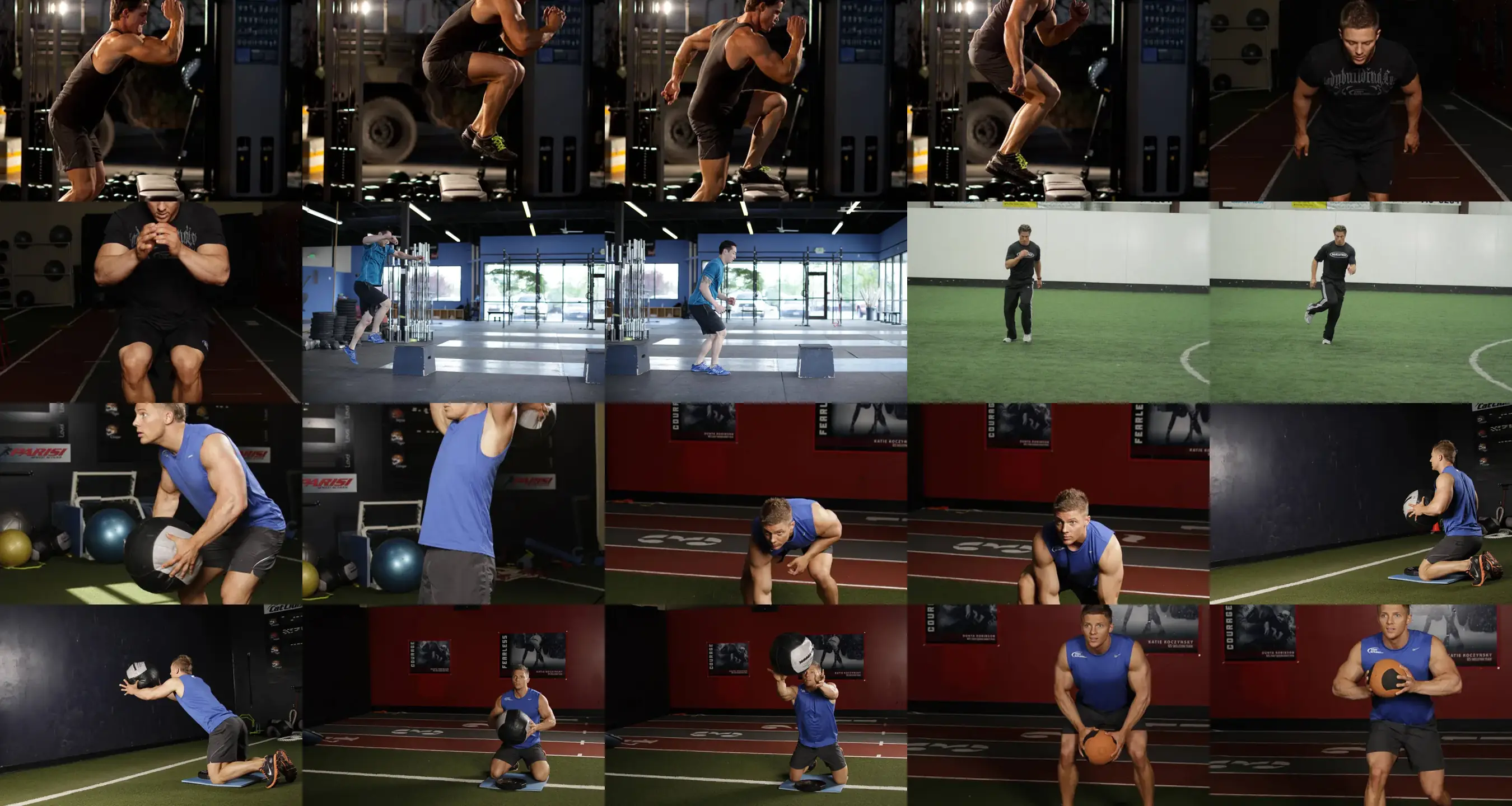
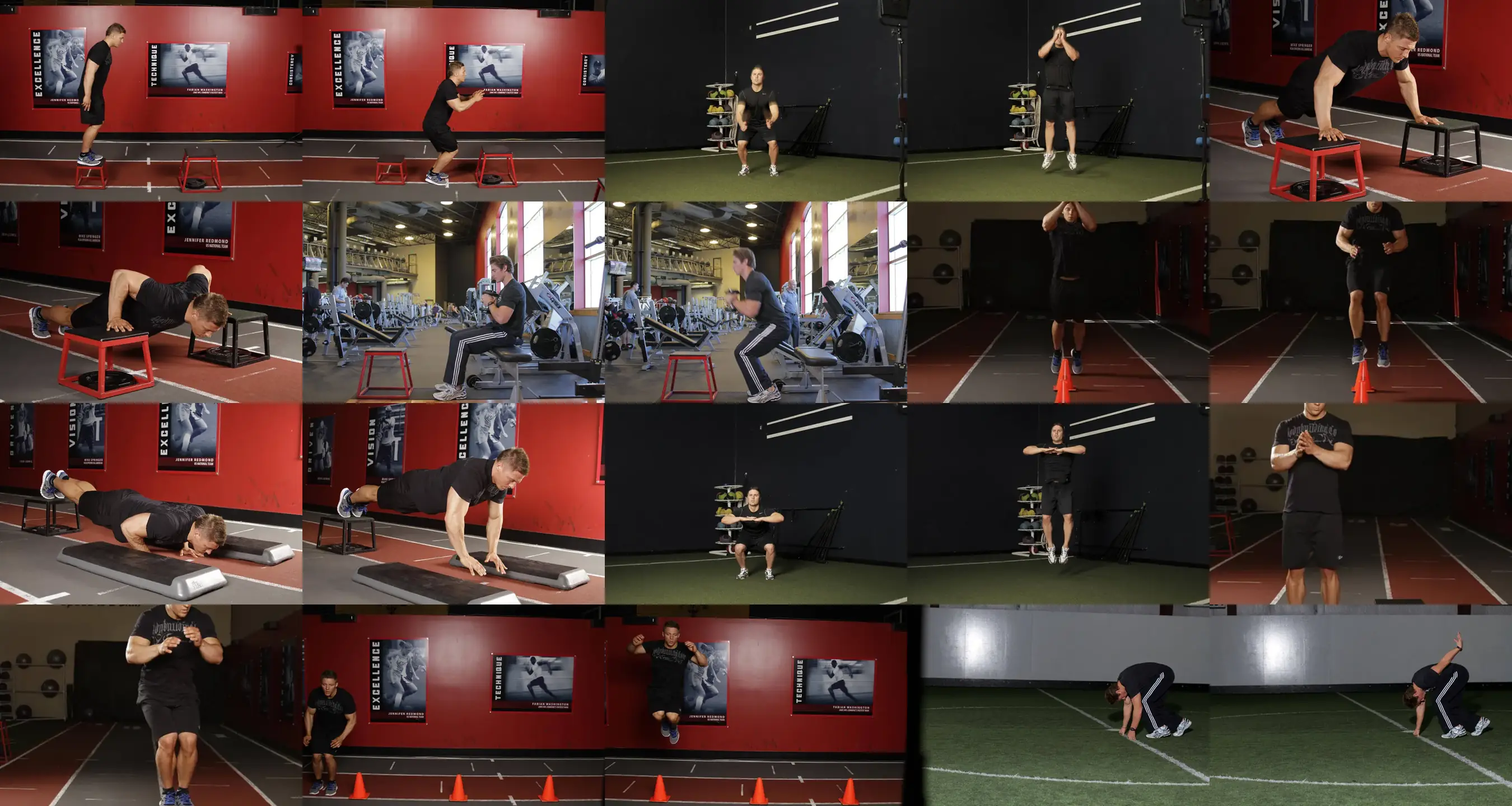
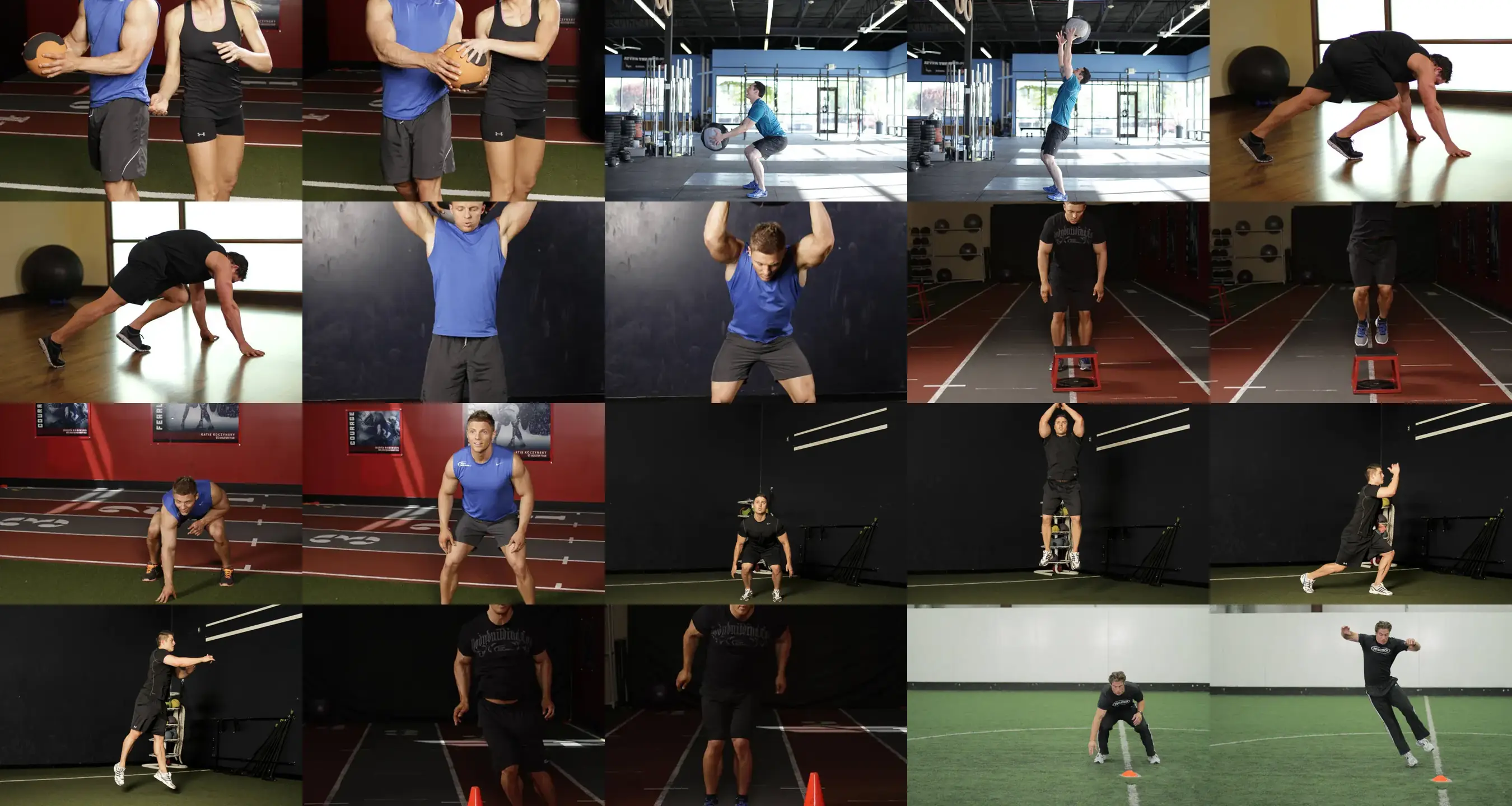
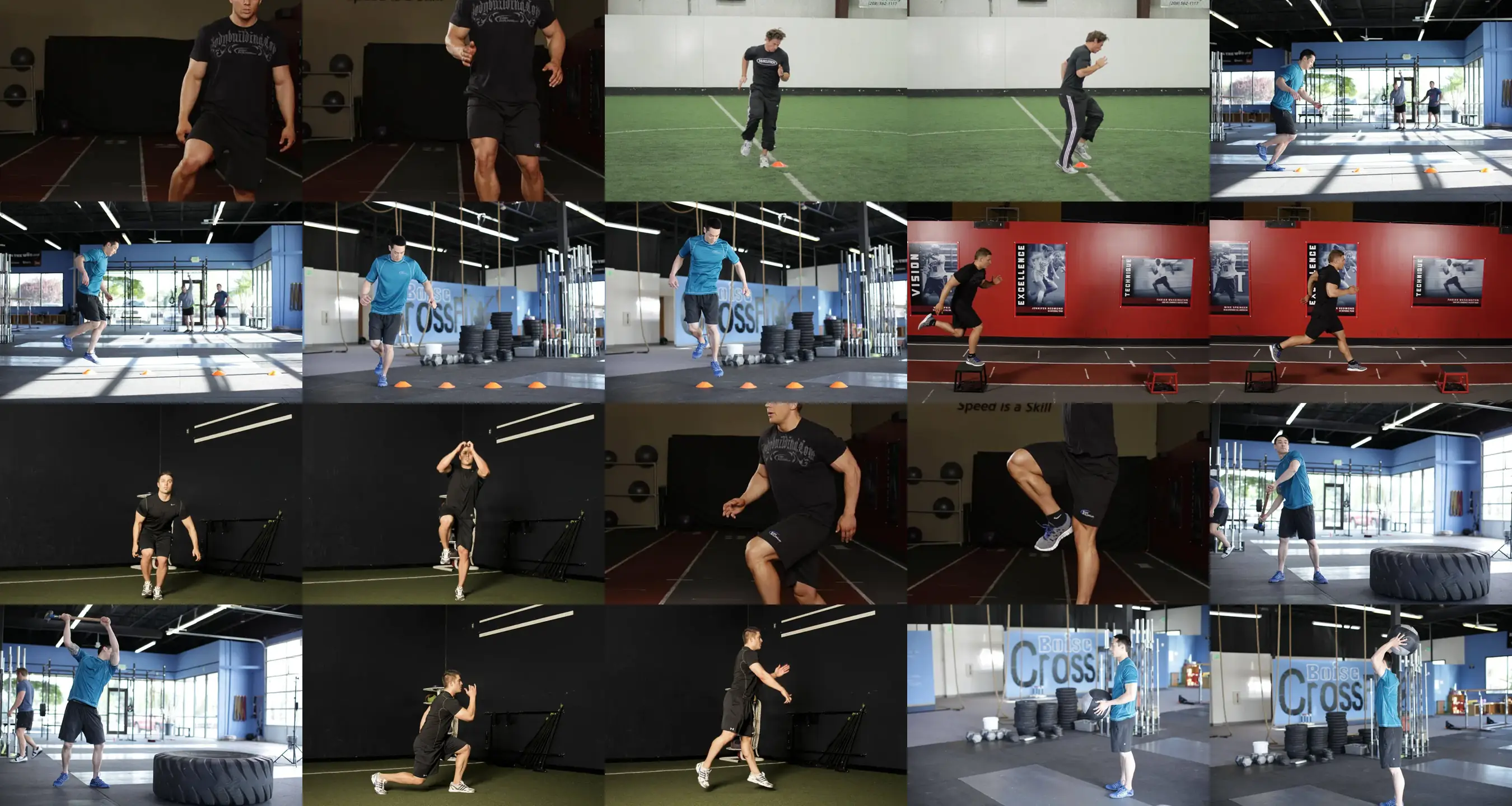
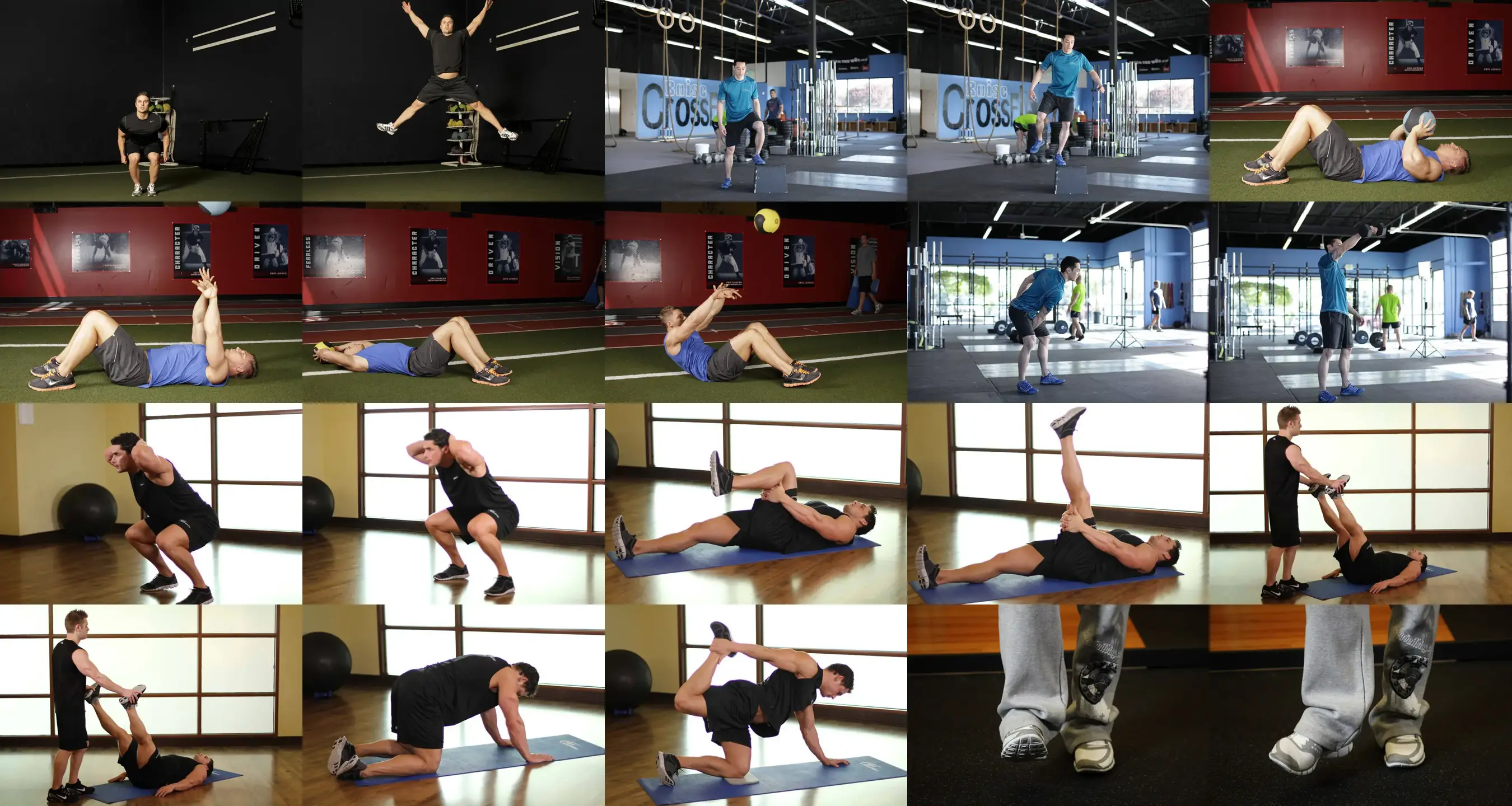
8-week plans with sets, reps and progression, built for your sport. Includes a downloadable PDF.
A more efficient stride, tougher calves and tendons and fewer injuries, without cutting miles.
Build muscle with 3 full-body sessions, progressive loading and just enough volume to recover.
Raise your squat, bench press and deadlift numbers with linear progression and a test at the end.