6 weeks · 3 sessions/wk
Ski and snowboard preseason
Legs that last the whole run, protected knees and better balance to enjoy an injury-free season.
€19.99See program
Buy · €19.99Sport
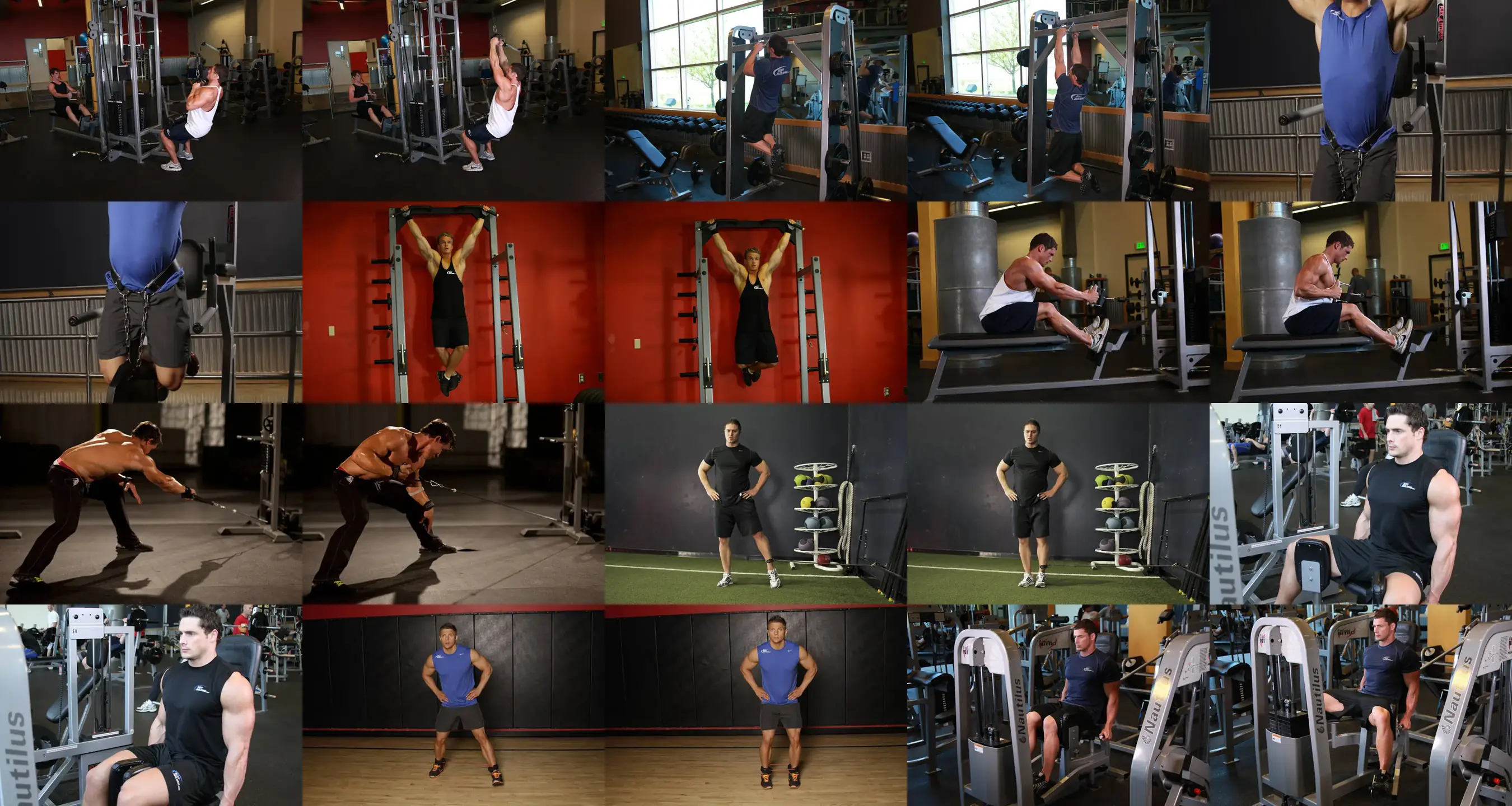
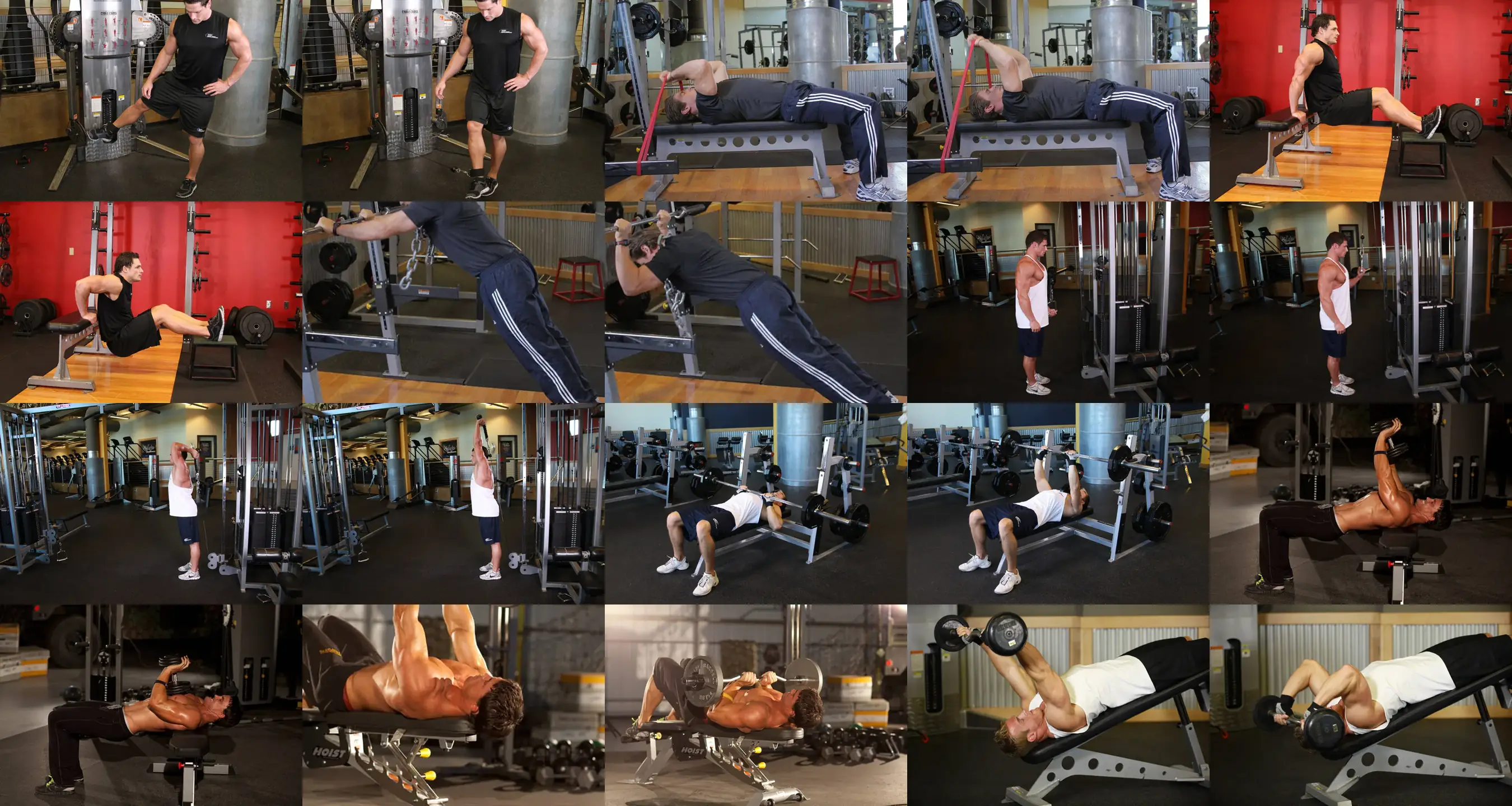
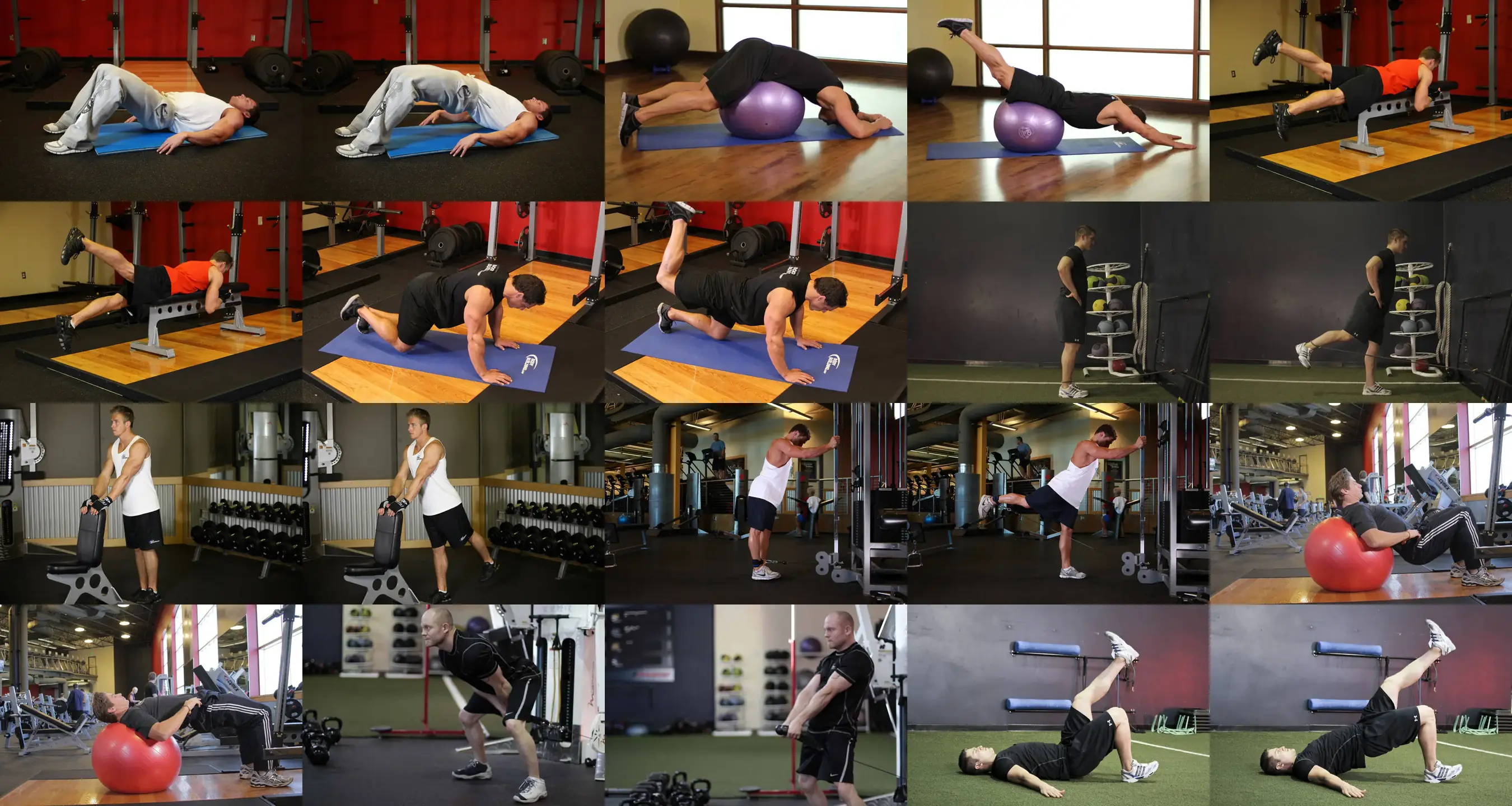
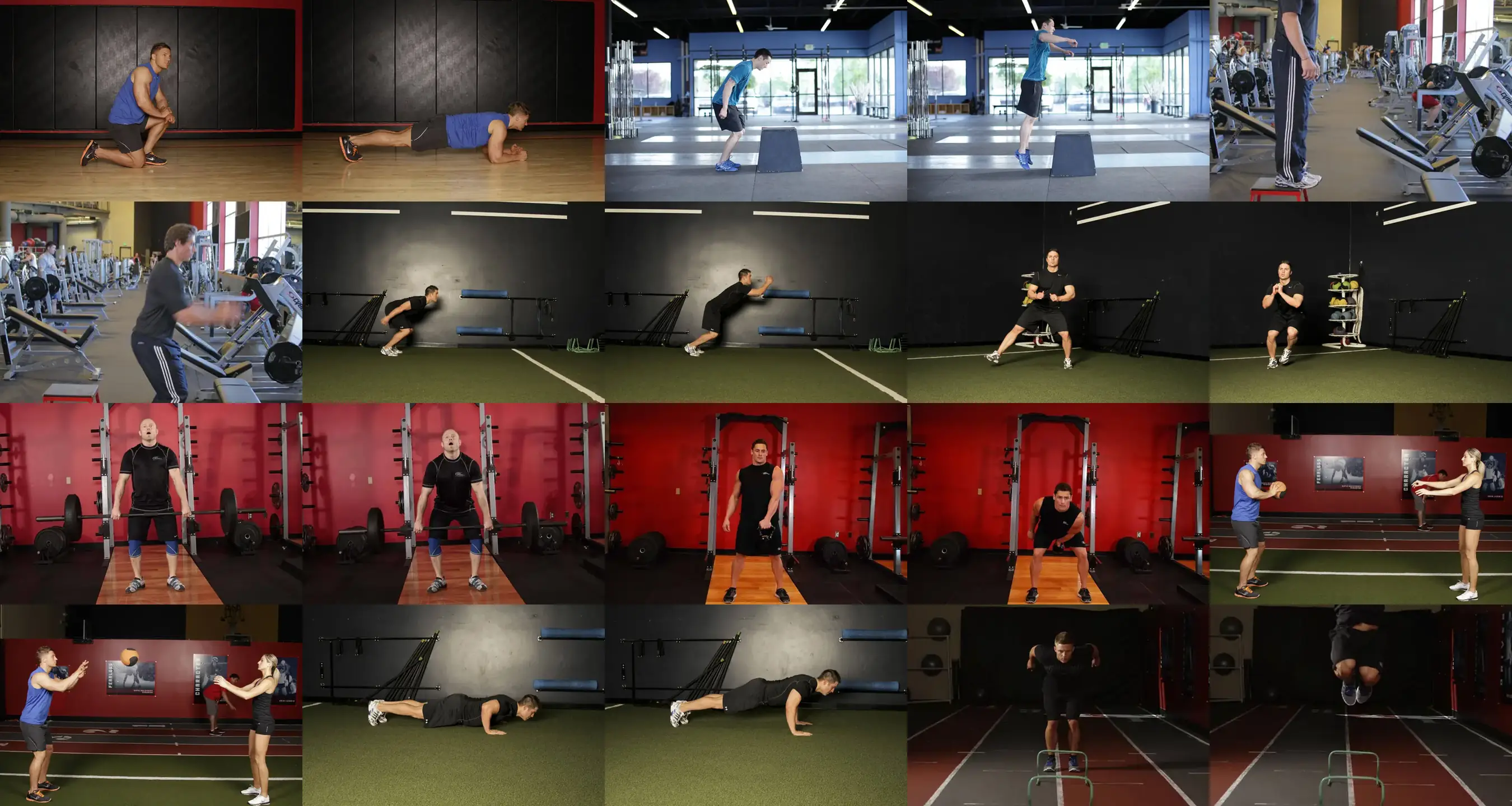
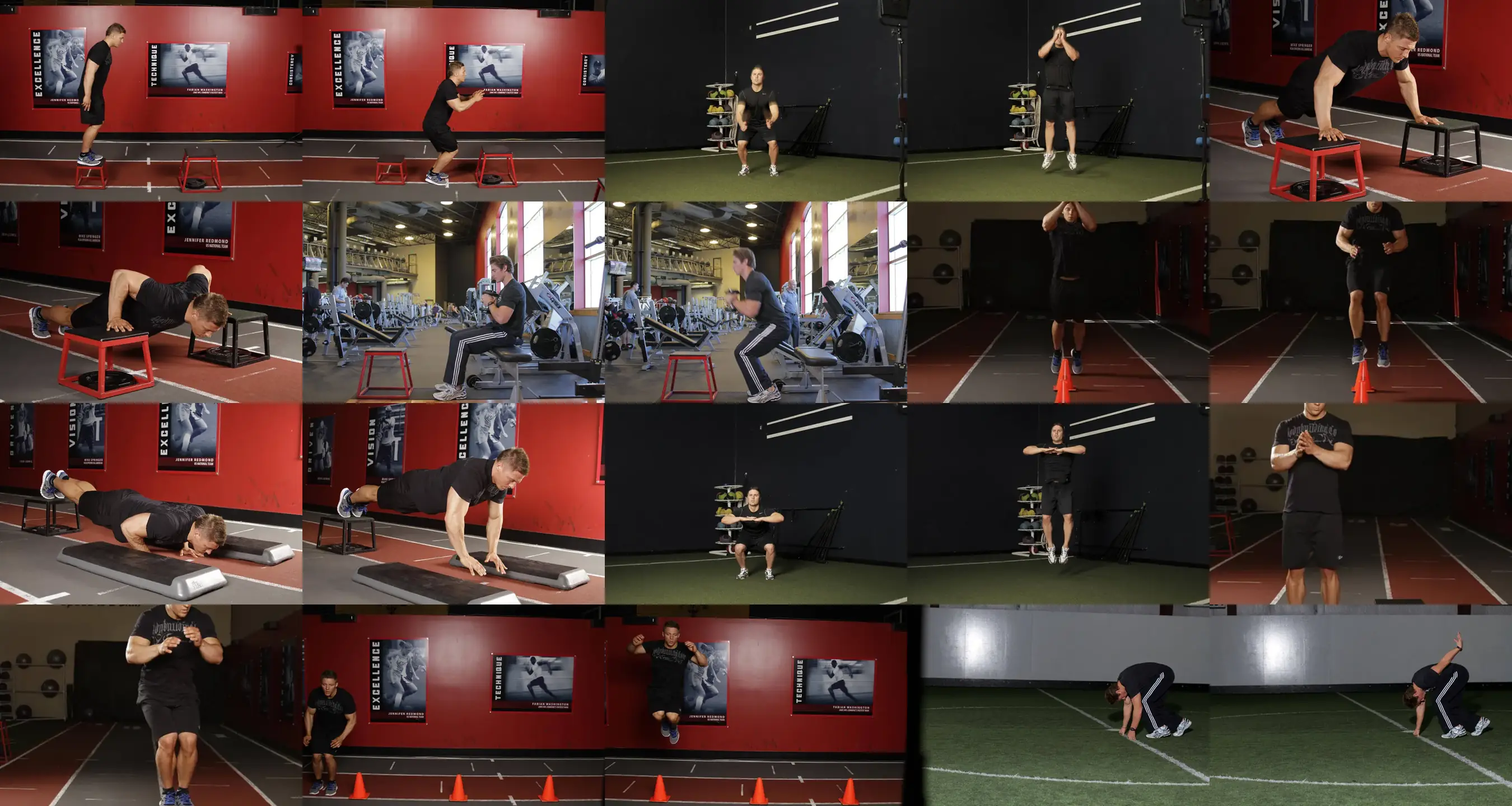
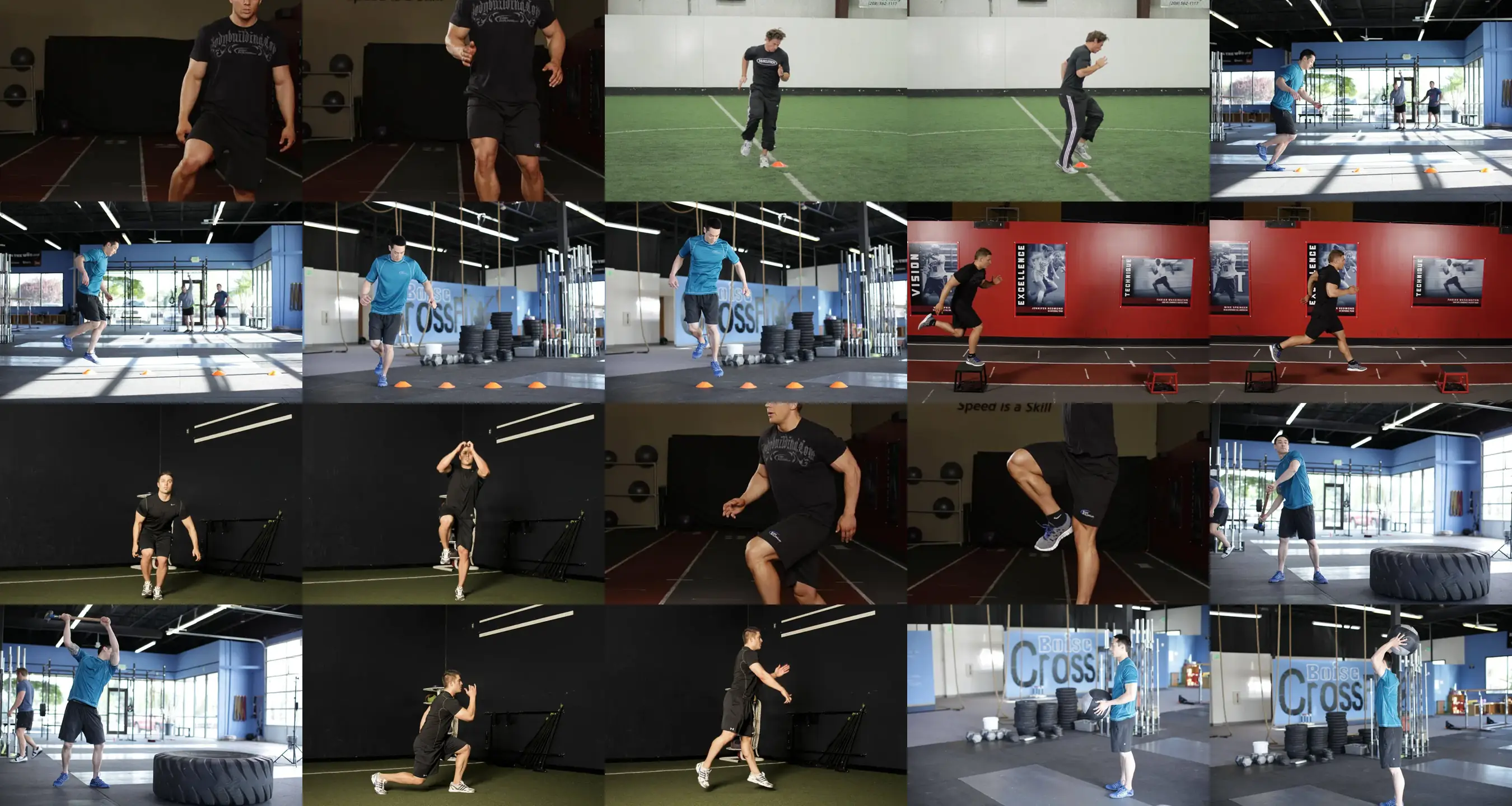
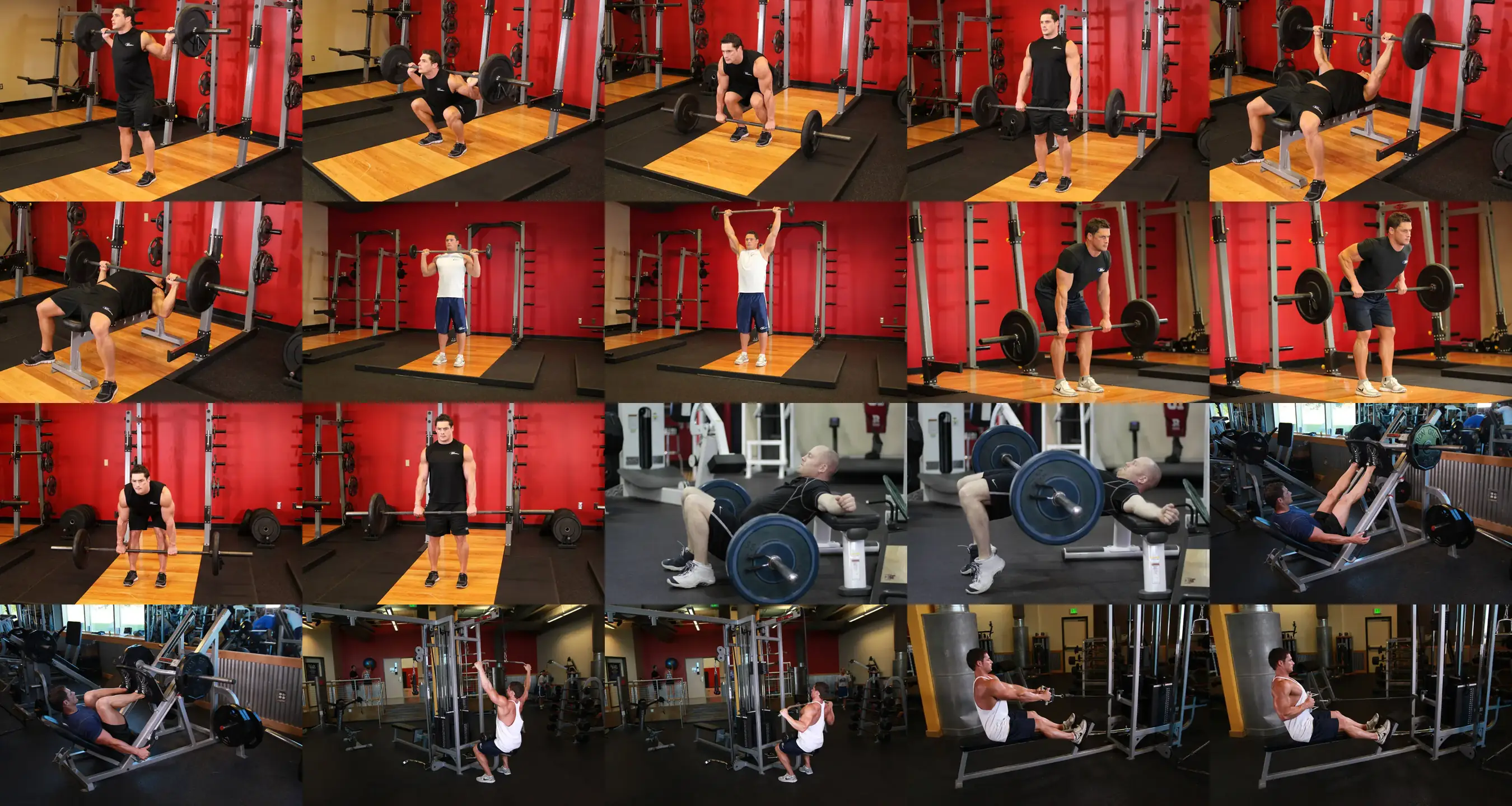
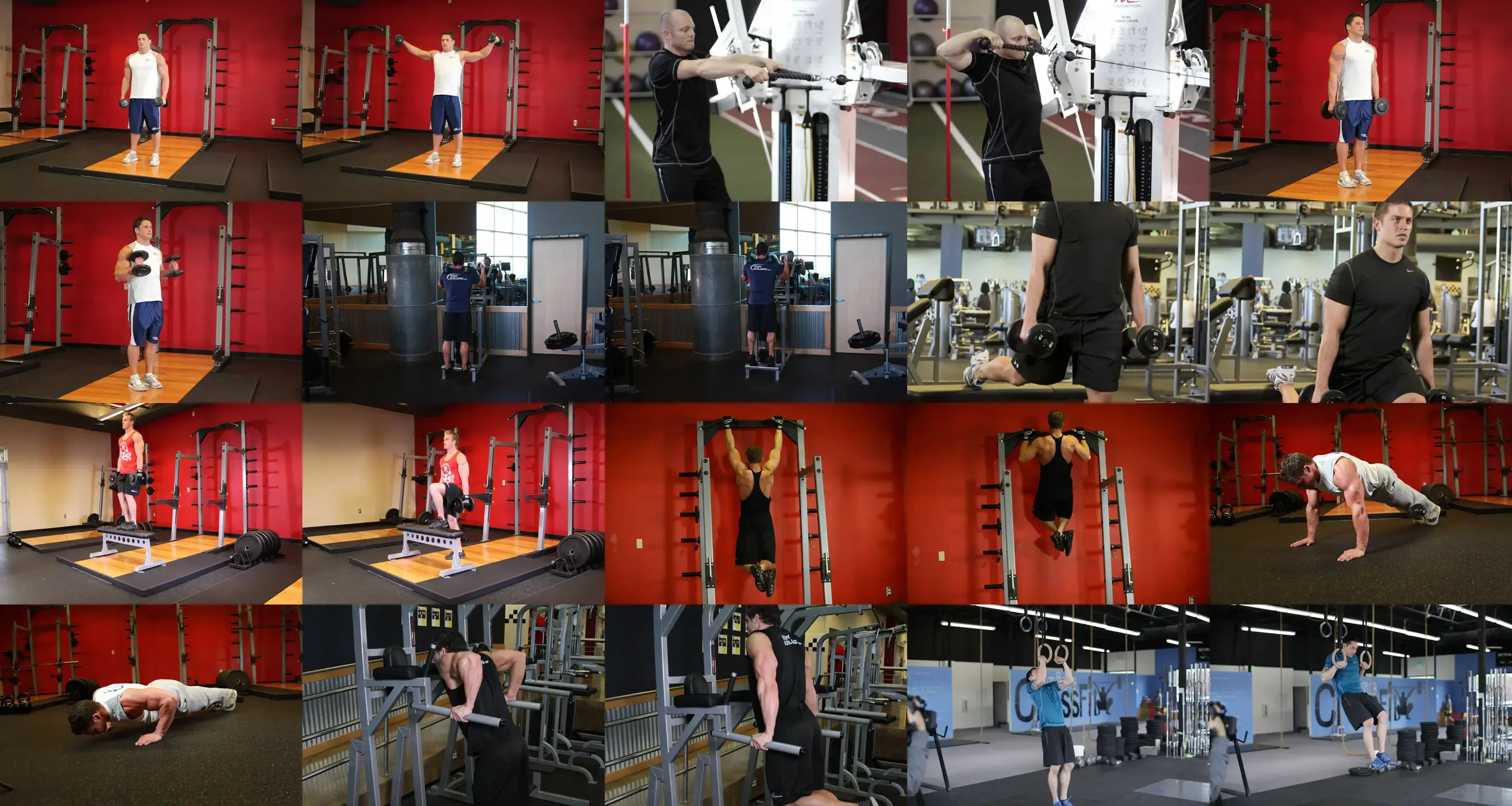
Legs that hold up on the way down, protected knees and balance. Here are the 103 exercises that help you most, sorted by goal.
Skiing and snowboarding demand legs that can handle long runs in a bent position, constant balance, and quick reactions to changing terrain. Getting ready in the gym before the season lets you enjoy more days on the snow and lowers your injury risk.
Paid program · 6 weeks
Legs that last the whole run, protected knees and better balance to enjoy an injury-free season.
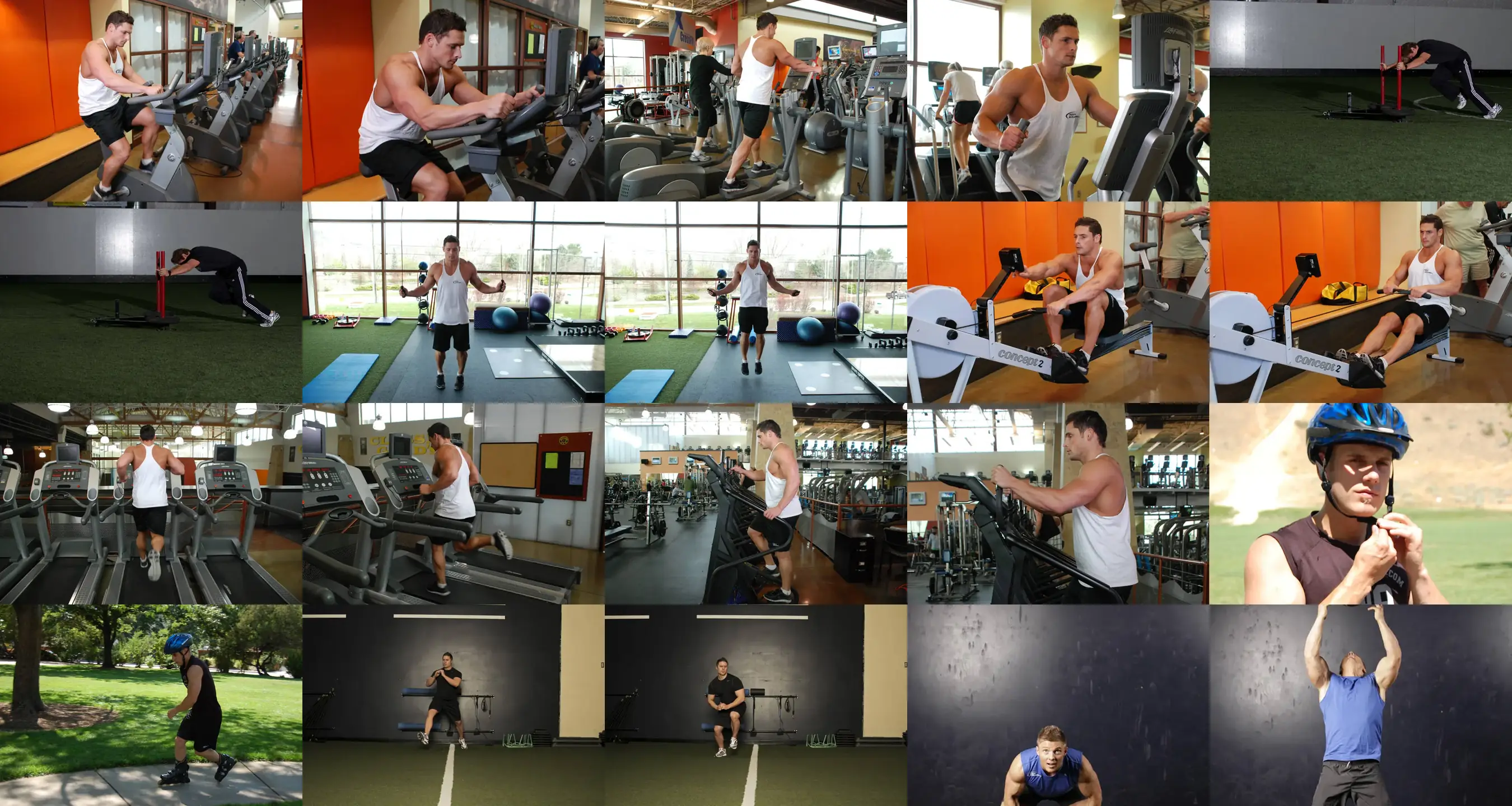
Skiing down a slope means holding your knees bent for minutes while your quads and glutes brake continuously, a very demanding mix of eccentric and isometric work. You need muscular endurance in your legs, lateral strength in your hips and adductors, balance, and core control to absorb bumps and changes in snow. Snowboarding's sideways stance adds more trunk rotation and ankle stability. A solid aerobic base also helps at altitude.
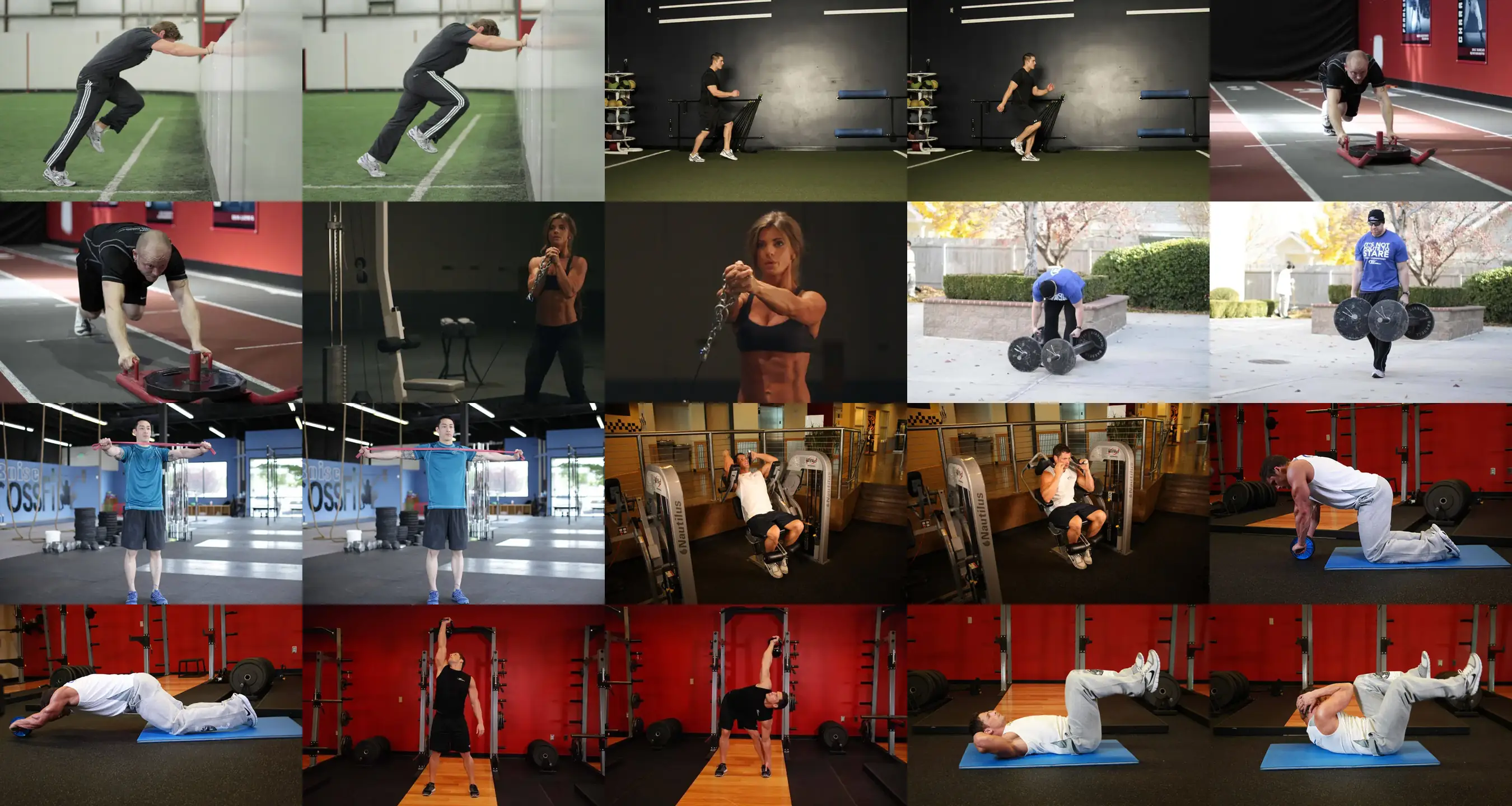
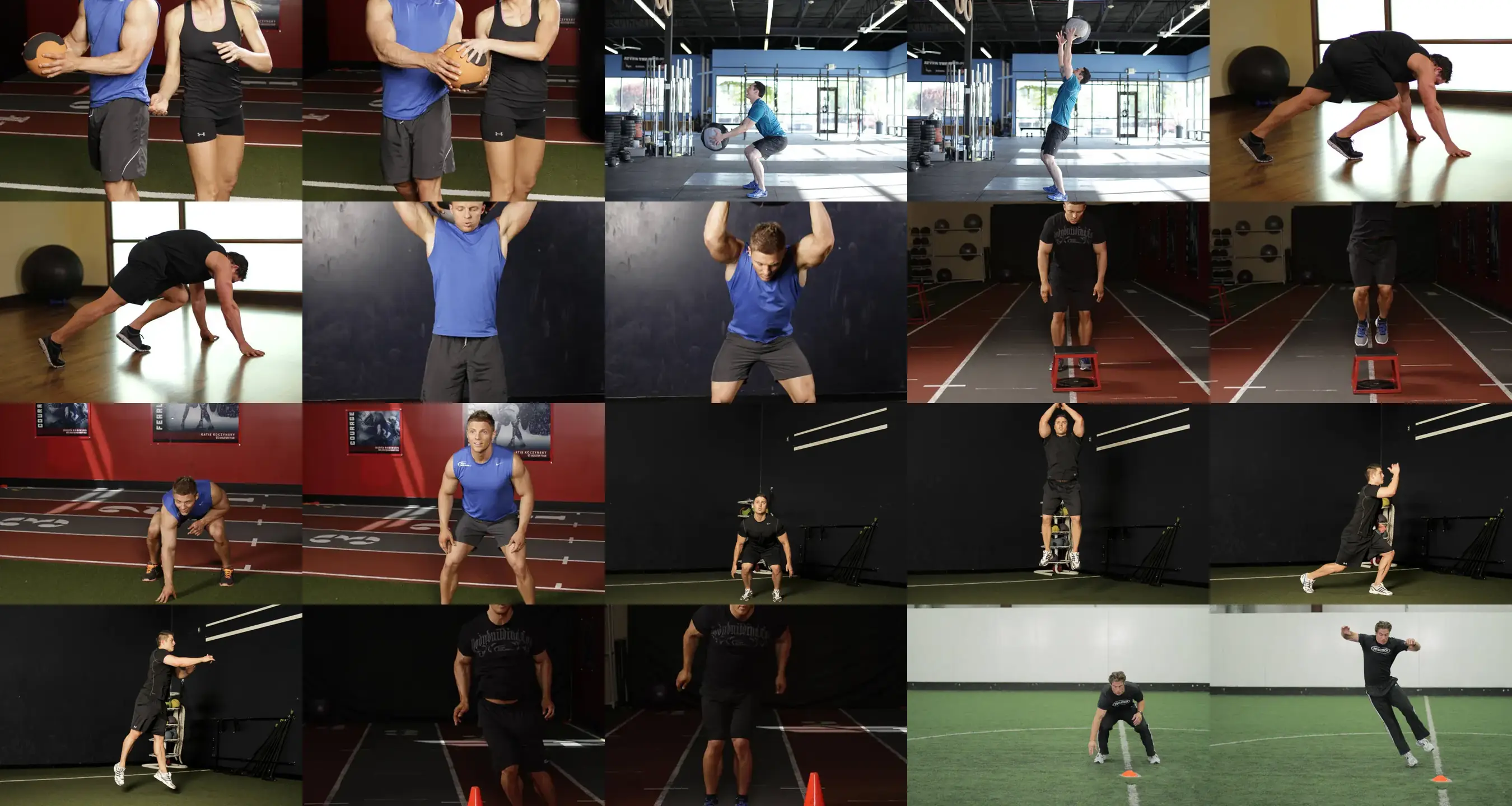
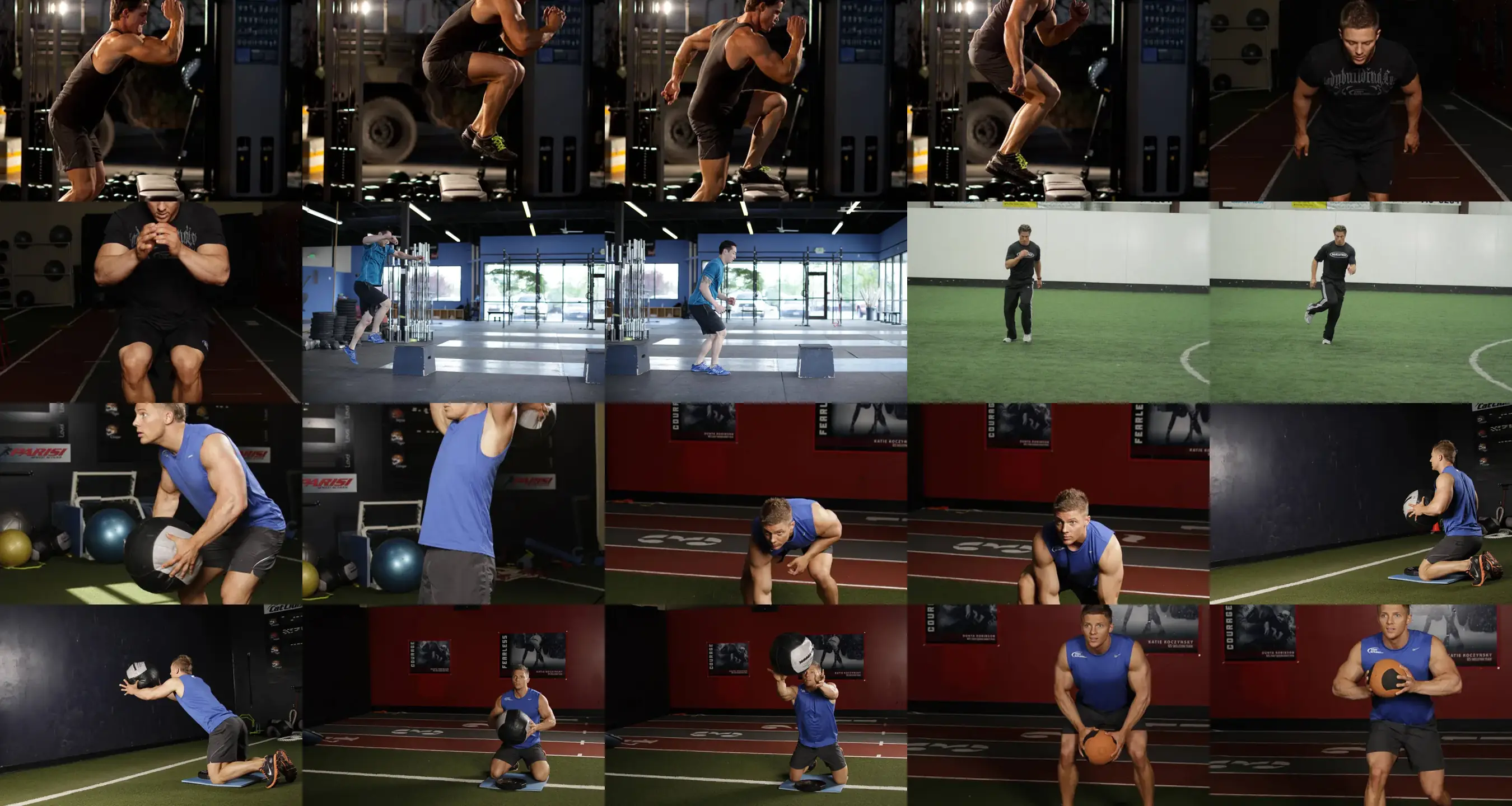
Start 8 to 12 weeks before the season with two or three sessions a week. Build strength with squats, Bulgarian split squats, Romanian deadlifts, and lateral lunges, then add endurance with 30 to 90 second wall sits and lateral bounds. Include single leg balance work and anti-rotation core training. During the season, one maintenance session a week is enough. Avoid heavy lifting right before a ski trip.
In skiing, the most typical injury is to the knee, especially the ACL and MCL, often during falls with the knee twisted. Snowboarders more often injure wrists, shoulders, and ankles. Strengthen your quads and hamstrings in balance, practice knee control on jumps and landings, and stop before you are exhausted late in the day. Wrist guards and a helmet are recommended.
Do squats, lunges, and Bulgarian split squats two or three times a week for 8 to 12 weeks, and add wall sits and lateral bounds. That builds the strength and endurance to handle long runs.
The bent knee position keeps your quads under constant tension, which limits blood flow and builds fatigue quickly. Better endurance from isometric training and centered technique with your weight over your feet reduce that burn a lot.
Strengthen your quads, hamstrings, and glutes, train your balance, make sure your bindings are properly adjusted, and stop when fatigue sets in. Many injuries happen on the last runs of the day.
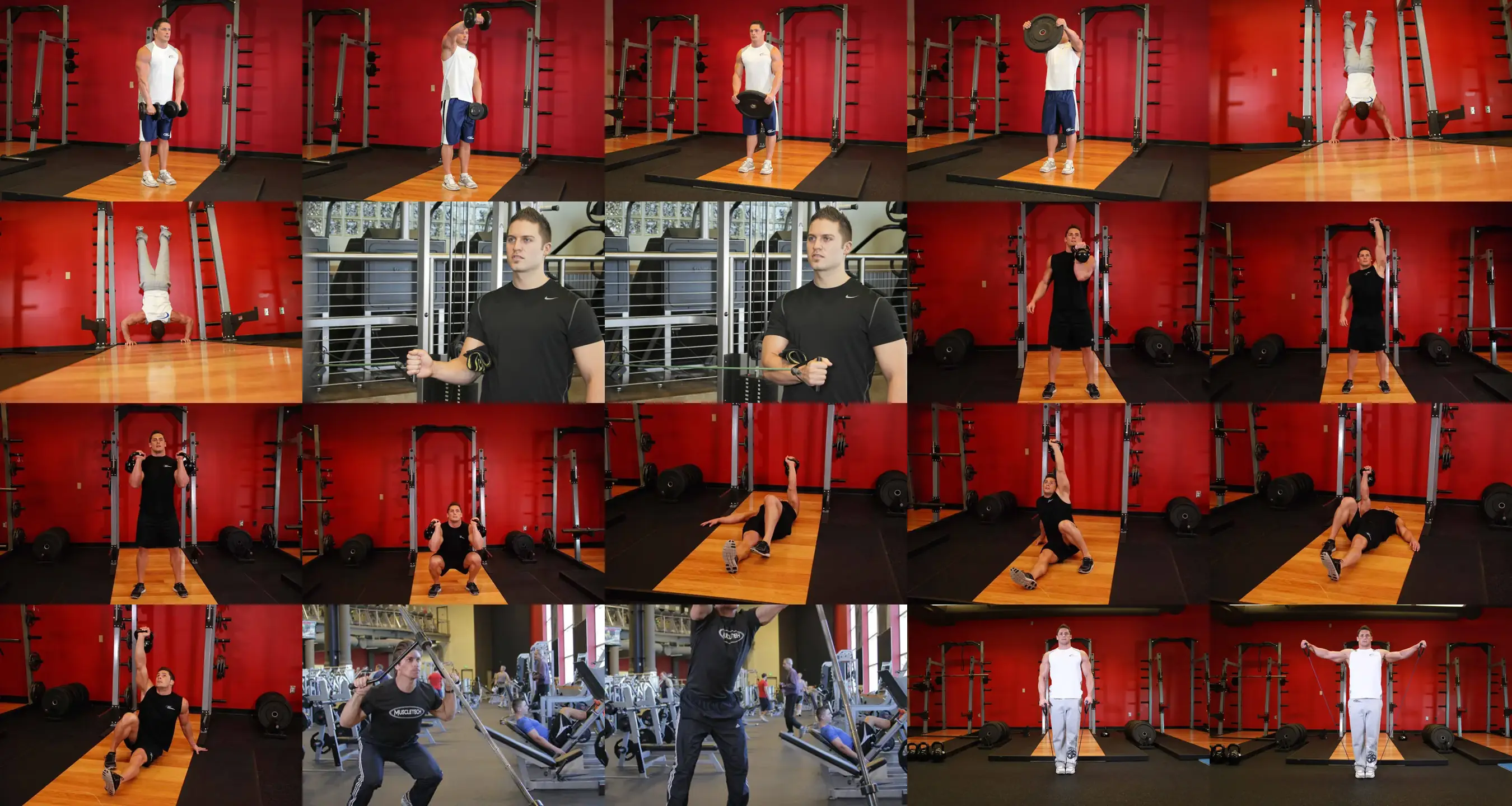
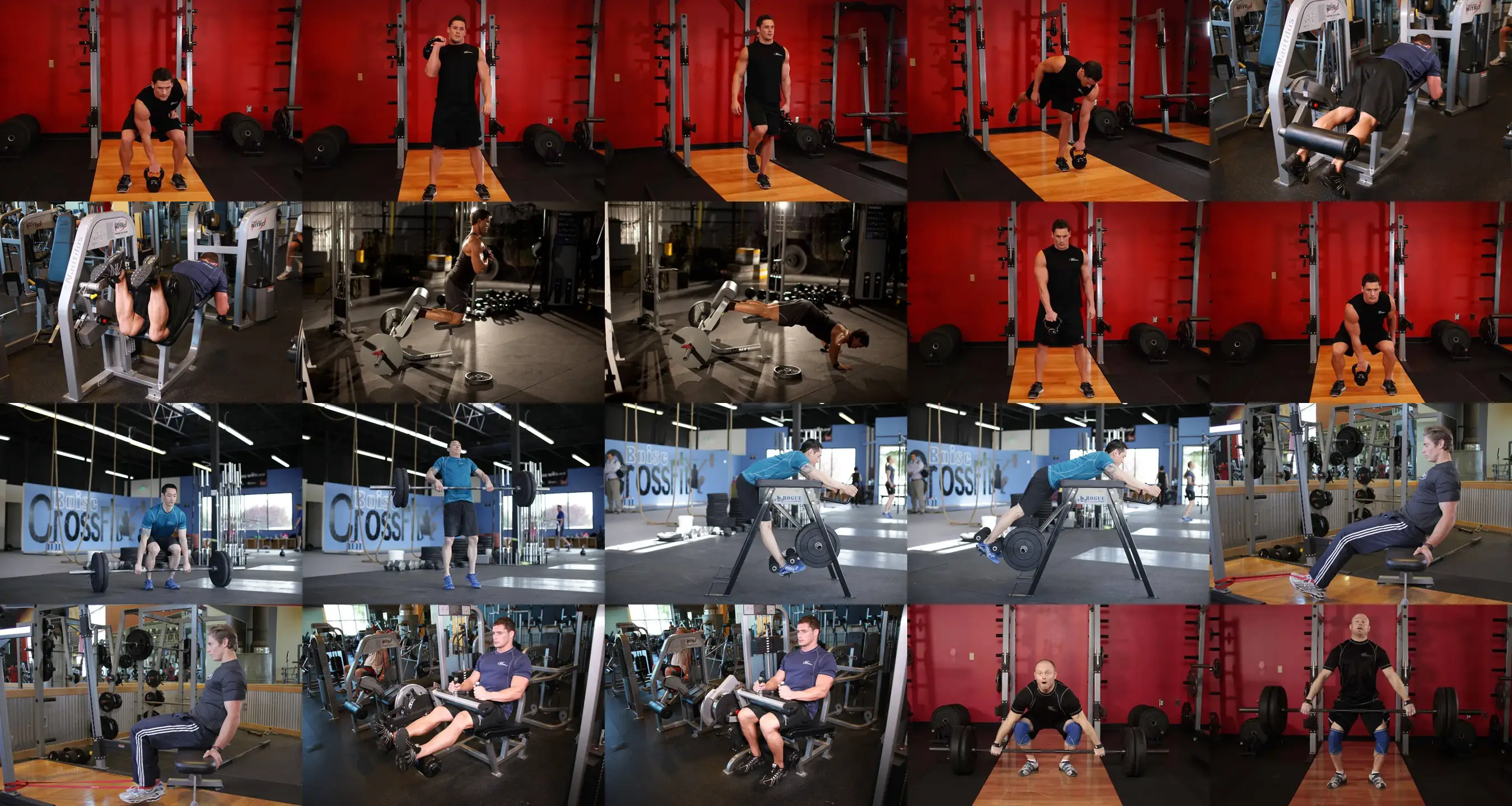
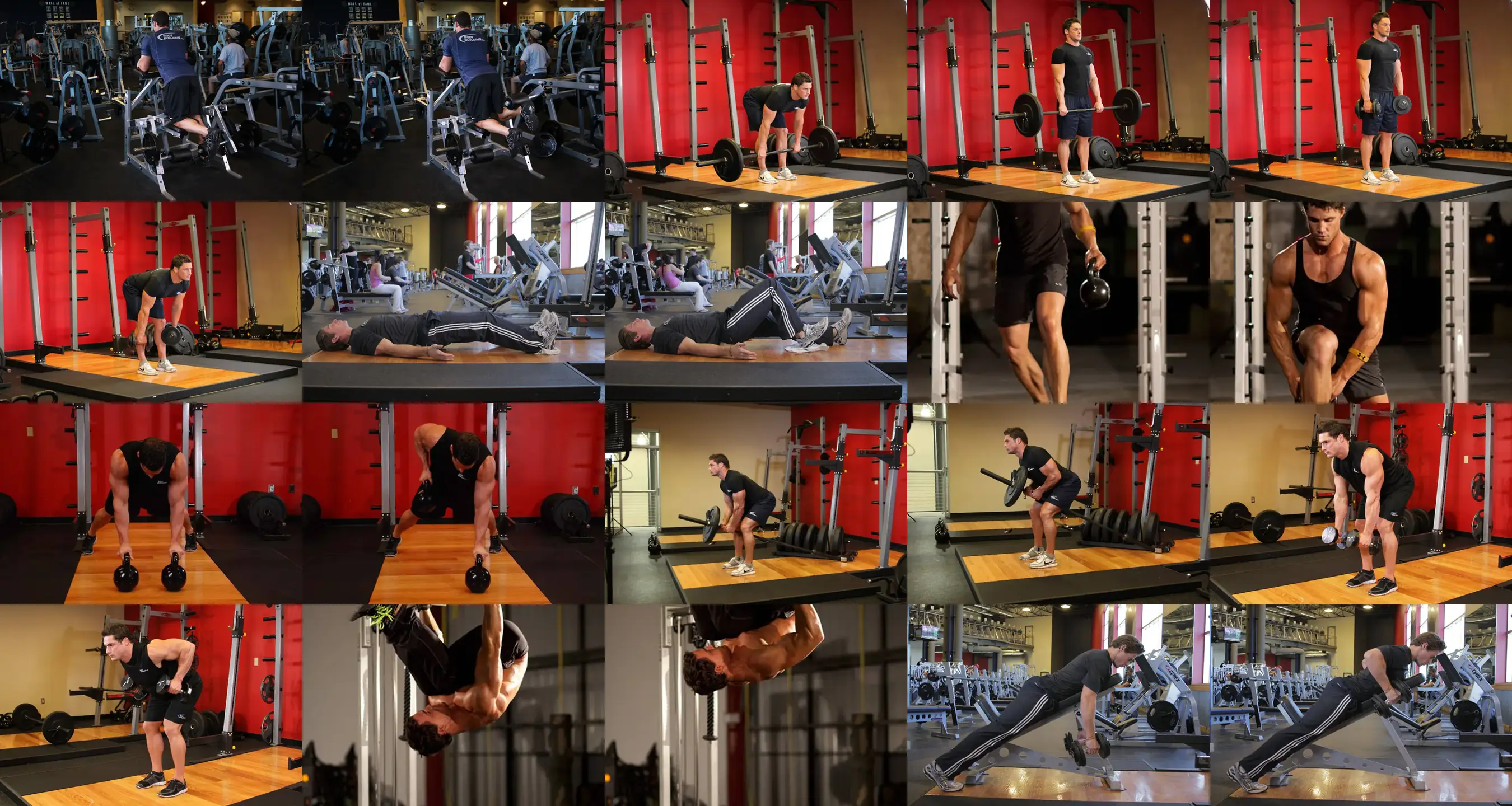
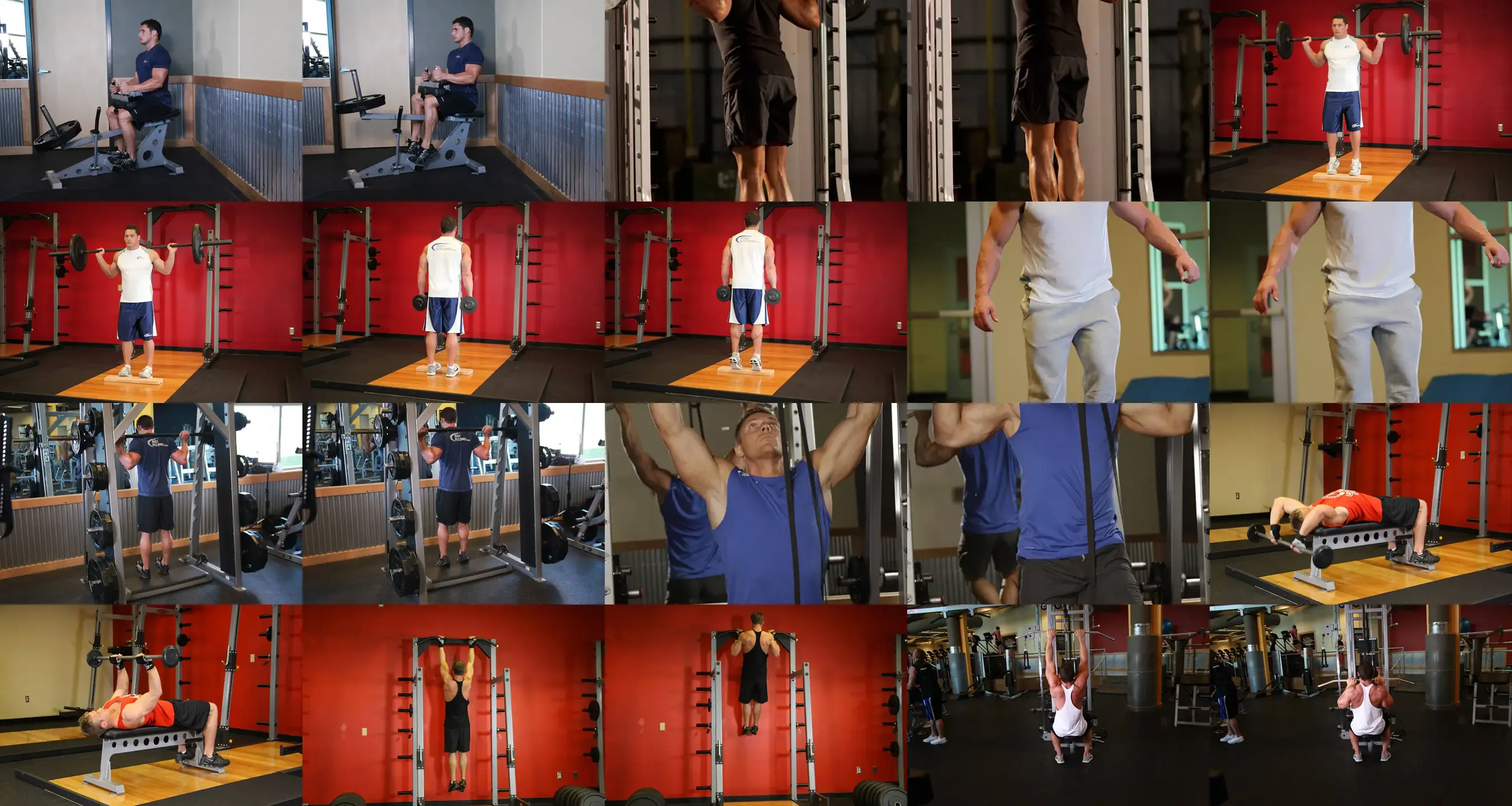
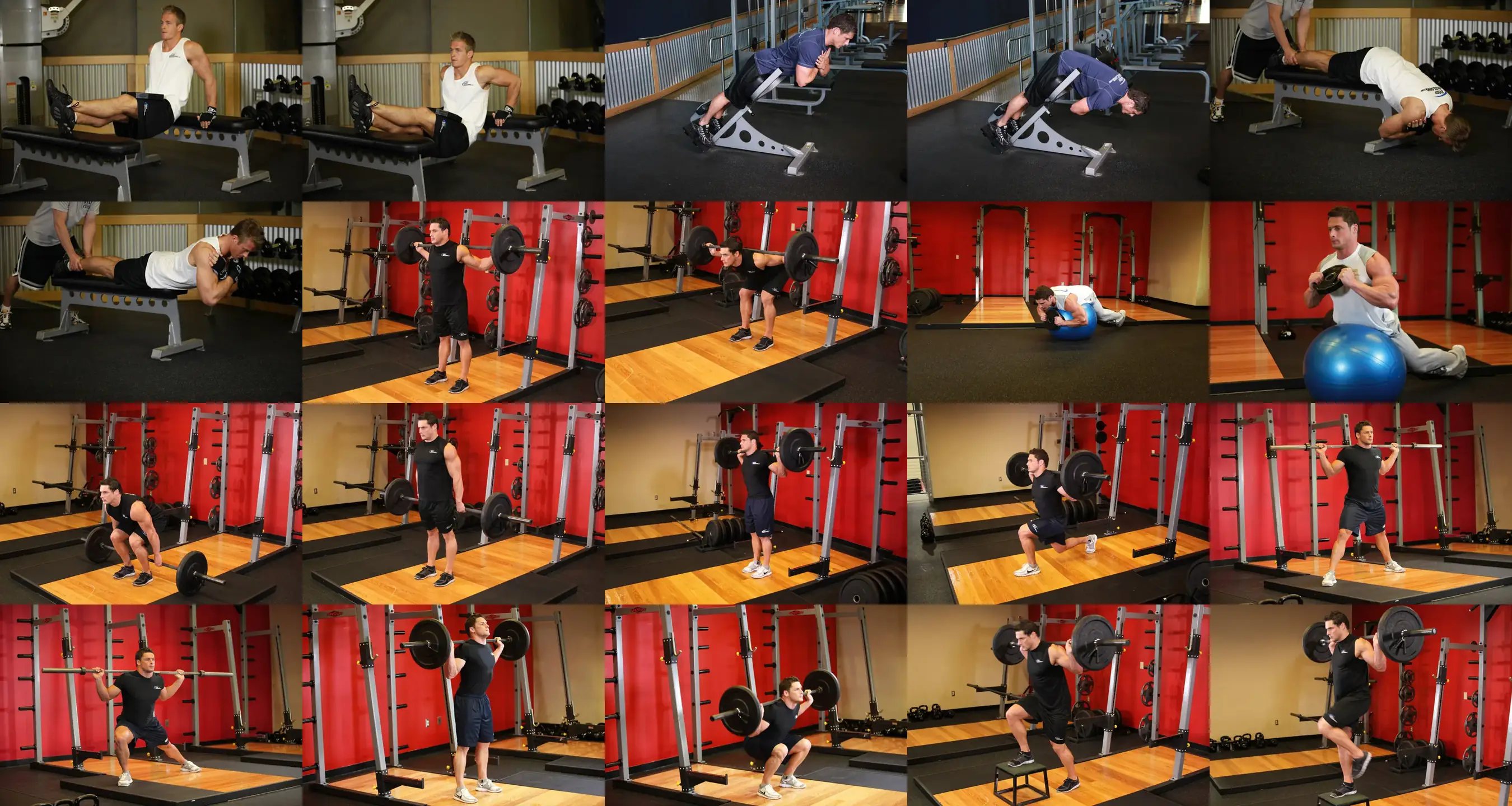
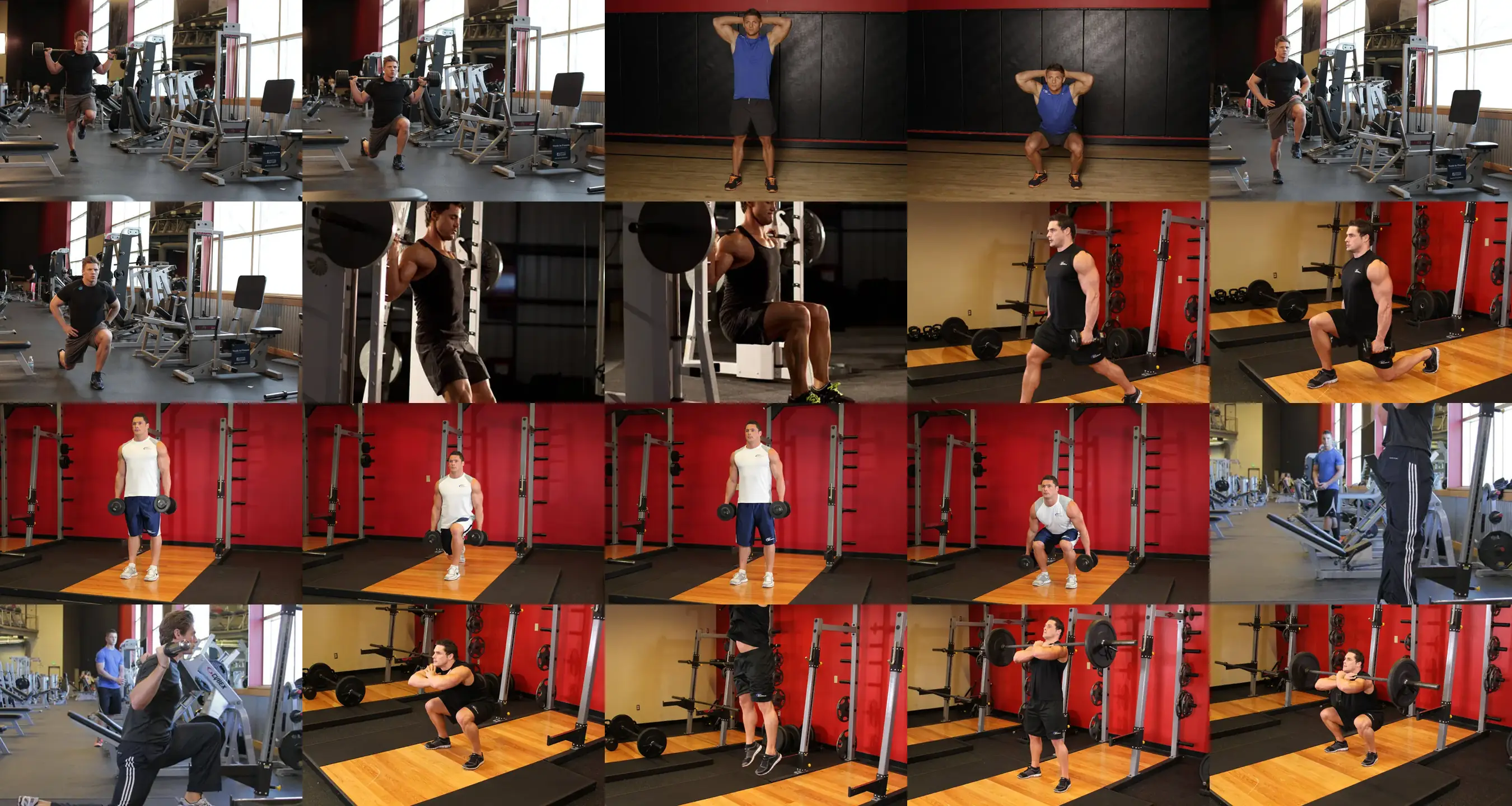
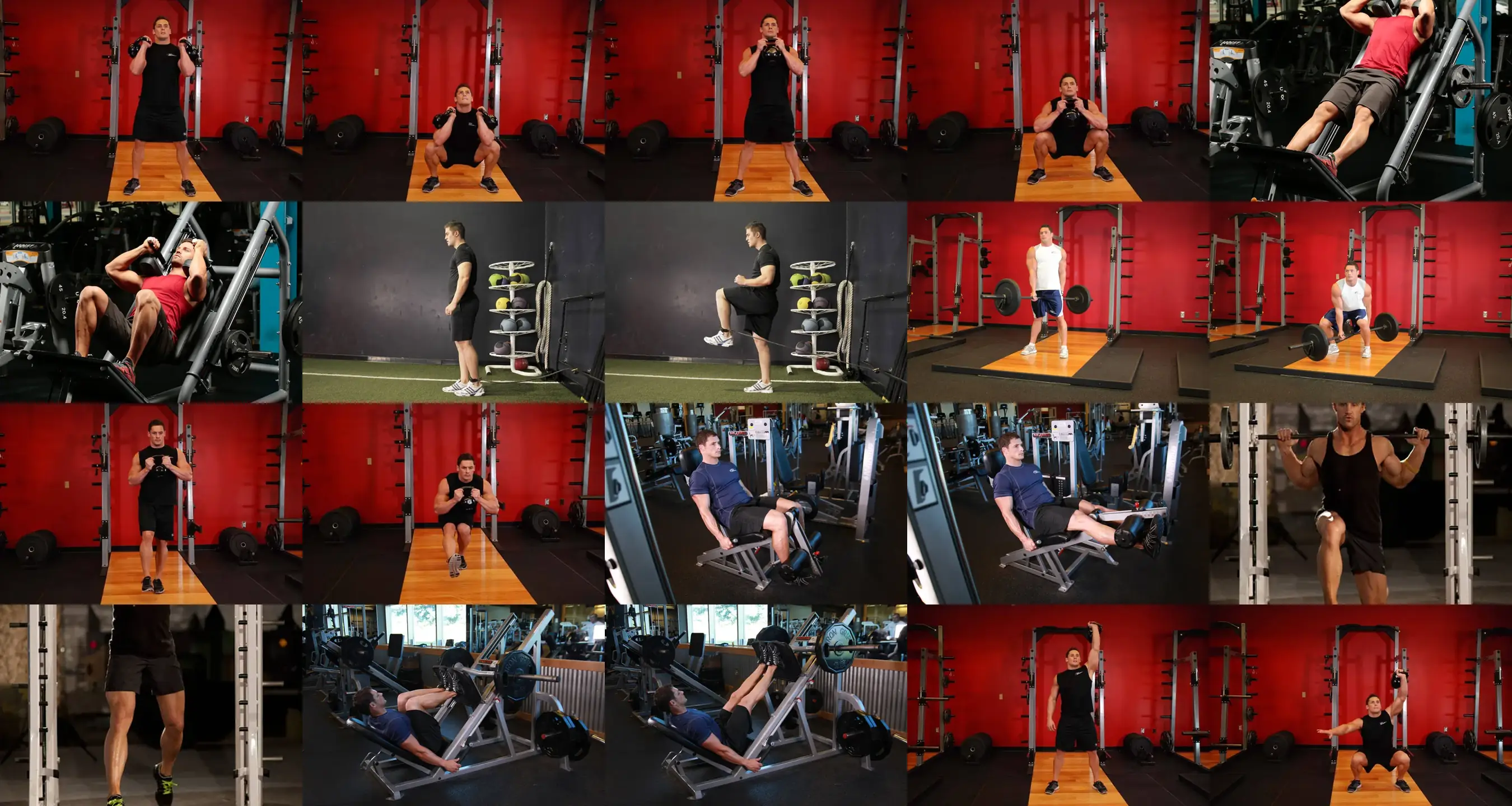
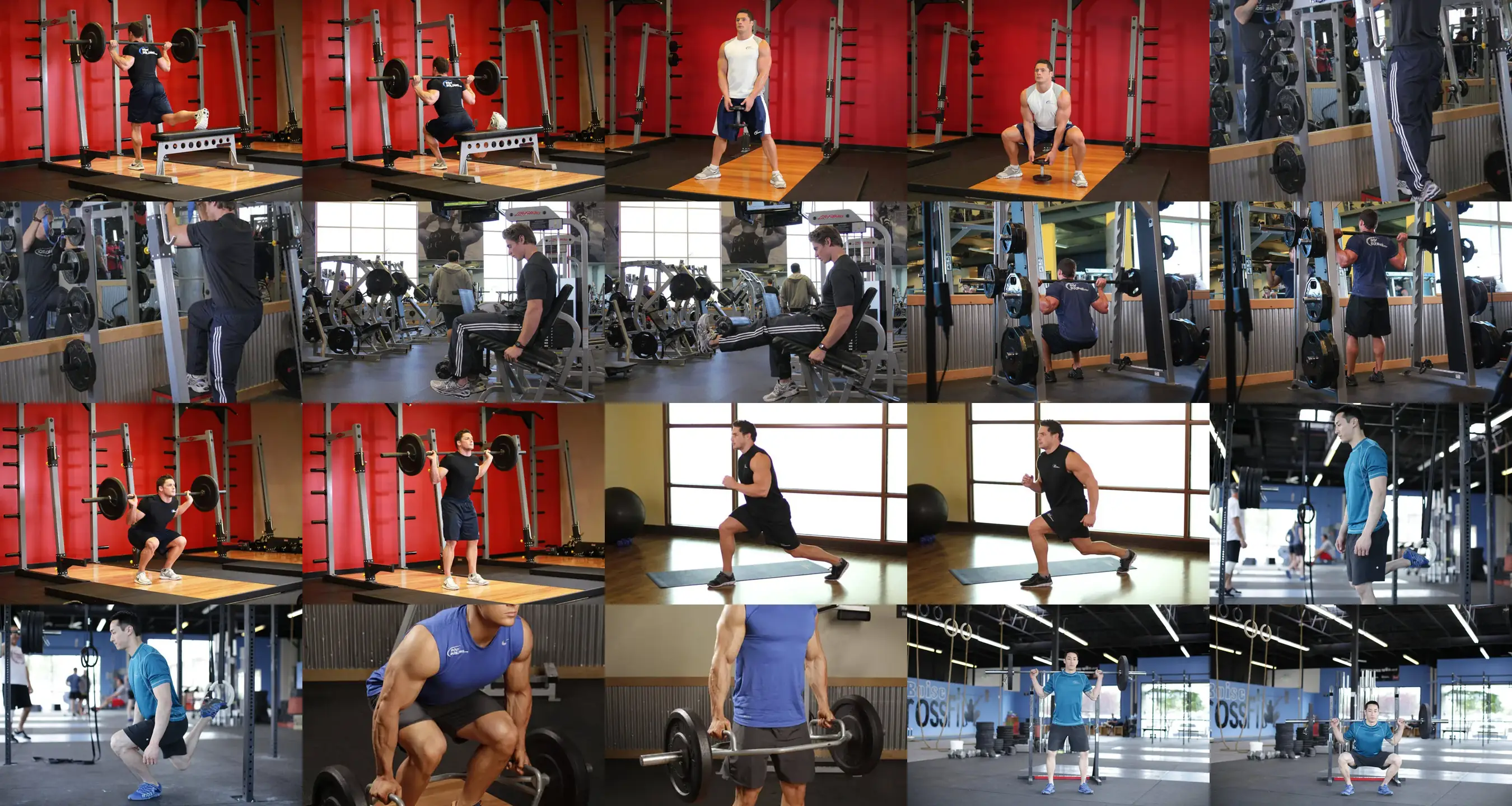
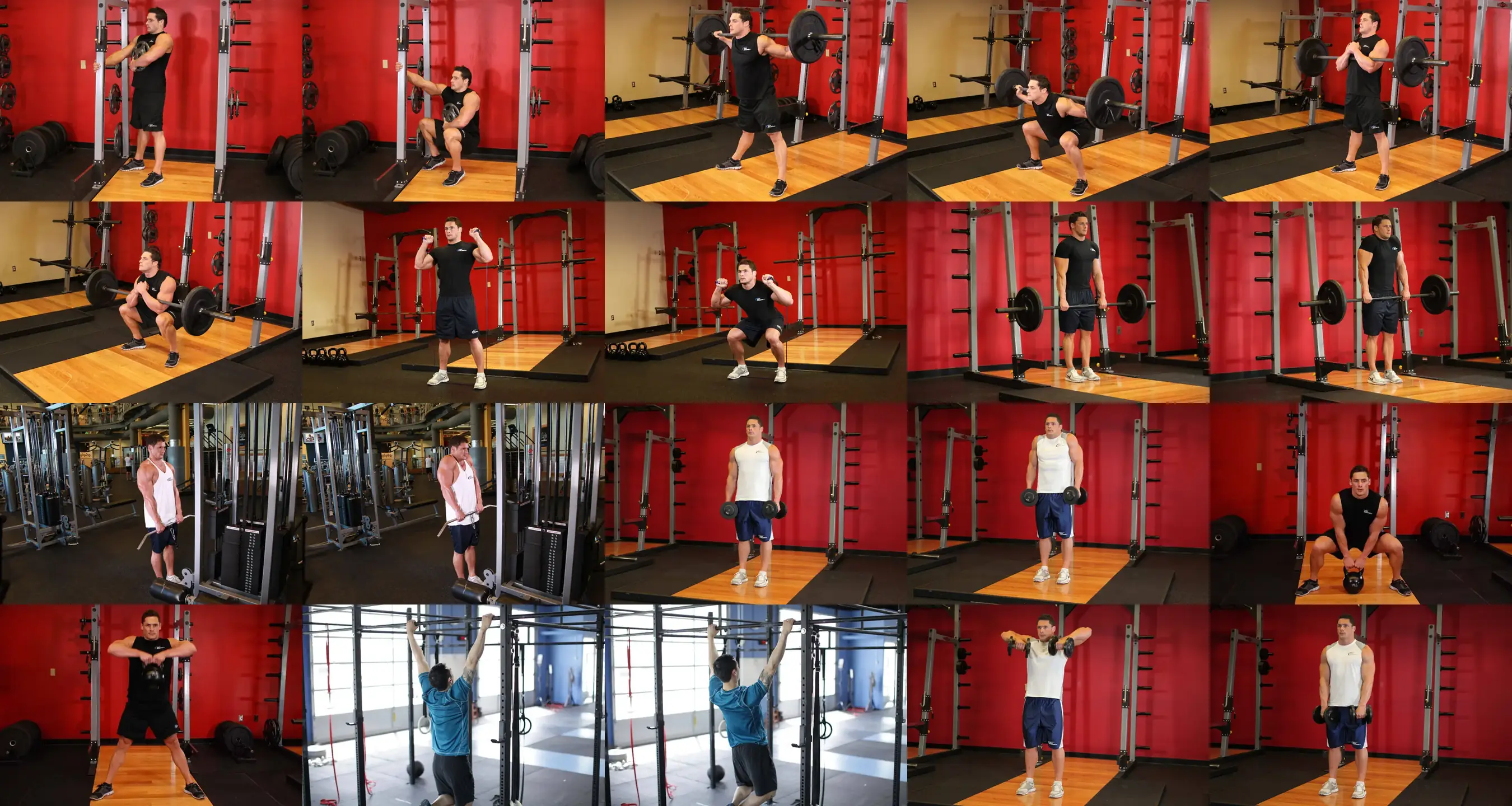
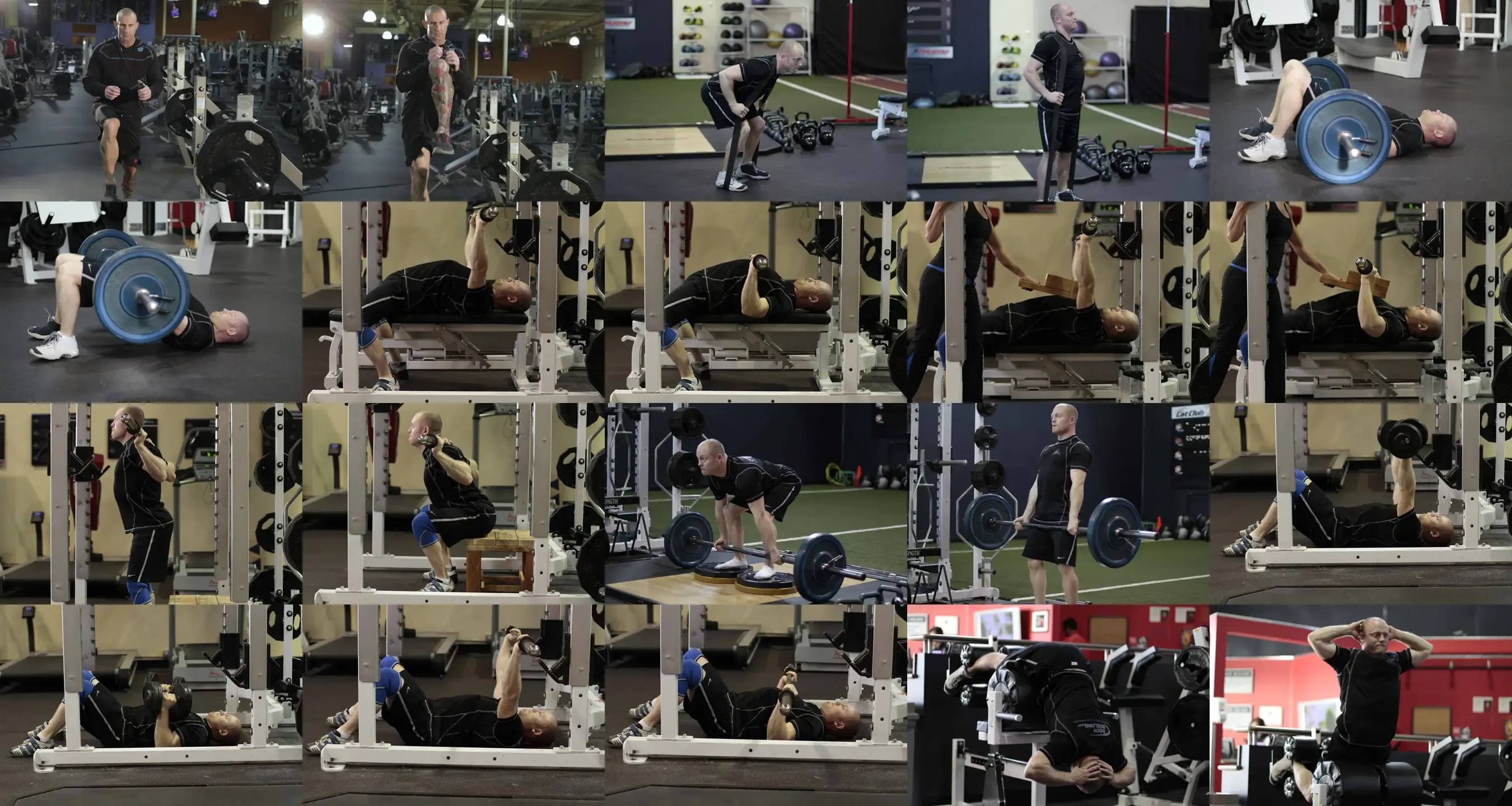
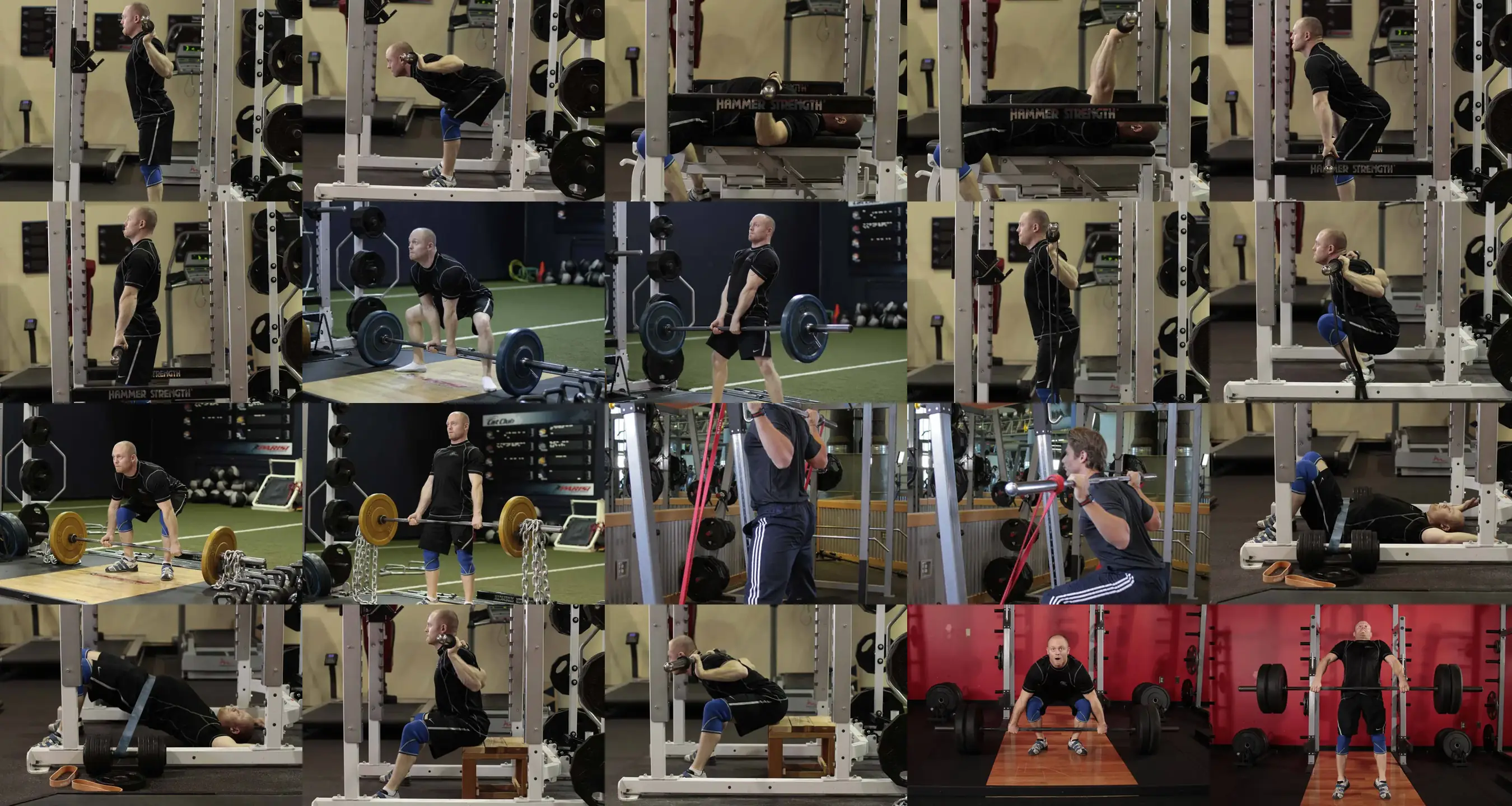
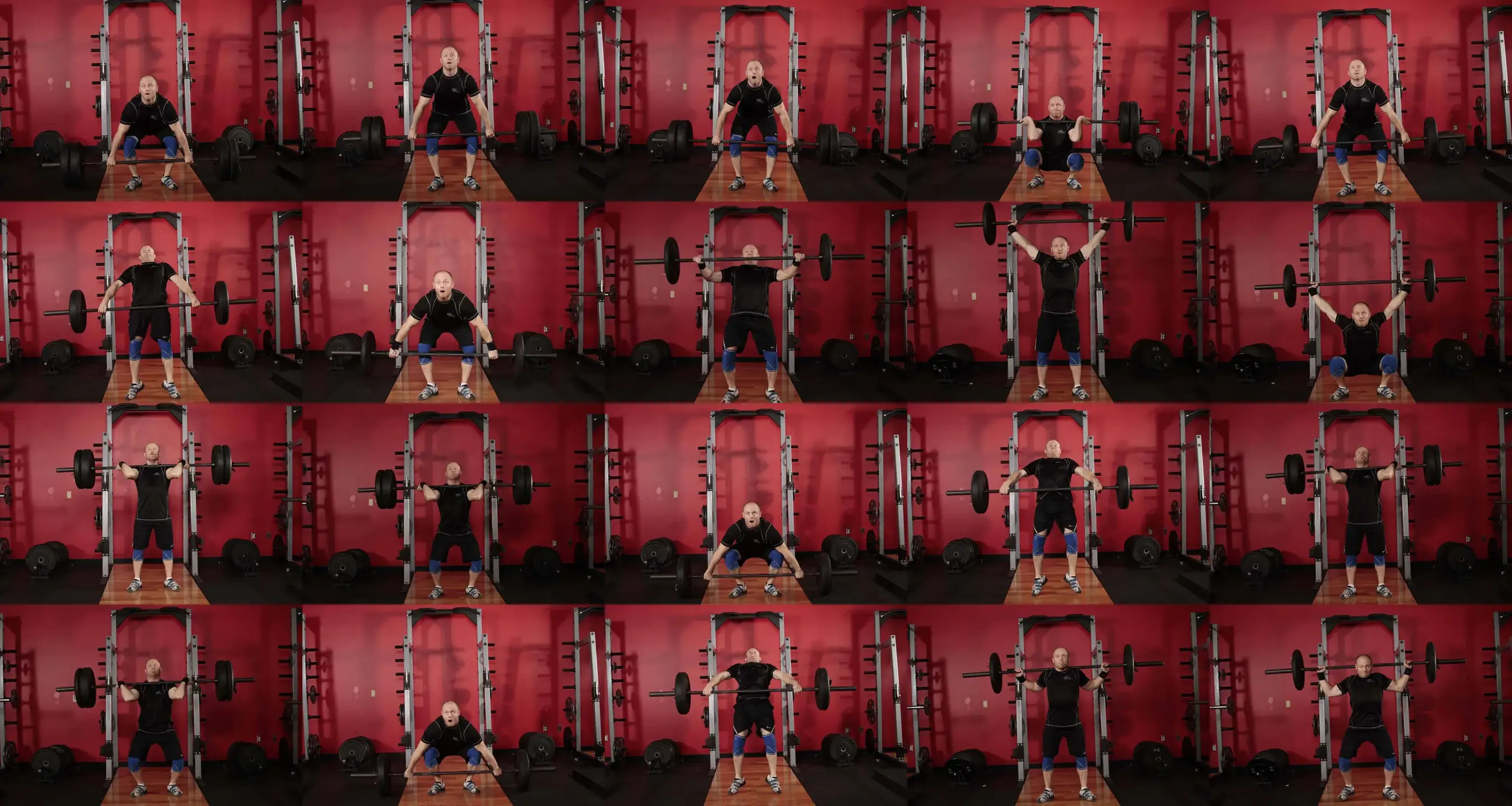
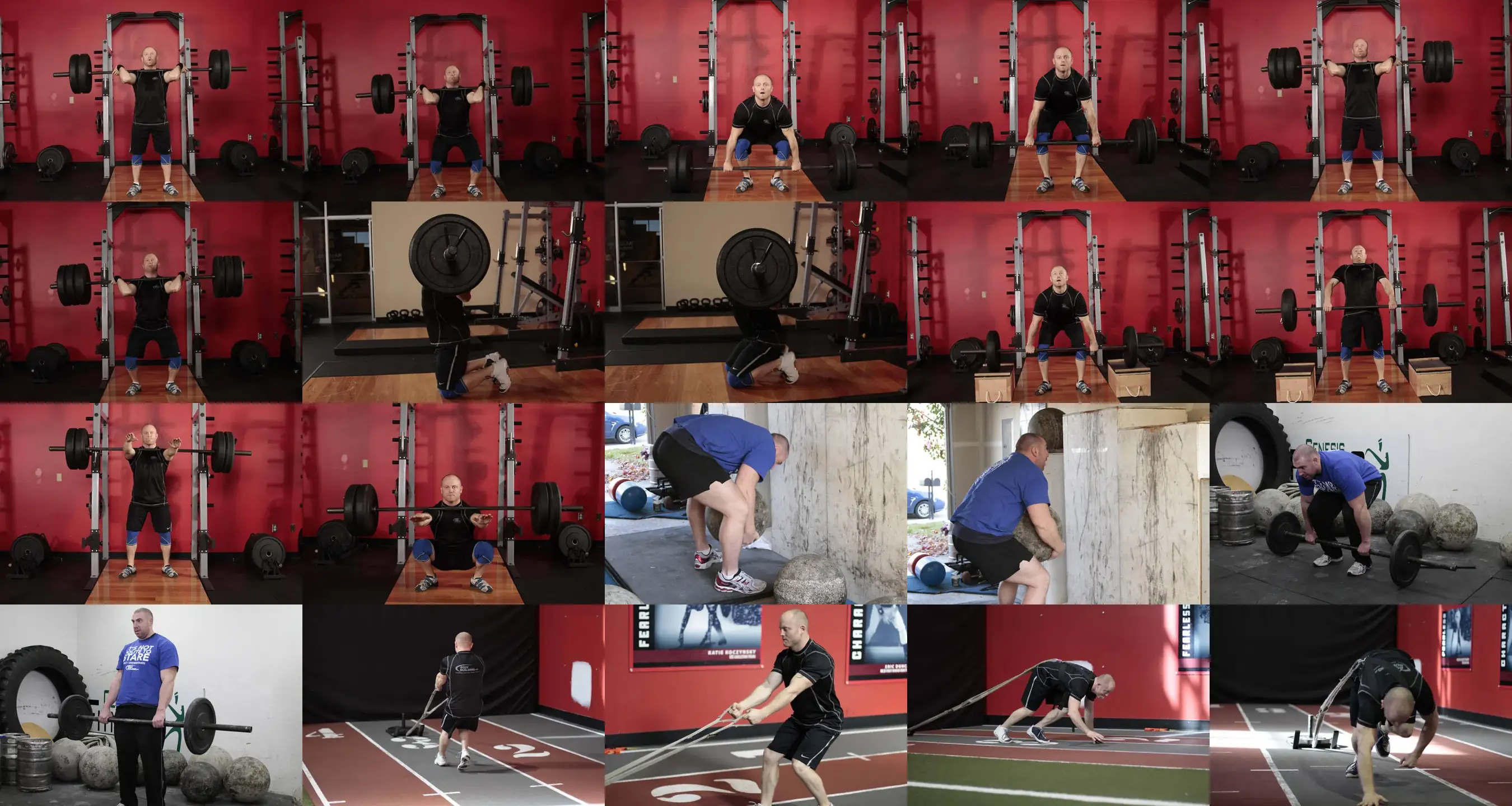
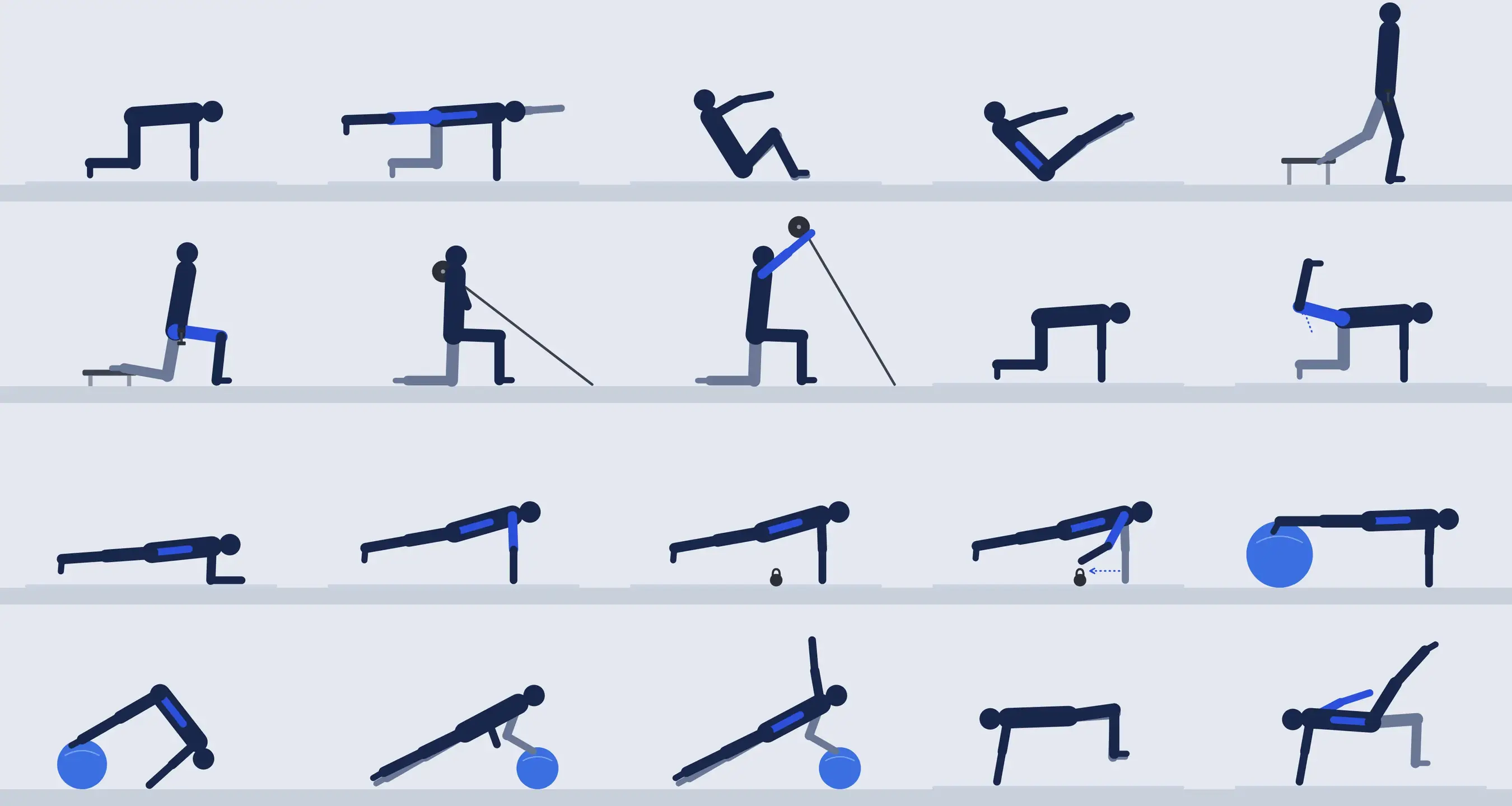
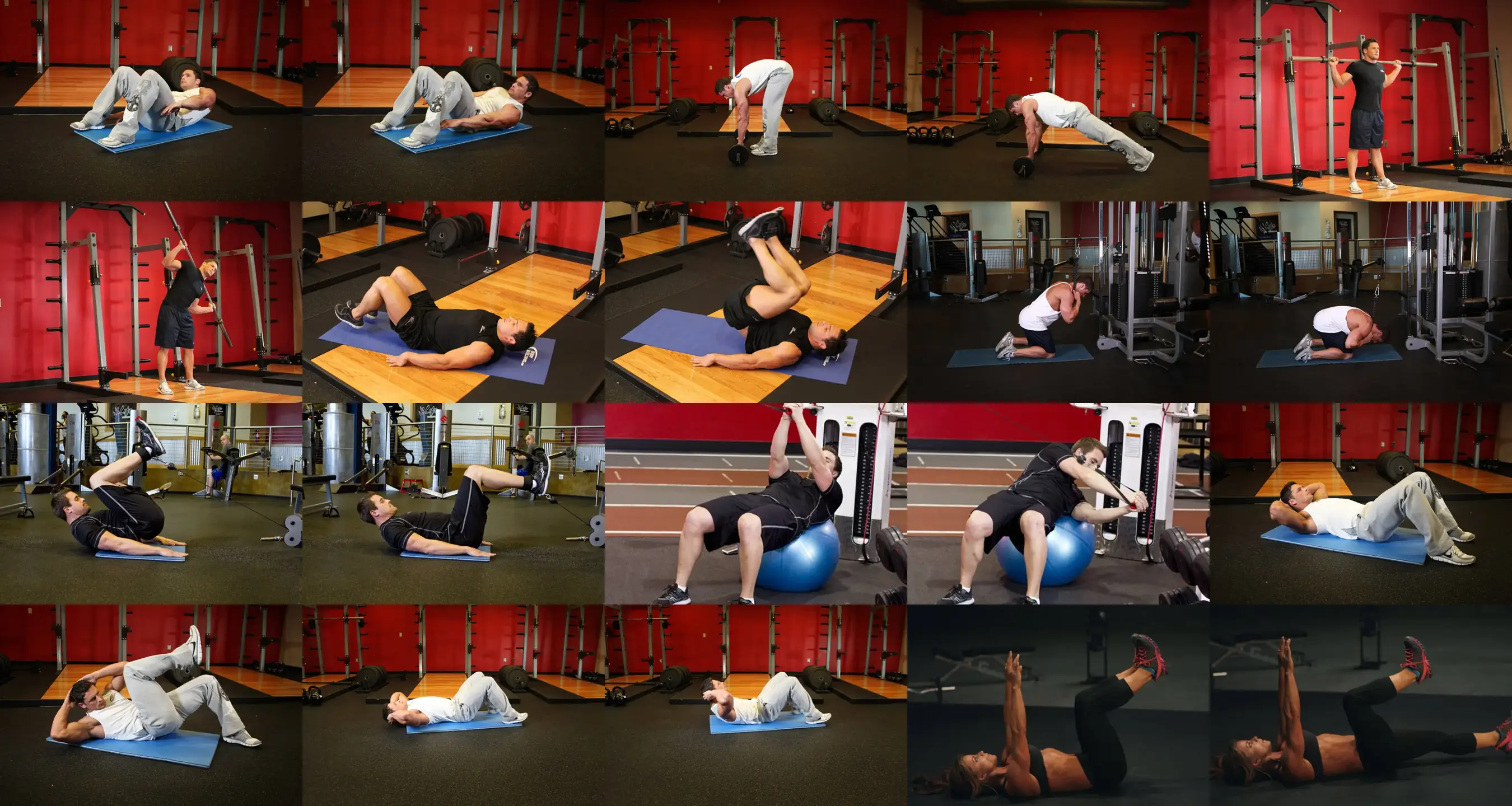
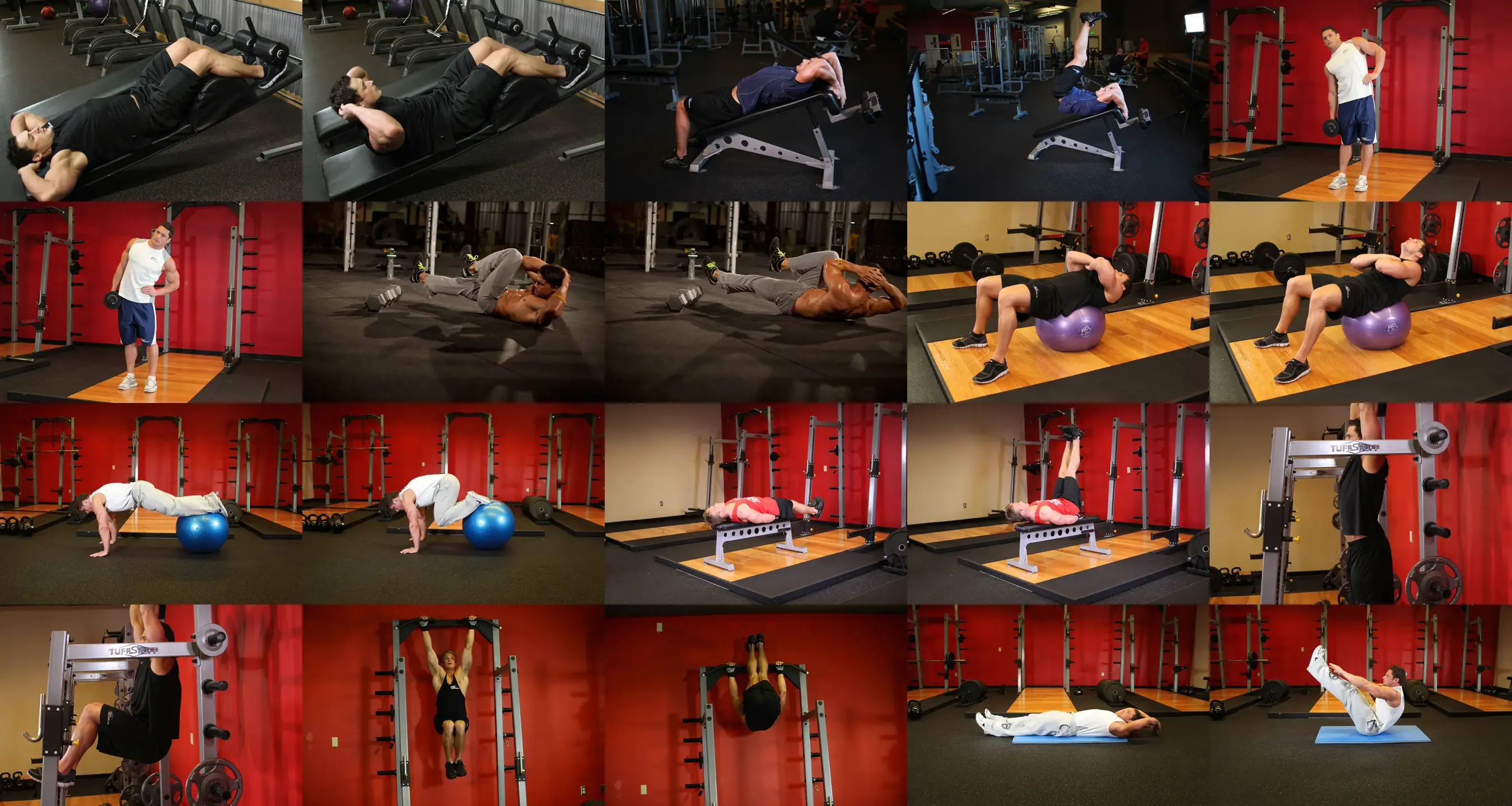
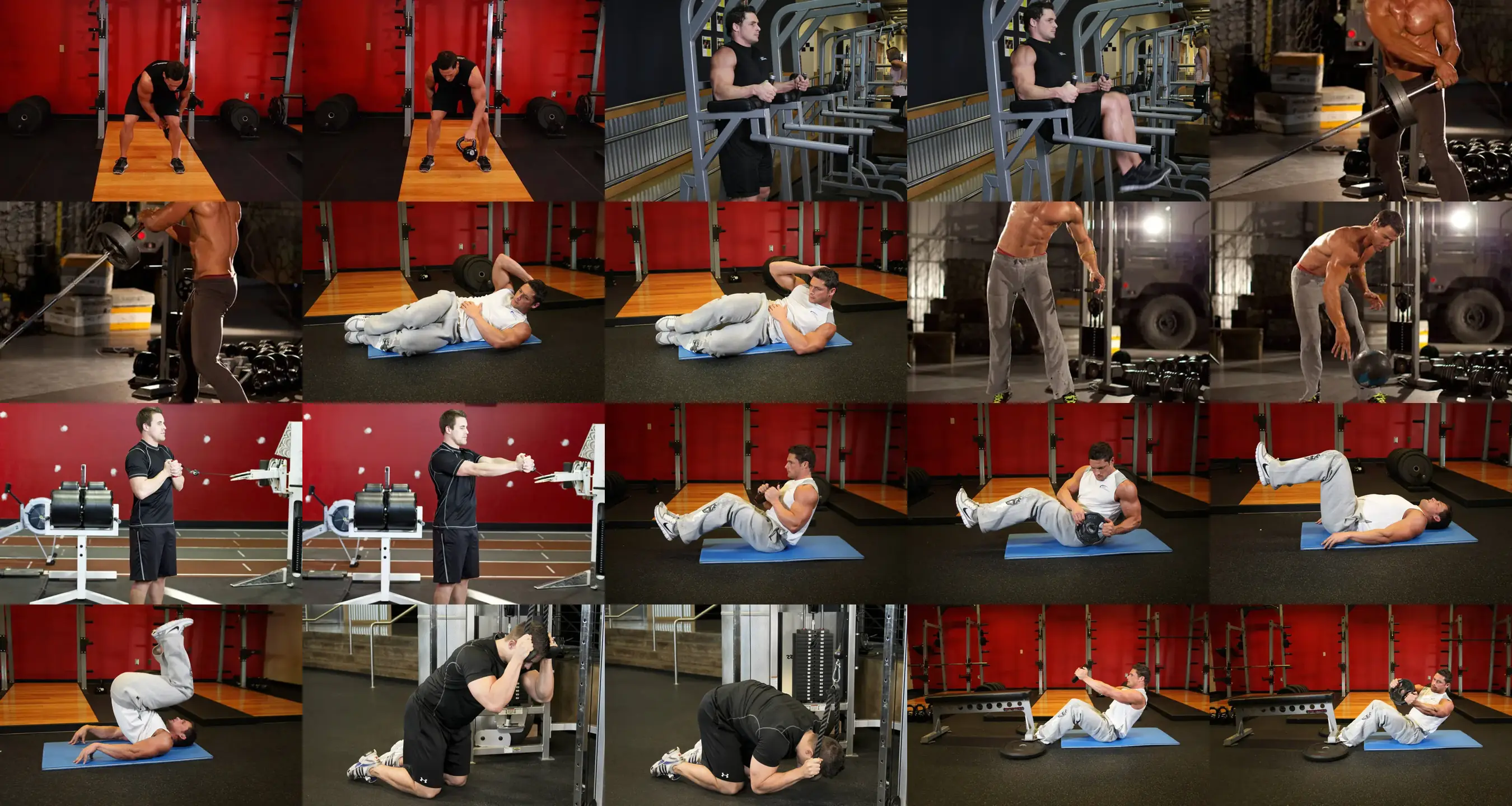
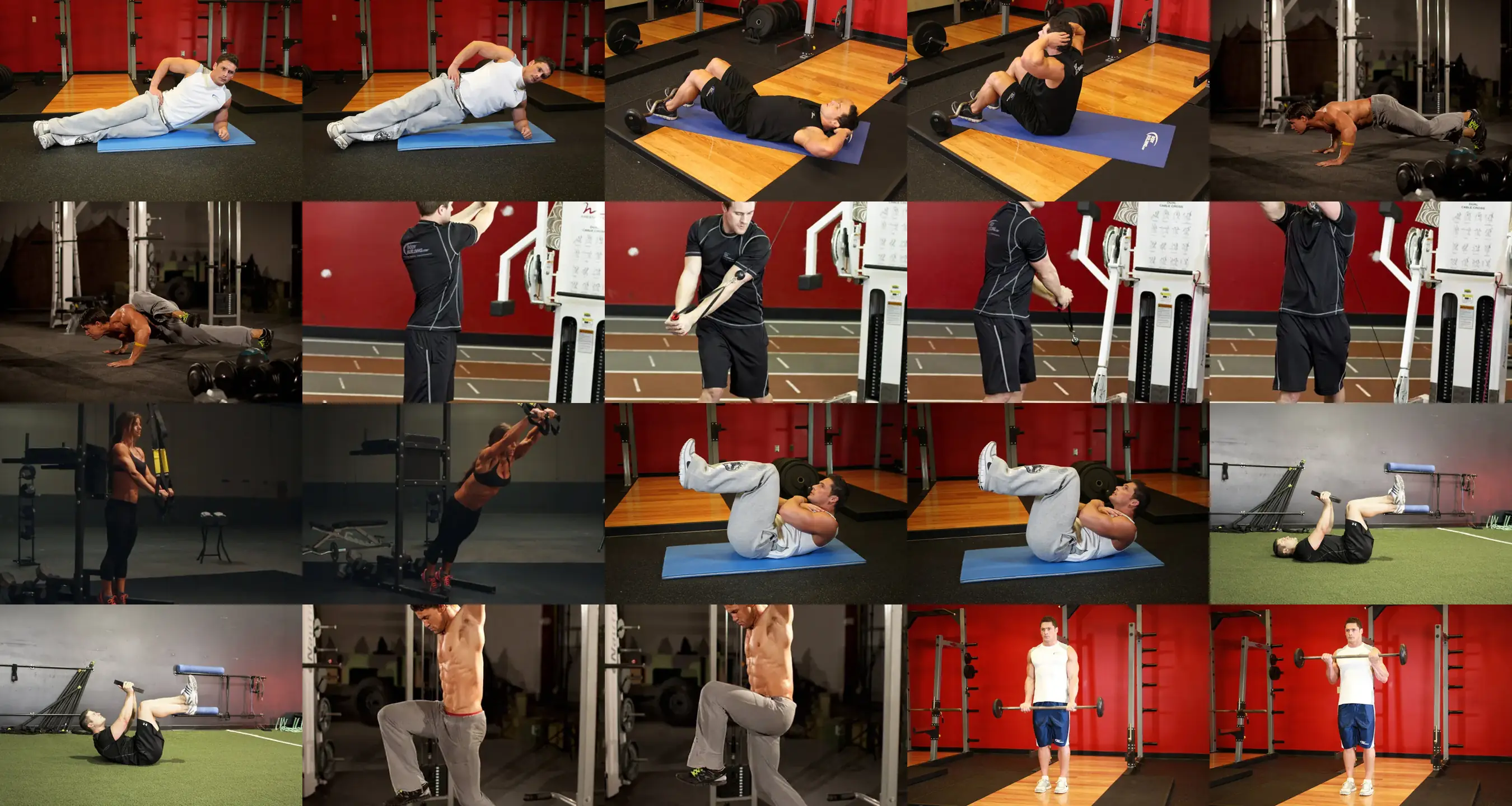
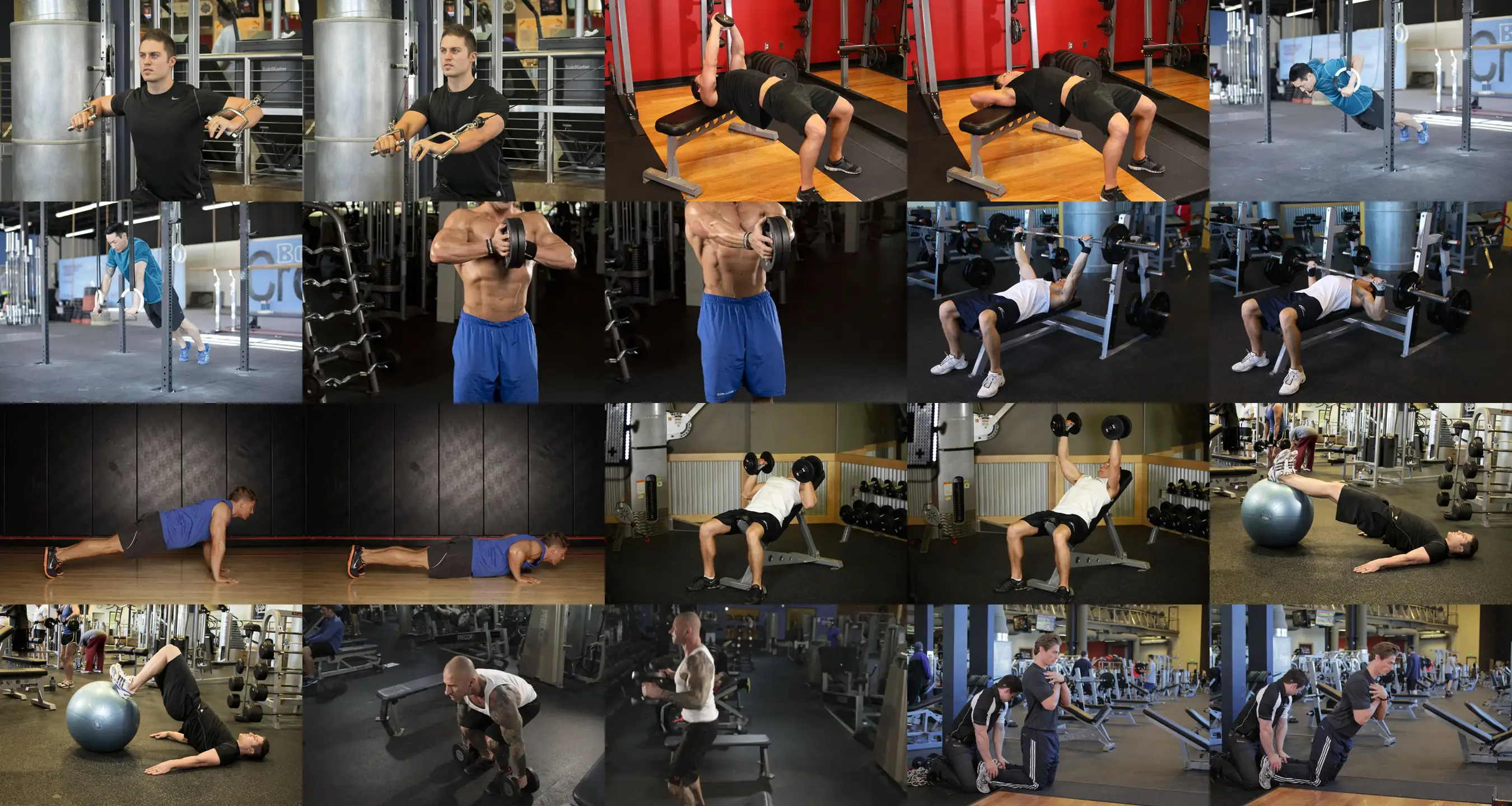
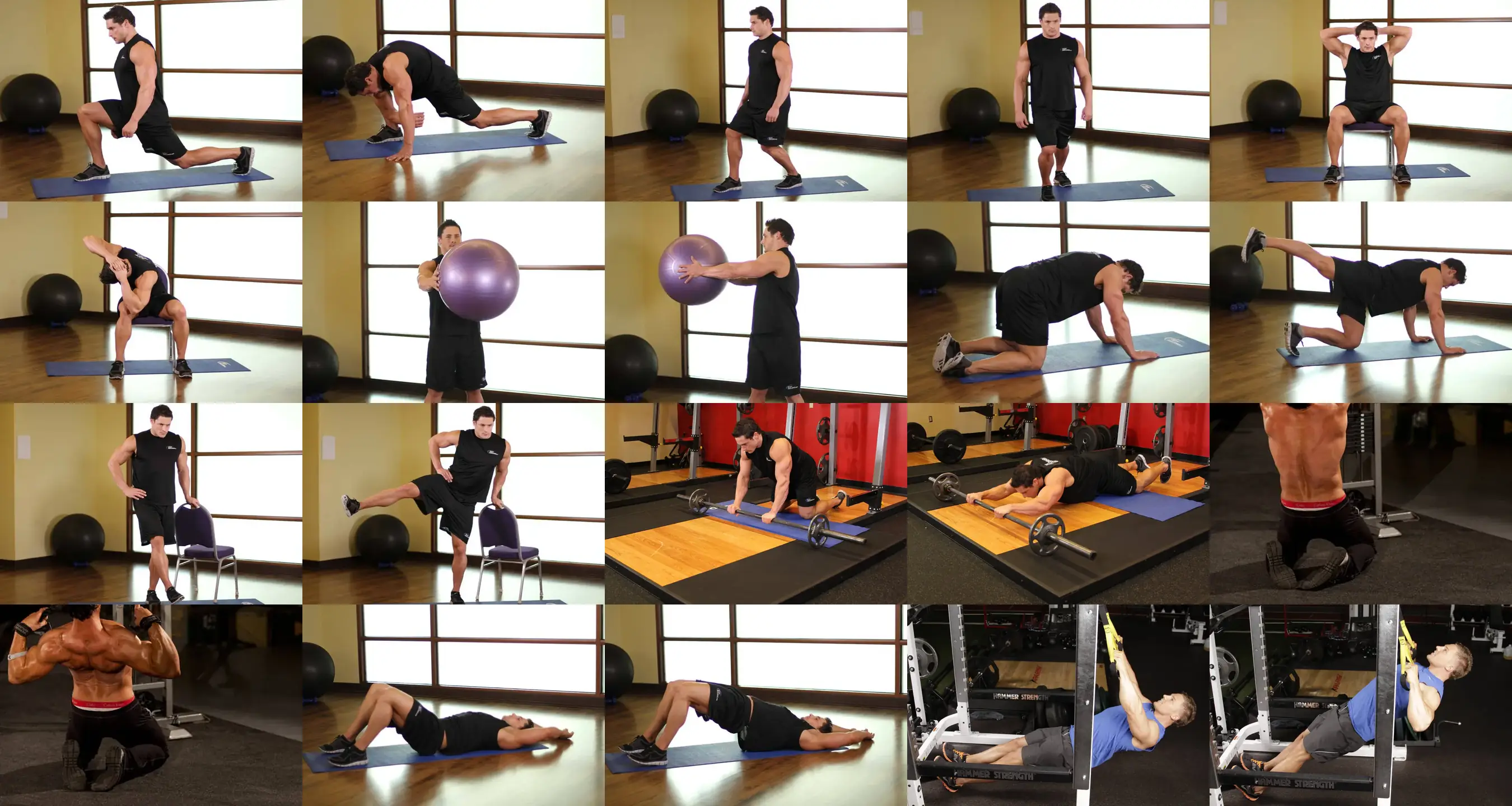
6-8-week plans with sets, reps and progression, built for your sport. Includes a downloadable PDF.
Legs that last the whole run, protected knees and better balance to enjoy an injury-free season.
Build muscle with 3 full-body sessions, progressive loading and just enough volume to recover.
Raise your squat, bench press and deadlift numbers with linear progression and a test at the end.