6 weeks · 2 sessions/wk
Strength and speed for soccer players
More acceleration, faster changes of direction and injury-proof legs, compatible with 2-3 team practices.
€19.99See program
Buy · €19.99Sport
Acceleration, changes of direction and injury-proof legs. Here are the 205 exercises that help you most, sorted by goal.
Soccer combines high intensity running, sprints, jumps, and sharp changes of direction over 90 minutes. Strength work in the gym is not about bulking up but about making you faster, more powerful, and above all more resistant to the injuries that keep players off the field.
Paid program · 6 weeks
More acceleration, faster changes of direction and injury-proof legs, compatible with 2-3 team practices.
A player covers roughly 9 to 12 kilometers per match, with dozens of short sprints and hard stops. You need acceleration and top speed, the ability to repeat intense efforts with little rest, and eccentric strength to brake and cut. Hamstrings, adductors, quads, and glutes take most of the load. The game also demands stable ankles and knees, jumping power for headers, and a strong core for physical duels.
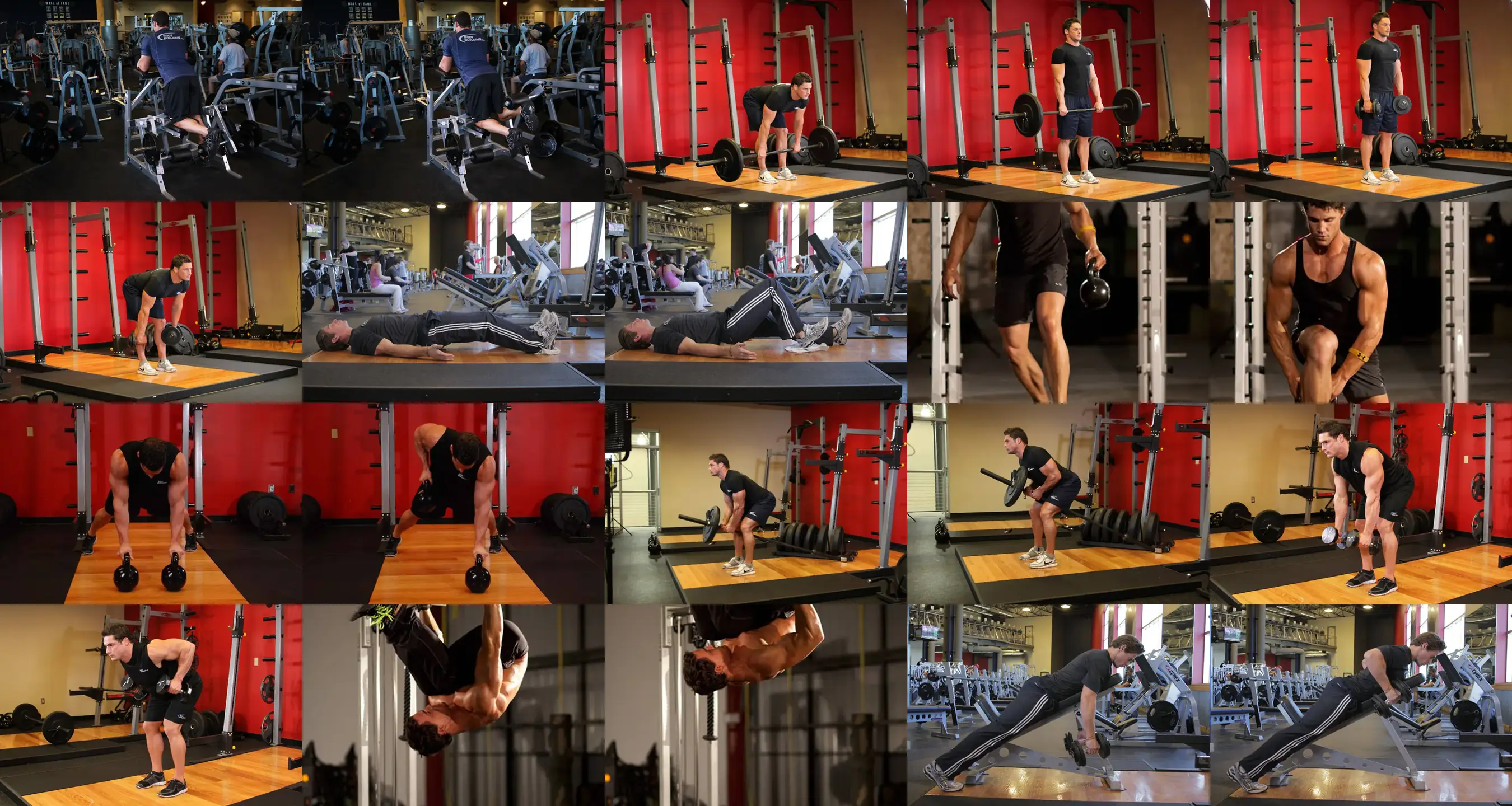
In preseason, two or three strength sessions a week build a base with squats, Romanian deadlifts, lunges, and plyometrics. In season, one or two short sessions of 30 to 45 minutes are enough to maintain, with a few heavy sets and low volume. Schedule them away from games, for example two or three days after a match and never the day before. Prioritize single leg work, power, and prevention over muscle size.
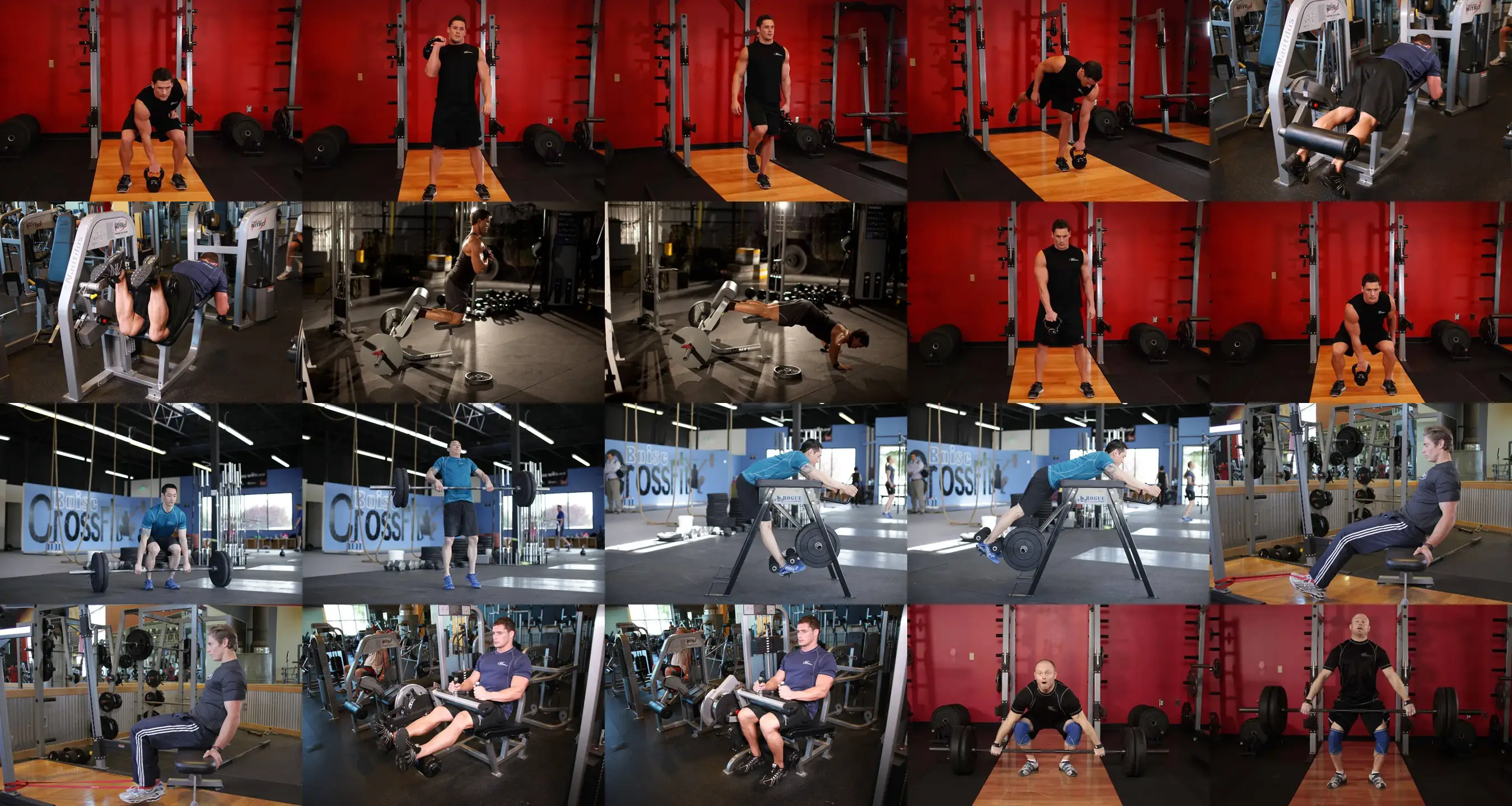
The most common injuries are hamstring strains, adductor and groin problems, ankle sprains, and knee injuries such as ACL tears. Warm up programs like FIFA 11+ have been shown to reduce injuries significantly. Include Nordic curls, Copenhagen planks, single leg balance work, and landing technique drills. Watch for load spikes when returning from a break or injury and build minutes back gradually.
Yes. Strength training improves sprinting, jumping, and cutting, and lowers injury risk. A well designed program will not make you slower or bulky; it does the opposite and makes you more robust.
One or two days a week is usually enough to maintain strength. Keep sessions short and intense with low volume, and schedule them well away from game day so you do not show up tired.
Nordic curls for the hamstrings, Copenhagen planks for the adductors, balance work for the ankles, and jump training with good landing mechanics for the knees. All of these have solid research behind them.
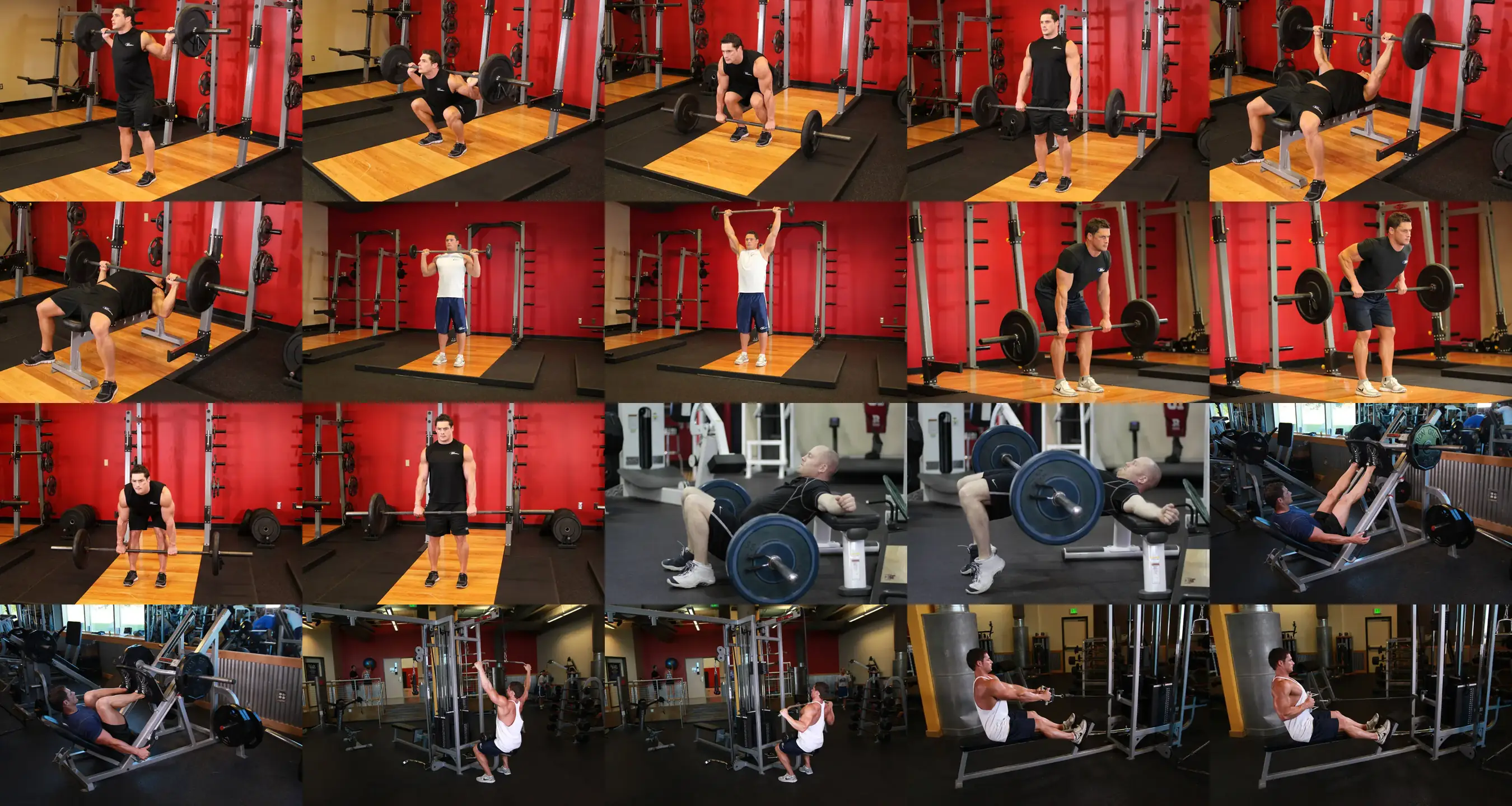
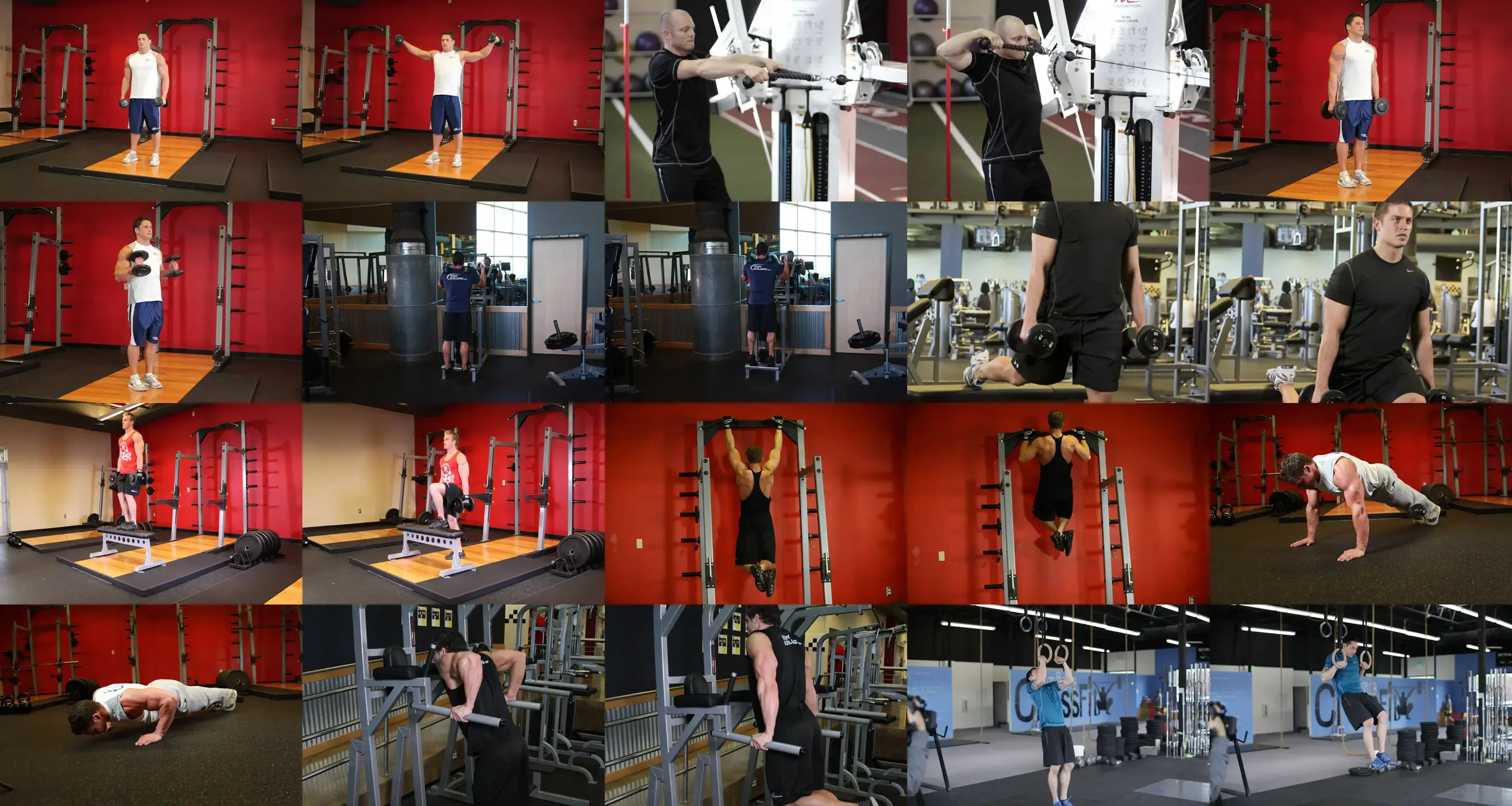
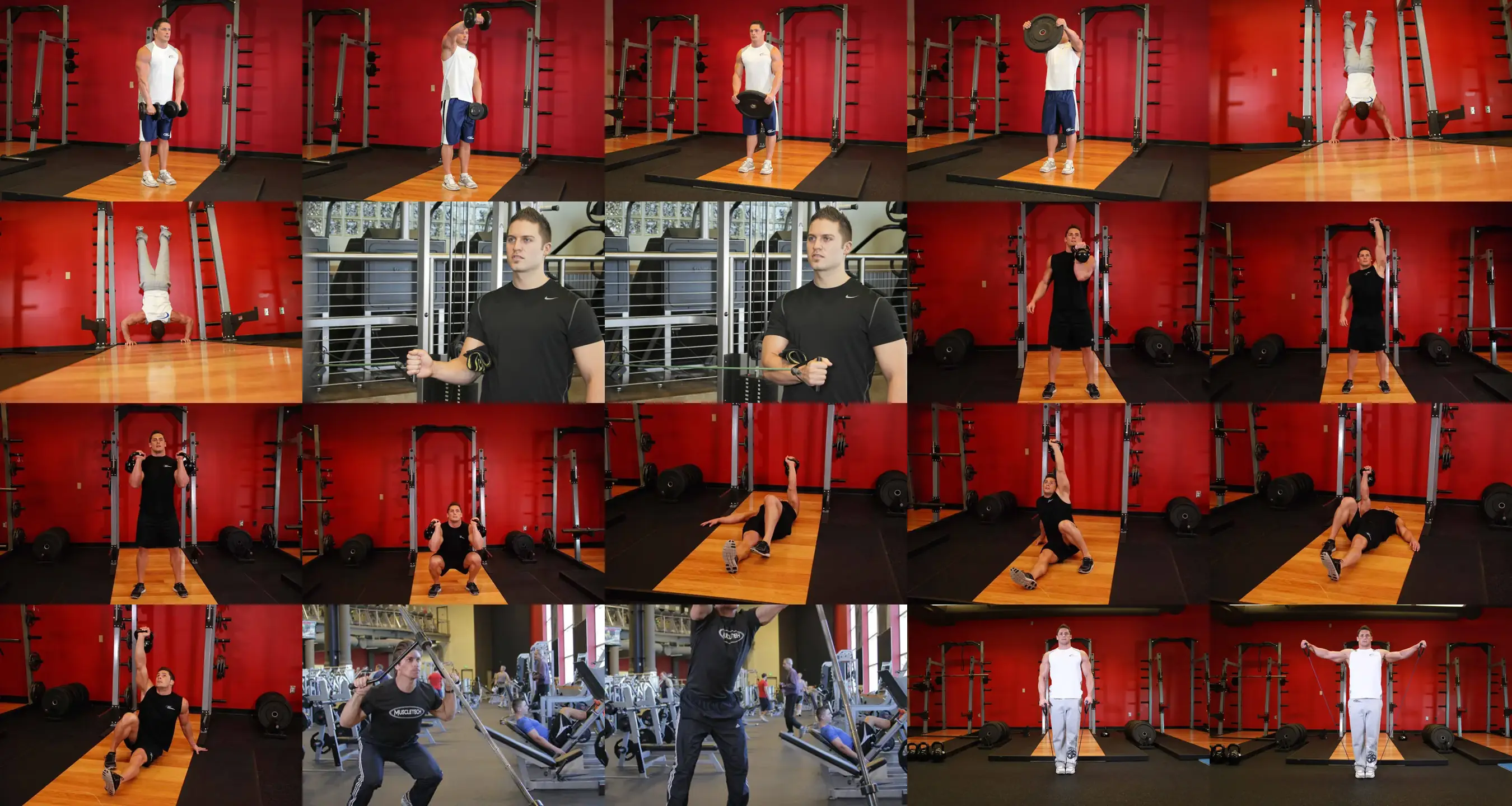
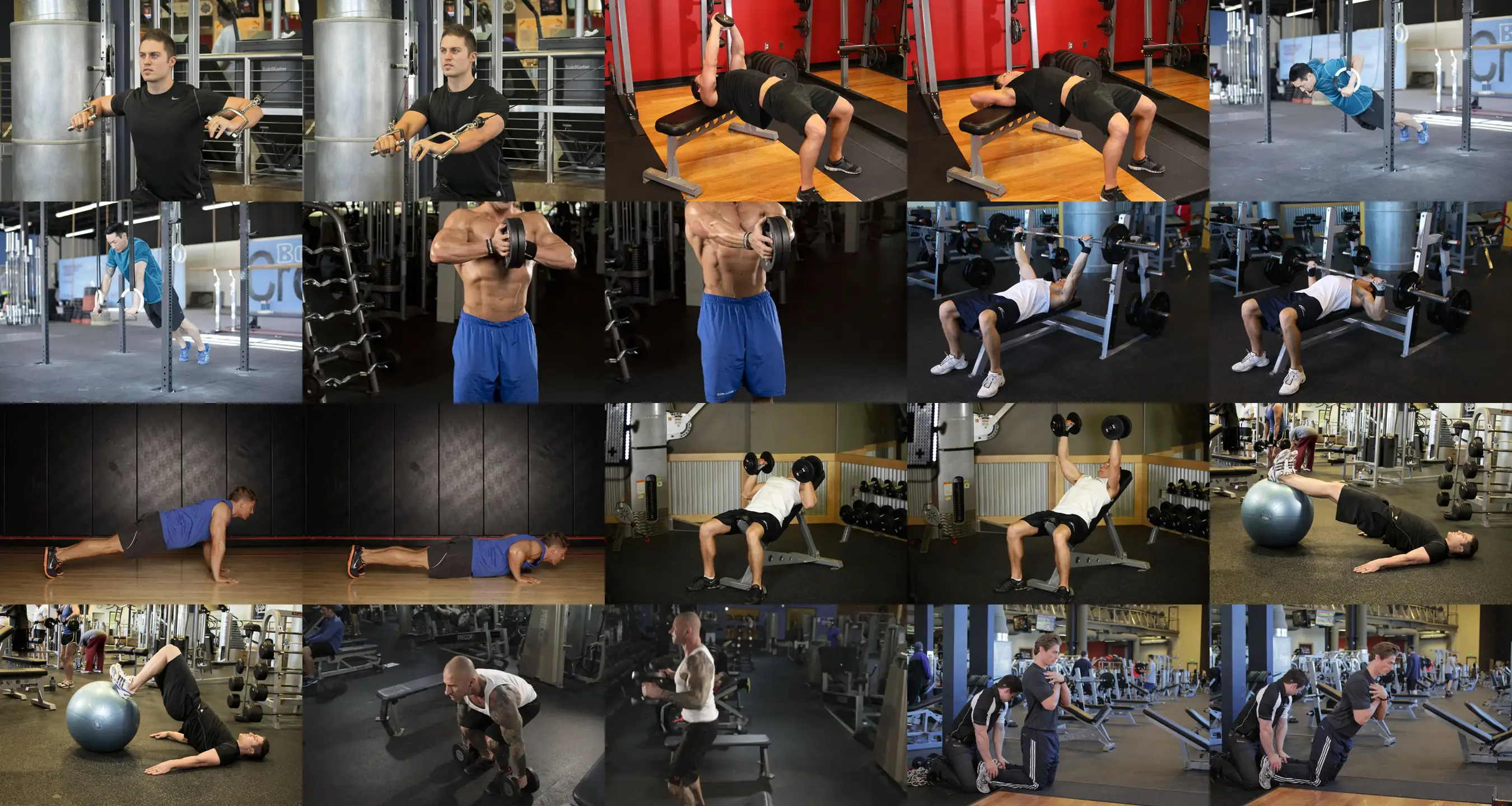
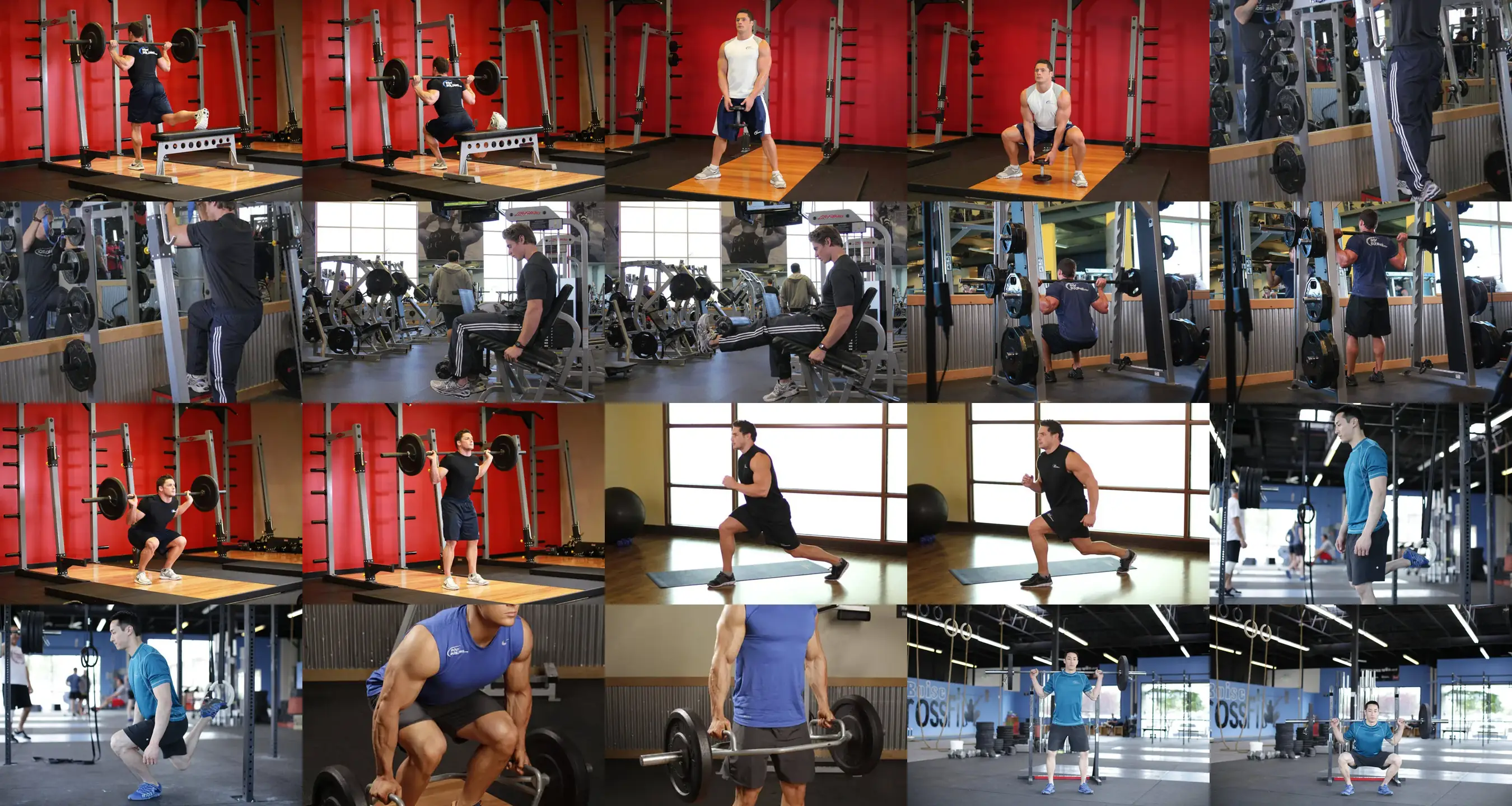
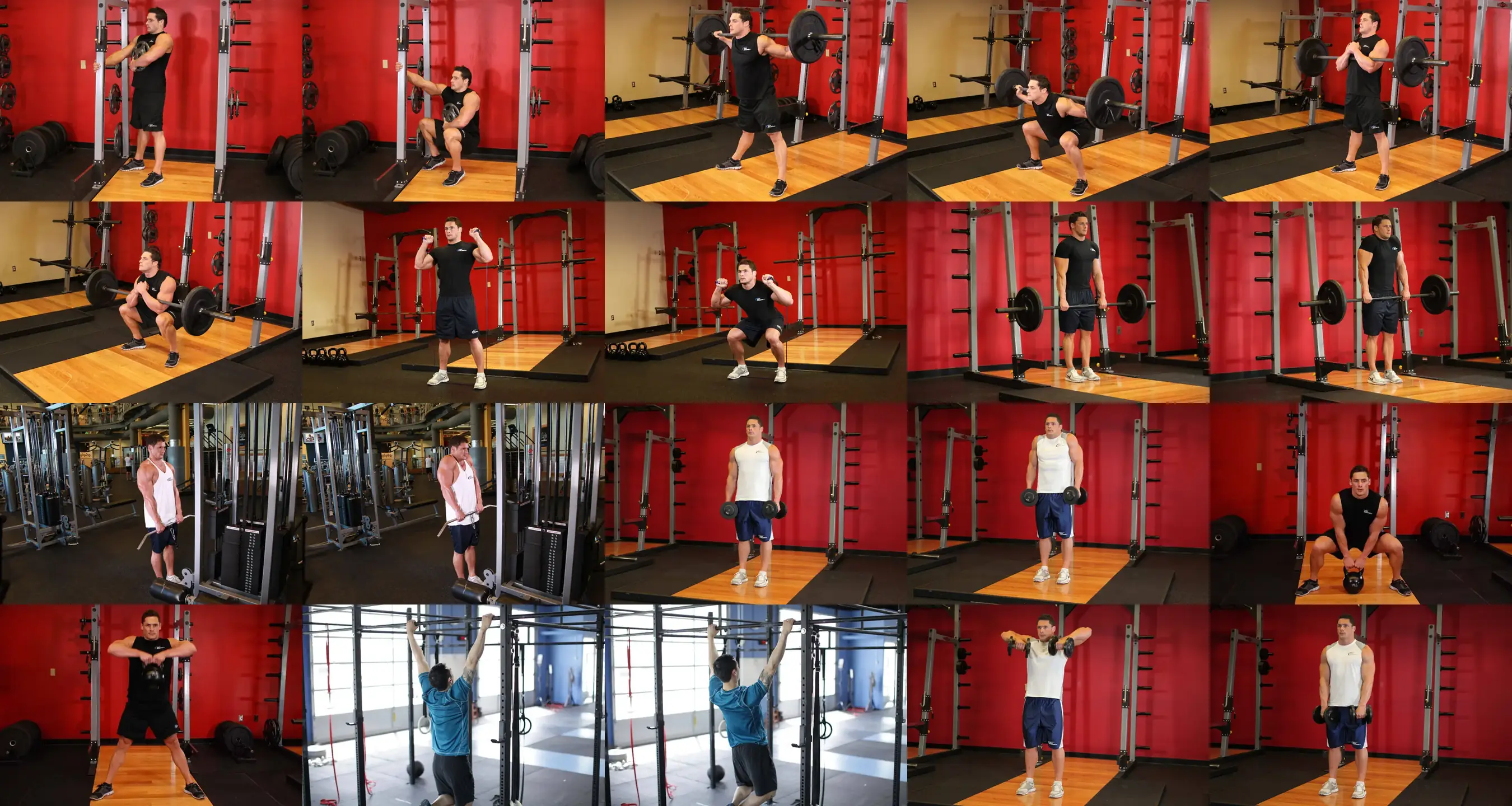
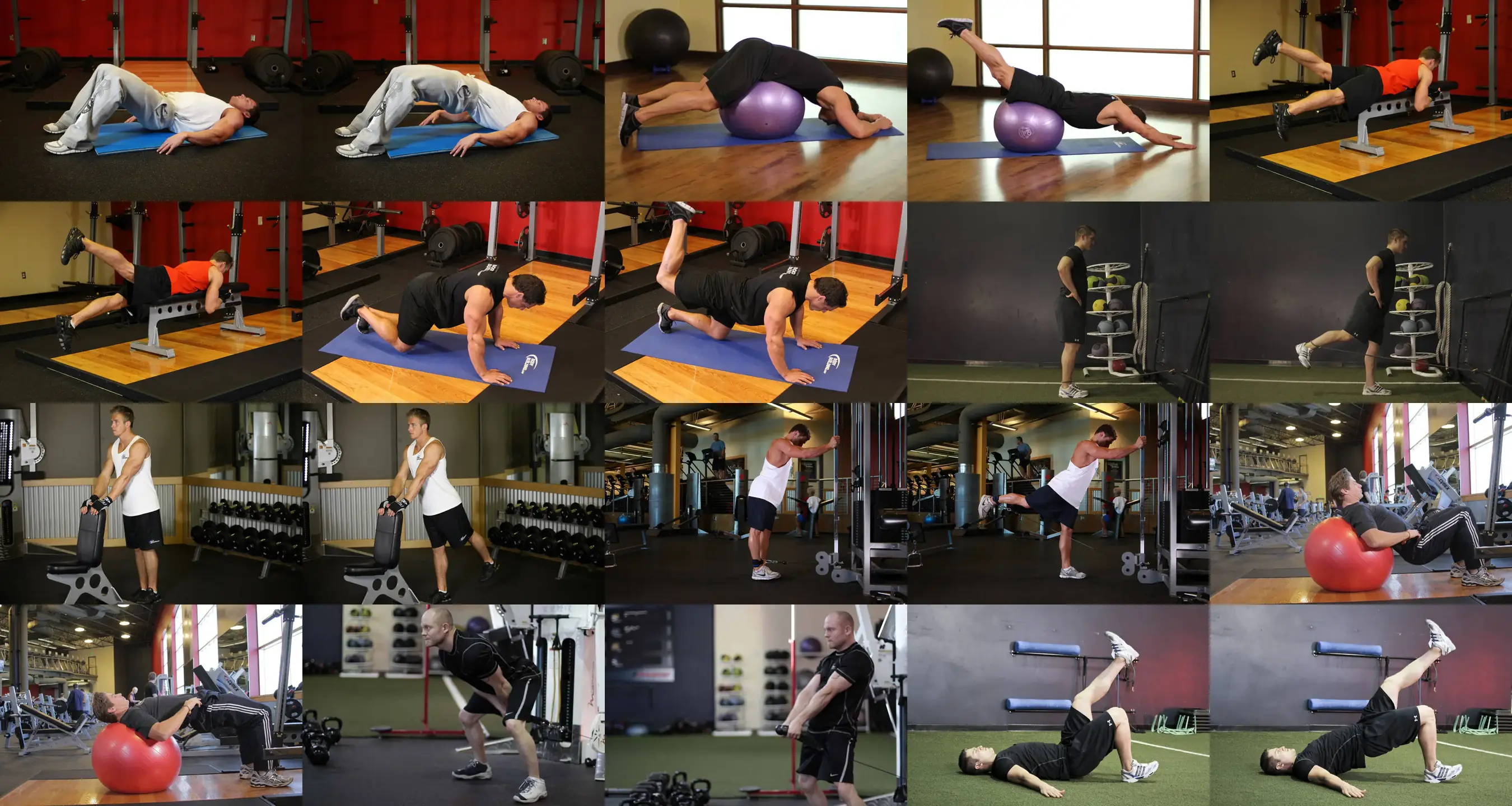
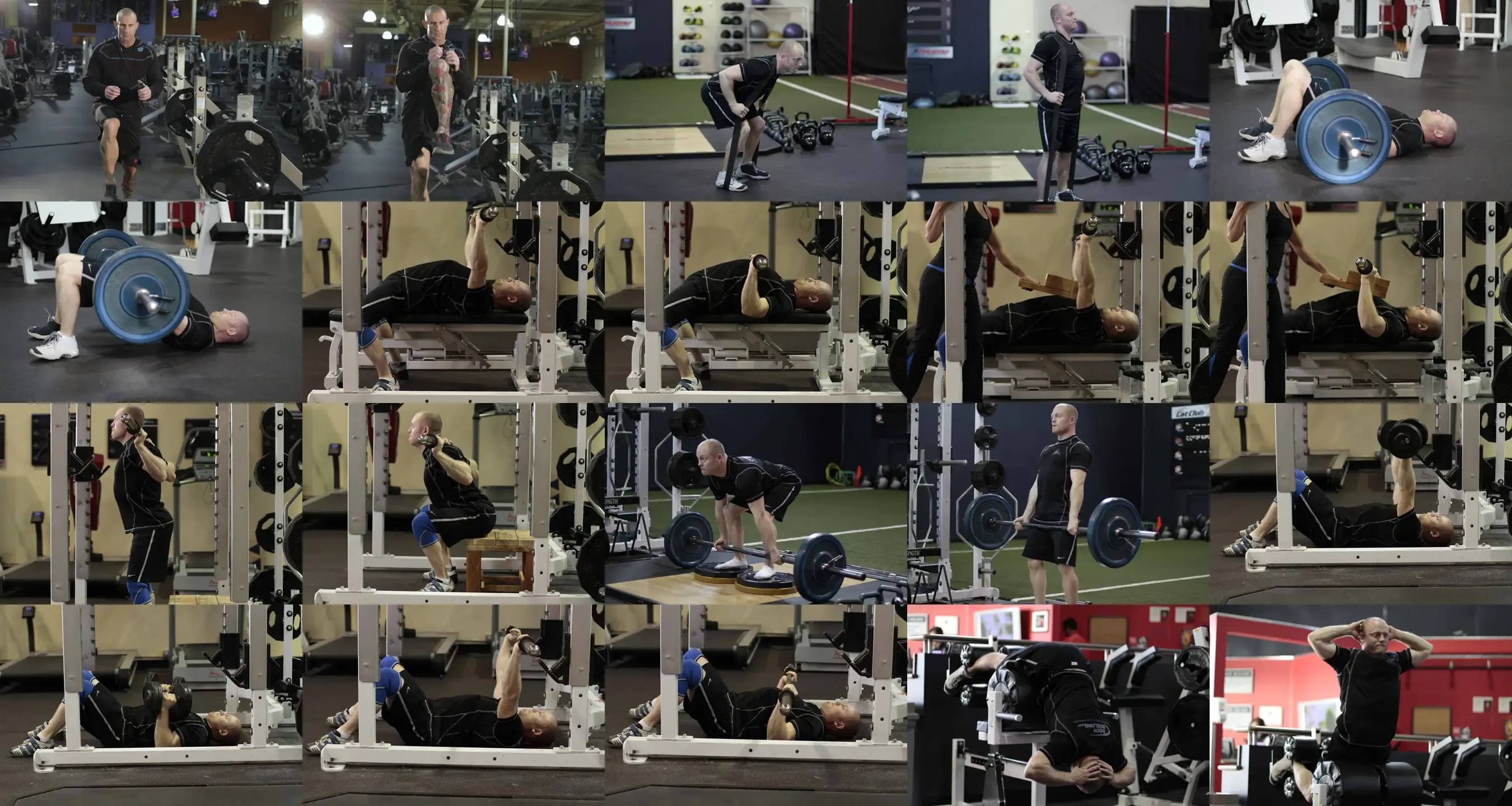
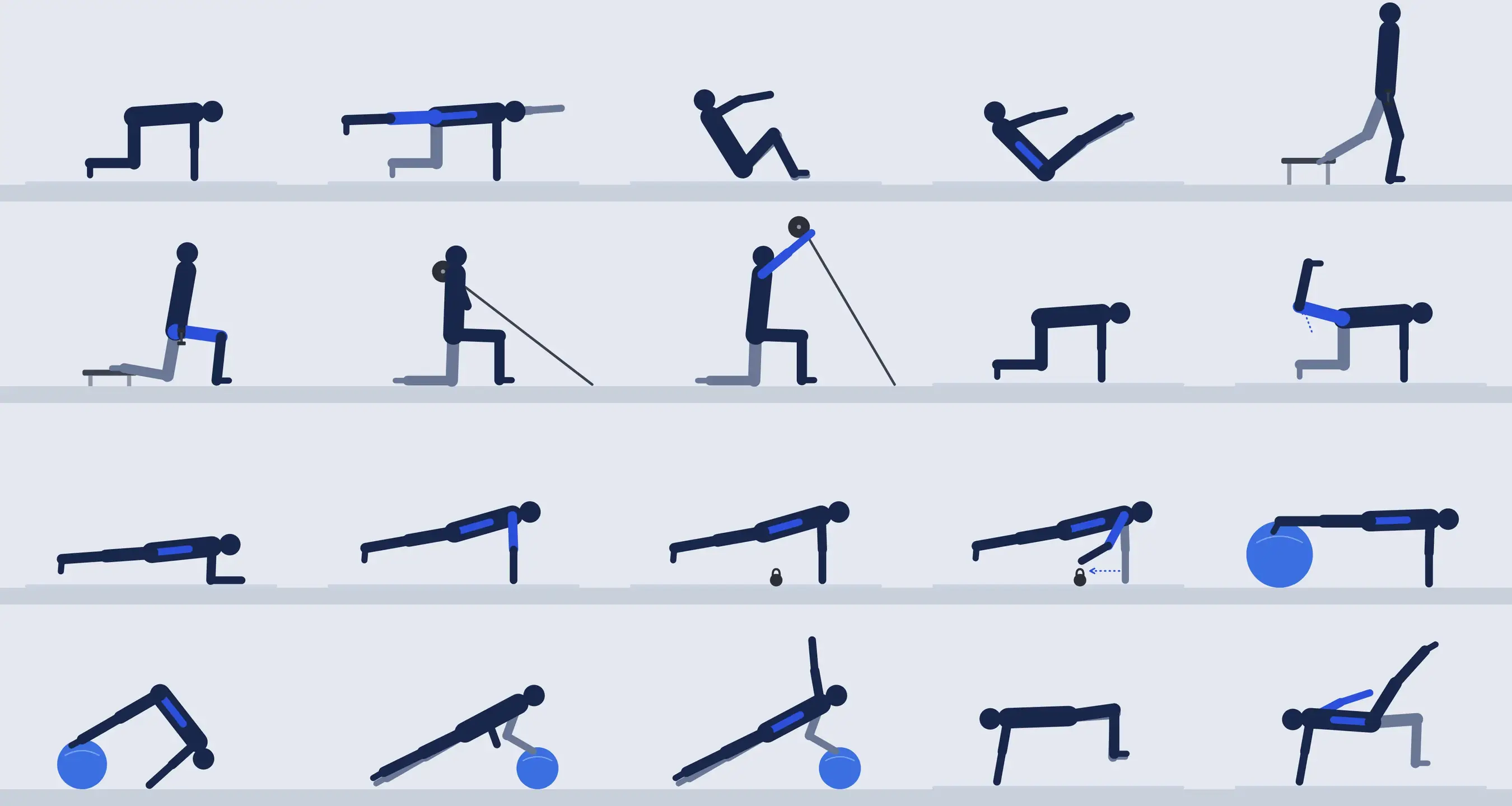
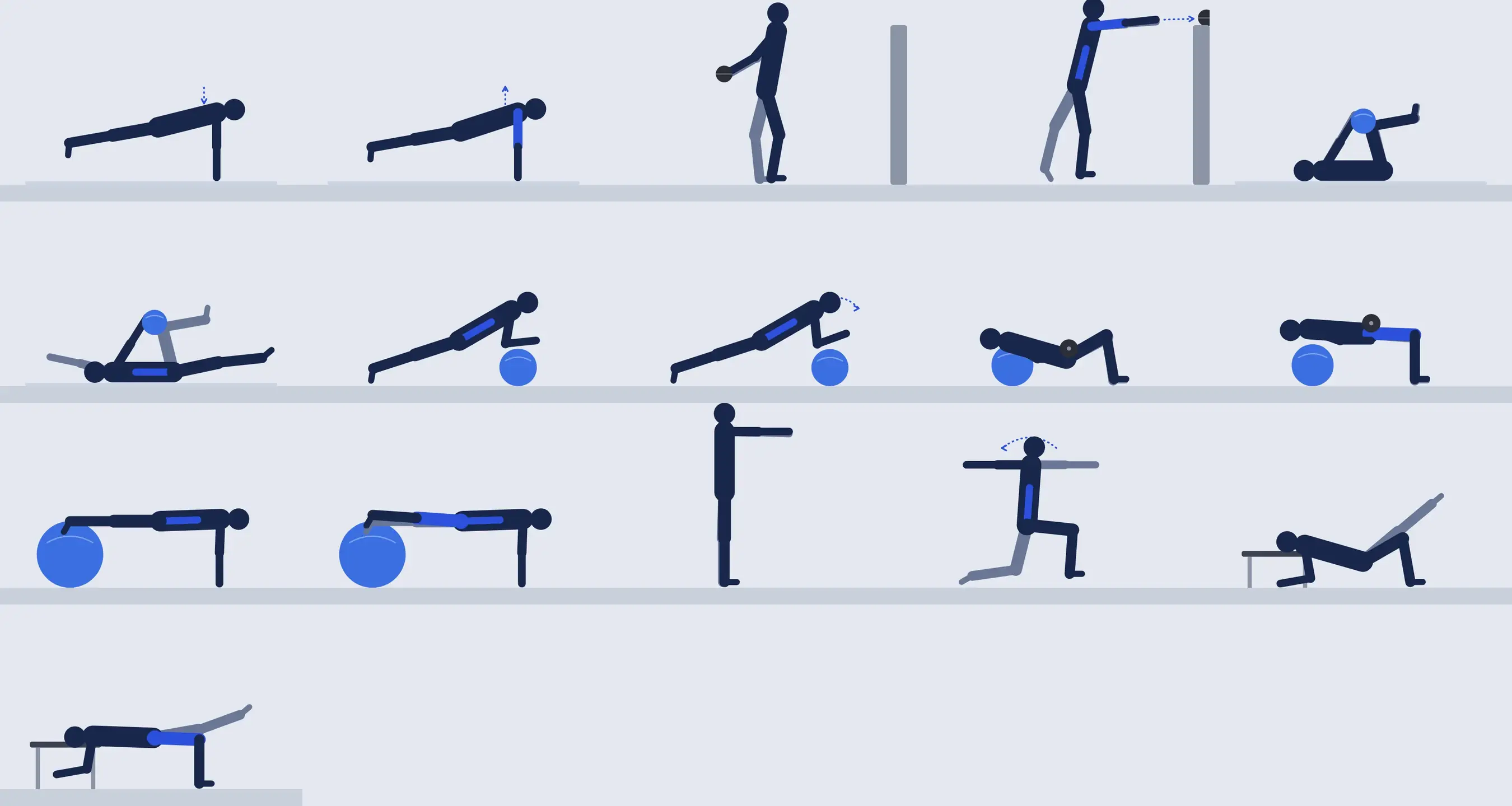
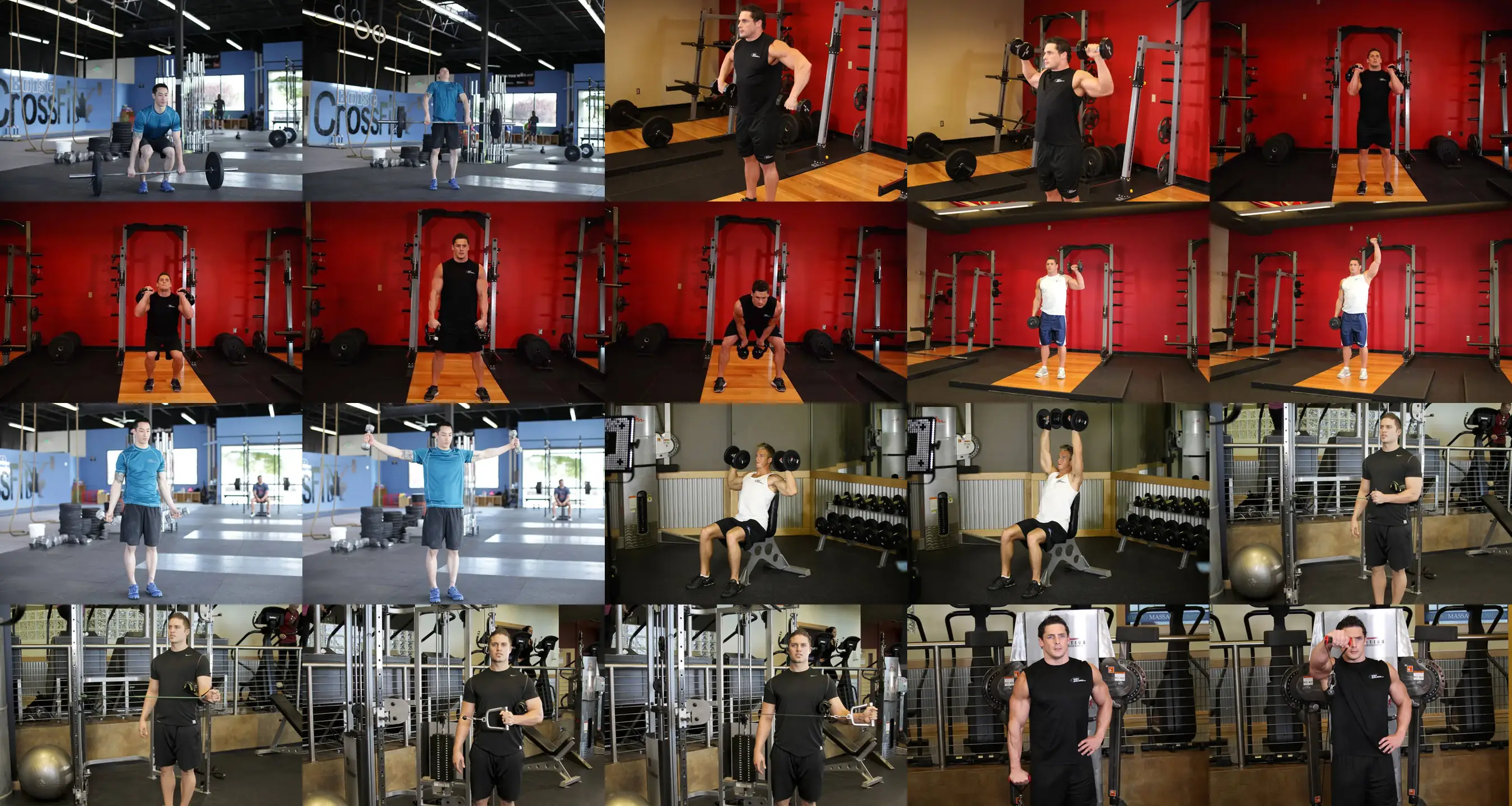
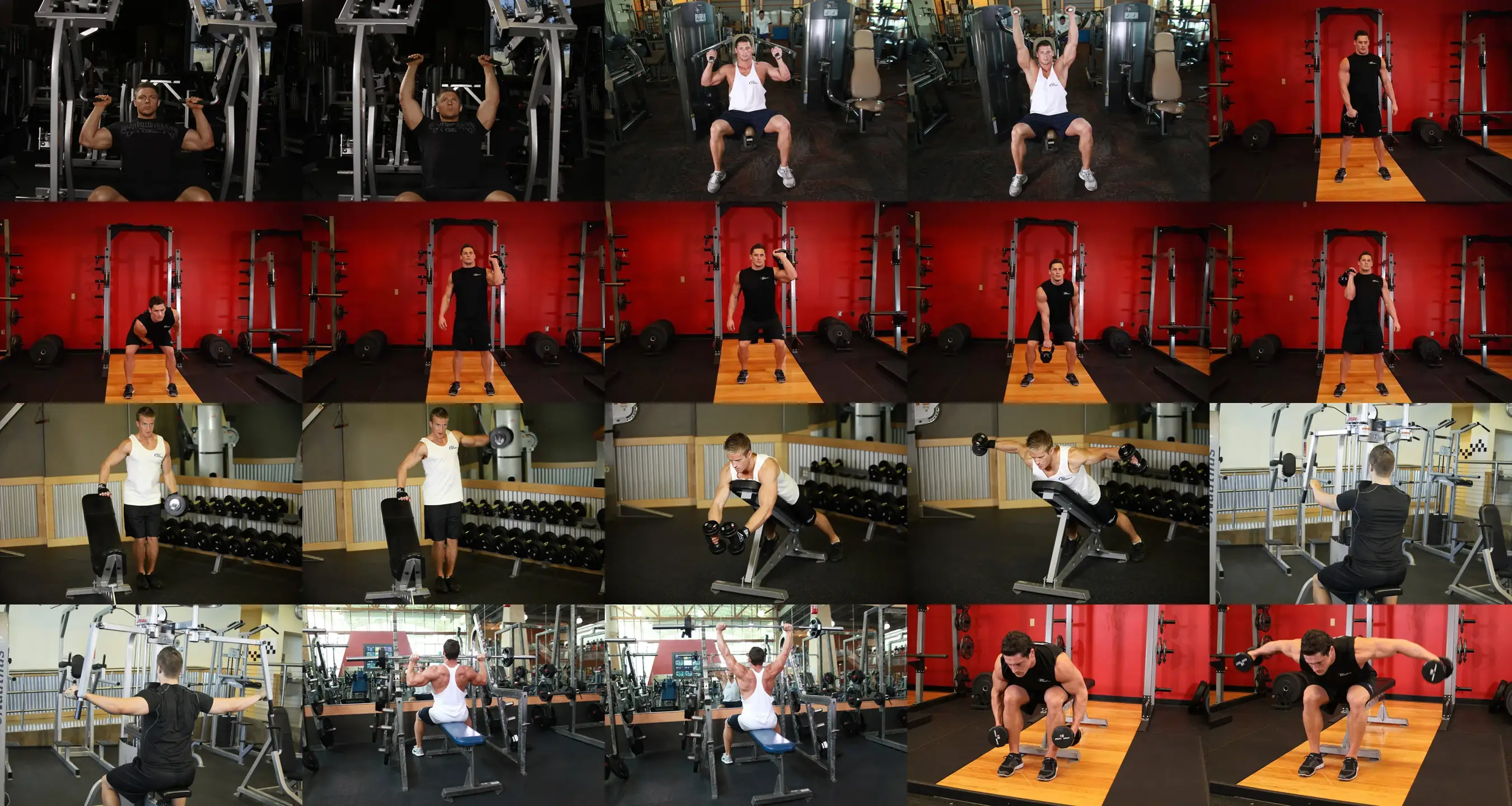
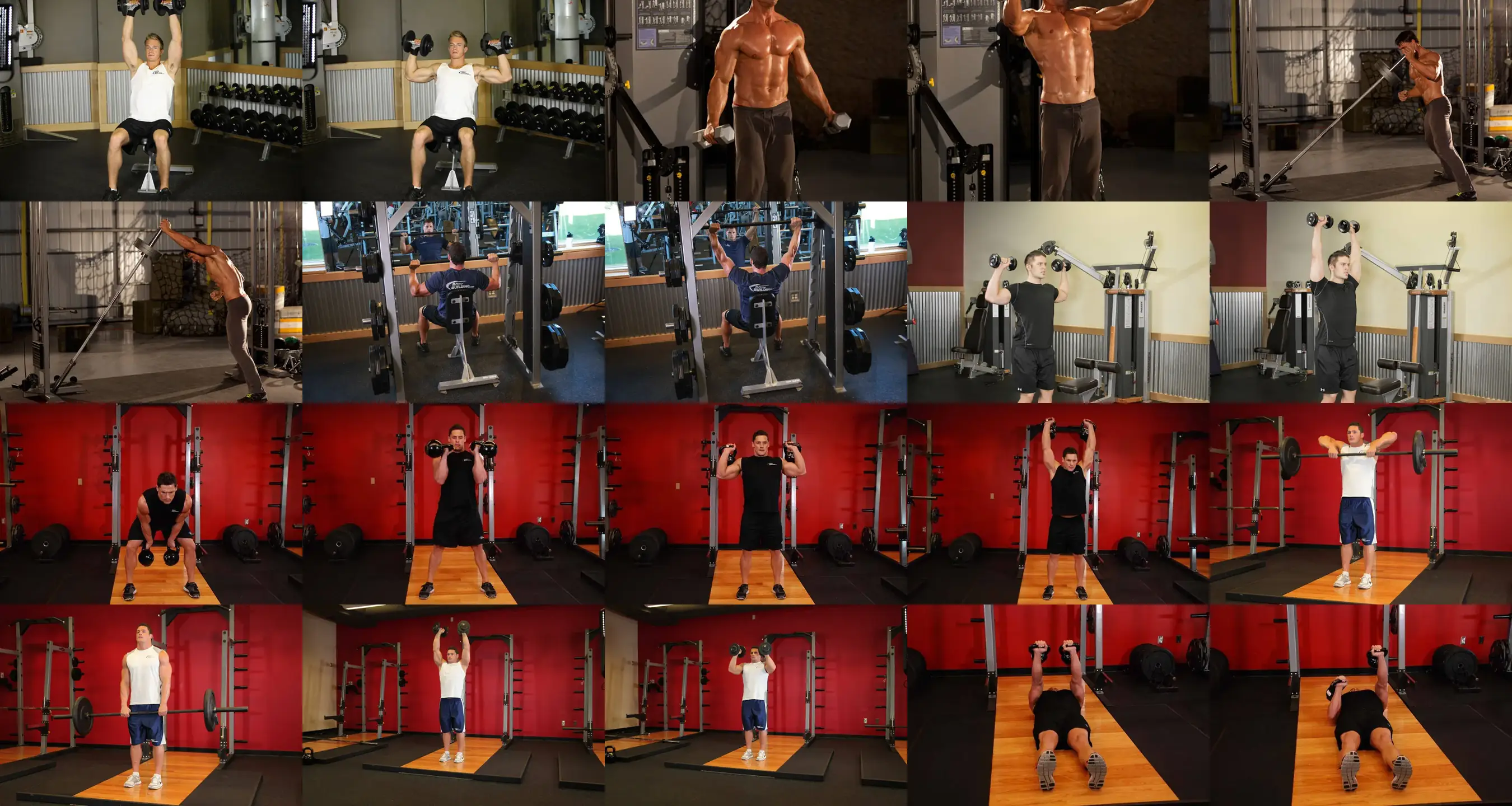
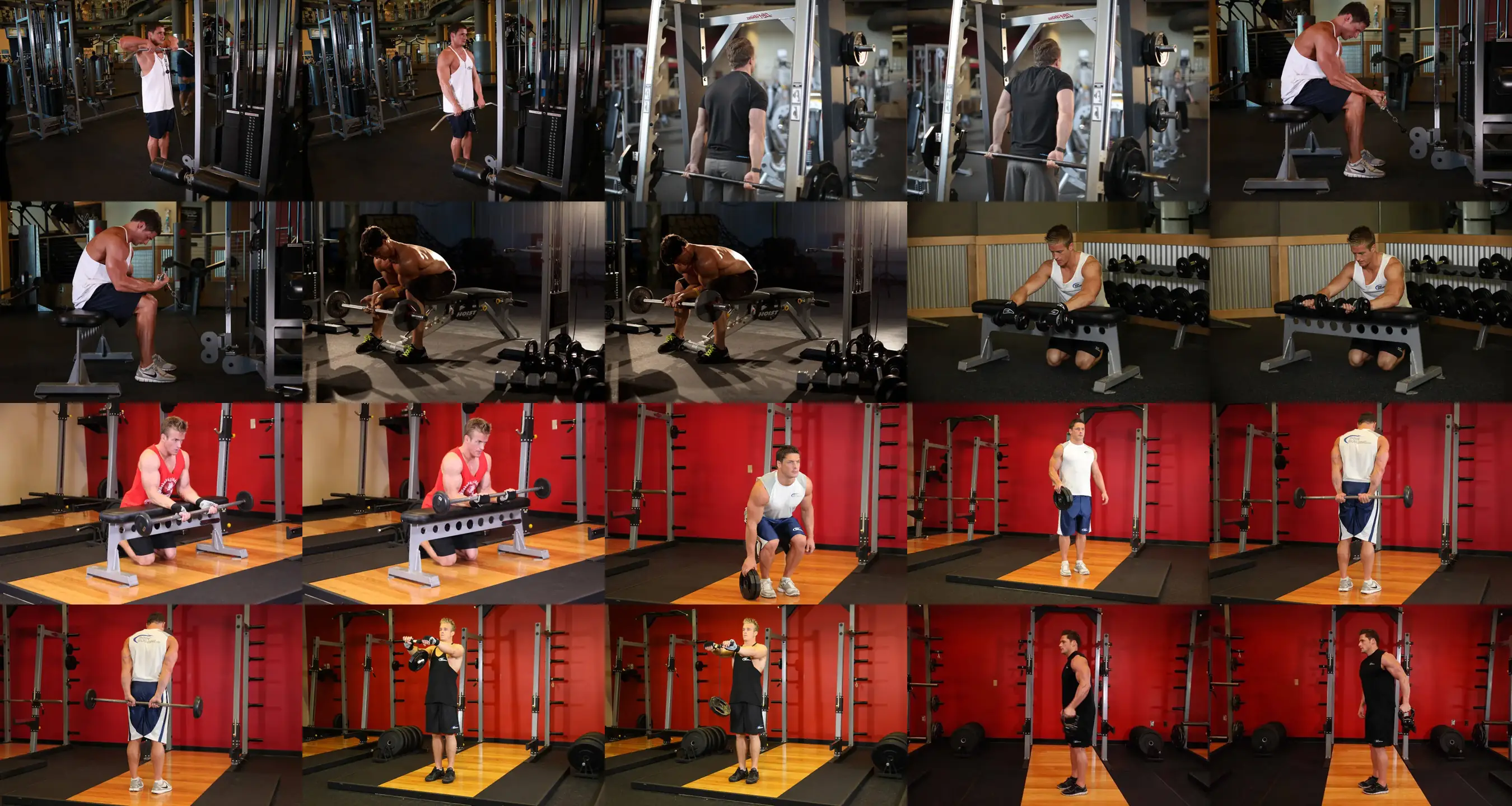
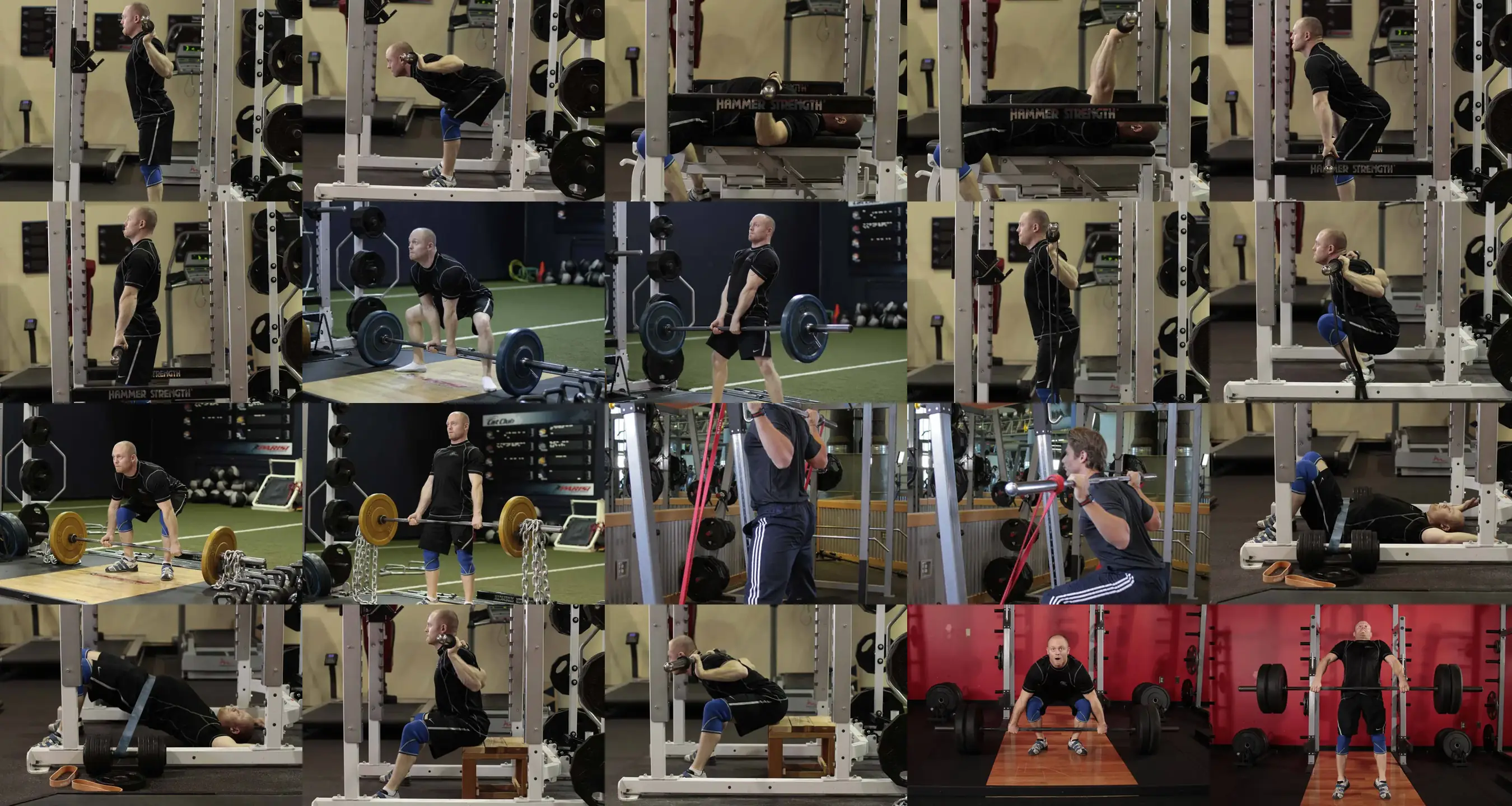
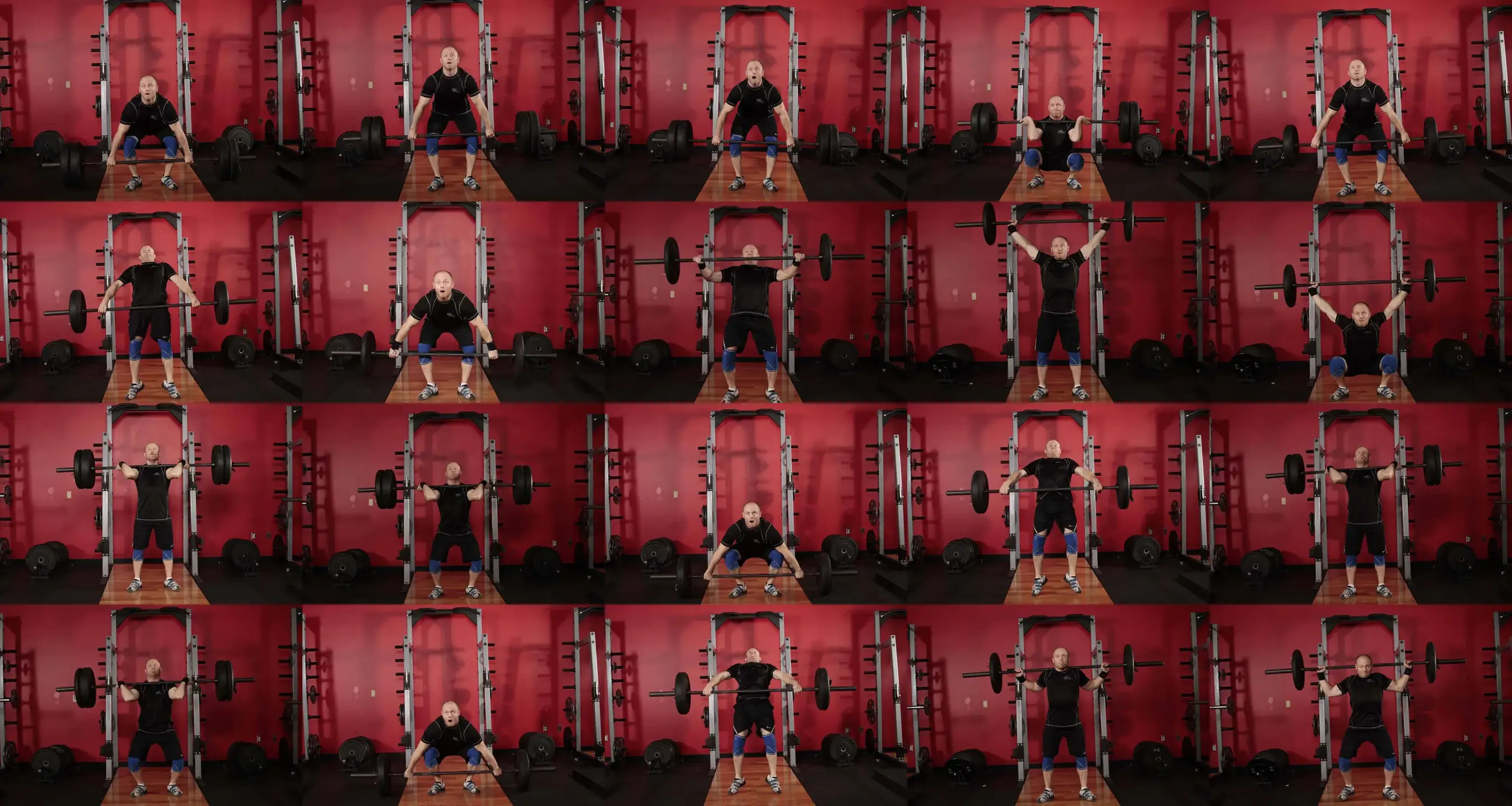
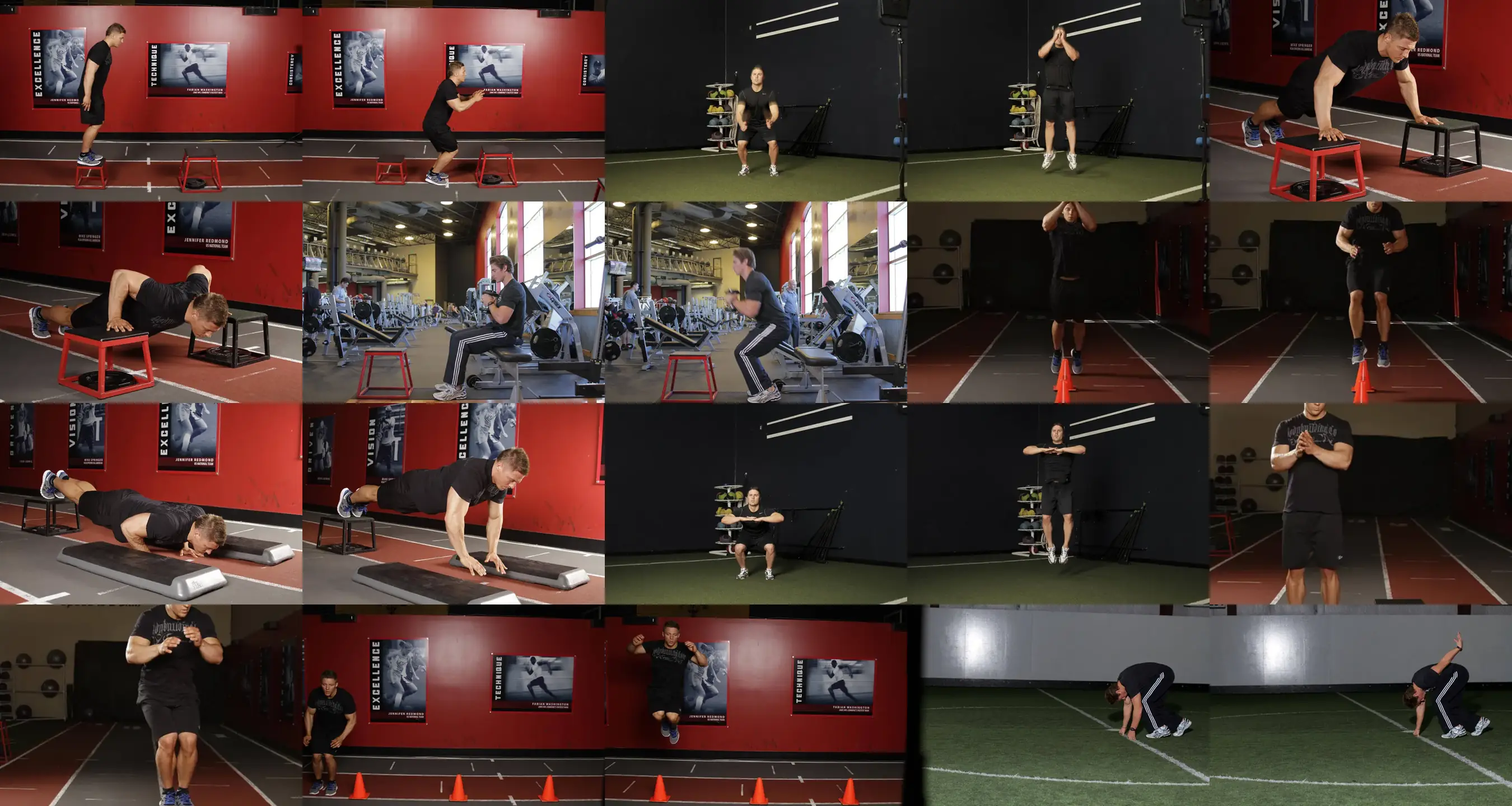
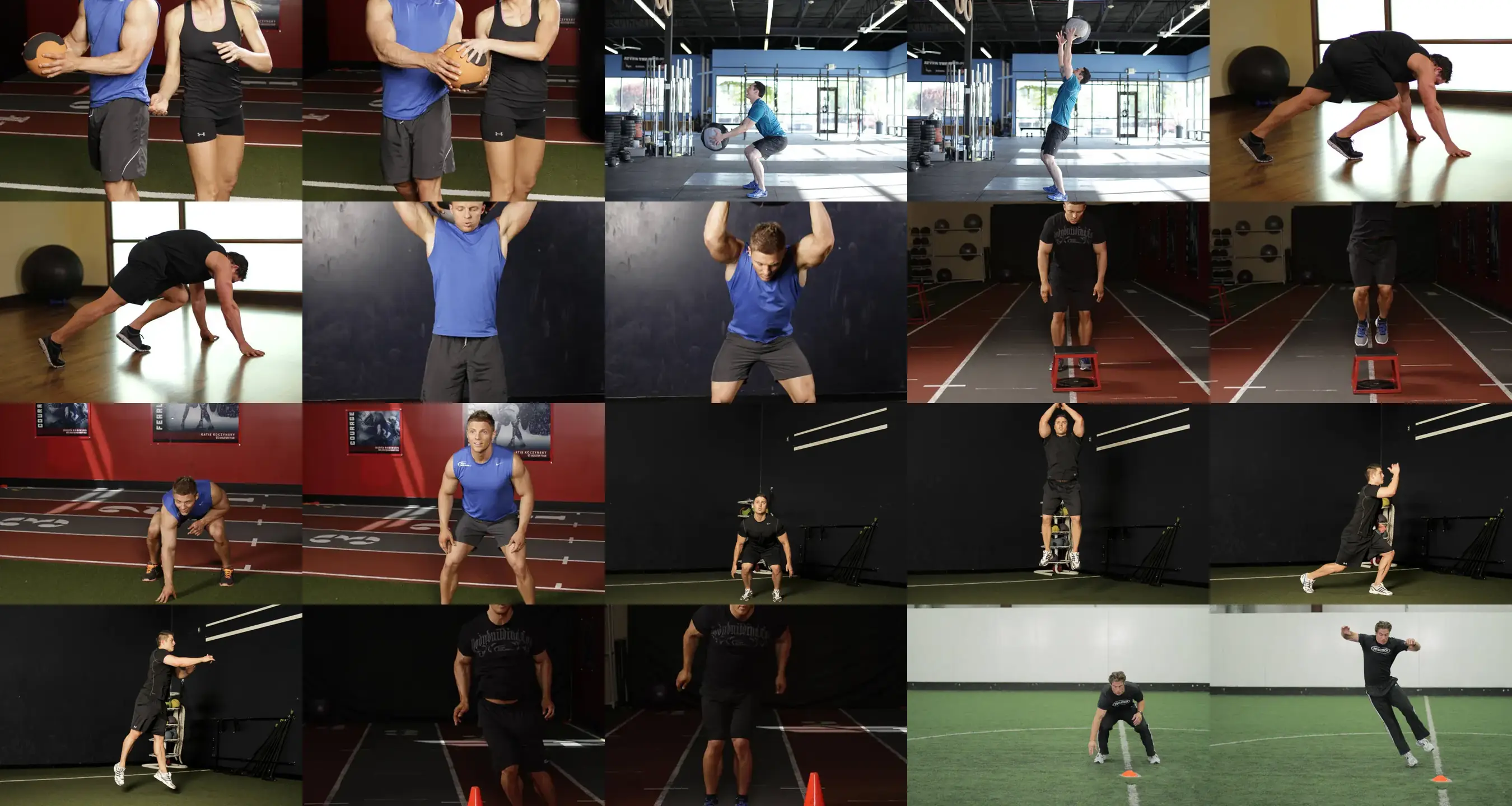
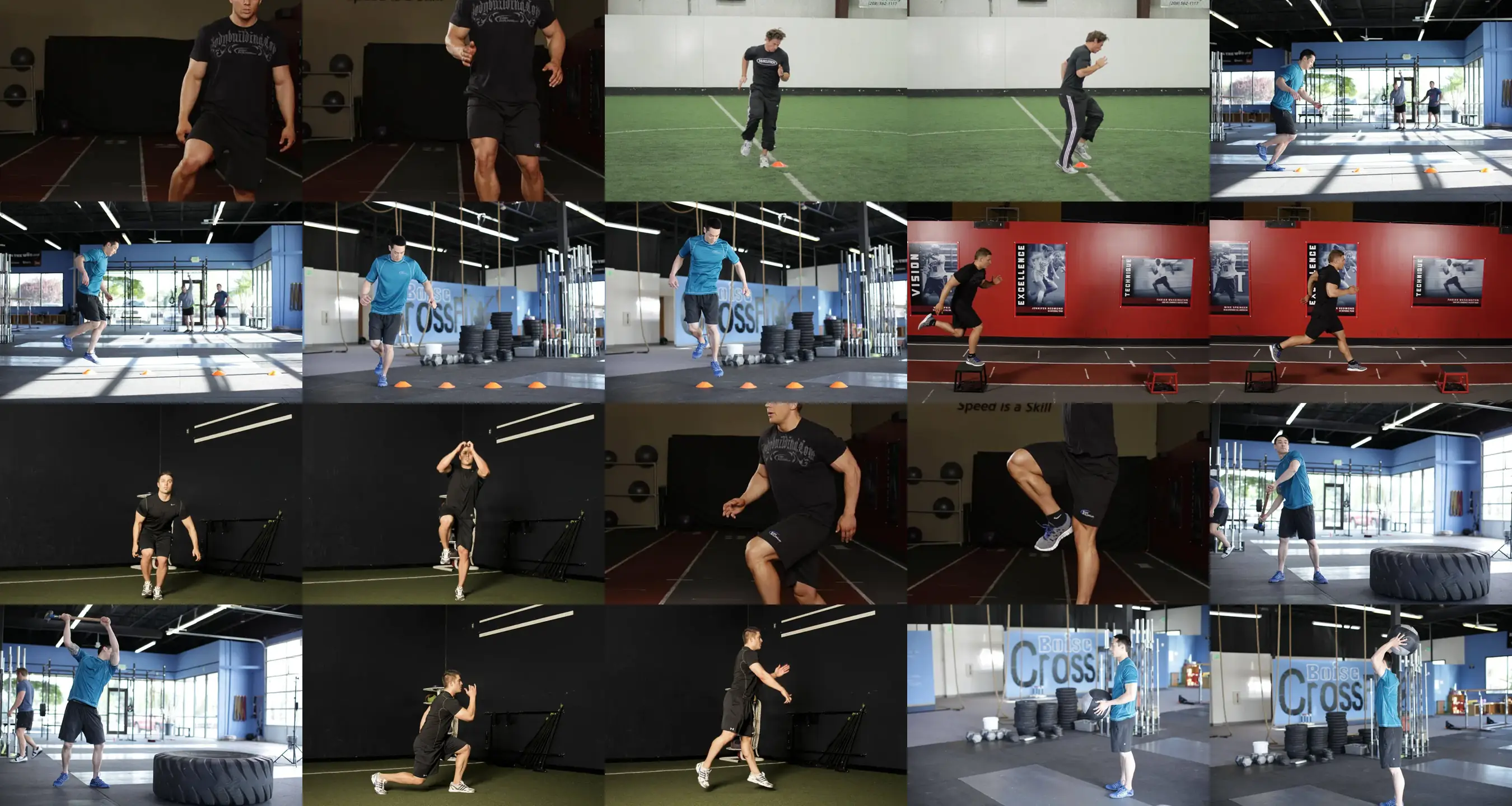
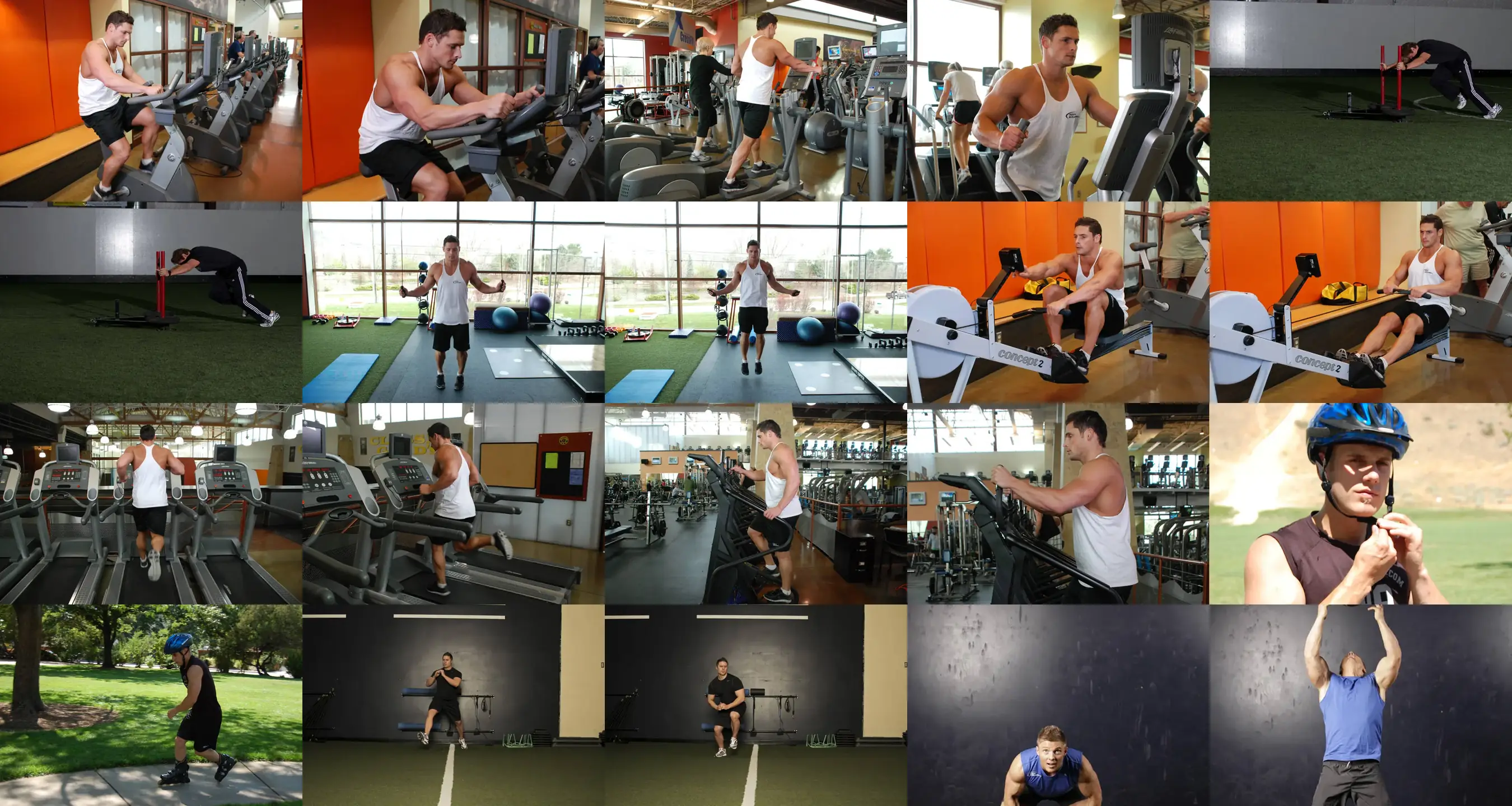
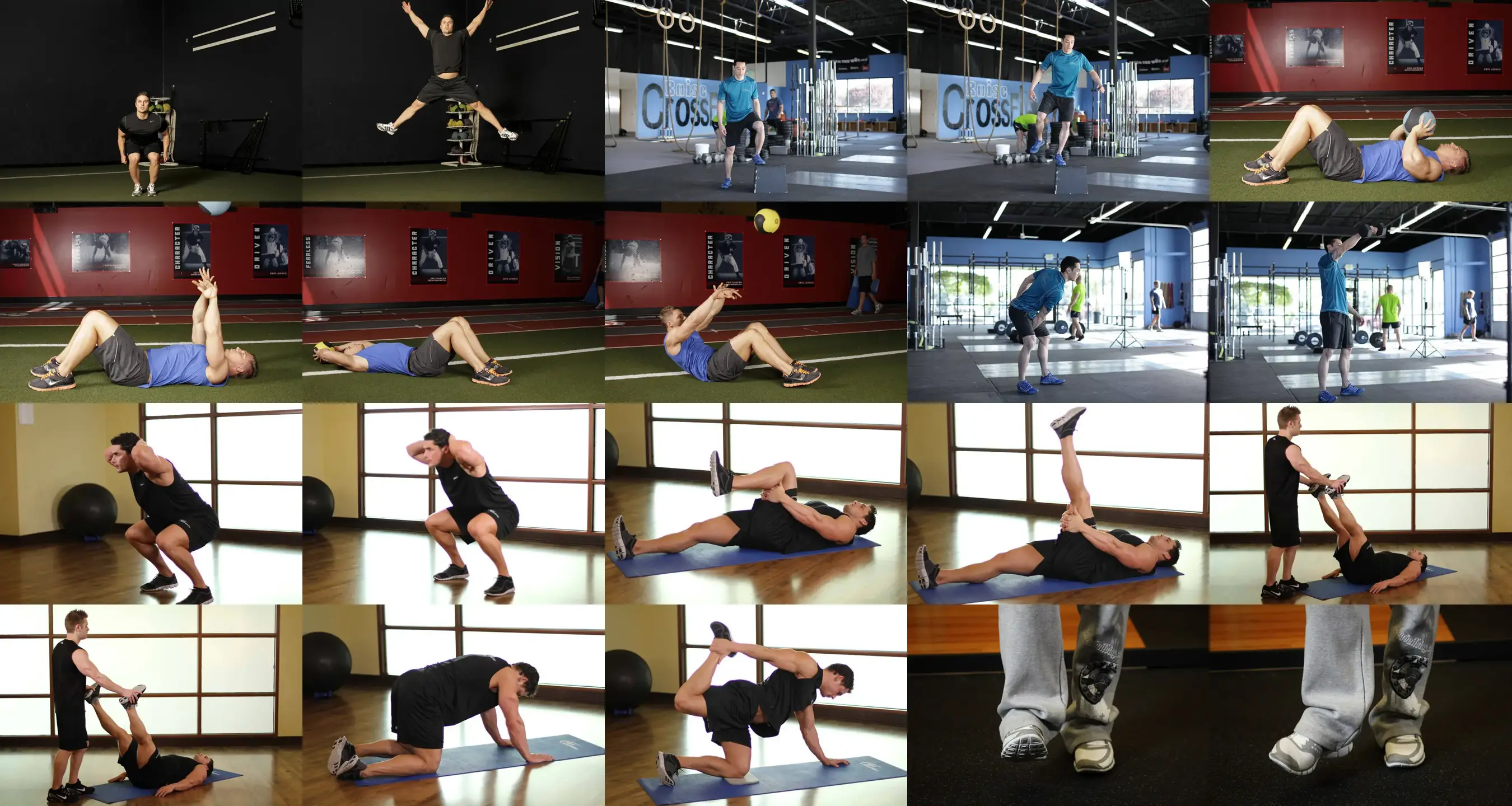
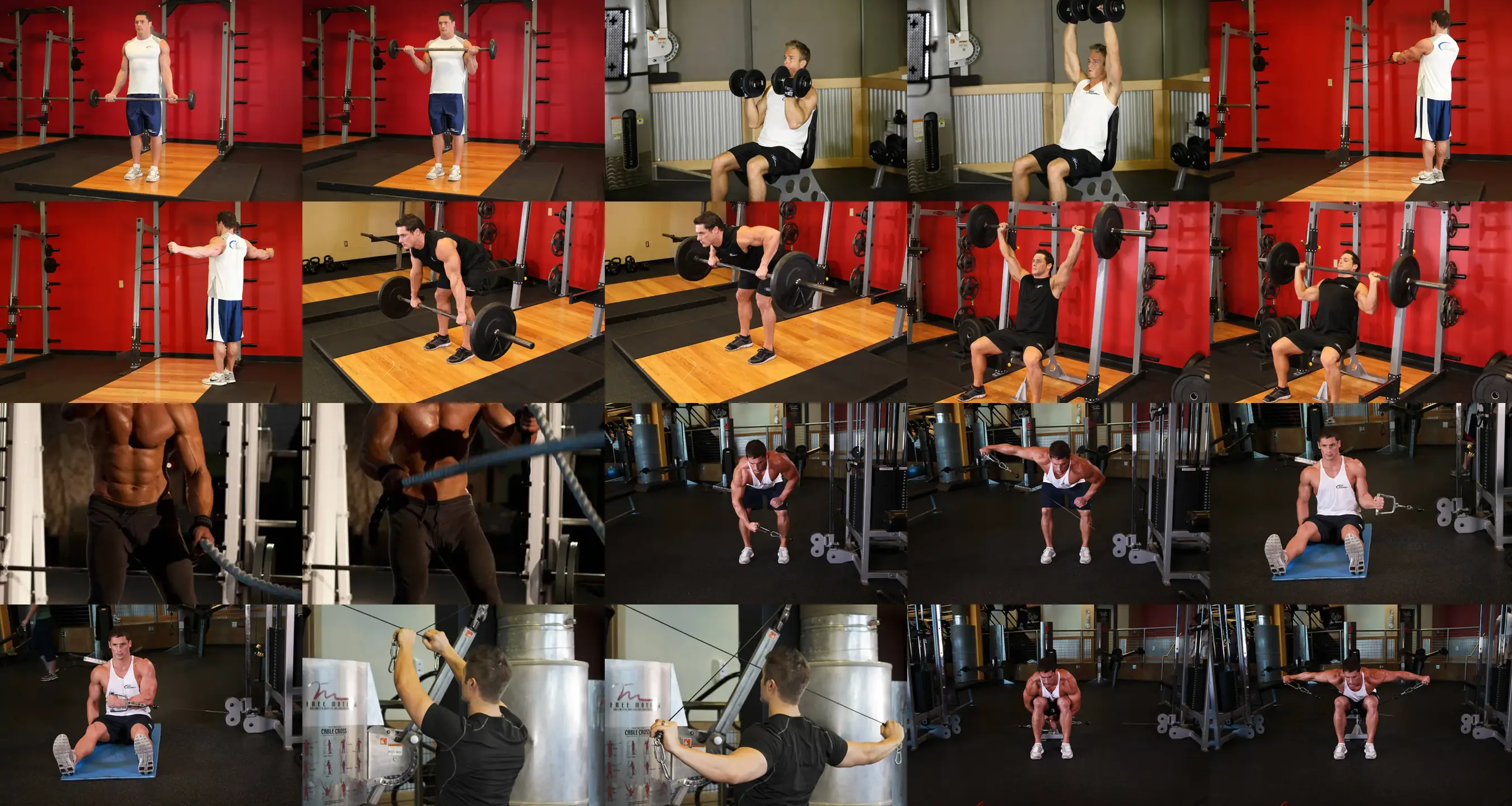
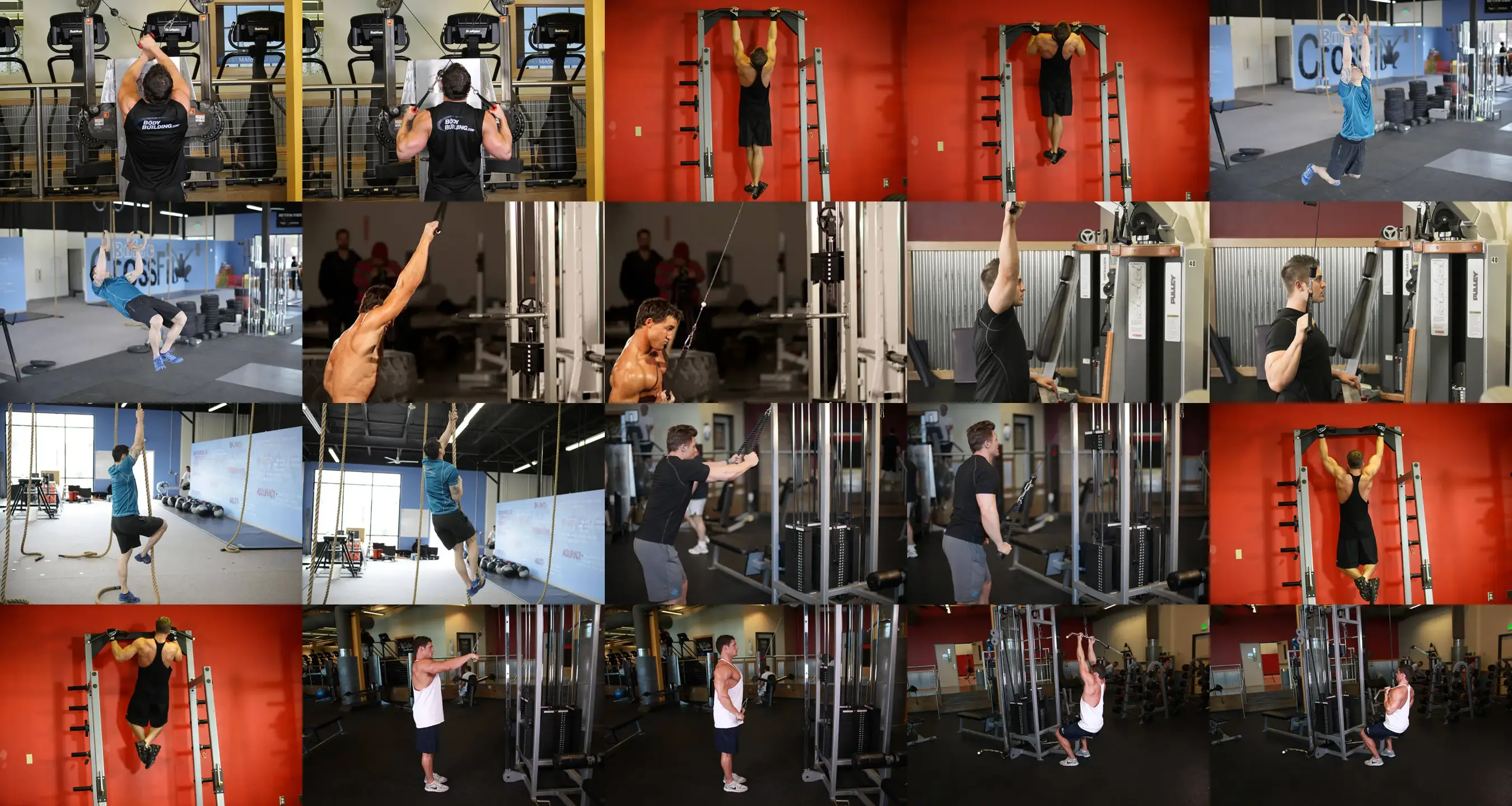
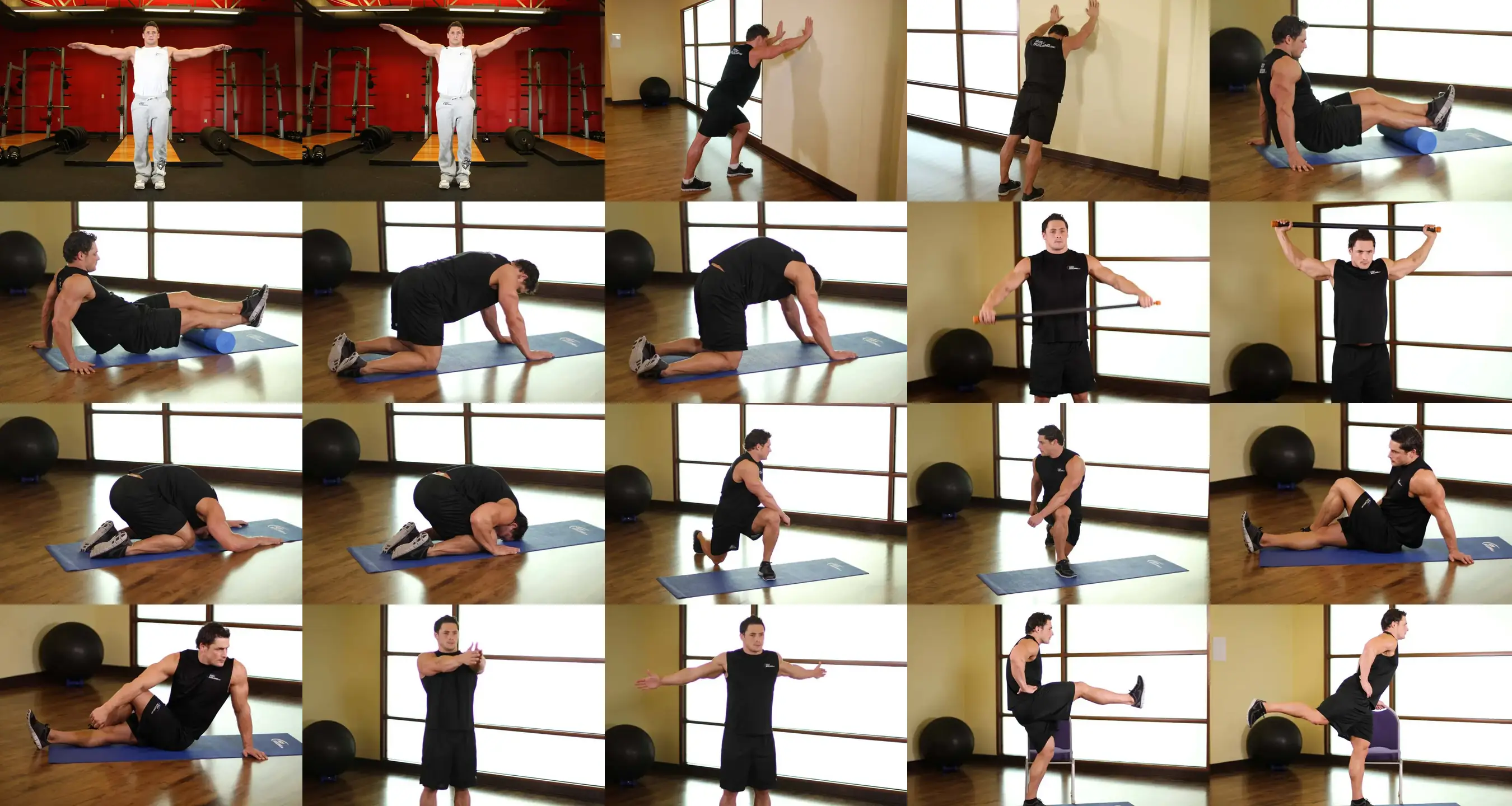
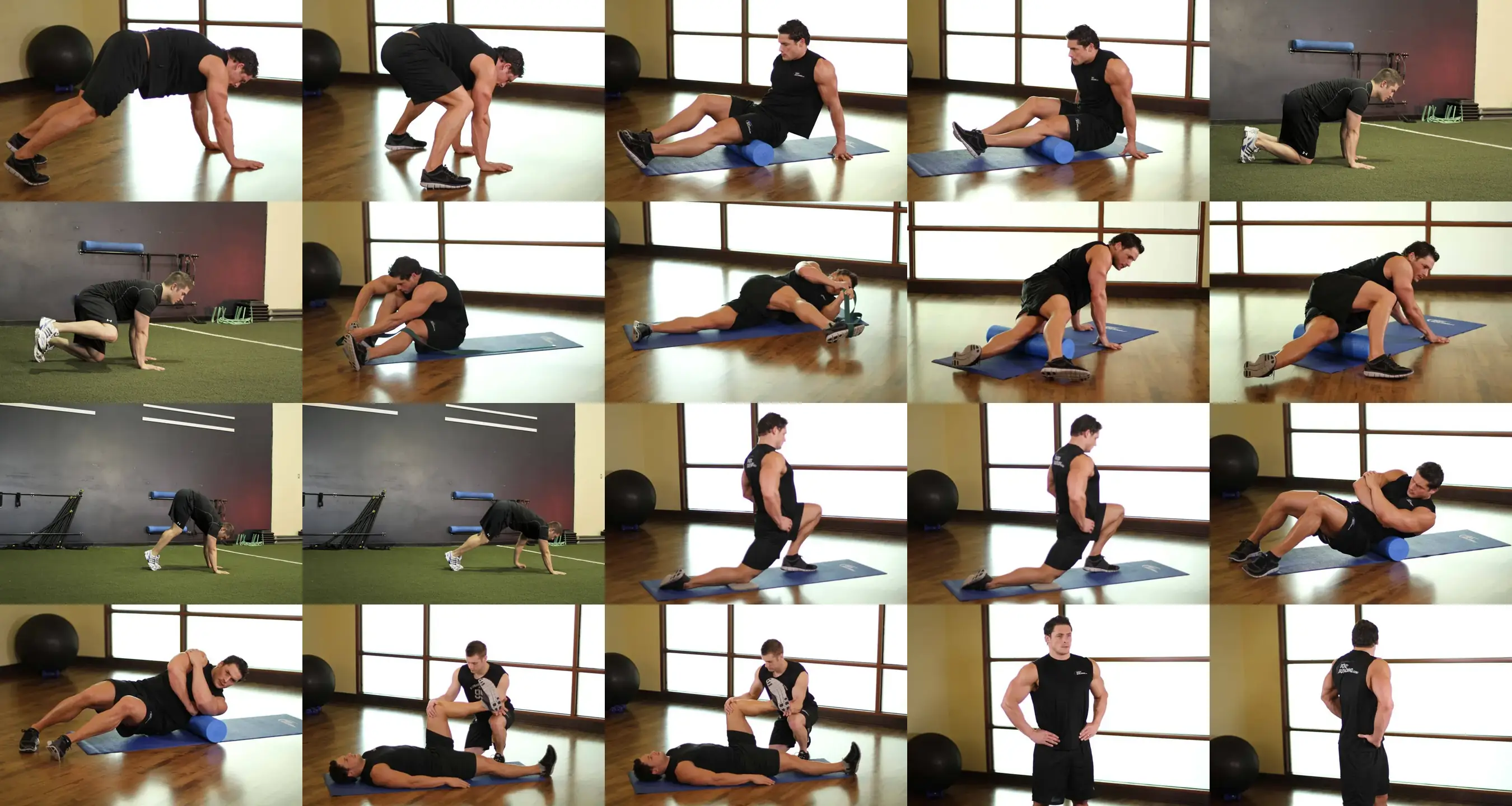
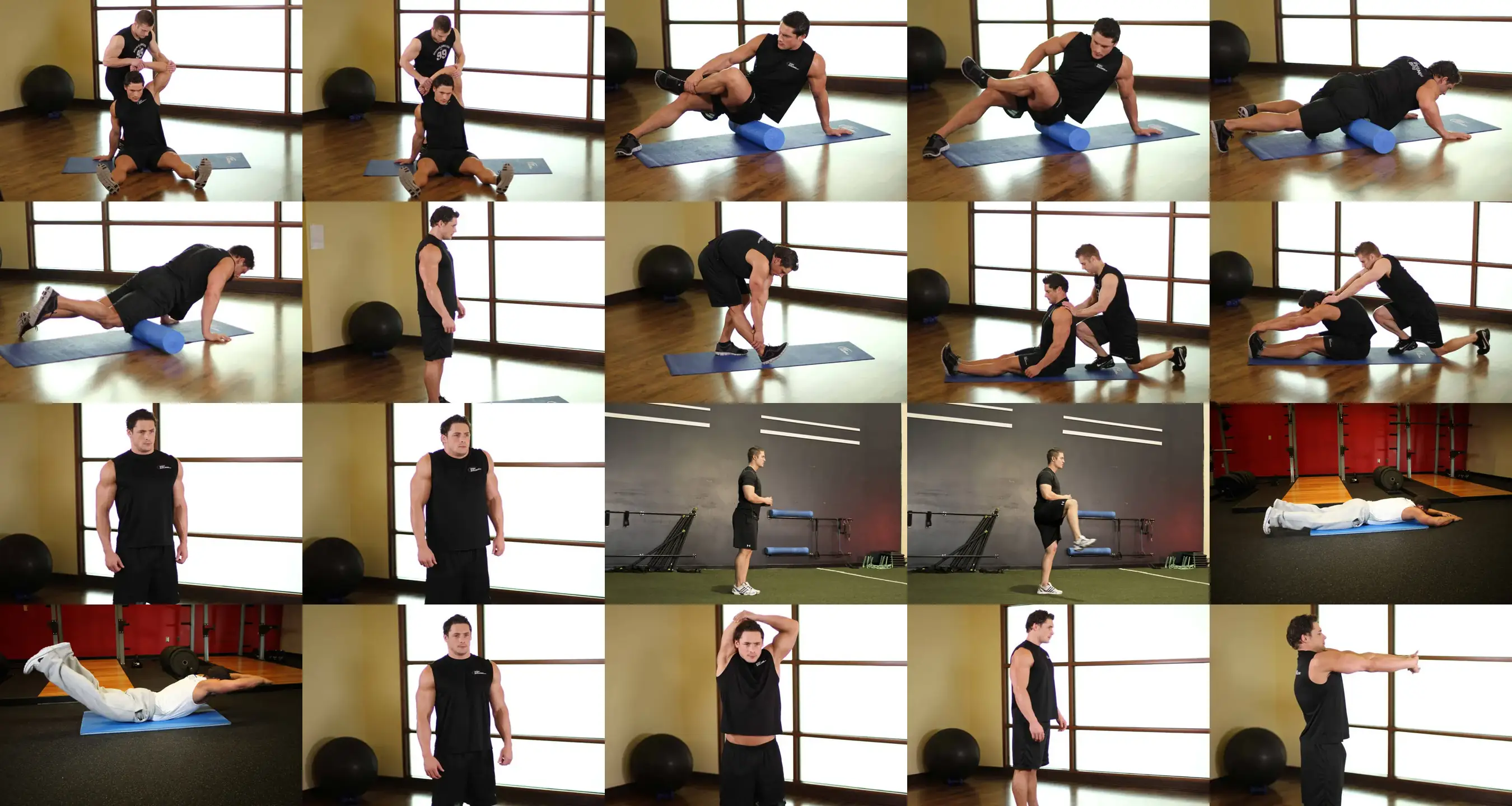
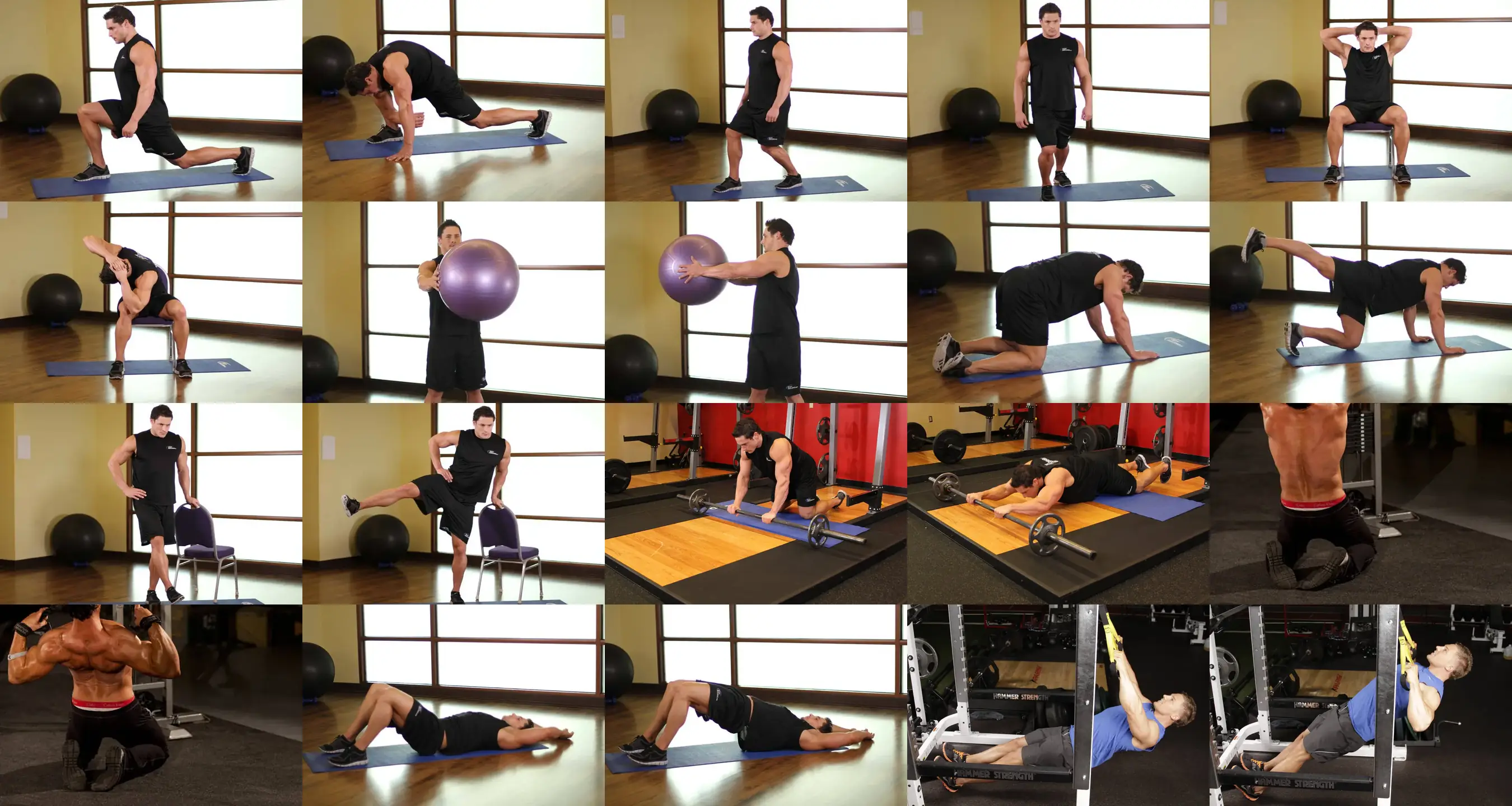
6-8-week plans with sets, reps and progression, built for your sport. Includes a downloadable PDF.
More acceleration, faster changes of direction and injury-proof legs, compatible with 2-3 team practices.
Build muscle with 3 full-body sessions, progressive loading and just enough volume to recover.
Raise your squat, bench press and deadlift numbers with linear progression and a test at the end.