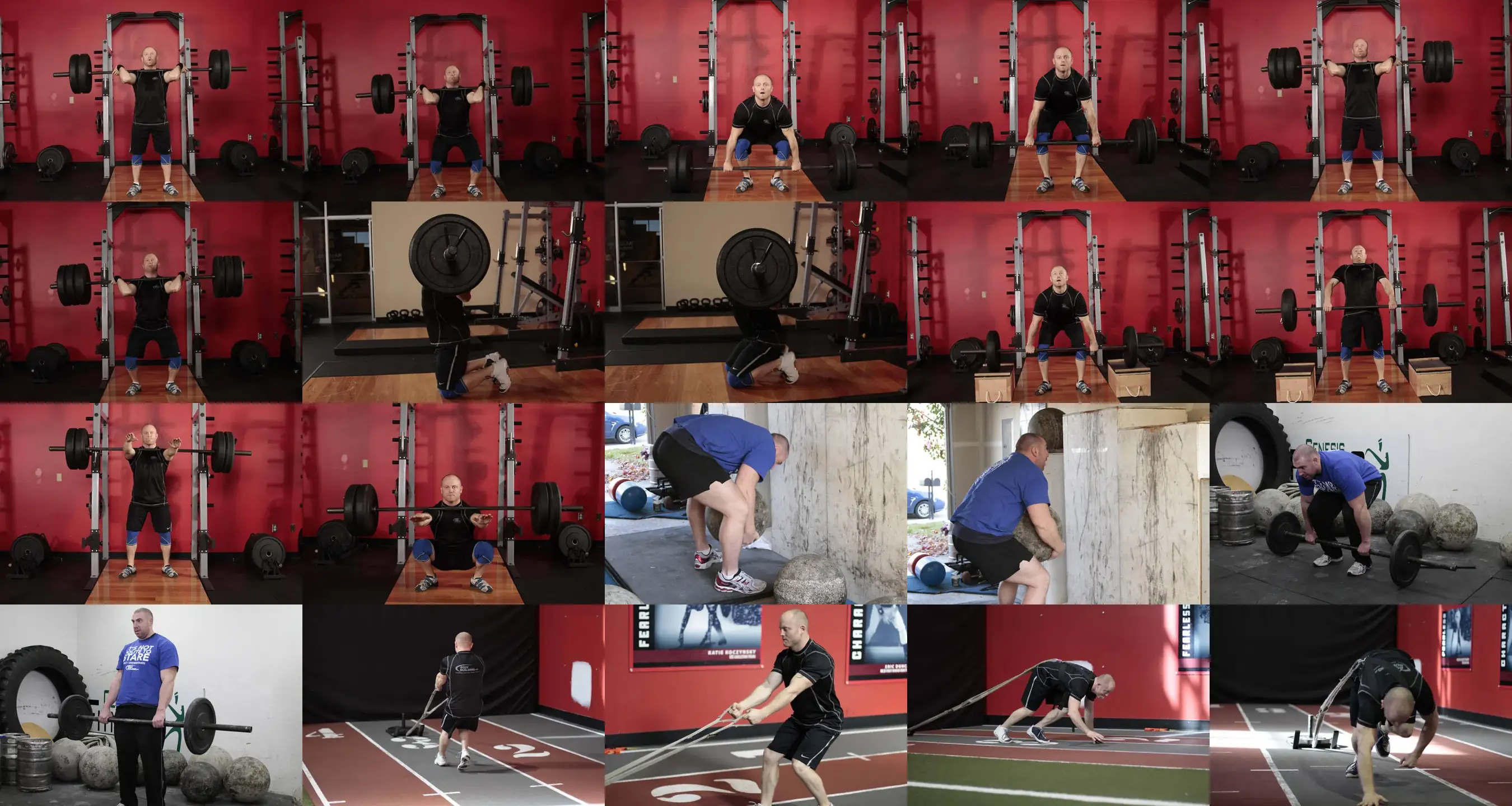
Setup and loading
Use the same hook grip and hip width stance as your clean. You can train from light weights up to 100 to 120 percent of your clean, as long as your position stays the same on every rep.
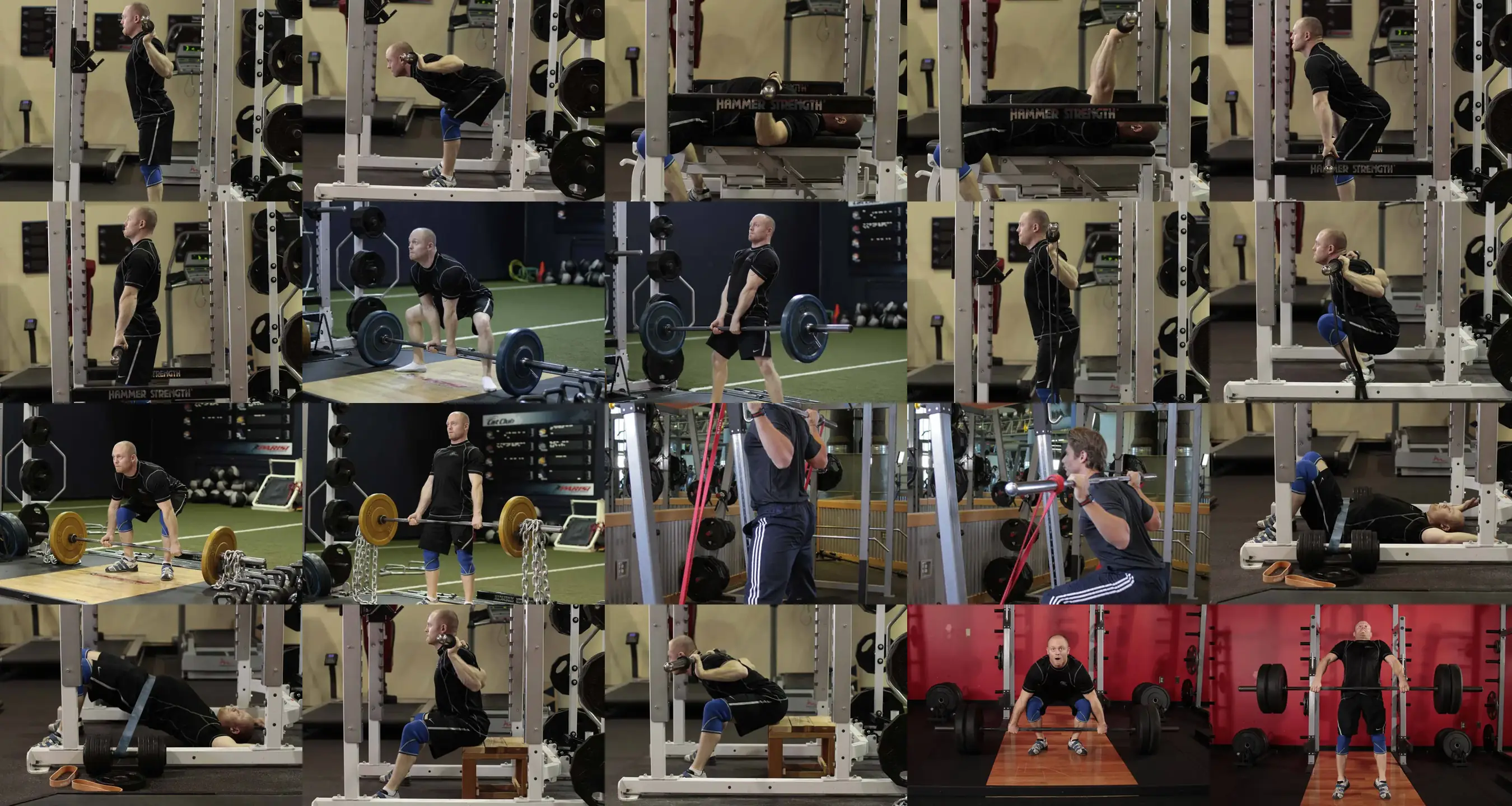
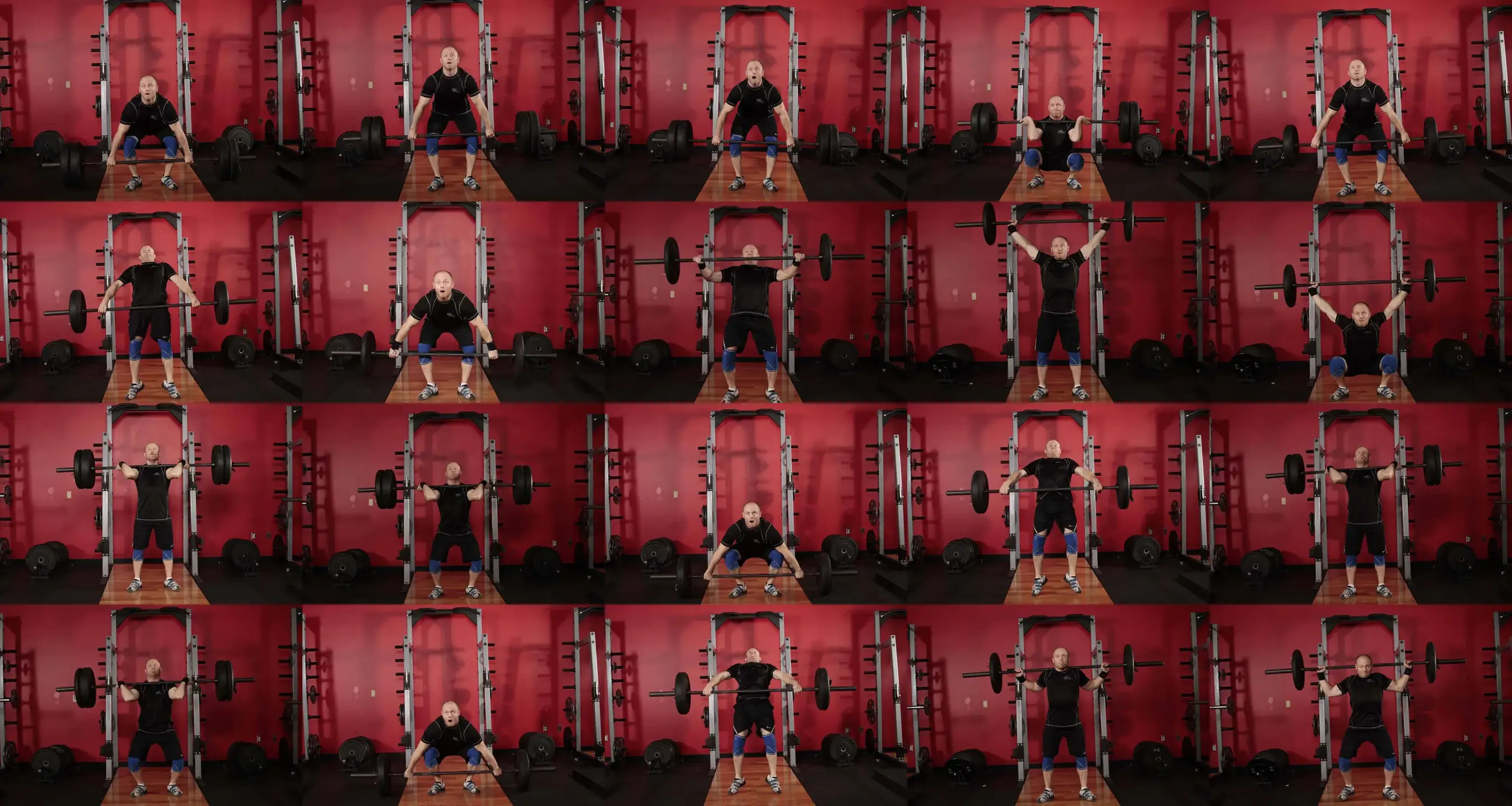
How to do the clean deadlift step by step
- Set up with the bar over midfoot, feet hip width apart, and a hook grip just outside your legs.
- Lower your hips until they sit slightly above your knees, chest up and shoulders slightly ahead of the bar.
- Breathe in, brace, and push the floor away with your legs to lift the bar without changing your back angle.
- Move your knees back so the bar travels straight, keeping it against your legs up to mid thigh.
- Finish standing tall by extending your hips, without jumping or shrugging, and exhale at the top.
- Lower the bar along the same path with a neutral spine until it rests on the floor.
Form cues
- Shoulders ahead of the bar off the floor
- Push the floor away with your legs, smoothly
- Sweep your knees back out of the way
- Hold your back angle past the knees
Common mistakes
- Hips rising before the shoulders: your back takes over; raise them together.
- Bar swinging around the knees: it drifts away; move knees back and pull straight.
- Hips too low like a squat: shoulders end up behind; set them over the bar.
- Ripping the bar off the floor: you lose position; break it off smoothly.
How to make it easier or harder
To make it easier, use lighter loads or pull from blocks at shin height. To progress, add pauses below the knee, increase load, or move to clean pulls with a full extension.
Sets and reps for your goal
Power
4-6 x 2-5 · full rest3-6 sets of 1-5 reps with light or moderate loads (30-60% of your max on the main lifts), or with a ball or your bodyweight. Rest 2 to 3 minutes.
Every rep at the highest possible speed. As soon as you notice it moving slower (a 10-20% velocity loss), end the set. Train power fresh, never fatigued.
Max Strength
4-5 x 3-6 · rest 2-3 min3-6 sets of 1-6 reps at 80-90% of your max (1RM). Rest 2 to 5 minutes.
Leave 1-3 reps in reserve. If your technique breaks down, lower the weight: strength is built with good reps.
A guide for healthy adults. Adjust the load to your level and see a professional if you have an injury.
Check your form
Film yourself from the side or ask someone to watch, then tick what you get right.
Frequently asked questions
What is the difference between a clean deadlift and a regular deadlift?
In a clean deadlift your hips start lower, chest higher and shoulders ahead of the bar, mirroring the clean. A powerlifting deadlift aims to move maximum weight with the most efficient leverage, even if the position differs.
What is the clean deadlift used for?
It teaches and strengthens the first pull of the clean, from the floor to mid thigh. It lets you rehearse that position with more weight than you can clean, without the technical complexity of catching the bar.
Sports it suits
Gear for this exercise
- Olympic barbell and platesTo keep progressing on the big lifts with heavy loads.
As an Amazon Associate, Muscle Atlas earns from qualifying purchases.