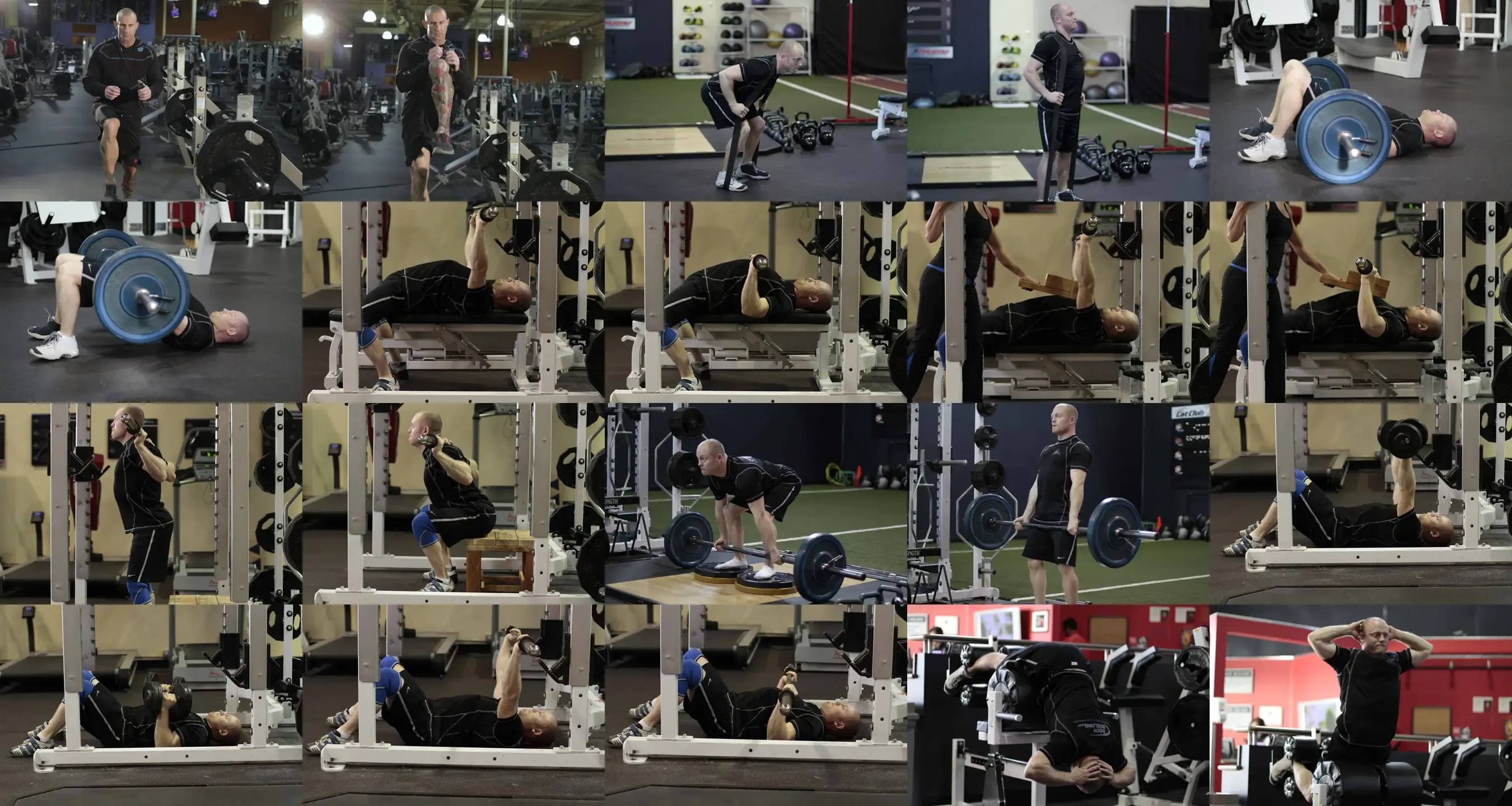
Setup and loading
Stand on a stable, non slip platform or plate between 1 and 3 inches high. Because the range is longer, work with 60 to 80 percent of your regular deadlift and lower the platform if your back starts to round.
How to do the deficit deadlift step by step
- Step onto the platform with feet hip width apart and the bar over your midfoot, lightly touching your shins.
- Hinge and bend your knees to grip the bar just outside your legs, with hips slightly lower than in a regular deadlift.
- Lift your chest, set shoulders over the bar and engage your lats, then take a deep breath and brace before pulling.
- Push the floor away with your legs to break the bar loose, holding your back angle until the bar passes your knees.
- Once past the knees, drive your hips forward and finish tall with glutes squeezed, without leaning back.
- Exhale at the top, take a new breath, and lower the bar by pushing your hips back with the bar close to your legs.
Form cues
- Keep the bar dragging up your shins
- Push the floor away, do not yank
- Hips low and chest up at the start
- Tuck your armpits to lock your lats
Common mistakes
- Using too big a deficit: it rounds the lower back; start at 1 to 2 inches and progress slowly.
- Shooting the hips up first: it turns the pull into a good morning; lead with leg drive.
- Letting the bar drift forward: it overloads the back; engage your lats and drag the bar up.
- Loading like a normal deadlift: the longer pull lowers your max; drop the weight at least 10 percent.
How to make it easier or harder
If the deficit compromises your position, go back to conventional deadlifts from the floor. To progress, increase the deficit toward 3 inches, add a pause just below the knee, or try deficit snatch grip deadlifts for an even longer pull.
Sets and reps for your goal
Max Strength
4-5 x 3-6 · rest 2-3 min3-6 sets of 1-6 reps at 80-90% of your max (1RM). Rest 2 to 5 minutes.
Leave 1-3 reps in reserve. If your technique breaks down, lower the weight: strength is built with good reps.
A guide for healthy adults. Adjust the load to your level and see a professional if you have an injury.
Check your form
Film yourself from the side or ask someone to watch, then tick what you get right.
Frequently asked questions
What are deficit deadlifts good for?
They strengthen the start of the pull, where many lifters stall. Starting lower means more quad work and more demand on back position, which often carries over to a faster break off the floor in your regular deadlift.
How high should a deficit deadlift platform be?
Most lifters use 1 to 3 inches, such as a 45 lb plate or a low mat stack. Pick the highest platform where you can still keep a neutral spine and your hips below your shoulders at the start.
Sports it suits
Gear for this exercise
- Olympic barbell and platesTo keep progressing on the big lifts with heavy loads.
As an Amazon Associate, Muscle Atlas earns from qualifying purchases.