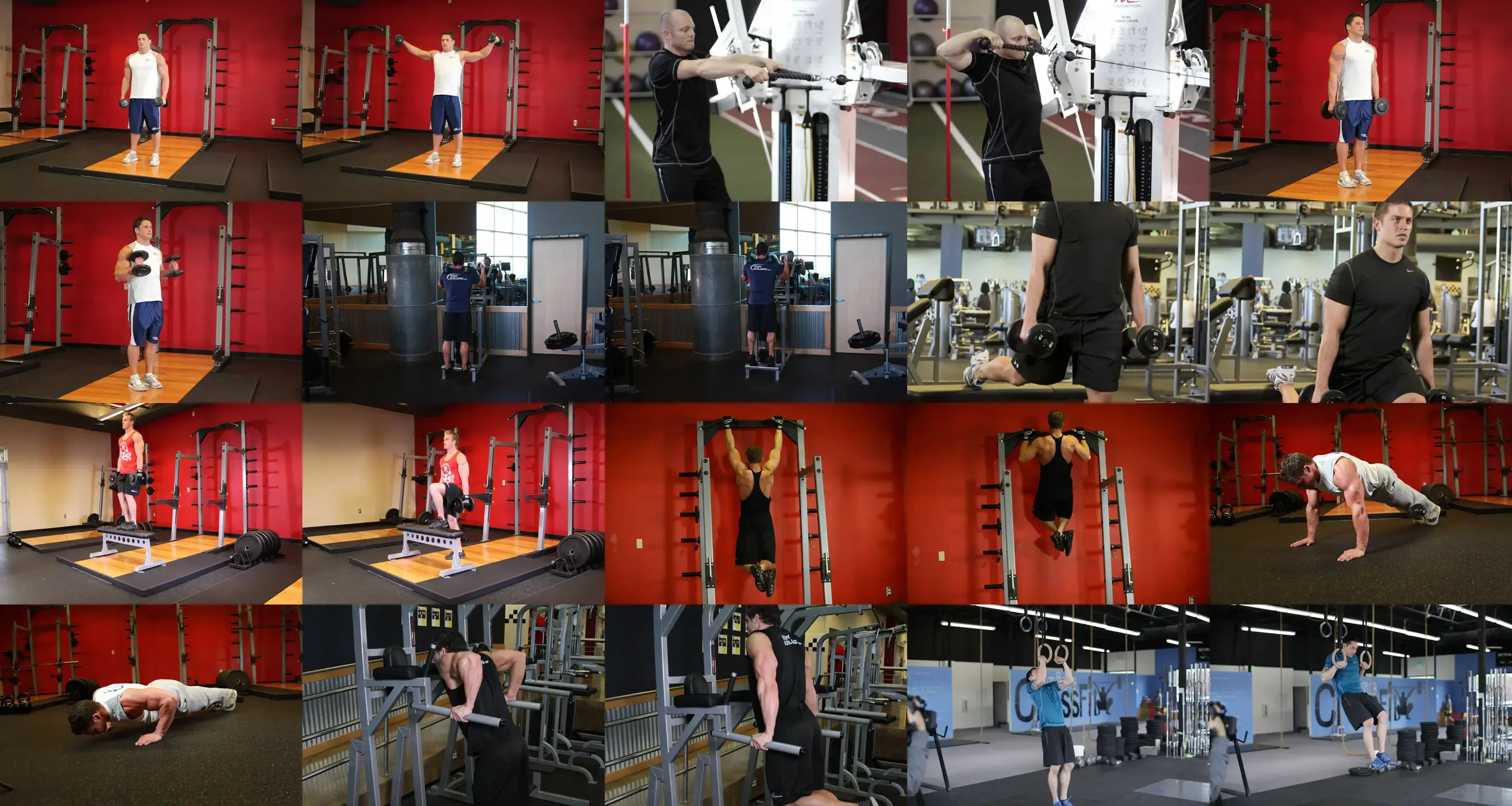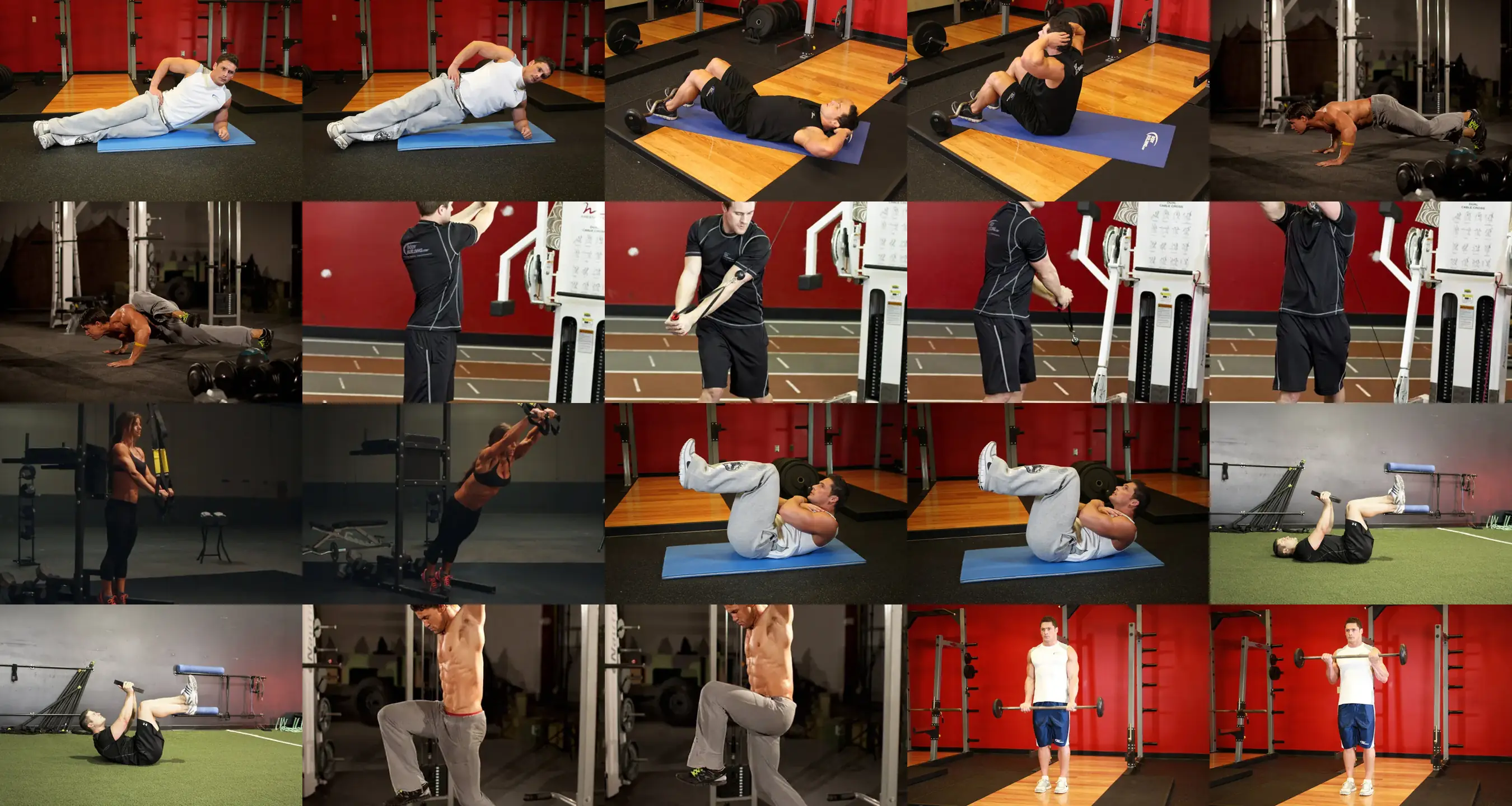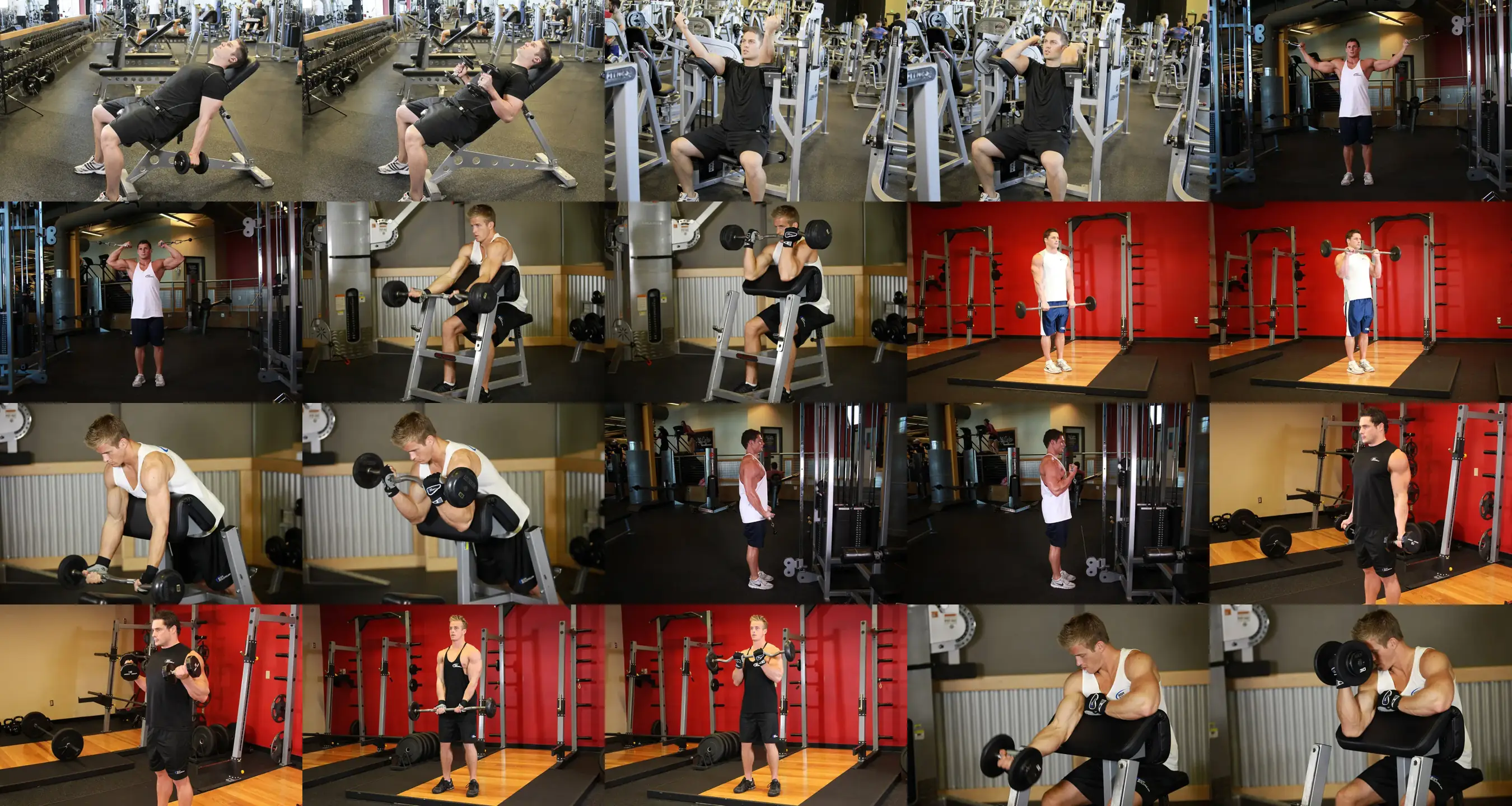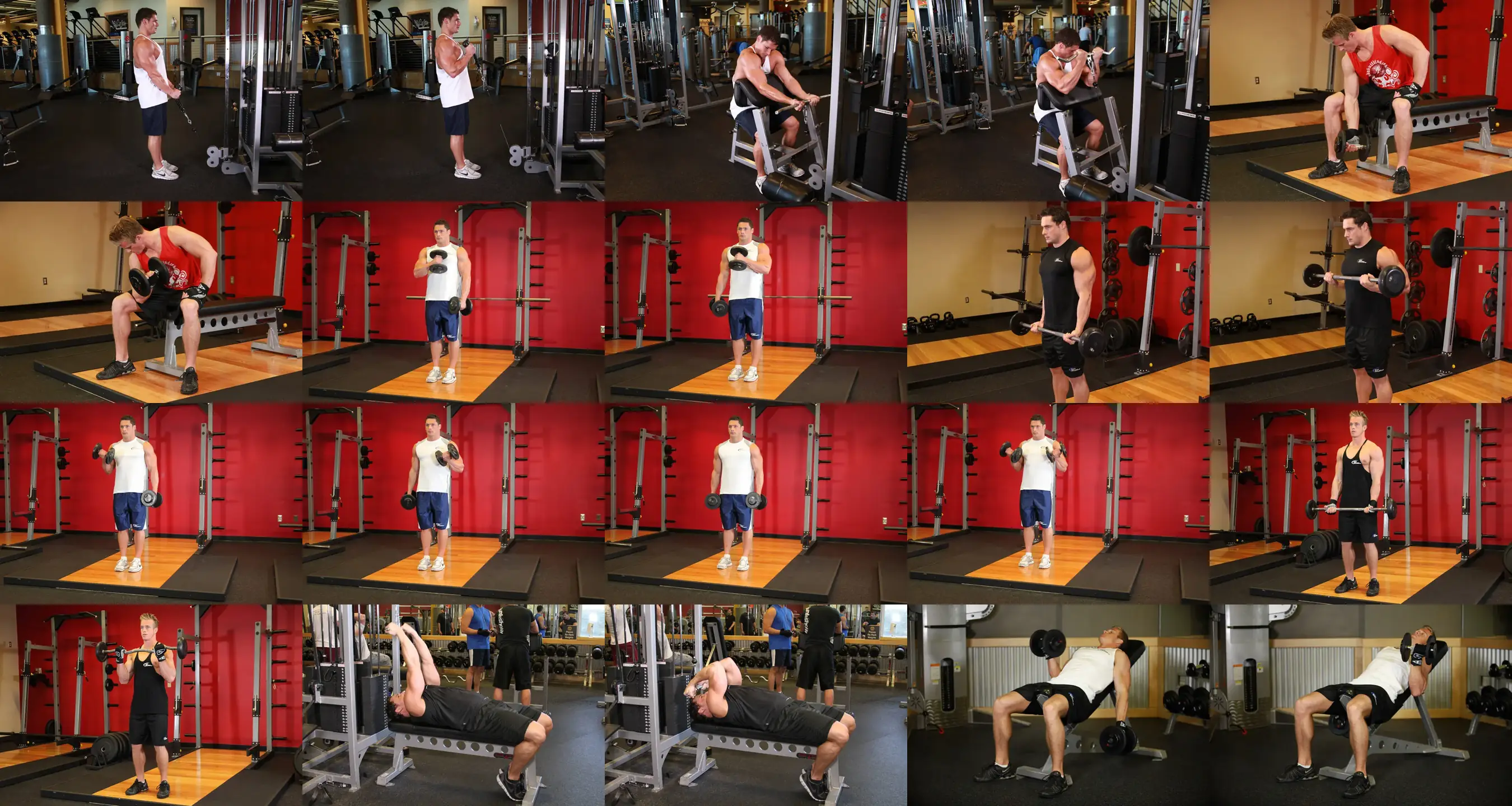
Setup and loading
Hold the bar with an underhand, shoulder width grip while standing with feet hip width apart. Use noticeably less weight than for regular curls because the leverage is harder; start around 60 to 70 percent of your usual load.
How to do the drag curl step by step
- Stand holding the bar with an underhand, shoulder width grip, resting against your thighs.
- Brace your abs, lift your chest and breathe in.
- Exhale and raise the bar by dragging it up your stomach while pulling your elbows back.
- Lift until the bar reaches your lower chest, with elbows clearly behind your torso.
- Squeeze your biceps for a second at the top without shrugging.
- Breathe in and lower slowly along the same path, keeping the bar against your body until your arms are straight.
Form cues
- Bar brushes your body throughout
- Elbows go back, not forward
- Shoulders down, chest up
- Slow lowering on the same path
Common mistakes
- Elbows drifting forward: turns it into a regular curl; drive them back as you lift.
- Bar leaving your body: breaks the path; drag it up your stomach.
- Shrugging: your traps take over; keep shoulders down.
- Swinging your torso: reduces biceps work; use less weight.
How to make it easier or harder
If the bar path is tricky, start with standard EZ bar curls or dumbbell drag curls. To progress, add a pause at the top, use four second lowering or switch to a straight bar on a low cable for constant tension.
Sets and reps for your goal
Hypertrophy
3-4 x 8-12 · rest 60-90 s3-4 sets of 6-12 reps (up to 15-20 on isolation exercises) at 65-80% of your max. Rest 1 to 2 minutes.
Get close to failure (0-3 reps in reserve) and control the lowering for 2-3 seconds. Accumulate 10-20 sets per muscle per week.
Max Strength
4-5 x 3-6 · rest 2-3 min3-6 sets of 1-6 reps at 80-90% of your max (1RM). Rest 2 to 5 minutes.
Leave 1-3 reps in reserve. If your technique breaks down, lower the weight: strength is built with good reps.
A guide for healthy adults. Adjust the load to your level and see a professional if you have an injury.
Check your form
Film yourself from the side or ask someone to watch, then tick what you get right.
Frequently asked questions
What is the drag curl good for?
It trains the biceps with your shoulder extended, which increases long head involvement and reduces help from the front delts. It is a useful variation to break up standard curl routines.
Why do I use less weight on drag curls?
Dragging the bar against your body with elbows back puts the biceps in a less favorable position with no help from the shoulder. It is normal to move much less weight than on regular curls.
Sports it suits
Gear for this exercise
- Olympic barbell and platesTo keep progressing on the big lifts with heavy loads.
As an Amazon Associate, Muscle Atlas earns from qualifying purchases.