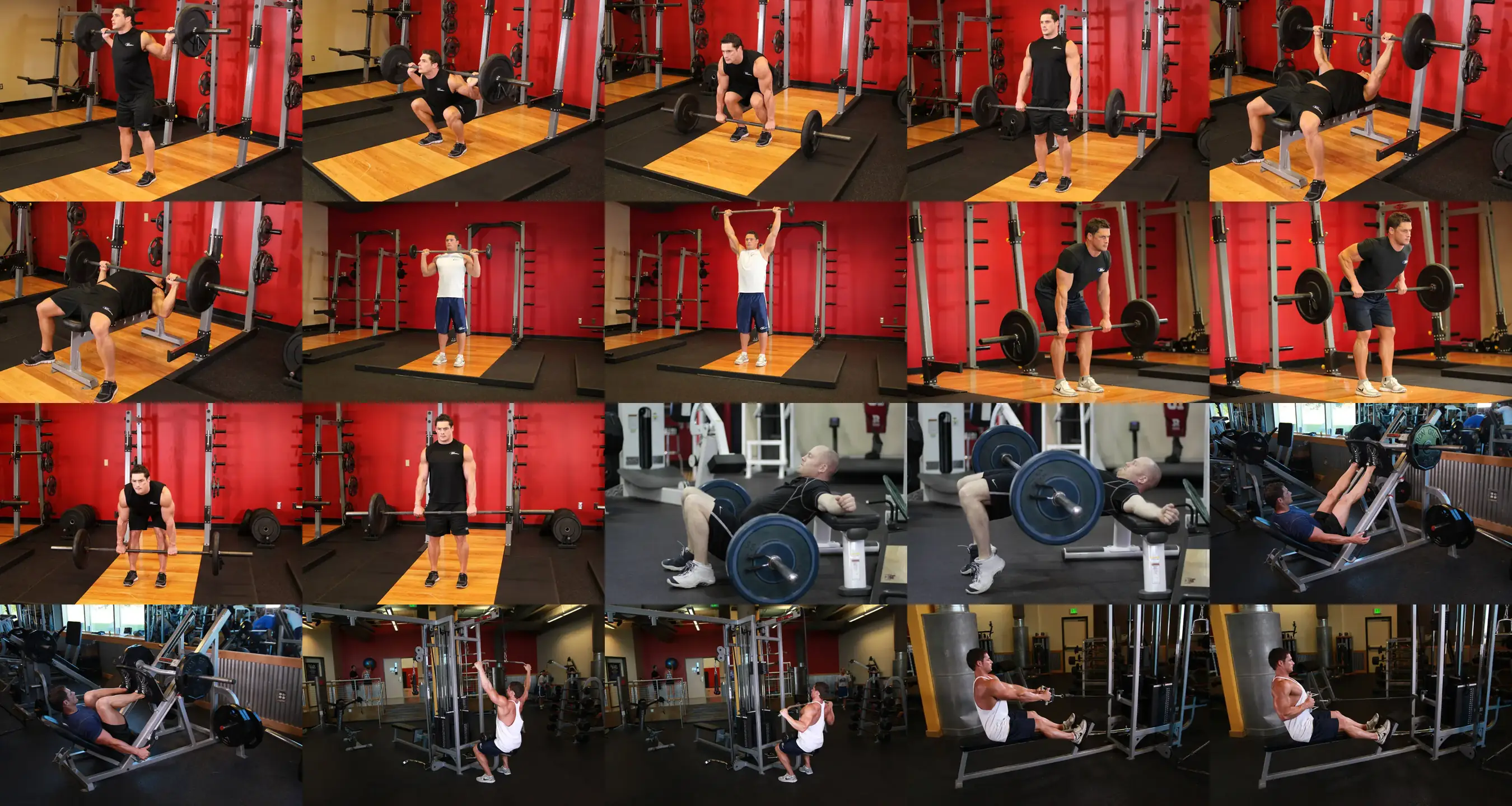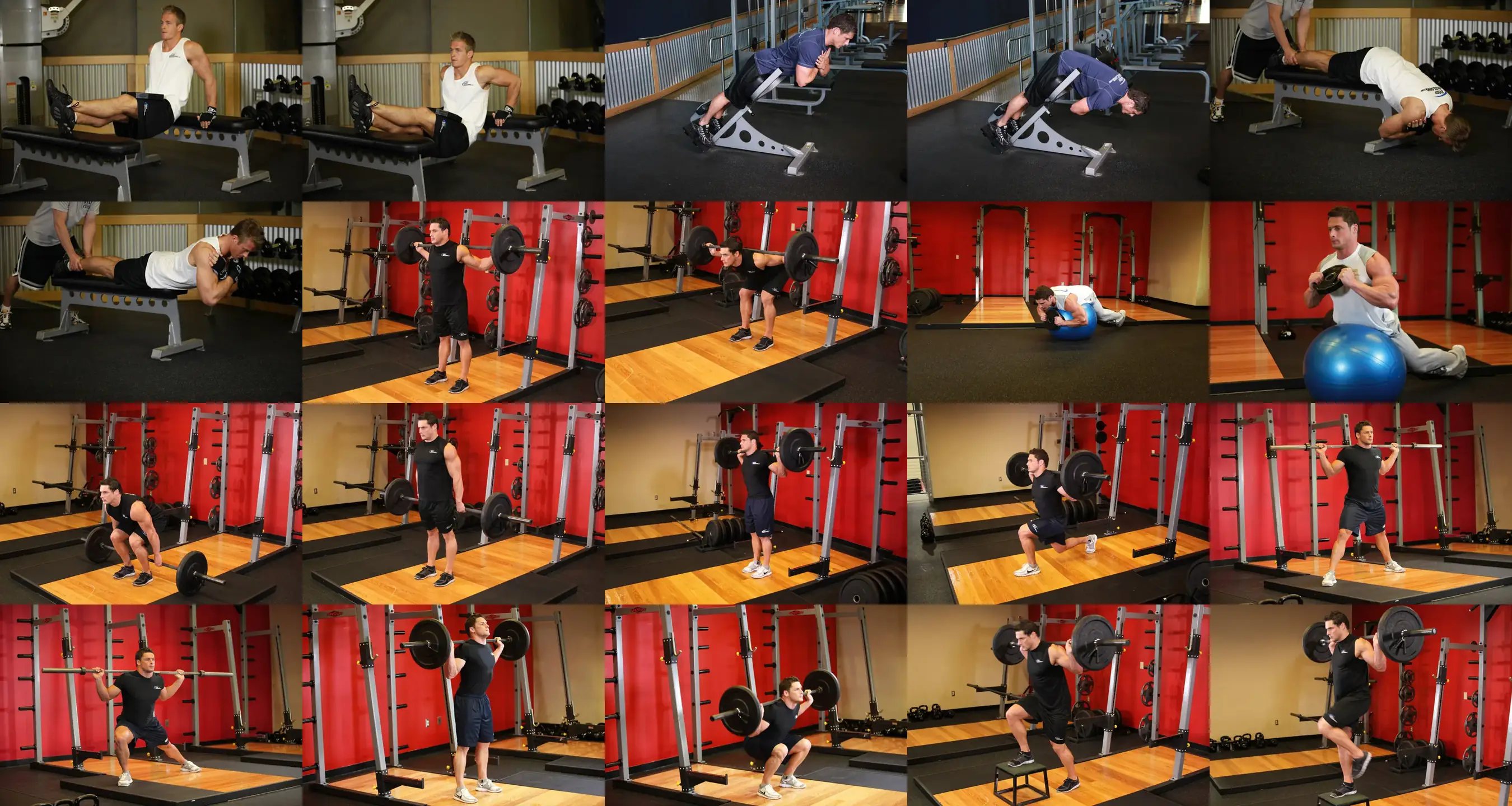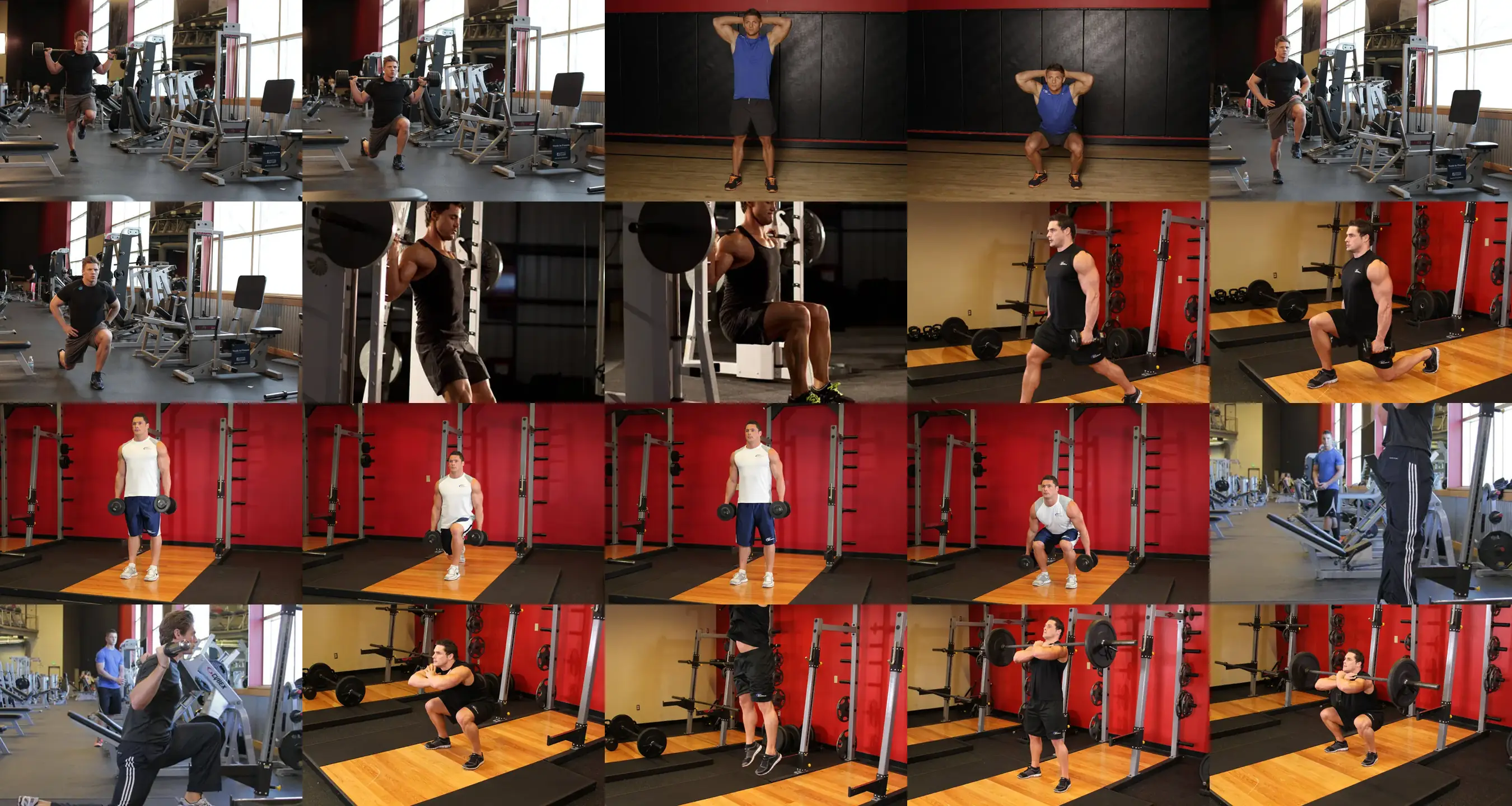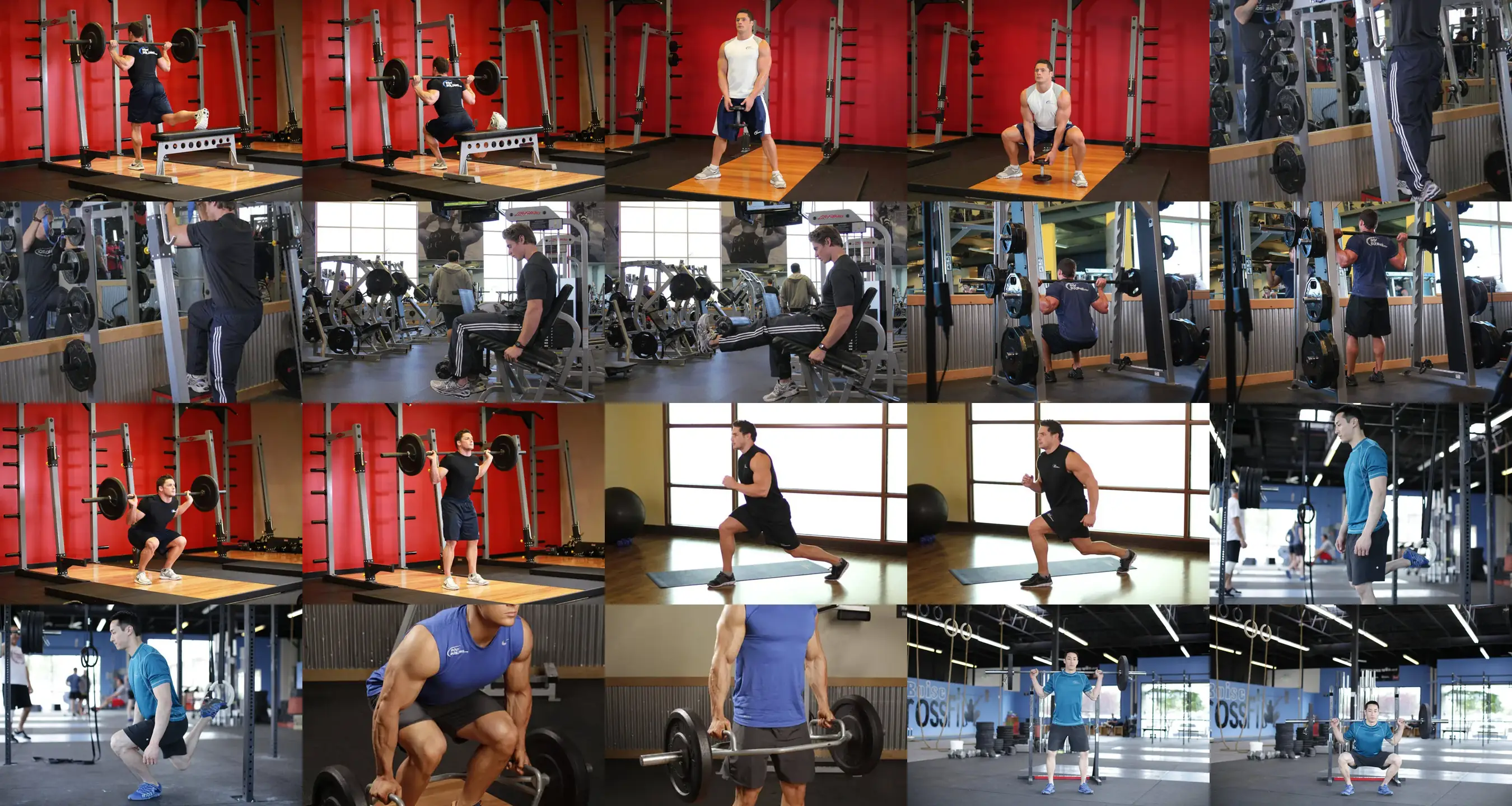
Setup and loading
Set your feet well beyond shoulder width with toes turned out 30 to 45 degrees, and hold one dumbbell by one end with both hands. Choose a weight that allows 10 to 15 reps lowering until your thighs are parallel to the floor.
How to do the dumbbell sumo squat step by step
- Stand with a wide stance and toes turned out, holding the dumbbell vertically by one plate with both hands.
- Let the dumbbell hang between your legs with straight arms, chest up and shoulders back.
- Inhale, brace your abs and lower by bending your knees and hips while keeping your torso almost vertical.
- Push your knees out so they follow your toes and descend until your thighs are parallel to the floor.
- Drive through your heels and stand up, squeezing your glutes and inner thighs as you exhale.
- At the top, extend your hips fully without pushing them forward, then repeat.
Form cues
- Knees open, always tracking over your toes
- Upright torso, the dumbbell moves straight down
- Arms straight, they just hold the weight
- Squeeze glutes and inner thighs on the way up
Common mistakes
- Knees caving in: it loads the joint; push them out or narrow your stance slightly.
- Leaning your torso forward: you lose the adductor focus; keep your chest tall.
- Stance wider than your hips allow: knees twist; adjust width and toe angle.
- Pulling the dumbbell with your arms: it adds nothing; let it simply hang.
How to make it easier or harder
If it is hard, do it with body weight only or with your hands on a chair for support. To progress, stand on two boxes or plates so the dumbbell can travel lower, add bottom pauses or use a heavier kettlebell.
Sets and reps for your goal
Hypertrophy
3-4 x 8-12 · rest 60-90 s3-4 sets of 6-12 reps (up to 15-20 on isolation exercises) at 65-80% of your max. Rest 1 to 2 minutes.
Get close to failure (0-3 reps in reserve) and control the lowering for 2-3 seconds. Accumulate 10-20 sets per muscle per week.
Max Strength
4-5 x 3-6 · rest 2-3 min3-6 sets of 1-6 reps at 80-90% of your max (1RM). Rest 2 to 5 minutes.
Leave 1-3 reps in reserve. If your technique breaks down, lower the weight: strength is built with good reps.
A guide for healthy adults. Adjust the load to your level and see a professional if you have an injury.
Check your form
Film yourself from the side or ask someone to watch, then tick what you get right.
Frequently asked questions
What is the difference between a sumo squat and a regular squat?
The sumo squat uses a much wider stance with toes pointed out, increasing adductor and glute work and allowing a more upright torso. A regular squat shifts more of the load onto your quads.
Does the sumo squat work the inner thighs?
Yes, it is one of the best exercises for strengthening your adductors because they work hard with the hips open. Keep in mind that training a muscle does not burn fat from that specific area; overall diet and activity handle that.
Sports it suits
Gear for this exercise
- Adjustable dumbbellsSave space and replace a whole dumbbell rack at home.
As an Amazon Associate, Muscle Atlas earns from qualifying purchases.