Setup and loading
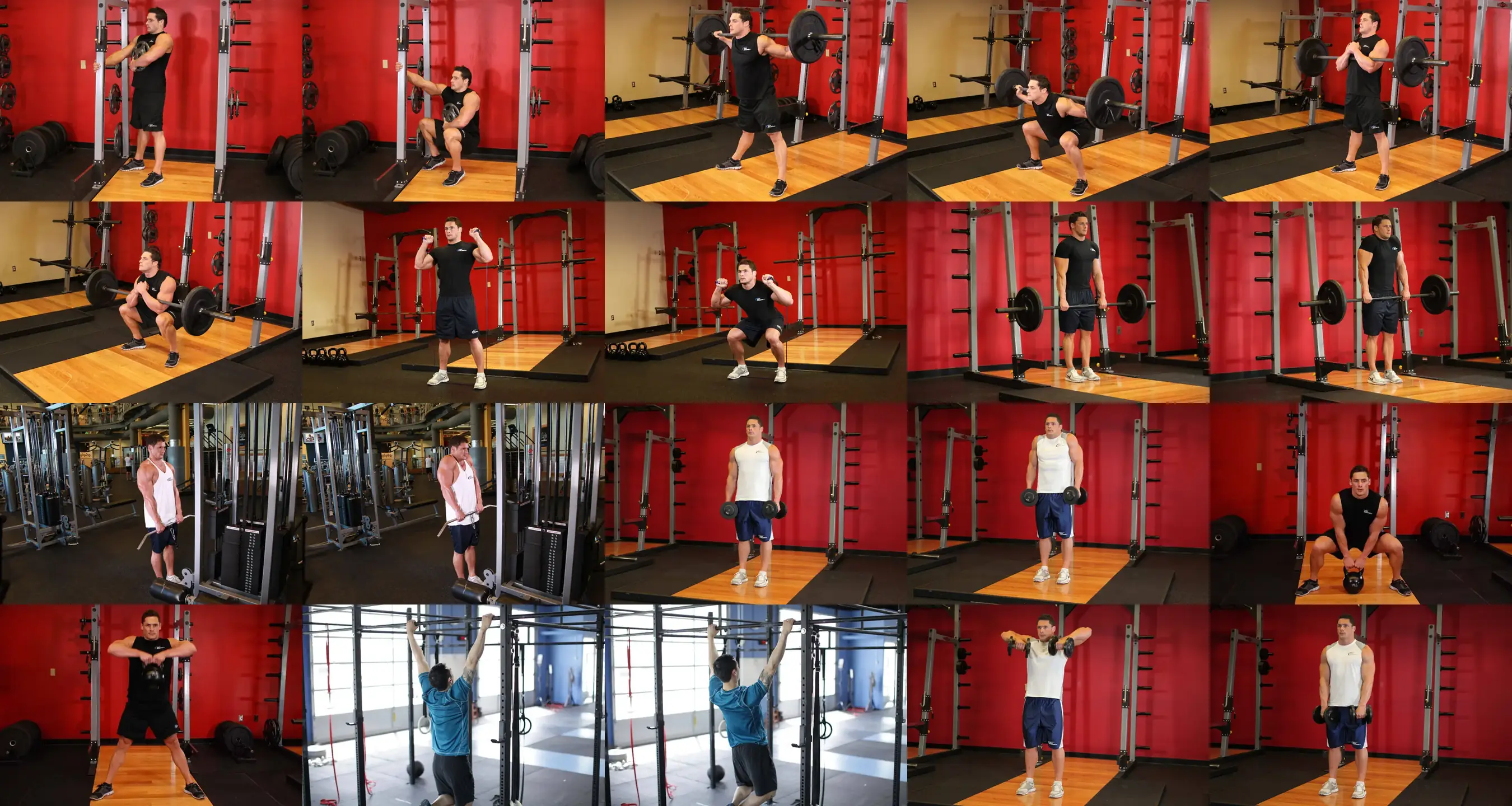
Stand with feet hip width apart holding a dumbbell in each hand in front of your thighs, palms facing you. Choose a light to moderate weight that allows 10 to 15 reps without swinging or raising your elbows above shoulder height.
How to do the dumbbell upright row step by step
- Hold a dumbbell in each hand in front of your thighs with palms facing your body and arms straight.
- Brace your abs, lift your chest and keep the dumbbells a few inches apart.
- Exhale and pull the dumbbells up close to your body, driving your elbows out and up.
- Lift until your elbows reach roughly shoulder height and the dumbbells reach your lower chest.
- Pause briefly at the top with your elbows always higher than your wrists.
- Inhale and lower the dumbbells slowly along the same path until your arms are straight.
Form cues
- Lead with your elbows, not your hands
- Elbows to shoulder height and no higher
- Keep the dumbbells close to your body throughout
- Torso still, no swinging or momentum
Common mistakes
- Raising elbows well above shoulders: it can pinch the shoulder; stop at shoulder height.
- Swinging your body: you rely on momentum; reduce weight and keep your torso firm.
- Curling your wrists inward: it adds needless strain; keep them neutral.
- Letting the dumbbells drift away: the delts lose tension; brush your torso on the way up.
How to make it easier or harder
To start, use very light dumbbells or do lateral raises, which train the delts with less shoulder demand. To progress, add weight, include top pauses or try the cable upright row for constant tension.
Sets and reps for your goal
Hypertrophy
3-4 x 8-12 · rest 60-90 s3-4 sets of 6-12 reps (up to 15-20 on isolation exercises) at 65-80% of your max. Rest 1 to 2 minutes.
Get close to failure (0-3 reps in reserve) and control the lowering for 2-3 seconds. Accumulate 10-20 sets per muscle per week.
Max Strength
4-5 x 3-6 · rest 2-3 min3-6 sets of 1-6 reps at 80-90% of your max (1RM). Rest 2 to 5 minutes.
Leave 1-3 reps in reserve. If your technique breaks down, lower the weight: strength is built with good reps.
A guide for healthy adults. Adjust the load to your level and see a professional if you have an injury.
Check your form
Film yourself from the side or ask someone to watch, then tick what you get right.
Frequently asked questions
Is the upright row bad for your shoulders?
It can bother you if you pull your elbows far above your shoulders or go too heavy, because space inside the joint narrows. Limiting the height to shoulder level and using dumbbells, most people tolerate it well.
Are upright rows or lateral raises better for shoulders?
Lateral raises isolate the side delts more precisely, while upright rows allow more load and also hit the traps. Using both is a solid strategy for broader shoulders.
Sports it suits
Gear for this exercise
- Adjustable dumbbellsSave space and replace a whole dumbbell rack at home.
As an Amazon Associate, Muscle Atlas earns from qualifying purchases.