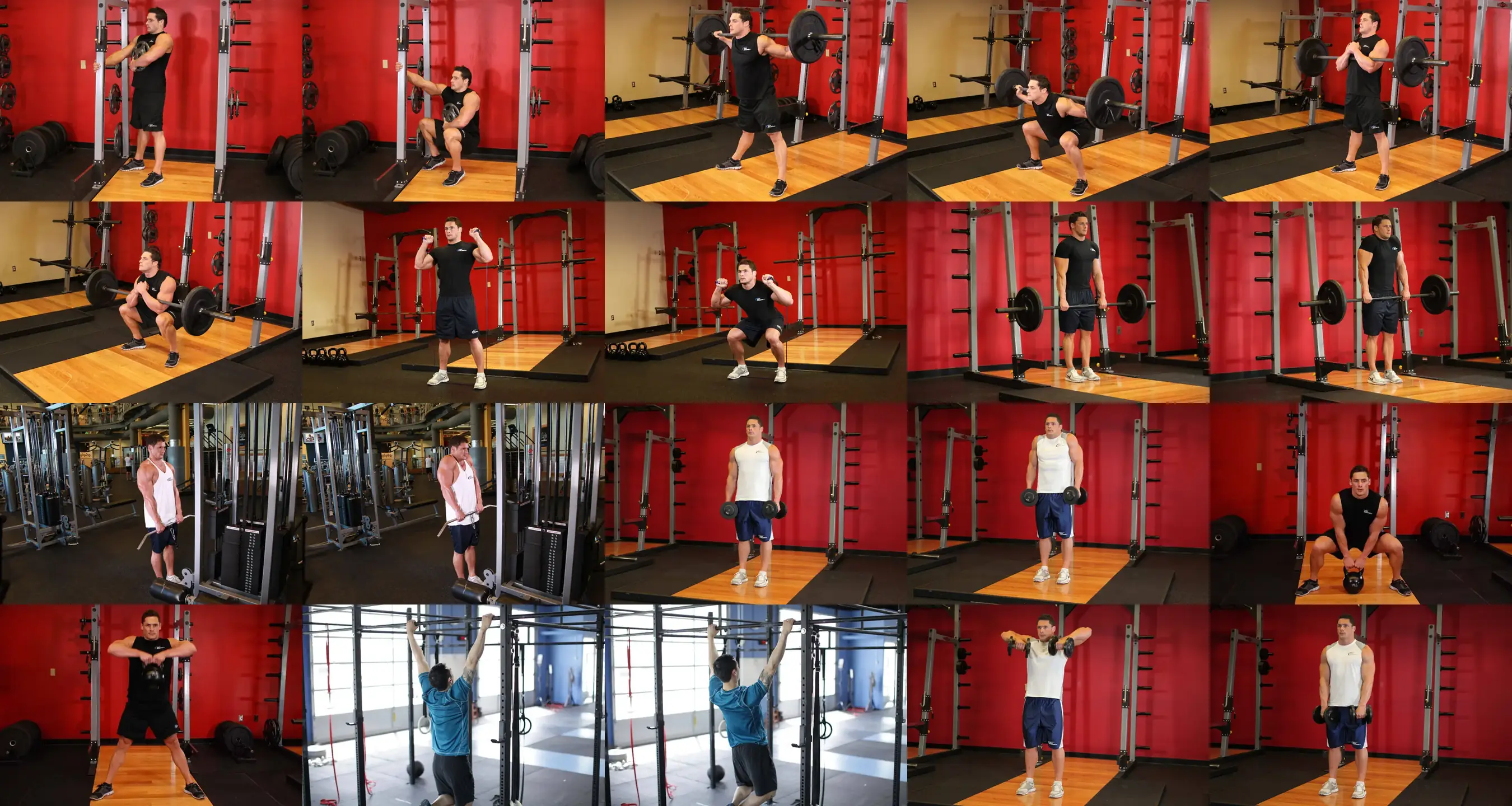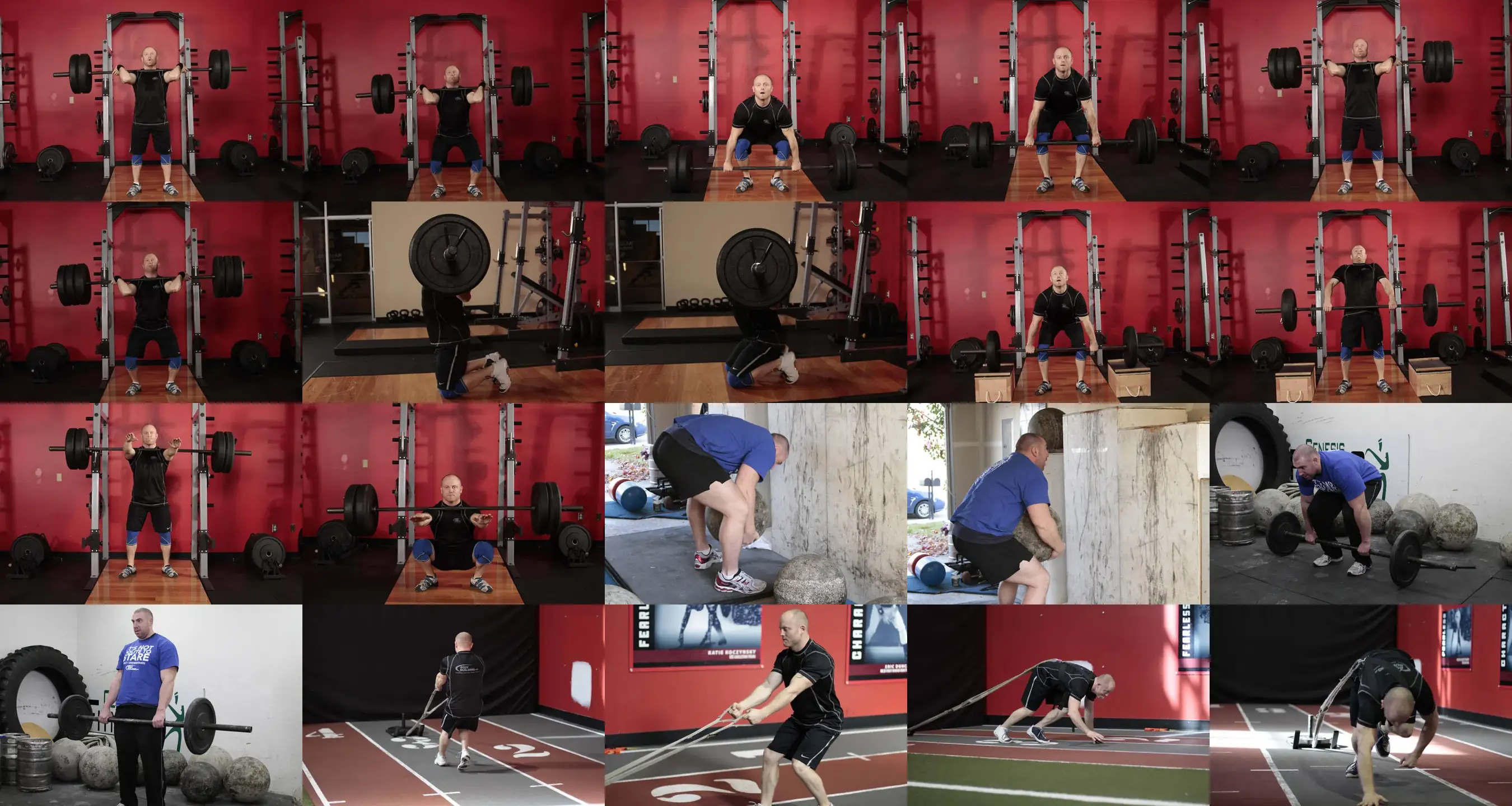
Setup and loading
Place the bar across the front of your shoulders, close to your neck, with arms straight out at shoulder height. Use an empty bar or very light weight, because the goal is technique, not load.
How to do the frankenstein squat step by step
- Unrack the bar onto your front delts next to your neck and extend your arms straight forward without gripping it.
- Set your feet at squat width, breathe in, and brace your abs while keeping your chest tall.
- Descend into a front squat with your torso vertical, arms parallel to the floor, and knees out.
- Reach the depth your mobility allows without the bar sliding forward.
- Stand up by driving through your whole foot, chest tall and arms forward, exhaling at the finish.
- If the bar starts to roll, stop, reset your posture, and continue with less depth.
Form cues
- Arms straight out, parallel to the floor
- Keep your chest tall the entire rep
- Bar tight to your neck, no hands
- Drive your knees forward and out wide
Common mistakes
- Leaning forward: the bar rolls off; lift your chest and reduce depth.
- Using too much weight: it defeats the technical purpose; use an empty or light bar.
- Dropping your arms: the bar loses its shelf; keep arms straight at shoulder height.
- Heels lifting: mobility is limited; wear lifting shoes or use a small heel wedge.
How to make it easier or harder
To make it easier, practice with a dowel or do deep goblet squats. To progress, move to a full grip front squat and add load, or use paused front squats.
Sets and reps for your goal
Power
4-6 x 2-5 · full rest3-6 sets of 1-5 reps with light or moderate loads (30-60% of your max on the main lifts), or with a ball or your bodyweight. Rest 2 to 3 minutes.
Every rep at the highest possible speed. As soon as you notice it moving slower (a 10-20% velocity loss), end the set. Train power fresh, never fatigued.
Max Strength
4-5 x 3-6 · rest 2-3 min3-6 sets of 1-6 reps at 80-90% of your max (1RM). Rest 2 to 5 minutes.
Leave 1-3 reps in reserve. If your technique breaks down, lower the weight: strength is built with good reps.
A guide for healthy adults. Adjust the load to your level and see a professional if you have an injury.
Check your form
Film yourself from the side or ask someone to watch, then tick what you get right.
Frequently asked questions
What is the Frankenstein squat good for?
It teaches you to keep an upright torso and the bar shelved on your shoulders during the front squat. If you lean, the bar falls, so the feedback is instant. It is great for improving your clean rack position.
How heavy should Frankenstein squats be?
Very light, usually an empty bar or small plates. It is a posture and technique drill, not a max strength lift. To load heavier, switch to a regular grip front squat.
Sports it suits
Gear for this exercise
- Olympic barbell and platesTo keep progressing on the big lifts with heavy loads.
As an Amazon Associate, Muscle Atlas earns from qualifying purchases.