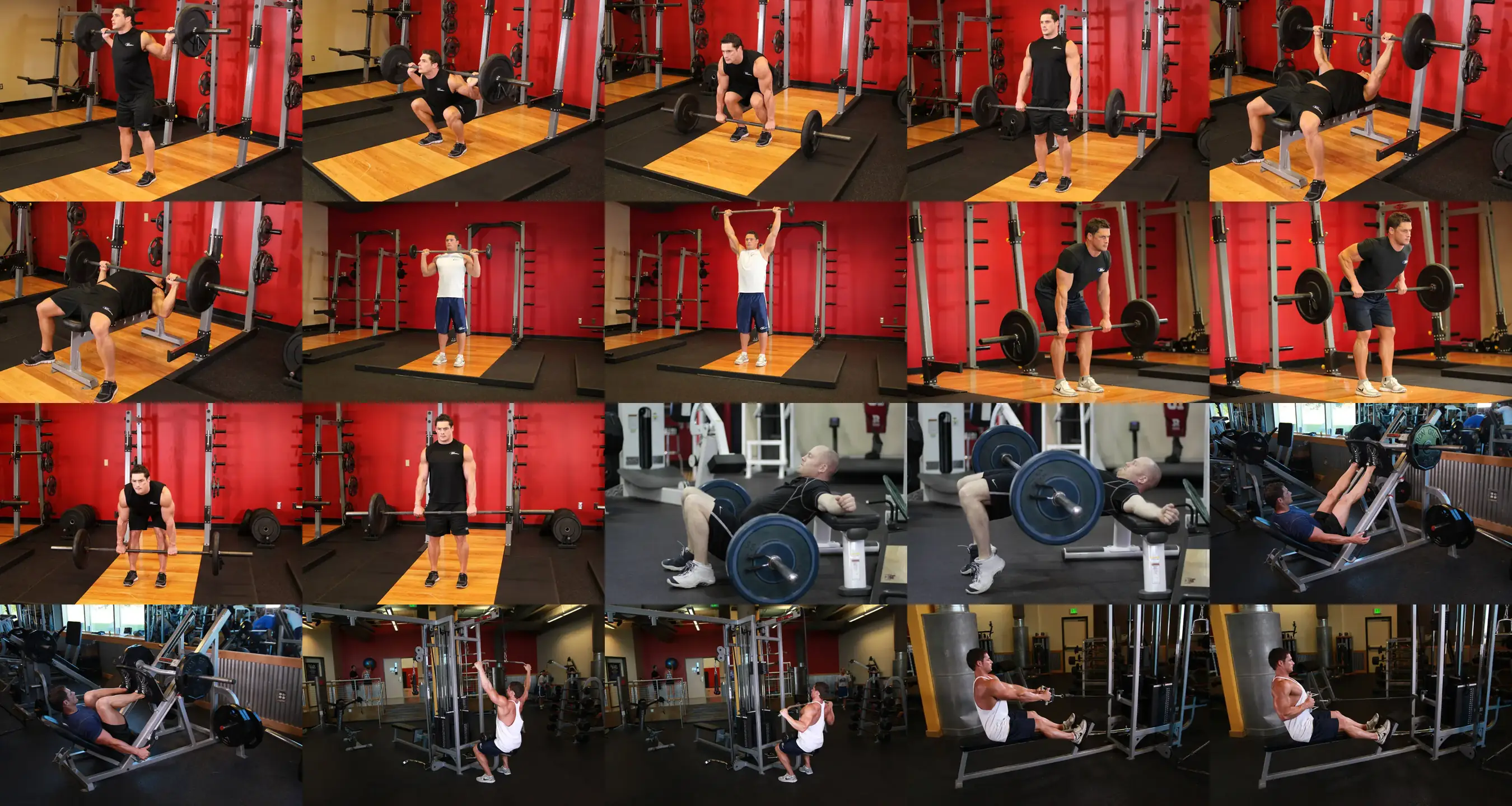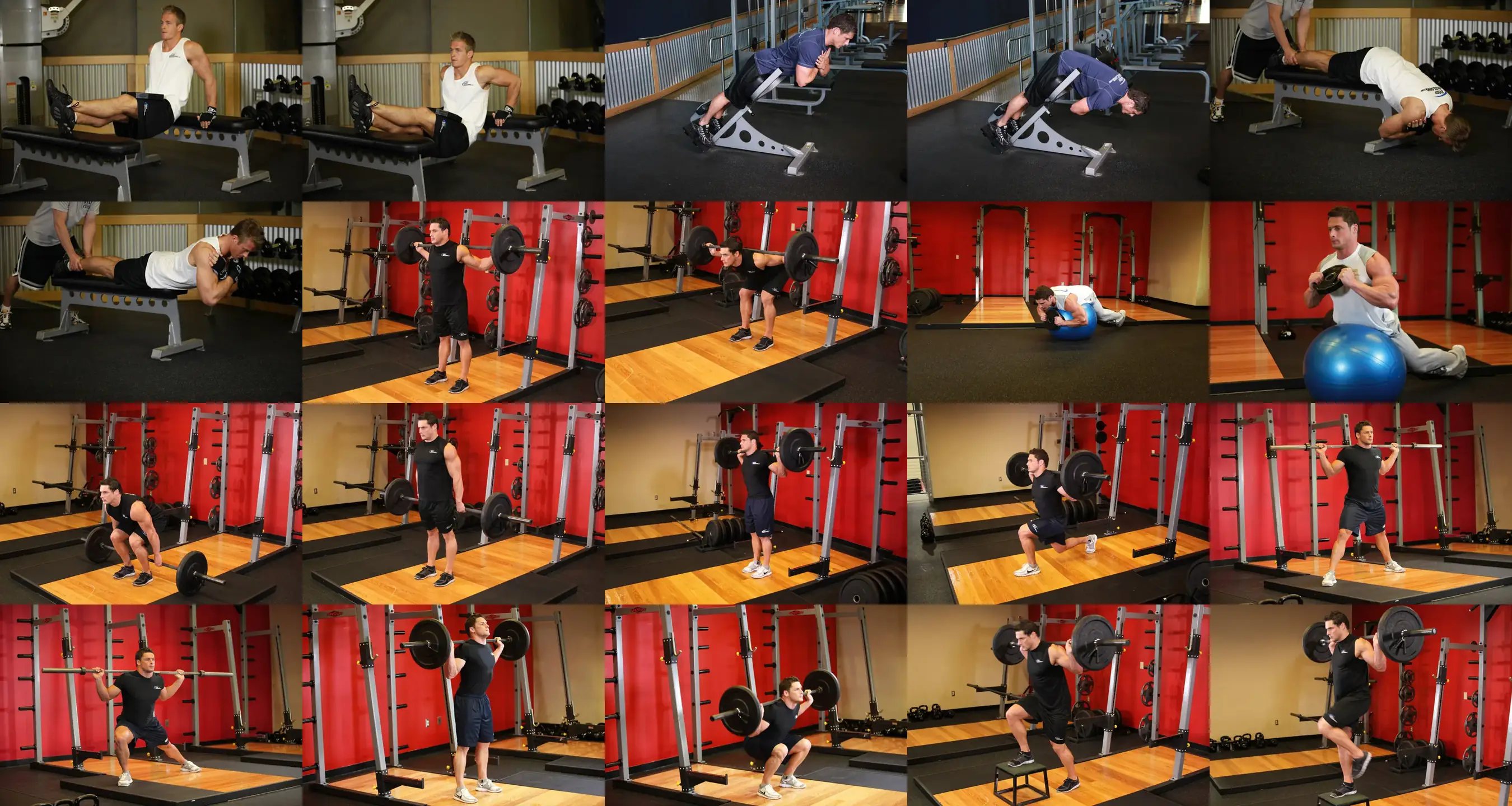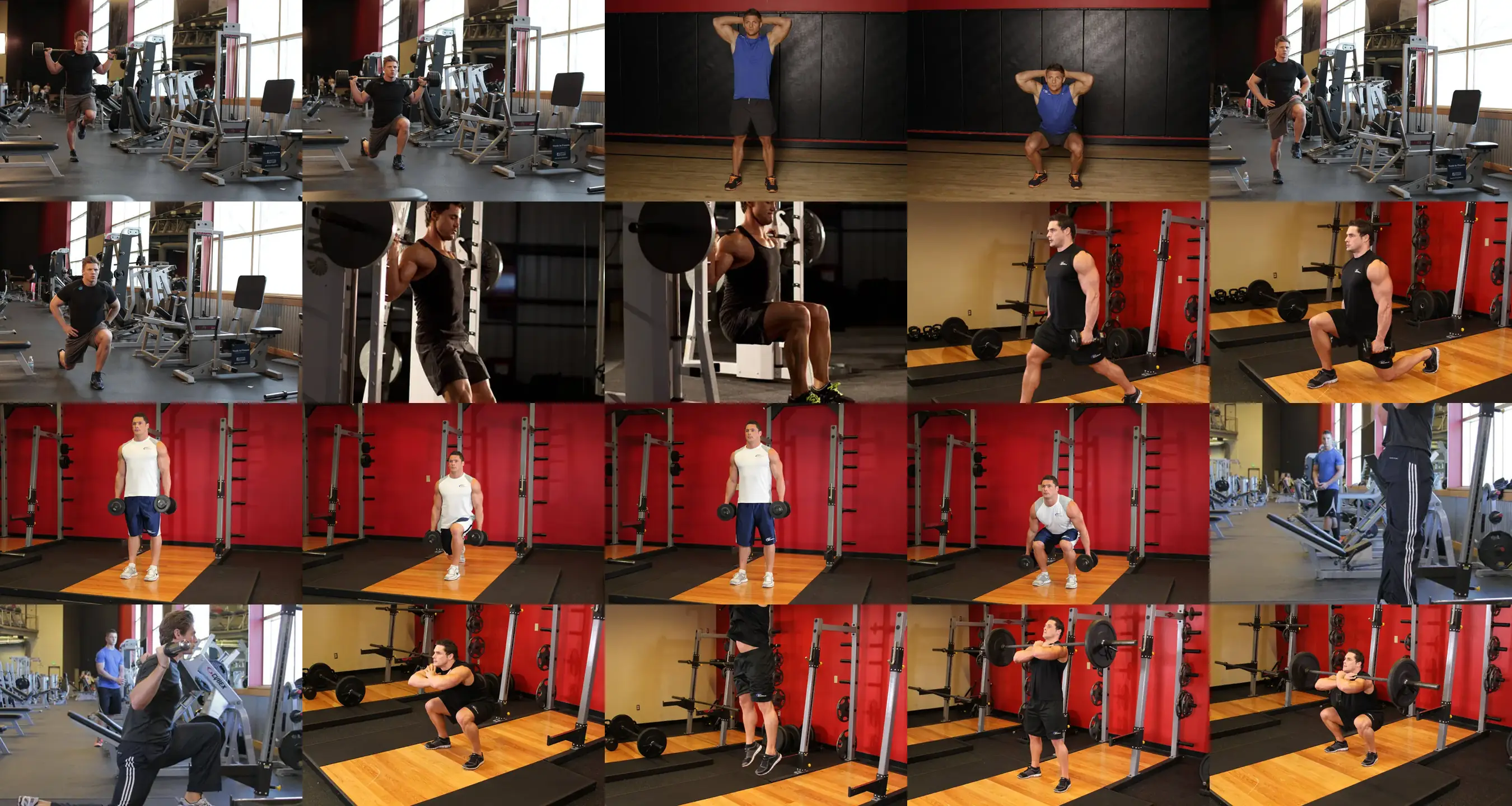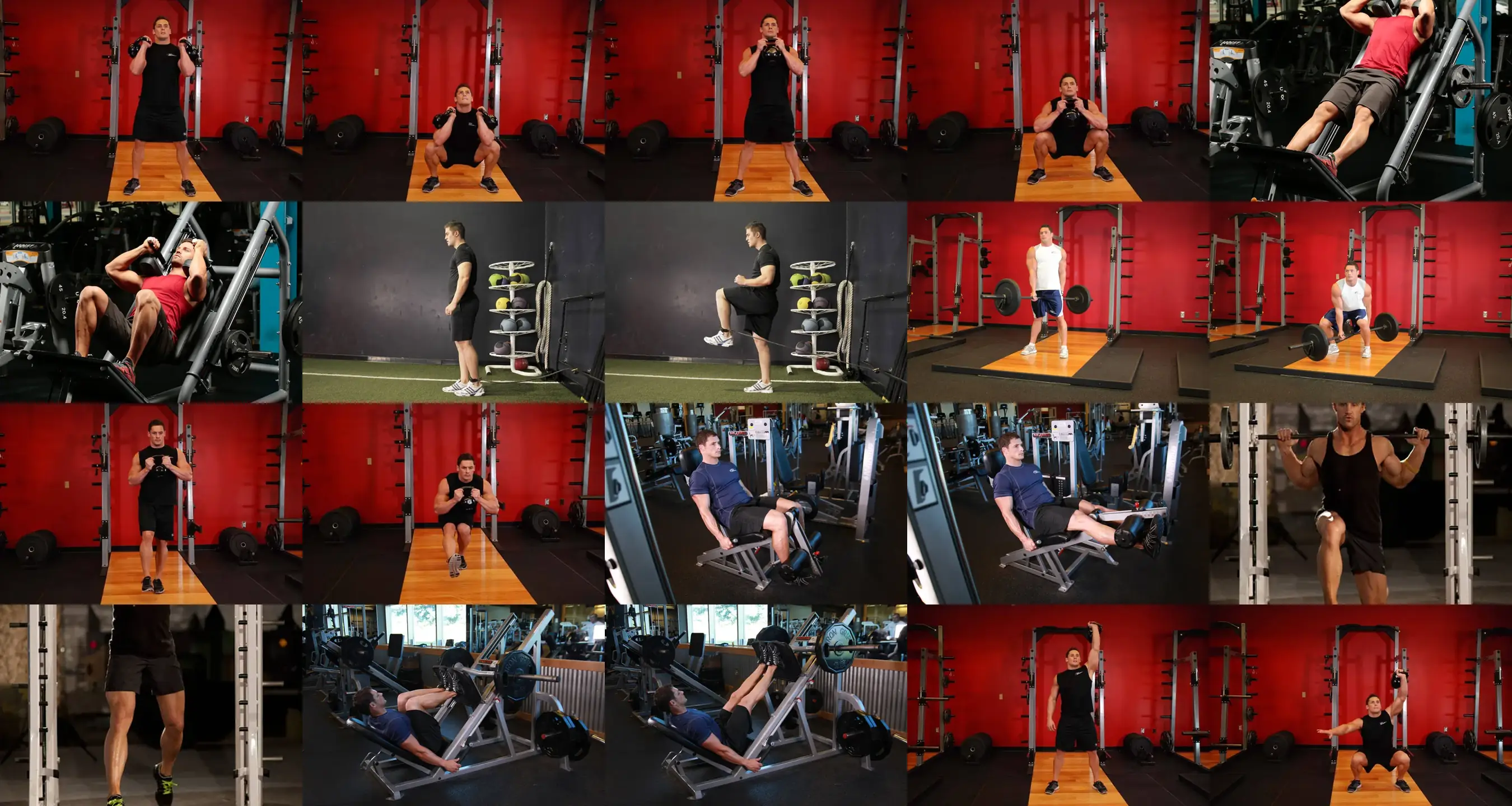
Setup and loading
Hold the kettlebell by the horns, or by the bell with the base down, tight to your chest under your chin. Choose a weight that allows 8 to 15 reps at full depth; when your arms tire before your legs, it is time to move to the barbell front squat.
How to do the goblet squat step by step
- Hold the kettlebell by the horns against your chest with your elbows pointing down.
- Set your feet slightly wider than your hips with your toes turned out a little.
- Take a breath, brace your abs and start lowering by bending your hips and knees together.
- Sit down between your legs with your chest up until your hips drop below your knees, if your mobility allows.
- At the bottom, use your elbows to gently push your knees out and pause for one second.
- Drive up through your whole foot and breathe out as you approach standing.
Form cues
- Chest up, kettlebell glued to your body
- Elbows inside your knees at the bottom
- Knees follow your toes
- Heels planted on the floor
Common mistakes
- Rounding your back at the bottom: you lose a neutral spine; only go as deep as you can keep your chest up.
- Letting the kettlebell drift forward: it pulls your torso down; keep it tight under your chin.
- Knees caving in as you rise: it stresses the knee; push them out in line with your toes.
- Heels lifting: your weight shifts to your toes; widen your stance a bit or raise your heels on plates.
How to make it easier or harder
To make it easier, use a light kettlebell and squat down to a bench or box. To progress, use a heavier kettlebell, add a three-second pause at the bottom, use a slow four-second descent, or move on to the barbell front squat.
Sets and reps for your goal
Hypertrophy
3-4 x 8-12 · rest 60-90 s3-4 sets of 6-12 reps (up to 15-20 on isolation exercises) at 65-80% of your max. Rest 1 to 2 minutes.
Get close to failure (0-3 reps in reserve) and control the lowering for 2-3 seconds. Accumulate 10-20 sets per muscle per week.
Max Strength
4-5 x 3-6 · rest 2-3 min3-6 sets of 1-6 reps at 80-90% of your max (1RM). Rest 2 to 5 minutes.
Leave 1-3 reps in reserve. If your technique breaks down, lower the weight: strength is built with good reps.
A guide for healthy adults. Adjust the load to your level and see a professional if you have an injury.
Check your form
Film yourself from the side or ask someone to watch, then tick what you get right.
Frequently asked questions
What is the goblet squat good for?
It strengthens your quads and glutes and, above all, teaches proper squat technique. The front weight counterbalances your body and makes it easier to sit deep with an upright torso, so it is a great stepping stone to barbell squats.
Can I do goblet squats with a dumbbell?
Yes. Hold the dumbbell vertically by one end, palms cupped under the top head, and keep it against your chest. It works just like the kettlebell version; only the grip changes. Use whichever you have and find more comfortable.
Sports it suits
Gear for this exercise
- KettlebellStart with 12-16 kg (26-35 lb) for women or 16-24 kg (35-53 lb) for men.
As an Amazon Associate, Muscle Atlas earns from qualifying purchases.