Setup and loading
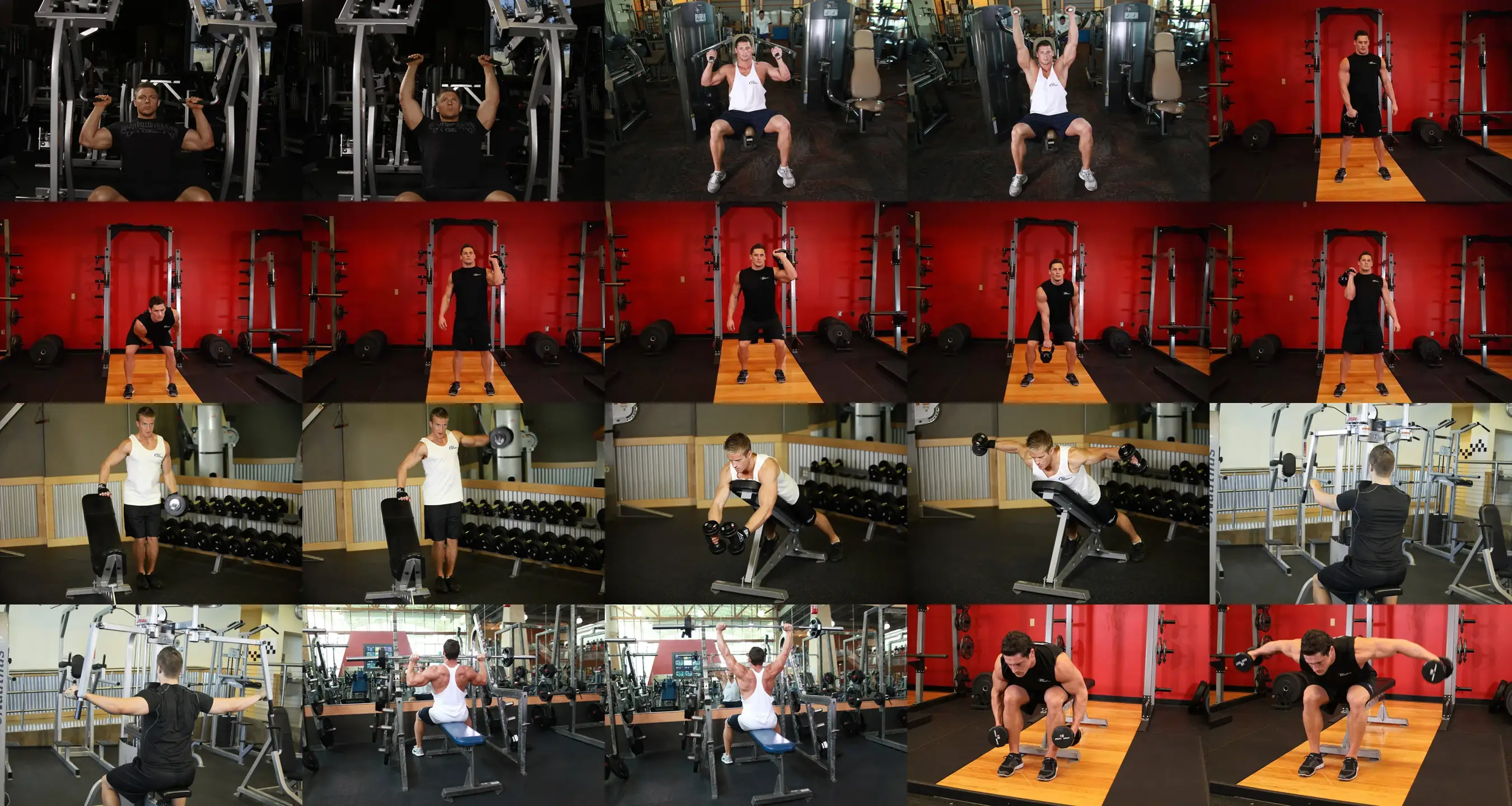
Set the bench to about 30 to 45 degrees and lie face down with your chest on the top of the pad and a light dumbbell in each hand. Choose a weight that lets you open your arms to shoulder height for 12 to 20 reps without lifting your chest off the bench.
How to do the incline bench reverse fly step by step
- Lie face down on the incline bench with your chest supported and feet planted.
- Let the dumbbells hang under your shoulders, palms facing each other and elbows slightly bent.
- Exhale and open your arms out to the sides in a wide arc up to shoulder height.
- Squeeze the backs of your shoulders for a second without shrugging toward your ears.
- Inhale and lower slowly until the dumbbells hang under your shoulders again.
- Repeat with your chest on the bench and your head in line with your spine.
Form cues
- Chest glued to the bench
- Sweep up to shoulder height
- Elbows slightly bent and fixed
- Eyes down, neck neutral
Common mistakes
- Lifting your chest off the bench: that is momentum; keep contact and lighten the load.
- Bending the elbows as you lift: it becomes a row; lock the elbow angle.
- Craning your head up: neck tension; look at the floor with a neutral neck.
- Using heavy dumbbells: the arc disappears; rear delts respond better to light weights.
How to make it easier or harder
As a regression, do it with no weight or a band, or use a steeper bench angle. To progress, add weight gradually, hold two seconds at the top, or move to cable rear delt flyes for constant tension.
Sets and reps for your goal
Hypertrophy
3 x 10-15 · rest 60 s3-4 sets of 6-12 reps (up to 15-20 on isolation exercises) at 65-80% of your max. Rest 1 to 2 minutes.
Get close to failure (0-3 reps in reserve) and control the lowering for 2-3 seconds. Accumulate 10-20 sets per muscle per week.
A guide for healthy adults. Adjust the load to your level and see a professional if you have an injury.
Check your form
Film yourself from the side or ask someone to watch, then tick what you get right.
Frequently asked questions
Why do reverse flyes on an incline bench instead of standing?
With your chest supported you do not need to hold a bent over position, so your lower back rests and you cannot use momentum. That isolates the rear delts better, which is especially helpful if your back gets cranky.
What bench angle should I use for reverse flyes?
Between 30 and 45 degrees is most common. A lower angle puts your torso more horizontal and increases rear delt work. A steeper angle makes the exercise feel more like a lateral raise.
Sports it suits
Gear for this exercise
- Adjustable dumbbellsSave space and replace a whole dumbbell rack at home.
As an Amazon Associate, Muscle Atlas earns from qualifying purchases.