Setup and loading
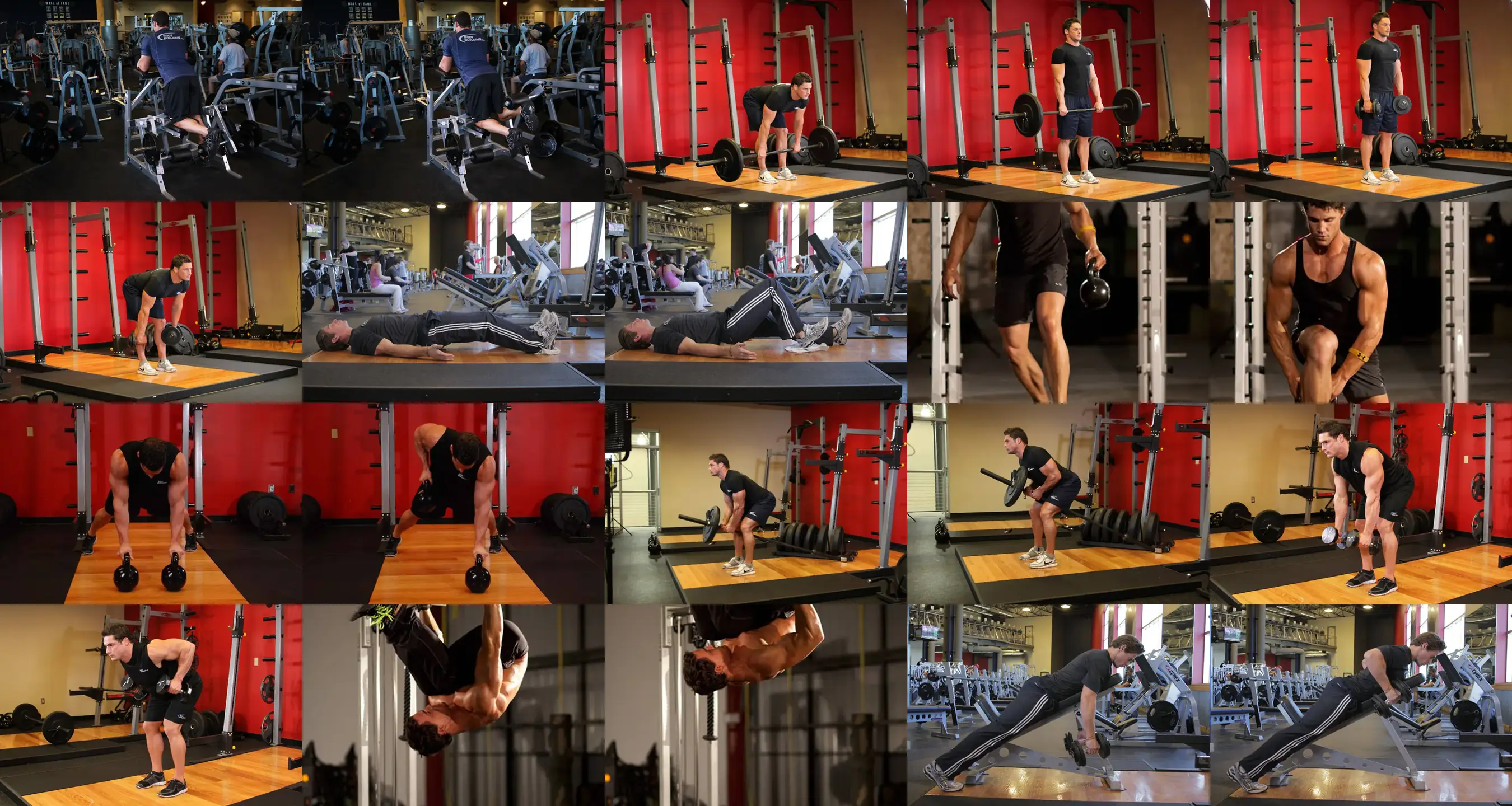
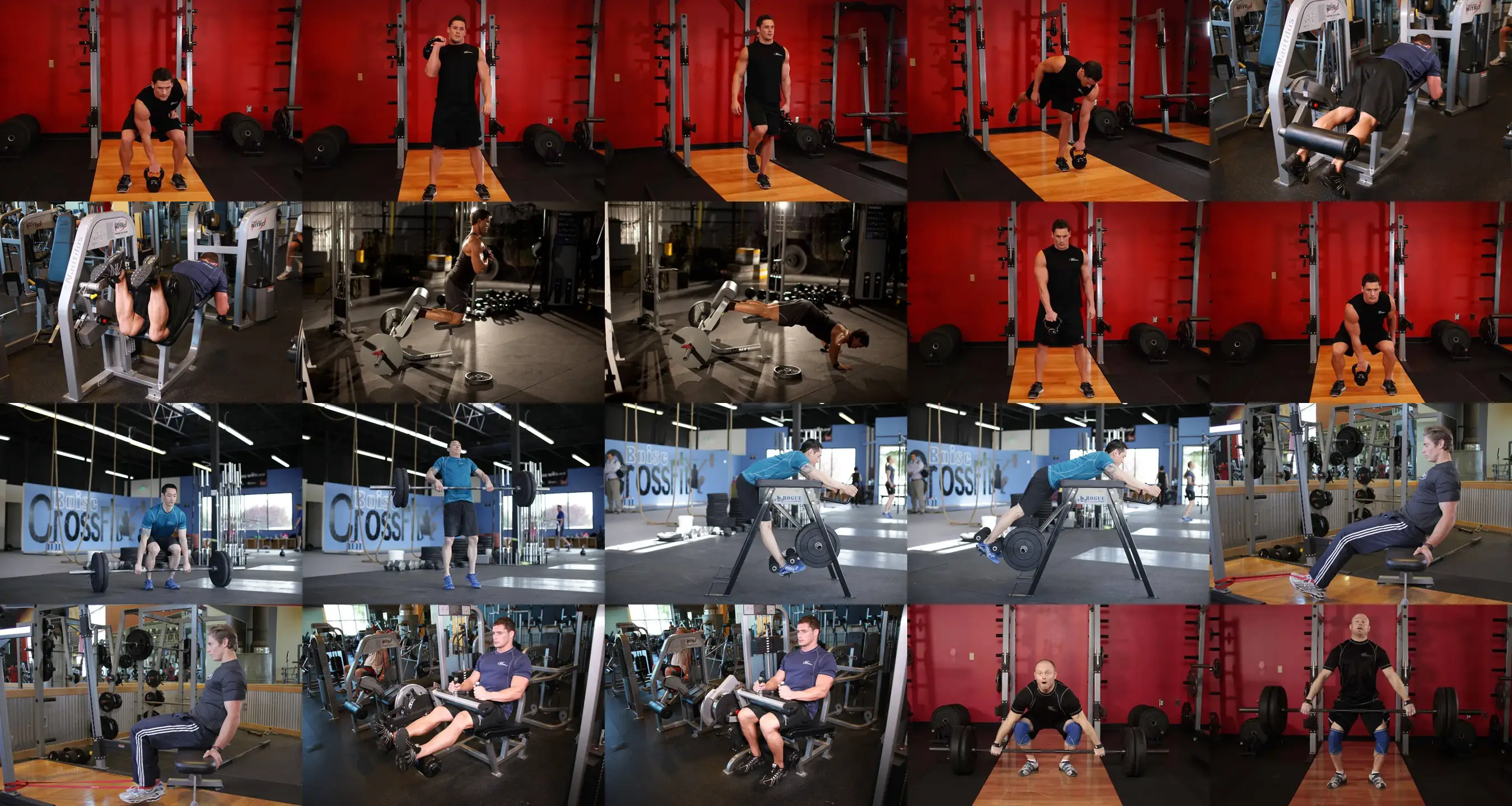
Hook your ankles under the rollers of a lat pulldown, a preacher bench, or have a partner hold them, with a pad under your knees. If you cannot control the lowering, push off the floor with your hands to return; 3 to 6 slow reps is enough.
How to do the natural glute-ham raise step by step
- Kneel on a pad facing away from the anchor and hook your ankles under the rollers or a partner's hands.
- Rise tall with your hips extended, glutes squeezed, and your body in a straight line from knees to head.
- Breathe in and let your torso fall forward as one unit, braking with your hamstrings as slowly as possible.
- Keep your hands in front of your chest and place them on the floor to catch yourself when you cannot slow down anymore.
- Breathe out and pull back up with your hamstrings, using a small push from your hands if needed.
- Return to the tall kneeling position with hips extended before starting the next rep.
Form cues
- Hips extended, body in a straight line
- Squeeze your glutes the whole way down
- Lower as slowly as you possibly can
- Hands ready to catch the fall
Common mistakes
- Bending at the hips: it gets easier and loses effect; squeeze glutes and keep your line.
- Crashing down at the end: risks impact; keep your hands ready and brake earlier.
- No pad under your knees: irritates your kneecaps; use a thick mat underneath.
- High reps with sloppy form: increases risk; keep sets short with full rest.
How to make it easier or harder
As a regression, use a band anchored in front of your chest for assistance or shorten the range by lowering only partway. To progress, lower more slowly, add a pause halfway down, or hug a weight plate to your chest.
Sets and reps for your goal
Hypertrophy
3-4 x 8-12 · rest 60-90 s3-4 sets of 6-12 reps (up to 15-20 on isolation exercises) at 65-80% of your max. Rest 1 to 2 minutes.
Get close to failure (0-3 reps in reserve) and control the lowering for 2-3 seconds. Accumulate 10-20 sets per muscle per week.
Max Strength
4-5 x 3-6 · rest 2-3 min3-6 sets of 1-6 reps at 80-90% of your max (1RM). Rest 2 to 5 minutes.
Leave 1-3 reps in reserve. If your technique breaks down, lower the weight: strength is built with good reps.
Injury Prevention
2-3 x 10-15 slow2-3 sets of 10-15 slow reps with a light or moderate load, 2-3 times per week.
Control the lowering (about 3 seconds). This is quality work, not fatigue work: finish every set feeling good.
A guide for healthy adults. Adjust the load to your level and see a professional if you have an injury.
Check your form
Film yourself from the side or ask someone to watch, then tick what you get right.
Frequently asked questions
What is the difference between a Nordic curl and a GHD glute-ham raise?
The Nordic curl is done kneeling on the floor or a bench with no special machine, and it is harder because your knee is the only pivot. On a GHD machine your body position makes the movement easier and allows more range.
How do I start Nordic curls if I cannot come back up?
Start with only the lowering phase, braking as slowly as possible, then push off with your hands to return. You can also anchor a band in front of you for assistance and reduce the help over time.
Sports it suits
Gear for this exercise
- Exercise matThick (8-10 mm) for floor work.
As an Amazon Associate, Muscle Atlas earns from qualifying purchases.