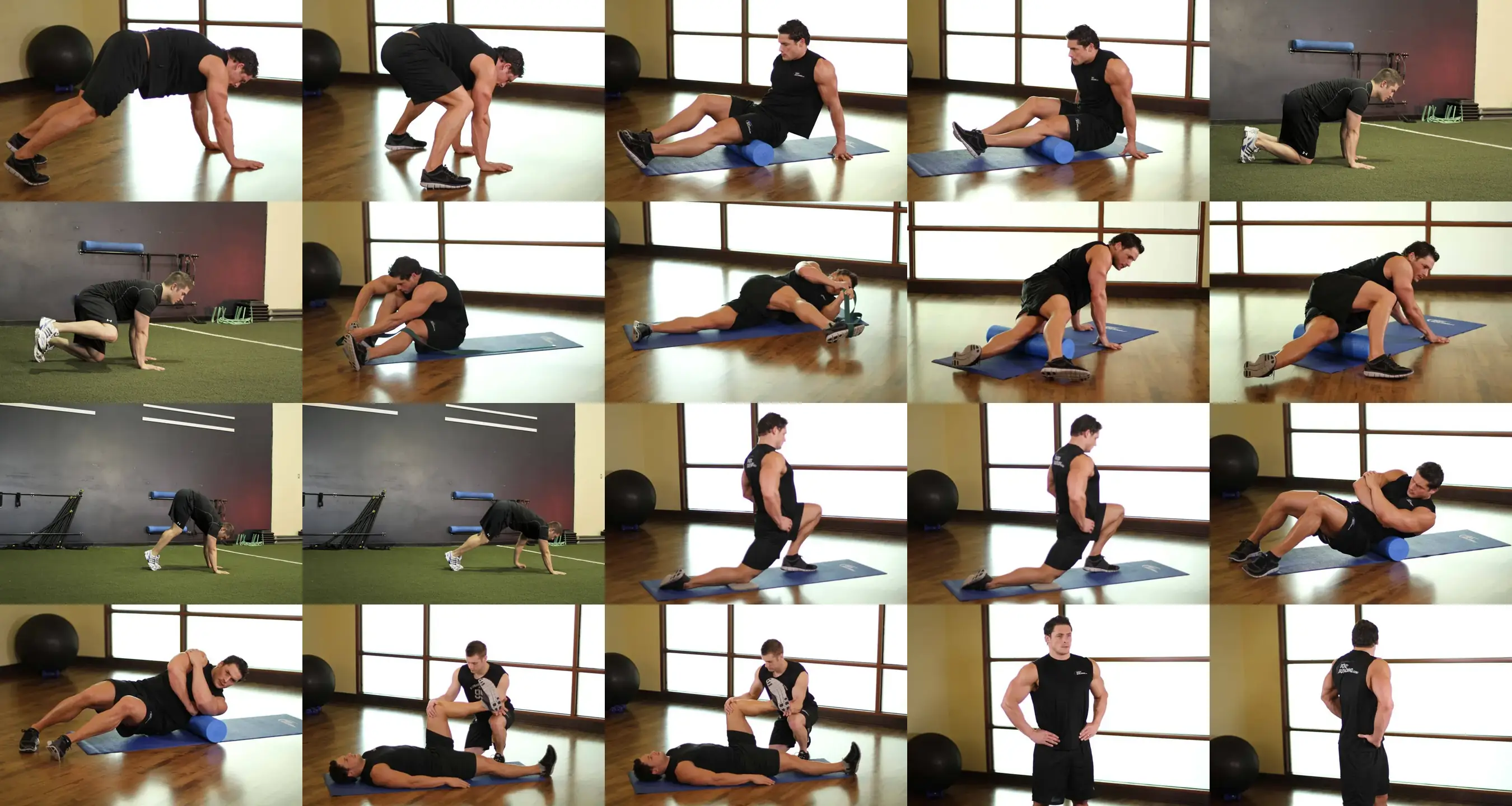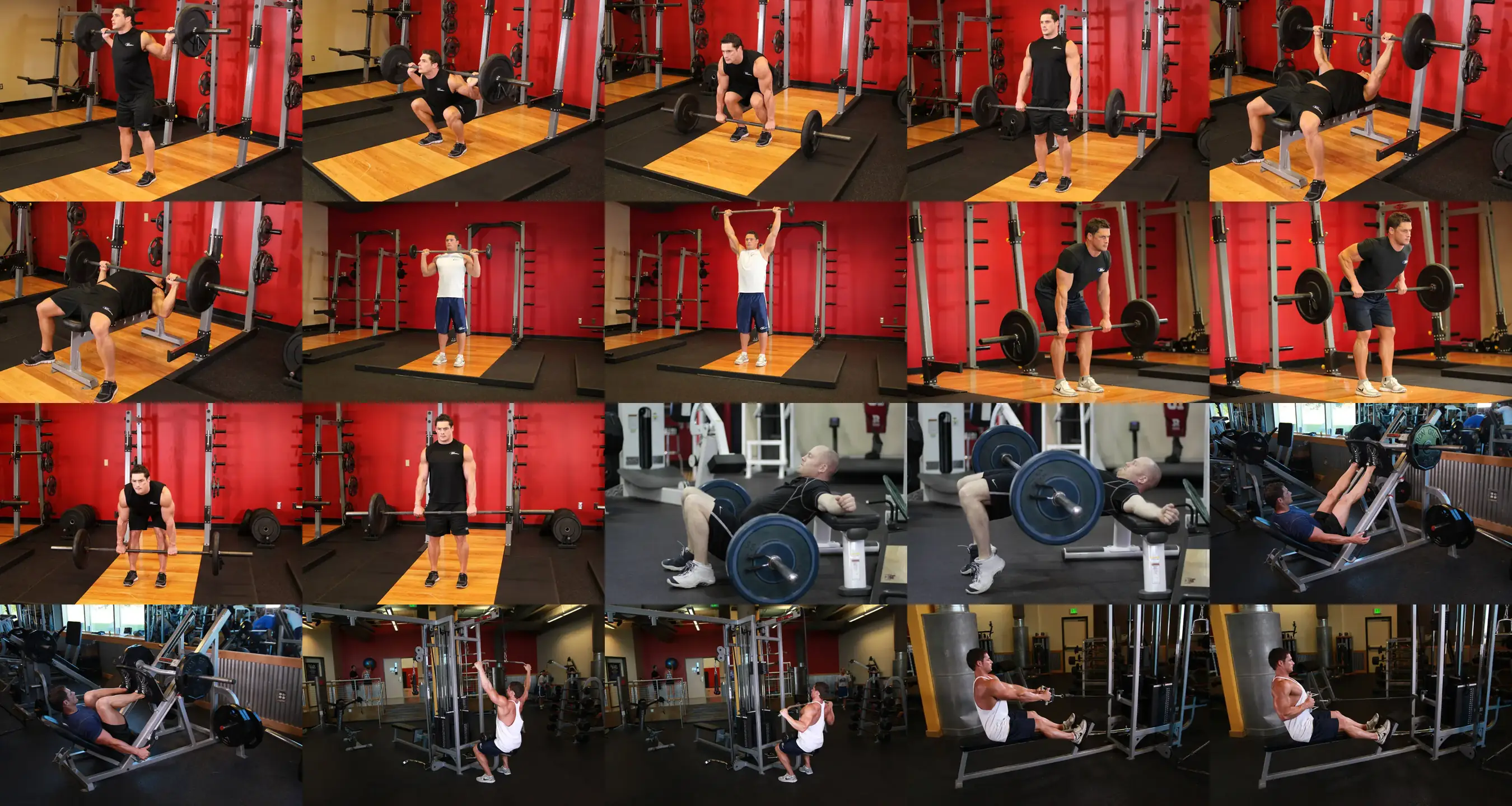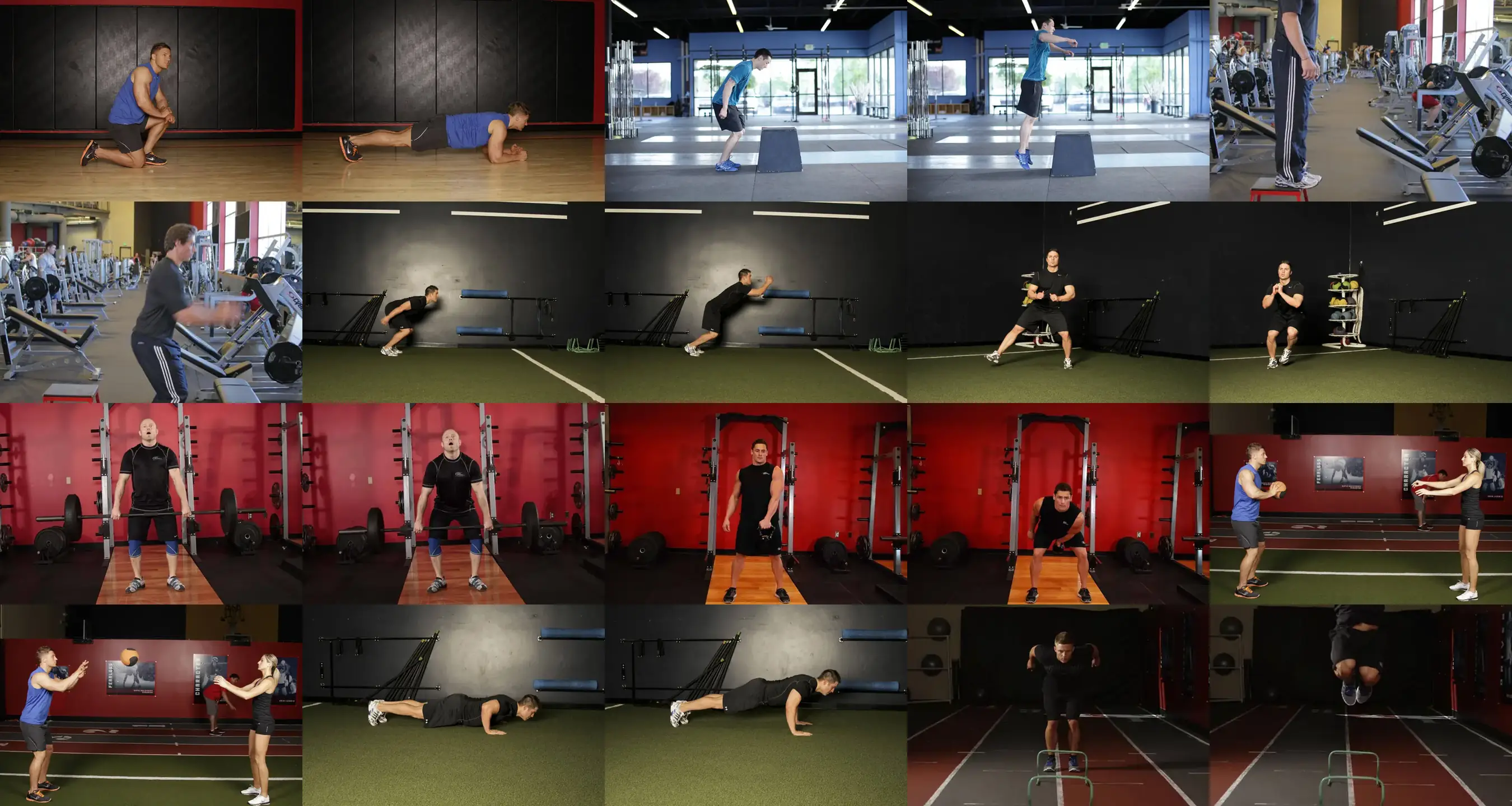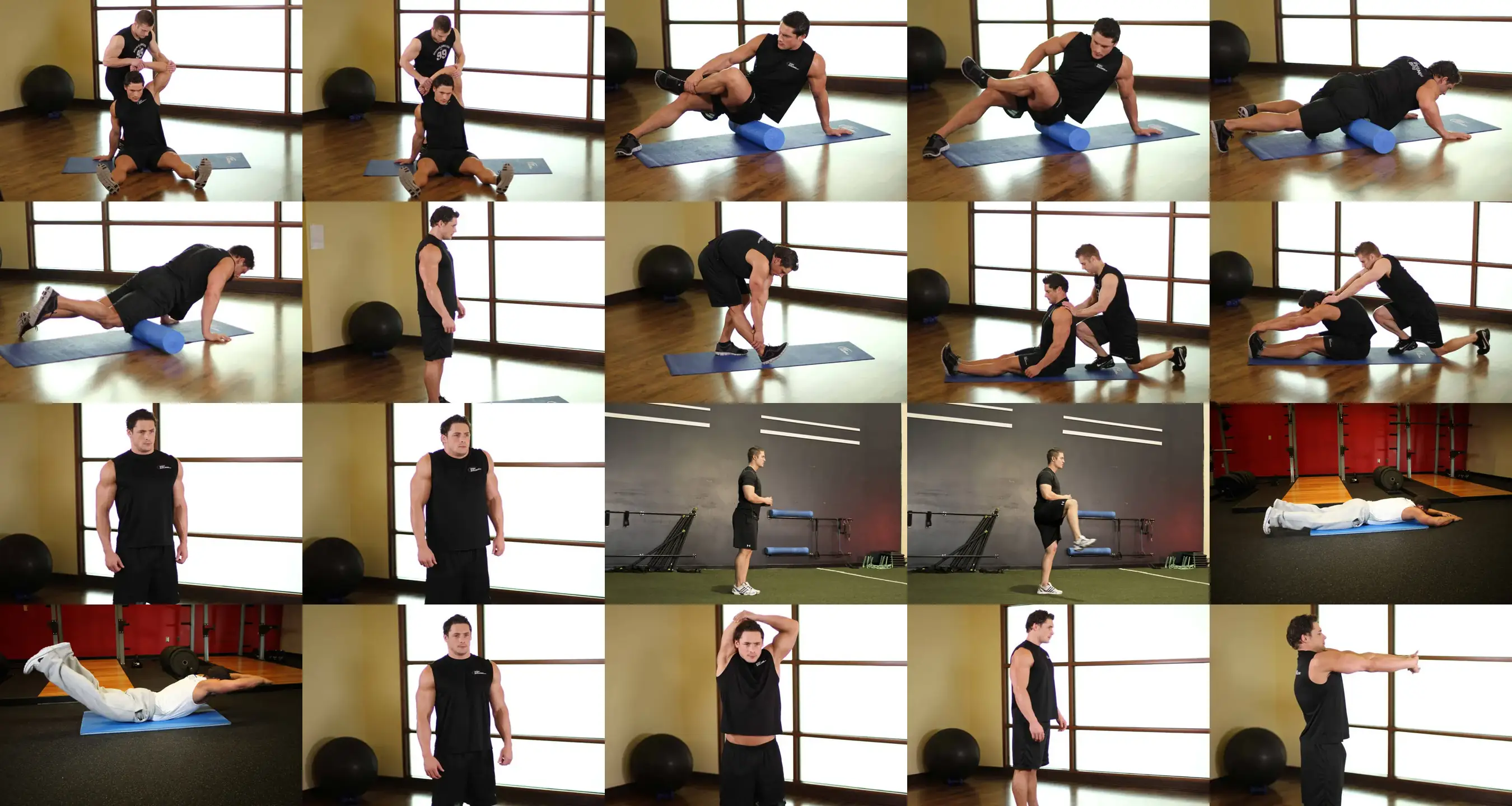
Setup and loading
Sit on the roller with hands behind you and one foot on the floor, crossing the other ankle over that knee. Increase pressure by leaning further onto the crossed side or swapping the roller for a massage ball.
How to do the piriformis foam roll step by step
- Sit on the roller with your hands planted behind you and both feet on the floor.
- Cross your right ankle over your left knee, forming a figure four with your legs.
- Shift your weight onto your right glute so the roller sits under the crossed side.
- Roll slowly a couple of inches up and down and side to side, searching for the tightest spots.
- On a sensitive spot, pause 20 to 30 seconds and let the crossed knee gently drop open as you exhale.
- Work 60 to 90 seconds, then switch sides by crossing the other leg.
Form cues
- Figure four to stretch the glute
- Weight shifts to the crossed side
- Short, slow movements
- Exhale and let the knee fall open
Common mistakes
- Sitting square on the roller: misses the piriformis; lean onto the crossed glute.
- Rolling over the sacrum or tailbone: presses on bone; stay on the meaty part of the glute.
- Pushing through leg tingling: you may be compressing the sciatic nerve; move to another spot.
- Long, fast passes: deep muscle will not relax; use small movements.
How to make it easier or harder
For a gentler version, keep both feet down and just lean onto one glute. For more intensity, use a lacrosse or massage ball and pair the work with a figure-four stretch or pigeon pose.
Sets and reps for your goal
Mobility
30-60 s per area2-3 sets of 30-60 seconds or 8-10 slow reps. Daily or before training.
Work in a pain-free range with slow breathing. A little often is better than a lot once in a while.
A guide for healthy adults. Adjust the load to your level and see a professional if you have an injury.
Check your form
Film yourself from the side or ask someone to watch, then tick what you get right.
Frequently asked questions
Does foam rolling help piriformis syndrome?
It can ease deep glute tension and the feeling of stiffness. If you feel pain running down your leg, tingling, or numbness, do not push it and see a health professional, since the cause may be something else.
Is a ball or a foam roller better for the piriformis?
A roller spreads pressure and is better for starting out. A massage ball reaches deeper and is more precise, but also more intense. Many people use the roller first and then a ball on specific spots.
Sports it suits
Gear for this exercise
- Foam rollerMedium density to start.
As an Amazon Associate, Muscle Atlas earns from qualifying purchases.