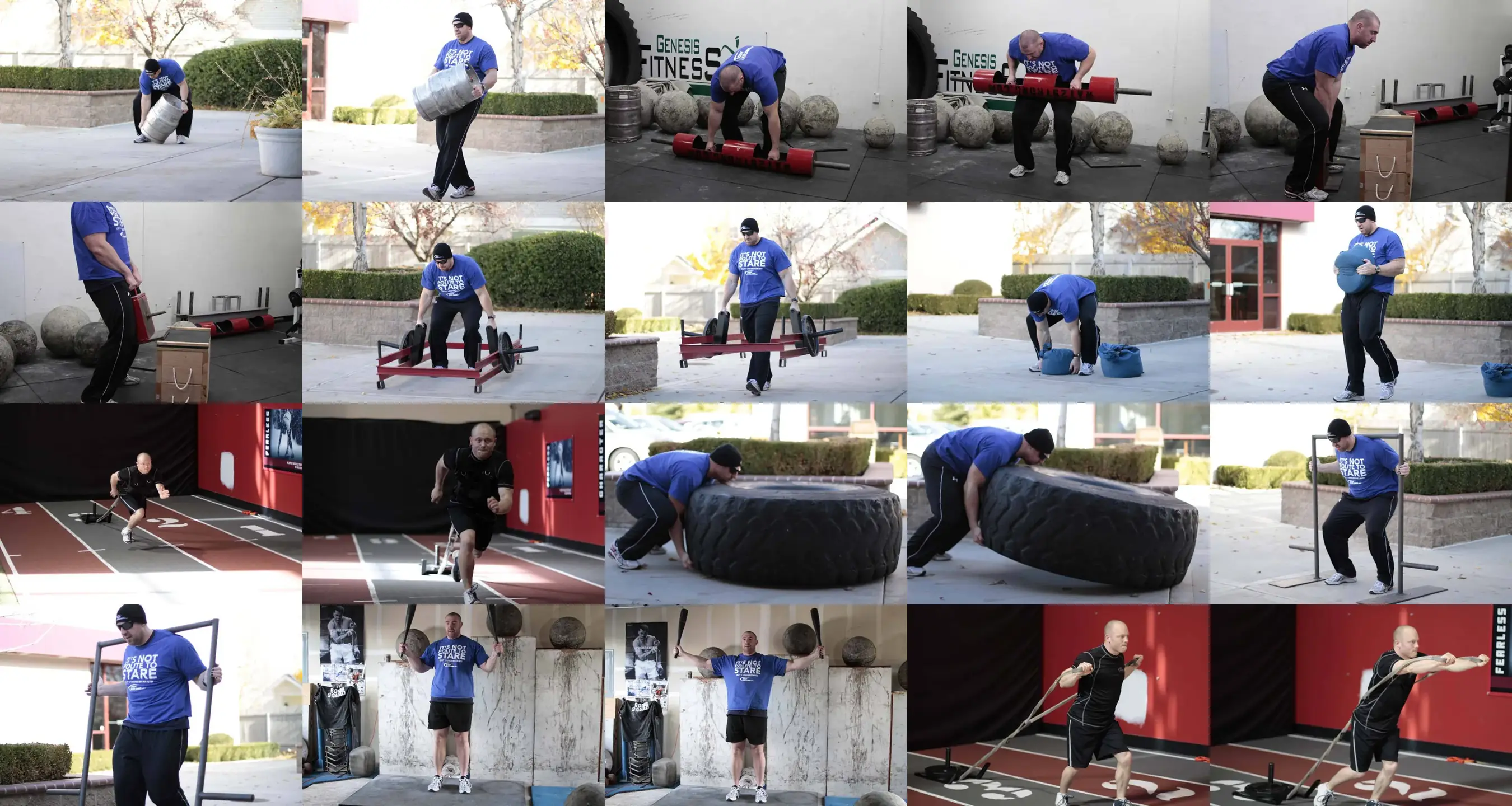
Setup and loading
If you do not have stairs, use a stable box or tire 12 to 18 inches high and a heavy kettlebell or handled implement. Start with a weight you can lift with a neutral spine and progress height or load.
How to do the power stairs step by step
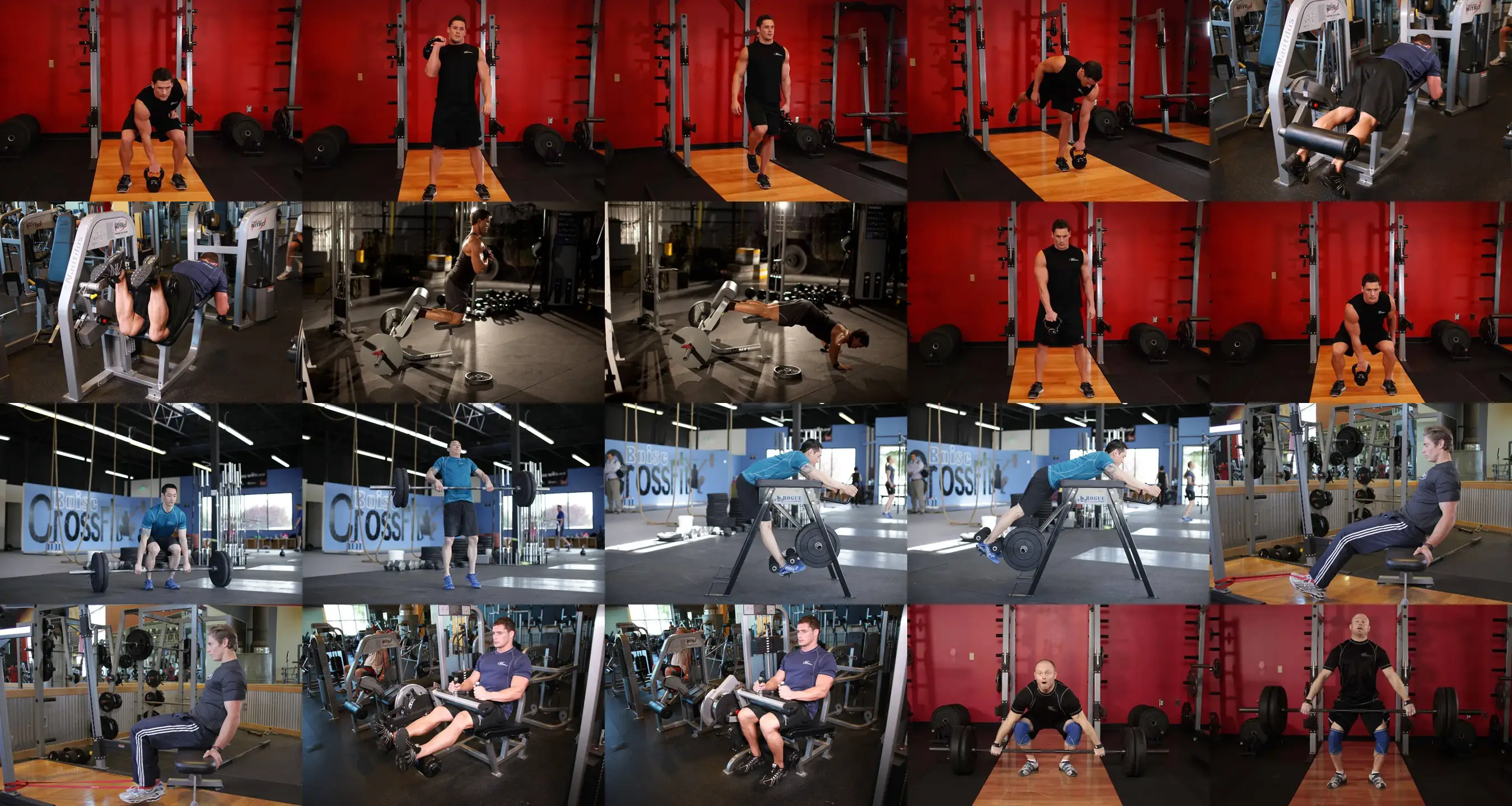
- Stand facing the first step with the implement between your feet, set slightly wider than hips.
- Grip the handle with both hands, hinge with a neutral spine, and breathe in to brace.
- Explosively extend your hips to swing the implement up and set it on the next step.
- Step up onto that stair with a firm foot and reset with your feet on either side of the implement.
- Repeat the hinge and extension for the next step, exhaling after each lift.
- At the top, lower the implement under control or get help to return it to the floor.
Form cues
- Explosive hips, do not pull with arms
- Neutral spine before every single lift
- Implement between your legs, close to you
- Plant your feet before lifting again
Common mistakes
- Pulling with bent arms: they fatigue and power drops; use your hips.
- Rounding the back in a rush: it strains the lower back; reset posture each step.
- Sloppy foot placement on the step: you lose stability; set both feet before lifting.
- Too much weight for the height: the implement hits the step; reduce the load.
How to make it easier or harder
To make it easier, use a low step or kettlebell deadlifts to a box. To progress, increase load, add more steps, or race the climb against a clock.
Sets and reps for your goal
Max Strength
4-5 x 3-6 · rest 2-3 min3-6 sets of 1-6 reps at 80-90% of your max (1RM). Rest 2 to 5 minutes.
Leave 1-3 reps in reserve. If your technique breaks down, lower the weight: strength is built with good reps.
Endurance
2-4 x 15-25 or 30-60 s2-4 sets of 15-30 reps or 30-60 seconds at 40-60% of your max. Rest 30 to 60 seconds.
Steady pace and clean technique to the end. Circuits help you build volume with little rest.
A guide for healthy adults. Adjust the load to your level and see a professional if you have an injury.
Check your form
Film yourself from the side or ask someone to watch, then tick what you get right.
Frequently asked questions
How can I train power stairs without stairs?
Use a stable box, sturdy bench or large tire and lift a heavy kettlebell or handled implement onto it. The key is reproducing the explosive hinge with the implement between your legs.
What muscles do power stairs work?
They mainly train the hamstrings and glutes, which extend the hips explosively, along with quads, adductors and lower back. It is a great drill for hip power and fatigue resistance.