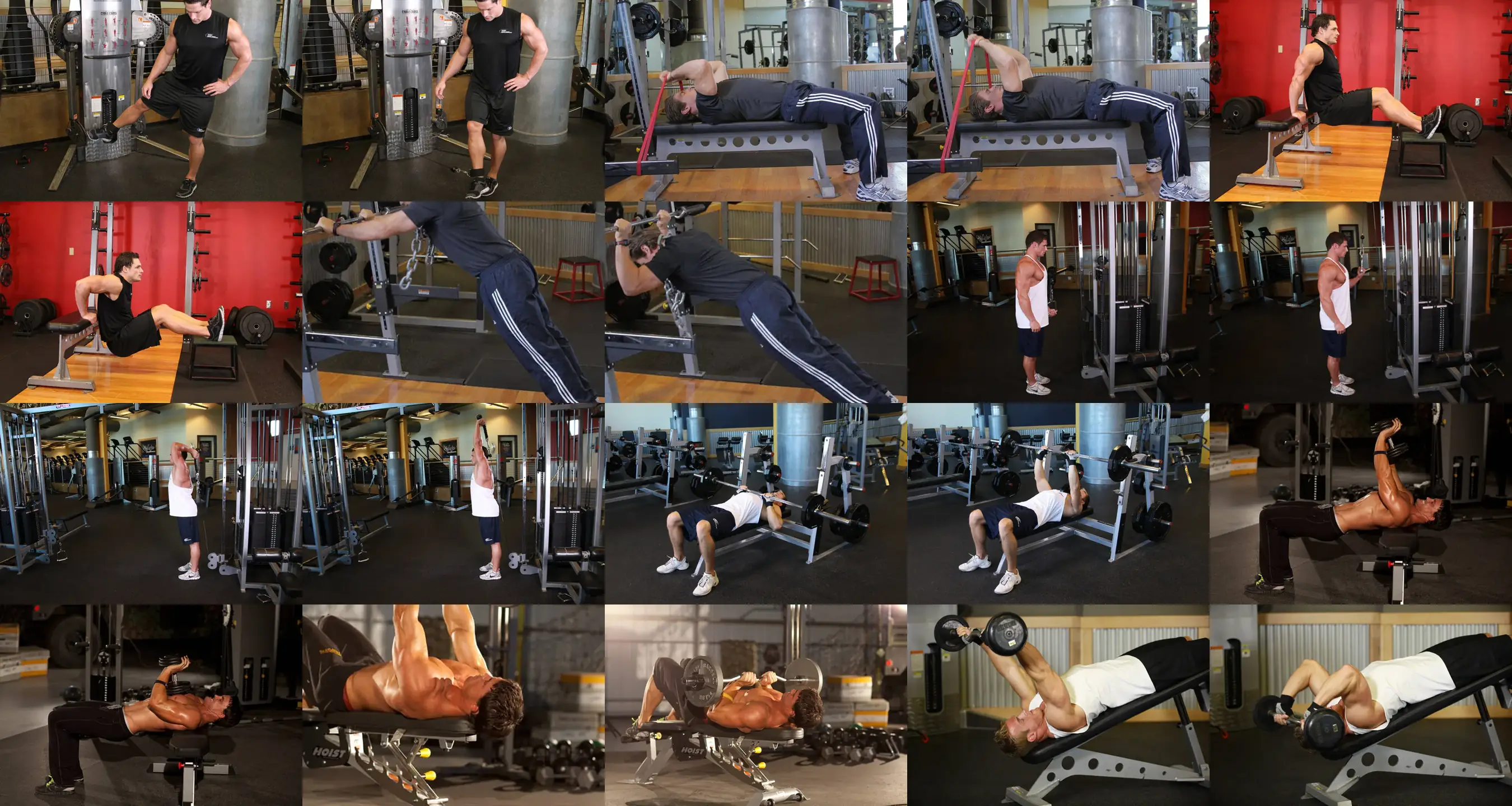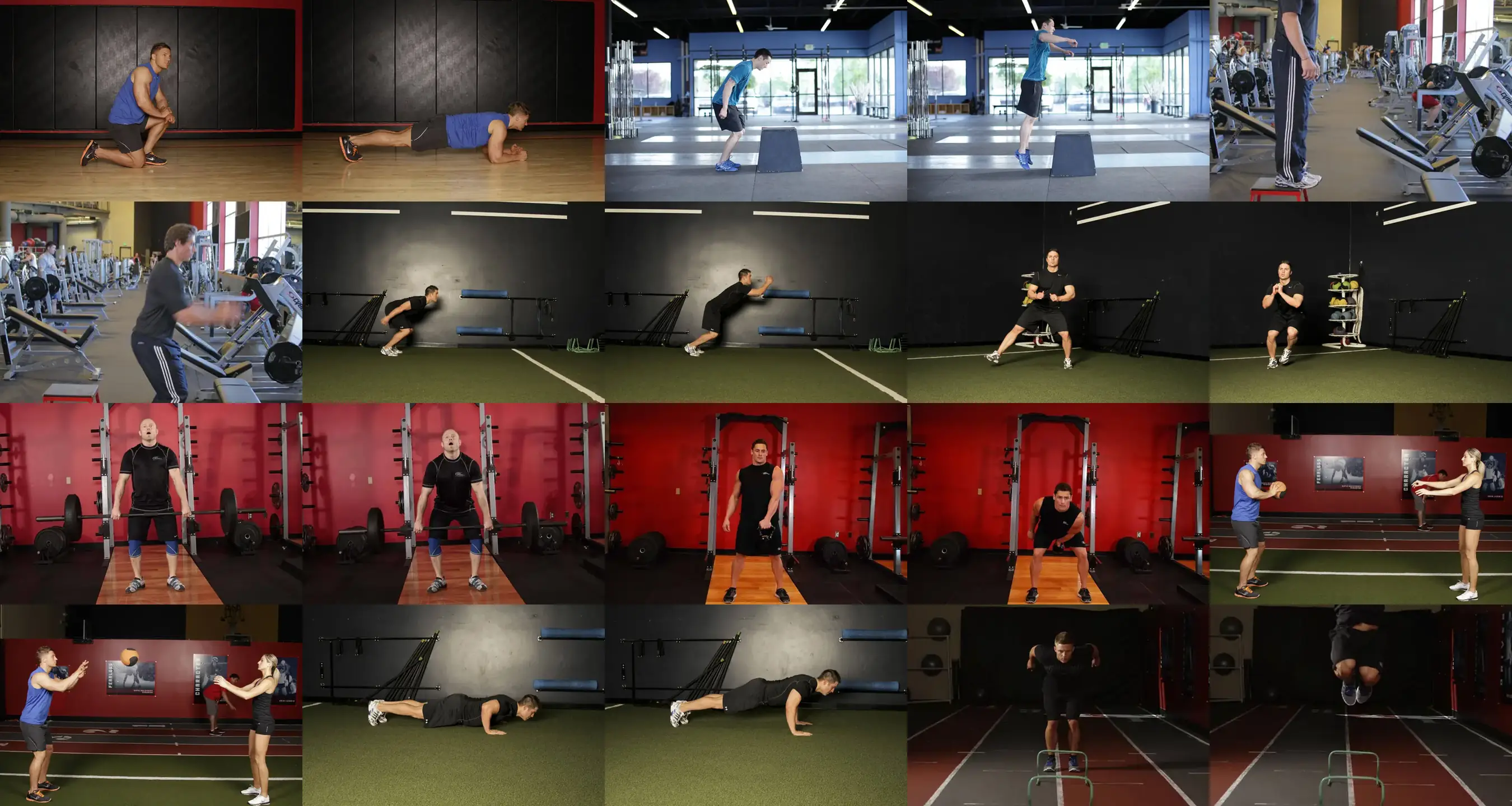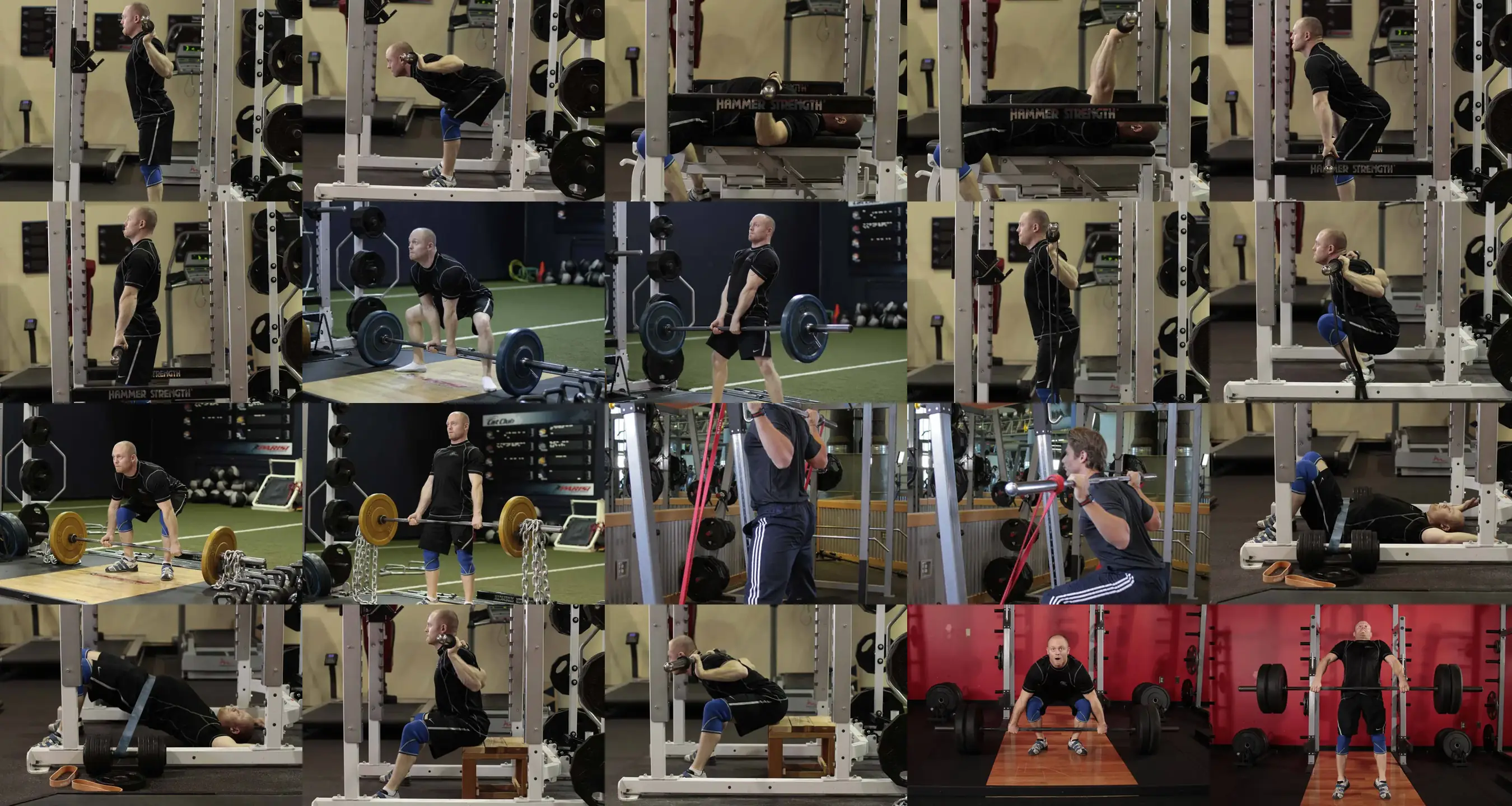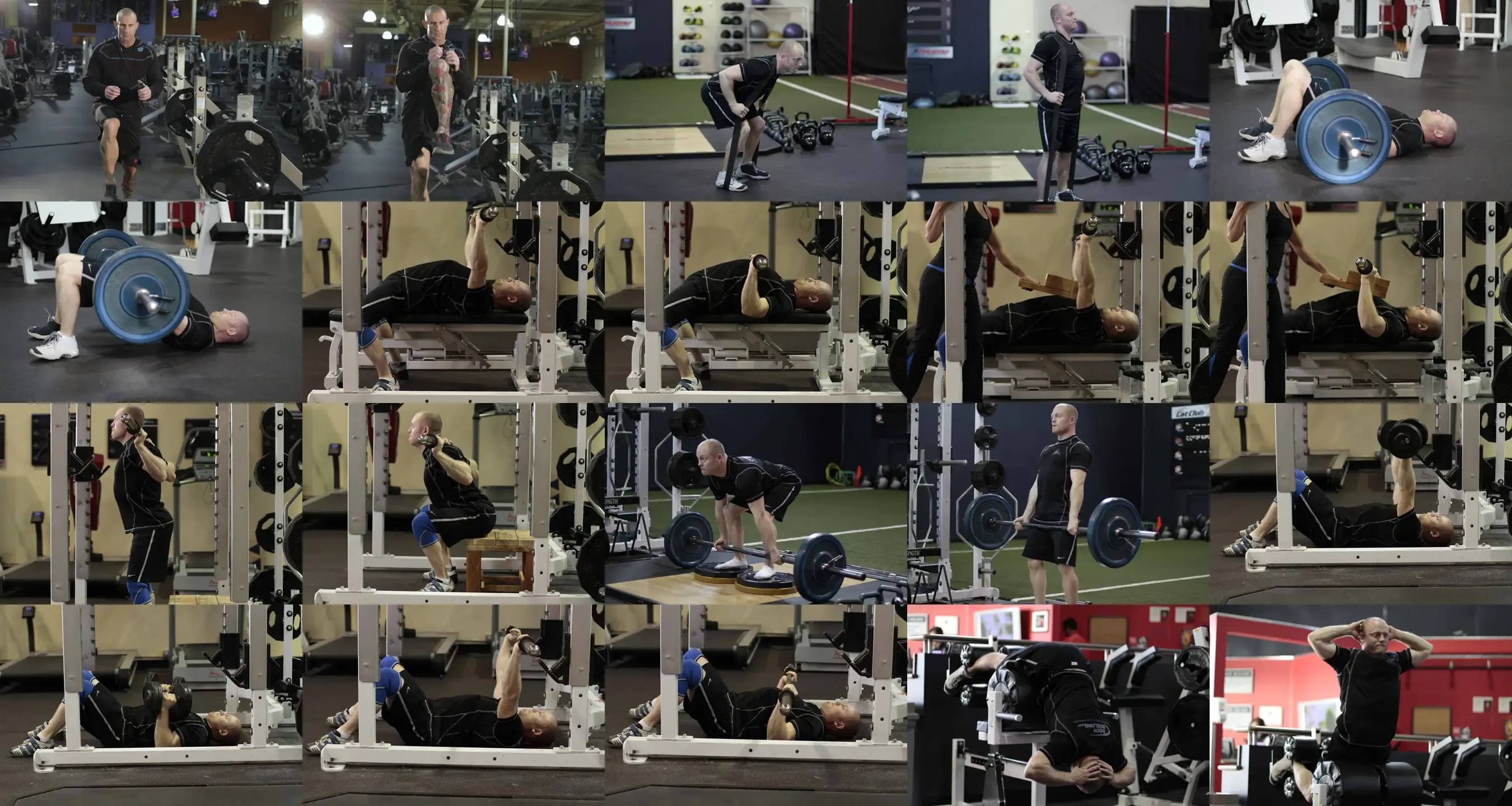
Setup and loading
Set the rack hooks so you can unrack with arms almost straight, and always use safety bars or a spotter. Train at 75-90% of your max for sets of 1-5 reps, and choose a grip that suits your build without going past the 81 cm marks allowed by the rules.
How to do the powerlifting bench press step by step
- Lie down with your eyes under the bar, then pull your shoulder blades together and down, pinning them to the bench.
- Tuck your feet back, plant them firmly and create an arch while keeping your glutes on the bench.
- Grip the bar at your chosen width, squeezing hard with the bar sitting low in your palm.
- Take a deep breath, brace your core and unrack the bar to a position over your shoulders with straight arms.
- Lower the bar under control to your lower chest, elbows about 45-70 degrees from your torso.
- Touch your chest without bouncing, drive your feet into the floor and press the bar up and slightly back toward your face.
- Lock your elbows at the top, exhale or reset your breath, then repeat or rerack the bar.
Form cues
- Shoulder blades down and back, chest high
- Drive the floor away with your legs
- Bend the bar, elbows under the bar
- Press up and back toward the hooks
Common mistakes
- Lifting your glutes off the bench: it disqualifies the lift; drive your legs forward, not up.
- Losing your shoulder blade set: it exposes the shoulder; reset them before every set.
- Bouncing the bar off your chest: it's unsafe and won't count; touch softly, then press.
- Flaring your elbows to 90 degrees: it stresses the shoulder; tuck them on the way down.
How to make it easier or harder
If you haven't mastered the arch and leg drive, practice them with light paused bench presses or dumbbell bench presses. To progress, use long-pause bench, pin presses, Spoto presses and structured strength blocks with periodization.
Sets and reps for your goal
Max Strength
4-5 x 3-6 · rest 2-3 min3-6 sets of 1-6 reps at 80-90% of your max (1RM). Rest 2 to 5 minutes.
Leave 1-3 reps in reserve. If your technique breaks down, lower the weight: strength is built with good reps.
Power
6-8 x 3 at 50-60% (speed sets) · rest 60-90 s3-6 sets of 1-5 reps with light or moderate loads (30-60% of your max on the main lifts), or with a ball or your bodyweight. Rest 2 to 3 minutes.
Every rep at the highest possible speed. As soon as you notice it moving slower (a 10-20% velocity loss), end the set. Train power fresh, never fatigued.
A guide for healthy adults. Adjust the load to your level and see a professional if you have an injury.
Check your form
Film yourself from the side or ask someone to watch, then tick what you get right.
Frequently asked questions
Is arching on the bench press bad for your back?
For most healthy lifters, a controlled arch isn't dangerous: it stabilizes the shoulders and shortens the range. Keep your glutes on the bench, build the arch through your mid back and match it to your mobility.
What grip width should I use for a powerlifting bench press?
Many lifters use a medium to wide grip with vertical forearms at the bottom. The rules cap the width at 81 cm between index fingers. Test a few widths with moderate weight and stick with the strongest, most comfortable one.
Sports it suits
Gear for this exercise
- Olympic barbell and platesTo keep progressing on the big lifts with heavy loads.
As an Amazon Associate, Muscle Atlas earns from qualifying purchases.