Setup and loading
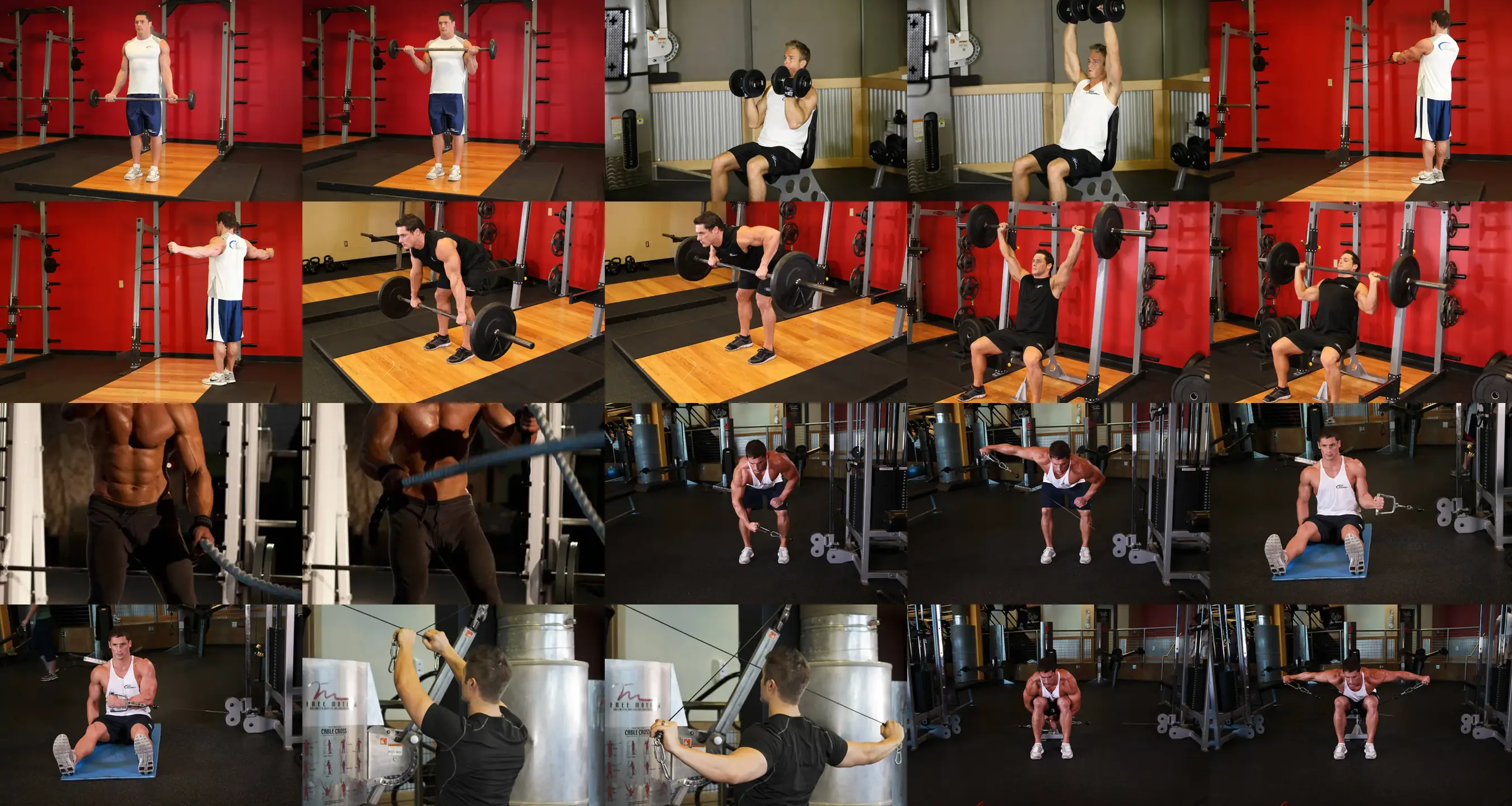
Place a flat bench between two low pulleys, sit in the center, and take the left cable with your right hand and the right cable with your left. Choose a light weight that allows 12 to 20 reps without swaying your torso or shrugging.
How to do the seated cable lateral raise step by step
- Sit on the bench between the pulleys with feet planted and back straight.
- Cross the cables in front of your body, each handle in the opposite hand, elbows slightly bent.
- Exhale and raise your arms out to the sides in an arc, leading with the elbows, up to shoulder height.
- Pause briefly at the top with your elbows slightly higher than your wrists.
- Inhale and lower slowly until your hands cross in front of your body again.
- Repeat without leaning to either side and keep your neck relaxed.
Form cues
- Lead with your elbows
- Stop at shoulder height
- Sit tall, no leaning
- Long neck, shoulders down
Common mistakes
- Lifting above shoulder height: the traps take over; stop at horizontal.
- Shrugging as you lift: tense neck; start each rep by setting your shoulders down.
- Leaning to help: you lose isolation; lighten the load and sit upright.
- Bending the elbows at the top: it shortens the lever; keep the same bend throughout.
How to make it easier or harder
As a regression, do one arm at a time with your free hand on the bench, or use a light band. To progress, increase weight in small jumps, pause one second at the top, or try the standing version with the cable running behind your body.
Sets and reps for your goal
Hypertrophy
3 x 10-15 · rest 60 s3-4 sets of 6-12 reps (up to 15-20 on isolation exercises) at 65-80% of your max. Rest 1 to 2 minutes.
Get close to failure (0-3 reps in reserve) and control the lowering for 2-3 seconds. Accumulate 10-20 sets per muscle per week.
A guide for healthy adults. Adjust the load to your level and see a professional if you have an injury.
Check your form
Film yourself from the side or ask someone to watch, then tick what you get right.
Frequently asked questions
Why do lateral raises seated?
Seated, it is much harder to sway or use leg drive, so the lateral delts do nearly all the work. It is a very strict way to train shoulder width, useful when your standing form tends to break down.
Are cable or dumbbell lateral raises better?
Cables provide tension from the bottom and keep it more even, while dumbbells have almost no tension at the start and peak at the top. Both work well; cables usually make it easier to control the full range.