Setup and loading
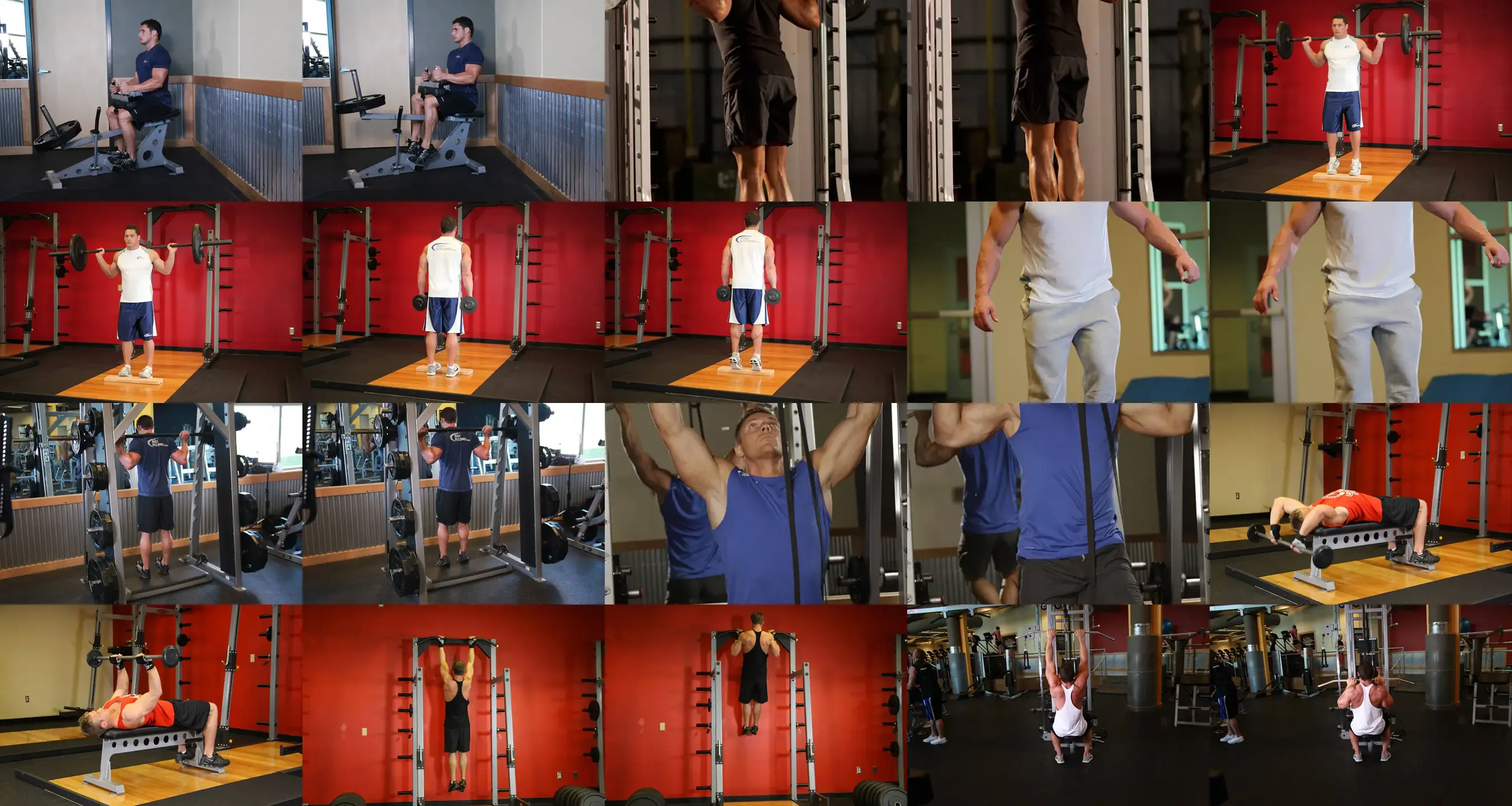
Adjust the pad so it sits snug on your lower thighs just above the knees, with the balls of your feet on the platform and heels hanging off. Choose a weight for 12 to 20 reps with a pause at the top and a full stretch at the bottom.
How to do the seated calf raise machine step by step
- Sit in the machine with the balls of your feet on the platform and adjust the pad over your thighs just above the knees.
- Raise your heels slightly and release the safety lever.
- Inhale and lower your heels slowly into the deepest stretch your ankles allow.
- Exhale and raise your heels as high as possible, pressing through your big toes.
- Hold for one to two seconds at the top, squeezing your calves.
- Lower over two to three seconds into the stretch and reset the safety lever when the set is done.
Form cues
- Pad just above the knees
- Two to three seconds down
- Pause one to two seconds at the top
- Feet parallel, weight on big toe
Common mistakes
- Bouncing at the bottom: you use tendon recoil; pause a second in the stretch.
- Partial reps with heavy weight: you lose stimulus; reduce load and use full range.
- Pushing the pad with your arms: it takes work from your legs; hands only hold on.
- Forgetting the safety lever: the pad can drop suddenly; engage it before letting go.
How to make it easier or harder
To make it easier, start light or use the seated dumbbell calf raise. To progress, add load, train one leg at a time, or use three-second pauses in the stretch.
Sets and reps for your goal
Hypertrophy
3 x 10-15 · rest 60 s3-4 sets of 6-12 reps (up to 15-20 on isolation exercises) at 65-80% of your max. Rest 1 to 2 minutes.
Get close to failure (0-3 reps in reserve) and control the lowering for 2-3 seconds. Accumulate 10-20 sets per muscle per week.
A guide for healthy adults. Adjust the load to your level and see a professional if you have an injury.
Check your form
Film yourself from the side or ask someone to watch, then tick what you get right.
Frequently asked questions
Do I need seated calf raises if I do standing ones?
It is highly recommended. Standing raises emphasize the gastrocnemius, while seated raises isolate the soleus, which is a large muscle. Doing both gives you more complete calf development.
Why are my calves not growing?
Many people use short ranges, bounce, and do little volume. Try pausing in the stretch, lowering slowly, training close to failure, and hitting calves two or three times a week. Genetics play a role, but technique makes a big difference.
Sports it suits
Variations and similar exercises
Standing Calf Raise
Barbell Seated Calf Raise
Leg Press Calf Press
Banded Calf Raise
Seated Single-Leg Dumbbell Calf Raise
Smith Machine Calf Raise
Standing Barbell Calf Raise