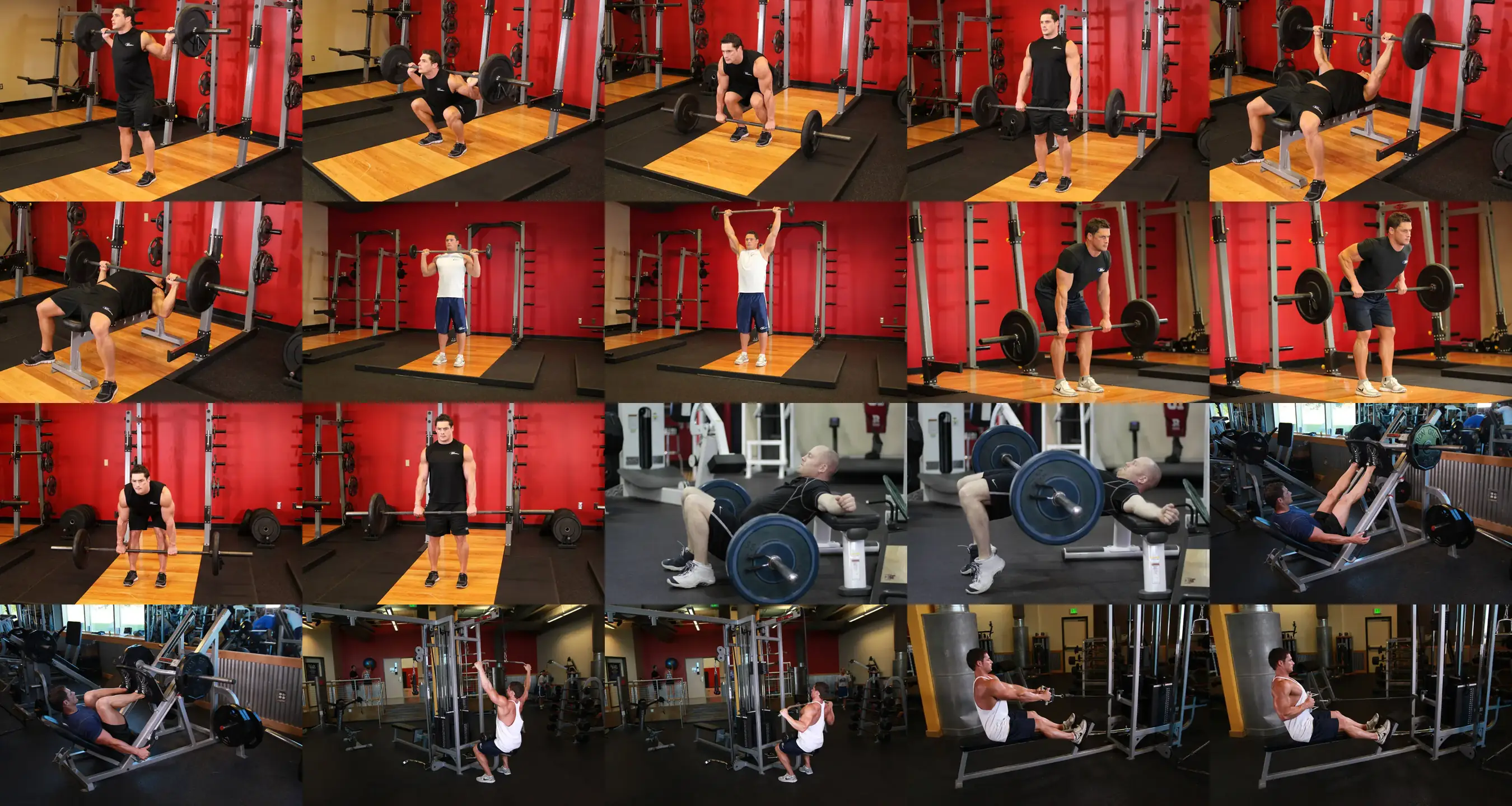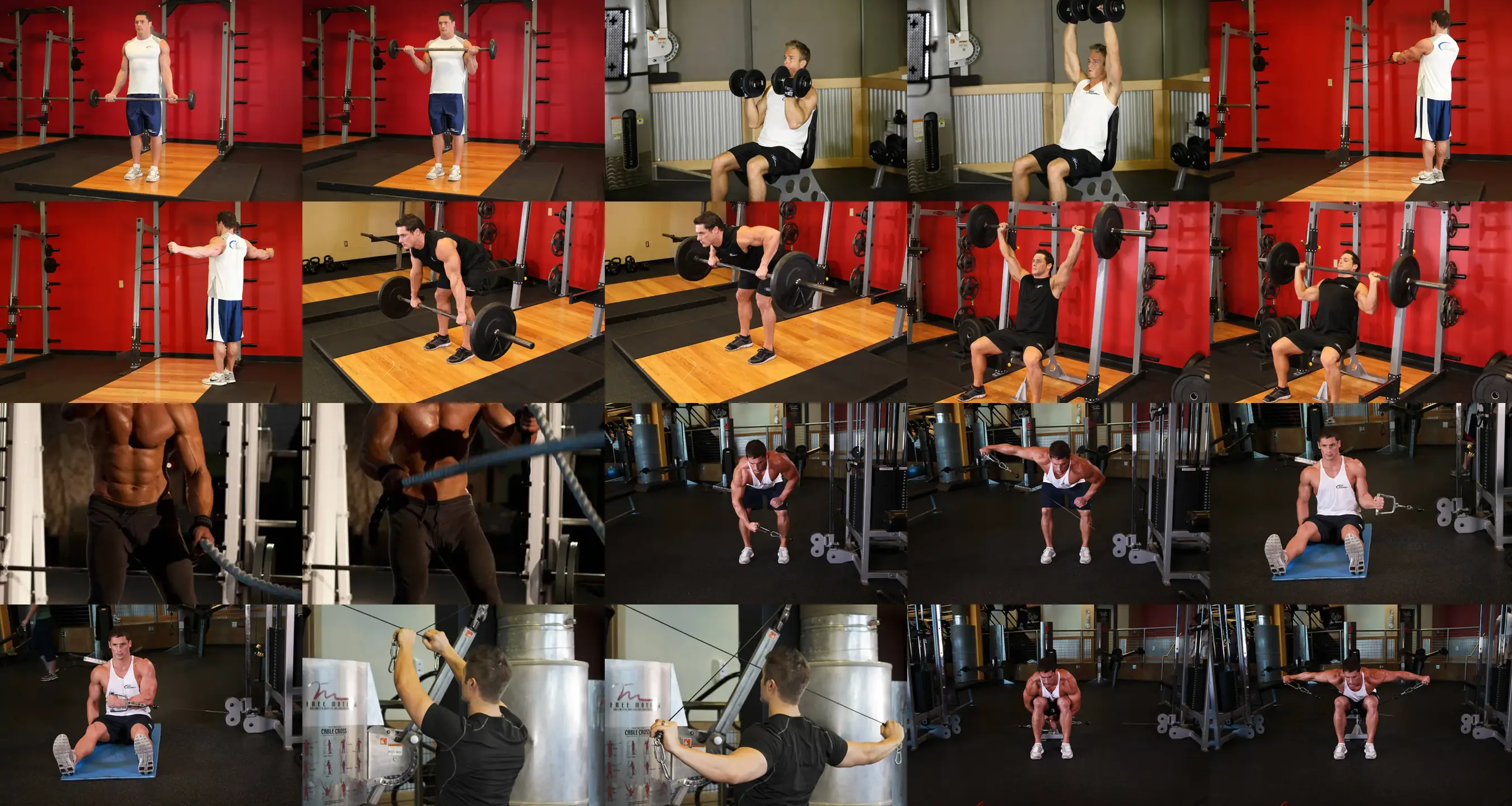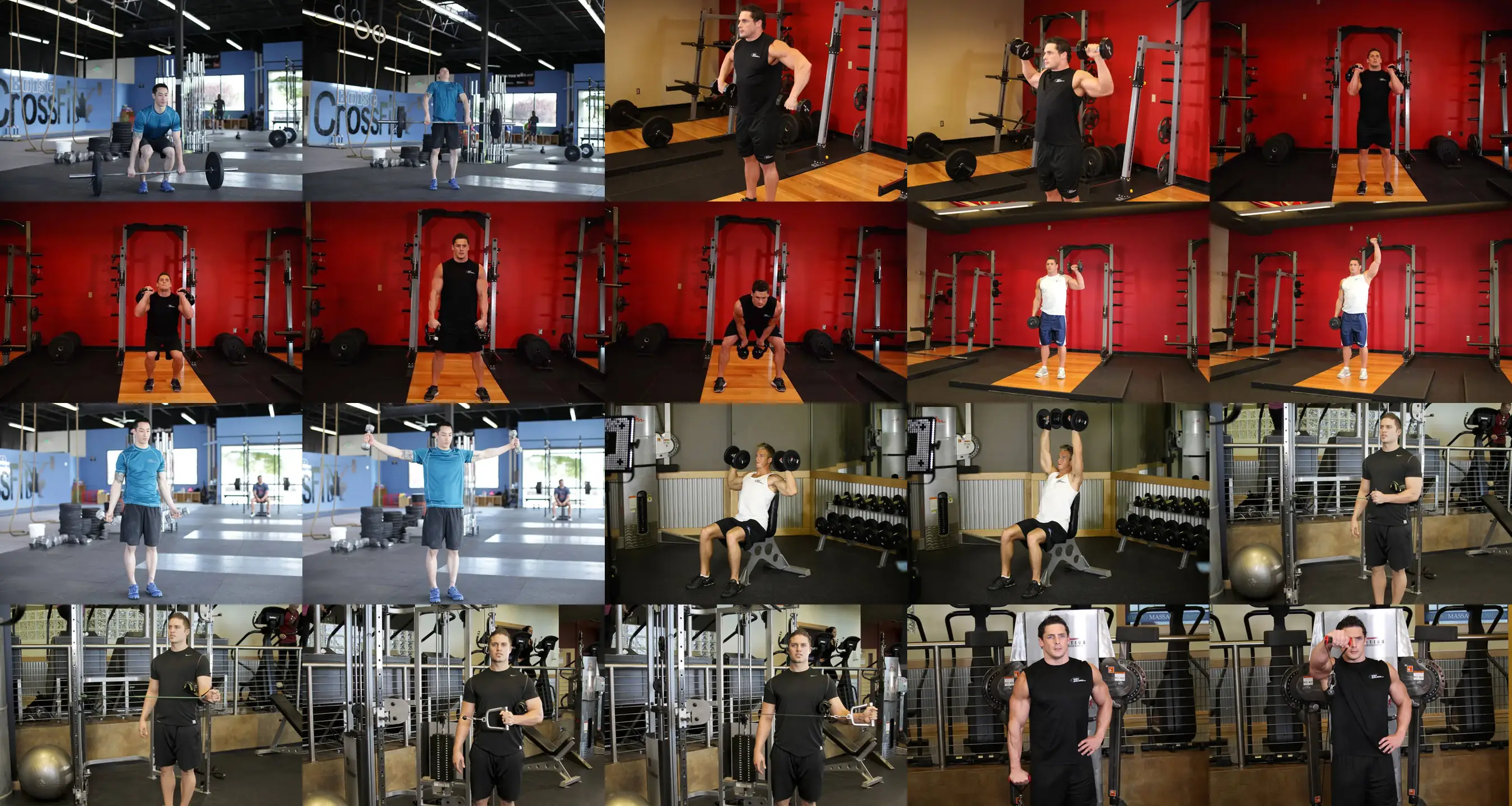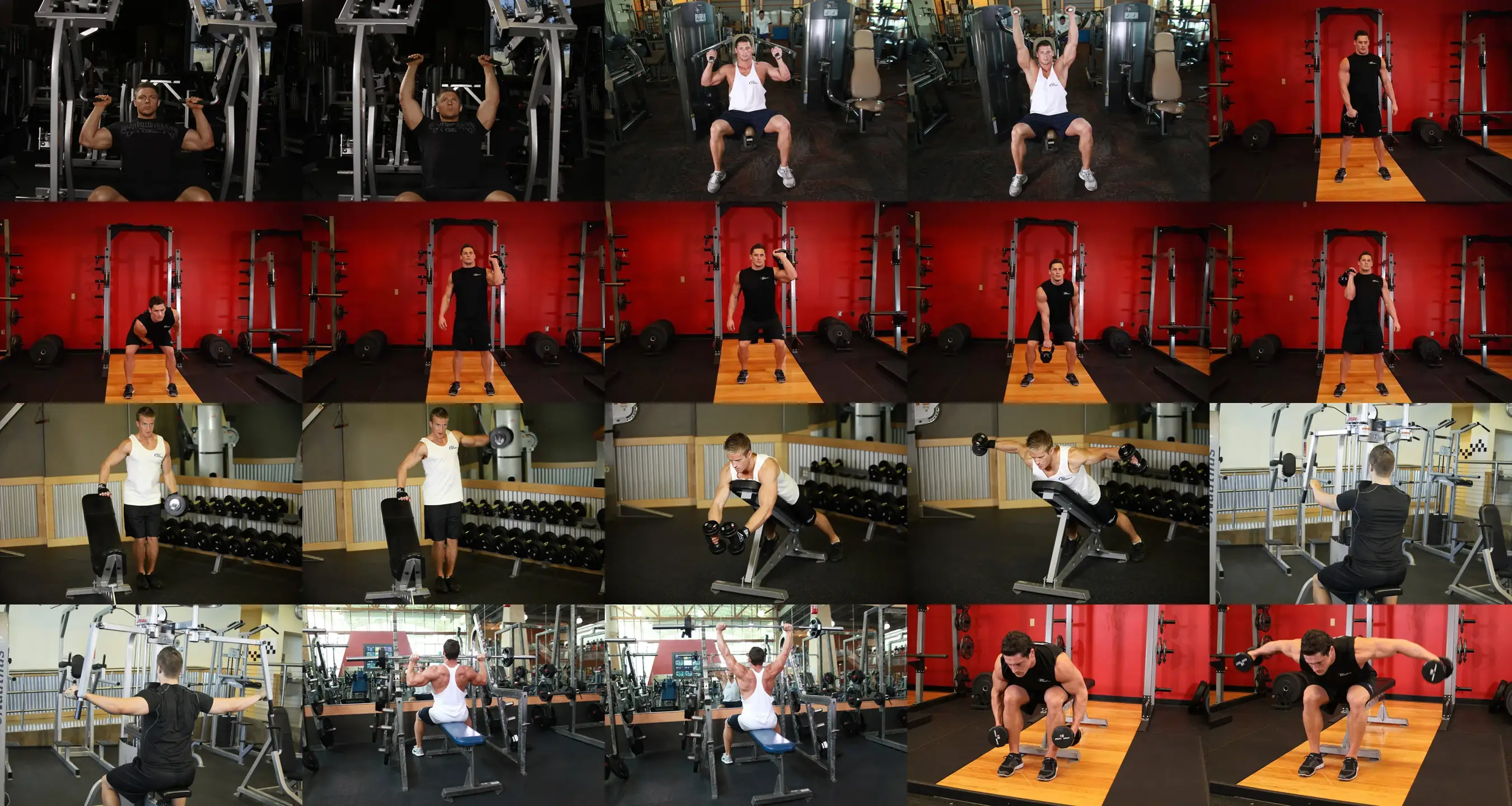
Setup and loading
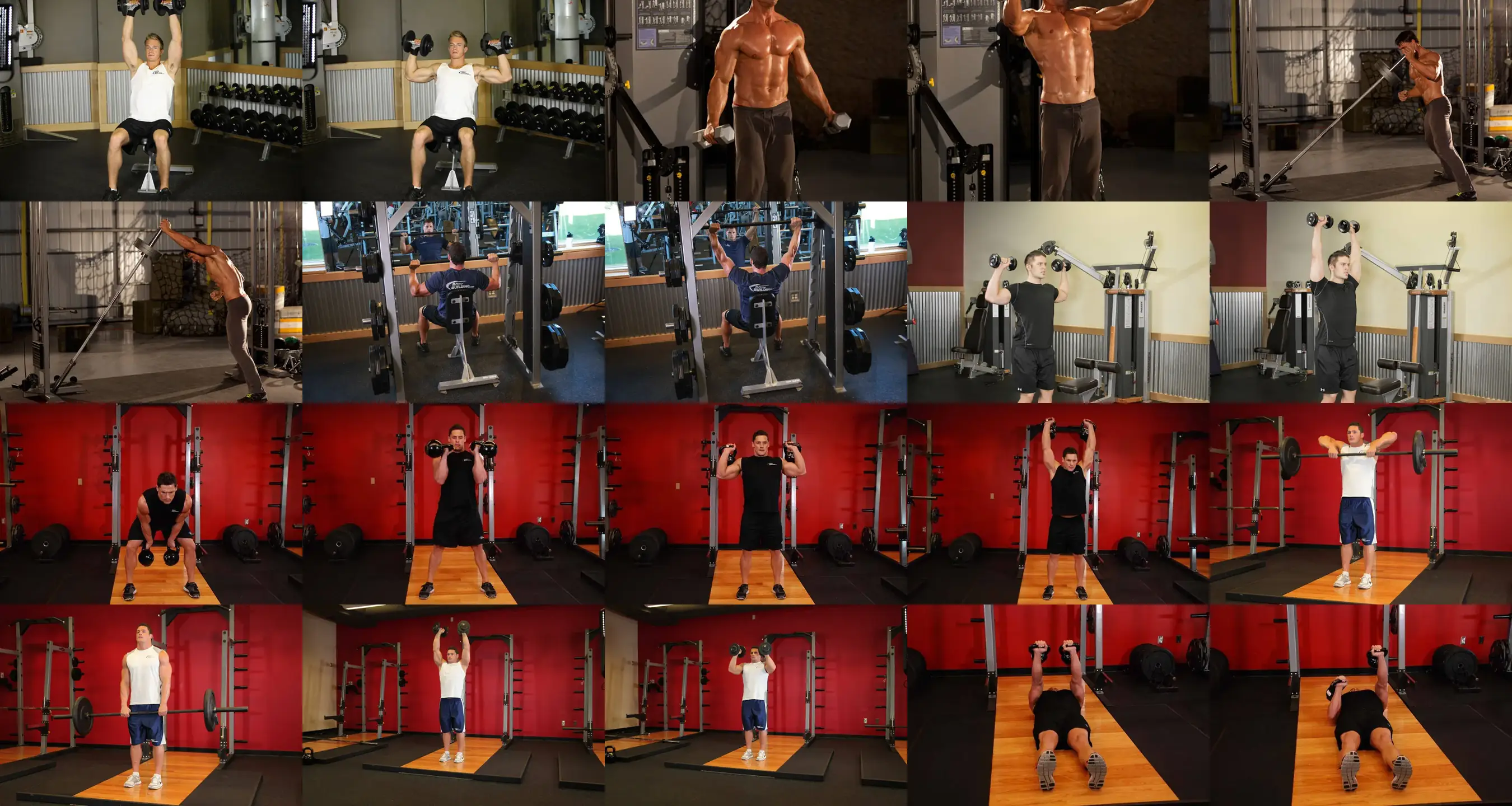
Set the backrest to 80 or 90 degrees, sit with the dumbbells on your thighs, and kick them up to your shoulders with a small knee drive. Choose a weight you can press for 8 to 12 reps while keeping your back against the pad.
How to do the seated dumbbell shoulder press step by step
- Sit with your back against the nearly upright pad and the dumbbells resting on your thighs.
- Kick the dumbbells up with your knees, one at a time, to your shoulders with palms forward.
- Set your elbows slightly in front of your body with wrists stacked over elbows.
- Take a breath and exhale as you press the dumbbells up until they almost meet overhead.
- Inhale and lower under control until the dumbbells reach ear or shoulder height.
- When finished, bring the dumbbells back to your thighs before standing instead of dropping them to the sides.
Form cues
- Back glued to the pad
- Wrists over elbows
- Elbows slightly in front
- Press until the dumbbells nearly touch
Common mistakes
- Lifting your back off the pad: the lower back arches; lighten the load and brace your abs.
- Dropping the dumbbells to the sides at the end: it strains the shoulders; return them to your thighs.
- Lowering only a few inches: short range; bring them down to ear height.
- Backrest set too low: it becomes an incline chest press; raise it close to vertical.
How to make it easier or harder
As a regression, use a shoulder press machine or lighter dumbbells. To progress, add weight, try the seated Arnold press, or move to the standing dumbbell press, which demands more core control.
Sets and reps for your goal
Hypertrophy
3-4 x 8-12 · rest 60-90 s3-4 sets of 6-12 reps (up to 15-20 on isolation exercises) at 65-80% of your max. Rest 1 to 2 minutes.
Get close to failure (0-3 reps in reserve) and control the lowering for 2-3 seconds. Accumulate 10-20 sets per muscle per week.
Max Strength
4-5 x 3-6 · rest 2-3 min3-6 sets of 1-6 reps at 80-90% of your max (1RM). Rest 2 to 5 minutes.
Leave 1-3 reps in reserve. If your technique breaks down, lower the weight: strength is built with good reps.
A guide for healthy adults. Adjust the load to your level and see a professional if you have an injury.
Check your form
Film yourself from the side or ask someone to watch, then tick what you get right.
Frequently asked questions
What backrest angle should I use for seated shoulder presses?
Between 80 and 90 degrees is typical. A fully upright pad focuses more on the shoulders, while a slight recline may feel more comfortable. Below about 70 degrees, the chest starts doing more of the work.
Should I clank the dumbbells together at the top?
No need. Bringing them close together overhead until they almost touch follows the shoulder's natural path. Clanking them can destabilize the rep and cost you tension.
Sports it suits
Gear for this exercise
- Adjustable dumbbellsSave space and replace a whole dumbbell rack at home.
As an Amazon Associate, Muscle Atlas earns from qualifying purchases.