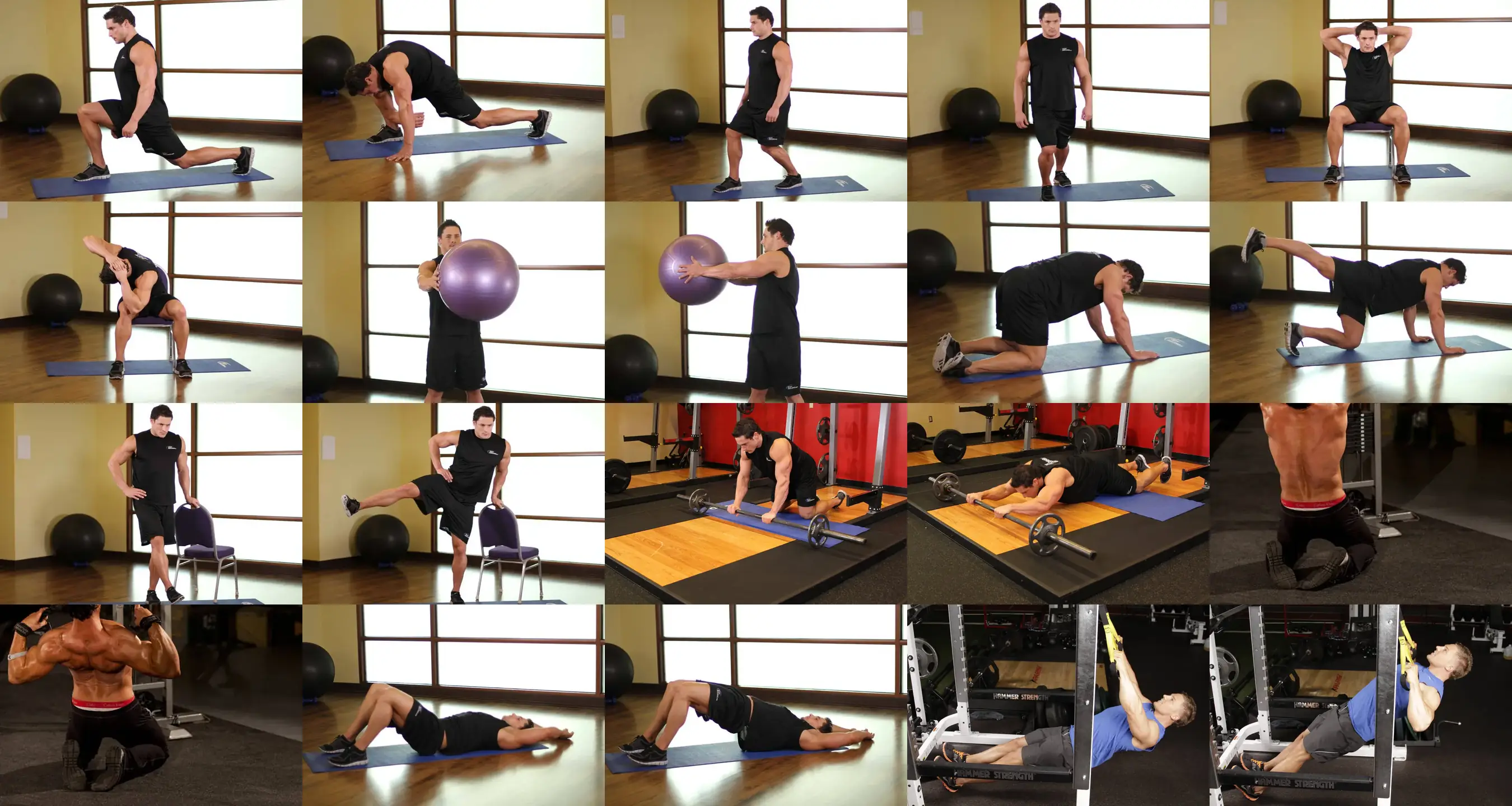
Setup and loading
Stand near a wall or support for balance, feet parallel and pointing forward. Increase intensity by bending your knees more and sinking your hips straight down without lifting the back heel.
How to do the standing soleus and achilles stretch step by step
- Face a wall, place your hands on it, and step one foot half a step forward, both feet pointing ahead.
- Split your weight between both feet and make sure your back heel is fully grounded.
- Exhale and bend both knees, lowering your hips straight down until you feel tension in the lower part of the back calf.
- Keep the back heel down and the back knee tracking toward your toes.
- Hold 20 to 30 seconds with calm breathing and no bouncing.
- Rise slowly, switch your feet, and repeat on the other leg.
Form cues
- Back heel glued to the floor
- Sink the hips down, not forward
- Back knee over your toes
- Feet parallel, pointing forward
Common mistakes
- Lifting the back heel: cancels the stretch; bend less until the heel stays down.
- Turning the back foot out: the arch collapses; line it up with the front foot.
- Straightening the back knee: moves the stretch to the calf; keep it bent.
- Bouncing against the wall: can irritate the Achilles; hold still.
How to make it easier or harder
For a gentler version, bend your knees less or bring the back foot closer to the front one. To progress, place the front toes on a step or move to a half-kneeling ankle mobility drill driving the knee past the toes.
Sets and reps for your goal
Mobility
2-3 x 20-40 s per side2-3 sets of 30-60 seconds or 8-10 slow reps. Daily or before training.
Work in a pain-free range with slow breathing. A little often is better than a lot once in a while.
A guide for healthy adults. Adjust the load to your level and see a professional if you have an injury.
Check your form
Film yourself from the side or ask someone to watch, then tick what you get right.
Frequently asked questions
What is the difference between a calf stretch and a soleus stretch?
The gastrocnemius crosses the knee, so it stretches with a straight leg. The soleus does not, so it stretches best with the knee bent. That is why it pays to do both versions if your calves feel tight.
Should I stretch my Achilles if it hurts?
A gentle stretch can ease stiffness, but if the tendon is painful, swollen, or worse after stretching, do not force it. Achilles issues usually respond better to progressive strengthening; see a physical therapist.
Sports it suits
Gear for this exercise
- Exercise matThick (8-10 mm) for floor work.
As an Amazon Associate, Muscle Atlas earns from qualifying purchases.
Variations and similar exercises
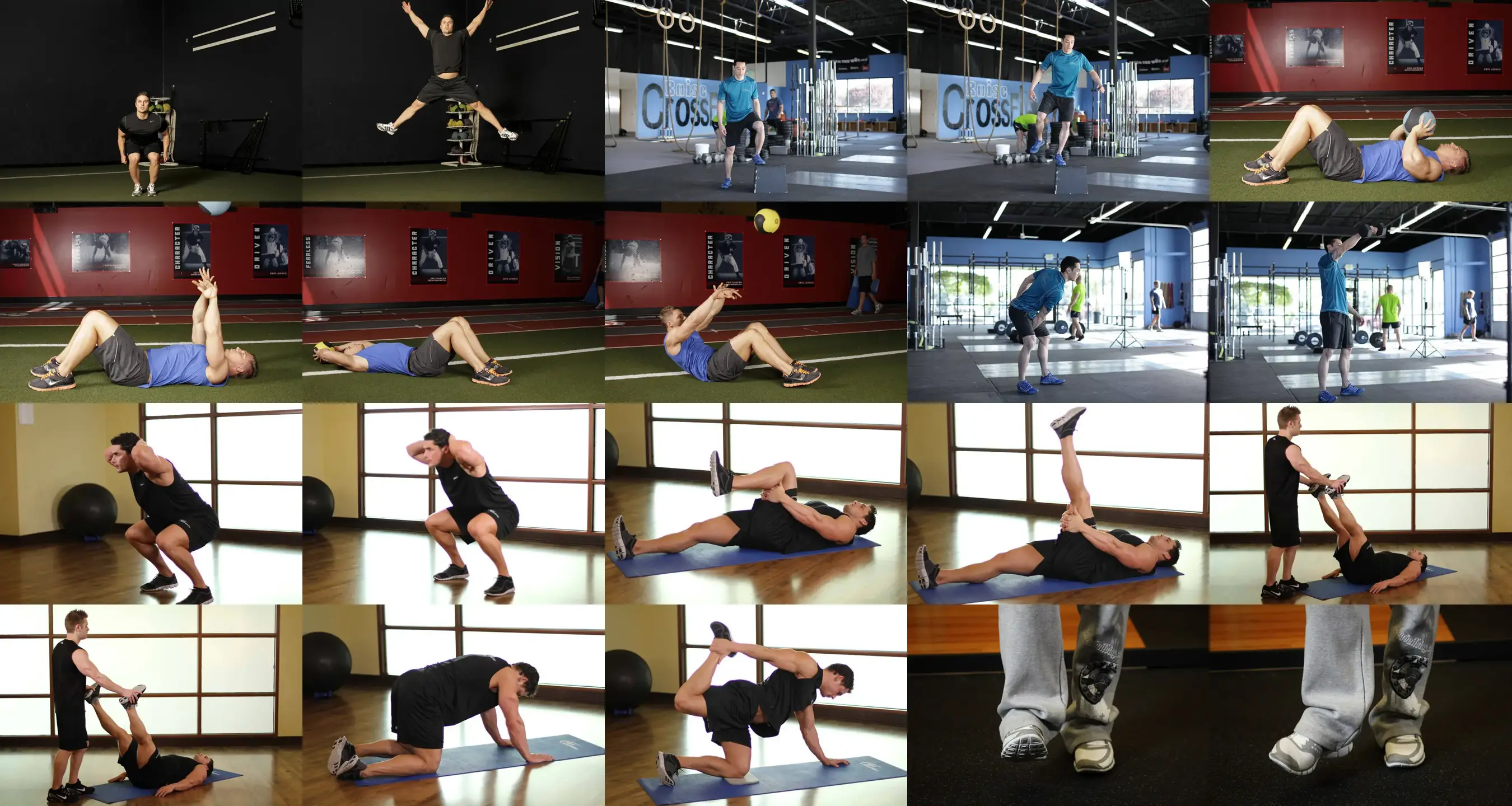
Ankle Circles
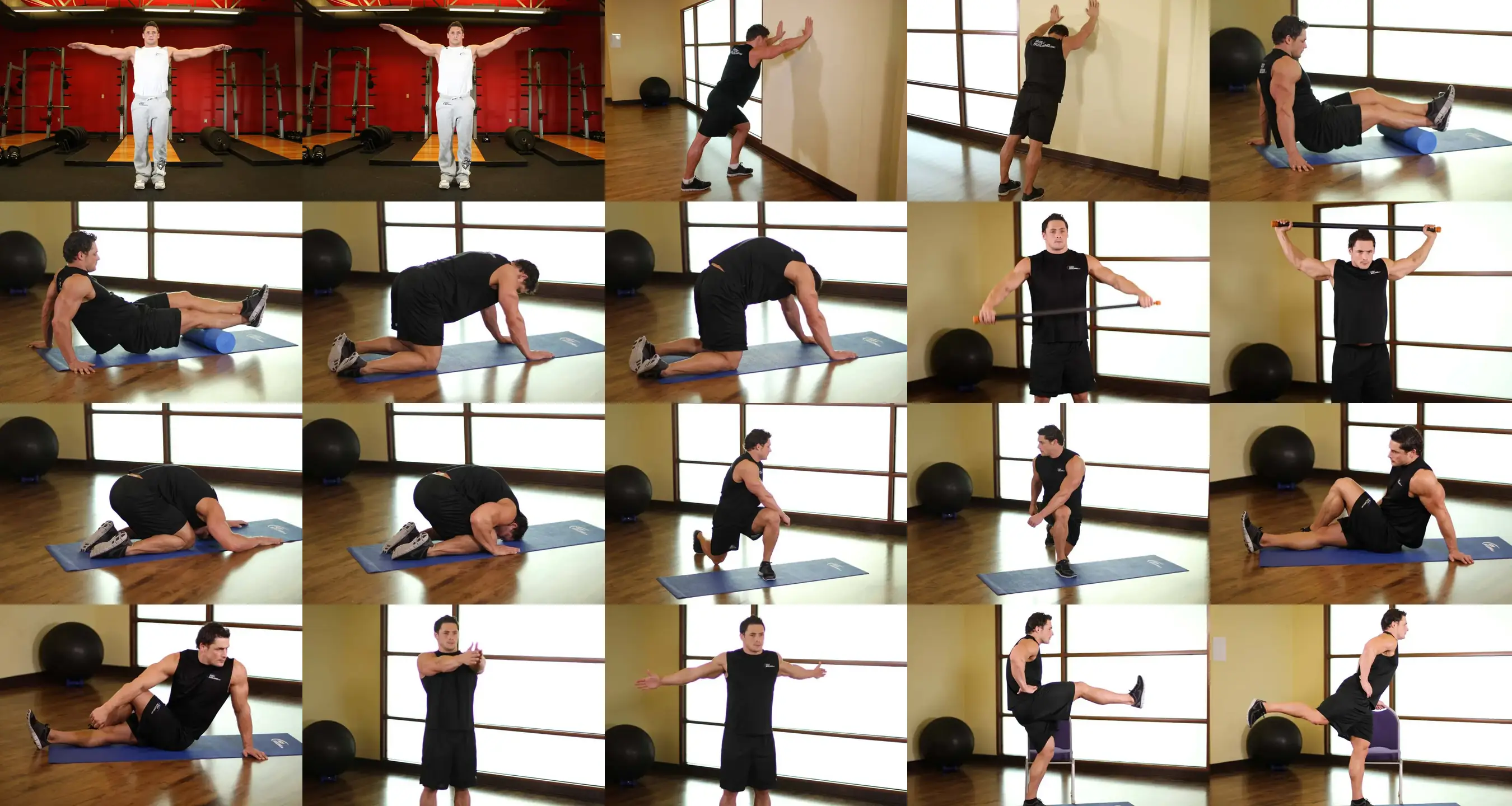
Wall Calf Stretch
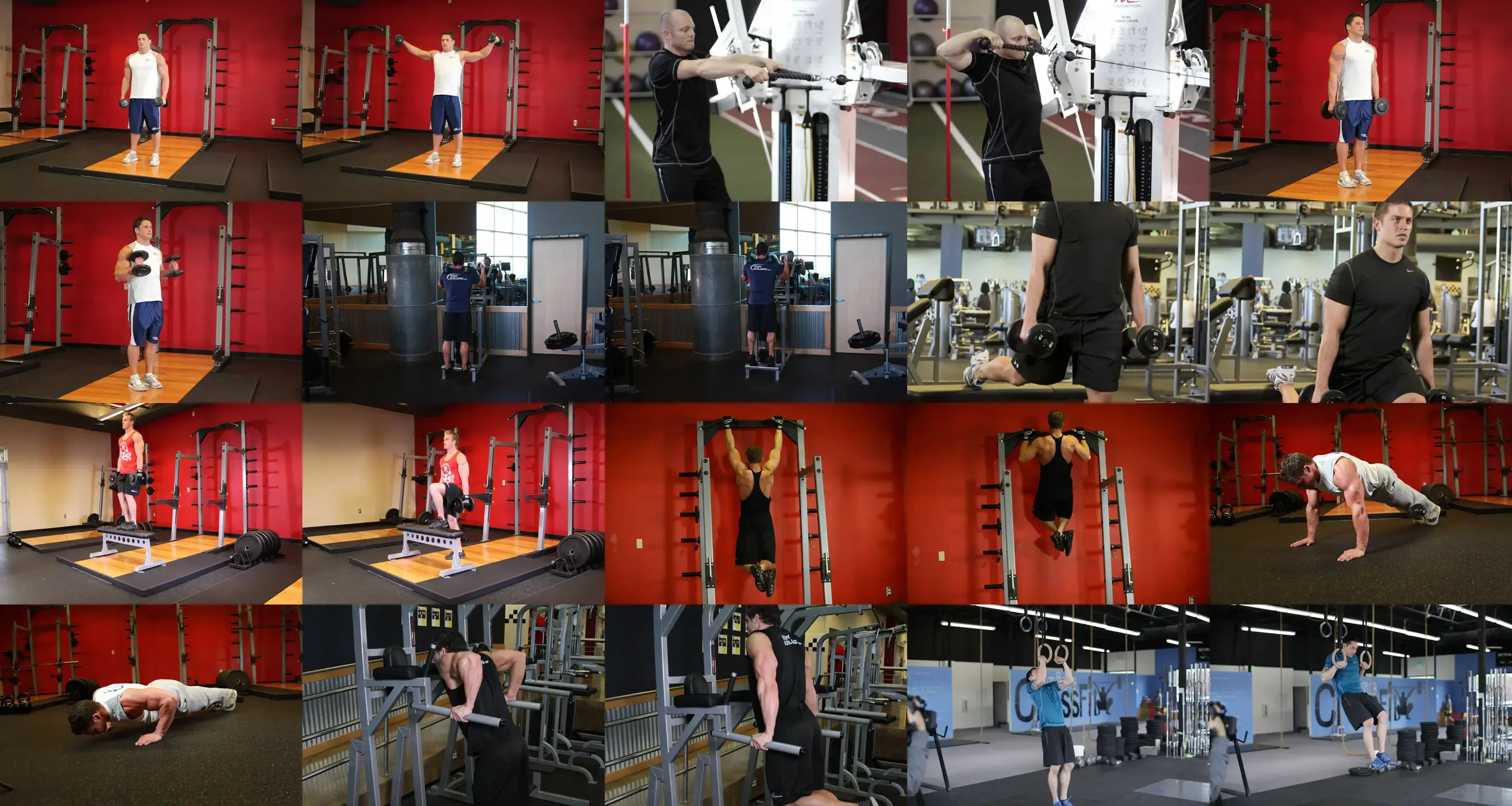
Standing Calf Raise
Hurdle Hops
Fast Skipping
Barbell Seated Calf Raise
Leg Press Calf Press