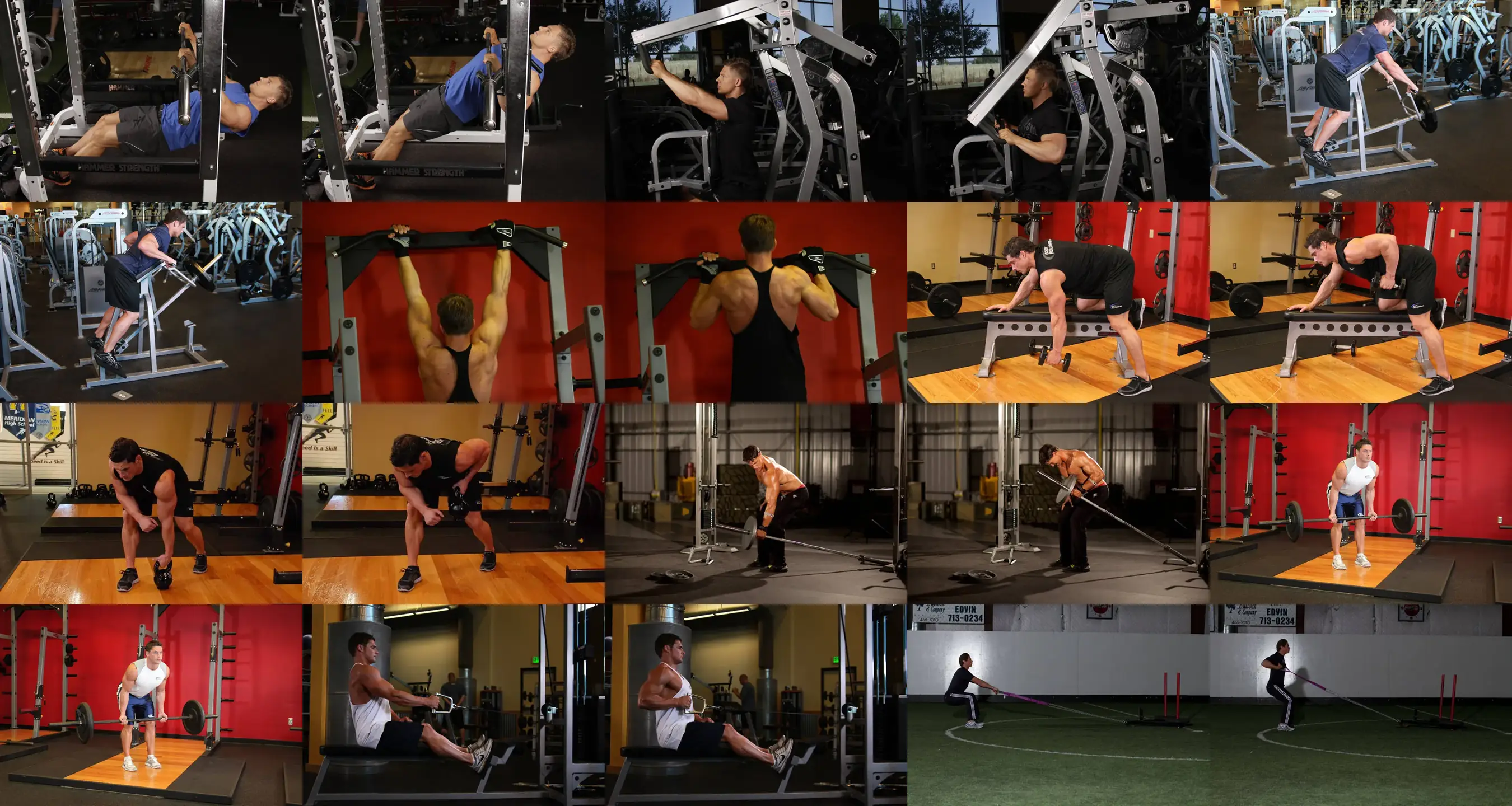
Setup and loading
Use kettlebells or dumbbells with a wide, flat base that will not roll, on firm flooring, never on a soft mat. Start light enough that you can row 6 to 10 reps per side without your hips turning.
How to do the alternating renegade row step by step
- Set two kettlebells shoulder-width apart and grip the handles in a high plank with straight arms.
- Spread your feet wider than hip width for stability, and squeeze your glutes and abs to form a straight line.
- Breathe in, press the support kettlebell hard into the floor, and row the other one toward your hip, elbow driving back.
- Keep your hips level with the floor as the kettlebell rises, without twisting toward the rowing side.
- Lower the kettlebell under control without banging it down, and breathe out.
- Row with the other arm and keep alternating until you finish your reps.
Form cues
- Hips square, like balancing a glass on your back
- Push the floor away with your support hand
- Elbow to the ceiling, kettlebell to your hip
- Glutes tight, body moves as one unit
Common mistakes
- Rotating your hips as you row: it kills the anti-rotation work; widen your feet and go lighter.
- Sagging lower back: it strains your spine; squeeze glutes and abs like a strict plank.
- Feet too close together: it shrinks your base; set them wider than hip width.
- Unstable bells or a soft surface: they can tip over; use flat bases on firm ground.
How to make it easier or harder
To make it easier, do it from your knees, or first hold a high plank on the kettlebells while lifting one foot. To progress, add a push-up between rows, use heavier bells, or bring your feet closer together.
Sets and reps for your goal
Hypertrophy
3-4 x 8-12 · rest 60-90 s3-4 sets of 6-12 reps (up to 15-20 on isolation exercises) at 65-80% of your max. Rest 1 to 2 minutes.
Get close to failure (0-3 reps in reserve) and control the lowering for 2-3 seconds. Accumulate 10-20 sets per muscle per week.
Max Strength
4-5 x 3-6 · rest 2-3 min3-6 sets of 1-6 reps at 80-90% of your max (1RM). Rest 2 to 5 minutes.
Leave 1-3 reps in reserve. If your technique breaks down, lower the weight: strength is built with good reps.
A guide for healthy adults. Adjust the load to your level and see a professional if you have an injury.
Check your form
Film yourself from the side or ask someone to watch, then tick what you get right.
Frequently asked questions
Does the renegade row work your back or your abs more?
Both. Your back does the pulling, but the load is usually capped by core stability. That makes it a great hybrid move, though for maximum back growth you should pair it with more stable rows.
Can I do renegade rows with dumbbells?
Yes. Use hex dumbbells that will not roll and set them parallel. Kettlebells give a higher handle and a bit more range, but both work as long as the base is stable and the floor is firm.
Sports it suits
Gear for this exercise
- KettlebellStart with 12-16 kg (26-35 lb) for women or 16-24 kg (35-53 lb) for men.
As an Amazon Associate, Muscle Atlas earns from qualifying purchases.
Variations and similar exercises
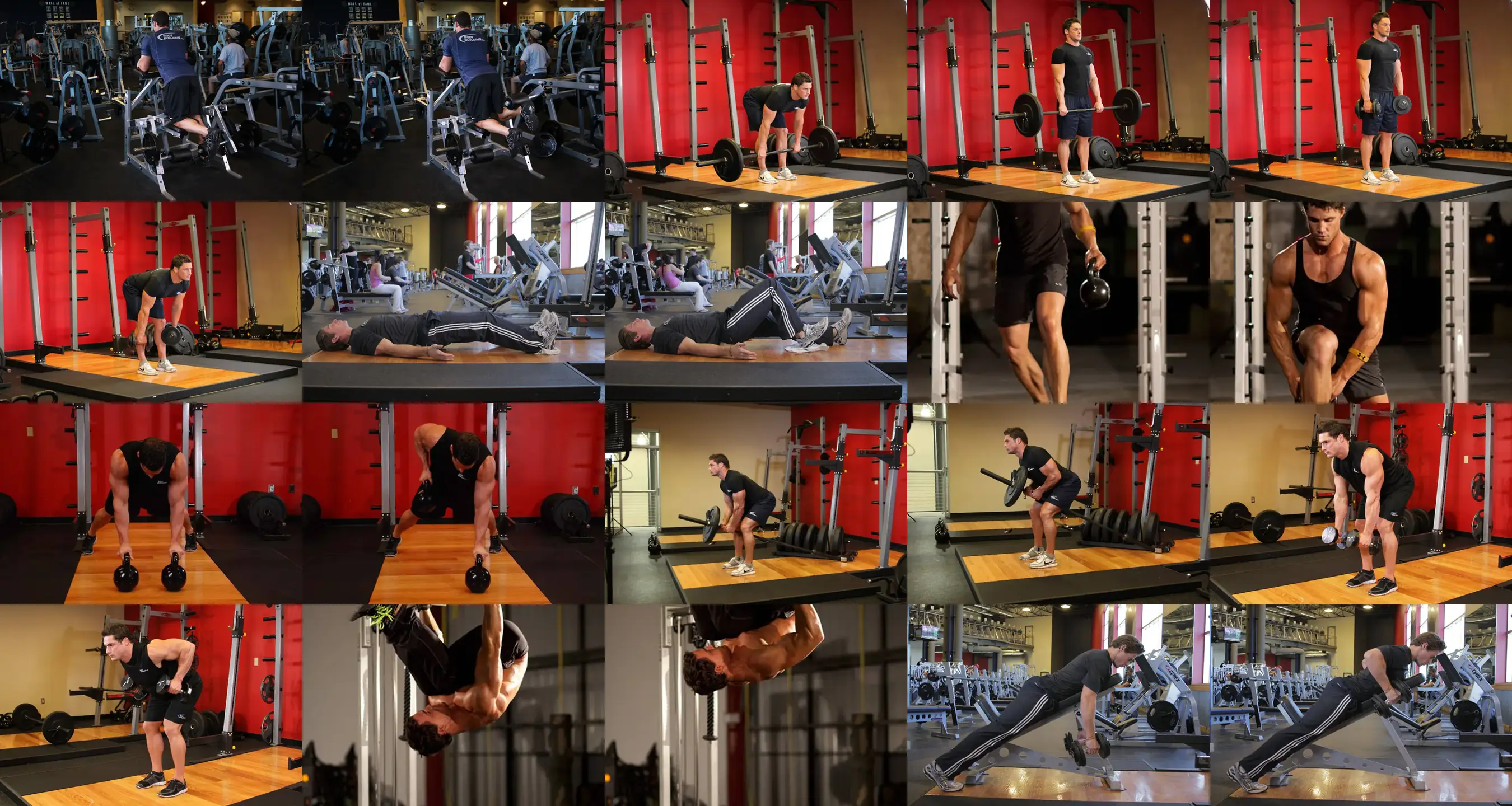
Landmine T-Bar Row
Bent-Over Dumbbell Row
Bodyweight Bar Row
Chest-Supported Incline Dumbbell Row
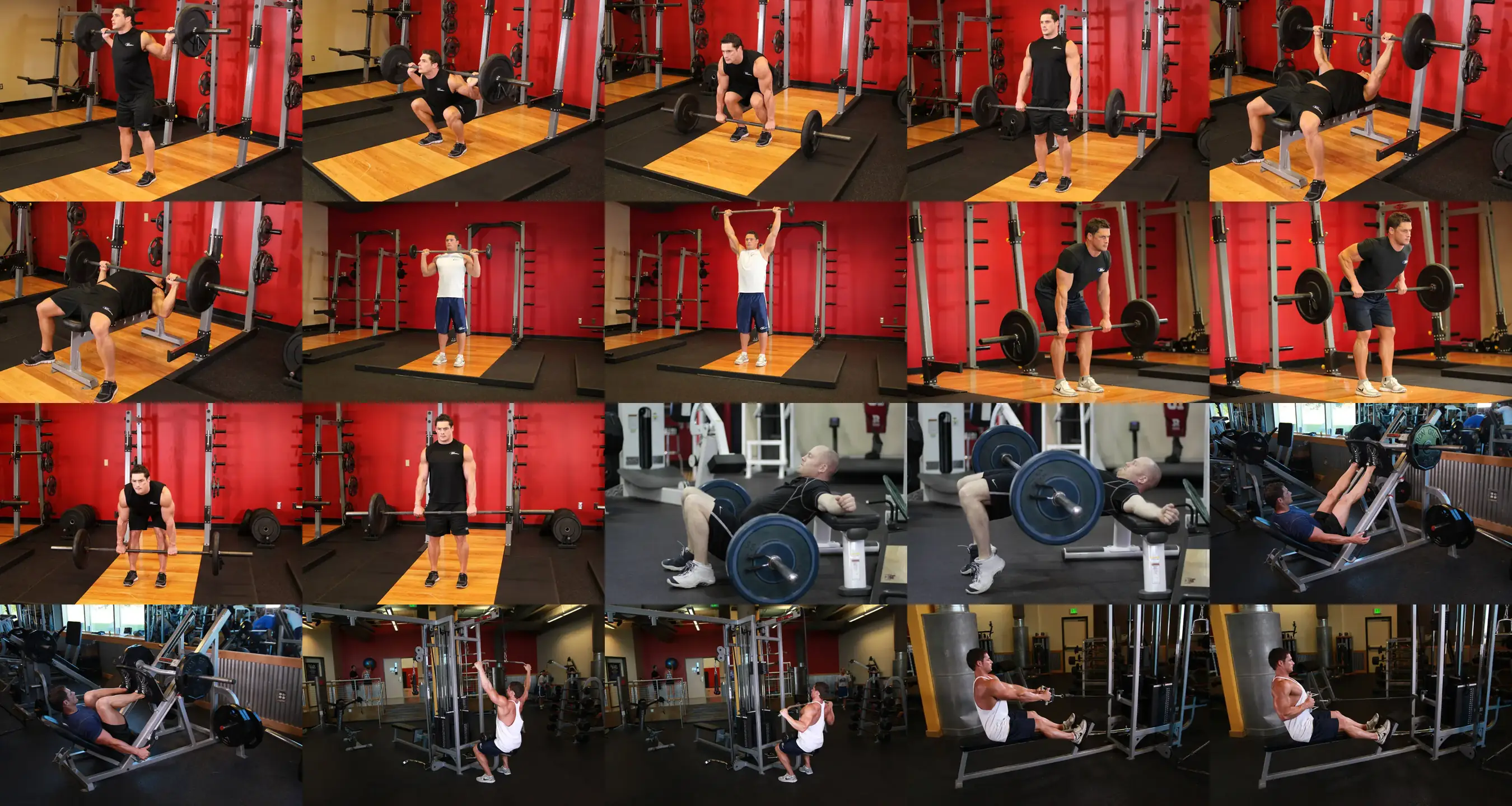
Bent-Over Barbell Row
Seated Cable Row
Band Pull-Apart