Setup and loading
Hold the dumbbells with a neutral grip, palms facing your body, and set your feet hip width apart with a soft knee bend. Choose a weight you can row for 8 to 12 reps without standing up or jerking.
How to do the bent-over dumbbell row step by step
- Stand holding a dumbbell in each hand, bend your knees slightly, and push your hips back until your torso is nearly parallel to the floor.
- Let the dumbbells hang under your shoulders with straight arms, neutral spine, and eyes on the floor just ahead.
- Exhale and row both dumbbells toward your waist, driving your elbows back and close to your body.
- Squeeze your shoulder blades together for one second at the top without shrugging.
- Inhale as you lower the dumbbells slowly until your arms are straight and your shoulder blades spread.
- Keep the same torso angle every rep and set the dumbbells down with a flat back when you finish.
Form cues
- Torso still, nearly parallel
- Elbows to your back pockets
- Squeeze your shoulder blades at the top
- Neck in line with your spine
Common mistakes
- Standing up to lift the weight: it turns the row into a heave; lighten up and lock your angle.
- Rounding your back: it loads the lumbar spine; lift your chest slightly and brace your abs.
- Shrugging: your upper traps steal the work; keep your shoulders away from your ears.
- Short range at the bottom: you lose the lat stretch; let your arms straighten fully.
How to make it easier or harder
If the bent-over position tires your lower back, start with a chest-supported incline dumbbell row. To progress, use heavier dumbbells, add two-second pauses at the top, or move to the barbell row.
Sets and reps for your goal
Hypertrophy
3-4 x 8-12 · rest 60-90 s3-4 sets of 6-12 reps (up to 15-20 on isolation exercises) at 65-80% of your max. Rest 1 to 2 minutes.
Get close to failure (0-3 reps in reserve) and control the lowering for 2-3 seconds. Accumulate 10-20 sets per muscle per week.
Max Strength
4-5 x 3-6 · rest 2-3 min3-6 sets of 1-6 reps at 80-90% of your max (1RM). Rest 2 to 5 minutes.
Leave 1-3 reps in reserve. If your technique breaks down, lower the weight: strength is built with good reps.
A guide for healthy adults. Adjust the load to your level and see a professional if you have an injury.
Check your form
Film yourself from the side or ask someone to watch, then tick what you get right.
Frequently asked questions
Dumbbell rows or barbell rows?
Dumbbells allow a longer range, a comfortable neutral grip, and even work on each side. A barbell lets you load more total weight. Both build the back well, and rotating between them is a smart option.
Should my lower back hurt during bent-over rows?
It should not hurt, though feeling your lower back muscles working to hold the position is normal. If pain shows up, reduce the load, raise your torso slightly, or switch to a chest-supported variation.
Sports it suits
Gear for this exercise
- Adjustable dumbbellsSave space and replace a whole dumbbell rack at home.
As an Amazon Associate, Muscle Atlas earns from qualifying purchases.
Variations and similar exercises
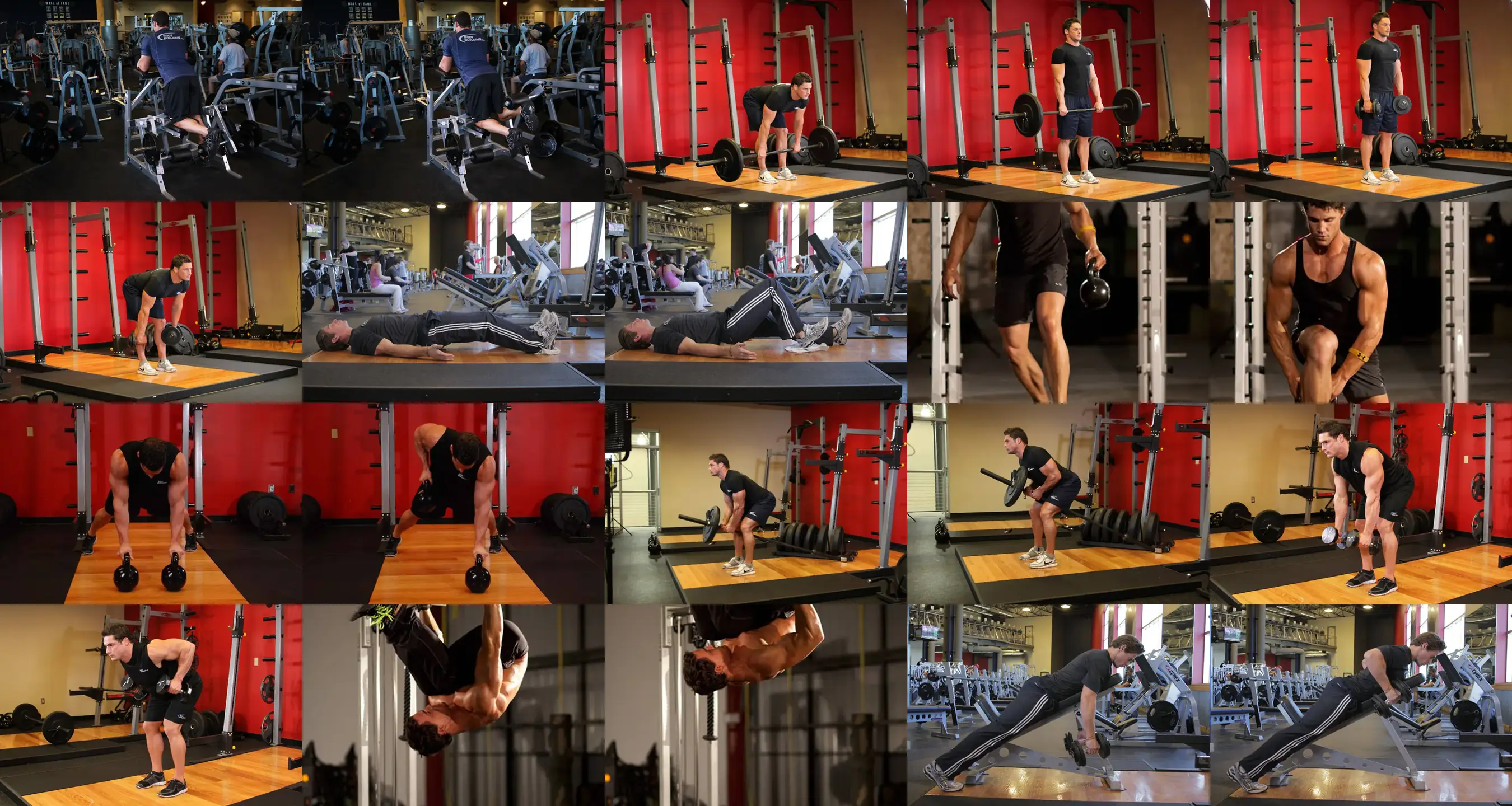
Alternating Renegade Row
Landmine T-Bar Row
Bodyweight Bar Row
Chest-Supported Incline Dumbbell Row
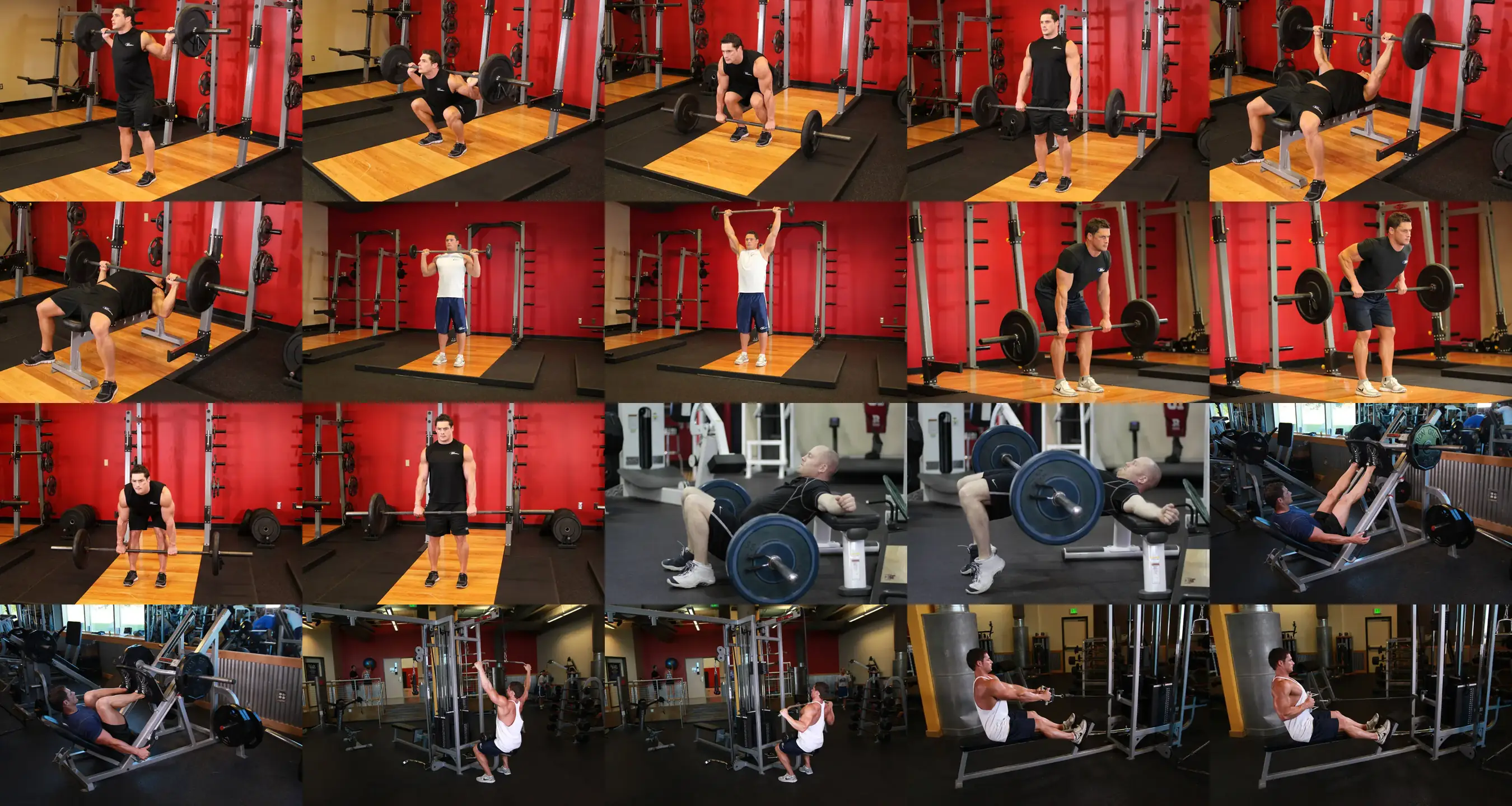
Seated Cable Row
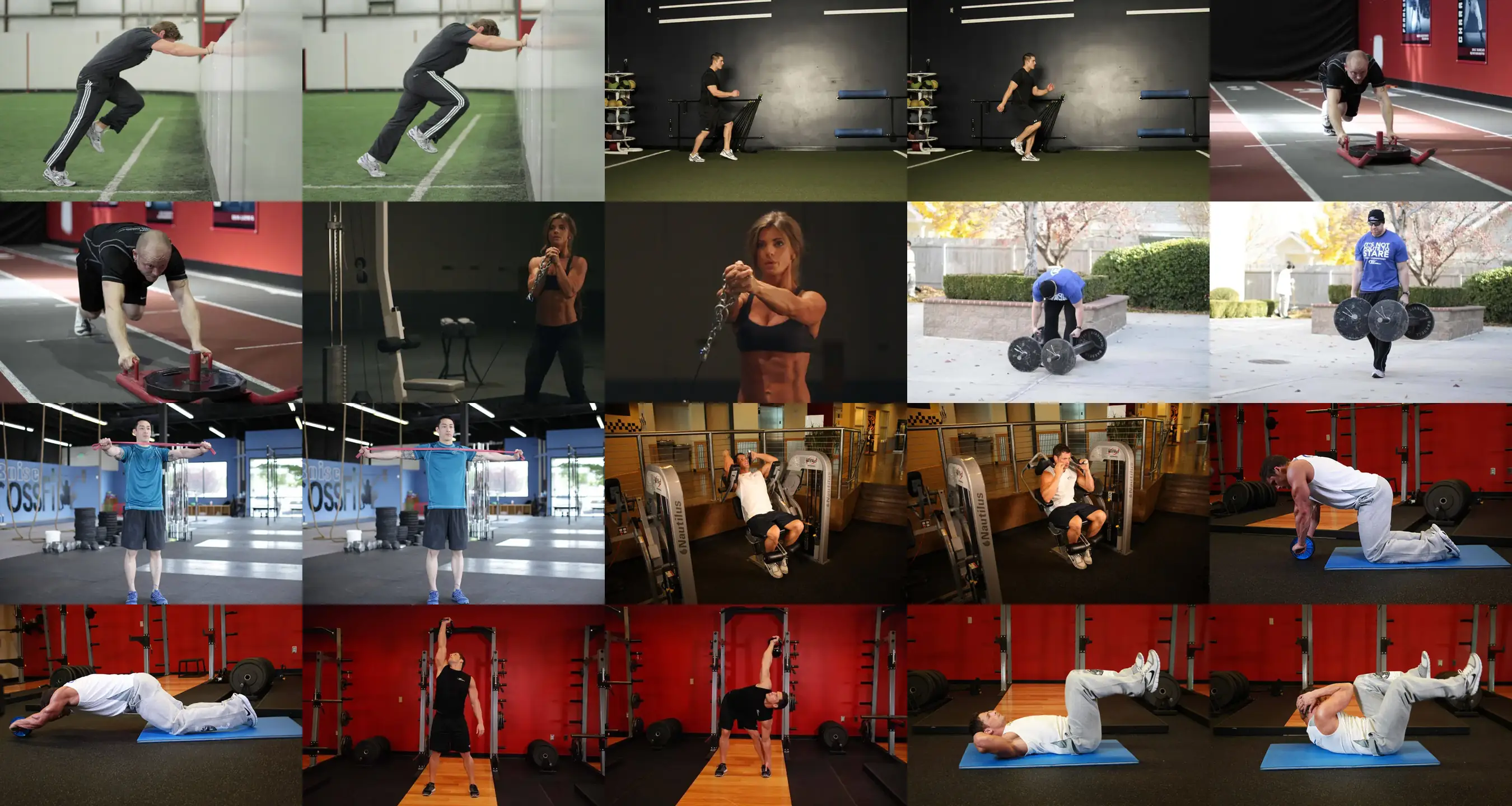
Band Pull-Apart
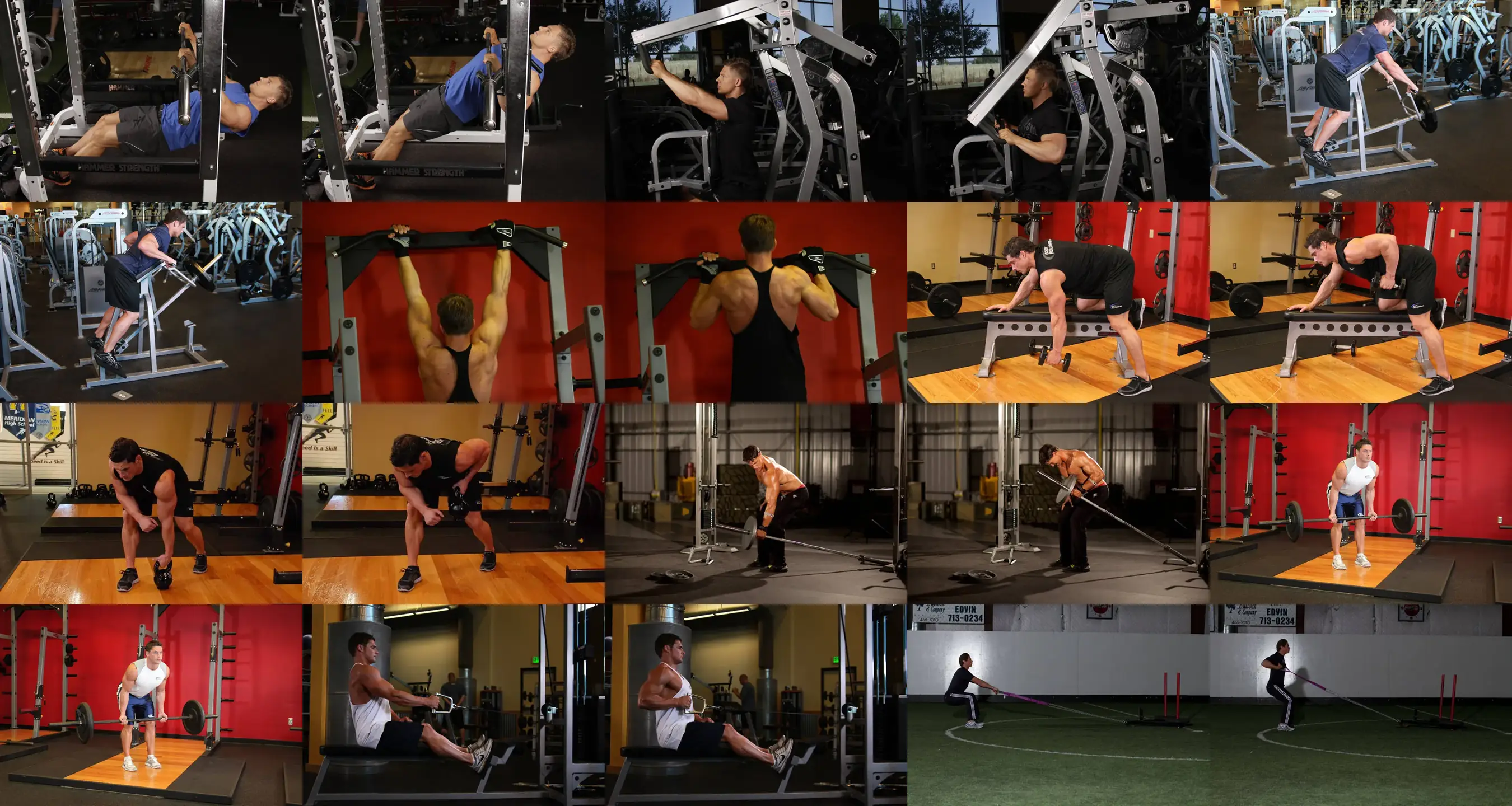
Inverted Row