Setup and loading
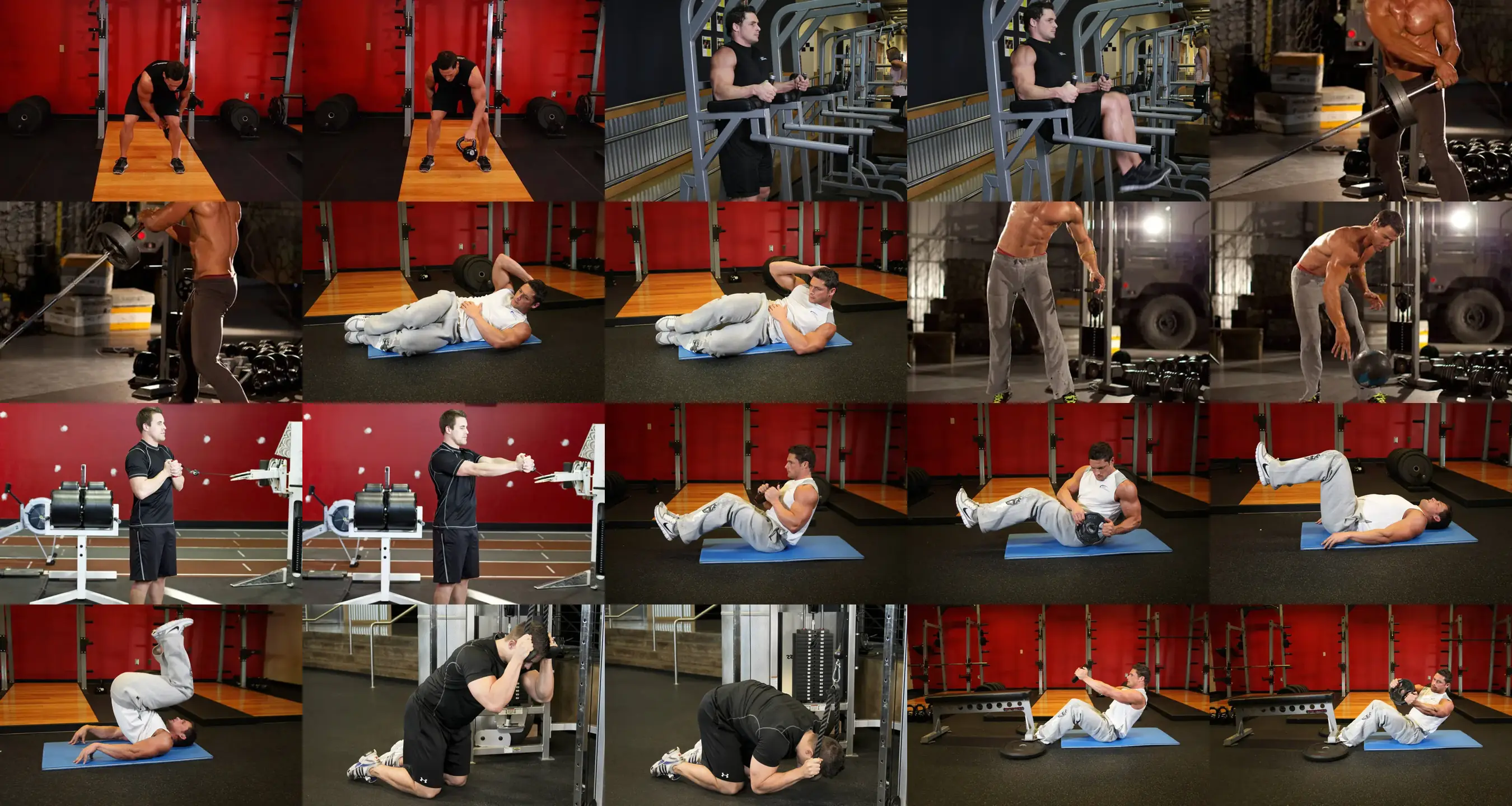
Set the pulley at chest height and stand sideways to it, one long step away, with feet about shoulder width. Pick a light weight that lets you rotate with straight arms while your hips stay still; if your hips turn, the load is too heavy.
How to do the cable russian twist step by step
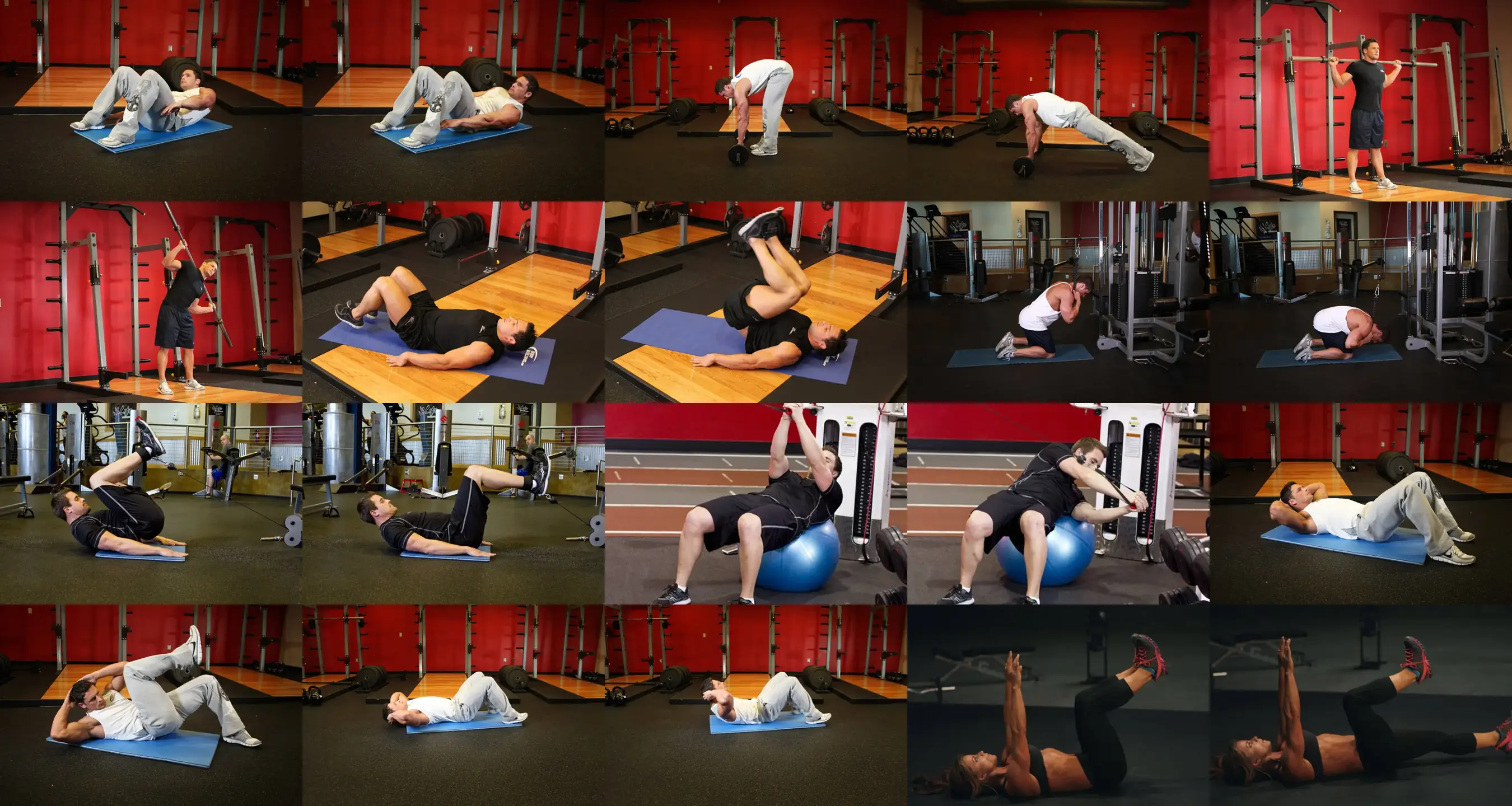
- Stand sideways to the stack, grab the handle with both hands and extend your arms straight in front of your chest.
- Soften your knees, squeeze your glutes and abs, and breathe in.
- Exhale and rotate your torso away from the stack, sweeping your hands in an arc to the other side.
- Keep your hips facing forward and your arms straight throughout the turn.
- Breathe in and return slowly toward the stack, resisting the pull of the cable.
- Finish all reps on one side, then switch positions to train the other side.
Form cues
- Rotate from your ribs, not your arms
- Hips stay still and face forward
- Long arms, hands in front of sternum
- Slow return against the cable
Common mistakes
- Turning with your arms: obliques barely work; keep hands centered on your chest throughout.
- Rotating hips and knees: shifts work away from the core; lock your pelvis forward.
- Snapping back to the start: skips the eccentric; take two seconds to return.
- Going too heavy: forces you to lean; lighten the load and aim for a clean turn.
How to make it easier or harder
If the rotation feels hard to control, start with a standard Pallof press, which teaches you to resist rotation. To progress, do it half kneeling to remove help from the hips, or move to cable wood chops with a longer diagonal path.
Sets and reps for your goal
Core & Stability
3 x 8-15 or 20-45 s3-4 sets of 20-45 seconds or 8-12 slow reps. Rest 45 to 60 seconds.
Neutral spine, tight abs and controlled breathing. Progress in time or leverage before adding weight.
A guide for healthy adults. Adjust the load to your level and see a professional if you have an injury.
Check your form
Film yourself from the side or ask someone to watch, then tick what you get right.
Frequently asked questions
Are cable Russian twists better than floor Russian twists?
The cable provides constant horizontal resistance right in the direction of the twist and lets you add weight in small steps. On the floor, the load pulls downward and your hip flexors do much of the work holding the position.
Do Russian twists make your waist wider?
Obliques can thicken slightly with heavy loads, but with moderate weights the visual effect is minimal. Your waistline depends mostly on body fat and bone structure.