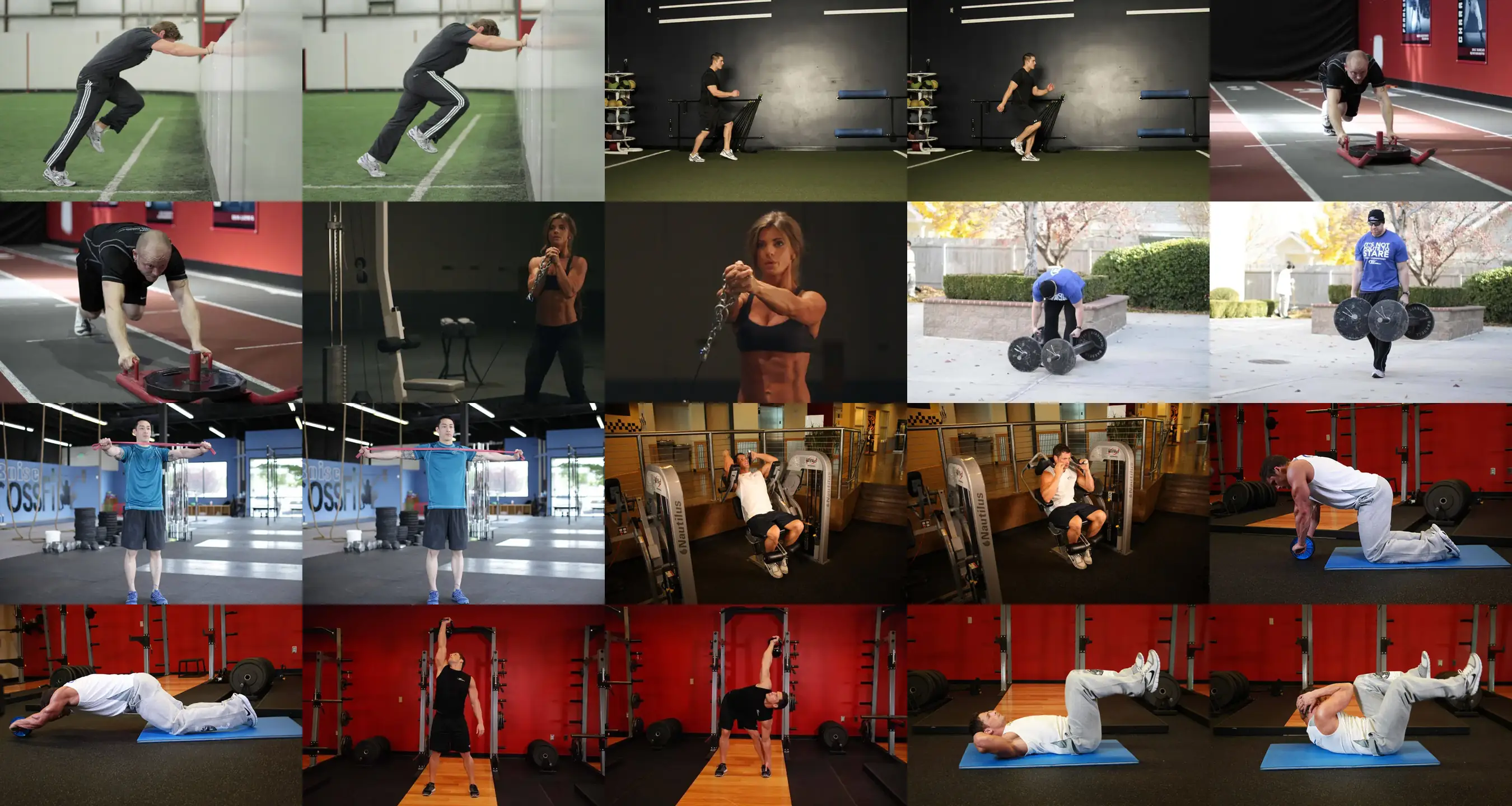
Setup and loading
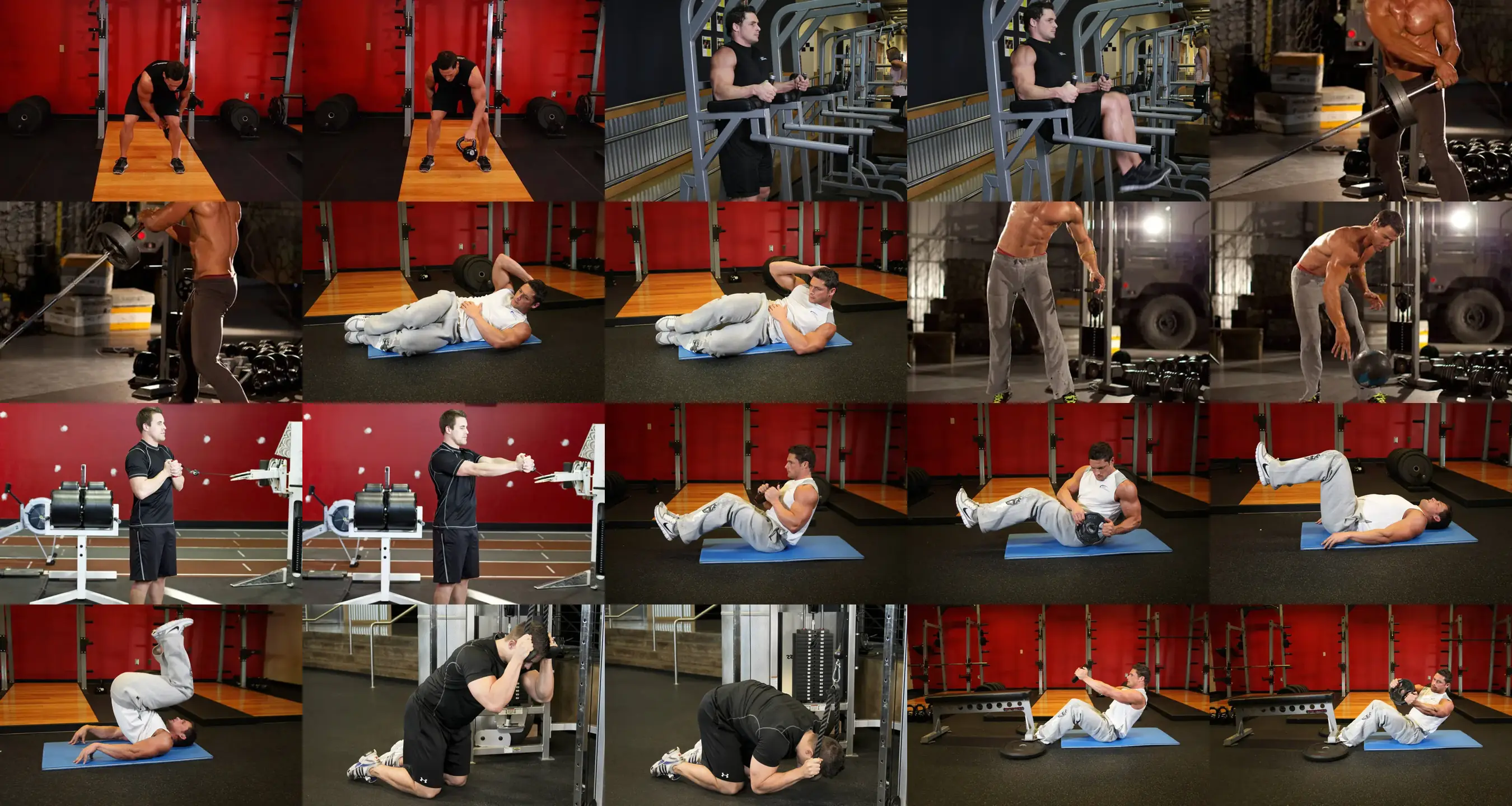
Set the cable or anchor the band at chest height, stand side-on and step away until there is tension with the handle at your chest. Choose a resistance that lets you hold 2 or 3 seconds with straight arms and no twisting for 8 to 12 reps per side.
How to do the pallof press step by step
- Set the cable at chest height, stand side-on to it and hold the handle with both hands at your sternum.
- Set your feet shoulder-width apart with soft knees and step away until the cable is taut.
- Squeeze your glutes and brace your abs, with your shoulders and hips facing forward.
- Breathe out and press the handle straight out until your arms are extended, without letting your torso turn toward the cable.
- Hold for 2 or 3 seconds with straight arms, resisting the sideways pull while breathing under control.
- Bring the handle back to your chest slowly and finish your reps before switching sides.
Form cues
- Shoulders and hips always face forward
- Glutes and abs squeezed
- Arms straight out from your sternum
- Resist the twist, don't create it
Common mistakes
- Letting your body rotate toward the cable: you lose the stimulus; lighten the load until you can stay still.
- Arching your back: your abs switch off; tuck your pelvis slightly and squeeze your glutes.
- Pressing at an angle: it shortens the lever; push your hands straight out from your sternum.
- Rushing without a pause: the hardest point is with arms extended; hold for 2 or 3 seconds.
How to make it easier or harder
To make it easier, keep the handle closer to your chest or do it kneeling with less resistance. To progress, try a half-kneeling or split-stance Pallof press, add an overhead press at full extension, or take lateral steps while holding the handle out.
Sets and reps for your goal
Core & Stability
3 x 10 per side with a pause3-4 sets of 20-45 seconds or 8-12 slow reps. Rest 45 to 60 seconds.
Neutral spine, tight abs and controlled breathing. Progress in time or leverage before adding weight.
A guide for healthy adults. Adjust the load to your level and see a professional if you have an injury.
Check your form
Film yourself from the side or ask someone to watch, then tick what you get right.
Frequently asked questions
What is the Pallof press good for?
It trains your core to resist rotation and keep your spine stable, which matters when running, throwing, carrying things in one hand or playing sports with changes of direction. It is a way to train your abs without flexing your spine.
Can I do the Pallof press at home with a band?
Yes. Attach a resistance band to a fixed point at chest height, such as a door anchor or a post, and stand side-on. It works just like the cable version; step farther away to increase the tension.
Sports it suits
Gear for this exercise
- Resistance bandsSeveral strengths to progress and warm up before training.
As an Amazon Associate, Muscle Atlas earns from qualifying purchases.