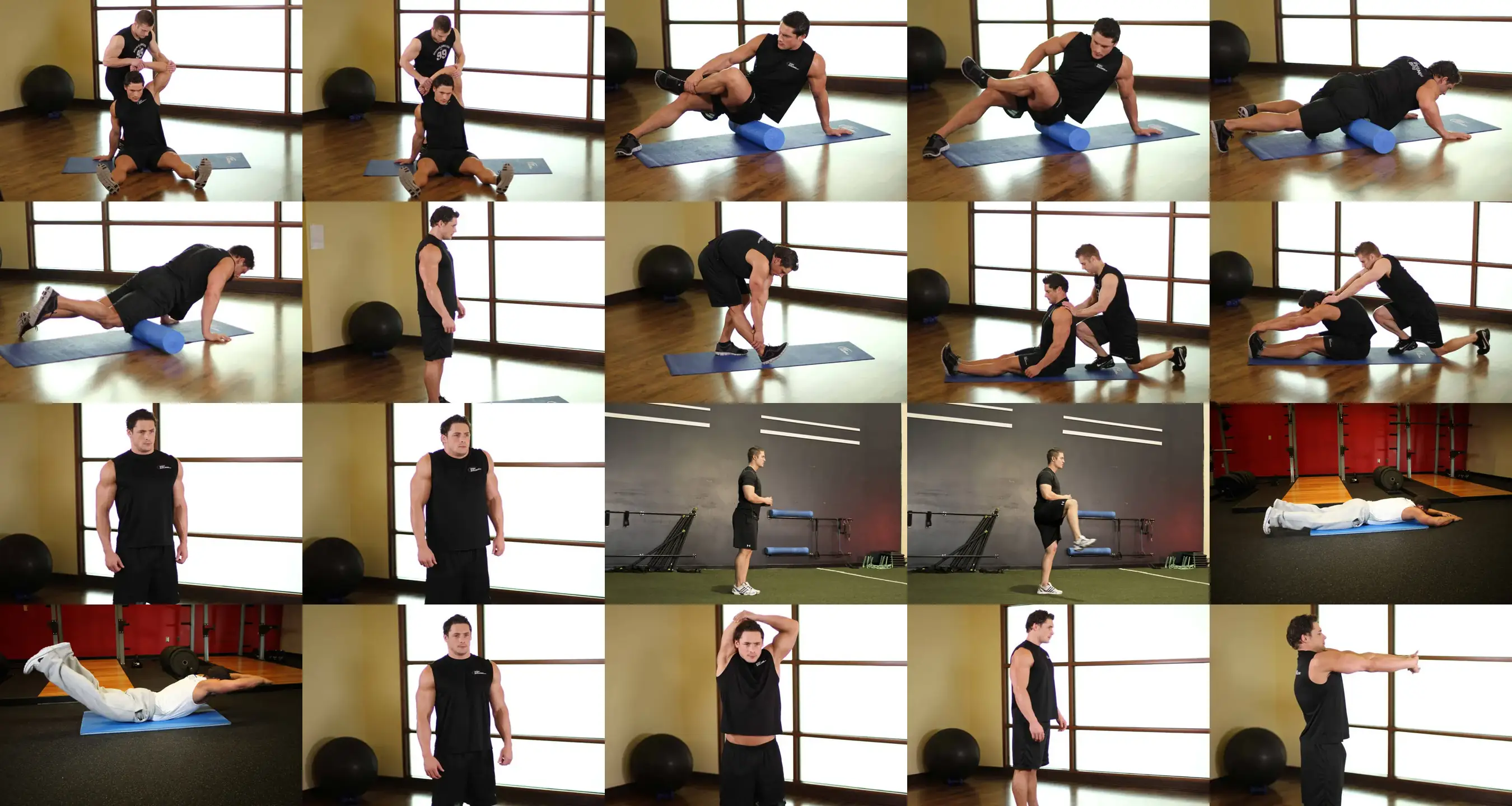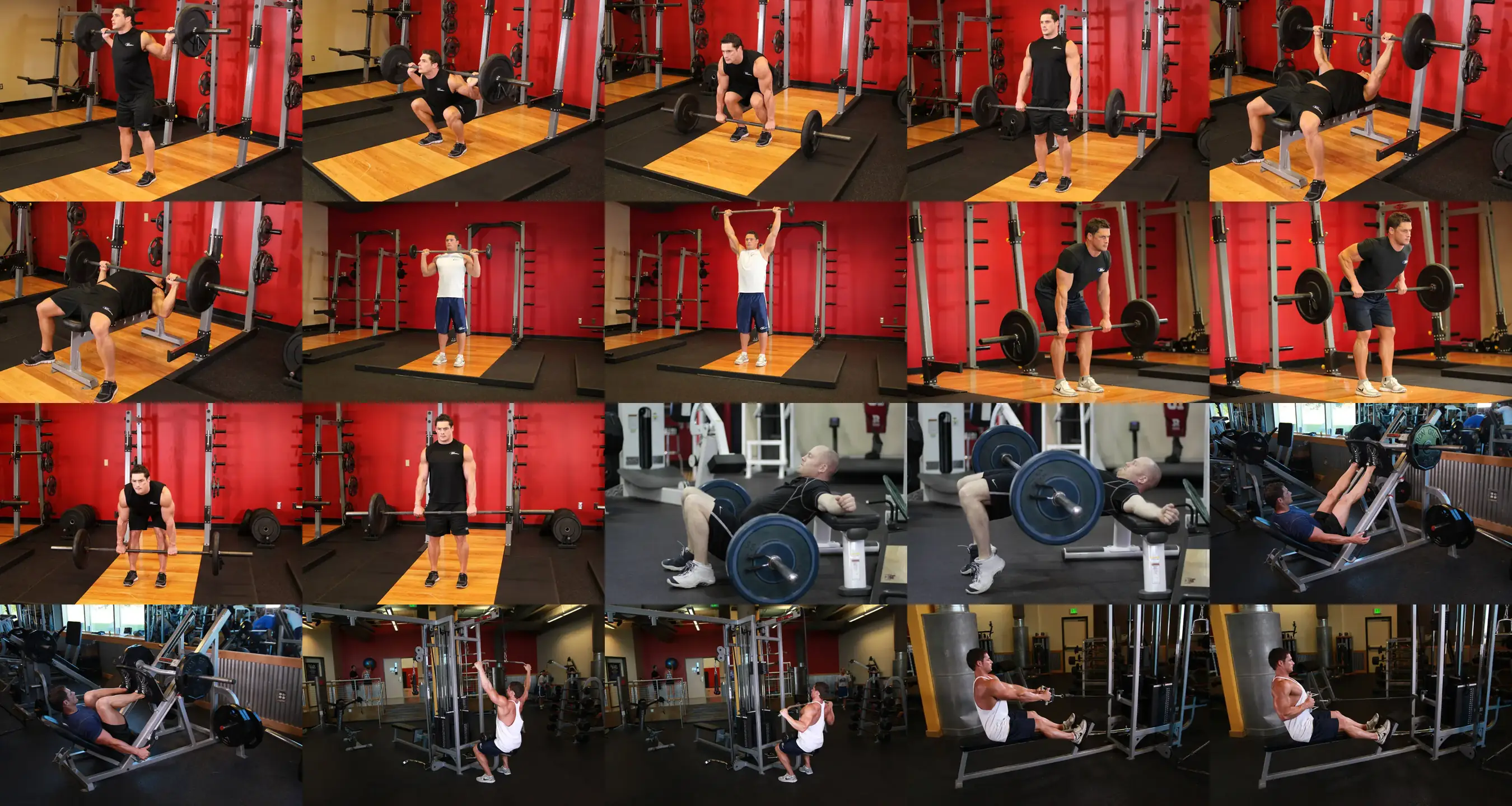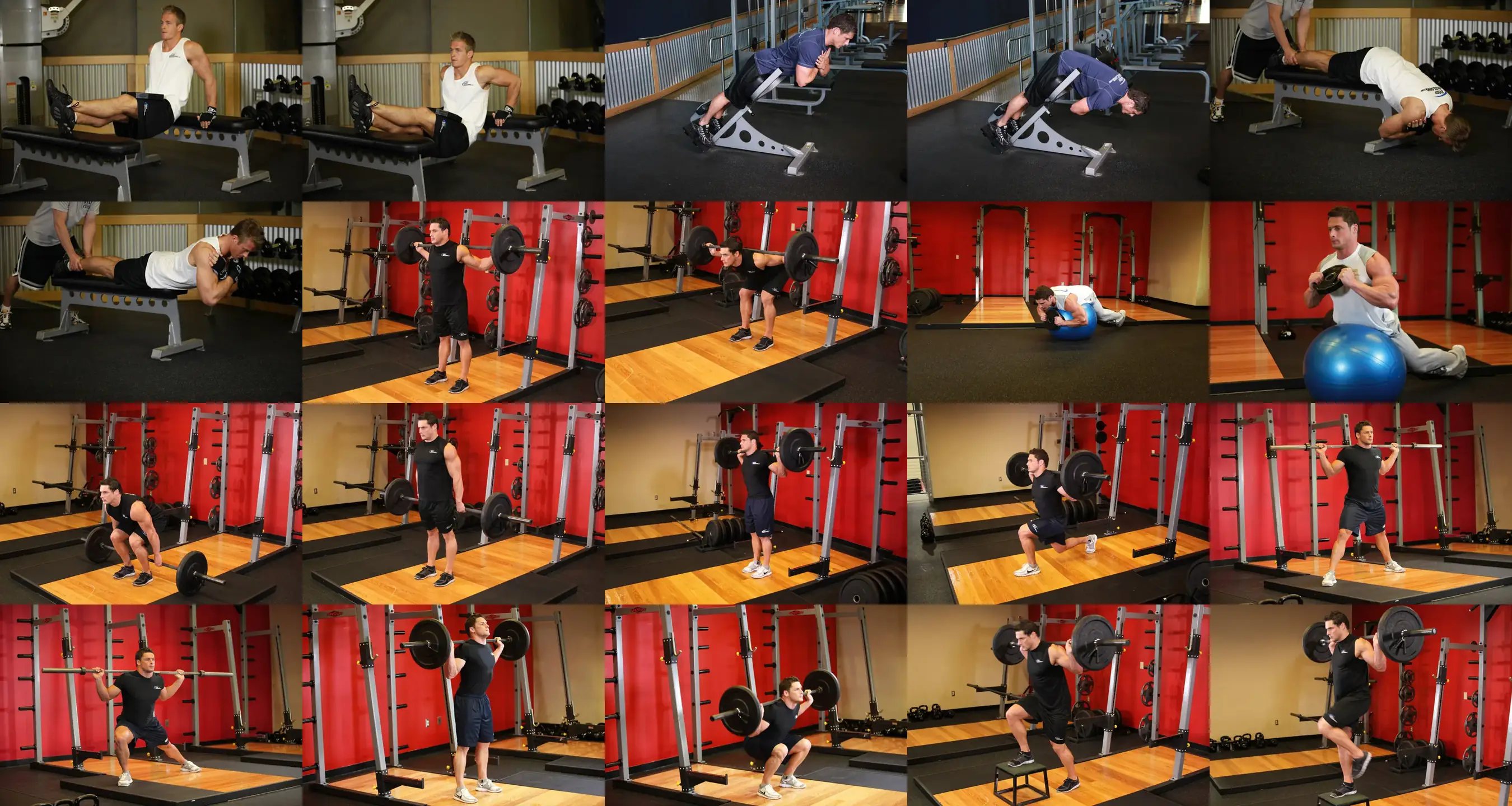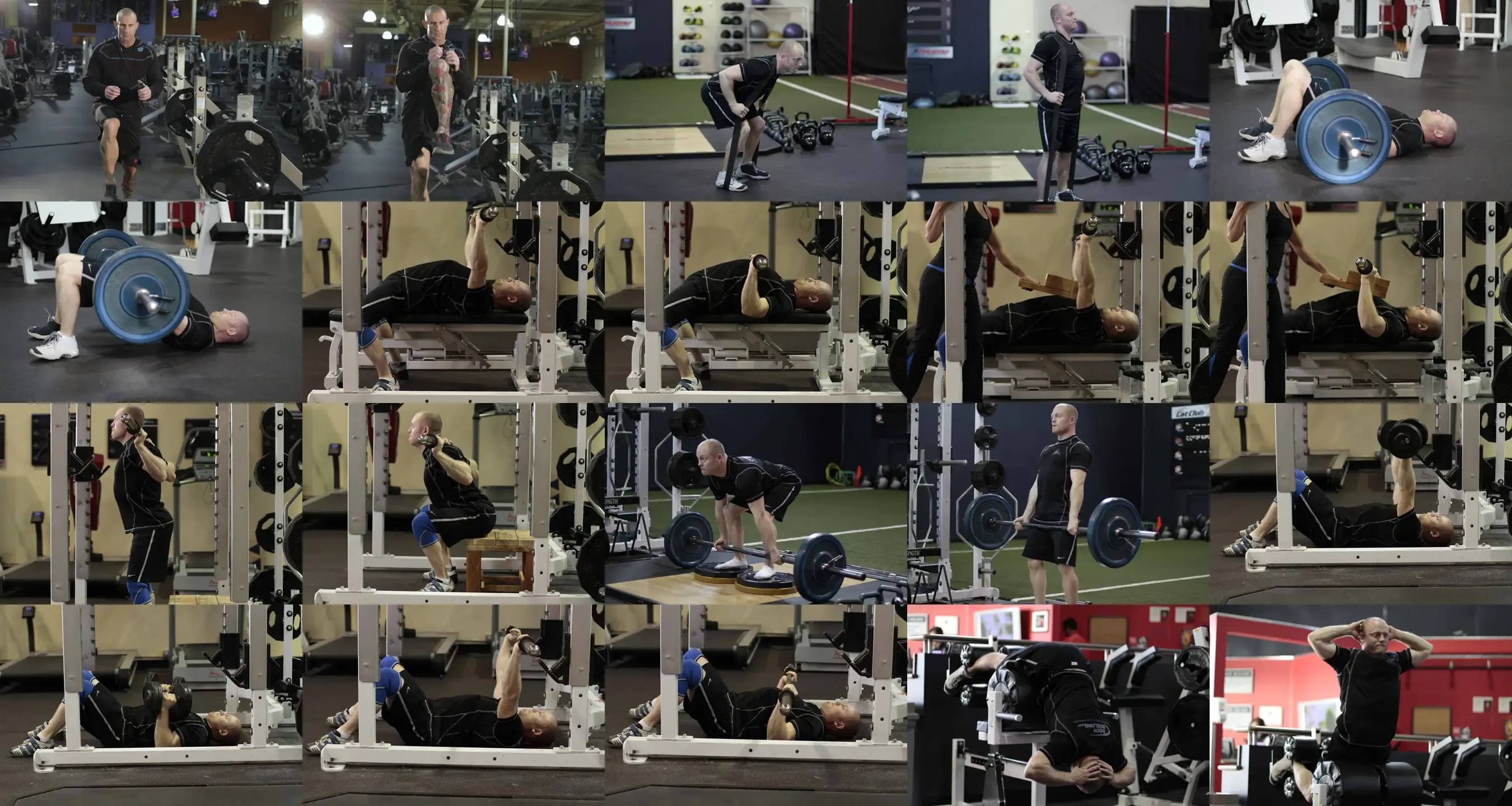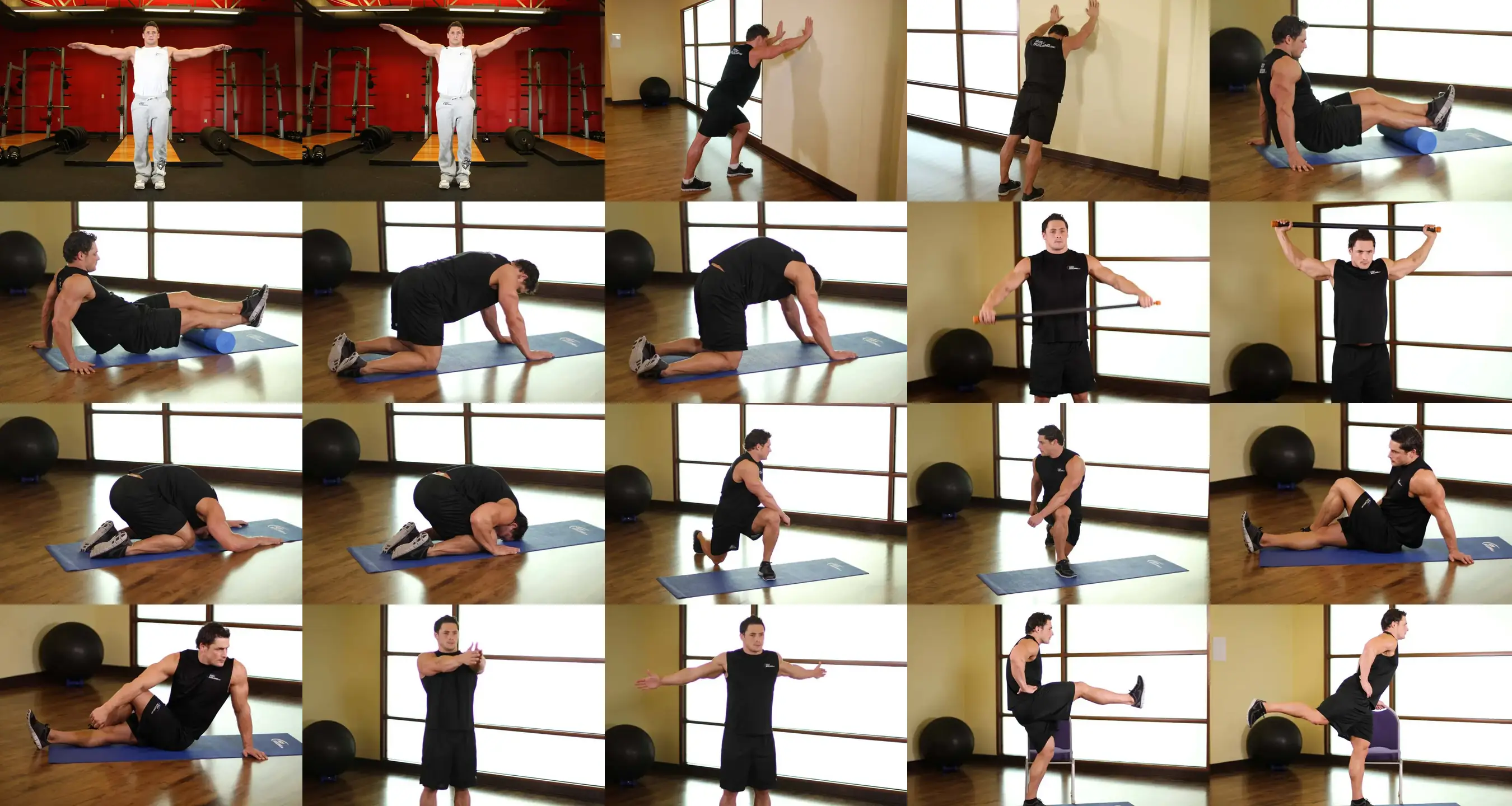
Setup and loading
Use your bodyweight in a clear space where you can take a long step back. Adjust difficulty through lunge depth and rotation range; start small and only increase the range while you keep your balance.
How to do the crossover reverse lunge step by step
- Stand with your feet shoulder-width apart, arms crossed over your chest or reaching straight out in front.
- Take a long step back, crossing slightly behind your front leg, and lower your back knee toward the floor.
- With your front knee stacked over your foot, rotate your torso toward your front leg as you breathe out.
- Hold for one or two seconds, feeling the stretch in your back hip and the rotation through your upper back.
- Turn back to center, push through your front foot and return to standing as you breathe in.
- Repeat on the other leg and keep alternating until you finish your reps.
Form cues
- Front knee tracks over your foot
- Rotate from your rib cage, not your knee
- Keep your chest tall through the twist
- Squeeze your back glute to open the hip
Common mistakes
- Losing your balance: usually from a narrow step; widen your stance a little in the lunge.
- Front knee caving as you rotate: it stresses the joint; keep it over your second toe.
- Twisting fast: it can irritate your back; rotate slowly and only as far as you control.
- Rounding your back: it limits upper back rotation; keep your chest up and neck long.
How to make it easier or harder
If balance is a challenge, hold a wall or rotate only your arms while keeping the lunge shallow. To progress, hold a light medicine ball at arm's length, try the world's greatest stretch, or add a longer pause at the bottom.
Sets and reps for your goal
Mobility
2-3 x 20-40 s per side2-3 sets of 30-60 seconds or 8-10 slow reps. Daily or before training.
Work in a pain-free range with slow breathing. A little often is better than a lot once in a while.
A guide for healthy adults. Adjust the load to your level and see a professional if you have an injury.
Check your form
Film yourself from the side or ask someone to watch, then tick what you get right.
Frequently asked questions
What is the crossover reverse lunge good for?
It mobilizes your hips and upper back at the same time, two areas that stiffen up from long hours of sitting. It makes an effective dynamic warm-up before leg day, running or sports like golf, tennis or pickleball.
Which way do you rotate in a lunge with a twist?
The usual approach is to rotate toward your front leg, meaning toward the side of the knee that is forward. That naturally combines the back hip stretch with upper back rotation in a safe way.
Sports it suits
Gear for this exercise
- Exercise matThick (8-10 mm) for floor work.
As an Amazon Associate, Muscle Atlas earns from qualifying purchases.