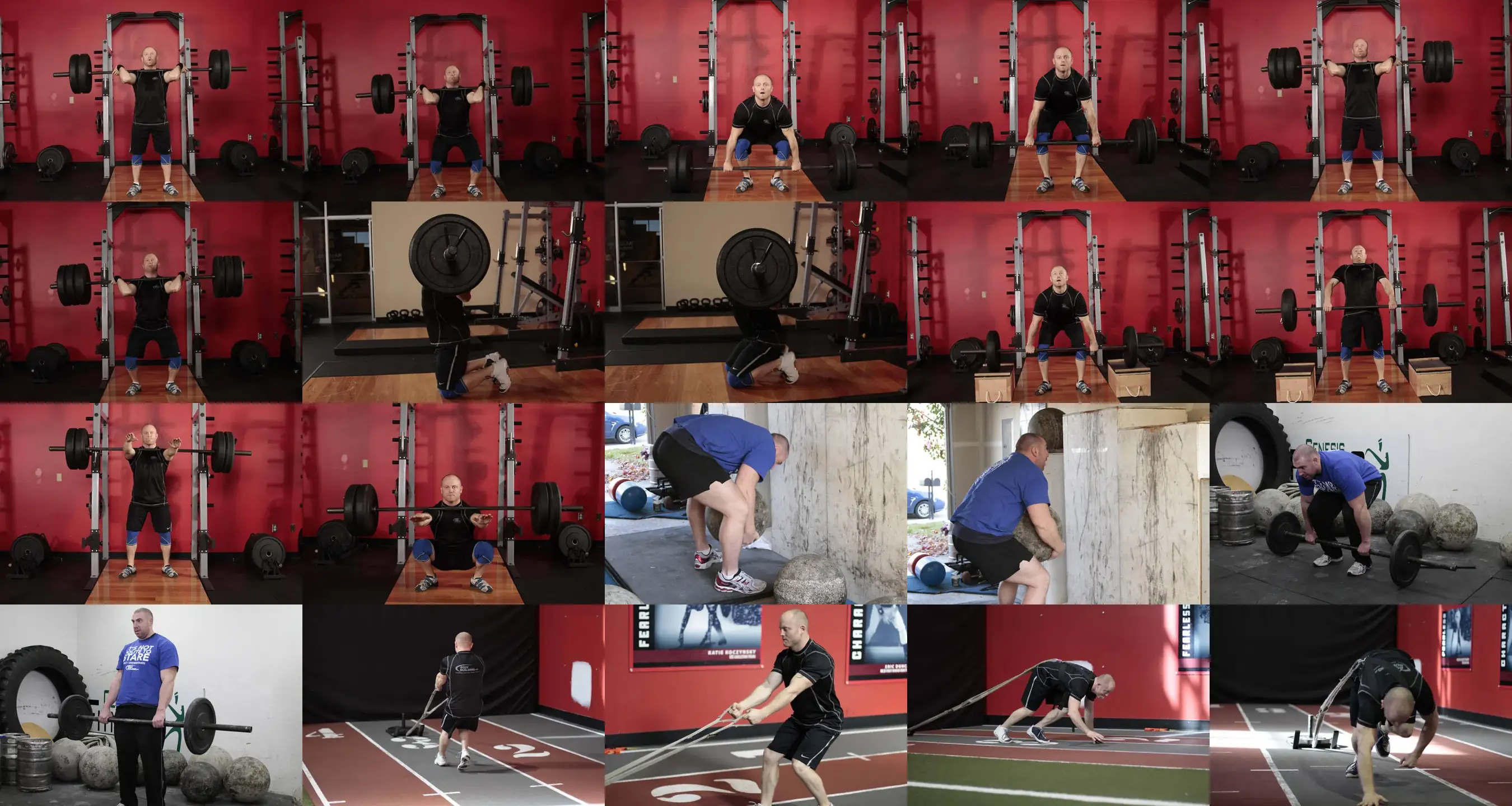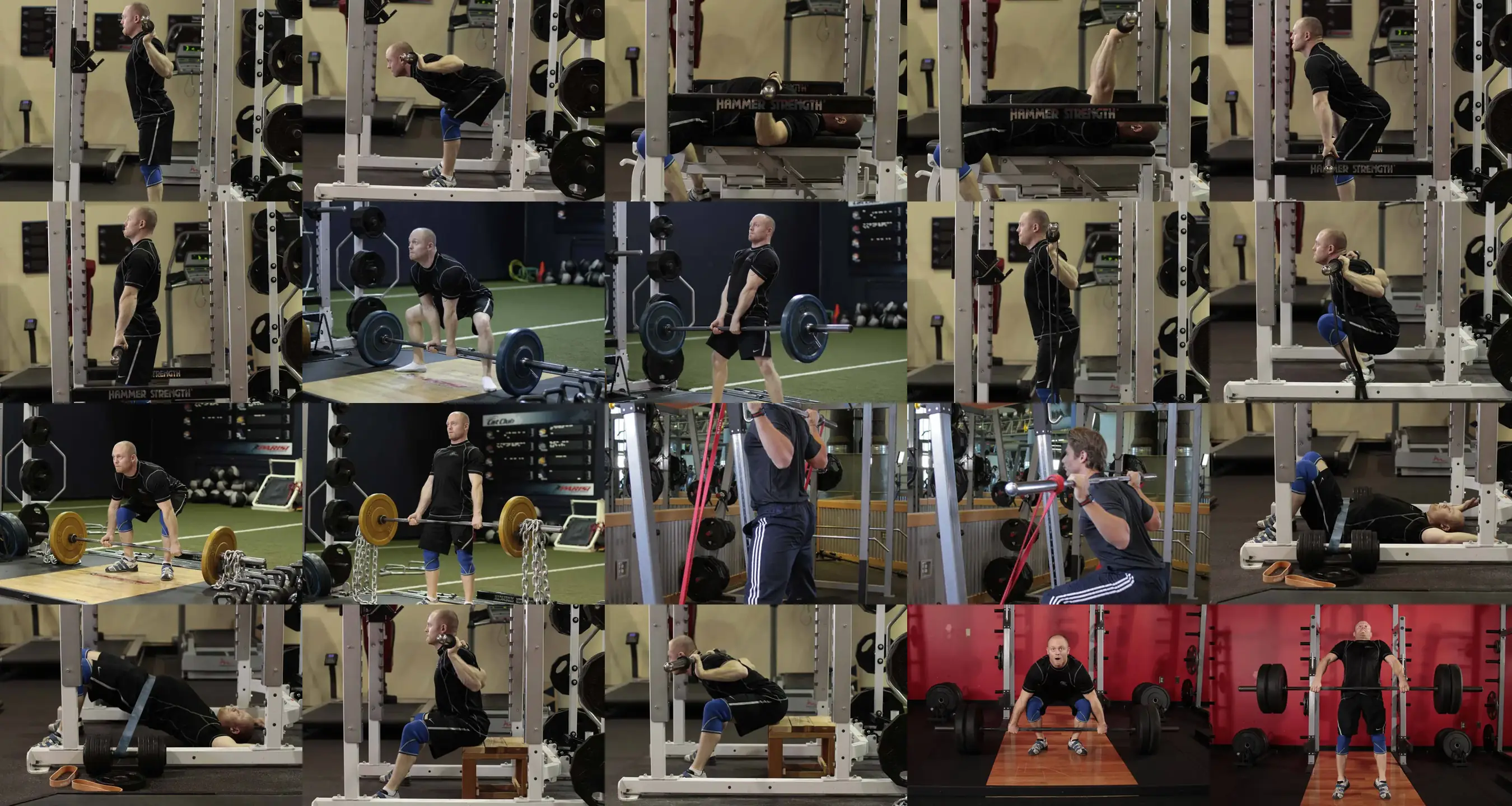
Setup and loading
Hang the chains from the bar ends so some links still rest on the floor at lockout. A typical setup has chains adding 10 to 25 percent of total load, with the bar itself at 60 to 75 percent of your max.
How to do the deadlift with chains step by step
- Hang one chain on each bar end, matched in weight and length, and make sure they clear the plates as you lift.
- Set up as for a conventional deadlift with the bar over midfoot and your grip just outside your legs.
- Lift your chest, lock your lats, and pull the slack out; breathe in and brace before pulling.
- Break the bar off the floor by pushing through your legs, then accelerate as the chains rise and add weight.
- Finish by driving your hips through against peak load, standing tall with glutes squeezed, and exhale.
- Lower the bar under control so the chains pile back onto the floor without swinging or crashing.
Form cues
- Accelerate the bar as the chains rise
- Keep the bar close despite the sway
- Finish the pull hard with your hips
- Match the chains on both sides
Common mistakes
- Uneven chain weights: they unbalance the bar; weigh them or use matched sets.
- Chains fully leaving the floor: load stops changing and they swing; shorten them to stay grounded.
- Pulling slowly out of fear: it wastes the training effect; pull with intent from the floor.
- Leaning back at the top: it overloads the lower back; lock out with glutes and a neutral spine.
How to make it easier or harder
To make it easier, drop the chains and train conventional deadlifts or use lighter chains. To progress, increase chain weight, combine chains with bands, or pull from a small deficit to lengthen the range.
Sets and reps for your goal
Max Strength
4-5 x 3-6 · rest 2-3 min3-6 sets of 1-6 reps at 80-90% of your max (1RM). Rest 2 to 5 minutes.
Leave 1-3 reps in reserve. If your technique breaks down, lower the weight: strength is built with good reps.
A guide for healthy adults. Adjust the load to your level and see a professional if you have an injury.
Check your form
Film yourself from the side or ask someone to watch, then tick what you get right.
Frequently asked questions
What do chains do on a deadlift?
Chains add weight as the bar rises, better matching your strength curve. They help build lockout strength and bar speed, and let you handle heavy loads at the top without an excessive weight off the floor.
How much chain weight should I use?
For most lifters, chains adding 10 to 25 percent of total load is enough. Many gyms have chain sets of about 20 to 40 lb per side. Start on the lower end and add more only if your bar speed stays crisp.
Sports it suits
Gear for this exercise
- Olympic barbell and platesTo keep progressing on the big lifts with heavy loads.
As an Amazon Associate, Muscle Atlas earns from qualifying purchases.