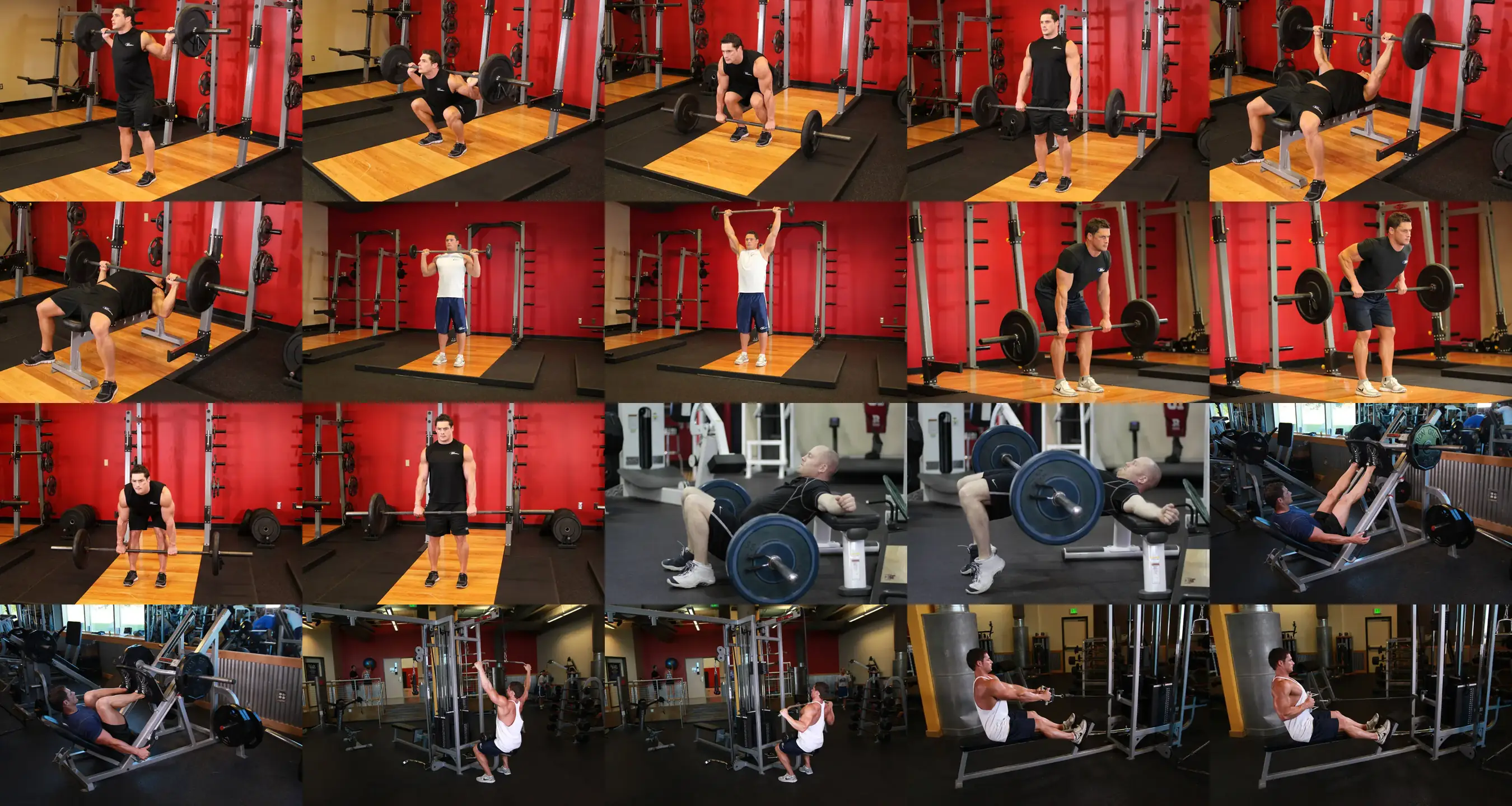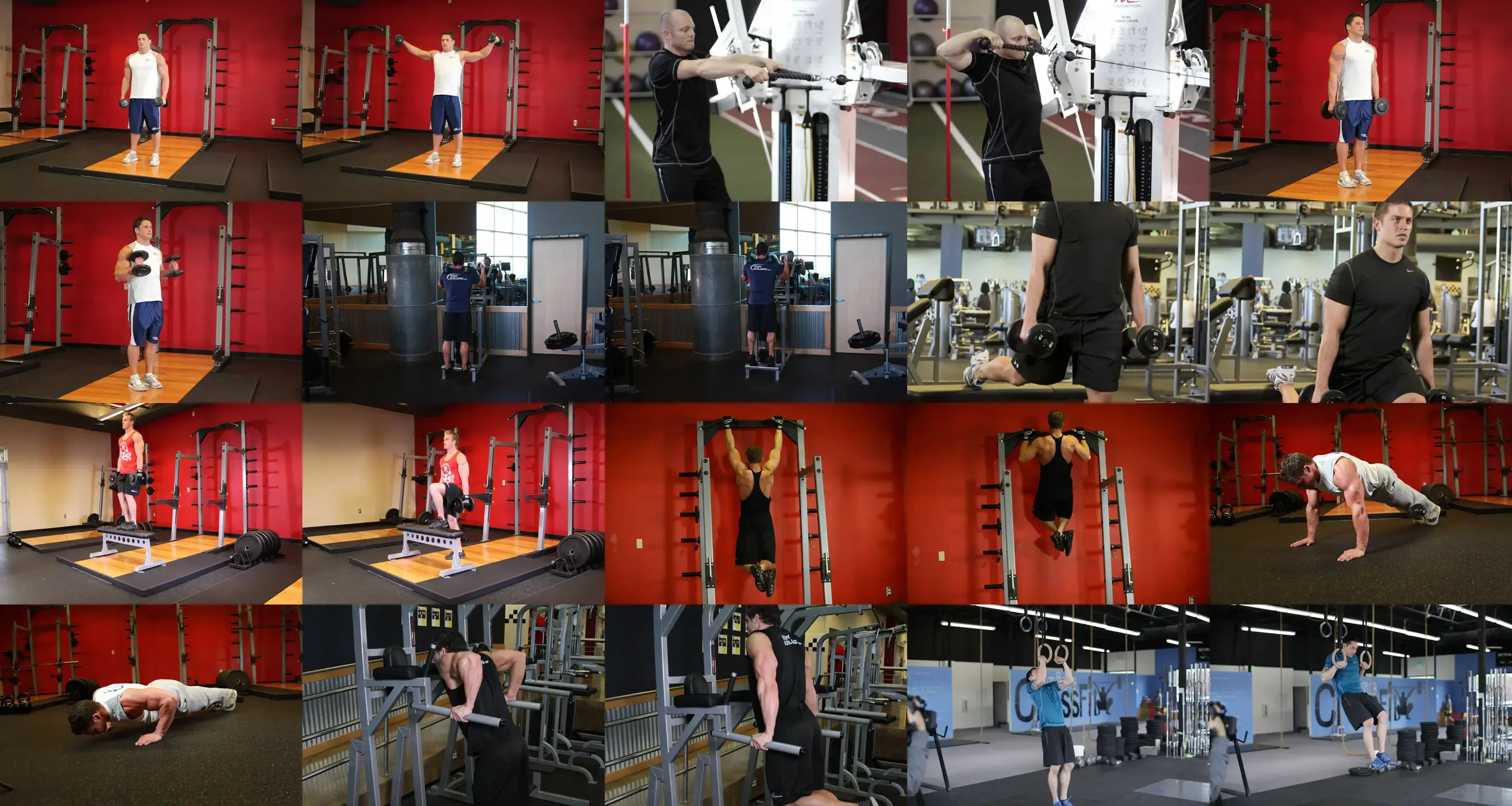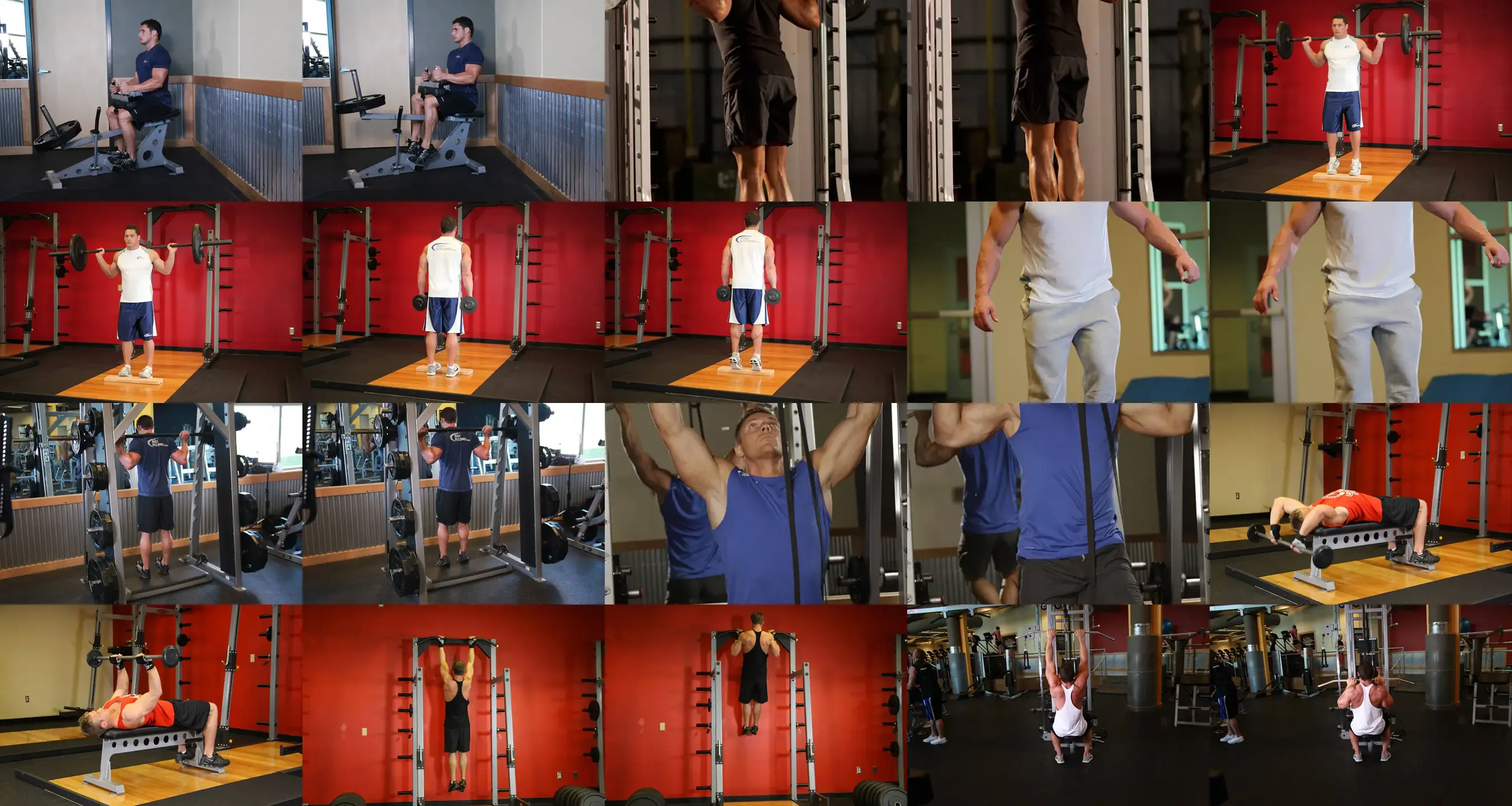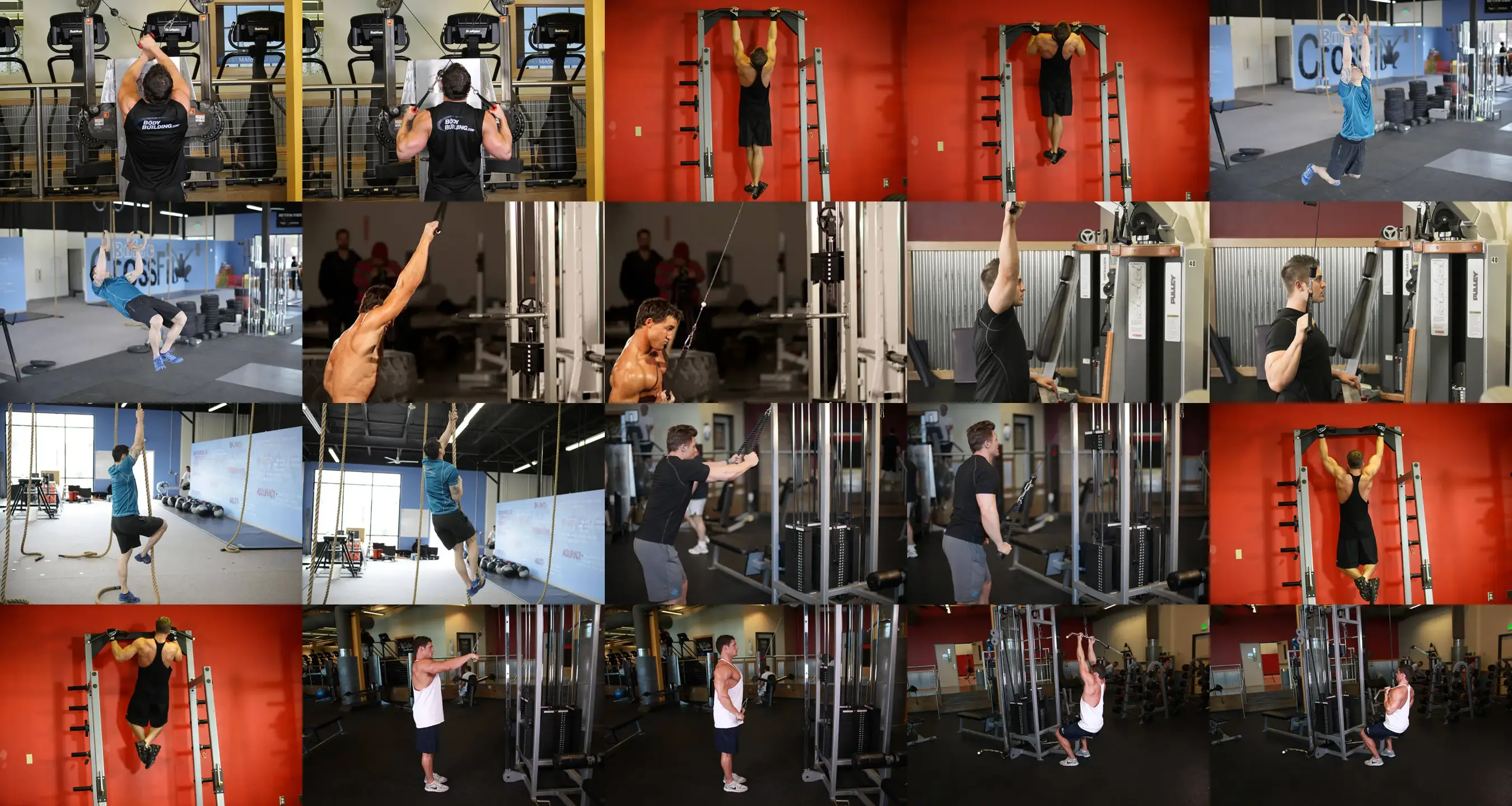
Setup and loading
Set the pulley at its highest position with a rope or two handles and kneel a step away, arms reaching up and forward. Pick a weight you can pull for 10 to 15 reps while setting your shoulders first and without leaning back.
How to do the kneeling high cable row step by step
- Kneel facing the high pulley, holding the rope or handles with arms straight and torso upright, leaning back slightly.
- Brace your abs and squeeze your glutes to lock your hips and prevent swinging.
- Start by pulling your shoulders down away from your ears before bending your elbows.
- Exhale and drive your elbows down and back until your hands reach face or chest height, squeezing your shoulder blades.
- Hold the squeeze for one second with your chest tall.
- Inhale and return slowly, straightening your arms and letting your shoulder blades rise without losing posture.
Form cues
- Shoulders down first, then elbows
- Elbows toward your back pockets
- Chest tall at the finish
- Torso still, no swinging
Common mistakes
- Pulling with just your arms: biceps take over; start with your shoulder blades and think elbows.
- Leaning back to move the weight: uses momentum; lower the load and squeeze glutes.
- Shrugging as you pull: loads the upper traps; keep shoulders away from ears.
- Letting the weight snap back: skips the eccentric; return over two or three seconds.
How to make it easier or harder
To regress, use less weight or practice straight-arm scapular depressions on the cable. To progress, add load, include two second pauses, work one arm at a time, or move to lat pulldowns and assisted pull-ups.
Sets and reps for your goal
Injury Prevention
2-3 x 10-15 slow2-3 sets of 10-15 slow reps with a light or moderate load, 2-3 times per week.
Control the lowering (about 3 seconds). This is quality work, not fatigue work: finish every set feeling good.
Hypertrophy
3 x 10-12 · rest 60 s3-4 sets of 6-12 reps (up to 15-20 on isolation exercises) at 65-80% of your max. Rest 1 to 2 minutes.
Get close to failure (0-3 reps in reserve) and control the lowering for 2-3 seconds. Accumulate 10-20 sets per muscle per week.
A guide for healthy adults. Adjust the load to your level and see a professional if you have an injury.
Check your form
Film yourself from the side or ask someone to watch, then tick what you get right.
Frequently asked questions
What is the difference between a high cable row and a lat pulldown?
In a pulldown the bar travels straight down to your chest with elbows toward your sides. In a high row your elbows travel farther back, adding middle traps, rhomboids, and rear delts. Both work the lats.
Why do cable rows kneeling instead of seated?
Kneeling leaves your torso unsupported, so your core works harder to stabilize, and the angle lets you pull from a high pulley along a natural path. It also makes it easier to notice if you are swinging to move the weight.