Setup and loading
Kneel on a padded surface with the tops of your feet flat and, if using a bar, place it on your traps from a low rack. Master the jump with body weight before adding a light bar or weighted vest.
How to do the kneeling jump squat step by step
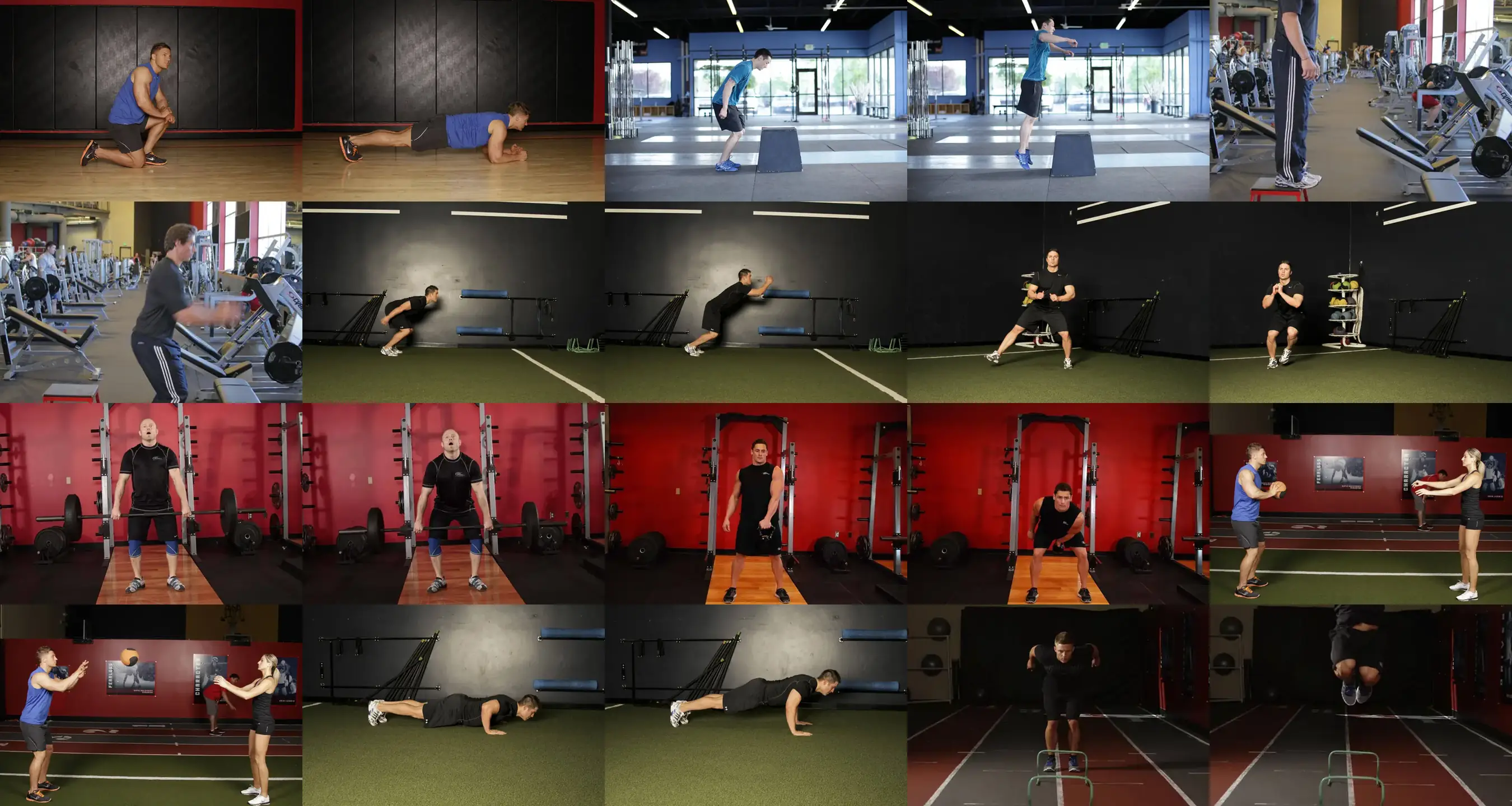
- Kneel on a mat with knees hip width apart and the tops of your feet flat on the floor.
- If using a bar, rest it on your traps; if not, reach your arms back so you can swing them.
- Breathe in and sit back toward your heels with your torso slightly forward and back straight.
- Extend your hips explosively, swinging your arms up if no bar, to lift your knees off the floor.
- Snap your feet under your body and land in a squat with feet flat and knees out.
- Exhale, stabilize at the bottom, and stand before kneeling again for the next rep.
Form cues
- All the power comes from your hips
- Swing your arms up hard and fast
- Snap your feet flat under your body
- Land softly in a squat, knees out
Common mistakes
- Using too much weight: you cannot get up and land poorly; start with body weight.
- Landing on your toes: it stresses the knees and unbalances you; land flat footed.
- Kneeling on a hard floor: it hurts your knees; use a mat or pad.
- Rounding your back as you sit back: you lose tension; keep your chest up and spine neutral.
How to make it easier or harder
To make it easier, jump only to tall kneeling or do explosive hip thrusts. To progress, add a vest or light bar, or link a vertical jump immediately after landing.
Sets and reps for your goal
Plyometrics
3-5 x 3-6 jumps · rest 1-2 min3-6 sets of 3-8 jumps. In total, 60-100 contacts per session (40-60 if you're a beginner). Rest 1 to 2 minutes between sets.
Short, quiet ground contact. If the jump loses height or your foot sticks to the ground, stop: the set is no longer training reactivity. Two sessions per week, 48 h apart.
Power
4-6 x 2-5 · full rest3-6 sets of 1-5 reps with light or moderate loads (30-60% of your max on the main lifts), or with a ball or your bodyweight. Rest 2 to 3 minutes.
Every rep at the highest possible speed. As soon as you notice it moving slower (a 10-20% velocity loss), end the set. Train power fresh, never fatigued.
A guide for healthy adults. Adjust the load to your level and see a professional if you have an injury.
Check your form
Film yourself from the side or ask someone to watch, then tick what you get right.
Frequently asked questions
What is the kneeling jump squat good for?
It builds hip extension power, the same quality used in jumps, sprints and Olympic lifts. By removing ankle drive and any run up, it isolates explosive glute power.
Are kneeling jumps bad for your knees?
They usually are not if you use a padded surface and land flat footed with knees aligned. If you have knee issues, start with body weight and low reps, and check with a qualified professional if discomfort persists.
Sports it suits
Gear for this exercise
- Olympic barbell and platesTo keep progressing on the big lifts with heavy loads.
As an Amazon Associate, Muscle Atlas earns from qualifying purchases.