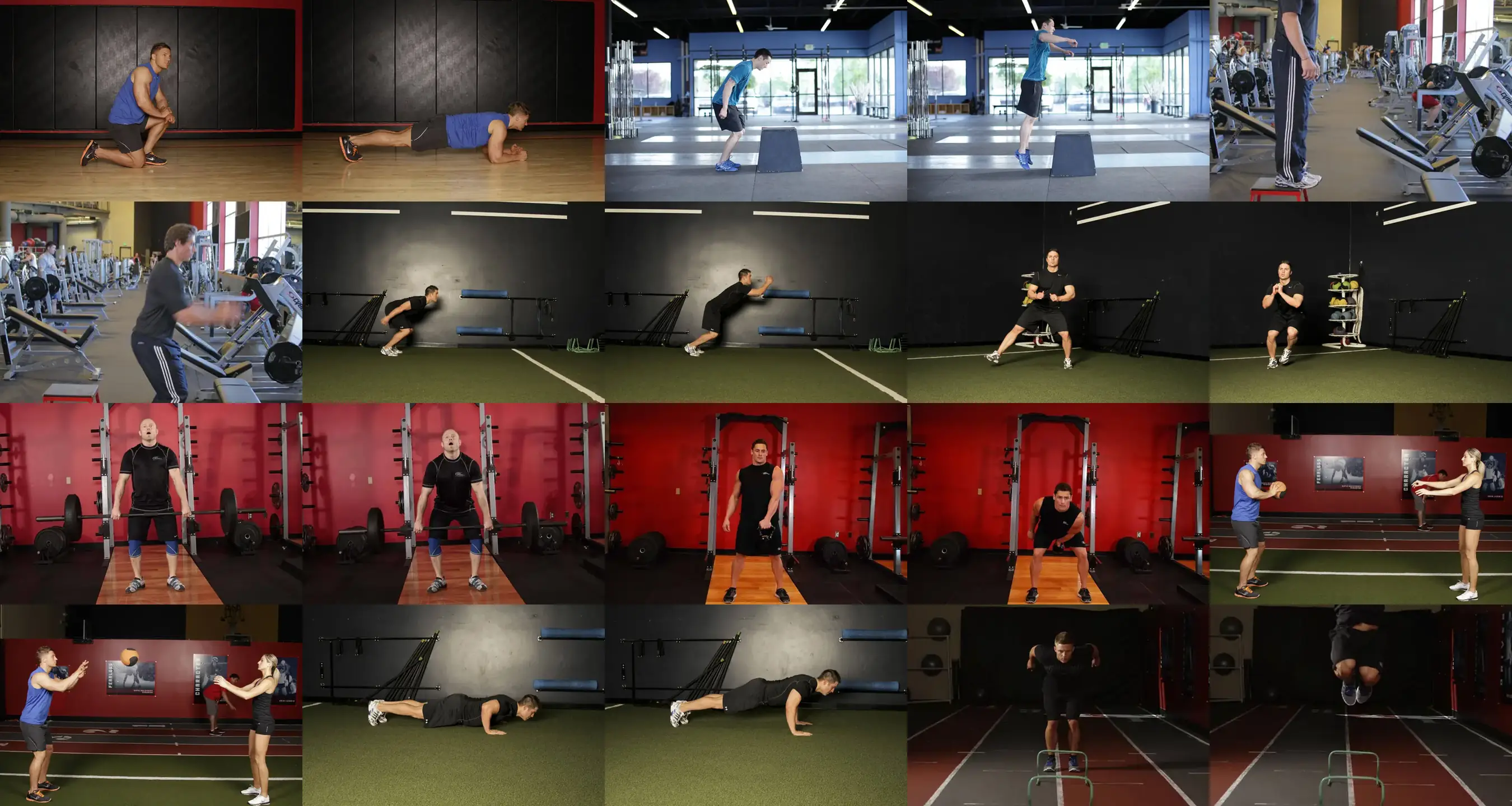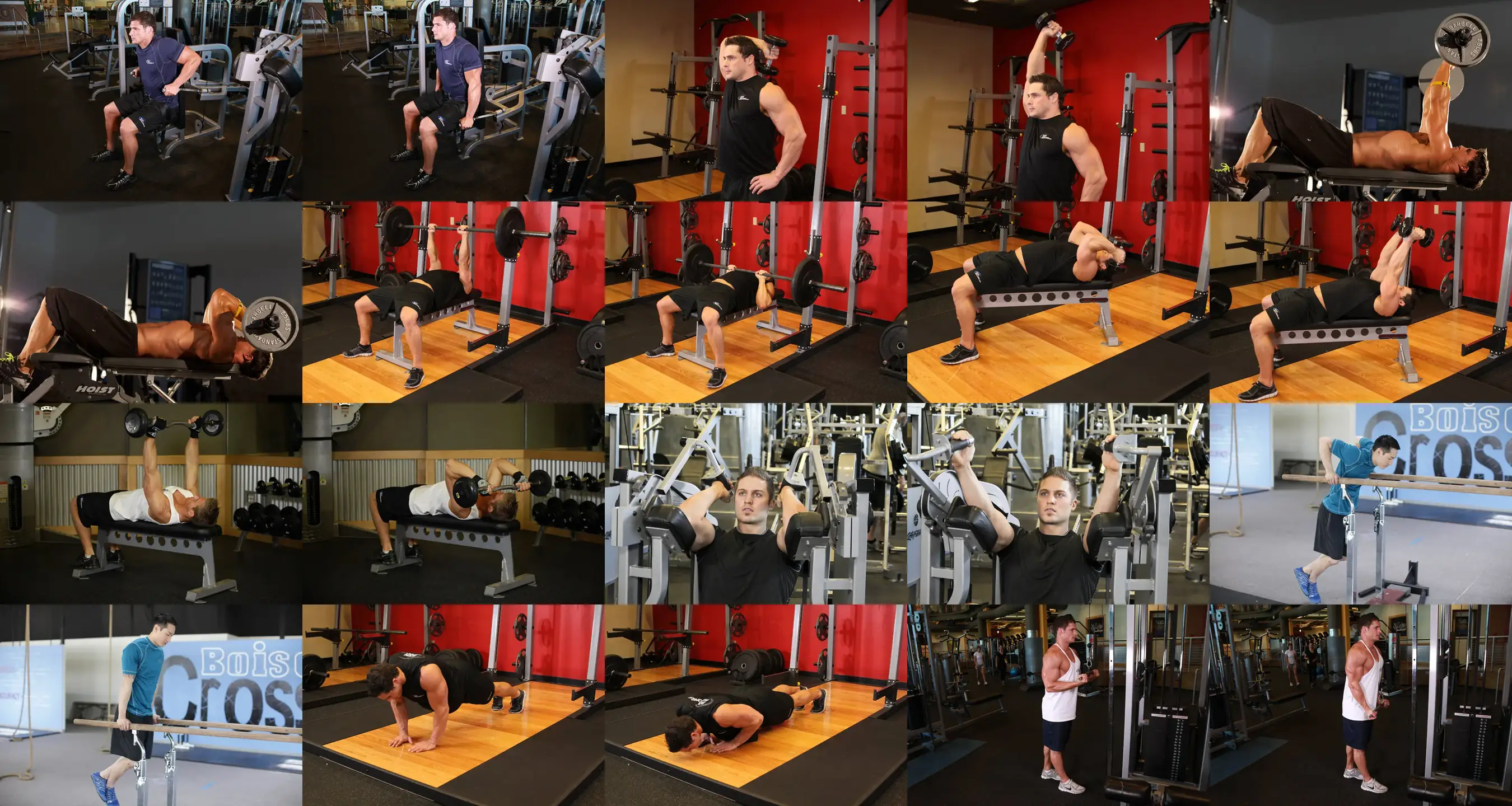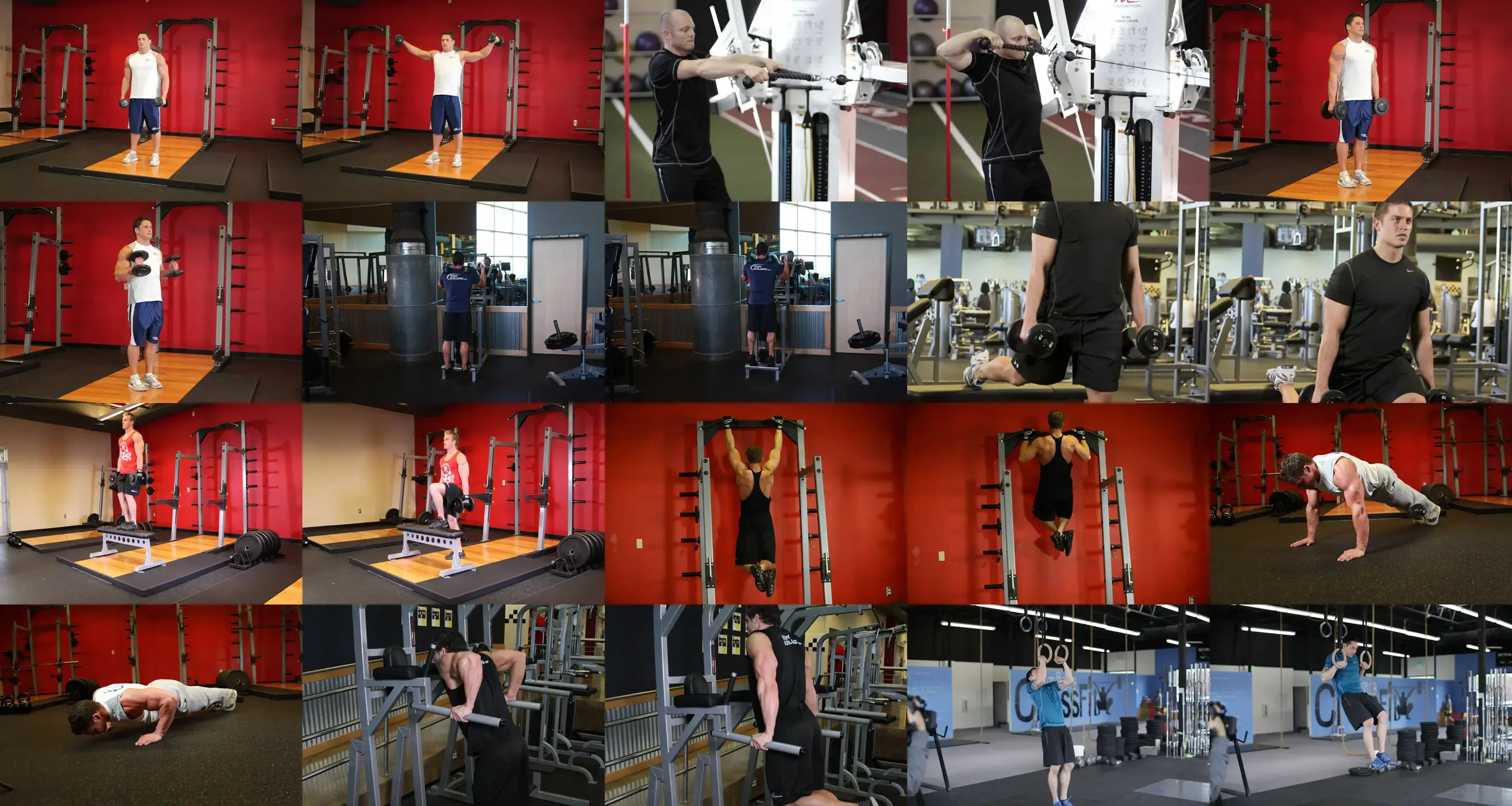
Setup and loading
Use sturdy parallel bars with your hands at shoulder width or slightly narrower. If you can't do at least 5 clean reps, use a band or an assisted dip machine; if you can do more than 12, add weight with a dip belt or vest.
How to do the parallel bar dip step by step
- Grab the bars with a neutral grip and press up until you're supported with straight arms and low shoulders.
- Cross or squeeze your legs together, brace your abs and keep your torso as upright as possible.
- Inhale and lower by bending your elbows, letting them travel back rather than out.
- Descend until your elbows reach about 90 degrees or until your shoulders feel comfortable.
- Keep your shoulders away from your ears at the bottom without letting them roll too far forward.
- Exhale and push the bars toward the floor until your elbows are fully straight.
- Lock out at the top with your chest up and shoulders down before starting the next rep.
Form cues
- Elbows back, not flared
- Shoulders away from your ears
- Upright torso to target your triceps
- Push the bars into the floor
Common mistakes
- Going too deep with shoulder pain: it stresses the joint; stop at 90 degrees or your comfortable range.
- Swinging your legs: you use momentum instead of triceps; cross your legs and brace.
- Shrugging at the bottom: your shoulder loses stability; push down and keep your chest up.
- Flaring your elbows: it offloads the triceps and loads the shoulder; keep them tracking back.
How to make it easier or harder
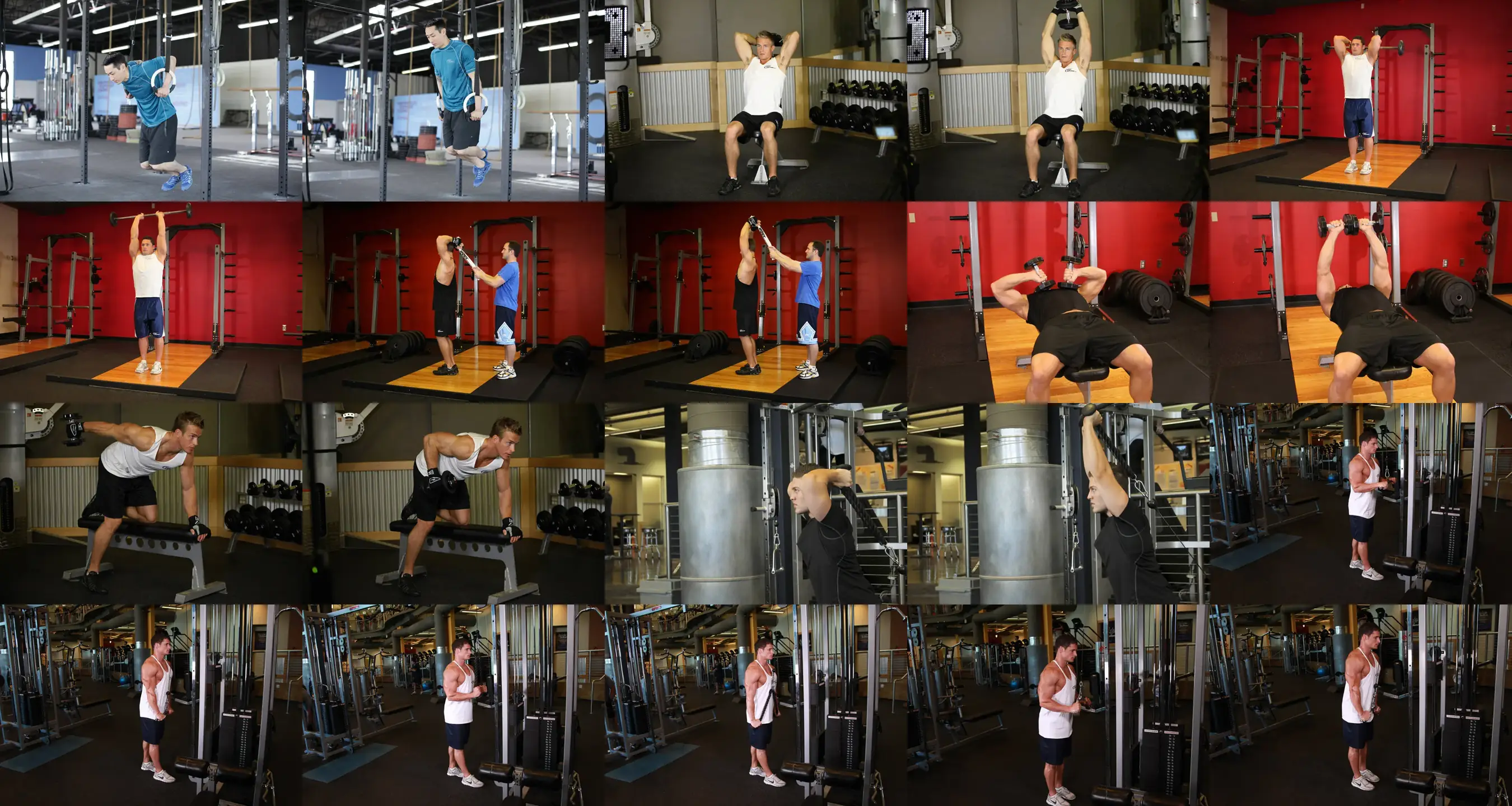
To make it easier, do bench dips, band-assisted or machine-assisted dips, or slow negatives only on the bars. To progress, add weight with a dip belt, use pauses at the bottom, or move to ring dips.
Sets and reps for your goal
Max Strength
4 x 4-6 weighted3-6 sets of 1-6 reps at 80-90% of your max (1RM). Rest 2 to 5 minutes.
Leave 1-3 reps in reserve. If your technique breaks down, lower the weight: strength is built with good reps.
Hypertrophy
3 x 8-123-4 sets of 6-12 reps (up to 15-20 on isolation exercises) at 65-80% of your max. Rest 1 to 2 minutes.
Get close to failure (0-3 reps in reserve) and control the lowering for 2-3 seconds. Accumulate 10-20 sets per muscle per week.
A guide for healthy adults. Adjust the load to your level and see a professional if you have an injury.
Check your form
Film yourself from the side or ask someone to watch, then tick what you get right.
Frequently asked questions
Do parallel bar dips work chest or triceps more?
It depends on your torso angle. Upright with elbows tucked, you hit your triceps more. Leaning forward with slightly wider elbows shifts more load to your chest. Both muscles always contribute.
Are dips bad for your shoulders?
Not for most people when done well. Problems tend to come from going too deep or letting your shoulders roll forward. Control your depth, keep your shoulders down and, if it hurts, shorten the range or use assistance.
Sports it suits
Gear for this exercise
- Exercise matThick (8-10 mm) for floor work.
As an Amazon Associate, Muscle Atlas earns from qualifying purchases.