Setup and loading
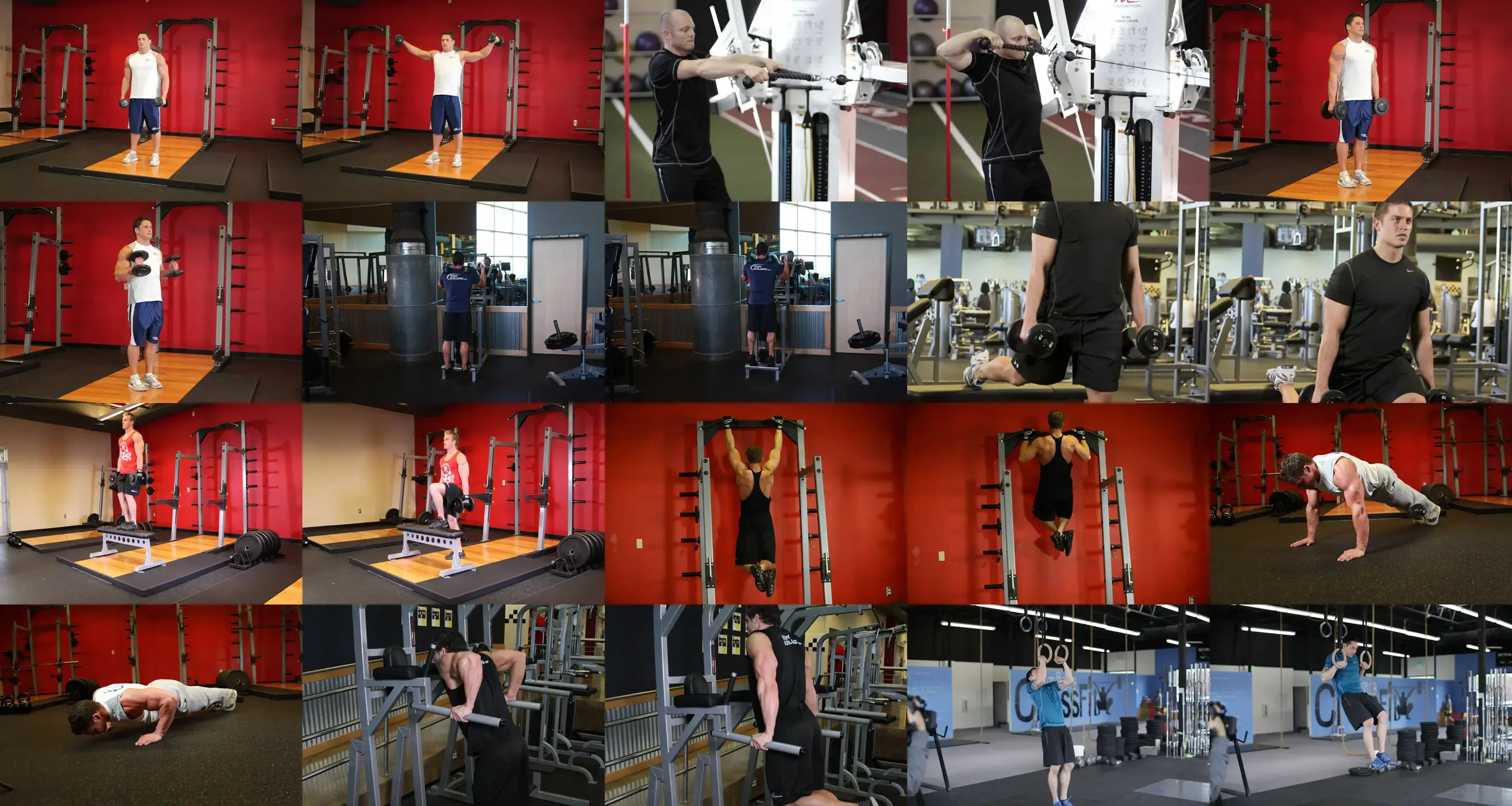
Hang the rings at about hip height and shoulder width apart, and check that the straps are secure. If you cannot hold the top support for 20 seconds without shaking, build the support hold and assisted dips first.
How to do the ring dip step by step
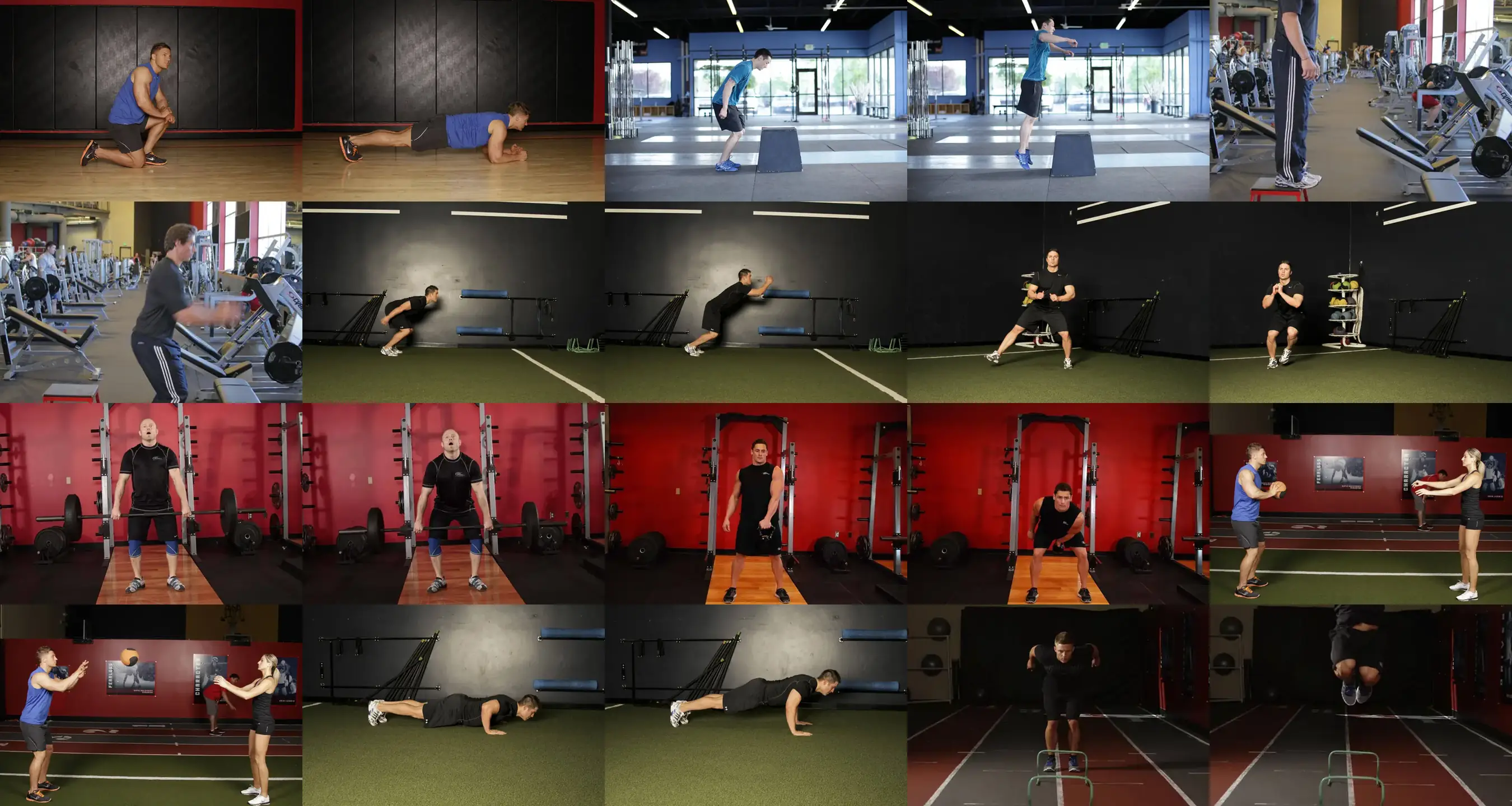
- Grab the rings and jump into the support position with your arms locked and rings pressed against your sides.
- Turn your palms slightly outward at the top, pull your shoulders down, and brace your core to steady yourself.
- Inhale and bend your elbows to lower slowly, keeping the rings close and your elbows moving back.
- Lower until your shoulders reach elbow height or slightly below, without losing control.
- Exhale and push the rings down to extend your elbows and return to support.
- Finish each rep with your arms locked and the rings still before starting the next one.
Form cues
- Rings stay tight to your body throughout
- Shoulders down and away from your ears
- Lower slowly and own the instability
- Lock out at the top with palms turned out
Common mistakes
- Letting the rings drift wide: it stresses your shoulders; squeeze your arms into your sides.
- Dropping without control: the shaking increases and your shoulders suffer; take three seconds down.
- Shrugging at the bottom: you lose stability; actively press your shoulders down.
- Starting without a base: you will lack control; master parallel bar dips first.
How to make it easier or harder
To make it easier, practice ring support holds, negative dips, or dips with your feet on the floor. To progress, add weight, pause at the bottom, or work toward the ring muscle-up.
Sets and reps for your goal
Hypertrophy
3-4 x 8-12 · rest 60-90 s3-4 sets of 6-12 reps (up to 15-20 on isolation exercises) at 65-80% of your max. Rest 1 to 2 minutes.
Get close to failure (0-3 reps in reserve) and control the lowering for 2-3 seconds. Accumulate 10-20 sets per muscle per week.
Max Strength
4-5 x 3-6 · rest 2-3 min3-6 sets of 1-6 reps at 80-90% of your max (1RM). Rest 2 to 5 minutes.
Leave 1-3 reps in reserve. If your technique breaks down, lower the weight: strength is built with good reps.
A guide for healthy adults. Adjust the load to your level and see a professional if you have an injury.
Check your form
Film yourself from the side or ask someone to watch, then tick what you get right.
Frequently asked questions
Are ring dips harder than bar dips?
Yes, considerably. The rings move in every direction, so your shoulders and arms must stabilize them while pressing. Many people who can do 10 bar dips manage only a few ring dips at first.
How high should rings be for dips?
Most people set them around hip height so they can jump into the support and lower without their feet touching the floor. If the rings hang too low, bend your knees during the descent.
Sports it suits
Gear for this exercise
- Suspension trainerAnchors to a door or a bar.
As an Amazon Associate, Muscle Atlas earns from qualifying purchases.