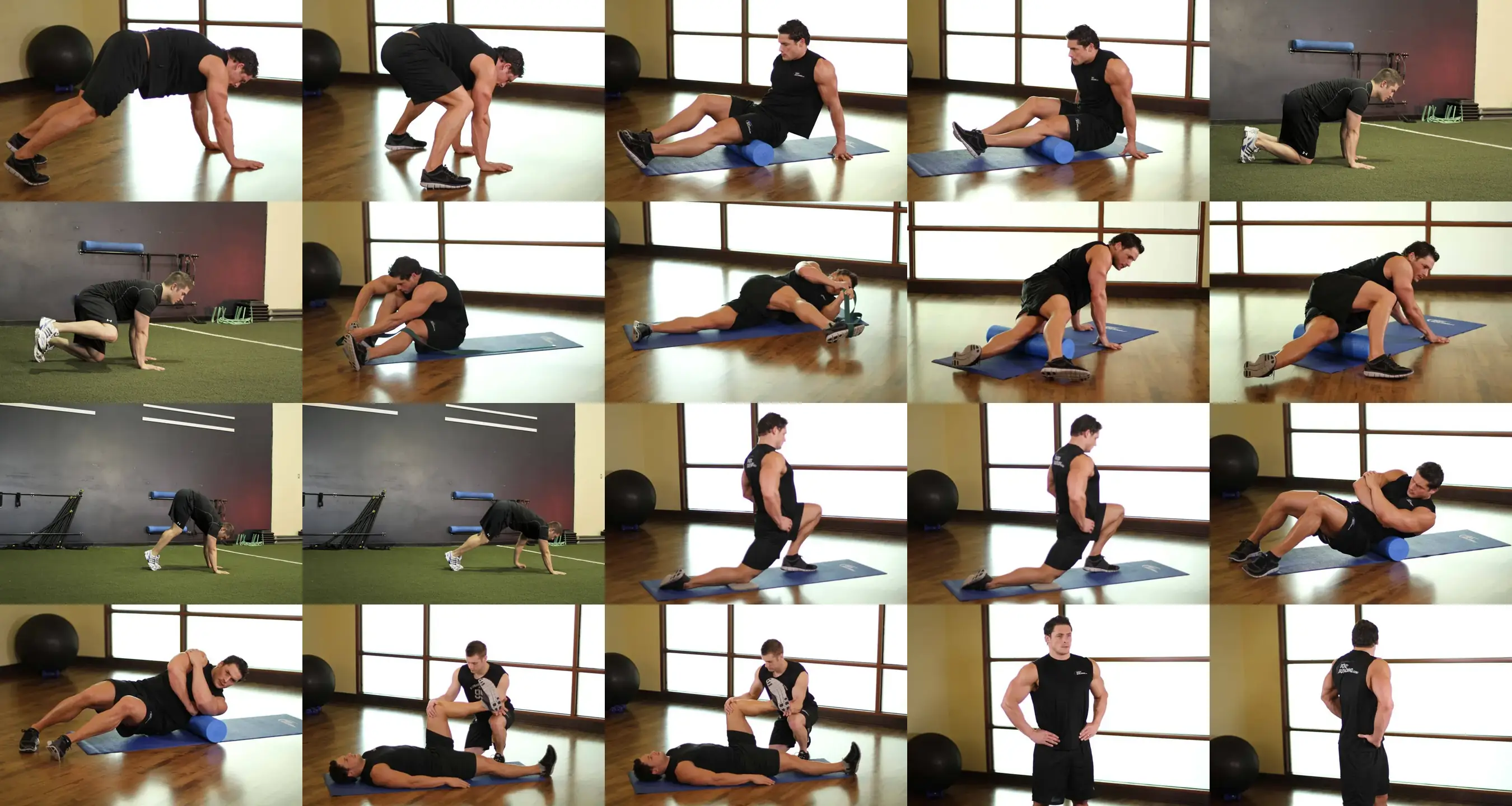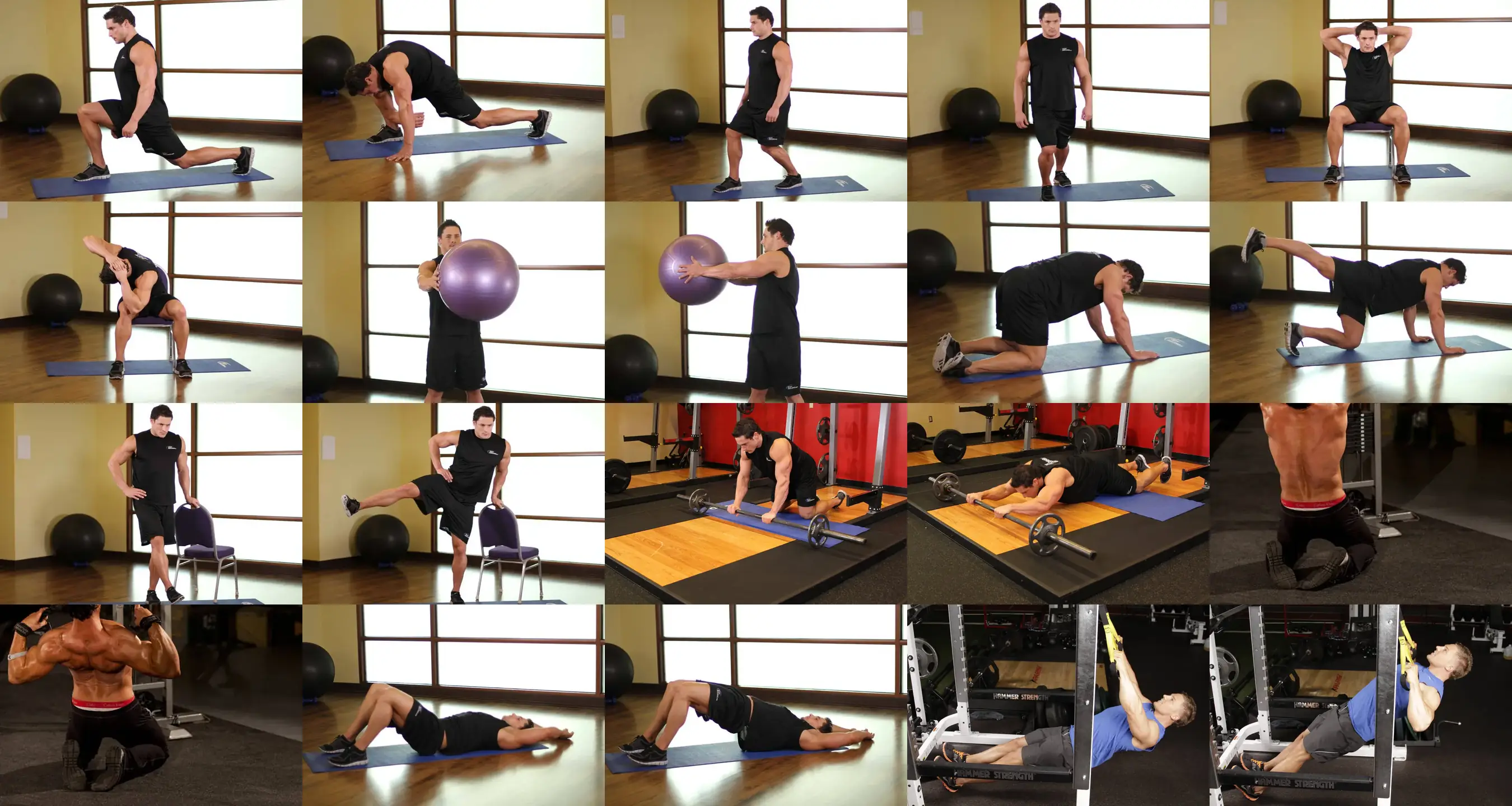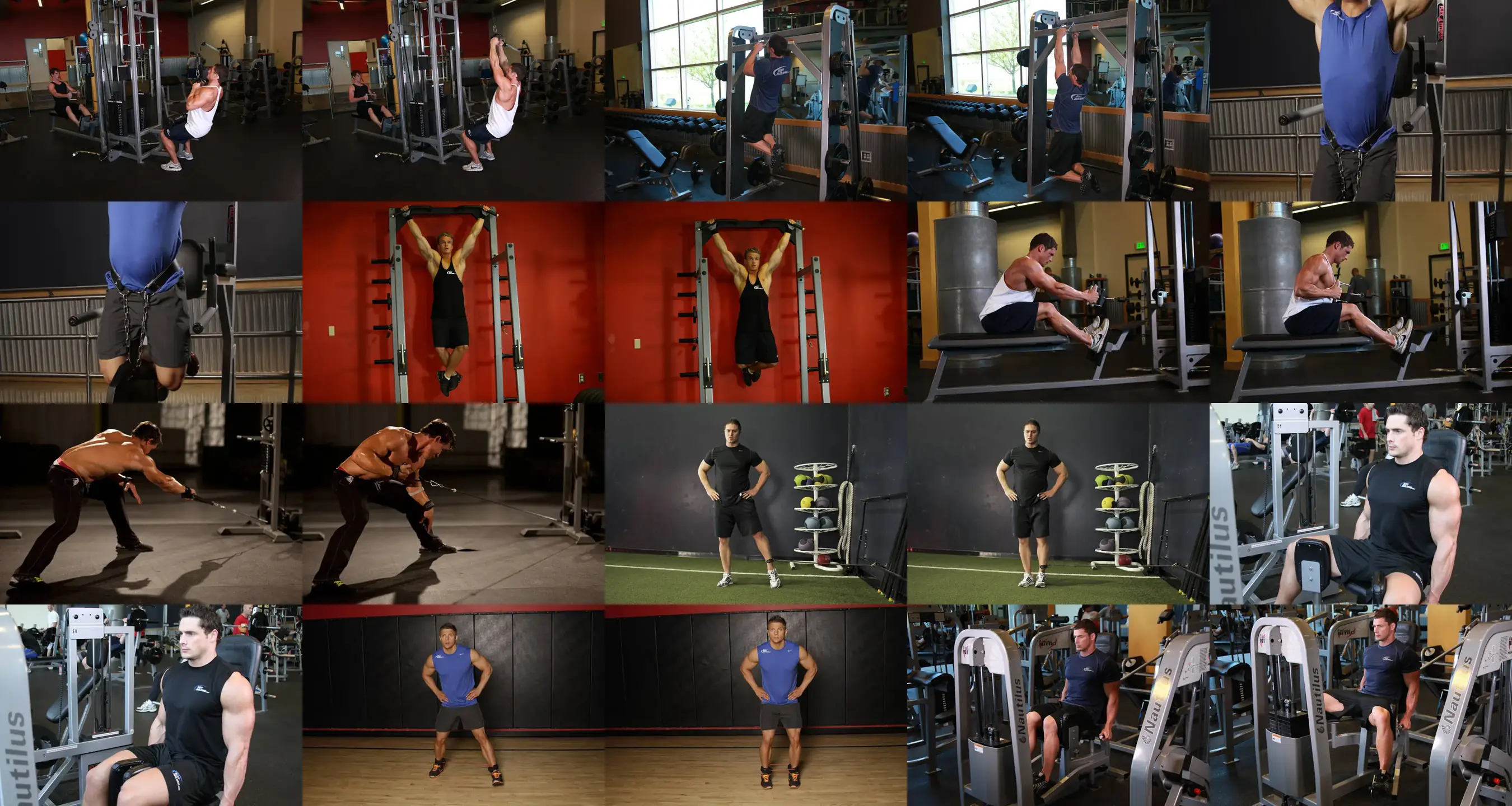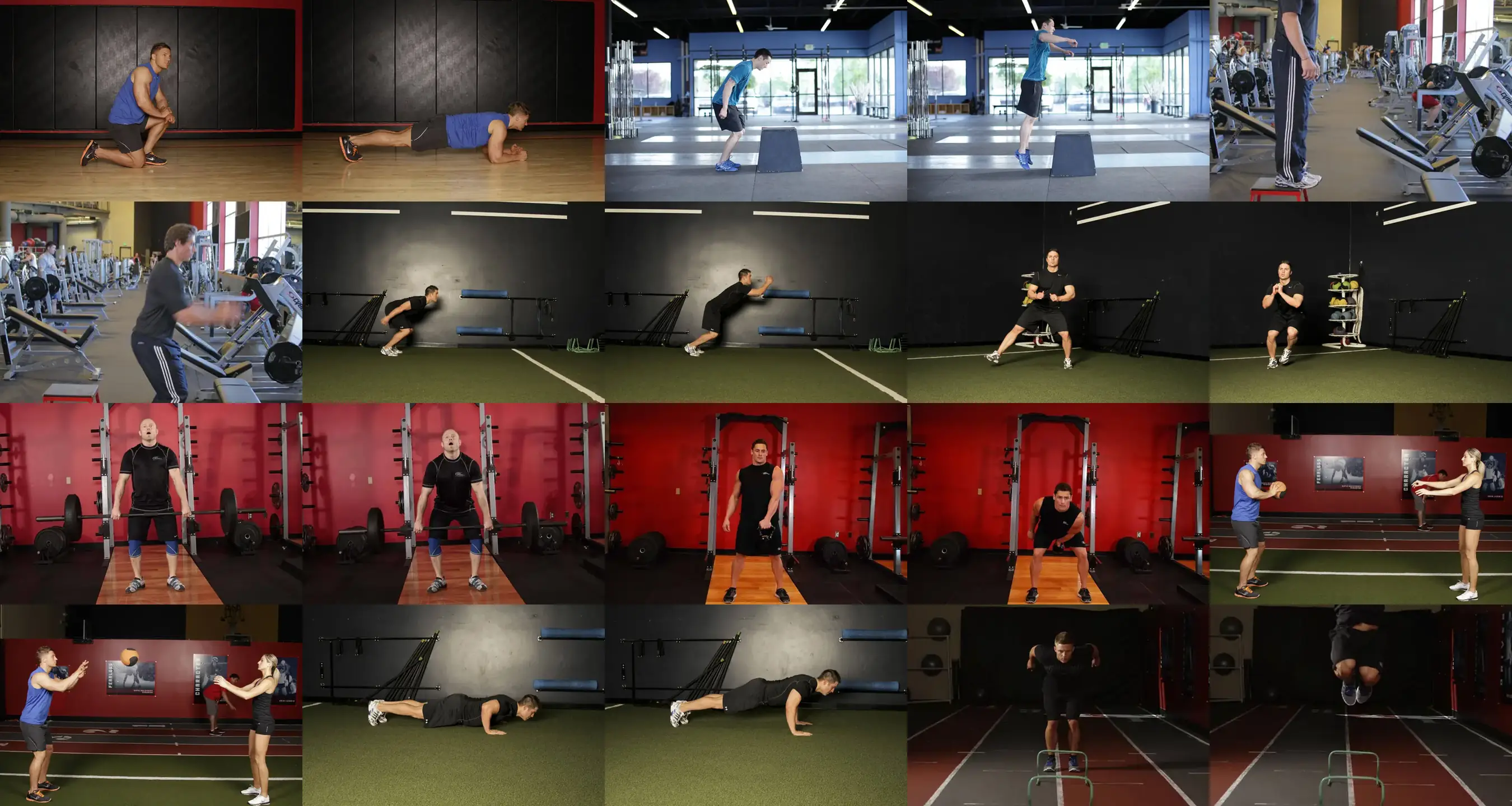
Setup and loading
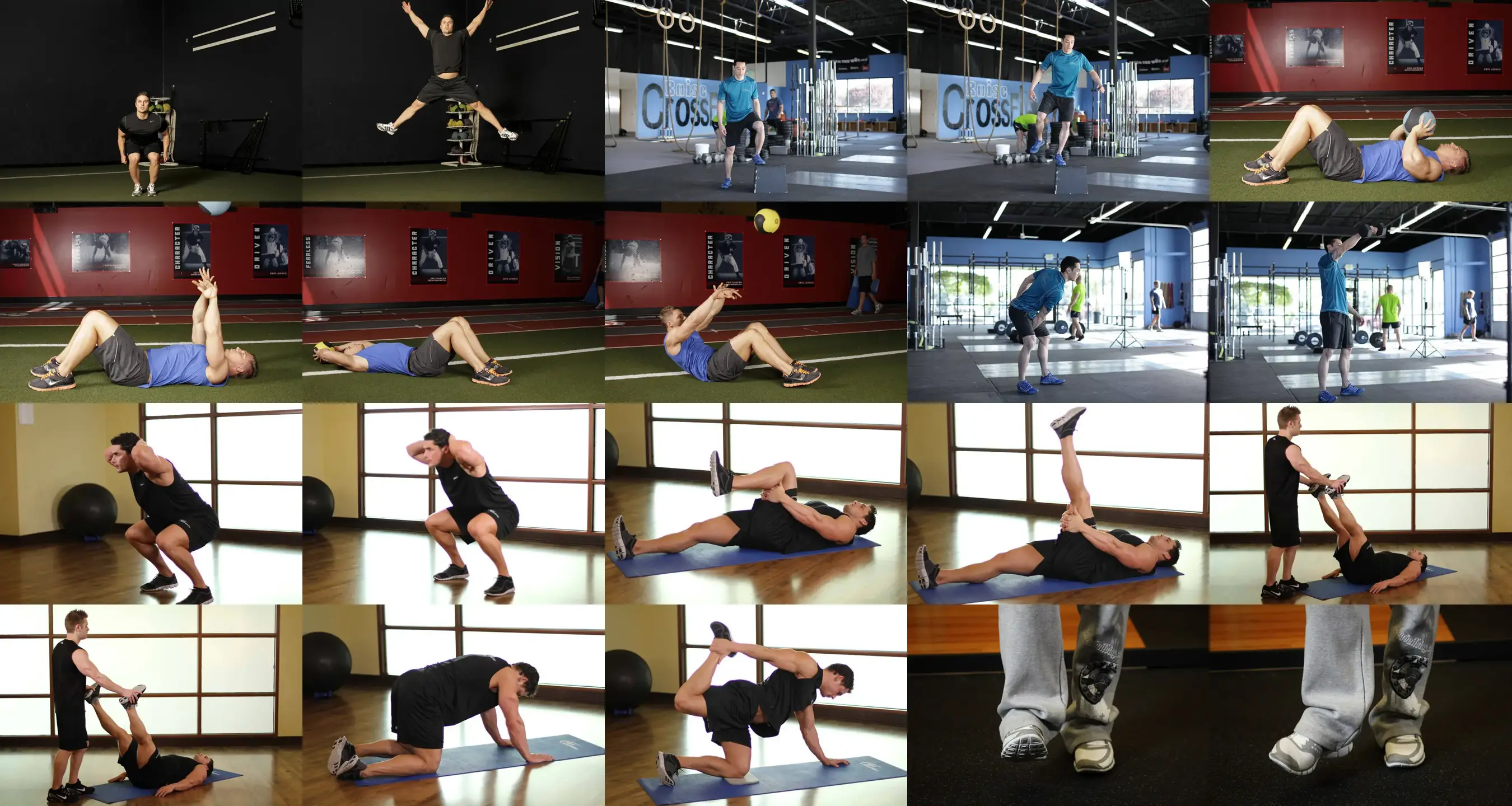
Lie on your back with your partner standing at your feet, holding your ankles or lower calves. Intensity comes from how far your legs open and how hard you contract, which should be moderate, around 30 to 40 percent of your max effort.
How to do the partner adductor stretch step by step
- Lie on your back with legs straight toward the ceiling while your partner holds them at the lower calves.
- With their help, slowly open your legs out to the sides until you feel inner thigh tension and hold about 15 seconds.
- Tell your partner, then try to squeeze your legs together against their resistance for 6 to 10 seconds without moving.
- Relax, exhale slowly, and let your partner ease your legs a little wider to the new point of tension.
- Hold that new position 15 to 20 seconds while keeping your lower back on the floor.
- Repeat the contract-relax cycle 2 or 3 times, then bring your legs together slowly with help.
Form cues
- Talk to your partner at every phase
- Contract at half effort, not max
- Exhale as you relax and gain slowly
- Lower back down and knees straight
Common mistakes
- Forcing the legs open fast: can strain the groin; your partner should progress by inches.
- Contracting at full strength: spikes tension and tires your partner; use moderate effort.
- Arching your back or lifting the pelvis: compensates for range; keep your lower back down.
- Not saying how it feels: your partner cannot read your limit; agree on a stop word.
How to make it easier or harder
As an easier, partner-free option, lie with your legs up a wall in a V and let gravity open your hips. To progress, increase the range gradually across sessions or move to the frog stretch or a floor side split with active contractions.
Sets and reps for your goal
Mobility
2-3 x 20-40 s per side2-3 sets of 30-60 seconds or 8-10 slow reps. Daily or before training.
Work in a pain-free range with slow breathing. A little often is better than a lot once in a while.
A guide for healthy adults. Adjust the load to your level and see a professional if you have an injury.
Check your form
Film yourself from the side or ask someone to watch, then tick what you get right.
Frequently asked questions
What is contract-relax stretching?
It is a form of proprioceptive neuromuscular facilitation. You contract the stretched muscle against resistance for a few seconds, and when you relax, your nervous system tolerates more range. It usually gives a bigger immediate gain than plain static stretching.
How often should I do partner groin stretches?
Two or three sessions a week is plenty for most people, always after a warm-up or at the end of training. Because it is an intense stretch, leave a day between sessions and avoid it right before sprinting or jumping.
Sports it suits
Gear for this exercise
- Exercise matThick (8-10 mm) for floor work.
As an Amazon Associate, Muscle Atlas earns from qualifying purchases.