Setup and loading
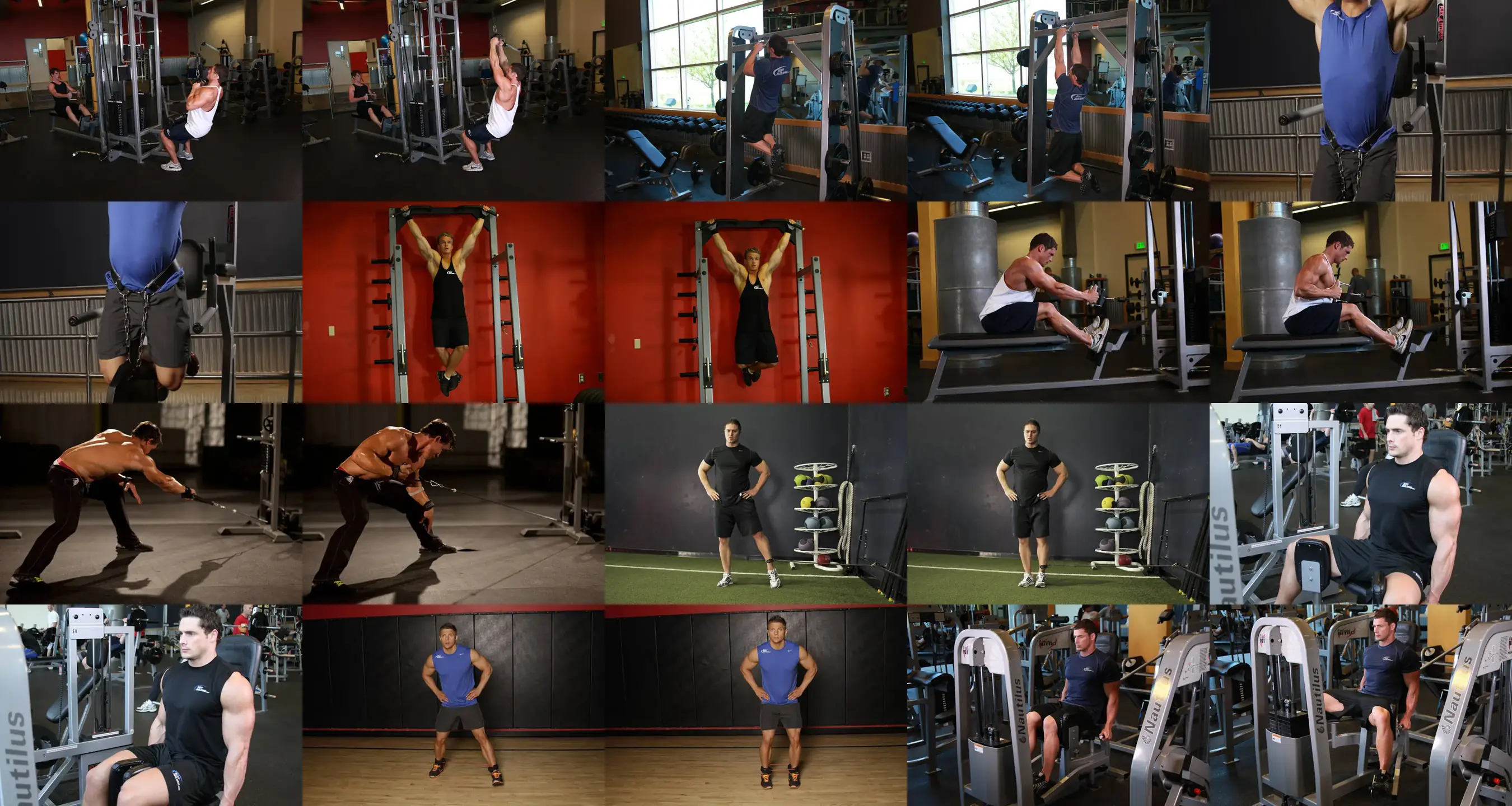
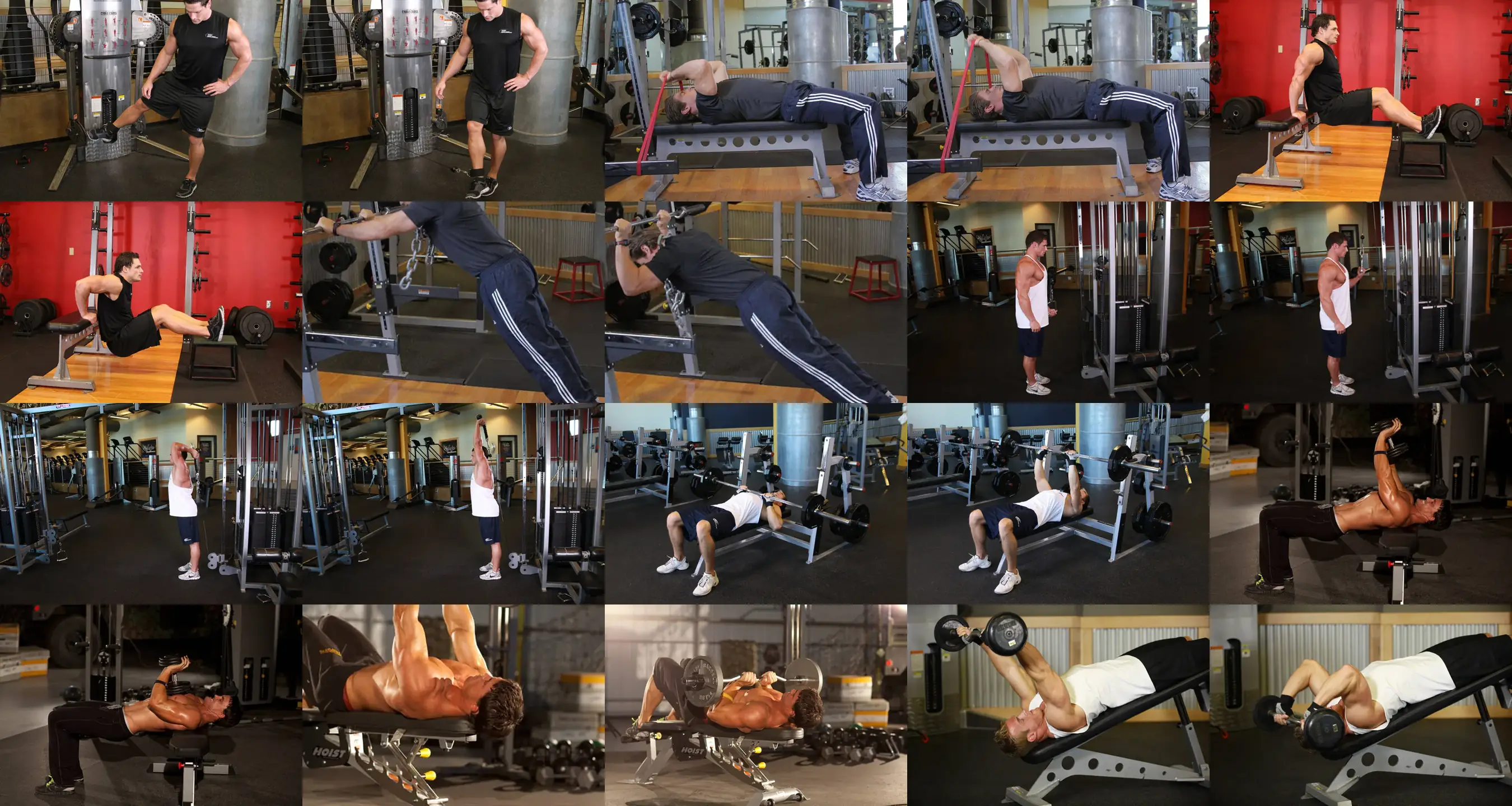
Clip the ankle strap to the low pulley and fasten it around the ankle closest to the machine. Start light enough to do 12 to 20 slow reps without leaning your torso or swinging the leg.
How to do the cable hip adduction step by step
- Fasten the ankle strap on the leg closest to the low pulley and hold the machine with your near hand.
- Step away until the cable has tension with your working leg reaching out toward the pulley.
- Balance on your free leg with a slight knee bend and an upright torso.
- Pull the strapped leg inward, crossing slightly in front of your standing leg, as you breathe out.
- Squeeze your inner thigh for one second at the end of the range.
- Return slowly to the start as you breathe in, without letting the weight yank your leg out.
Form cues
- Torso tall, hips facing forward
- Leg nearly straight, move from the hip
- Squeeze your inner thigh at the finish
- Slow return, control the cable
Common mistakes
- Leaning to move more weight: it takes work off the adductors; go lighter and hold on firmly.
- Swinging the leg: it reduces tension; pause at the end and return over two seconds.
- Opening too far on the return: it can strain your groin; stop at a comfortable stretch.
- Rotating your hips: it changes the muscle worked; keep your pelvis and foot facing forward.
How to make it easier or harder
For an easier start, try side-lying adductor raises on the floor or the seated adductor machine. To progress, add weight to the stack, use two-second pauses, or move on to the more demanding Copenhagen plank.
Sets and reps for your goal
Hypertrophy
3 x 10-15 · rest 60 s3-4 sets of 6-12 reps (up to 15-20 on isolation exercises) at 65-80% of your max. Rest 1 to 2 minutes.
Get close to failure (0-3 reps in reserve) and control the lowering for 2-3 seconds. Accumulate 10-20 sets per muscle per week.
A guide for healthy adults. Adjust the load to your level and see a professional if you have an injury.
Check your form
Film yourself from the side or ask someone to watch, then tick what you get right.
Frequently asked questions
Why should I train my adductors?
Strong adductors stabilize your pelvis, help you drive out of deep squats and are key in sports with cutting and changes of direction. Strengthening them is part of many programs aimed at reducing groin issues.
Is the cable or the adductor machine better?
The seated machine lets you load heavier and is very stable. The standing cable version challenges balance, trains each leg separately and looks more like athletic movement. Both work and you can combine them.