Setup and loading
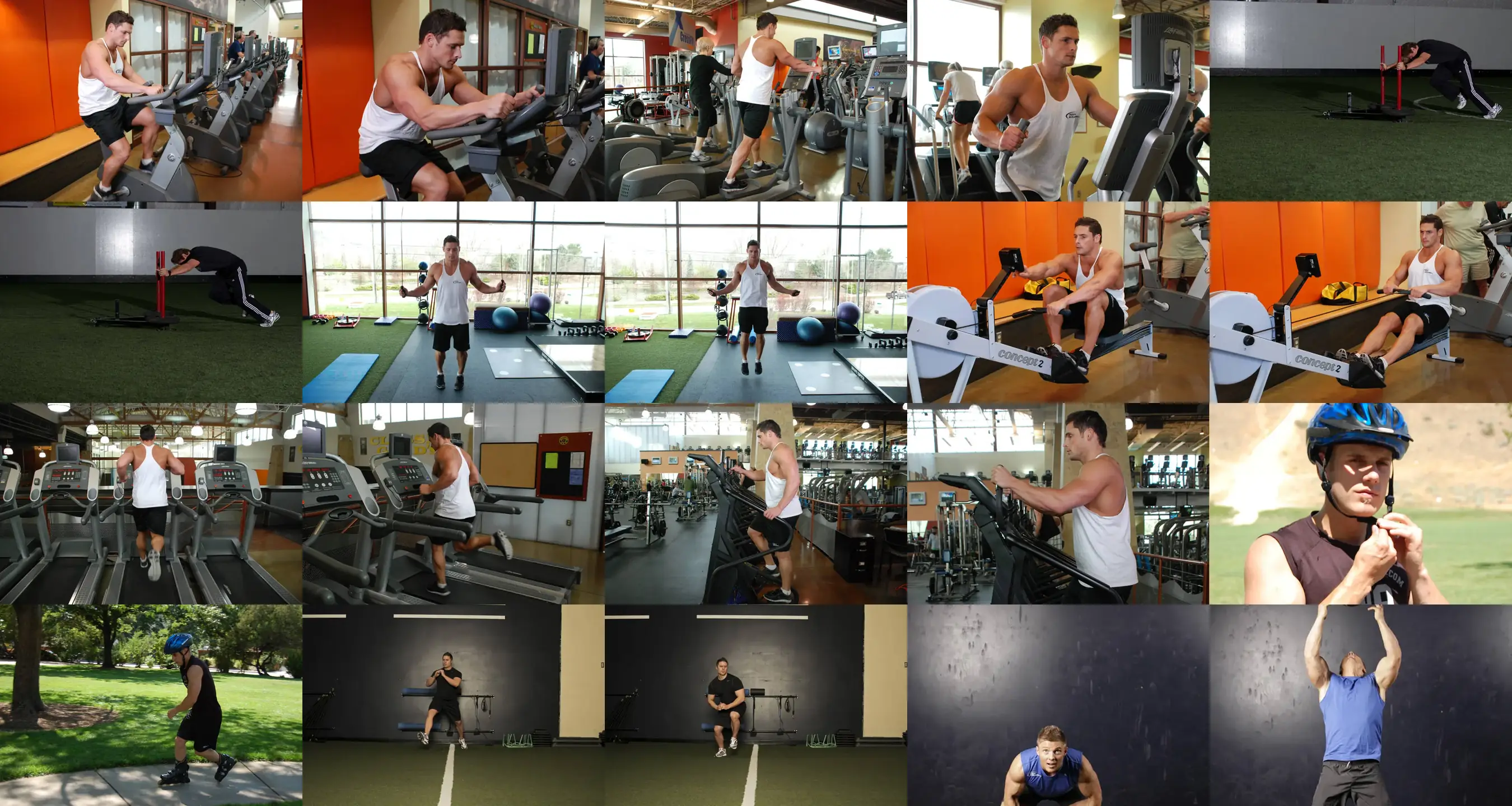
Wear well fitted skates, a helmet, wrist guards and knee pads, and pick a smooth surface without traffic. Adjust difficulty with duration, pace and stance depth: the lower you sit, the harder your legs work.
How to do the skating step by step
- Get into a low stance with knees and hips bent, torso leaning forward, and weight centered over your skates.
- Turn one toe slightly out and push to the side and back using the whole wheel frame or blade.
- Glide on the other leg with that knee bent and lined up over the foot while you bring the pushing leg back in.
- Return the leg under your hip and repeat the push to the other side at a steady rhythm.
- Swing your arms side to side with the strides and breathe in a relaxed way, without holding your breath on each push.
- Practice stopping before you build speed and slow down gradually to finish.
Form cues
- Knees bent, nose over your knee
- Push sideways, not straight back
- Bring the leg back under your hip
- Long glide on a stable leg
Common mistakes
- Standing tall and stiff: you lose balance and power; bend your knees and hips more.
- Pushing back off your toe: the skate slips and you go nowhere; push sideways with the full wheel.
- Knee caving in during the glide: it stresses the joint; keep the knee over your foot.
- Skating without protection: falling onto a wrist is common; always wear a helmet and wrist guards.
How to make it easier or harder
If you are new, practice short two footed glides on flat ground or do skater hops without skates to learn the pattern. To progress, extend the session, sit lower, add gentle hills, or skate speed intervals.
Sets and reps for your goal
Endurance
20-45 min easy or intervals 6-10 x 1 min2-4 sets of 15-30 reps or 30-60 seconds at 40-60% of your max. Rest 30 to 60 seconds.
Steady pace and clean technique to the end. Circuits help you build volume with little rest.
A guide for healthy adults. Adjust the load to your level and see a professional if you have an injury.
Check your form
Film yourself from the side or ask someone to watch, then tick what you get right.
Frequently asked questions
What muscles does skating work?
Mainly your quads and glutes, with heavy involvement of the glute medius and adductors because of the lateral push. Your abs and lower back also work to hold the forward lean and keep you balanced.
Does skating burn as many calories as running?
At a vigorous pace it can come fairly close, with far less joint impact. The actual burn depends on speed, technique and terrain, so a relaxed cruise burns noticeably less.