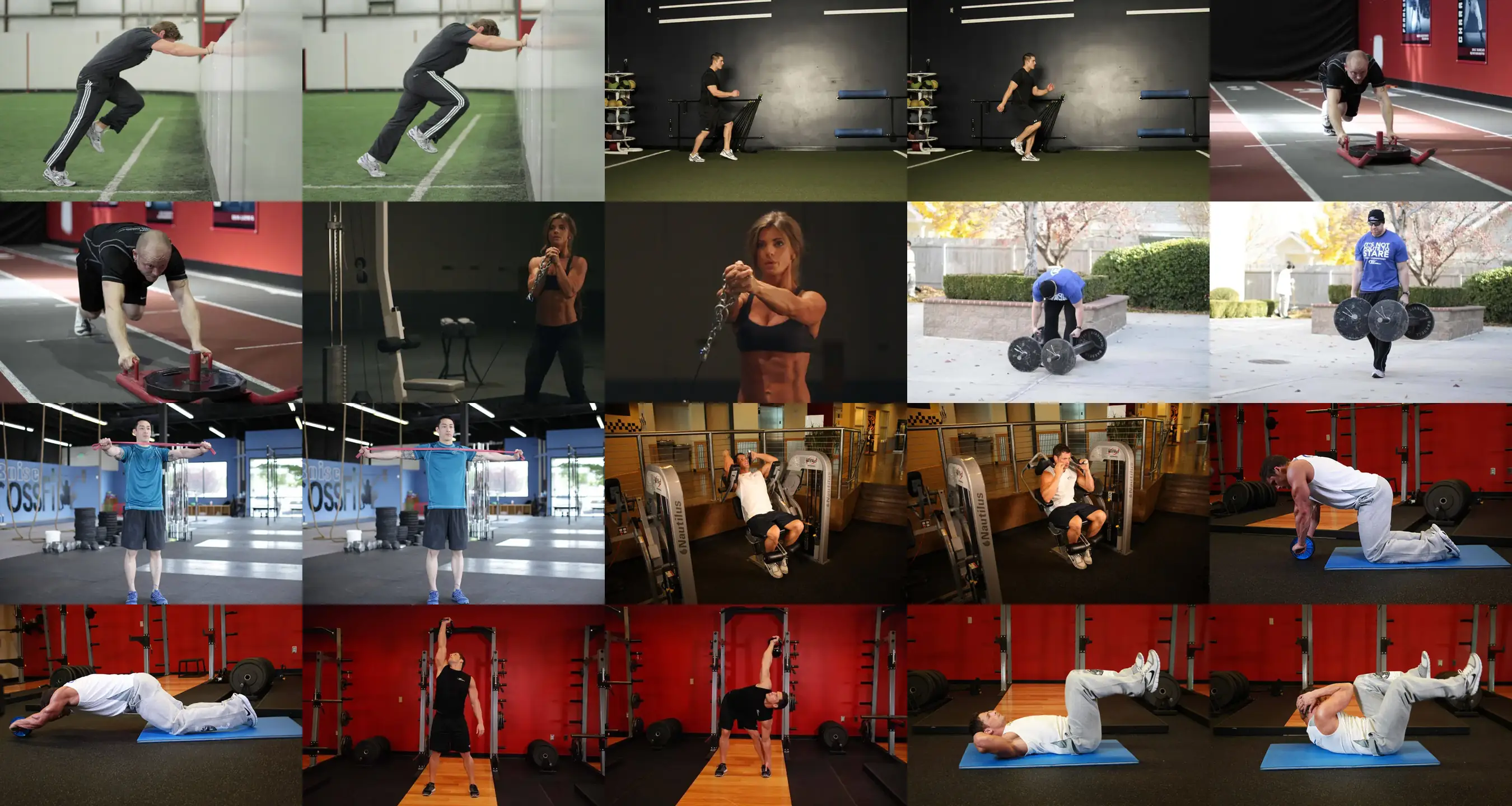
Setup and loading
No load is needed, just a solid wall and a non-slip floor. Adjust difficulty with lean angle and speed: start with slow marches at about 45 degrees and move to fast switches once the posture feels automatic.
How to do the wall acceleration drill step by step
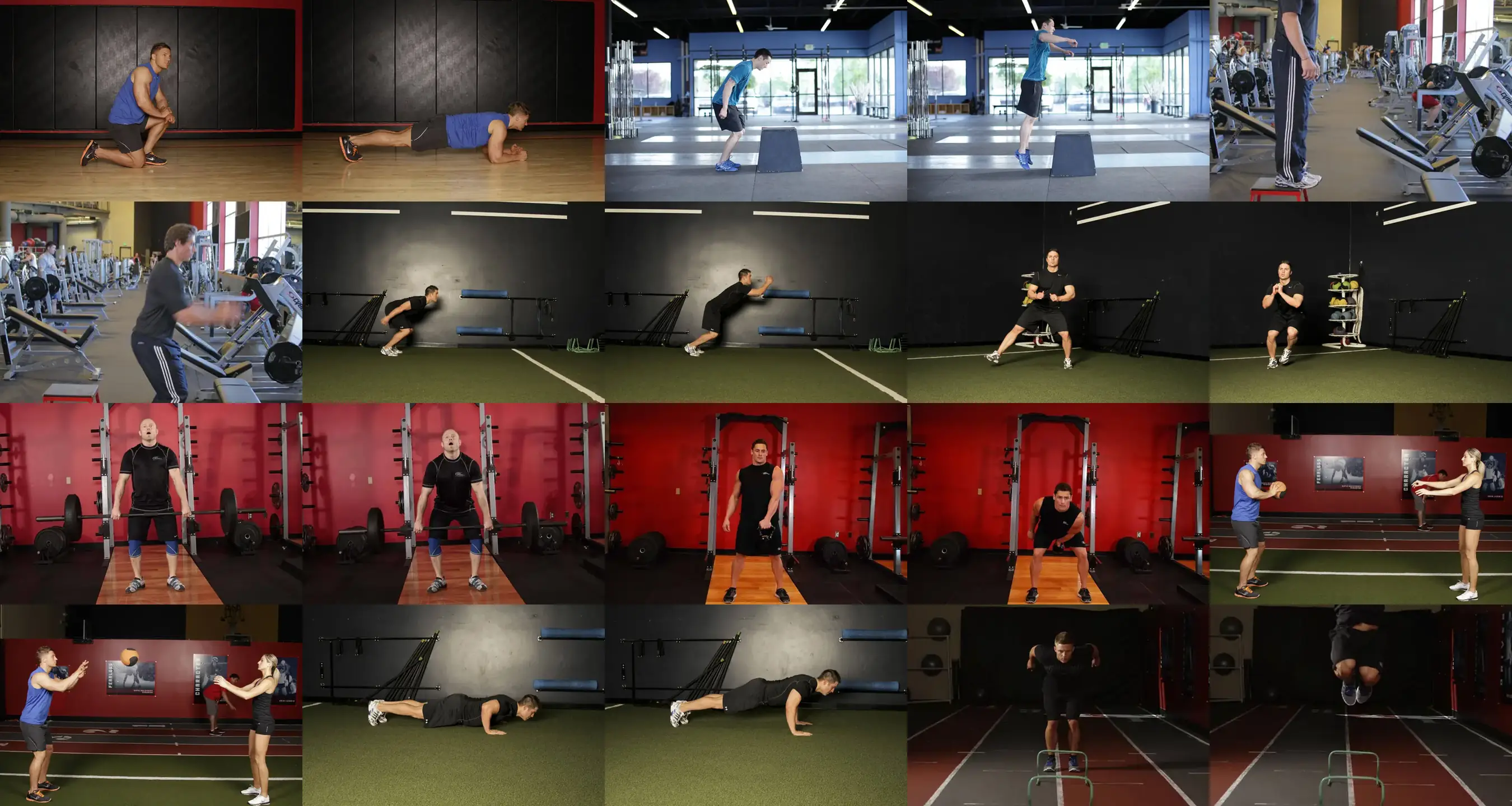
- Face a wall, place your hands on it at shoulder height, and lock your arms out straight.
- Walk your feet back until your body leans about 45 degrees, forming a straight line from head to ankles.
- Rise onto the balls of your feet, brace your abs and glutes, and keep your eyes on the floor near the wall.
- Drive one knee up until your thigh is nearly parallel to the floor, ankle flexed and toes pulled up.
- Punch that foot down under your hips, landing on the ball of your foot and pushing the ground backward.
- Start with single marches, progress to double switches, and finish with fast 5 to 10 second sets while breathing rhythmically.
Form cues
- Straight line from head to ankle, no hip bend
- Strike under your hips with the ball of your foot
- Ankle flexed, toes pulled toward your shin
- Push the ground back, not just down
Common mistakes
- Bending at the hips: it kills your force line; squeeze glutes and abs to stay straight.
- Striking in front of your body: it acts as a brake; land directly under your hips.
- Dropping onto your heels: it slows ground contact; stay on the balls of your feet.
- Looking forward or up: it arches your neck and back; keep your gaze down.
How to make it easier or harder
To make it easier, hold the lean and do slow single-leg marches, or pause with the knee up for two seconds. To progress, move to fast double and triple switches, then to real starts like falling starts or short sled pushes.
Sets and reps for your goal
Speed
3 x 3 quick switches · 3 x 10 s4-8 reps of 10-40 meters (or 3-6 seconds). Full rest: 1 minute for every 10 meters.
Always at 95-100%. If your time gets more than 3-5% slower or your technique falls apart, stop: running tired trains endurance, not speed.
A guide for healthy adults. Adjust the load to your level and see a professional if you have an injury.
Check your form
Film yourself from the side or ask someone to watch, then tick what you get right.
Frequently asked questions
What does the wall acceleration drill do?
It grooves sprint start mechanics: a forward lean, foot strikes under the hips, and a strong backward push. Because the wall removes the fear of falling, you can focus on posture and then carry it into real, faster starts.
How many sets and reps should I do?
Three or four sets of 5 to 10 seconds, or 6 to 10 switches per leg, is plenty. Rest fully between sets and do the drill early in your session, right after your warm-up, while you are fresh.
Sports it suits
Gear for this exercise
- Exercise matThick (8-10 mm) for floor work.
As an Amazon Associate, Muscle Atlas earns from qualifying purchases.