Setup and loading
Anchor the band near the floor, loop it around one ankle and step away until it has light tension with the leg straight. Pick a band that allows 12 to 20 slow reps without leaning your torso back.
How to do the banded hip flexion step by step
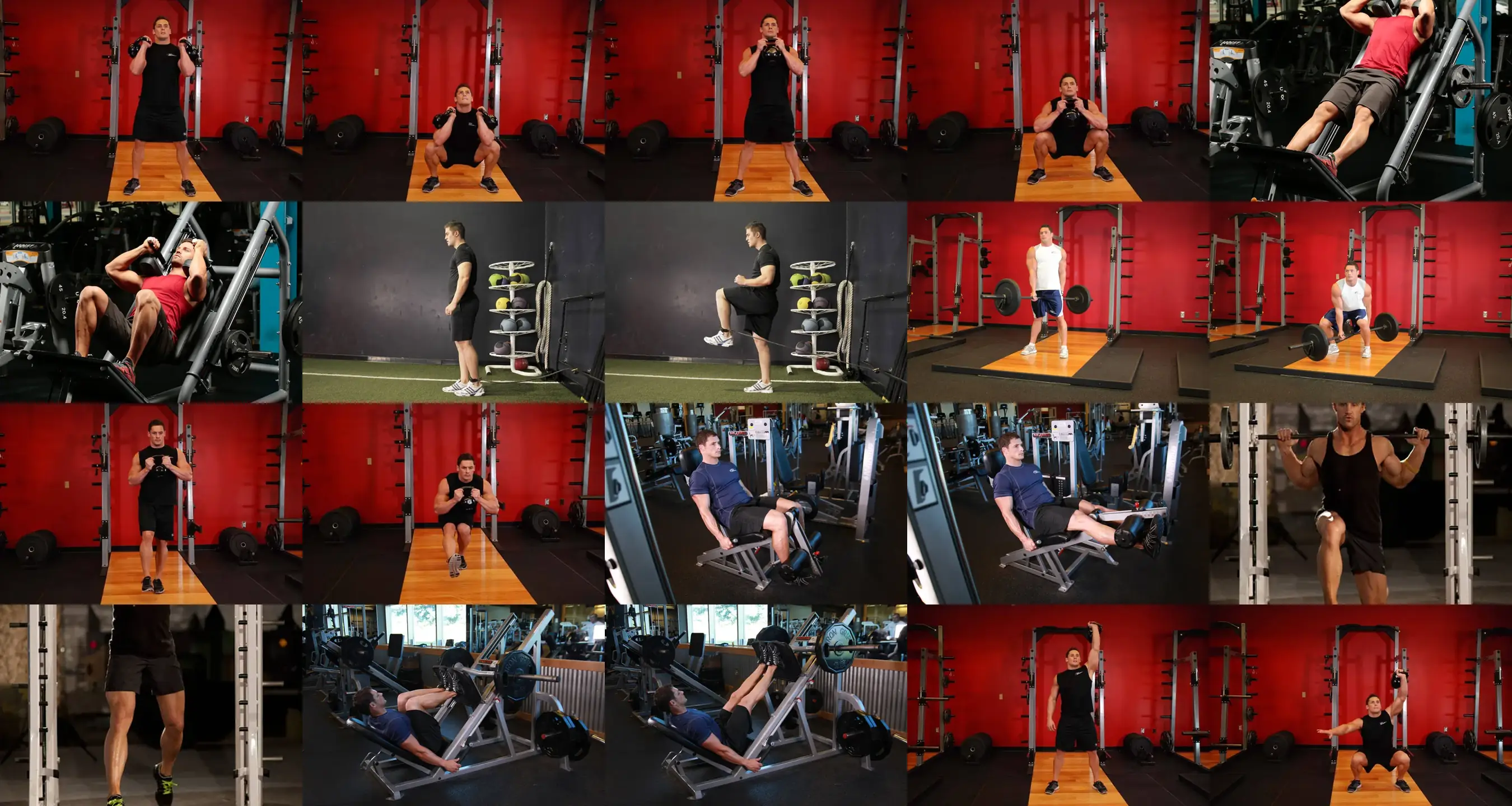
- Tie the band to a post at ankle height and loop the other end around one ankle, standing with your back to the anchor.
- Step forward one or two paces until you feel tension and hold a wall or chair if you need balance.
- Stand tall with your abs braced and the banded leg slightly behind your standing leg.
- Exhale and drive your knee forward and up until your thigh is parallel to the floor with your knee bent 90 degrees.
- Hold for one second at the top without leaning back or rotating your pelvis.
- Inhale and lower slowly, resisting the pull of the band back to the start position.
Form cues
- Stay tall and do not lean back as you lift
- Keep your pelvis level, no hiking the working hip
- Drive the knee up instead of swinging the leg
- Count two seconds on every lowering phase
Common mistakes
- Leaning back: your spine compensates; use a lighter band and keep your chest up.
- Jerking with momentum: the muscle stops doing the work; lift steadily and pause at the top.
- Rounding your lower back to lift higher: the hip loses the work; stop with the thigh parallel.
- Letting the band snap your leg back: you lose the eccentric phase; brake the descent.
How to make it easier or harder
To make it easier, do it without a band or lying on your back pulling your knee toward your chest. To progress, use a heavier band, hold the top for three to five seconds or move on to hanging knee raises.
Sets and reps for your goal
Hypertrophy
3-4 x 8-12 · rest 60-90 s3-4 sets of 6-12 reps (up to 15-20 on isolation exercises) at 65-80% of your max. Rest 1 to 2 minutes.
Get close to failure (0-3 reps in reserve) and control the lowering for 2-3 seconds. Accumulate 10-20 sets per muscle per week.
Max Strength
4-5 x 3-6 · rest 2-3 min3-6 sets of 1-6 reps at 80-90% of your max (1RM). Rest 2 to 5 minutes.
Leave 1-3 reps in reserve. If your technique breaks down, lower the weight: strength is built with good reps.
Injury Prevention
2-3 x 10-15 slow2-3 sets of 10-15 slow reps with a light or moderate load, 2-3 times per week.
Control the lowering (about 3 seconds). This is quality work, not fatigue work: finish every set feeling good.
A guide for healthy adults. Adjust the load to your level and see a professional if you have an injury.
Check your form
Film yourself from the side or ask someone to watch, then tick what you get right.
Frequently asked questions
Why should I strengthen my hip flexors?
Strong hip flexors help you drive your leg forward when running, sprinting or climbing stairs, and they improve pelvic control. If yours feel tight, pair this exercise with hip flexor stretches to balance strength and mobility.
How many reps of banded hip flexion should I do?
Two to three sets of 12 to 20 slow reps per leg works well. As a warm-up, one light set of 10 to 15 is enough. You do not need to reach failure to get a useful training effect.
Sports it suits
Gear for this exercise
- Resistance bandsSeveral strengths to progress and warm up before training.
As an Amazon Associate, Muscle Atlas earns from qualifying purchases.