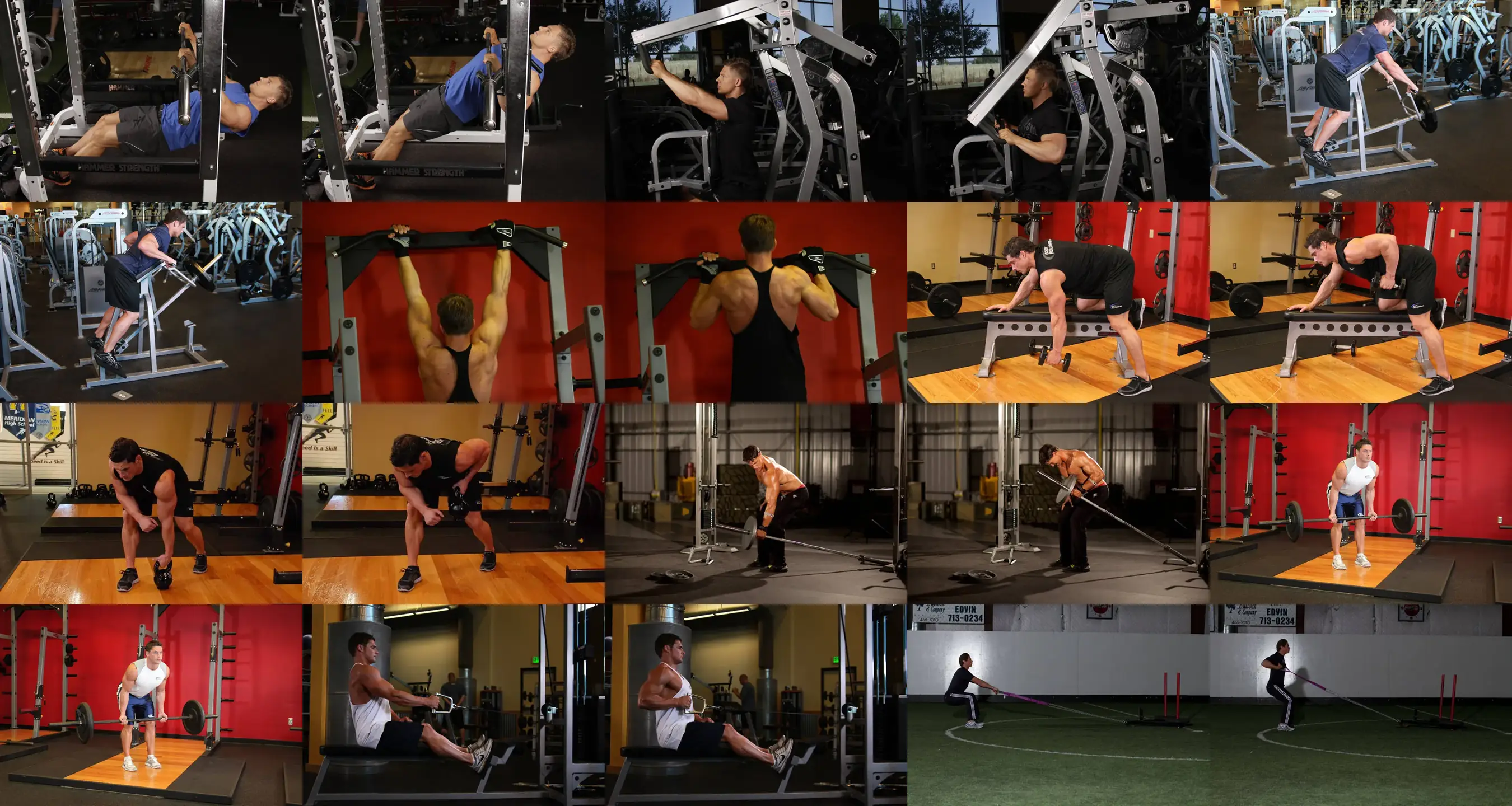
Setup and loading
Place the knee and hand on the same side on a flat bench, opposite foot planted on the floor, with the dumbbell hanging under your shoulder. Choose a weight you can row for 8 to 12 reps without twisting or jerking.
How to do the one-arm dumbbell row step by step
- Place your left knee and left hand on a flat bench, with your right foot on the floor slightly out to the side.
- Set your back flat and nearly parallel to the floor, neck neutral, and pick up the dumbbell with your right hand.
- Let the dumbbell hang under your shoulder with a straight arm, feeling a stretch in your lat.
- Breathe in and pull the dumbbell toward your hip, driving your elbow back and close to your body.
- Squeeze your back for one second at the top, dumbbell beside your hip and shoulders level, then breathe out.
- Lower the dumbbell under control until your arm is straight, and finish your reps before switching sides.
Form cues
- Elbow close to your body, toward your hip
- Back flat like a tabletop
- Shoulders level with the floor
- Full stretch at the bottom, posture locked
Common mistakes
- Twisting to lift higher: it takes work off your back; go lighter and keep your shoulders level.
- Rowing to your chest: it shifts work to traps and biceps; pull toward your hip instead.
- Rounding your back: you lose stability; lift your chest and keep a flat back over the bench.
- Cutting the bottom short: it reduces lat stimulus; straighten your arm fully on every rep.
How to make it easier or harder
To make it easier, use a lighter weight or do a chest-supported incline dumbbell row. To progress, go heavier, add two-second pauses at the top, try high-rep Kroc rows, or do an unsupported dumbbell row in a hinge.
Sets and reps for your goal
Hypertrophy
3-4 x 8-12 · rest 60-90 s3-4 sets of 6-12 reps (up to 15-20 on isolation exercises) at 65-80% of your max. Rest 1 to 2 minutes.
Get close to failure (0-3 reps in reserve) and control the lowering for 2-3 seconds. Accumulate 10-20 sets per muscle per week.
Max Strength
4-5 x 3-6 · rest 2-3 min3-6 sets of 1-6 reps at 80-90% of your max (1RM). Rest 2 to 5 minutes.
Leave 1-3 reps in reserve. If your technique breaks down, lower the weight: strength is built with good reps.
A guide for healthy adults. Adjust the load to your level and see a professional if you have an injury.
Check your form
Film yourself from the side or ask someone to watch, then tick what you get right.
Frequently asked questions
What muscles does the one-arm dumbbell row work?
It mainly works your lats, mid traps and rhomboids, with help from your rear delts and biceps. Because it is done one arm at a time, it also challenges your core to keep your torso from rotating.
Where should you pull on a dumbbell row?
Pull toward your hip, not your chest. Driving your elbow back toward your hip increases lat involvement. Rowing toward your chest shifts the work to your upper back and traps.
Sports it suits
Gear for this exercise
- Adjustable dumbbellsSave space and replace a whole dumbbell rack at home.
As an Amazon Associate, Muscle Atlas earns from qualifying purchases.
Variations and similar exercises
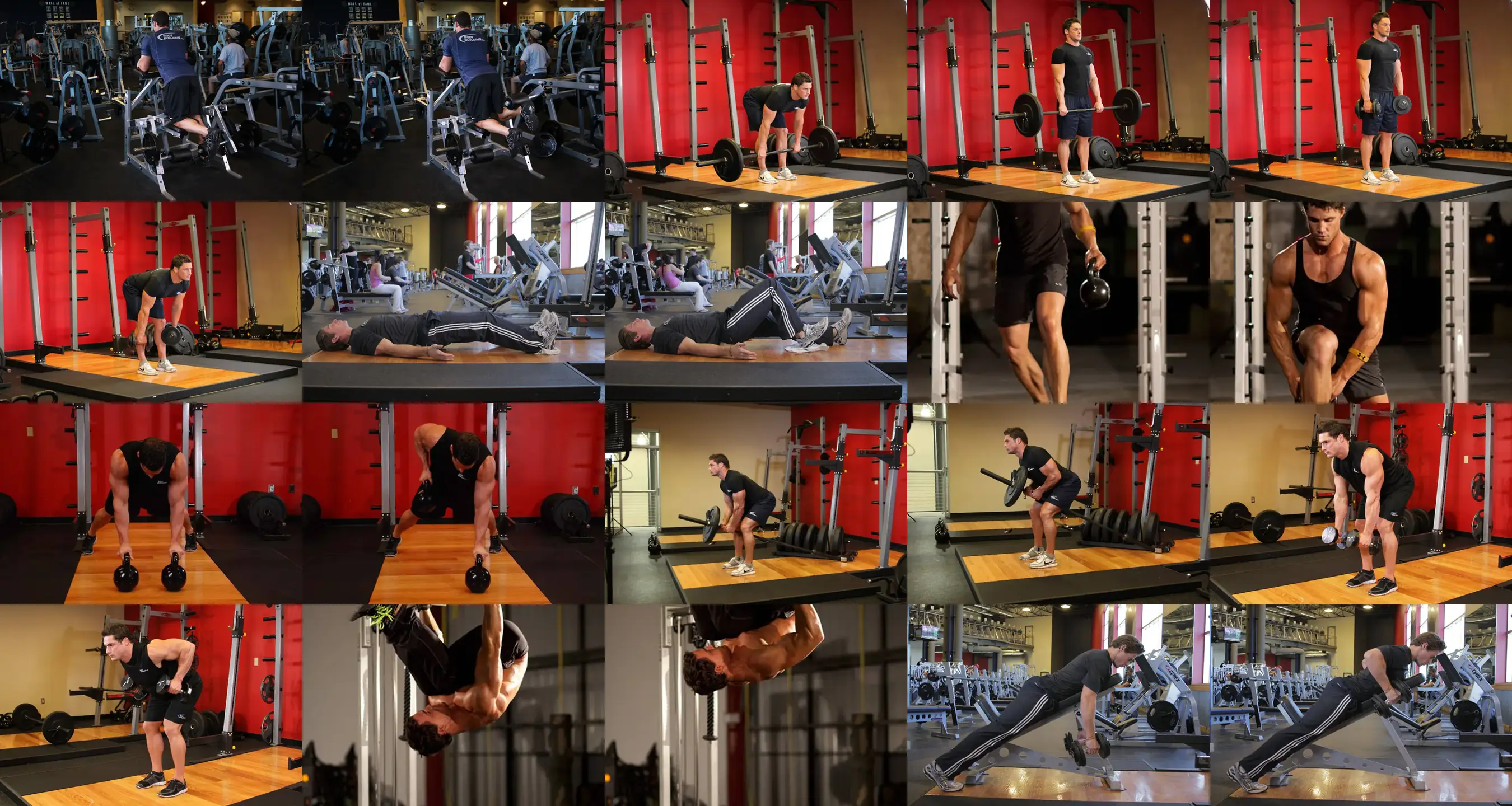
Alternating Renegade Row
Landmine T-Bar Row
Bent-Over Dumbbell Row
Bodyweight Bar Row
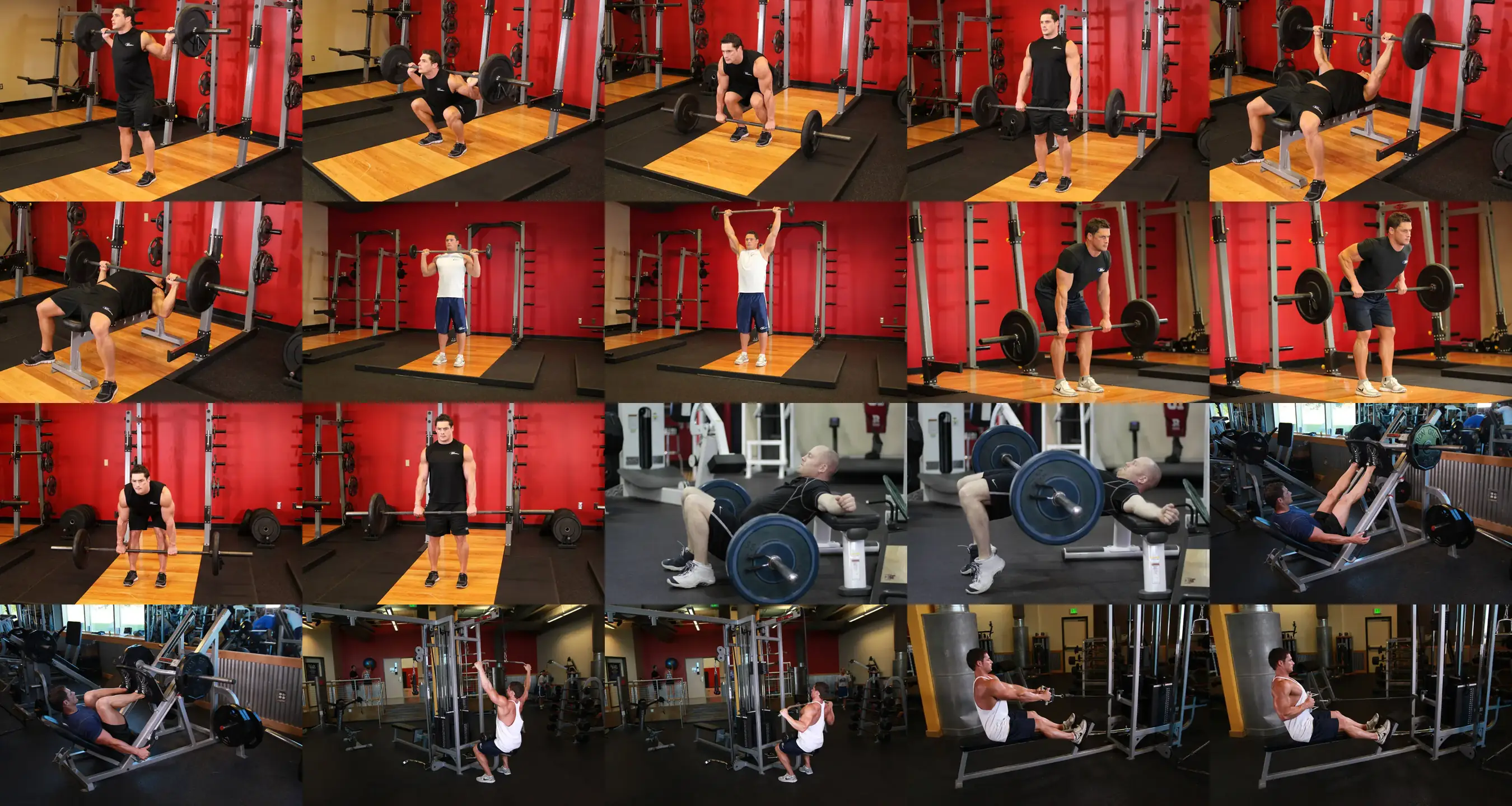
Seated Cable Row
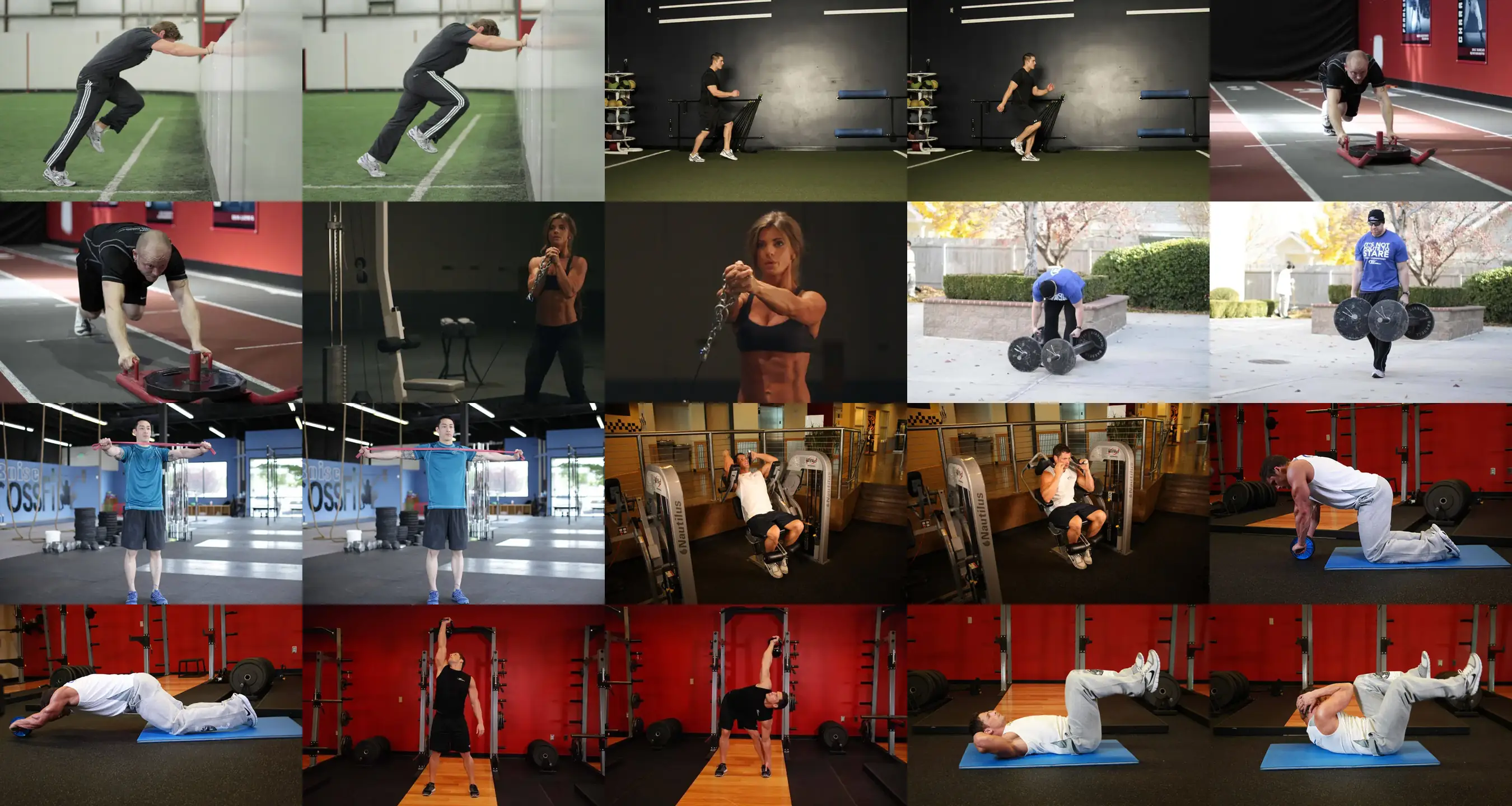
Band Pull-Apart
Chest-Supported Incline Dumbbell Row