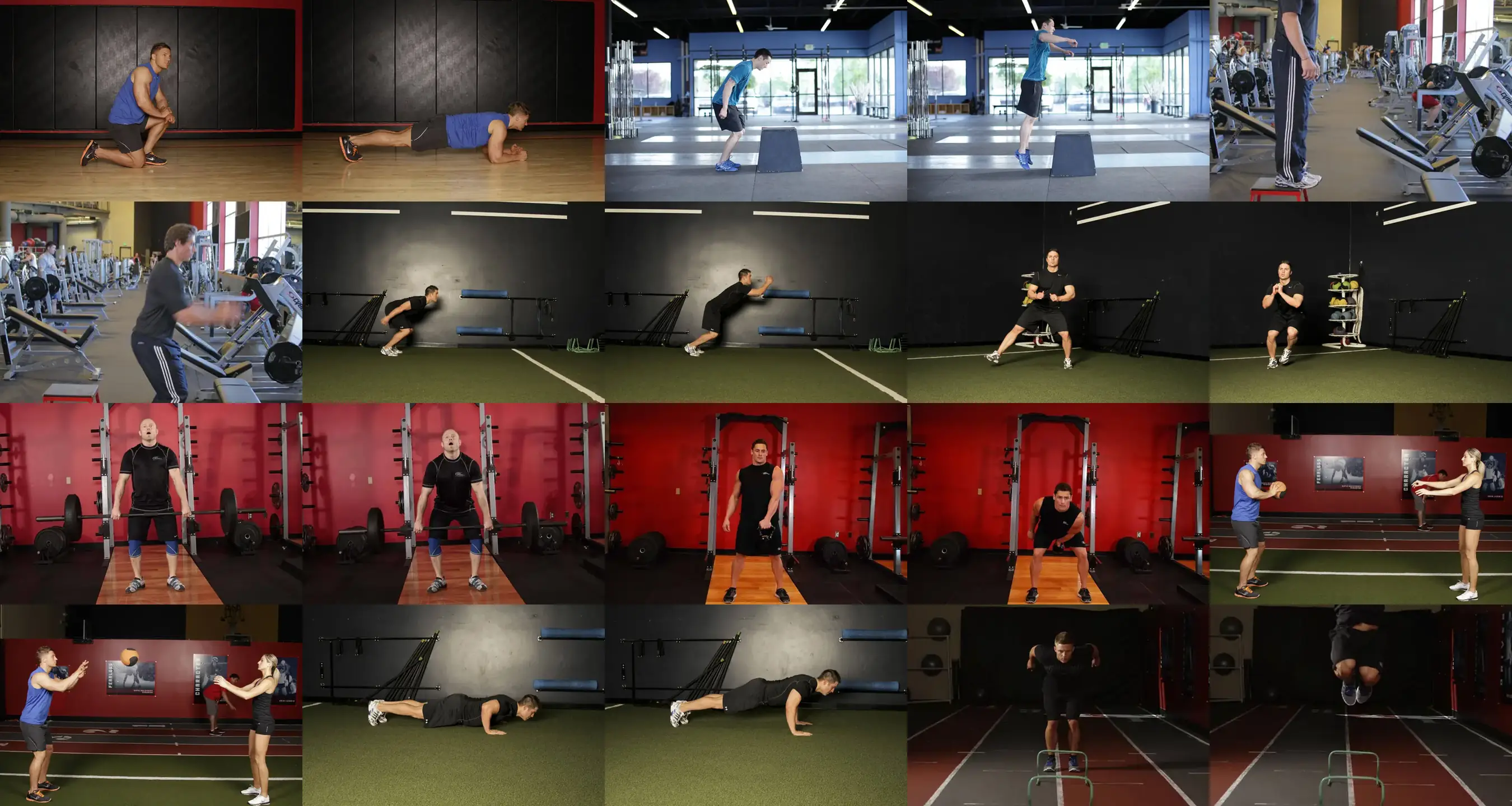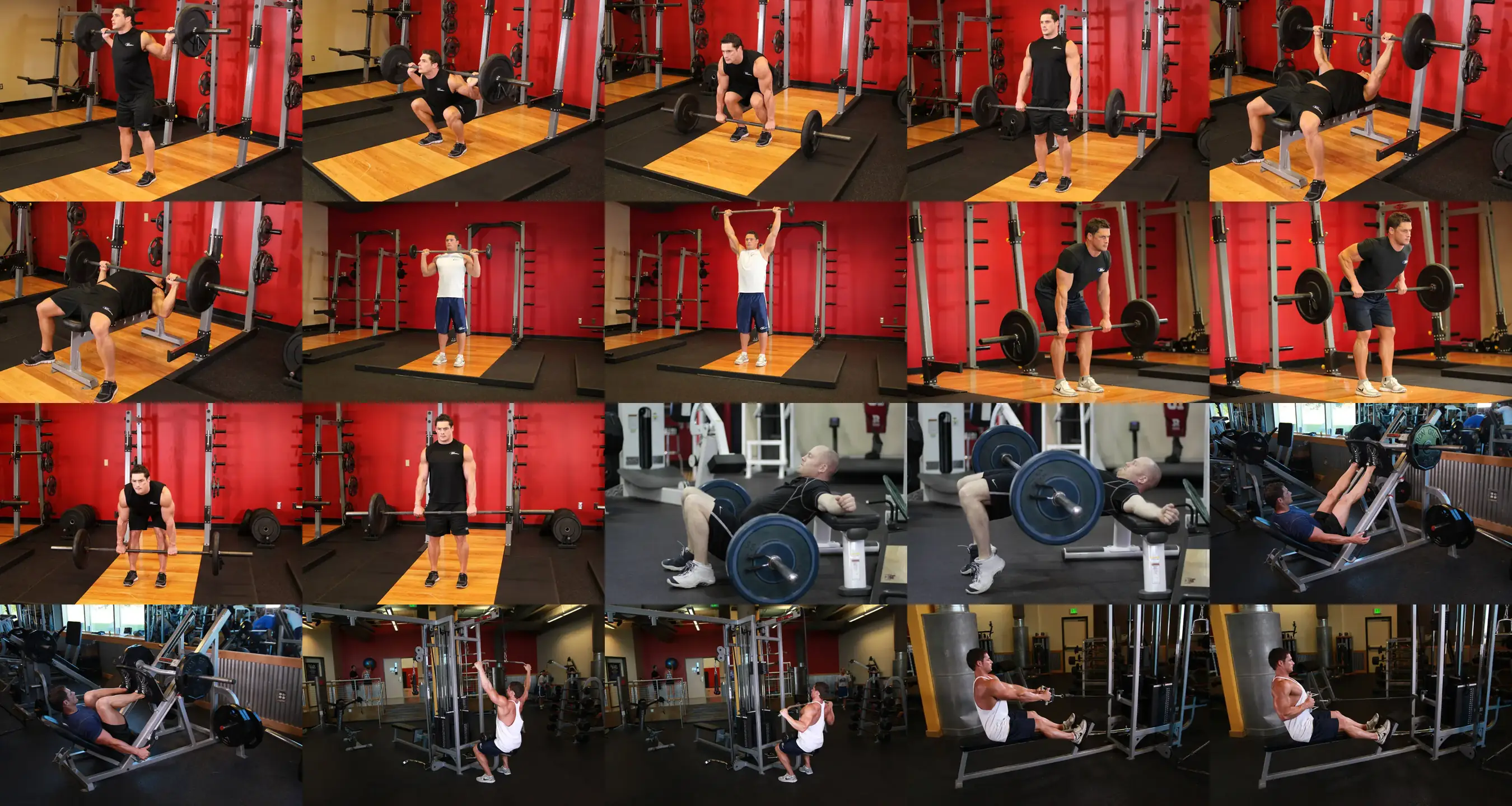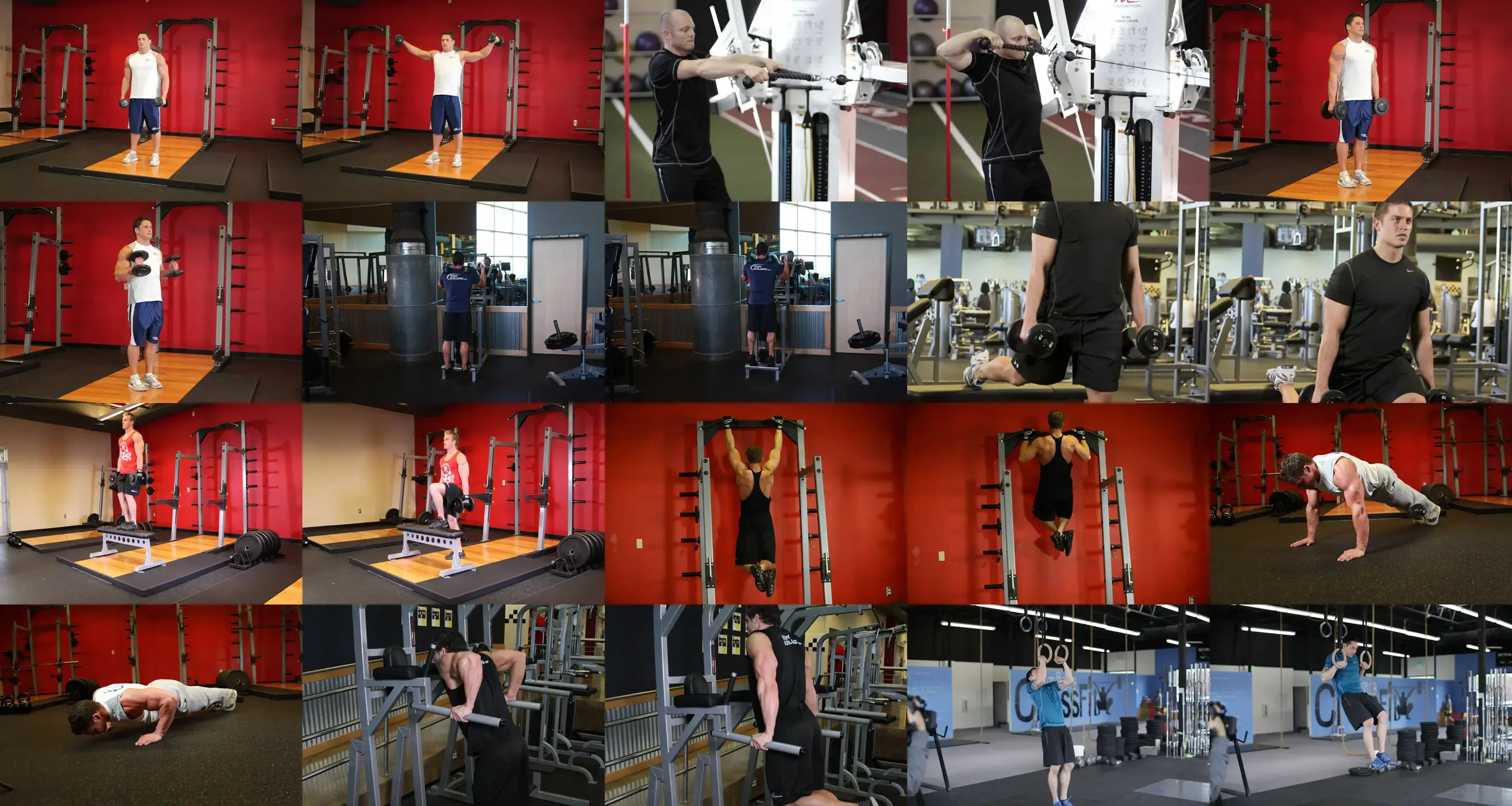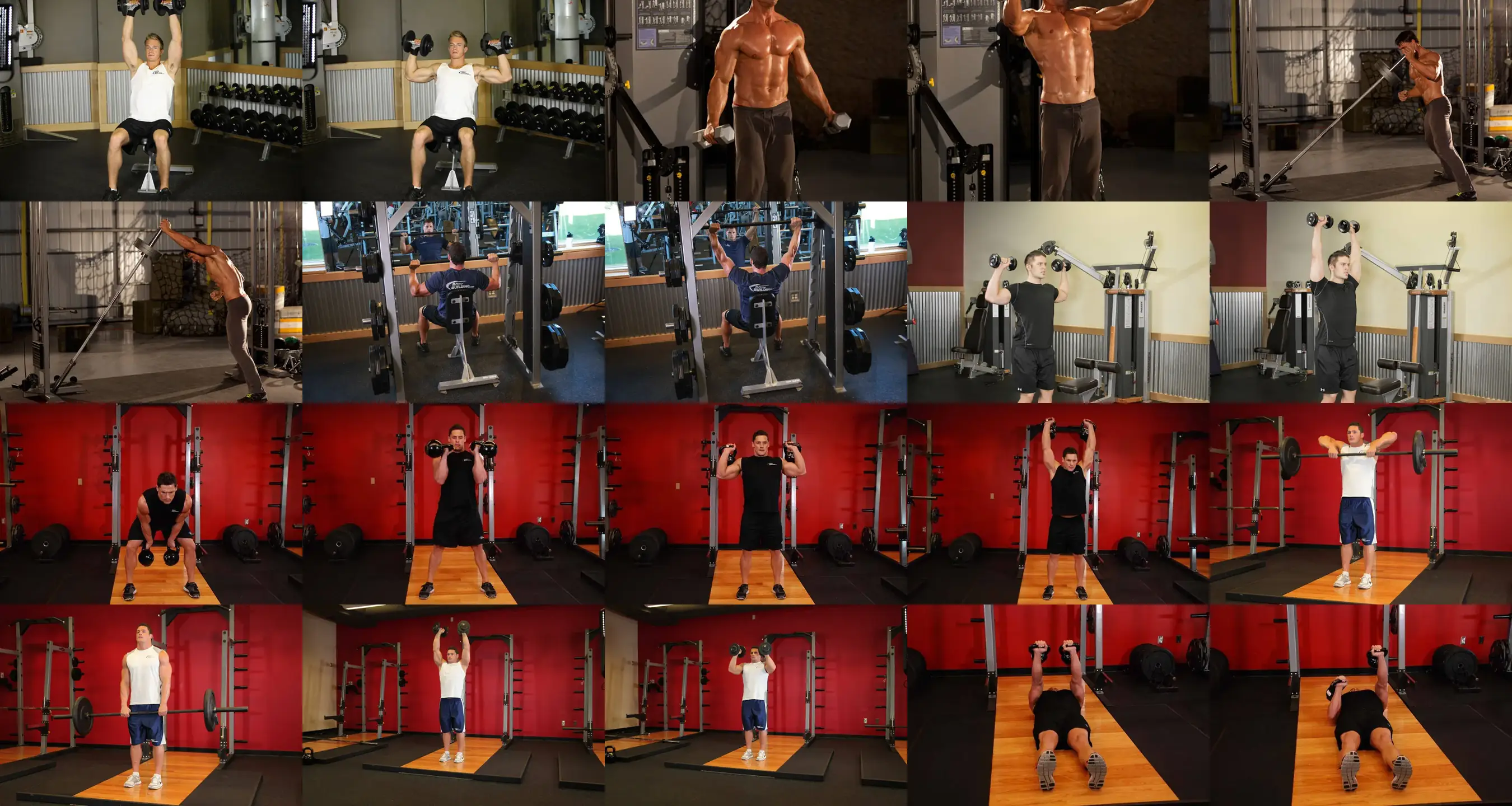
Setup and loading
Use a 6 to 10 pound ball and a clear space ahead or a sturdy wall. If you pop upright when you throw or the ball heads into the ground, the ball is too heavy to hold the takeoff angle.
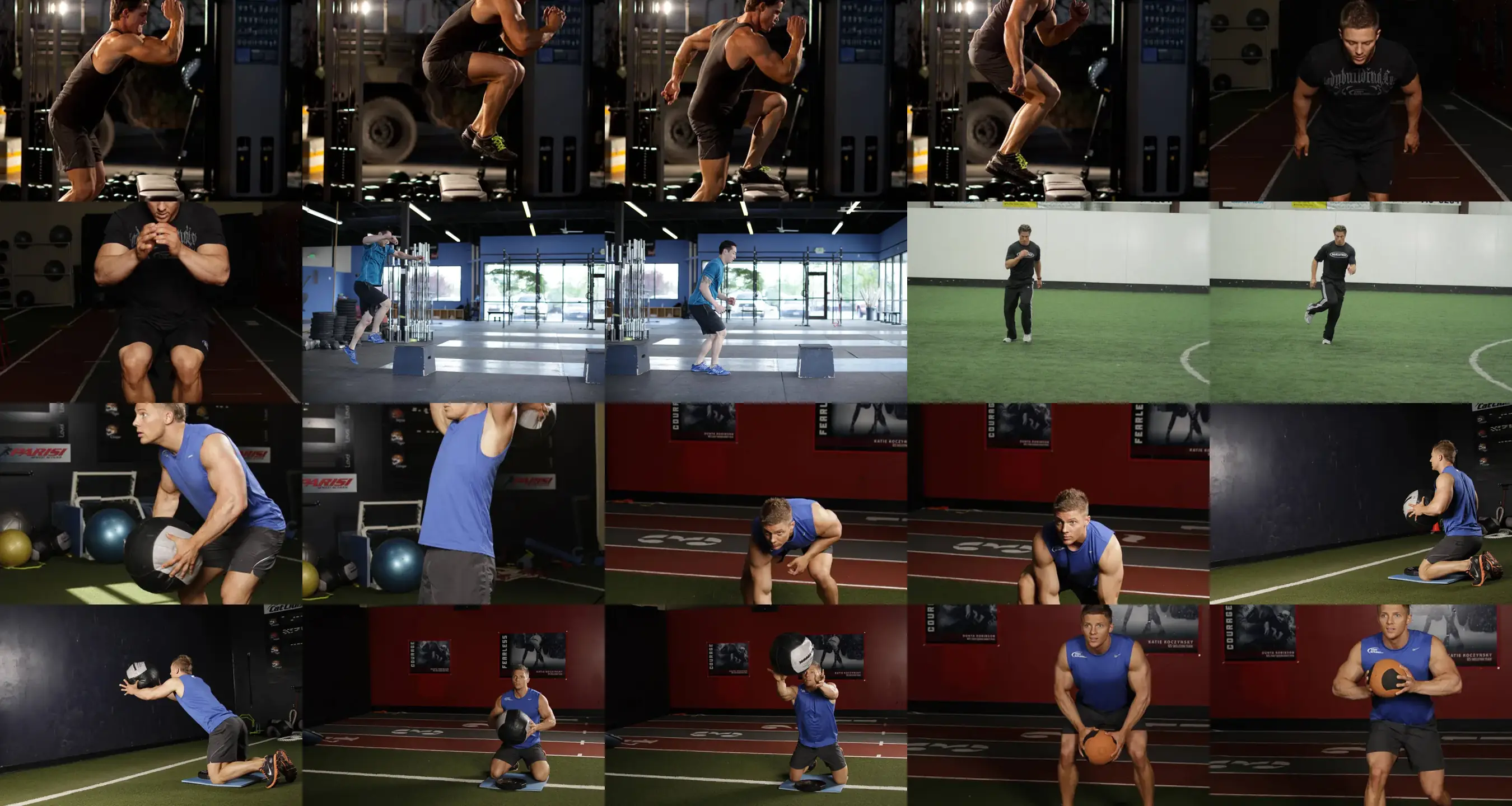
How to do the chest pass from a 3-point stance step by step
- Set up in a 3 point stance: feet hip width apart, one hand on the ground and the other holding the ball in front.
- Keep your back flat, hips slightly higher than your shoulders, and weight spread over your hand and the balls of your feet.
- Breathe in, drive hard with your legs and take your first step as you bring the ball to your chest with both hands.
- Hold your forward lean as the stepping foot lands under your hips.
- Extend your arms forcefully and throw the ball forward and slightly up, exhaling explosively.
- Follow through with two or three running steps to decelerate, then reset to the start position.
Form cues
- Flat back off the start
- Step and throw as one motion
- Push the ball from your sternum
- Stay low, do not pop up
Common mistakes
- Standing up before you throw: you lose horizontal transfer; keep the lean at release.
- Bringing the ball to your chest late: the throw gets out of sync; gather it during the first step.
- Throwing with flared elbows: it cuts power and strains shoulders; push with elbows tucked.
- Overstriding on the first step: it brakes your momentum; take a short step under your hips.
How to make it easier or harder
As a regression, do a standing or kneeling chest pass with no drive step. To progress, increase throwing distance, use a slightly heavier ball, or chain a 10 yard sprint right after the release.
Sets and reps for your goal
Power
4-6 x 2-5 · full rest3-6 sets of 1-5 reps with light or moderate loads (30-60% of your max on the main lifts), or with a ball or your bodyweight. Rest 2 to 3 minutes.
Every rep at the highest possible speed. As soon as you notice it moving slower (a 10-20% velocity loss), end the set. Train power fresh, never fatigued.
A guide for healthy adults. Adjust the load to your level and see a professional if you have an injury.
Check your form
Film yourself from the side or ask someone to watch, then tick what you get right.
Frequently asked questions
What is the 3 point stance chest pass good for?
It trains upper body pushing power together with your first step off the line. It is very useful in sports where you hit or shove an opponent right at the start, like football or rugby.
What weight medicine ball should you use for chest passes?
For most people, 6 to 10 pounds. Throwing speed is the priority; if the ball leaves slowly or heads toward the ground, go lighter.
Sports it suits
Gear for this exercise
- Medicine ball3-6 kg (6-13 lb) for power throws.
As an Amazon Associate, Muscle Atlas earns from qualifying purchases.