Setup and loading
Use a 4 to 10 pound ball and a wide open space ahead, on a mat or grass where you can fall safely. A weight you can throw far and fast beats a heavy ball that leaves slowly.
How to do the kneeling chest pass step by step
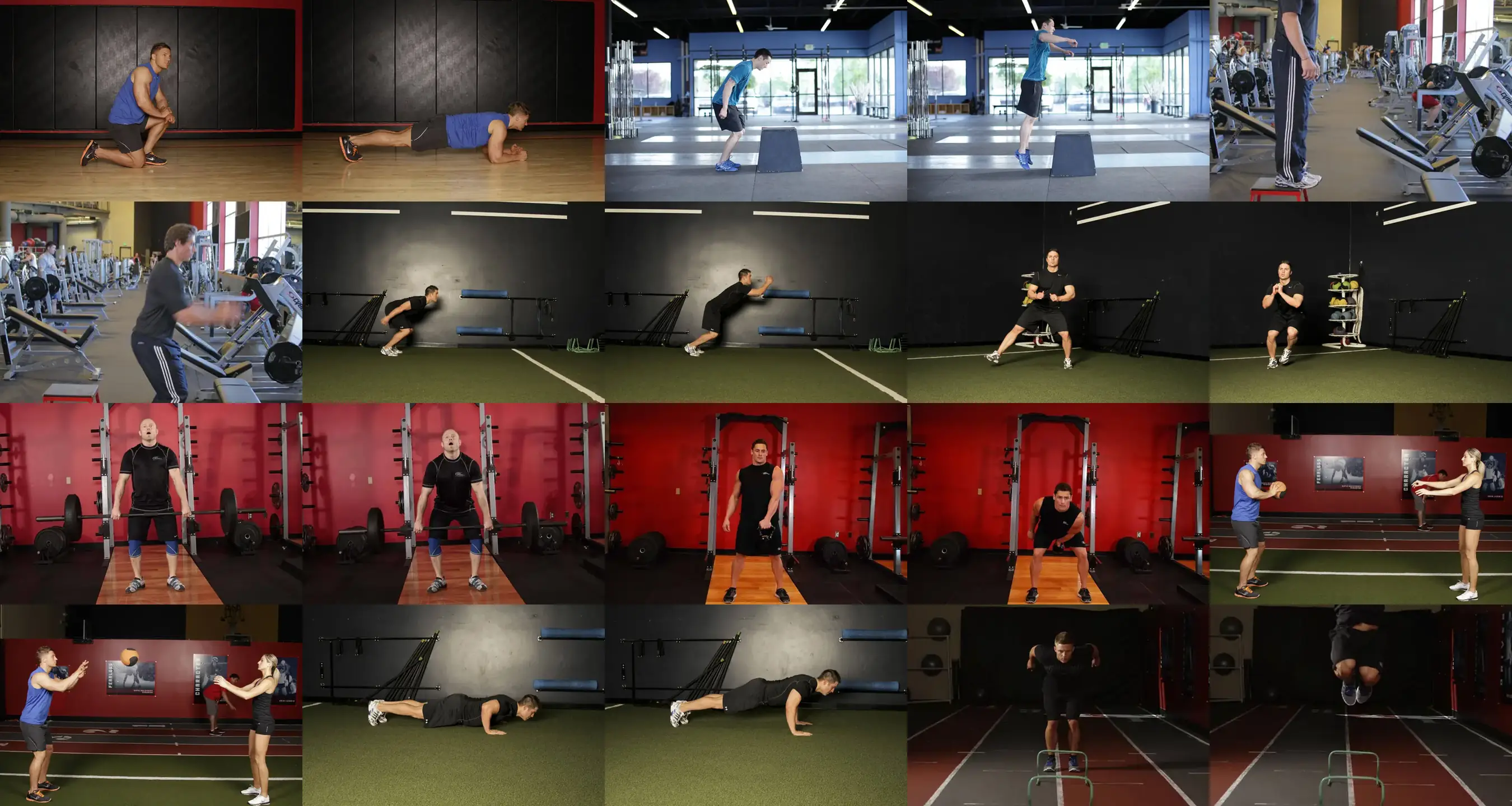
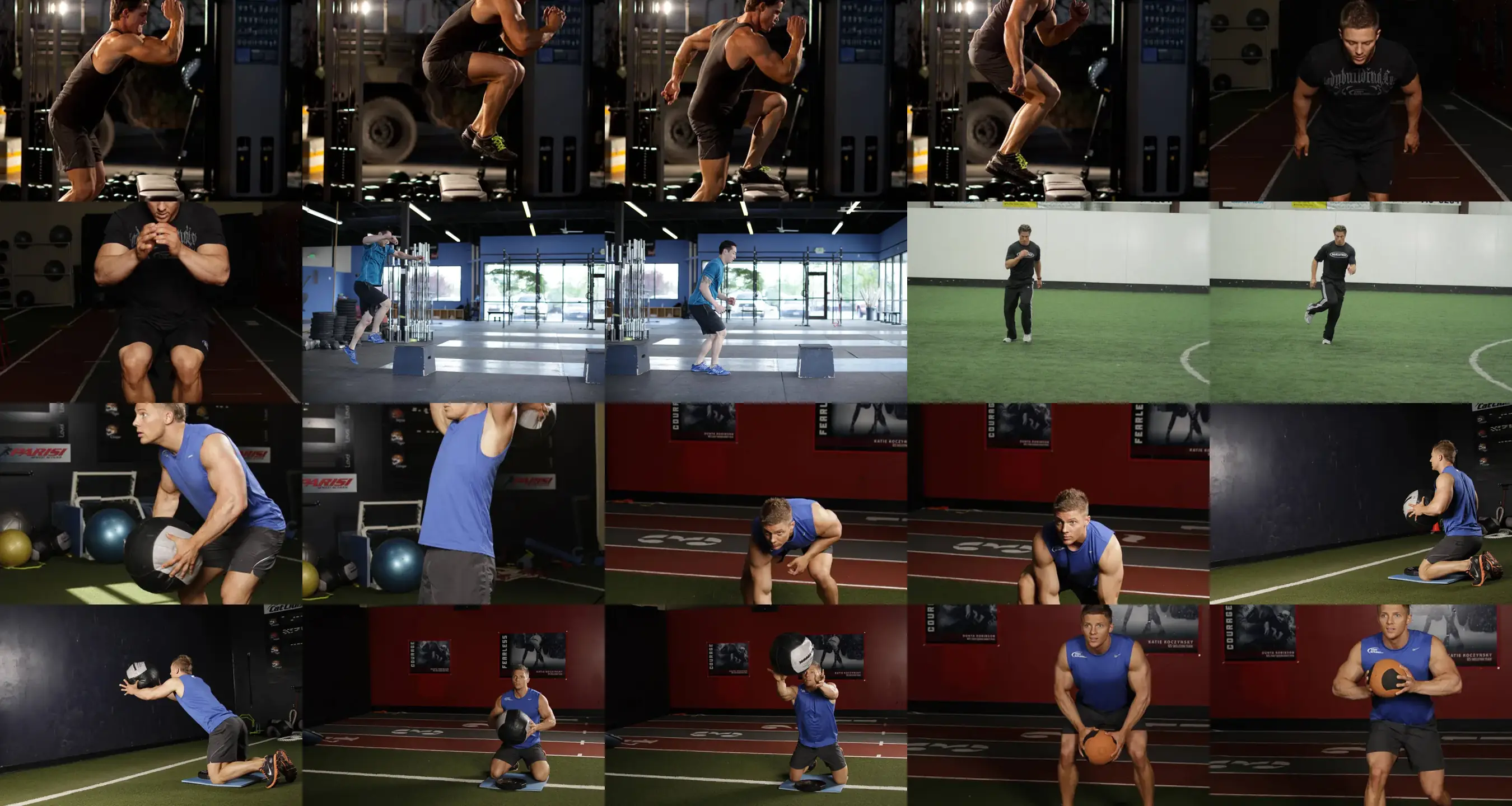
- Kneel on a soft surface with knees hip width apart and the ball held against your chest.
- Sit back slightly without touching your heels to load your hips, and breathe in.
- Drive your hips forcefully forward and up, projecting your torso toward the front.
- At full extension, push the ball from your chest forward and slightly upward, exhaling explosively.
- Let your body follow the throw and land on your hands with elbows slightly bent, like a push up.
- Reset, mark or measure the distance, and rest fully before the next rep.
Form cues
- Hips first, arms second
- Throw out and up at about 45 degrees
- Soft landing on your hands
- Maximum intent on every throw
Common mistakes
- Throwing without your hips: the ball falls short; load back and project your torso before pushing.
- Landing on stiff arms: it jars your wrists and elbows; absorb by bending your arms.
- Throwing too flat: you lose distance; aim slightly upward.
- Rushing reps with no rest: power drops; rest 30 to 60 seconds between throws.
How to make it easier or harder
As a regression, throw from your knees without falling forward, keeping your torso upright, or do explosive incline push ups. To progress, measure your distance and try to beat it, try a standing version, or move on to the chest pass with a sprint release.
Sets and reps for your goal
Power
4-6 x 2-5 · full rest3-6 sets of 1-5 reps with light or moderate loads (30-60% of your max on the main lifts), or with a ball or your bodyweight. Rest 2 to 3 minutes.
Every rep at the highest possible speed. As soon as you notice it moving slower (a 10-20% velocity loss), end the set. Train power fresh, never fatigued.
A guide for healthy adults. Adjust the load to your level and see a professional if you have an injury.
Check your form
Film yourself from the side or ask someone to watch, then tick what you get right.
Frequently asked questions
What does a kneeling medicine ball chest throw measure?
It is used as a simple upper body power test because it removes most leg help. Repeating it every few weeks with the same ball shows whether your pushing power is improving.
Is falling onto your hands after a chest pass dangerous?
It should not be if you land on a soft surface and absorb with your elbows like a push up. If your wrists bother you, do the version without the fall and keep your torso upright.
Sports it suits
Gear for this exercise
- Medicine ball3-6 kg (6-13 lb) for power throws.
As an Amazon Associate, Muscle Atlas earns from qualifying purchases.