Setup and loading
Use a 6 to 10 pound ball and a clear lane of at least 15 to 20 yards. The right weight lets you throw without killing your run; if you stop or stand up at release, it is too heavy.
How to do the chest pass with sprint release step by step
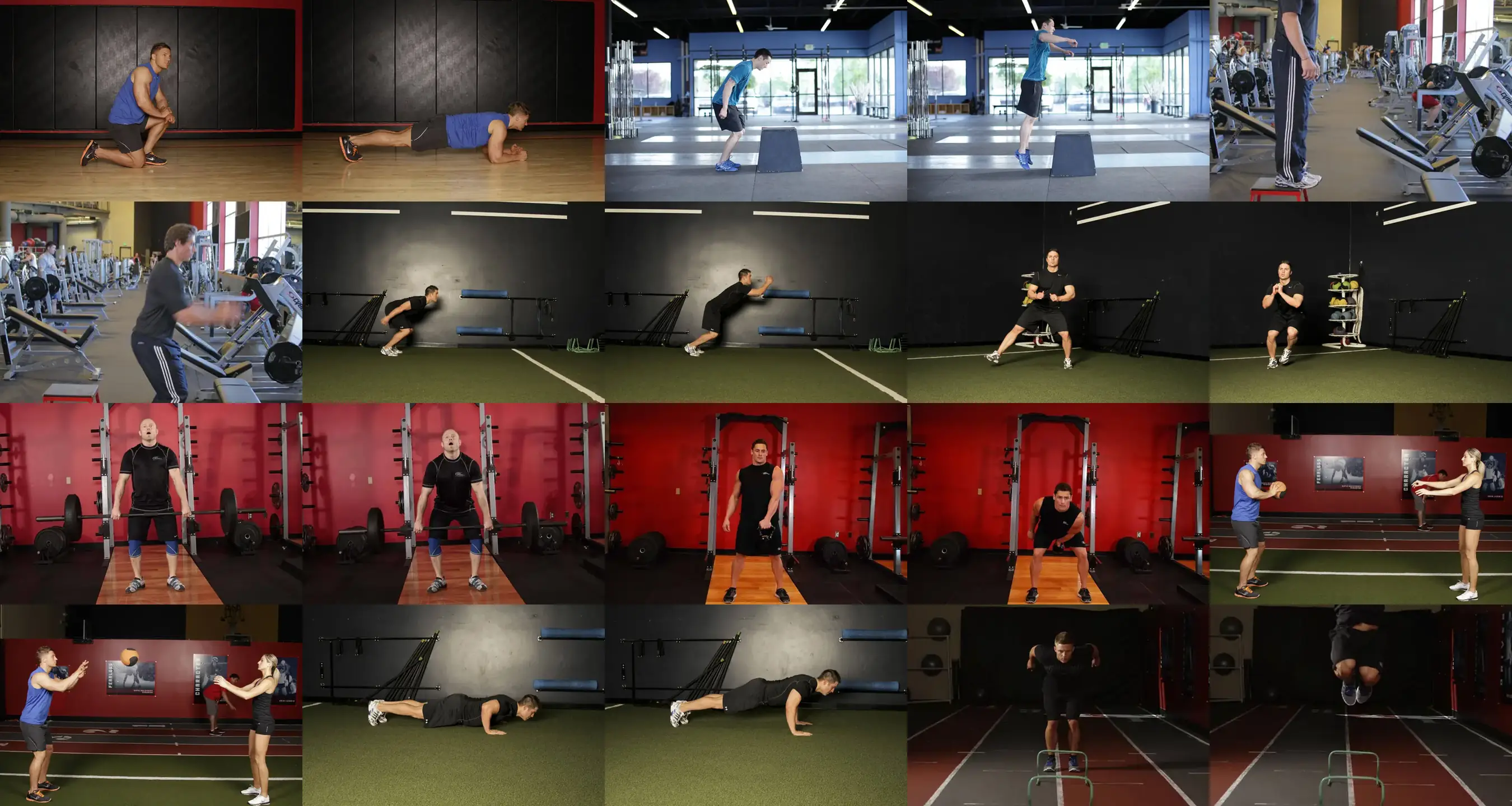
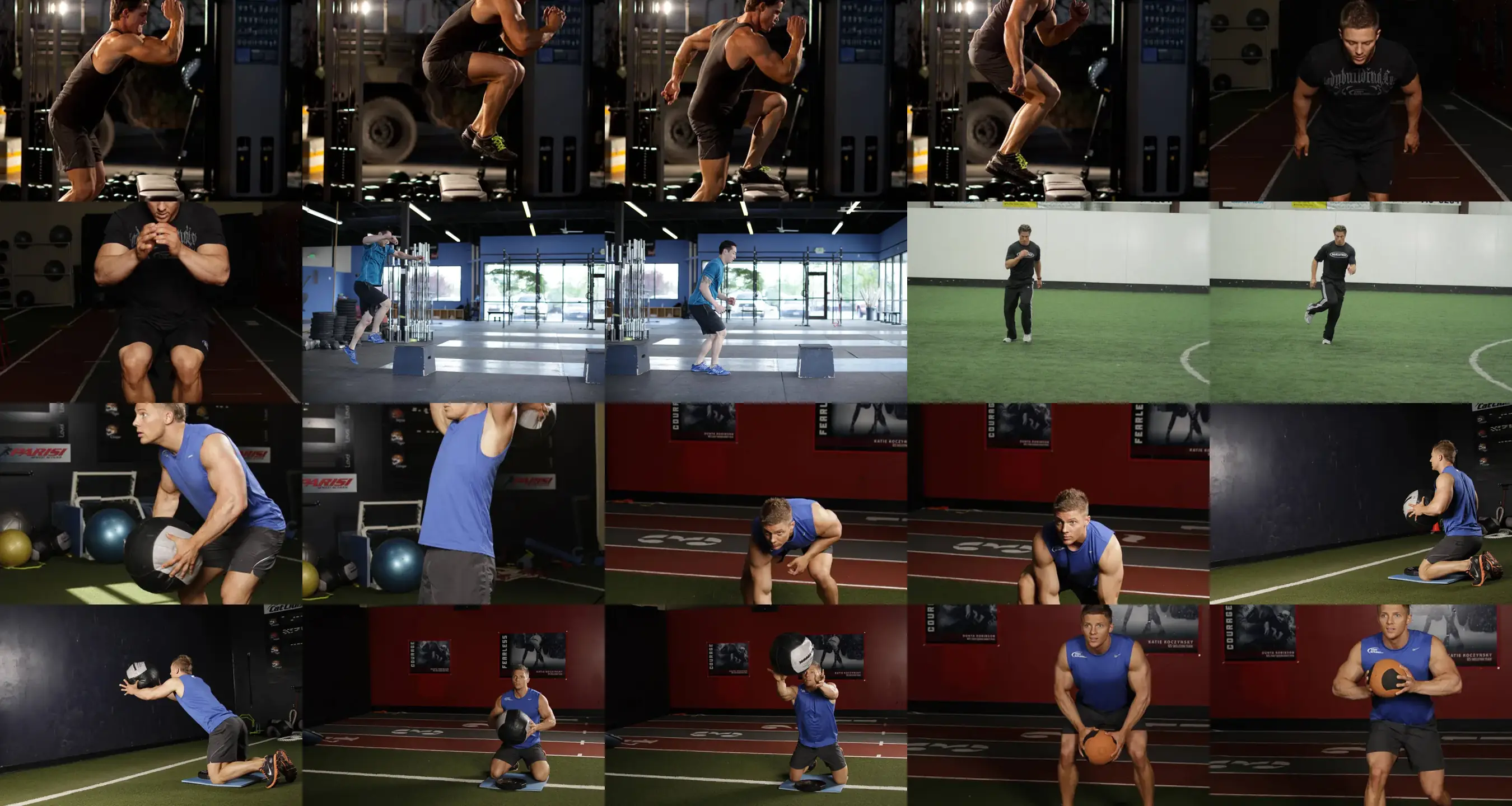
- Set an athletic stance with feet hip width apart, knees bent, and the ball held in both hands near your knees.
- Lean your torso forward with a flat back and weight on the balls of your feet, breathing in.
- Take an explosive first step while bringing the ball up to your chest in one motion.
- Throw the ball forward by extending your arms hard, exhaling, while you keep leaning forward.
- Without pausing, turn the throwing motion into your sprint arm action and run 5 to 10 yards after the ball.
- Slow down gradually, retrieve the ball and rest fully before the next rep.
Form cues
- Throw and run without braking
- Hold the lean after release
- Ball to chest during the first step
- Throwing arms become sprint arms
Common mistakes
- Stopping after the throw: it breaks the transition; keep running after the ball.
- Standing up at release: you lose acceleration; keep your torso leaning for the first steps.
- Bringing the ball up late: the throw stays weak; gather it to your chest on the first step.
- Sprinting without enough room: you risk a collision; secure a clear lane.
How to make it easier or harder
As a regression, do the chest pass from an athletic stance with no sprint afterward. To progress, lengthen the sprint, race a partner to the ball, or start from a 3 point stance.
Sets and reps for your goal
Power
4-6 x 2-5 · full rest3-6 sets of 1-5 reps with light or moderate loads (30-60% of your max on the main lifts), or with a ball or your bodyweight. Rest 2 to 3 minutes.
Every rep at the highest possible speed. As soon as you notice it moving slower (a 10-20% velocity loss), end the set. Train power fresh, never fatigued.
A guide for healthy adults. Adjust the load to your level and see a professional if you have an injury.
Check your form
Film yourself from the side or ask someone to watch, then tick what you get right.
Frequently asked questions
How is this different from the 3 point stance chest pass?
This one starts standing in an athletic stance, so it is simpler and carries over well to field sports. The 3 point version starts lower with a hand down, demands more starting strength, and mimics a lineman's drive off the line.
How many sets of chest pass sprints should you do?
Because it is a power and speed drill, 3 to 5 sets of 3 to 5 reps with full rest is enough. What matters is that every throw and every start is high quality.
Sports it suits
Gear for this exercise
- Medicine ball3-6 kg (6-13 lb) for power throws.
As an Amazon Associate, Muscle Atlas earns from qualifying purchases.