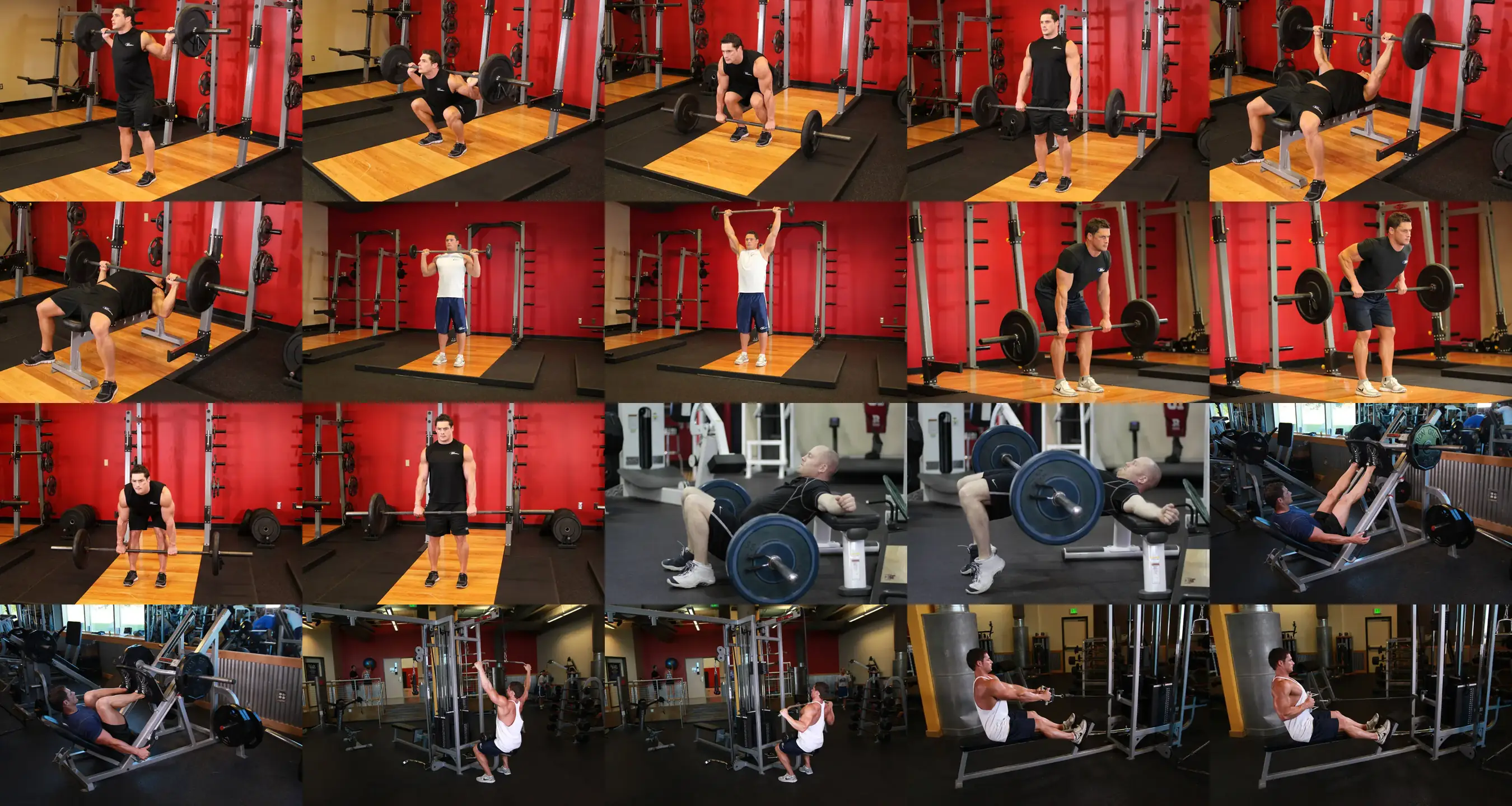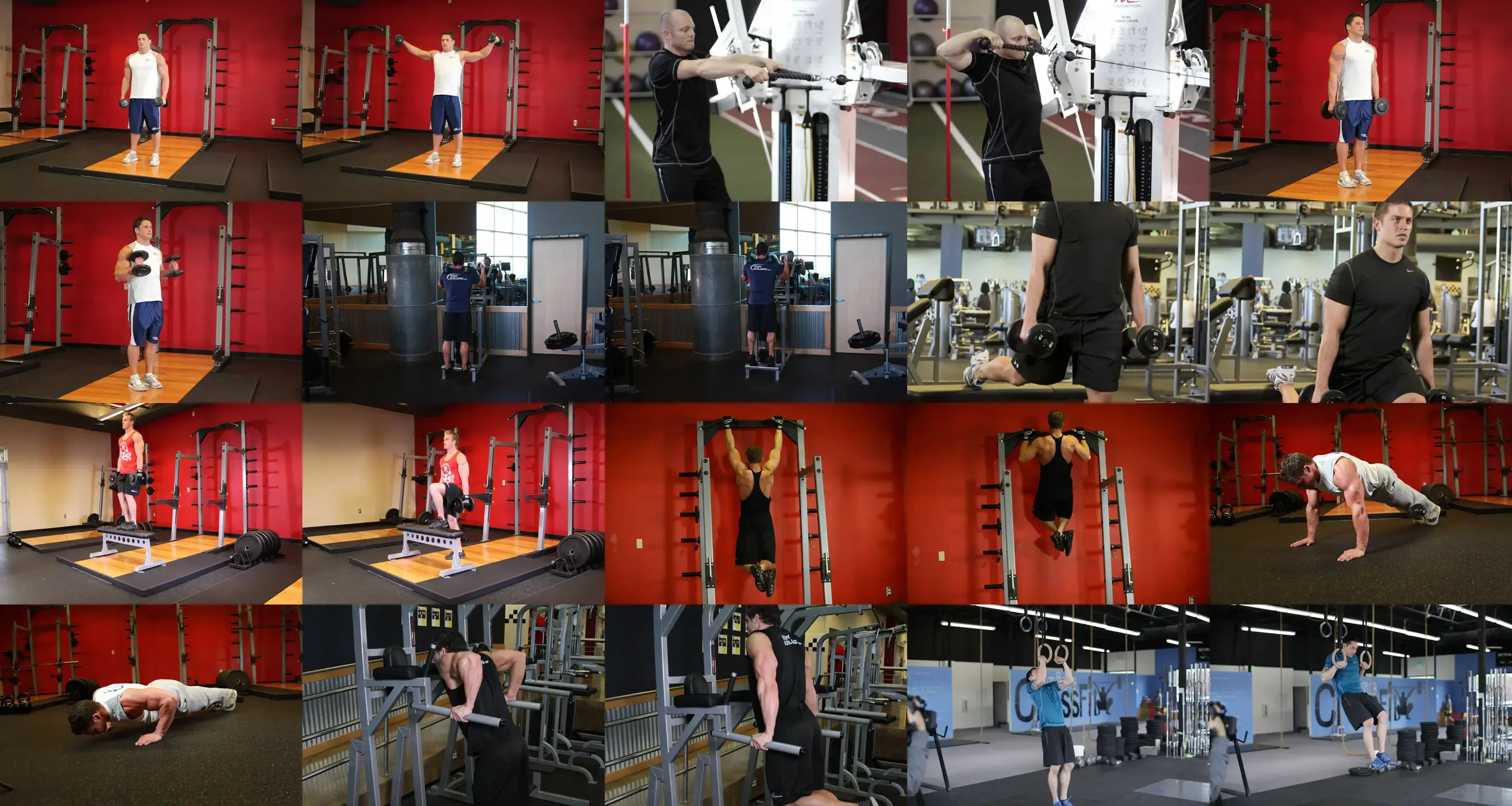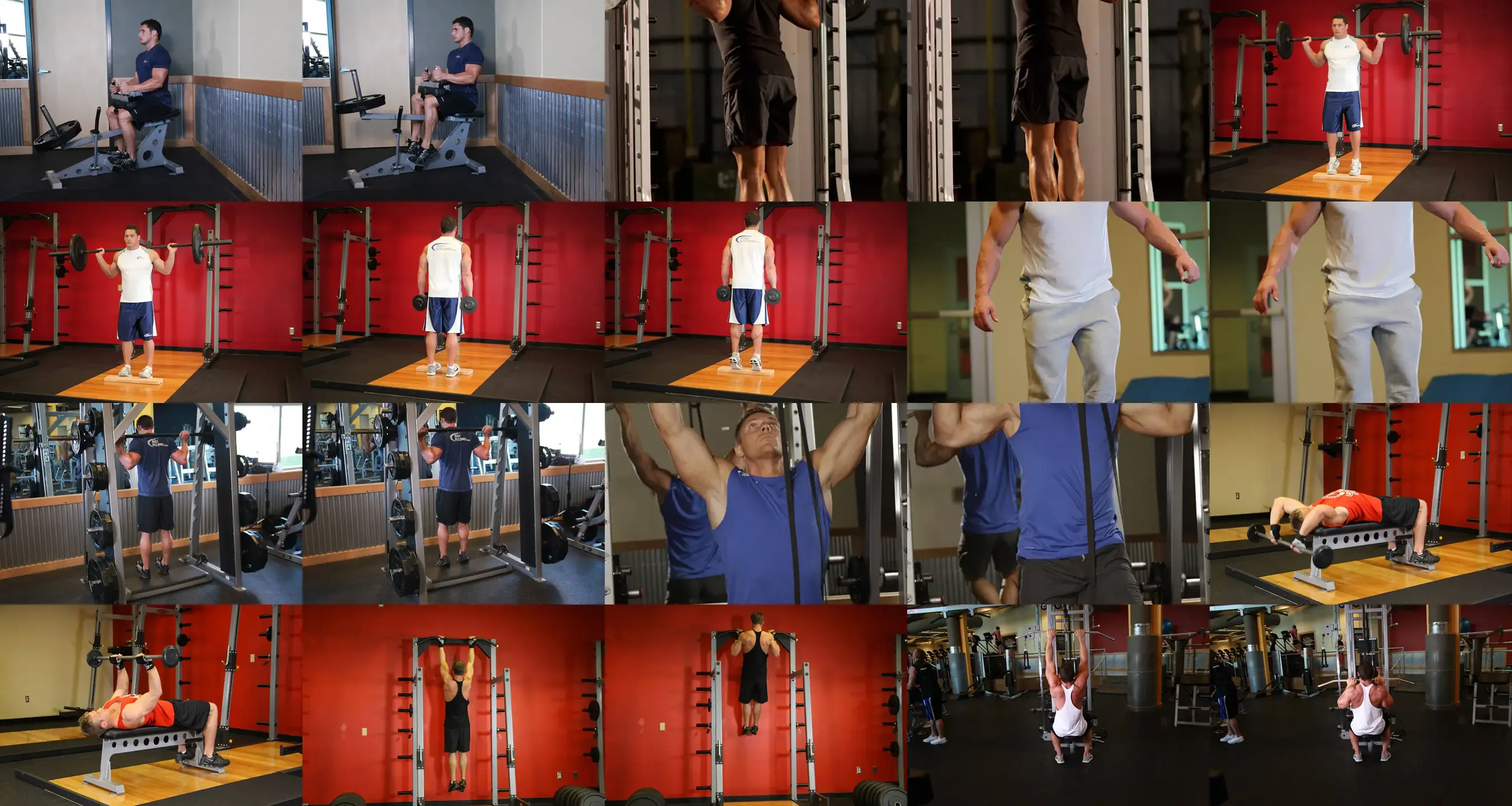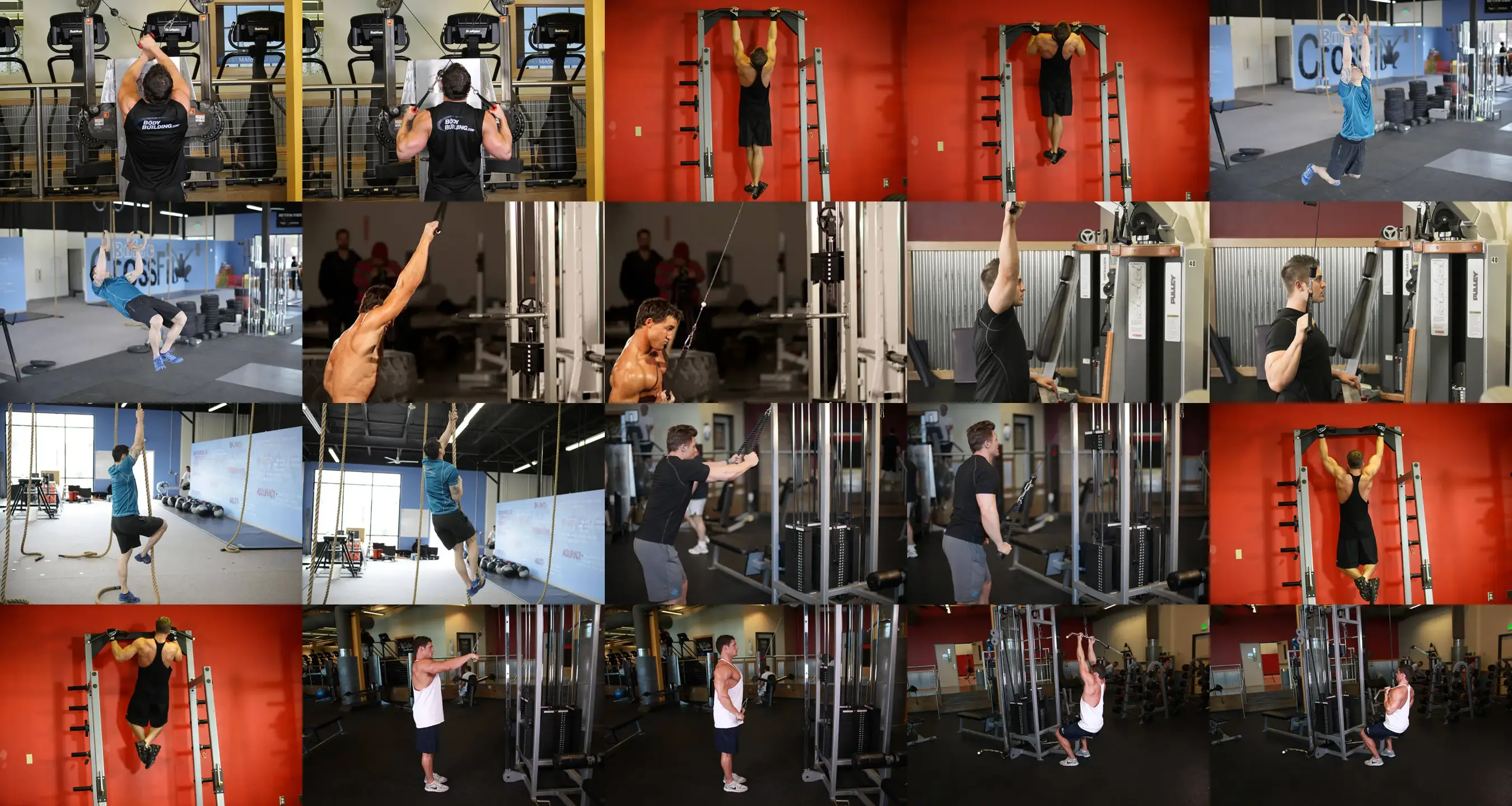
Setup and loading
Set both pulleys at the highest position and place a bench in the middle or kneel between them; grab the left handle with your right hand and vice versa. Use a moderate weight for 10 to 15 reps, since the goal is range and control, not max load.
How to do the cross-body dual-cable lat pulldown step by step
- Set both pulleys high with single handles and sit or kneel in the middle, grabbing each handle with the opposite hand.
- Start with your arms straight and crossed overhead, letting your lats stretch.
- Lift your chest, set your shoulders down, and exhale as you pull the handles down and out.
- Drive your elbows to your sides until your hands are beside or just below your shoulders.
- Squeeze your lats for one second at the bottom.
- Inhale and return slowly along the same path until your arms cross overhead again.
Form cues
- Arms crossed overhead for the stretch
- Elbows to your sides at the bottom
- Chest up, shoulders down
- Slow return into the stretch
Common mistakes
- Shrugging: the upper traps take over; depress your shoulder blades before pulling.
- Too much weight: you miss the stretch and squeeze; reduce load and prioritize range.
- Not crossing back over: you lose the point of the exercise; let the handles return to center.
- Leaning far back: it turns into a row; keep your torso nearly vertical.
How to make it easier or harder
To make it easier, start with a one-arm lat pulldown, which is simpler to coordinate. To progress, add pauses in the stretch, three-second negatives, or more load while keeping full range.
Sets and reps for your goal
Hypertrophy
3-4 x 8-12 · rest 60-90 s3-4 sets of 6-12 reps (up to 15-20 on isolation exercises) at 65-80% of your max. Rest 1 to 2 minutes.
Get close to failure (0-3 reps in reserve) and control the lowering for 2-3 seconds. Accumulate 10-20 sets per muscle per week.
Max Strength
4-5 x 3-6 · rest 2-3 min3-6 sets of 1-6 reps at 80-90% of your max (1RM). Rest 2 to 5 minutes.
Leave 1-3 reps in reserve. If your technique breaks down, lower the weight: strength is built with good reps.
A guide for healthy adults. Adjust the load to your level and see a professional if you have an injury.
Check your form
Film yourself from the side or ask someone to watch, then tick what you get right.
Frequently asked questions
What is the advantage of a cross-body pulldown over a bar pulldown?
Without a bar connecting your hands, your arms can cross overhead for a deeper lat stretch and follow a free path that is kinder to your shoulders. That gives you a longer, more productive range.
Can I do it standing?
Yes, though sitting or kneeling makes it easier to anchor your body. Standing, you have to control your torso more and the stack may pull you up. If you stand, use a moderate weight and bend your knees slightly.