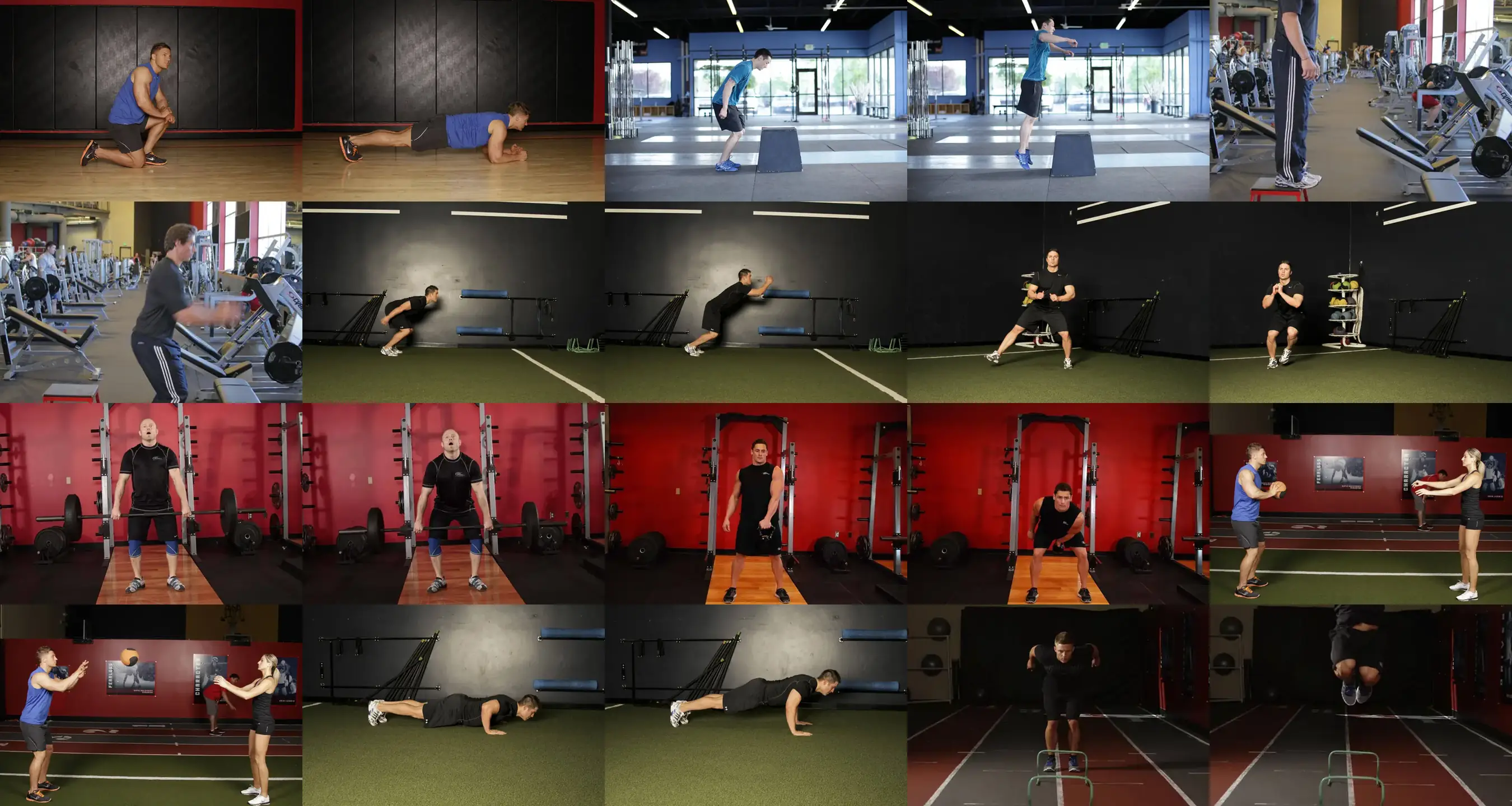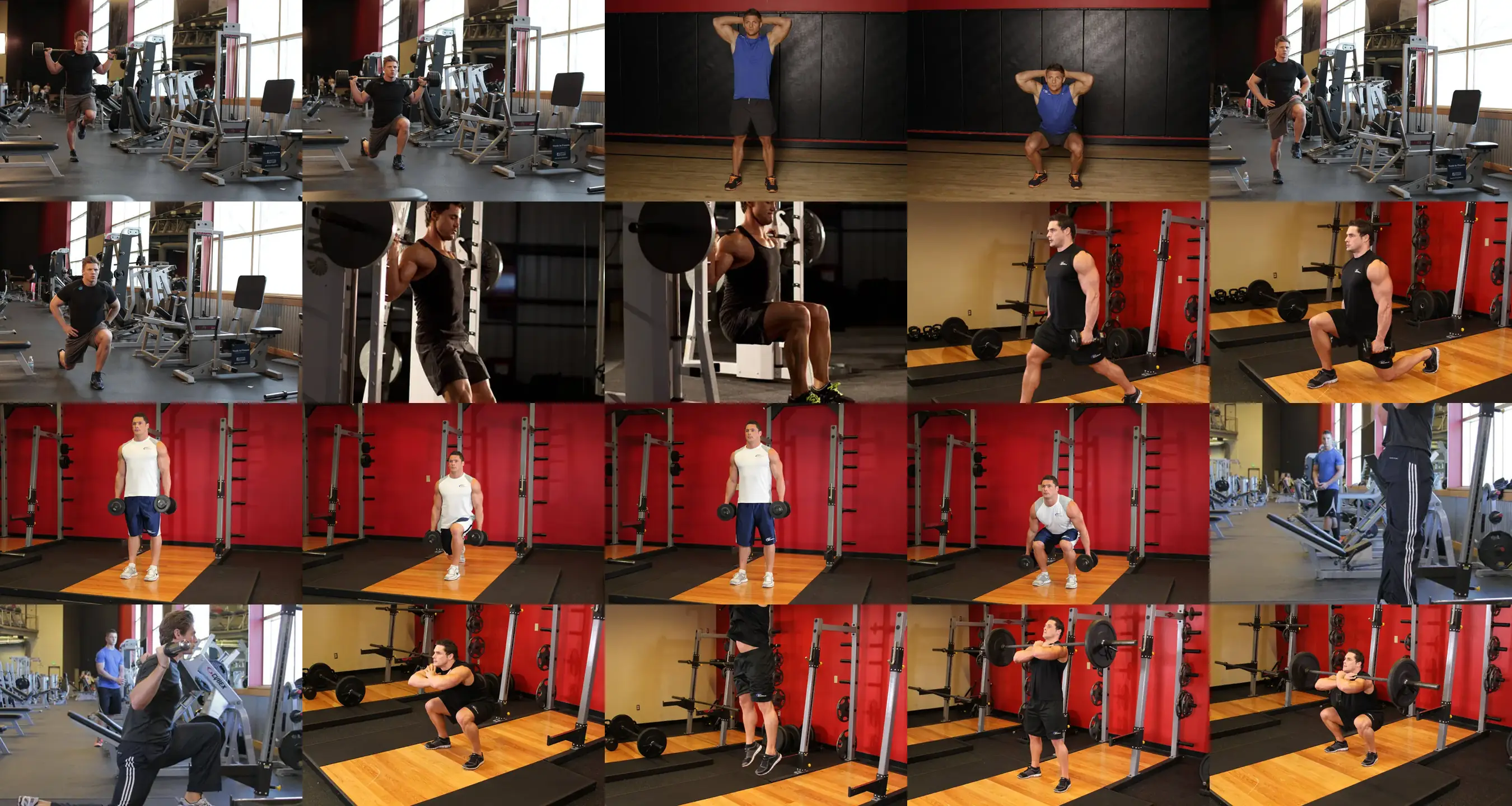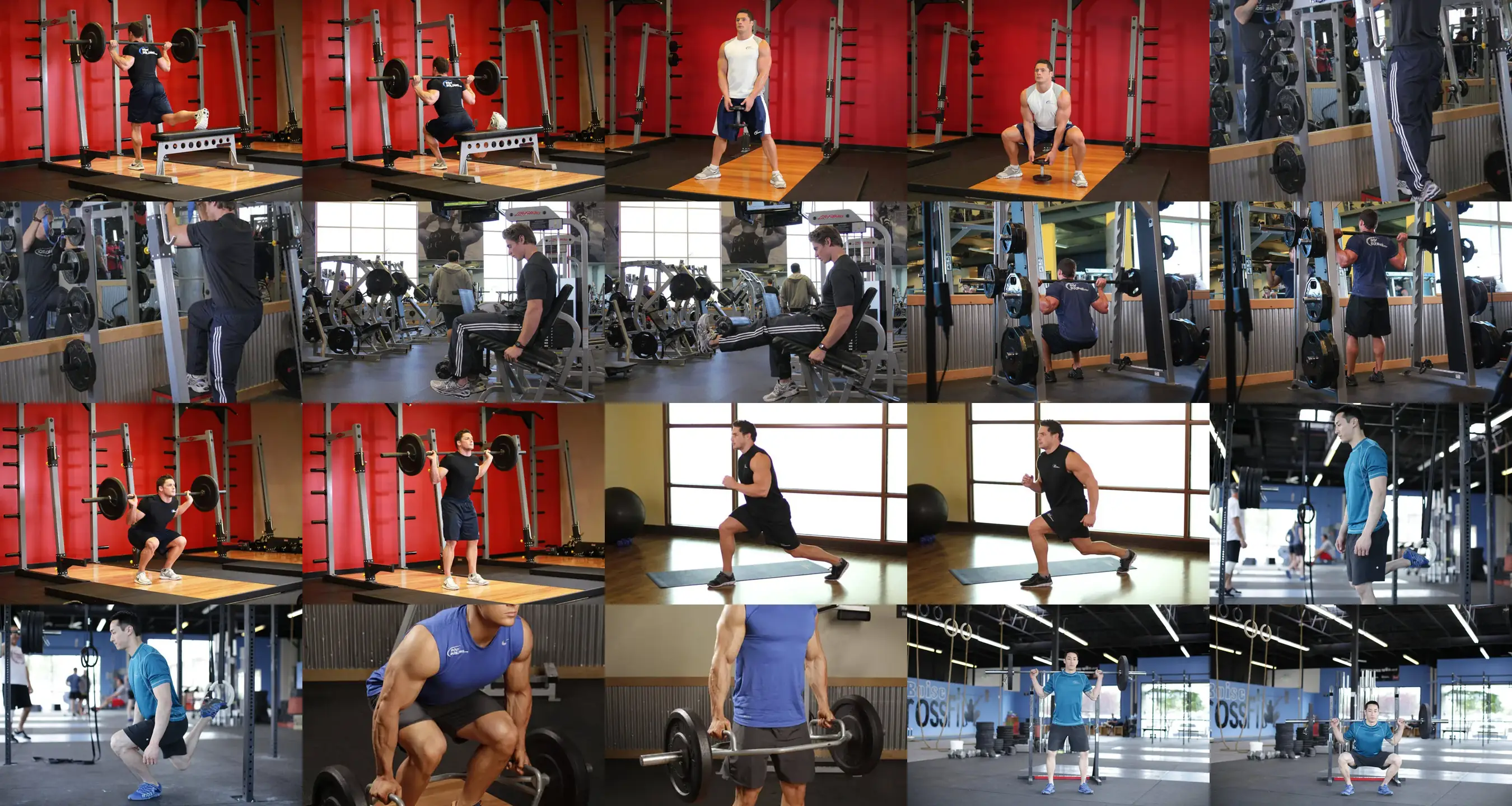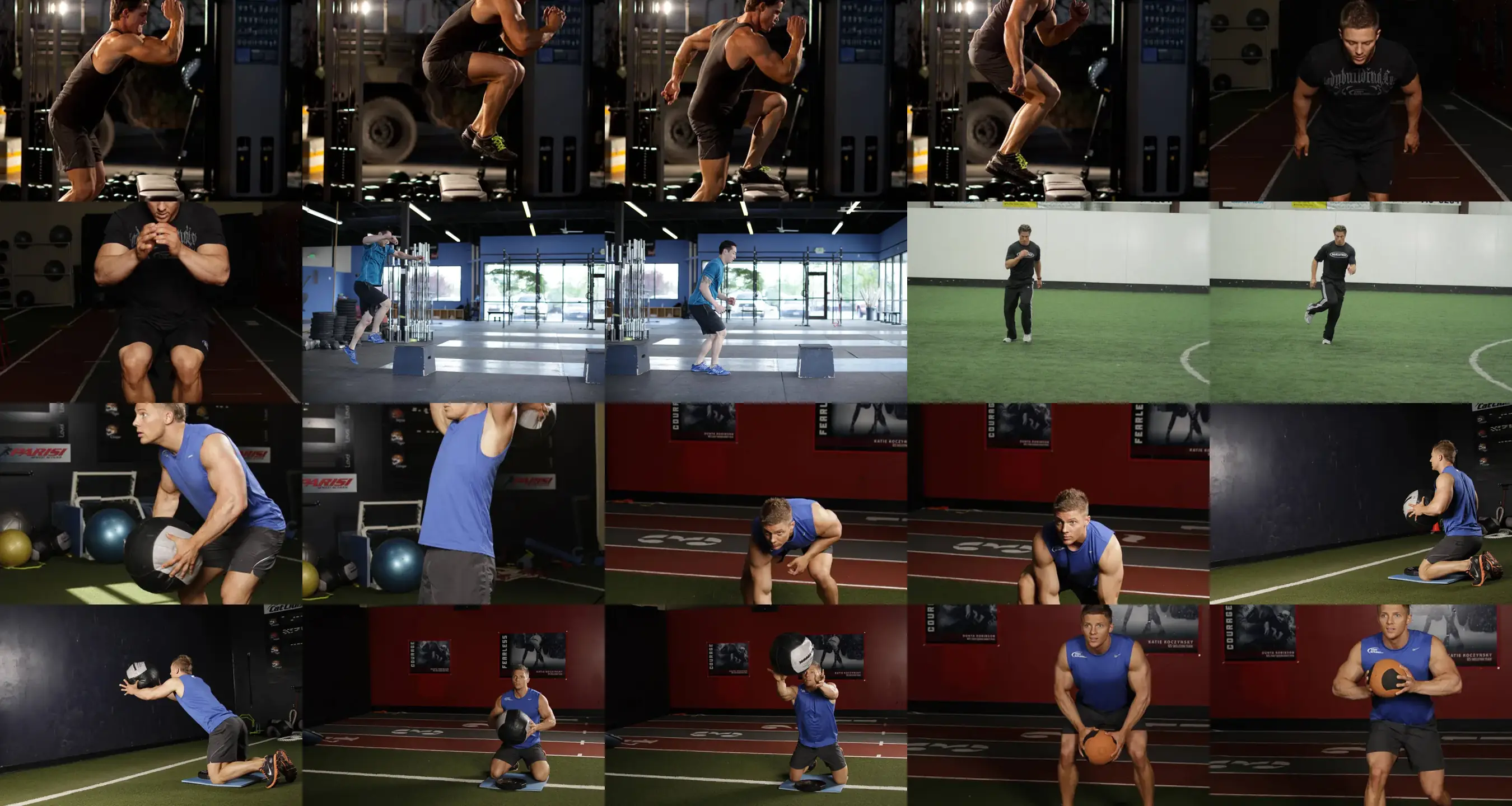
Setup and loading
Use a light dumbbell, around 5 to 10 percent of your bodyweight, and a box lower than your normal box jump, since you will jump less without a countermovement. The bench should put your knees near 90 degrees and the box should sit 1 to 2 feet in front.
How to do the seated dumbbell box jump step by step
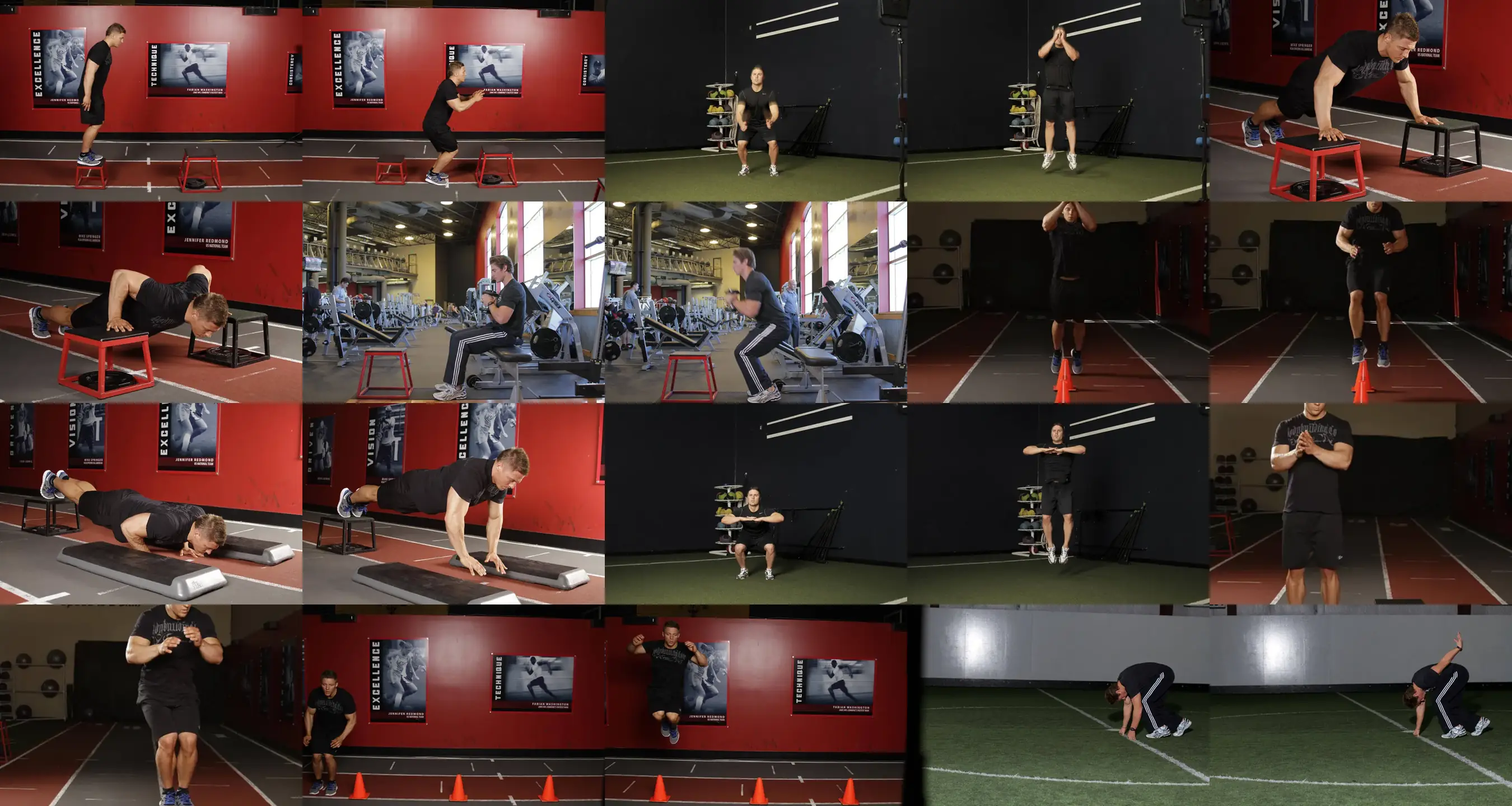
- Sit on the edge of the bench with feet flat and hip width apart, holding the dumbbell vertically against your chest.
- Lean your torso slightly forward with a neutral spine and breathe in, squeezing the dumbbell.
- Push the floor hard and launch off the bench toward the box, without rocking first.
- Tuck your knees in the air and land in the center of the box with your whole foot, exhaling.
- Stand tall on the box with hips extended and the dumbbell still at your chest.
- Step down, sit back on the bench and repeat after a short pause, for 3 to 6 reps.
Form cues
- No rocking, jump from a dead stop
- Dumbbell glued to your sternum
- Feet flat, press through the whole foot
- Soft landing on top
Common mistakes
- Rocking before the jump: it defeats the dead stop goal; keep your torso still.
- Dumbbell too heavy: the jump gets short and risky; use a light load.
- Box too tall: you land in a deep squat; lower the box.
- Jumping down with the dumbbell: it adds needless impact; step down.
How to make it easier or harder
As a regression, do it without the dumbbell or jump from seated to the floor with no box. To progress, add a little weight, raise the box, or wear a weighted vest to free your arms.
Sets and reps for your goal
Plyometrics
3-5 x 3-6 jumps · rest 1-2 min3-6 sets of 3-8 jumps. In total, 60-100 contacts per session (40-60 if you're a beginner). Rest 1 to 2 minutes between sets.
Short, quiet ground contact. If the jump loses height or your foot sticks to the ground, stop: the set is no longer training reactivity. Two sessions per week, 48 h apart.
A guide for healthy adults. Adjust the load to your level and see a professional if you have an injury.
Check your form
Film yourself from the side or ask someone to watch, then tick what you get right.
Frequently asked questions
What is the point of a seated box jump?
It removes the countermovement, so you train explosive force from a dead stop. That helps in sports with static starts and improves the starting strength of your jump.
How heavy should the dumbbell be for seated box jumps?
Start light, around 5 to 10 percent of your bodyweight. The goal is still to jump fast; if the jump gets slow or low, the dumbbell is too heavy.
Sports it suits
Gear for this exercise
- Adjustable dumbbellsSave space and replace a whole dumbbell rack at home.
- Plyo boxFoam boxes forgive missed jumps.
As an Amazon Associate, Muscle Atlas earns from qualifying purchases.