Setup and loading
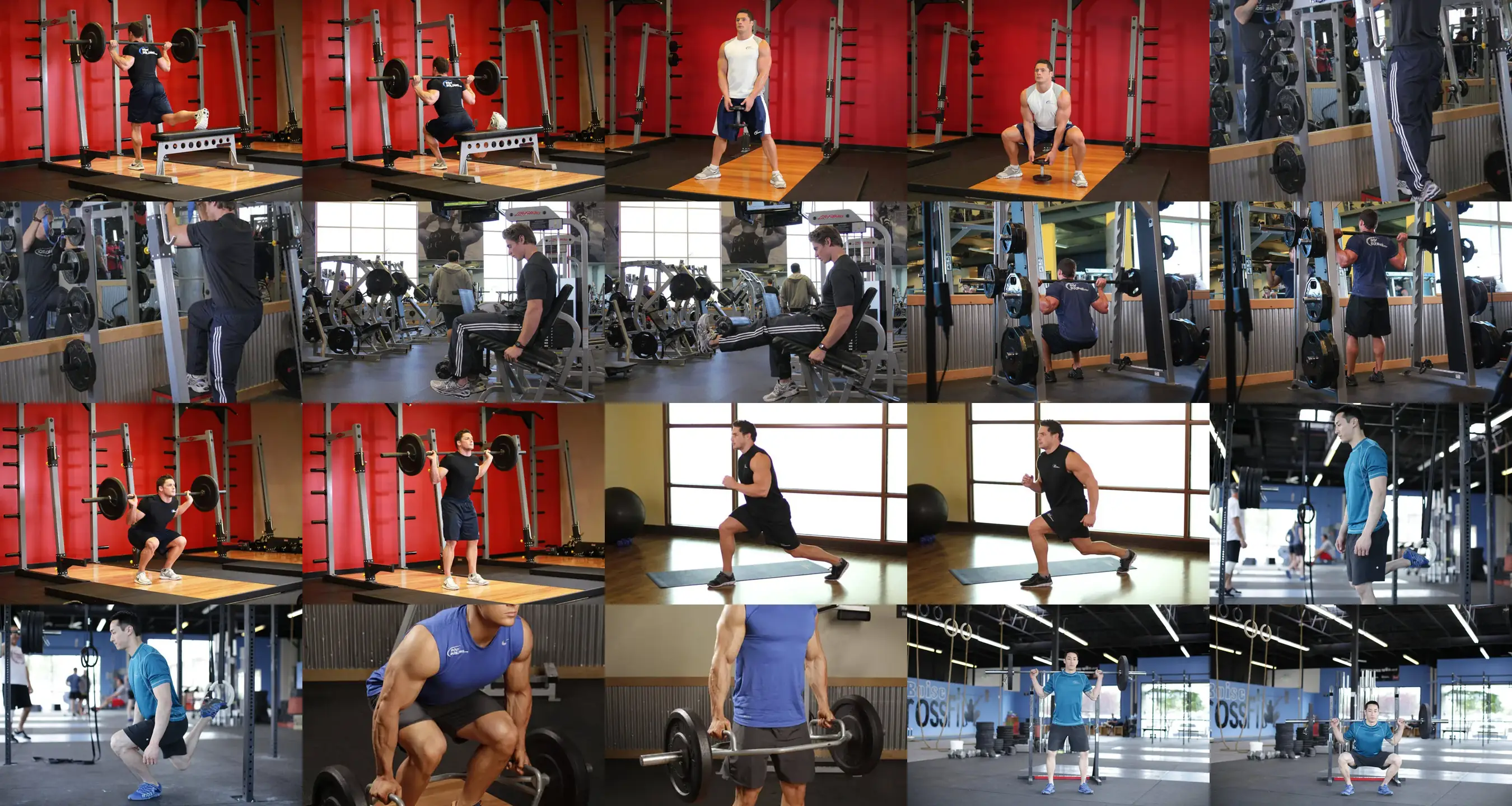
Set the bar in the rack at chest height and rest it on your upper traps as in a back squat, holding it firmly. Use about 10 to 30 percent of your max squat; if your jump loses obvious height or speed, the load is too heavy.
How to do the weighted jump squat step by step
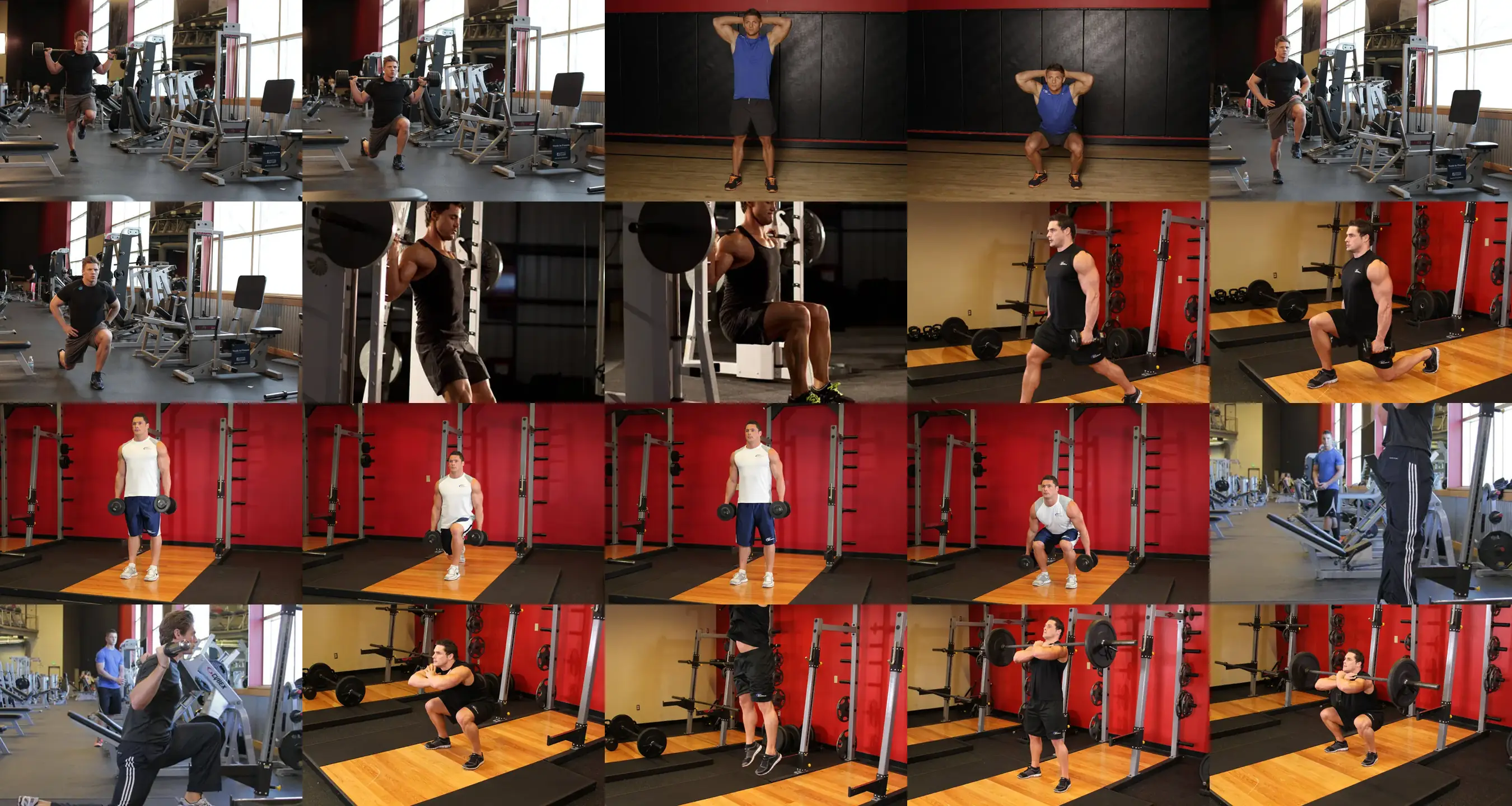
- Unrack the bar onto your upper traps with feet shoulder-width apart and toes turned out slightly.
- Grip the bar hard and pull it down into your back so it does not bounce during the jump.
- Breathe in, brace, and drop quickly into a quarter to half squat with your chest up.
- With no pause at the bottom, explosively extend your hips, knees, and ankles to jump as high as possible.
- Land on the balls of your feet first and let your ankles, knees, and hips bend to absorb the impact.
- Return to standing, exhale, and reset before the next rep.
Form cues
- Drop fast, drive up faster
- Bar pinned to your back the whole time
- Knees tracking over your toes
- Land soft and quiet
Common mistakes
- Going too heavy: the jump gets slow and stops training power; reduce weight until speed returns.
- Letting go of the bar midair: it bounces on your spine; actively pull it down with your hands.
- Landing with stiff legs: the impact goes to your knees and back; bend your joints as you touch down.
- Knees caving on takeoff or landing: you lose stability; push them out in line with your feet.
How to make it easier or harder
For an easier version, do bodyweight jump squats or hold two light dumbbells at your sides. To progress, use a trap bar to jump with more load safely or pair the movement with box jumps in a contrast set.
Sets and reps for your goal
Power
4-6 x 2-5 · full rest3-6 sets of 1-5 reps with light or moderate loads (30-60% of your max on the main lifts), or with a ball or your bodyweight. Rest 2 to 3 minutes.
Every rep at the highest possible speed. As soon as you notice it moving slower (a 10-20% velocity loss), end the set. Train power fresh, never fatigued.
A guide for healthy adults. Adjust the load to your level and see a professional if you have an injury.
Check your form
Film yourself from the side or ask someone to watch, then tick what you get right.
Frequently asked questions
How much weight should I use for jump squats?
Most coaches and research use around 10 to 30 percent of your max squat. What matters is that the jump stays fast and high; if you struggle to leave the ground, the load is too heavy.
Is a barbell or a weighted vest better for jump squats?
A vest is more comfortable and safer because the load sits close to your body and frees your hands. A barbell lets you load more precisely but requires a strong grip so it does not hit your back on landing.
Sports it suits
Gear for this exercise
- Olympic barbell and platesTo keep progressing on the big lifts with heavy loads.
As an Amazon Associate, Muscle Atlas earns from qualifying purchases.