Setup and loading
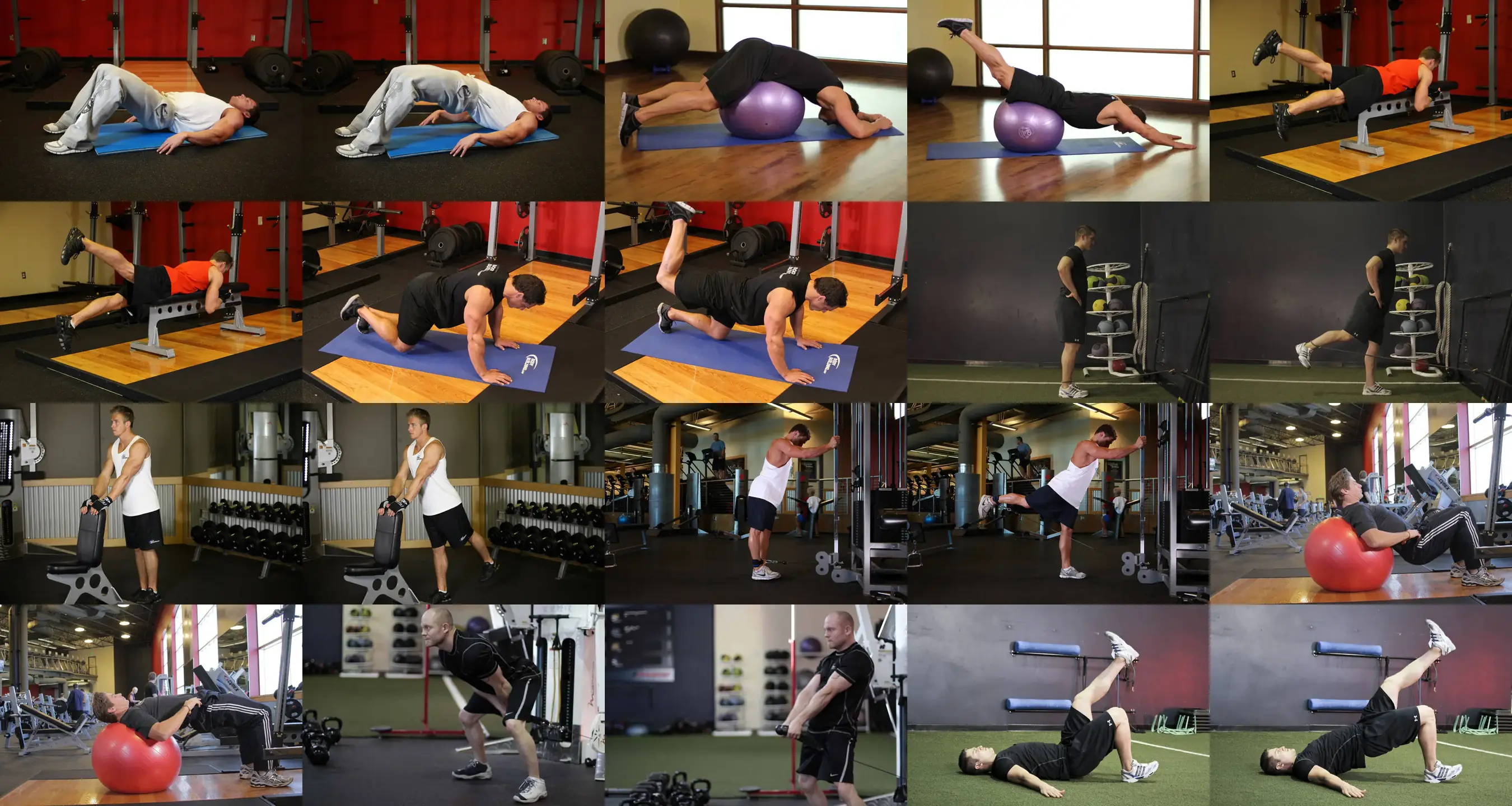
Lie on a mat with your working foot about a foot from your glutes and the other knee hugged to your chest or the leg extended. If your hamstring cramps, bring the foot closer; if it feels easy, put your upper back on a bench or hold a longer pause at the top.
How to do the single-leg glute bridge step by step
- Lie on your back with knees bent, feet flat, and arms at your sides.
- Pull one knee toward your chest and hold it, or extend that leg straight toward the ceiling.
- Breathe in, brace your abs, and press the heel of your working leg into the floor.
- Exhale as you lift your hips until your knee, hips, and shoulders form a straight line.
- Hold for one or two seconds at the top with your hips level, not dropping to the free side.
- Lower slowly until you nearly touch the floor and repeat before switching legs.
Form cues
- Hips level, like balancing a glass on them
- Push through your heel, toes relaxed
- Ribs down, don't arch your back
- Squeeze your glute at the top before lowering
Common mistakes
- Pelvis dropping to one side: your glute medius isn't working; lift lower and keep hips level.
- Arching your lower back at the top: your back replaces your glutes; finish by squeezing the glute.
- Foot too far away: your hamstring cramps; move it closer to your glutes.
- Dropping down fast: you lose half the work; take two seconds to lower.
How to make it easier or harder
To regress, do a two-leg glute bridge or a bridge with one foot barely lifted. To progress, rest your upper back on a bench (single-leg hip thrust), put your foot on a step, or place a dumbbell on your hips.
Sets and reps for your goal
Hypertrophy
3 x 10-15 · rest 60 s3-4 sets of 6-12 reps (up to 15-20 on isolation exercises) at 65-80% of your max. Rest 1 to 2 minutes.
Get close to failure (0-3 reps in reserve) and control the lowering for 2-3 seconds. Accumulate 10-20 sets per muscle per week.
Speed
4-6 x 10-30 m or 5-10 s · full rest4-8 reps of 10-40 meters (or 3-6 seconds). Full rest: 1 minute for every 10 meters.
Always at 95-100%. If your time gets more than 3-5% slower or your technique falls apart, stop: running tired trains endurance, not speed.
A guide for healthy adults. Adjust the load to your level and see a professional if you have an injury.
Check your form
Film yourself from the side or ask someone to watch, then tick what you get right.
Frequently asked questions
Why do my hamstrings cramp during single-leg glute bridges?
It usually happens when your foot is too far from your glutes or your glutes aren't firing well, so the hamstring compensates. Bring your heel closer, squeeze the glute before lifting, and reduce the height. With practice, the glute takes over more.
How many single-leg glute bridges should I do?
Start with 2 or 3 sets of 8 to 12 reps per leg with a one-second pause at the top. Once you can do 15 with good form, make it harder with longer pauses, a bench under your back, or added weight.
Sports it suits
Gear for this exercise
- Exercise matThick (8-10 mm) for floor work.
As an Amazon Associate, Muscle Atlas earns from qualifying purchases.