Setup and loading
Do it without load on a forgiving surface. Start by keeping the same leg forward with a pause on each landing; once you control the landing, alternate legs or add light dumbbells.
How to do the split jump step by step
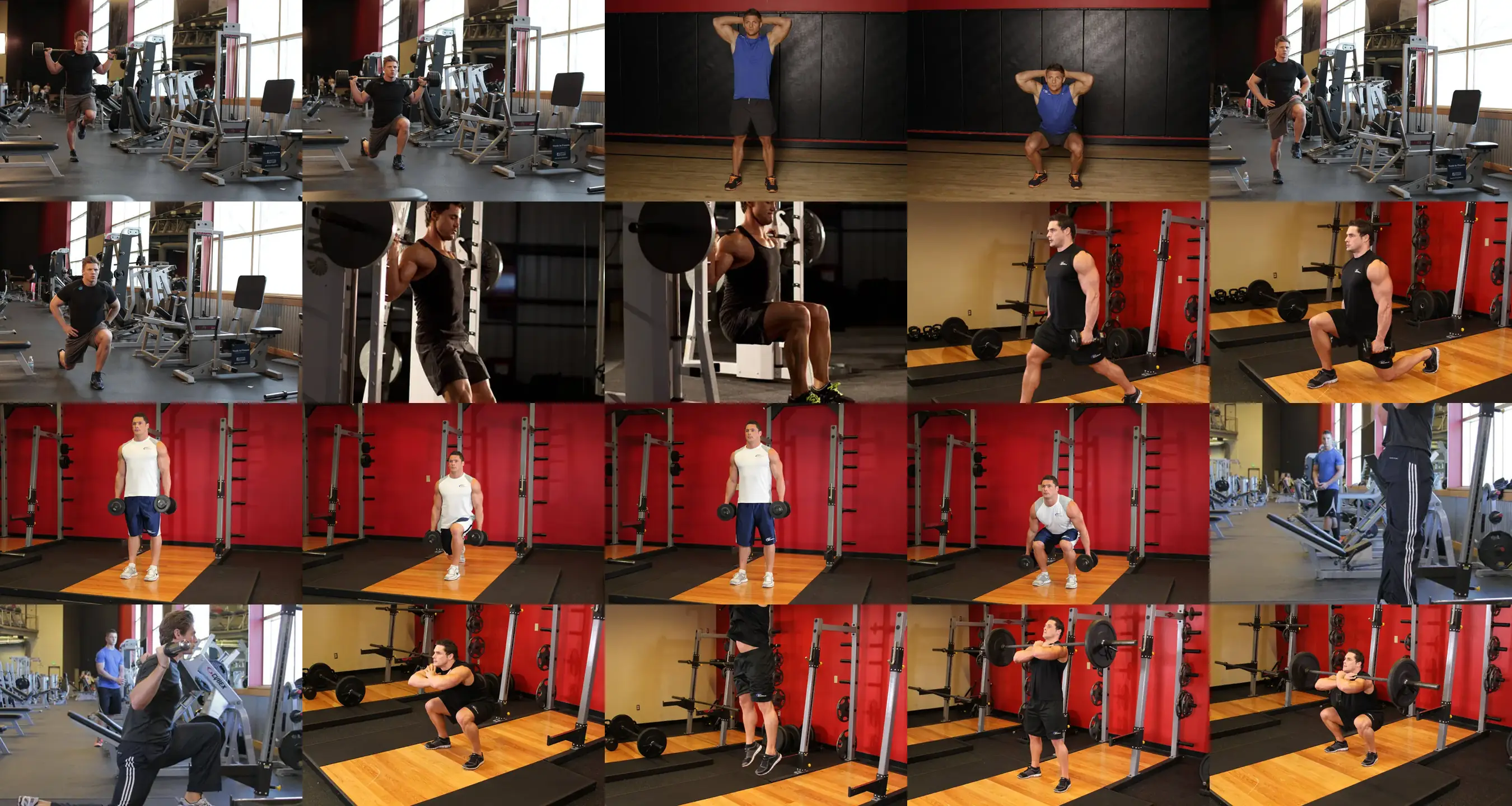
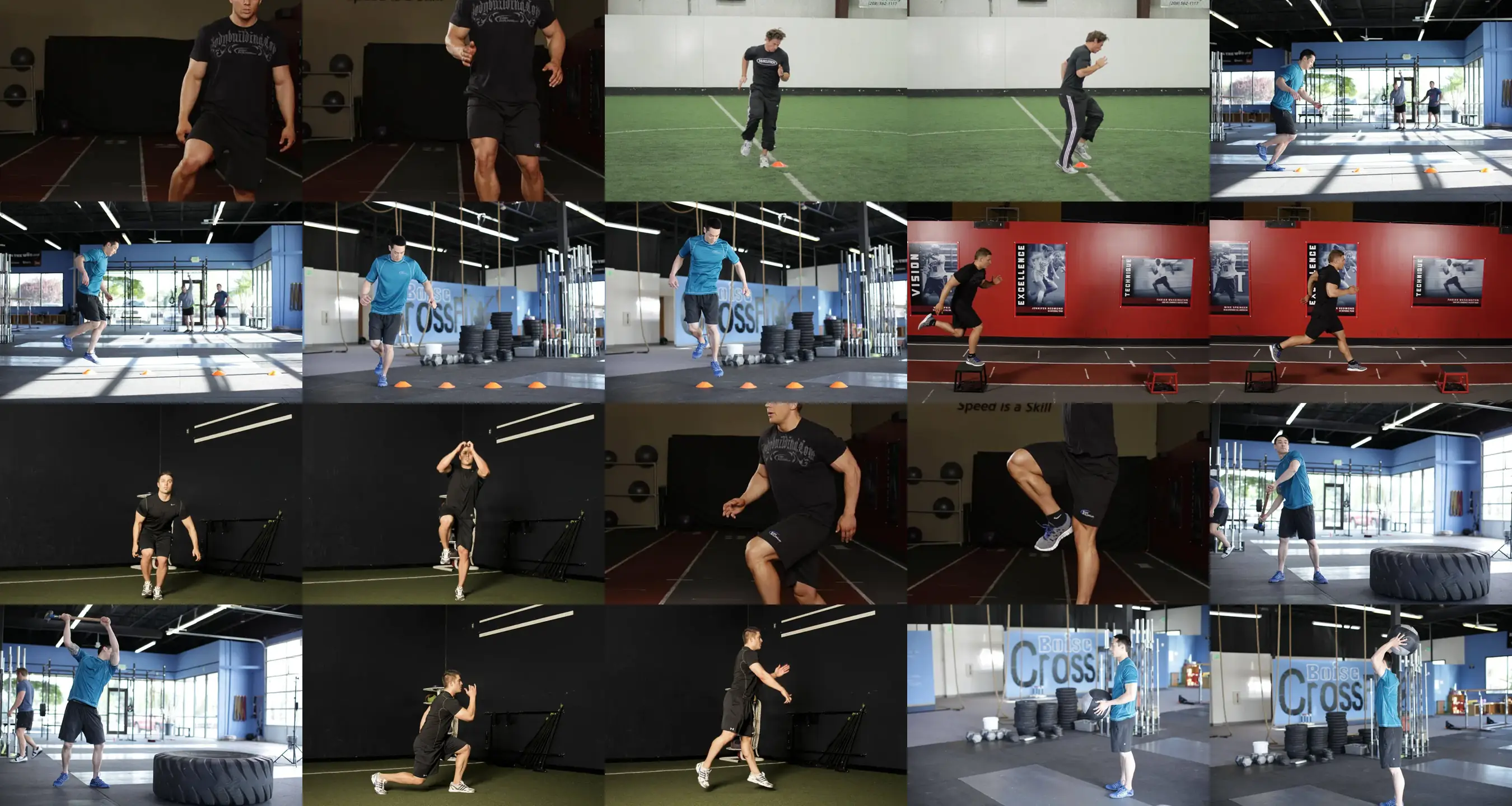
- Set up in a lunge with one foot forward and one back, hip width apart, and lower until your back knee is near the floor.
- Keep your torso upright, weight shared between both legs and arms ready, breathing in.
- Jump explosively, pushing with both legs and throwing your arms up.
- In the air, hold your leg position or, if alternating, switch them with a quick, controlled motion.
- Land in a lunge with the front knee aligned over the foot and lower under control, exhaling.
- Launch the next jump from the bottom, doing 6 to 10 reps per leg.
Form cues
- Sink deep and explode
- Vertical torso
- Front knee over your foot
- Land soft into the lunge
Common mistakes
- Short, high lunge: you lose range and power; drop until your back knee nearly touches.
- Front knee caving in: it stresses the joint; align knee and foot.
- Feet in line like a tightrope: you lose balance; keep them hip width apart.
- Landing stiff: it pounds your knees; absorb by sinking into the lunge.
How to make it easier or harder
As a regression, do static split squats or lunges with a small hop on your toes. To progress, alternate legs in the air, add light dumbbells, or move on to scissor jumps for maximum height.
Sets and reps for your goal
Plyometrics
3-5 x 3-6 jumps · rest 1-2 min3-6 sets of 3-8 jumps. In total, 60-100 contacts per session (40-60 if you're a beginner). Rest 1 to 2 minutes between sets.
Short, quiet ground contact. If the jump loses height or your foot sticks to the ground, stop: the set is no longer training reactivity. Two sessions per week, 48 h apart.
A guide for healthy adults. Adjust the load to your level and see a professional if you have an injury.
Check your form
Film yourself from the side or ask someone to watch, then tick what you get right.
Frequently asked questions
Is a split jump the same as a scissor jump?
They are very similar. The split jump usually starts from a deep lunge and can keep the same leg forward, while the scissor jump emphasizes maximum height and a wide leg switch every rep.
What does the split jump work?
It works your quads, glutes and hamstrings one leg at a time, plus your calves. It also improves power, balance and knee and hip stability.
Sports it suits
Gear for this exercise
- Exercise matThick (8-10 mm) for floor work.
As an Amazon Associate, Muscle Atlas earns from qualifying purchases.