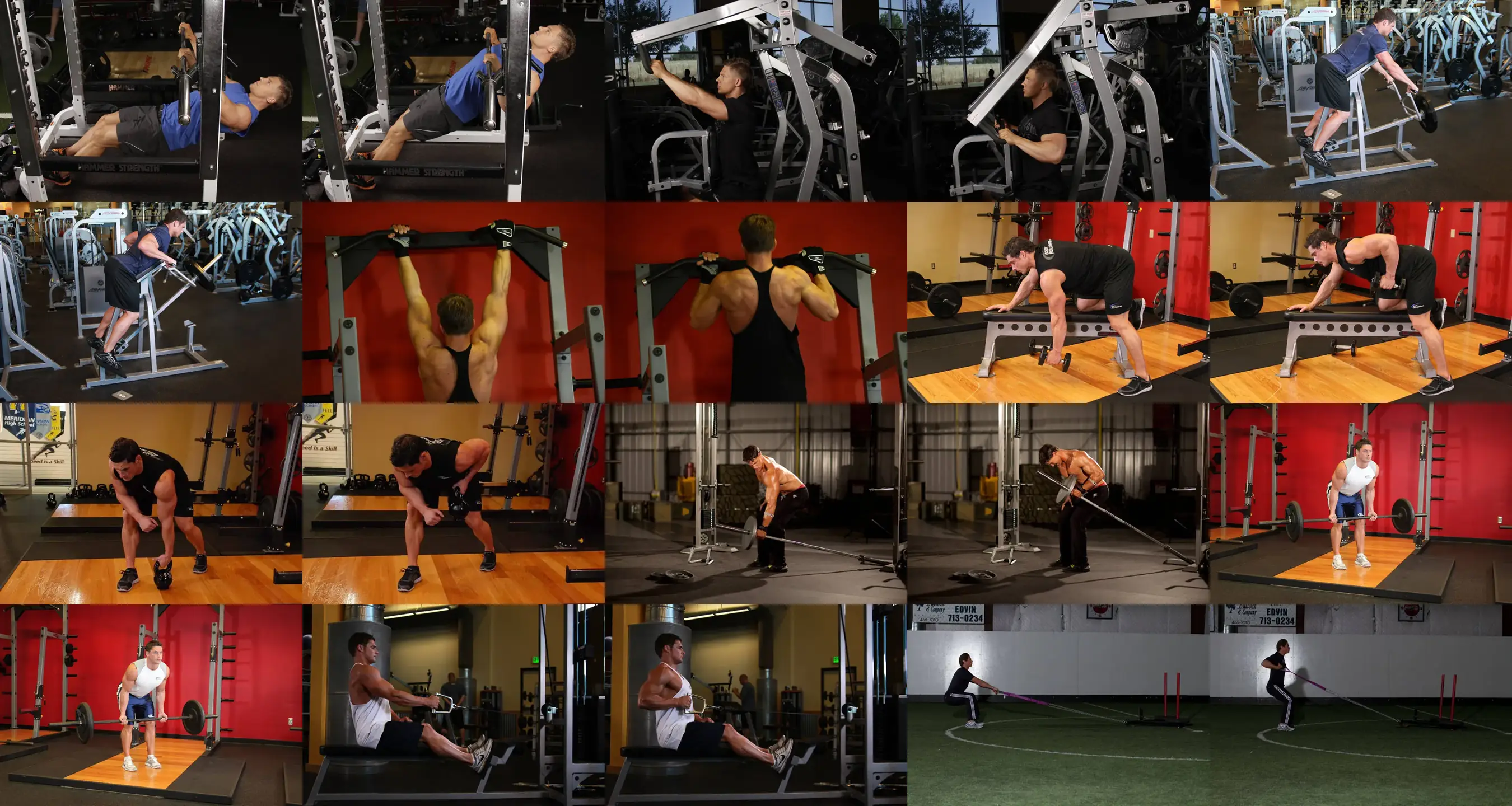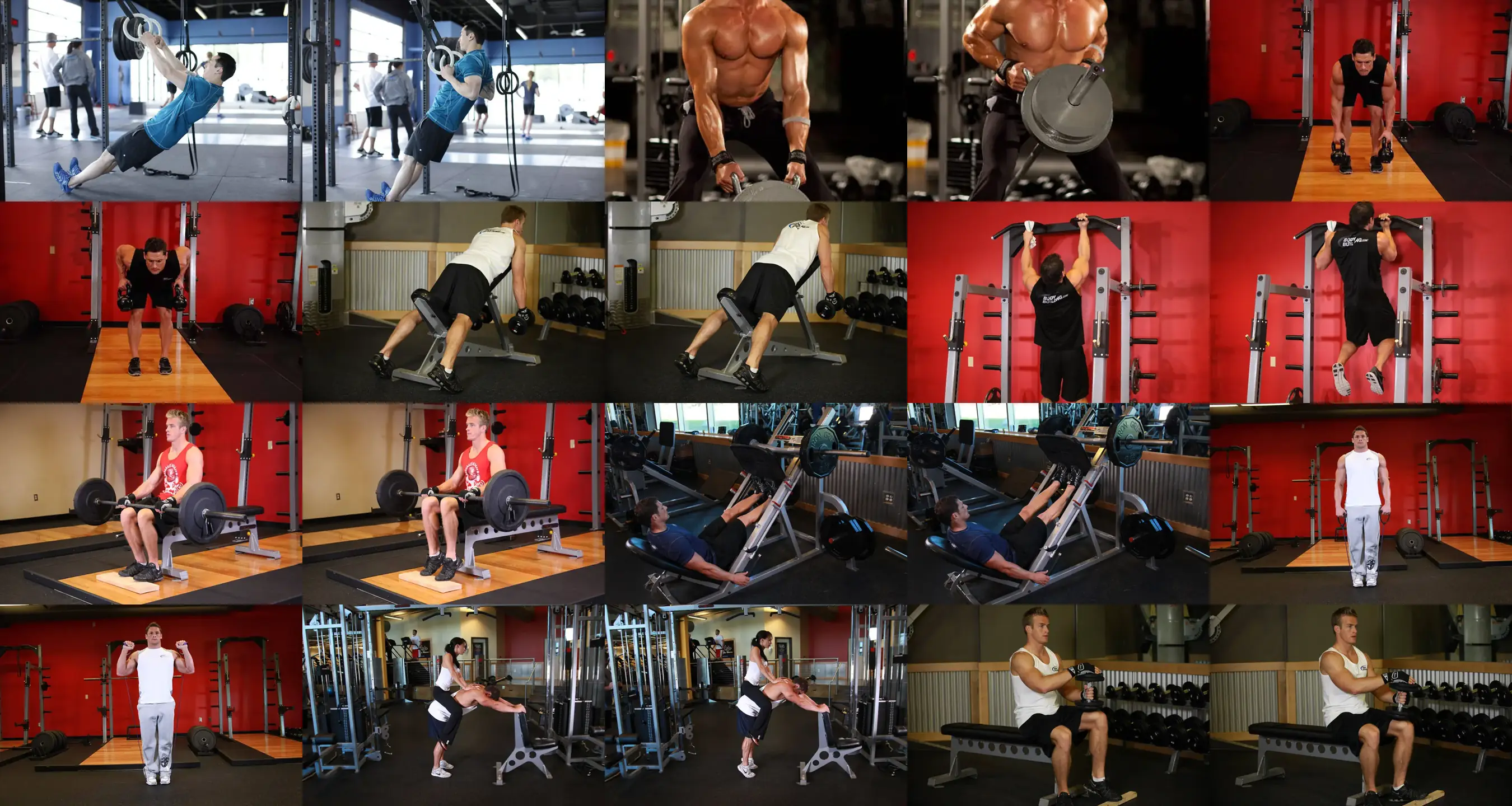
Setup and loading
Anchor one end of the bar in a landmine or corner and load the other with 25 or 35 lb plates so they do not limit range. Place the V-handle under the bar next to the plates and pick a weight for 8 to 12 reps without standing up.
How to do the t-bar row with v-handle step by step
- Straddle the bar with feet shoulder width apart and knees bent, and hook the V-handle under the bar next to the plates.
- Push your hips back and lean your torso to about 45 degrees, with a neutral spine and straight arms holding the handle.
- Take a breath, brace, and row the handle toward your lower chest or upper stomach with your elbows tucked.
- Squeeze your shoulder blades together for one second at the top and exhale.
- Lower slowly to straight arms without letting the plates touch the floor.
- Keep the same torso angle every rep and set the bar down with a flat back when done.
Form cues
- Neutral spine, chest proud
- Elbows tucked to your body
- Smaller plates for more range
- Torso angle locked
Common mistakes
- Standing up to move the weight: it becomes a lower back heave; reduce the load.
- Rounding your back: it raises lumbar risk; bend your knees more and lift your chest.
- Big 45 lb plates: they hit your chest and cut range; use more, smaller plates.
- Bouncing at the bottom: you lose control; start each rep from a still, straight-arm hang.
How to make it easier or harder
To make it easier, use a chest-supported T-bar row or incline dumbbell rows. To progress, add load, switch to a wide grip to change the emphasis, or pause for two seconds at the top.
Sets and reps for your goal
Hypertrophy
3-4 x 8-12 · rest 60-90 s3-4 sets of 6-12 reps (up to 15-20 on isolation exercises) at 65-80% of your max. Rest 1 to 2 minutes.
Get close to failure (0-3 reps in reserve) and control the lowering for 2-3 seconds. Accumulate 10-20 sets per muscle per week.
Max Strength
4-5 x 3-6 · rest 2-3 min3-6 sets of 1-6 reps at 80-90% of your max (1RM). Rest 2 to 5 minutes.
Leave 1-3 reps in reserve. If your technique breaks down, lower the weight: strength is built with good reps.
A guide for healthy adults. Adjust the load to your level and see a professional if you have an injury.
Check your form
Film yourself from the side or ask someone to watch, then tick what you get right.
Frequently asked questions
What handle should I use for T-bar rows?
A V-handle with a close neutral grip is the most common and allows heavy loading with lat emphasis. A wide or overhand handle flares the elbows and works more upper back and rear delts.
T-bar rows or barbell rows?
The T-bar row follows a more fixed arc, usually feels easier on the lower back, and is simpler to learn. The barbell row demands more stability and control. Both are great for building back size.
Sports it suits
Gear for this exercise
- Olympic barbell and platesTo keep progressing on the big lifts with heavy loads.
As an Amazon Associate, Muscle Atlas earns from qualifying purchases.
Variations and similar exercises
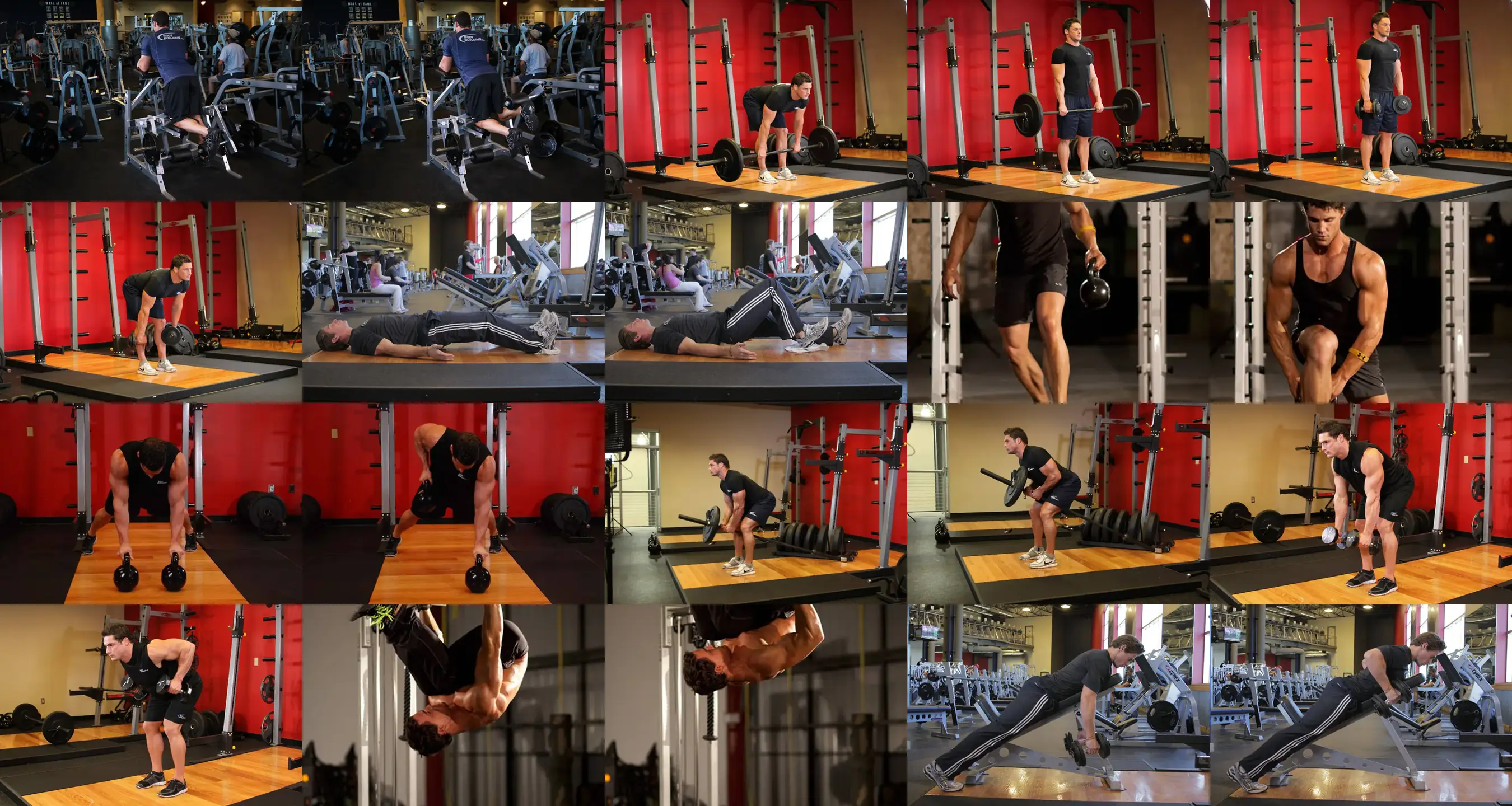
Alternating Renegade Row
Landmine T-Bar Row
Bent-Over Dumbbell Row
Bodyweight Bar Row
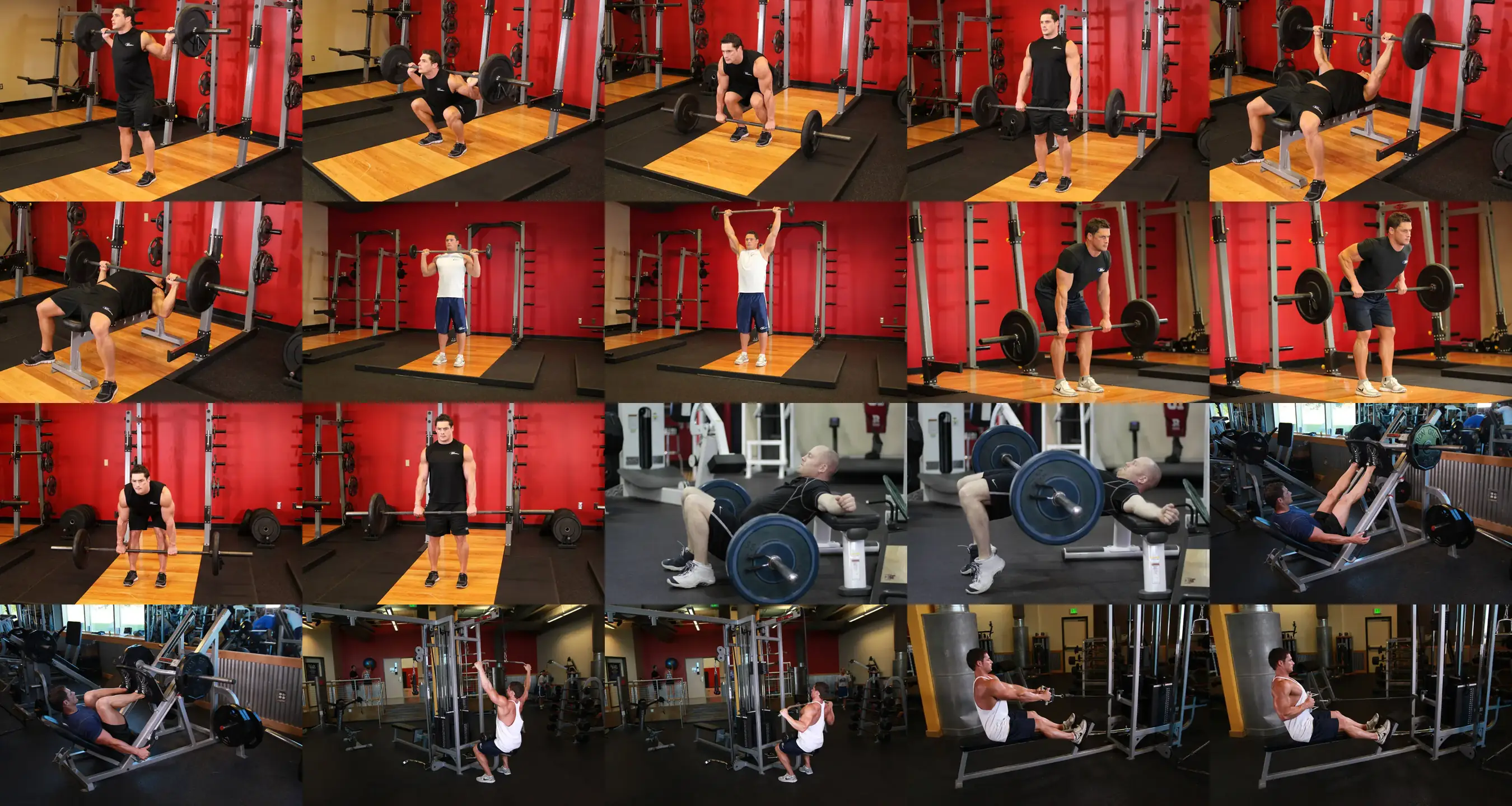
Seated Cable Row
Band Pull-Apart
Chest-Supported Incline Dumbbell Row