Setup and loading
Pick a tire you can lift with a flat back, often 220 to 440 pounds to start depending on your strength. Work in sets of 4 to 8 flips or for time, resting enough to keep your technique clean.
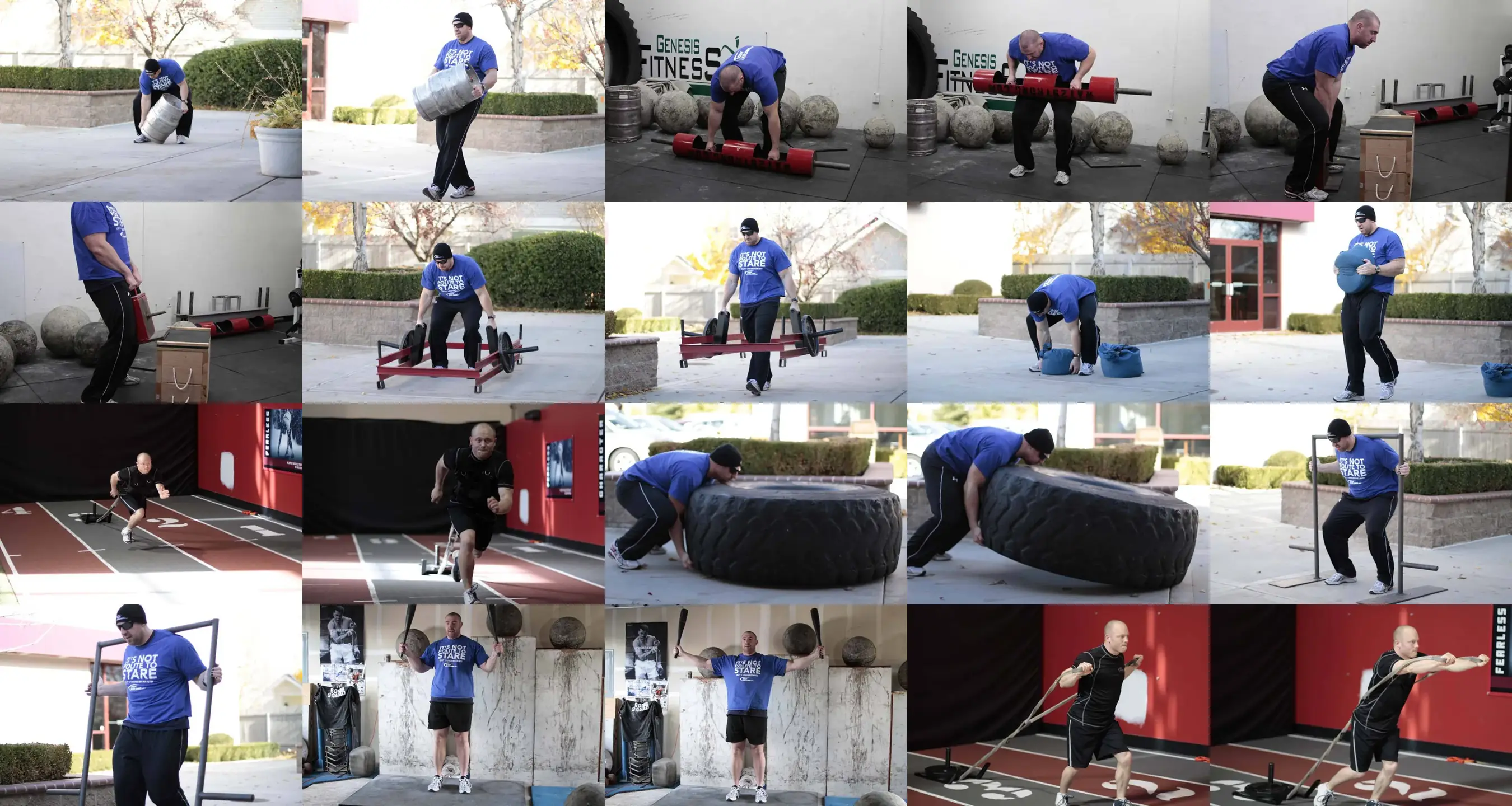
How to do the tire flip step by step
- Stand facing the tire with feet hip-width apart and toes a few inches from the rubber.
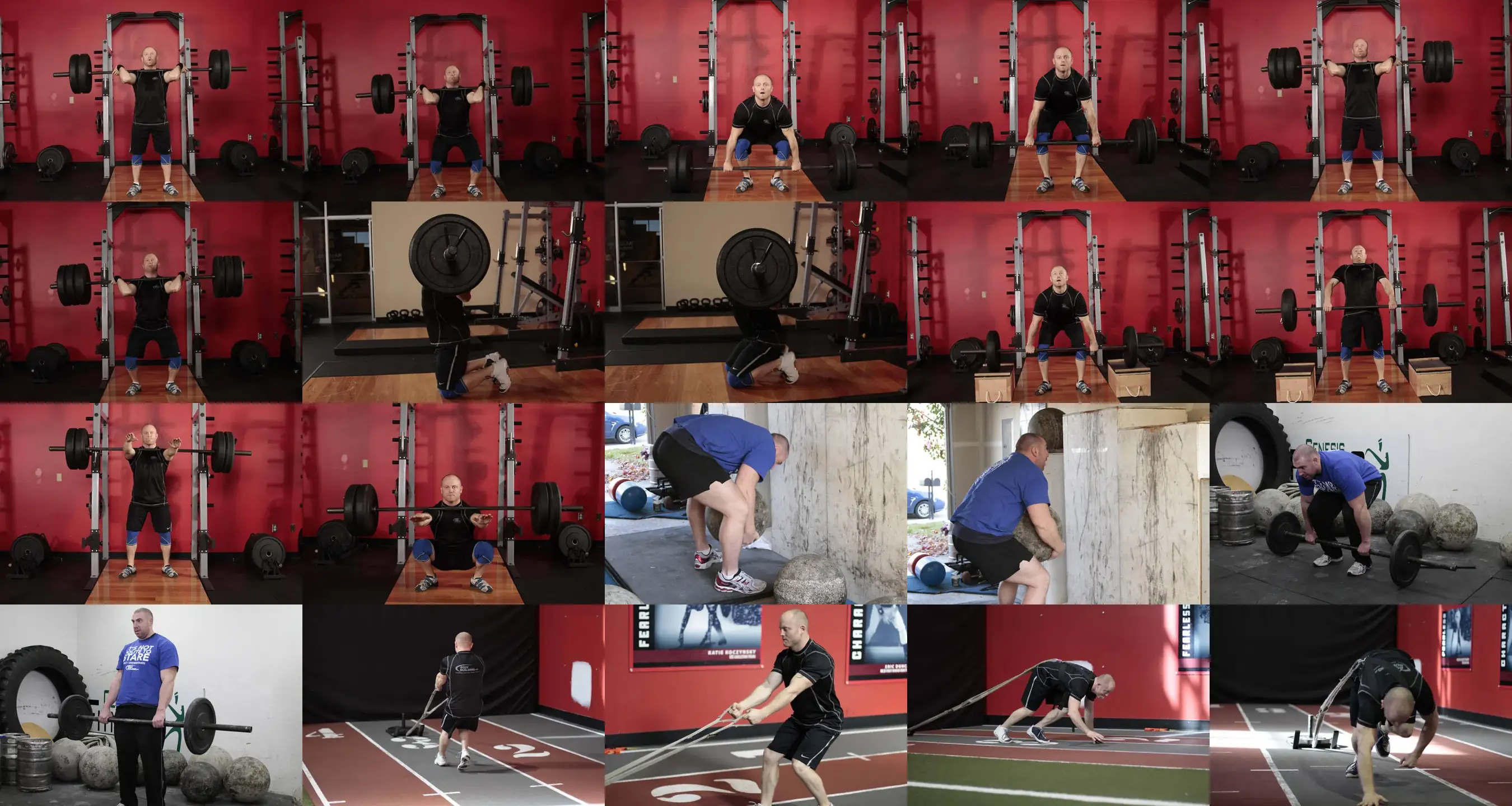
- Squat down, press your chest against the tire, and slide your fingers underneath with palms up and arms wide.
- Breathe in and brace; with a flat back and hips lower than shoulders, drive the tire forward and up.
- Extend your hips and knees explosively and step forward as the tire rises, without pulling with your back.
- When it reaches hip height, quickly flip your hands into a pushing position and drive a knee into the rubber.
- Press with straight arms until the tire falls, exhale, and set up for the next flip.
Form cues
- Drive the tire forward, not straight up
- Chest tight against the tire at the start
- Explode through your hips before your arms
- Switch your hands fast into a push
Common mistakes
- Lifting like a round-back deadlift: it loads your lower back; keep your chest on the tire and back flat.
- Setting up too far away: you pull from poor leverage; bring your feet and chest in close.
- Curling the tire with your arms: it risks biceps injury; keep arms straight until the hand switch.
- Standing still as it rises: you lose momentum; step forward and follow the tire.
How to make it easier or harder
To regress, use a lighter tire or practice trap bar deadlifts and medicine ball throws. To progress, use a heavier tire, flip for time, or pair flips with sled drags.
Sets and reps for your goal
Max Strength
4-5 x 3-6 · rest 2-3 min3-6 sets of 1-6 reps at 80-90% of your max (1RM). Rest 2 to 5 minutes.
Leave 1-3 reps in reserve. If your technique breaks down, lower the weight: strength is built with good reps.
Endurance
2-4 x 15-25 or 30-60 s2-4 sets of 15-30 reps or 30-60 seconds at 40-60% of your max. Rest 30 to 60 seconds.
Steady pace and clean technique to the end. Circuits help you build volume with little rest.
A guide for healthy adults. Adjust the load to your level and see a professional if you have an injury.
Check your form
Film yourself from the side or ask someone to watch, then tick what you get right.
Frequently asked questions
How heavy should my first tire be?
It depends on your strength, but many people start with tires around 220 to 330 pounds. The benchmark is that you can flip it several times with a flat back and without curling it with your arms.
What muscles do tire flips work?
It is a full-body movement: your legs and glutes produce the power, your back holds posture, and your chest, shoulders, and triceps finish the push. Longer sets also challenge your conditioning.